Last updated November 18, 2026
Free written scope consultation - allowances, timeline, and change-order rules on paper before a single trade is scheduled
Choosing the Right Construction Brand: A Buyer’s Guide for Hialeah
Here’s a fact that surprises most homeowners: if the wrong installer puts in the right product, the manufacturer can walk away from the warranty. You paid a premium for a name-brand roof or paver, then a crew without factory certification installs it, and the coverage you thought you bought is void. We’ve seen it in Hialeah more times than we’d like. This guide is about the brands behind your materials, not the logo on a truck. You’ll learn how to verify installer credentials, which material categories are worth a brand premium in South Florida, how impact ratings are actually certified, and why brand choice becomes a resale decision. Hialeah sits in one of the toughest climate zones in the country for building materials, so getting this right matters more here than it does in most markets.
Quick Answer
The right construction brand for a Hialeah home is the one whose authorized installation system matches your climate exposure and whose warranty you can verify in writing. That’s not the most expensive name or the cheapest bid. It’s a brand with installer certification, hurricane impact testing tied to the full assembly, and transferable coverage. A brand partner you can’t audit is just a sales pitch.
Styles & brands we work with
- Kitchen remodeling
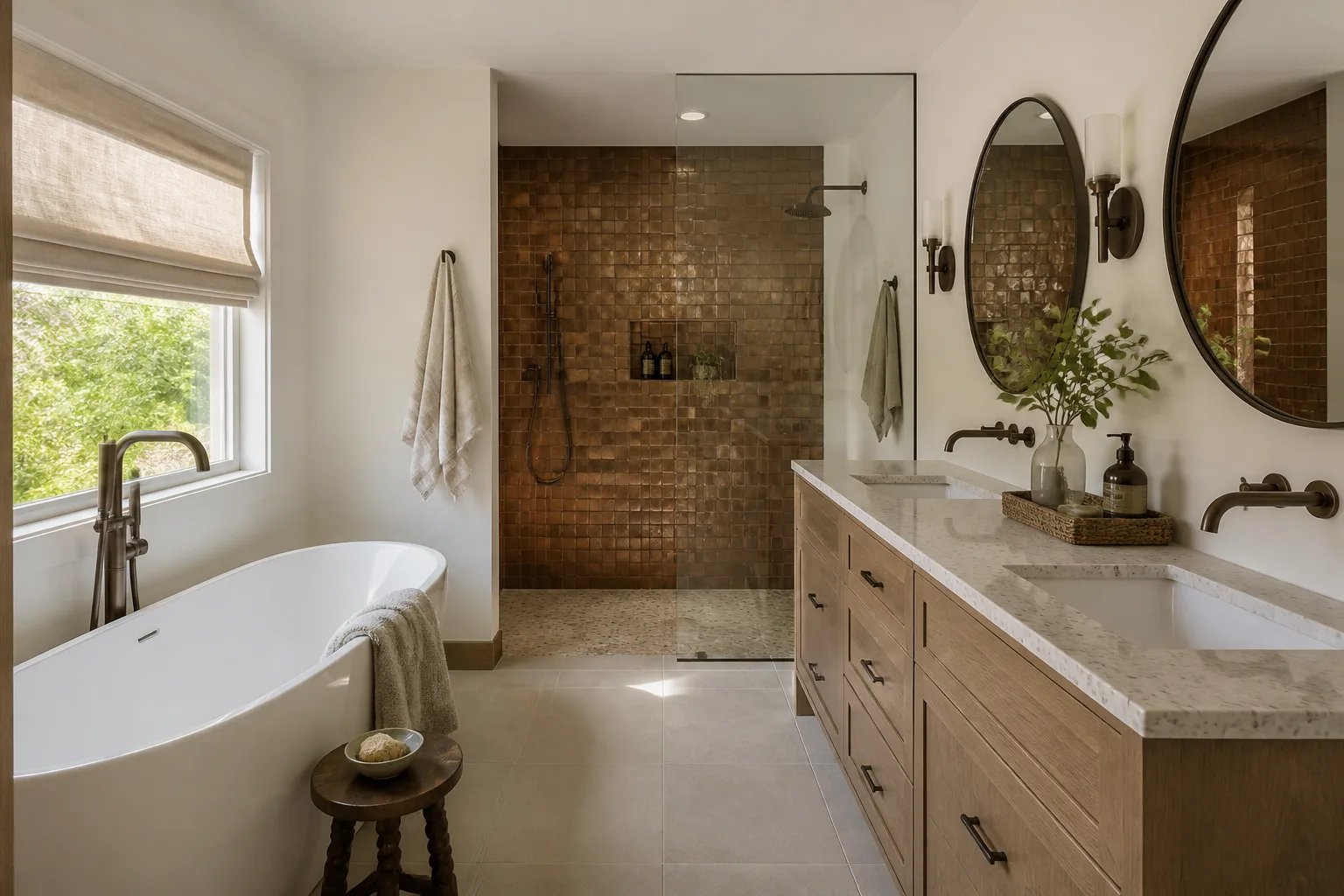
- Bathroom remodeling
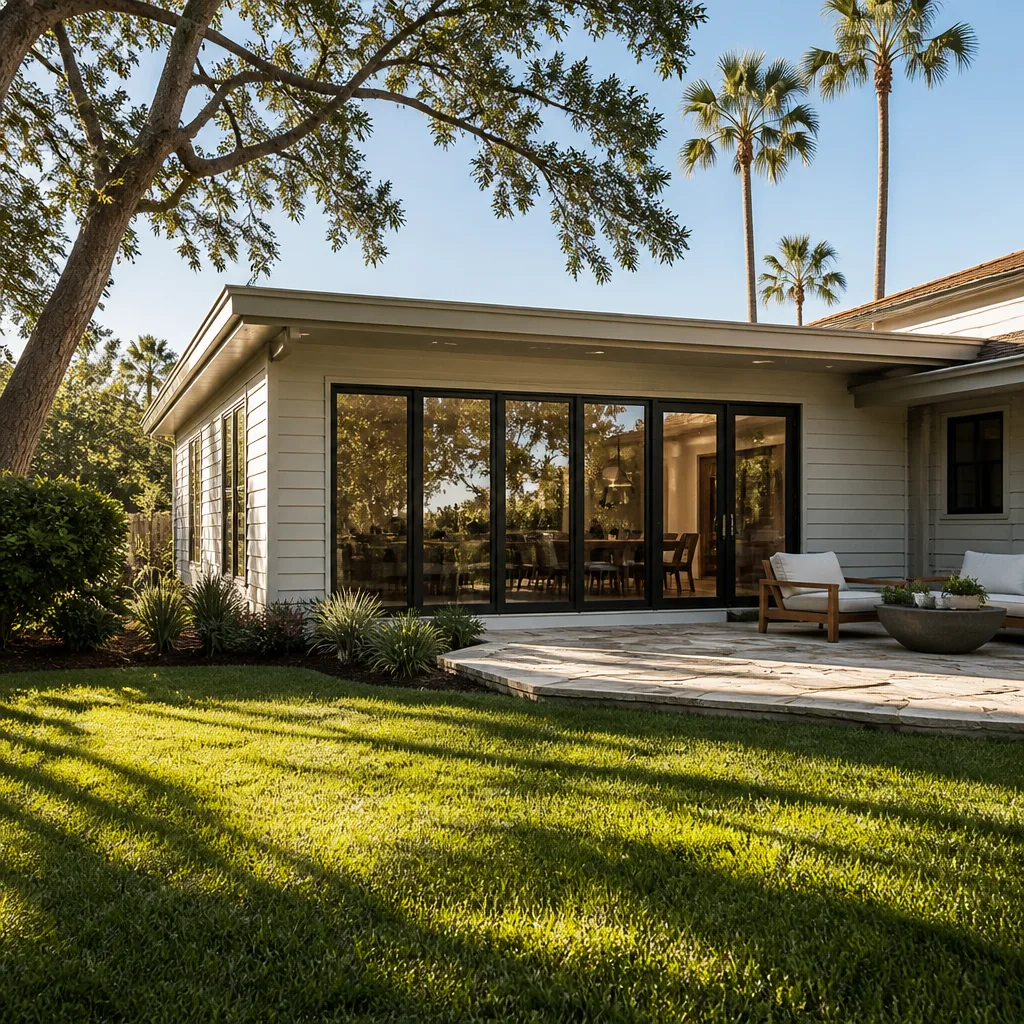
- Home additions & ADU
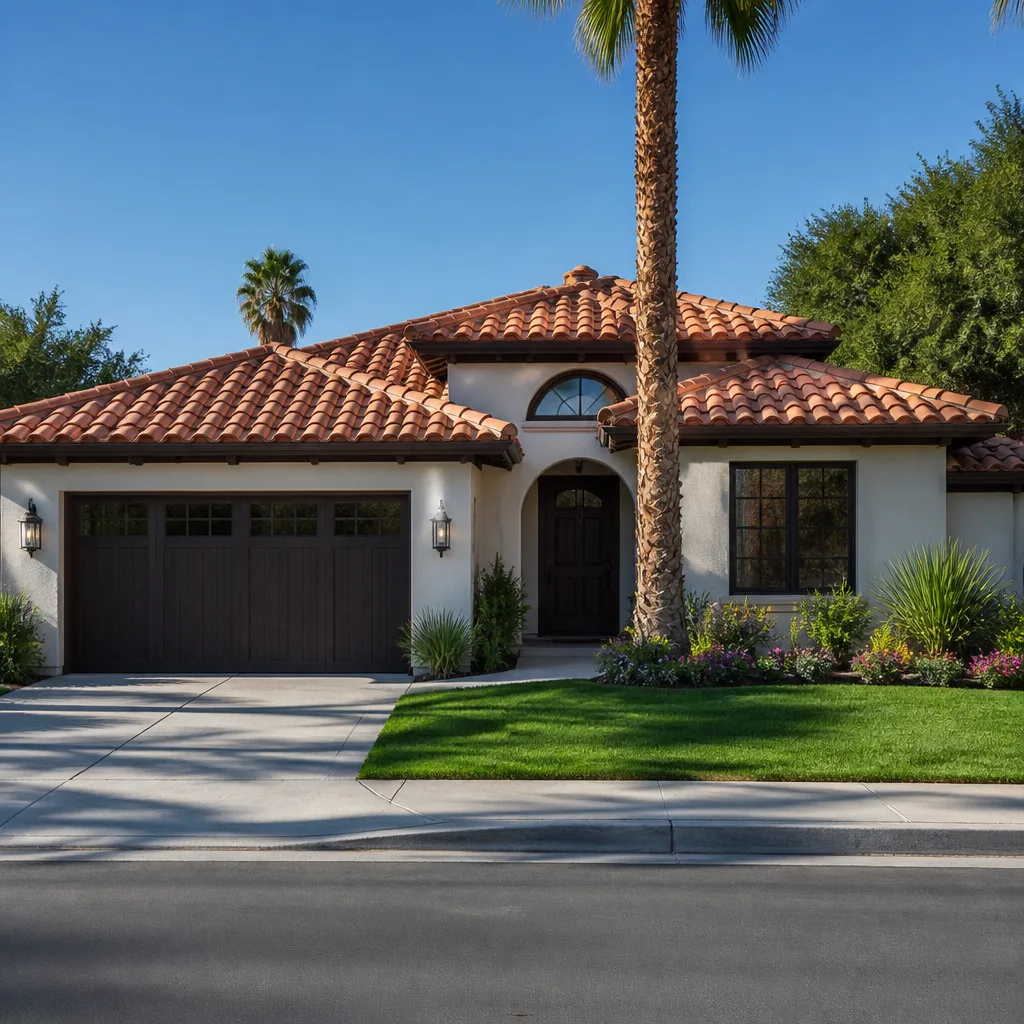
- Roofing
- Windows & doors
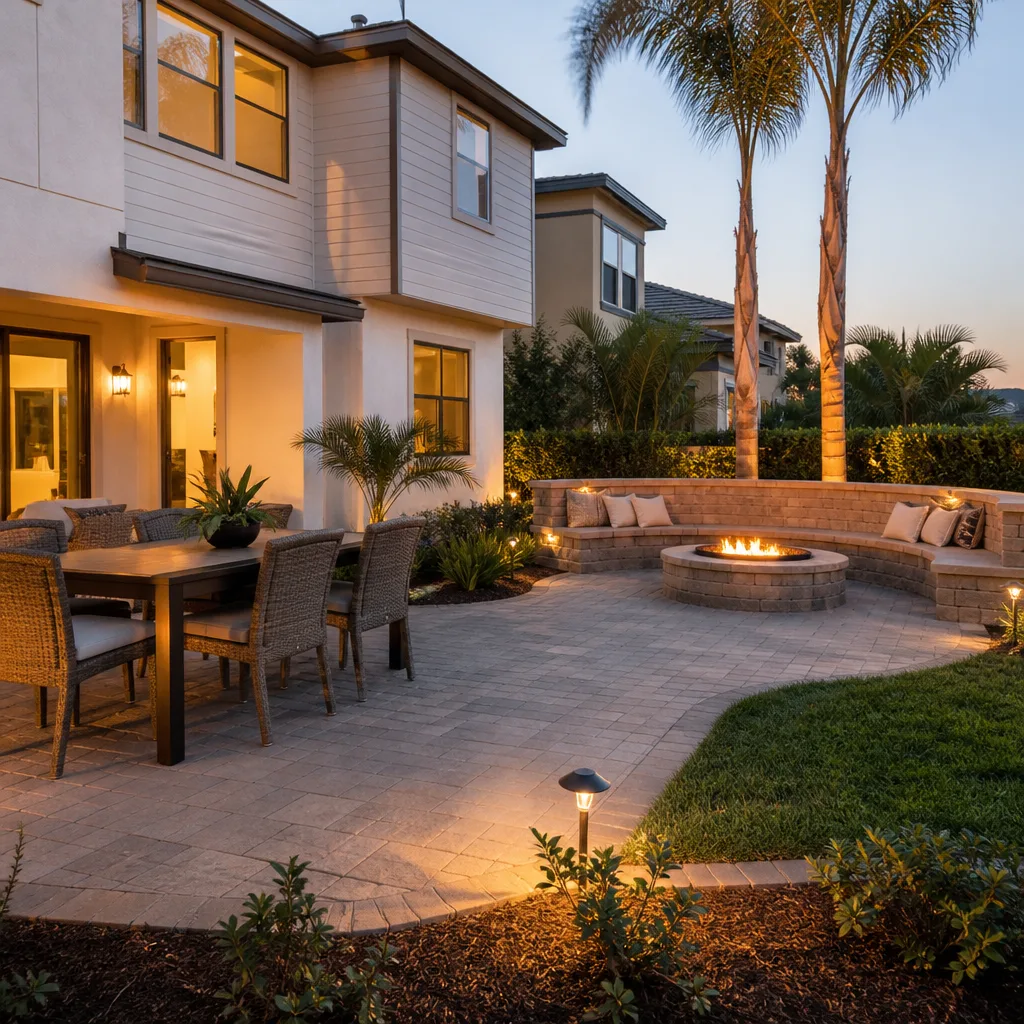
- Driveway & pavers
- Fence
Table of Contents
- Why brand choice is a warranty decision, not a cosmetic one
- How to verify a contractor is an authorized installer
- Which material categories matter most for South Florida conditions
- How hurricane impact ratings are tested and certified
- Warranty transfer and your resale value
- Where brand premium is worth it and where it isn’t
- What our brand partnerships actually protect you from
- A 6-step framework for evaluating any brand
Why brand choice is a warranty decision, not a cosmetic one
Most homeowners evaluate materials by look and price. The real stakes are availability, warranty enforceability, and installer accountability. Those three decide what happens when a product fails five years in, which is exactly when a contractor’s willingness to return matters most.
Consider what happens when a shower valve fails. With a national brand, the replacement cartridge is in a Hialeah supply house that day. With an off-brand import, you’re waiting weeks for a part that may have been discontinued. The difference between a one-day repair and a month-long headache usually comes down to the name on the box.
Warranty enforceability is the second piece. Premium manufacturers structure their coverage around authorized installation. The warranty on a metal roof is often a joint product-and-labor warranty when a certified contractor installs it. When it isn’t certified, you’re left holding a materials-only warranty that covers parts but not the labor to fix them. Pulling off a roof and reinstalling it costs more than the product did.
The third piece is accountability. When a certified installer is on the job, the manufacturer and the contractor both have a stake in the repair going right. That’s leverage you don’t get from a handshake and a business card.
Hialeah’s sun and salt air speeds up material failure compared to inland markets. UV exposure degrades cheap sealants years before premium ones. The real question isn’t whether the brand costs more. It’s whether the brand still works for you in year eight, when the cheap option has already failed.
How to verify a contractor is an authorized installer
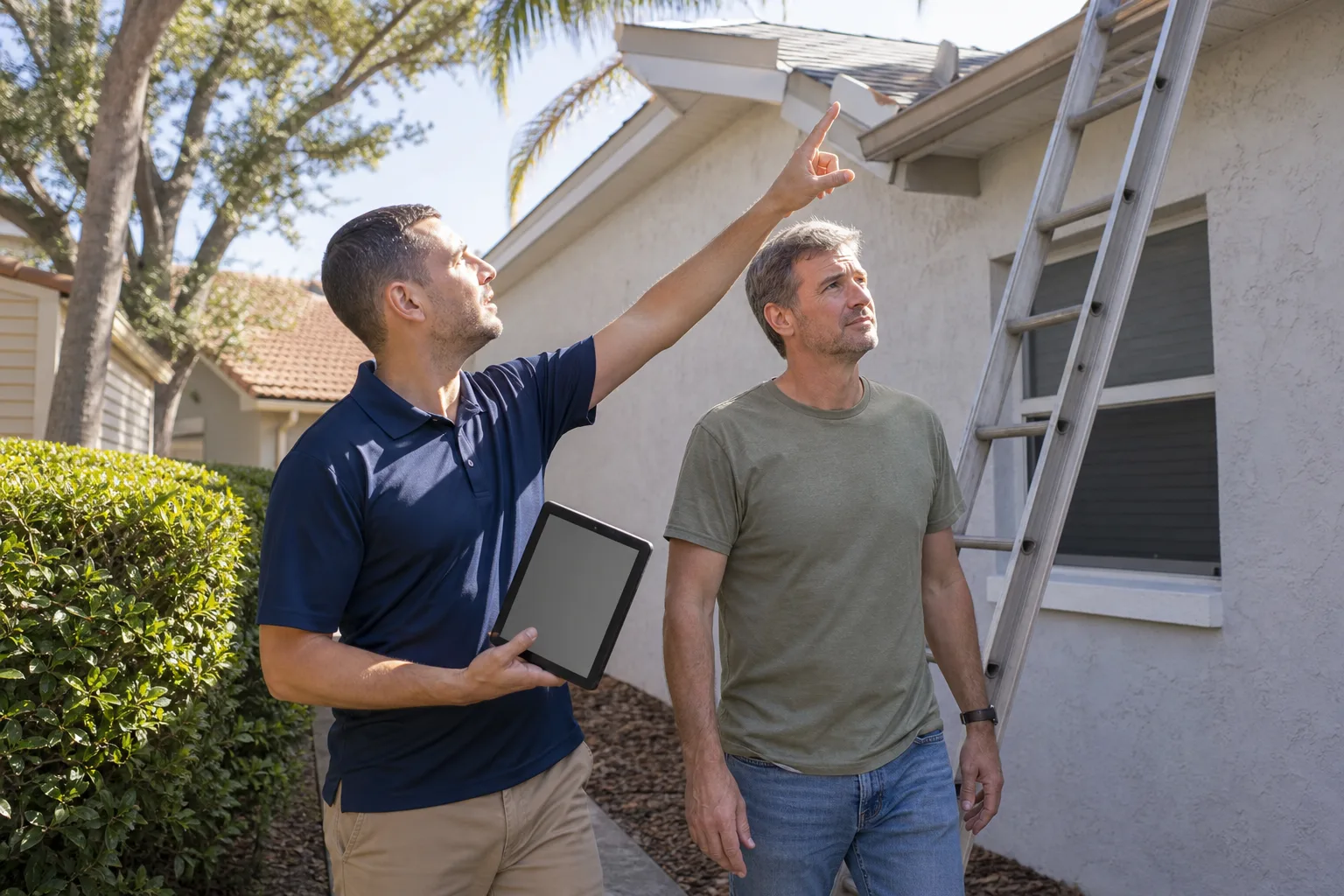
Ask directly and expect documentation. Every major manufacturer runs a certification program, and every one of them publishes a way to check it. Here’s how to verify rather than take someone’s word for it.
- Ask for the certification name and number in writing. “We install GAF” is marketing. “We’re a GAF Master Elite® contractor” is a specific program with specific warranty consequences. Get it on paper in the proposal.
- Cross-check the manufacturer’s own “find a contractor” tool. Pull up the brand’s website on your phone while the estimator is there and search their locator for your address. Real certifications show up. Fabricated ones don’t.
- Look for the program tier, not just the badge. Roofing programs typically run from basic certification to elite tiers, and top-tier status requires years of record and insurance verification. For concrete pavers, Tremron and Techo-Bloc both maintain installer directories worth checking.
- Ask what happens if the installer isn’t certified. A straight answer about the warranty handcuff is a good sign. Deflection is not.
- Verify the insurance certificate matches the company name. A certificate in another name, or one expired before your project window, is a real problem.
Manufacturer certifications usually require proof of insurance, a clean license, and completed installation training. When a contractor can’t produce that paperwork, the certification story falls apart fast.
Hialeah projects often involve older construction where the system matters more than a single product. That makes the certification documentation the difference between a serviceable roof and a repeat failure.
Which material categories matter most for South Florida conditions
Not every category deserves the same scrutiny. Some products are genuinely commoditized, where paying a brand premium mostly buys a nicer label. Others show real performance differences under South Florida exposure.
Worth a premium:
- Roofing products. GAF and CertainTeed both engineer their underlayment, starter strips, and cap systems as systems rather than parts. The margin for error drops at seams, and seams are where Hialeah roofs fail first.
- Impact windows and doors. Andersen and Pella both operate certified installation networks. In a hurricane market, the performance of a window depends on the frame, the fastening pattern, and the installation system as much as the glass.
- Exterior cladding and concrete pavers. In the sun and humidity around Hialeah, cheap pavers fade and chalk within two or three seasons. Brands like Tremron and Cambridge Pavers are built to hold color and survive the salt air cycle.
- Cabinet and countertop systems used near water. KraftMaid builds cabinetry with moisture resistance in mind; Cambria quartz handles a Florida kitchen better than the entry-level alternatives.
Commoditized enough that the brand premium is small:
- Interior drywall and basic framing lumber. Regionally sourced, standard grades. The installer’s workmanship matters far more than the mill stamp.
- Standard paint. Mid-tier national brands perform comparably to the premium lines when the prep is right. Prep is almost always the failure point, not the paint.
Hialeah’s dense lots and older homes make moisture management the recurring theme. A brand known for water-resistant construction in this market earns its premium. One known for fair-weather performance doesn’t.
How hurricane impact ratings are tested and certified
This is where the most expensive mistakes happen. A product’s impact rating belongs to the installation system, not the product alone. The same impact window rated for one fastening pattern can fail the same test with a different one, and Hialeah homes run into this constantly because no two houses were built the same way.
Here’s how certification works in practice:
- A lab tests the full assembly. The impact test (Miami-Dade or Florida Product Approval) evaluates the window or door as installed, with specific frames, fasteners, and edge distances.
- The approval lists installation conditions. Those conditions become requirements, not suggestions. Deviating from them voids the rating.
- The installer must follow the approval instructions. Misspecified fasteners or a shortcut at a corner turns a rated assembly into an unrated one, even when the product is correct.
- Inspection confirms compliance. Building officials check against the approval document, not a marketing brochure.
Ask your contractor for the Notice of Acceptance or Product Approval document, and ask how their install method matches it. A crew that can walk you through the fastening schedule understands the system. A crew that can only point to the glass is a warning sign.
Wind exposure in Hialeah varies by neighborhood, from coastal-rated zones to inland conditions. A single rating thrown across every project is a red flag that the contractor doesn’t understand the assembly.
Warranty transfer and your resale value
A warranty you can’t transfer is worth less than the paper it’s printed on. Premium construction brands increasingly allow warranty transfer to a subsequent homeowner, and that changes what your material choice is worth at resale.
Roofing warranties are the clearest case. Many manufacturer warranties are transferable to a new owner for a limited period, some with a nominal fee, others with a required inspection. When you list your Hialeah home, a roof under warranty is a document a buyer can use to argue financing approval. A roof with no transferable warranty is a question mark you have to defend.
Impact window warranties are usually more limited but often transferable. Paver and hardscape warranties from brands like Techo-Bloc frequently carry transfer provisions. Flooring and cabinet systems vary widely.
The practical move is to ask three questions before you sign anything:
- Does the manufacturer warranty transfer to a future owner, and under what conditions?
- Will the contractor’s labor warranty transfer, and what does it cover?
- Will you give me a single document at completion that lists both, in plain language?
In Hialeah’s resale market, a buyer’s inspector looks at the roof, the windows, and the hardscape first. Those three items carry your transferable warranty story into the listing. A well-documented product beats a nicer-looking product every time when the paperwork is what closes a deal.
Where brand premium is worth it and where it isn’t
Spend where it counts, and don’t pay a markup for a label on something commodity. That’s the whole framework.
Worth the premium: roofing systems, impact windows and doors, exterior cladding, concrete pavers, exterior-grade cabinetry and countertops, and any system where warranty transfer and installer certification are tied together. These categories all have a failure mode that a brand change actually reduces. The premium shows up in a lower failure rate, not a nicer look.
Not worth the premium: standard interior drywall, basic lumber, standard paint (with good prep), most interior trim, and commodity fixtures. These are sold at scale, and the difference between one name and another is thin. The installer’s workmanship is what matters, and no brand choice overcomes bad execution.
The mistake homeowners make is treating all premiums the same. Paying a premium for a branded paint over a good prep job is money spent for the wrong reason. Paying a premium for a branded paver over an unbranded one with no certification is the right call in Hialeah, where the sun and salt air eat everything. Matching the premium to the failure mode is the whole trick.
Ask your contractor to show the failure mode each brand choice is protecting you from. A good one can explain it in one sentence. A bad one has a longer pitch and no specifics.
What our brand partnerships actually protect you from
Our brand partnerships exist to protect you from the two failure modes we see most: installed products whose warranty is void because the installer wasn’t certified, and premium materials that quietly disappeared from the market because the manufacturer faded out. We’ve built our material lineup around KraftMaid, Cambria, Kohler, GAF, CertainTeed, Andersen, Pella, Belgard, James Hardie, Tremron and Cambridge Pavers, and each one earns its spot for the same reason: they stand behind the warranty and make replacement parts available years later.
Concretely, here’s what that means when something goes wrong:
- Installed as specified. Our crews install to the manufacturer’s written conditions, so the product warranty and the installer warranty reinforce each other instead of canceling out.
- Transferable coverage documented at completion. Product and labor warranty documents are handed over in one package, in language you can actually read.
- Accountability that outlasts the job. Every project we complete is covered by the 730-Day Done Right Promise, so if something isn’t right two years out, it gets made right.
Hialeah homeowners in newer construction and older blocks both run into the same problems: warranty handcuffs, faded pavers, cracked sealants. Choosing brands tied to certified installation is the difference between a repair and a repeat.
That protection is why we keep the brand list short. A roster of dozens of “partner” logos means nothing without proof behind each one.
For projects that touch ground-up work, the same standard carries into our Home Additions & ADU services in Hialeah. Roofing and hardscape work feed into the same standard through Driveway & Pavers in Hialeah and Fence Installation in Hialeah. You can see how the standard runs through Groundwork Construction Co. of Hialeah.
A 6-step framework for evaluating any brand
Use this checklist on every material choice for a Hialeah project. It takes about ten minutes per brand and saves months of regret.
- Name the failure mode. Ask what typically fails on this product in South Florida, and how the brand reduces that failure. If the answer is “it just looks nicer,” it’s a cosmetic brand, not a performance brand.
- Get the certification in writing. Identify the manufacturer’s installer program, the certification number, and the tier. Verify it on the manufacturer’s own contractor locator before you sign.
- Get the approval document. For roofs, windows, and impact products, get the product approval or Notice of Acceptance document and ask how the install method matches it.
- Confirm the warranty structure. Is it product-only or product-and-labor? Does it require certified installation? Does it require registration or inspection within a specific window?
- Check the transfer provisions. Ask whether the warranty transfers to a buyer and what conditions apply. Note it in your project file for resale.
- Confirm availability of parts. Ask the contractor to point to a Hialeah-area supply source for the product’s replacement components. A brand with no parts channel is a brand you’ll be stuck with.
Run this on two or three brand proposals side by side and the strongest option usually surfaces on its own. That’s the point of the exercise: making the decision auditable rather than emotional.
Common Mistakes to Avoid
- Taking the badge at face value. A logo on a proposal isn’t certification. Verify the program name and number on the manufacturer’s own locator before signing.
- Skipping the approval document. For impact windows and roofs, the Product Approval or Notice of Acceptance is the only document that proves the rating. Ask for it and read the installation conditions.
- Comparing brands on price alone. A cheaper product with a non-transferable warranty is often more expensive over ten years. Compare total cost, including the cost of a future repair.
- Ignoring the installer as part of the system. The right product with the wrong installer can void the manufacturer warranty. The system is the brand plus the crew.
- Forgetting the parts channel. A discontinued brand turns a one-day repair into a full replacement. Confirm a local parts source before committing.
- Signing a warranty you haven’t read. Labor and product warranties are different documents. Read both, and confirm which one covers a reinstall.
- Assuming inland exposure is safe. Wind-driven rain and UV exposure inside Hialeah’s inland zones still stress materials. Choose materials rated for the exposure, not for the map.
See the difference
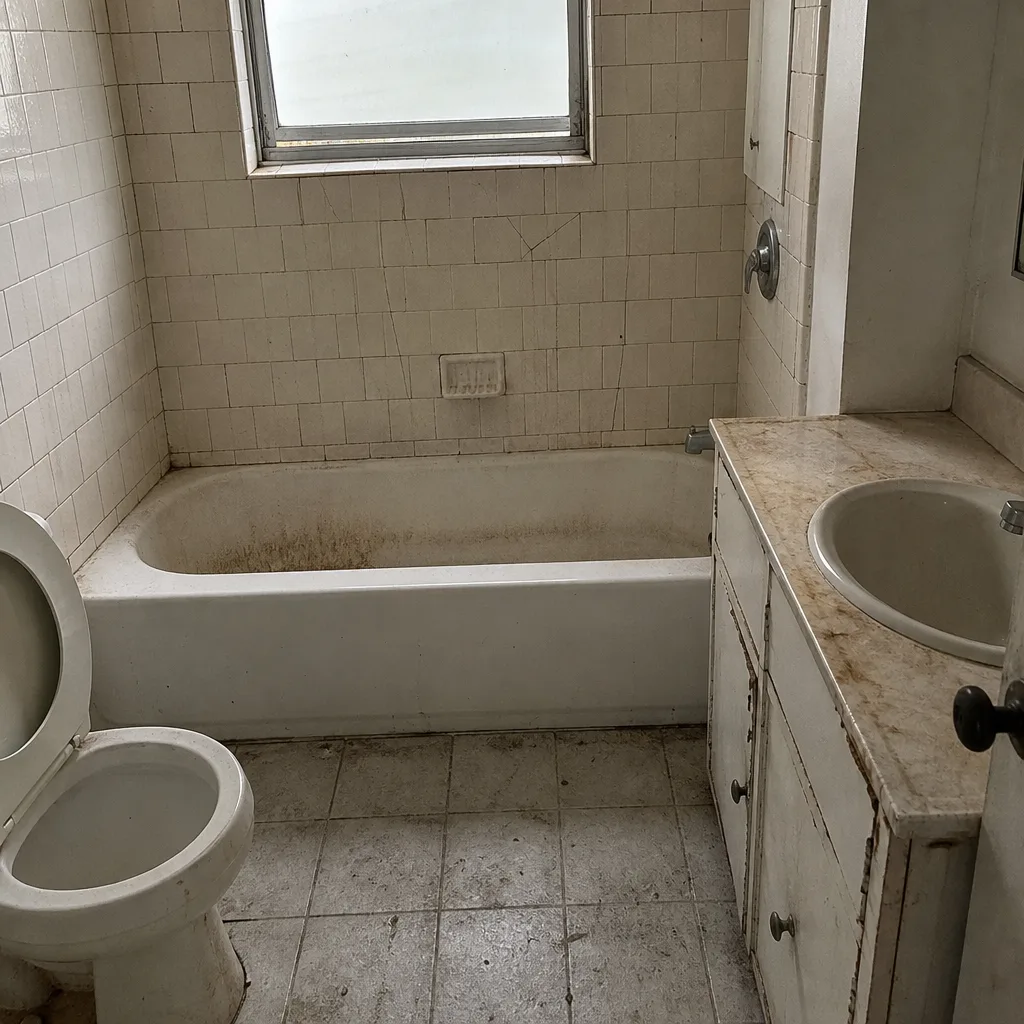 Before
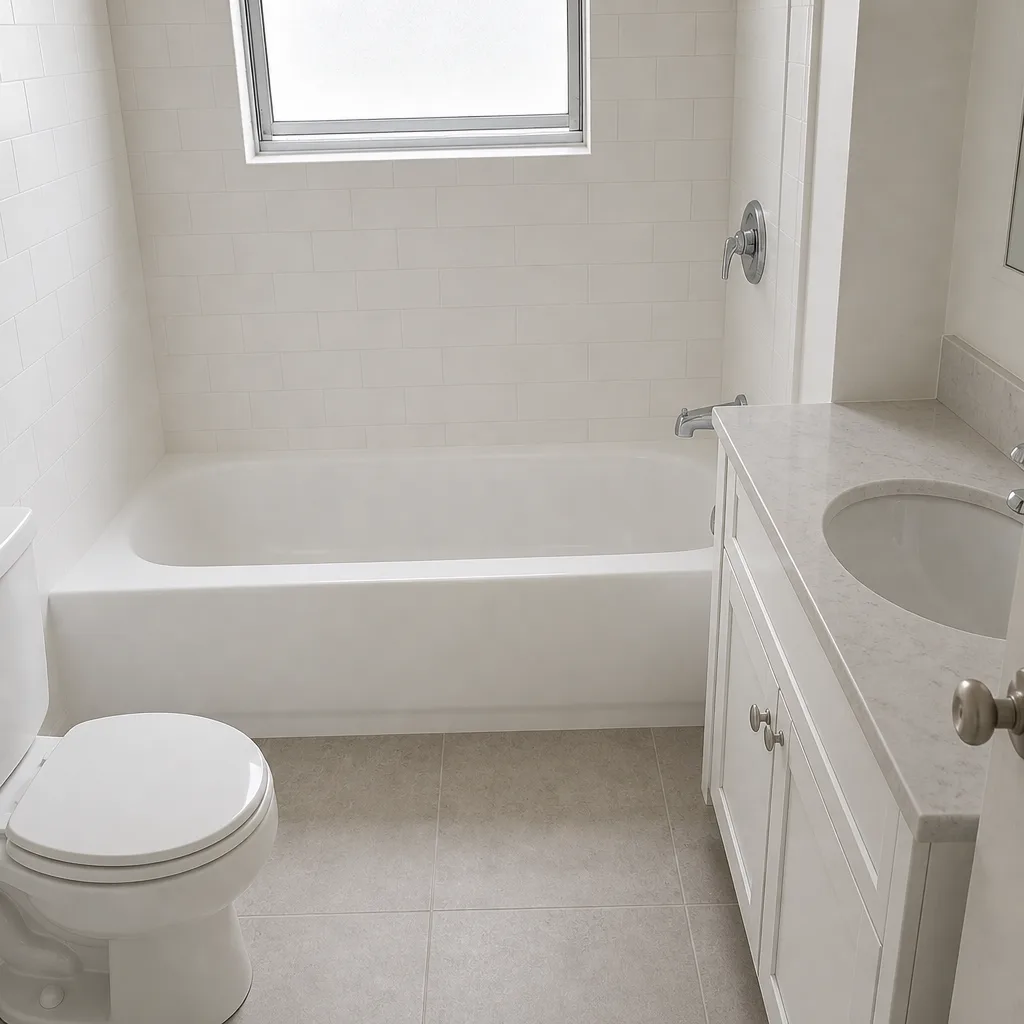 After
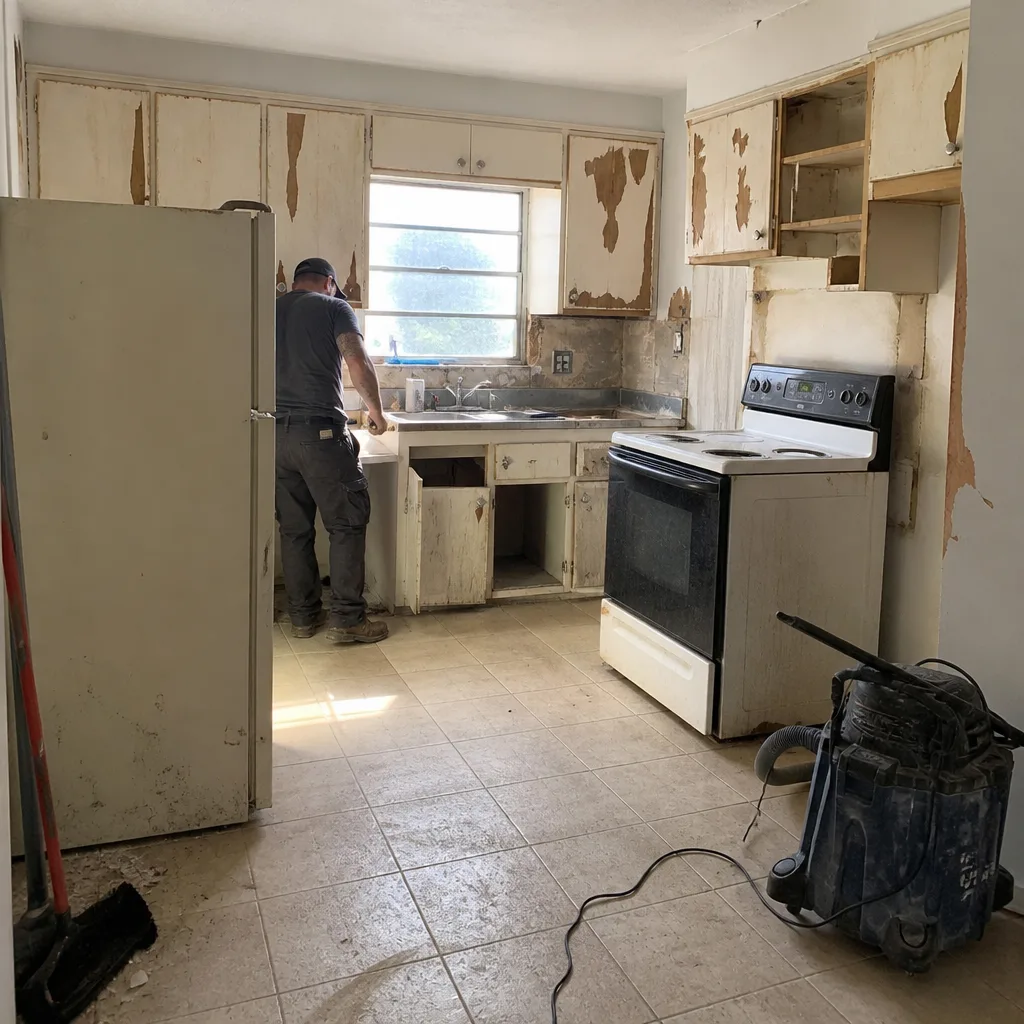 Before
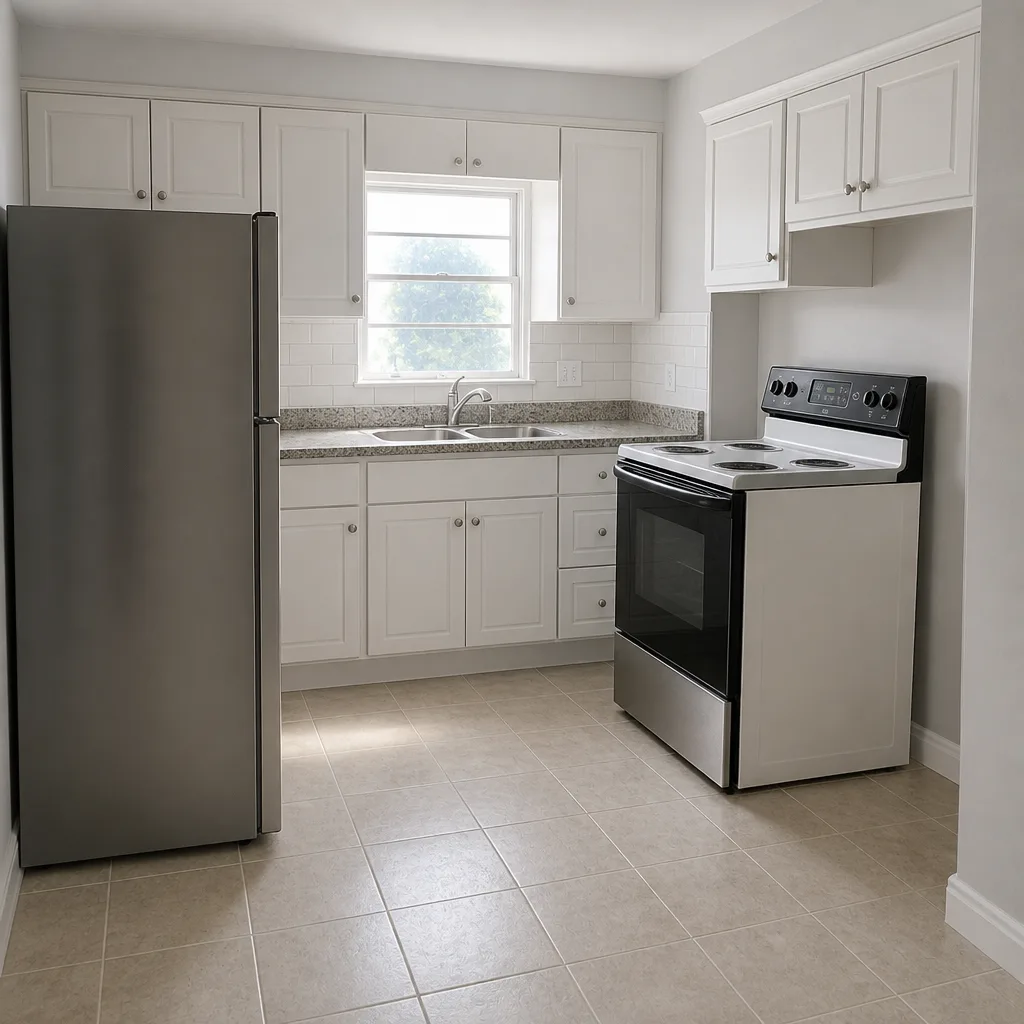 After
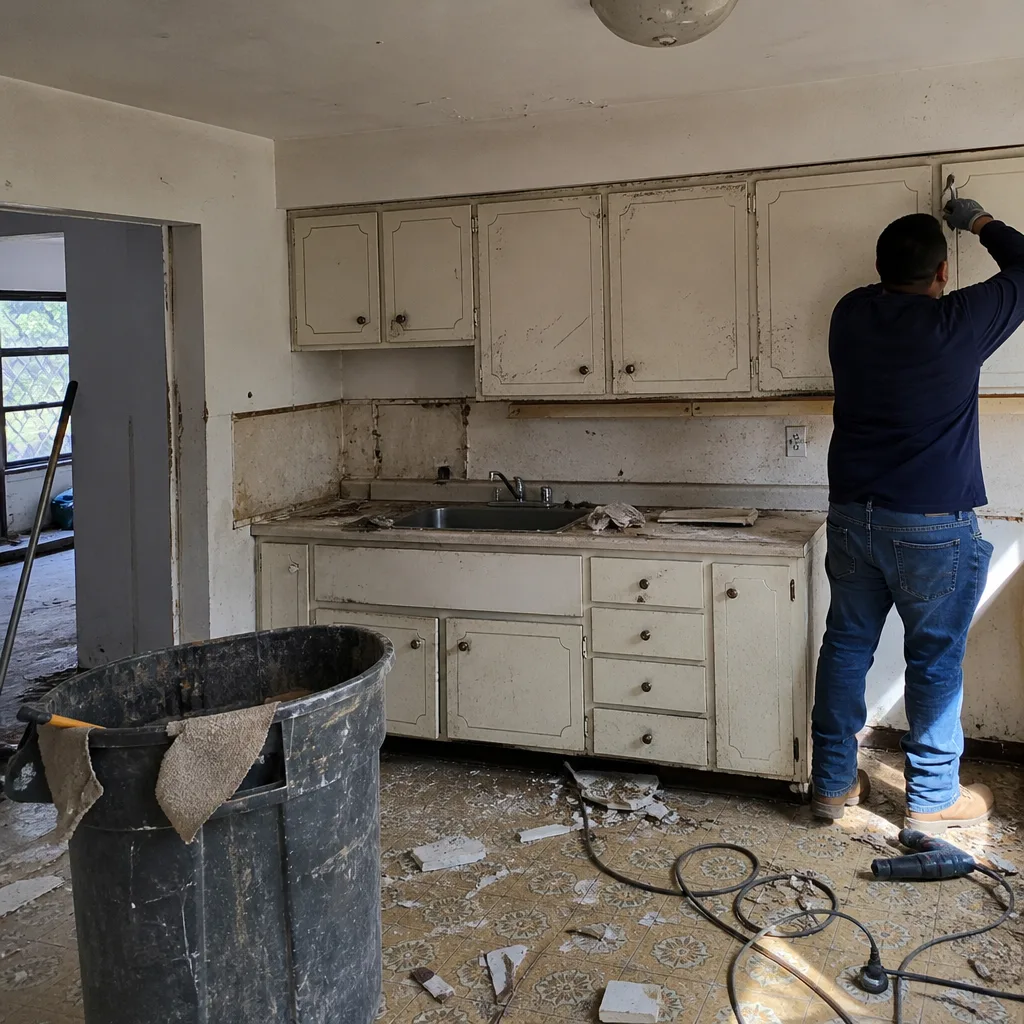 Before
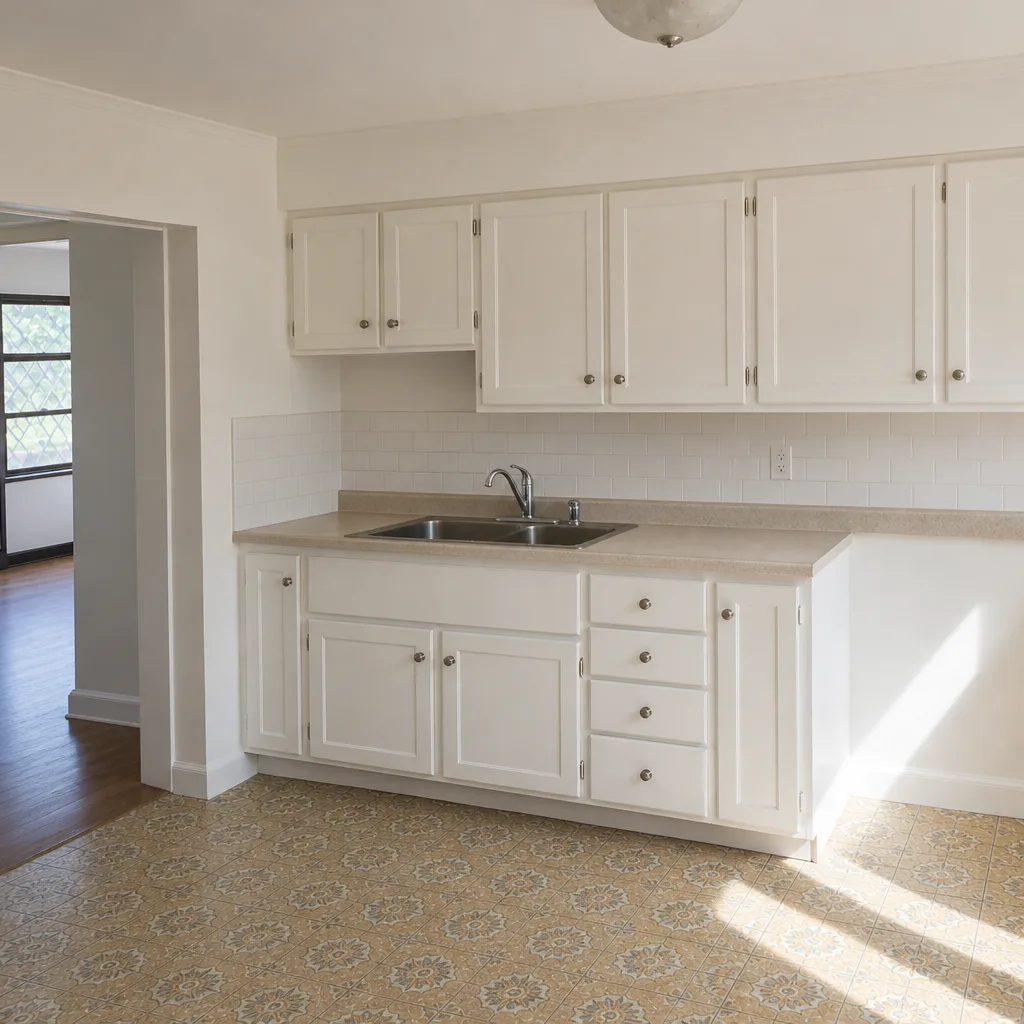 After
When to Call a Professional
Call a professional when the decision involves manufacturer certification, product approval documents, or any assembly where getting the install method wrong voids a warranty. That covers roof replacement, impact window and door installation, exterior cladding, and most paver work on Hialeah properties. It also covers any repair where the existing installation method doesn’t match the product’s approval, since a repair done to the wrong specification can void coverage for the whole assembly.
We’ve seen Hialeah households try to save on a small repair and end up voiding a ten-year roof warranty in the process. The math rarely works in your favor.
Groundwork Construction Co. of Hialeah offers free estimates in Hialeah – call (888) 418-7102. Our technicians are background-checked, arrive in uniform, and answer the phone live 24/7, so you get a real person the first time you reach out. No voicemail, no waiting until Monday.
Frequently Asked Questions
Yes, in most cases. Most premium construction material warranties require certified installation, so a name-brand product installed by an uncertified crew can have a void manufacturer warranty. The fix is simple: check the contractor’s certification against the manufacturer’s own locator before you sign. If the certification doesn’t show up on the manufacturer’s list, ask why. Call (888) 418-7102 for a free estimate – we’ll walk you through the certifications behind the materials we propose.
Roofing systems, impact windows and doors, exterior cladding, concrete pavers, and exterior cabinetry and countertops are worth the premium in Hialeah. These are the categories where brand choice measurably reduces failure under South Florida sun, humidity, and salt air. Interior drywall, basic lumber, and standard paint are largely commodity categories where workmanship drives the outcome. Call (888) 418-7102 to discuss which categories matter most for your specific project.
Often, yes, but the conditions matter. Many premium brands allow transfer with registration and sometimes an inspection; others limit transfer to a shorter period. Ask for the transfer terms in writing before you commit to a brand, and keep the warranty documents in your home file for the listing. A transferable roof or window warranty is a tangible asset at resale. Call (888) 418-7102 for a free estimate that includes warranty structure.
Ask for the Florida Product Approval or Miami-Dade Notice of Acceptance document and read the installation conditions, not just the label. The rating belongs to the tested assembly, so the fastening pattern and frame matter as much as the glass. A crew that can walk you through the fastening schedule understands the system; one that can’t is a warning sign. Call (888) 418-7102 for a free estimate – we bring the documents with us.
A manufacturer warranty covers the product itself; a labor warranty covers the contractor’s workmanship. Both matter, and either one alone leaves gaps. On a roof, the product warranty covers the shingle while the labor warranty covers the installation, and a failure at a seam falls into the second category. Read both documents before signing. Call (888) 418-7102 for a free estimate and we’ll show you exactly how our warranty documents stack up.
They protect you when the partnership includes installer certification, warranty enforcement, and a local parts channel – not when it’s a logo list. The difference shows up in the failure scenario: certified install means the manufacturer warranty holds, and a parts channel means a repair is possible. Our projects carry the 730-Day Done Right Promise on top of any manufacturer coverage. Call (888) 418-7102 for a free estimate to see the specific terms.
The Bottom Line
Brand choice is a warranty decision, not a cosmetic one. In Hialeah, where sun and salt air punish cheap materials, the brand behind your roof, windows, and pavers determines whether the manufacturer stands behind the job when something fails. Verify installer certification in writing, get the approval document, read the warranty transfer terms, and confirm a parts channel before you sign. When those four checks line up with the material’s natural performance for South Florida conditions, the brand is worth paying for. And when it doesn’t, saving the premium is a mistake that shows up ten years later.
Call (888) 418-7102 to schedule your free estimate. Every quote is written line-item. Every project we complete is covered by the 730-Day Done Right Promise, and every call is answered by a live person, 24/7.
Written by the team at Groundwork Construction Co. of Hialeah.