Free written scope consultation - allowances, timeline, and change-order rules on paper before a single trade is scheduled
Styles & brands we work with
- Kitchen remodeling
- Bathroom remodeling
- Home additions & ADU
- Roofing
- Windows & doors
- Driveway & pavers
- Fence
See the difference
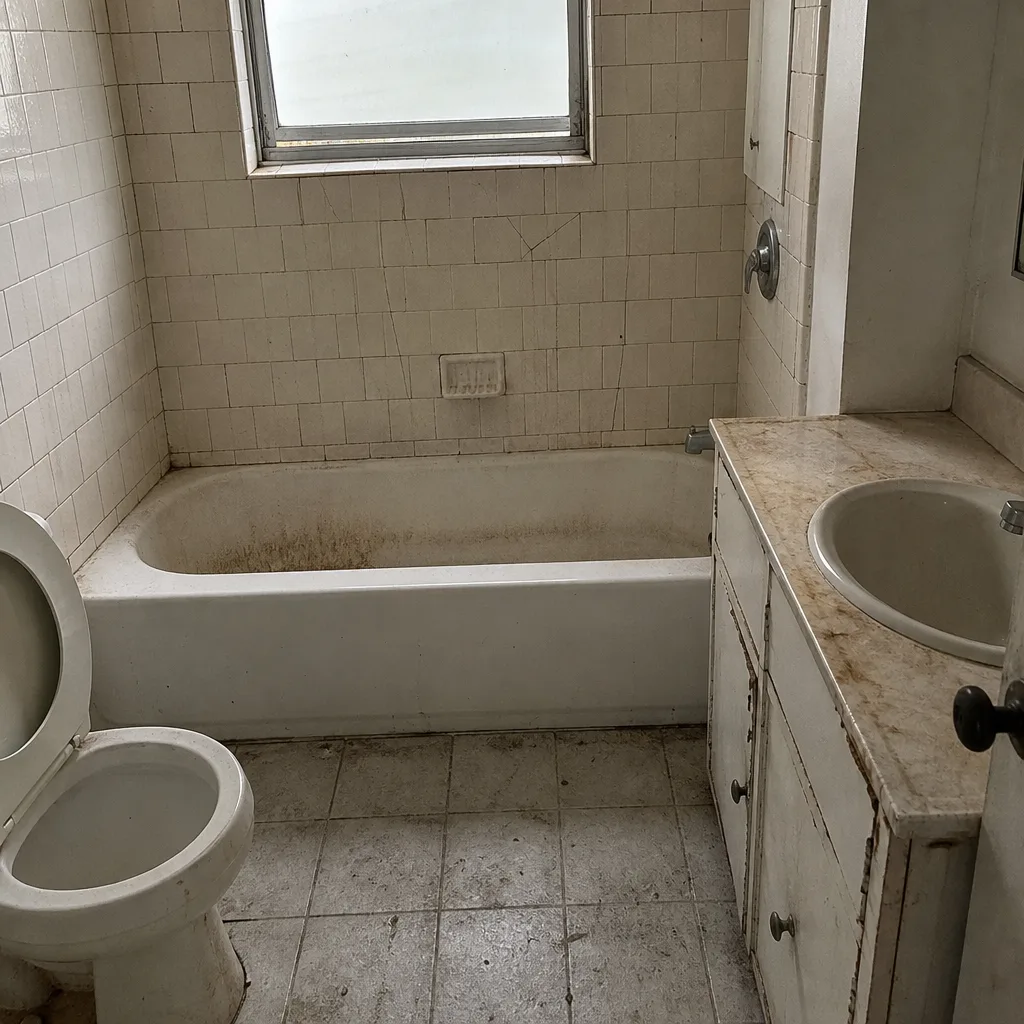 Before
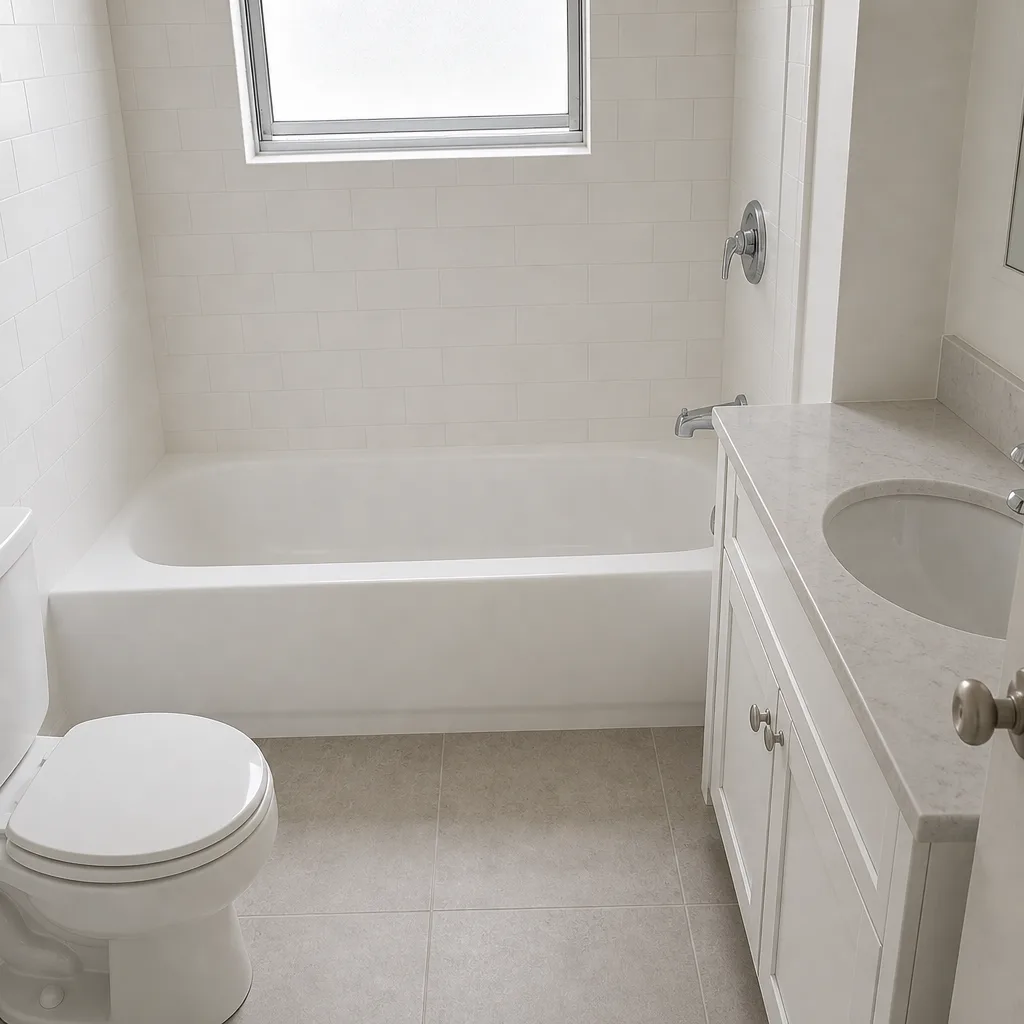 After
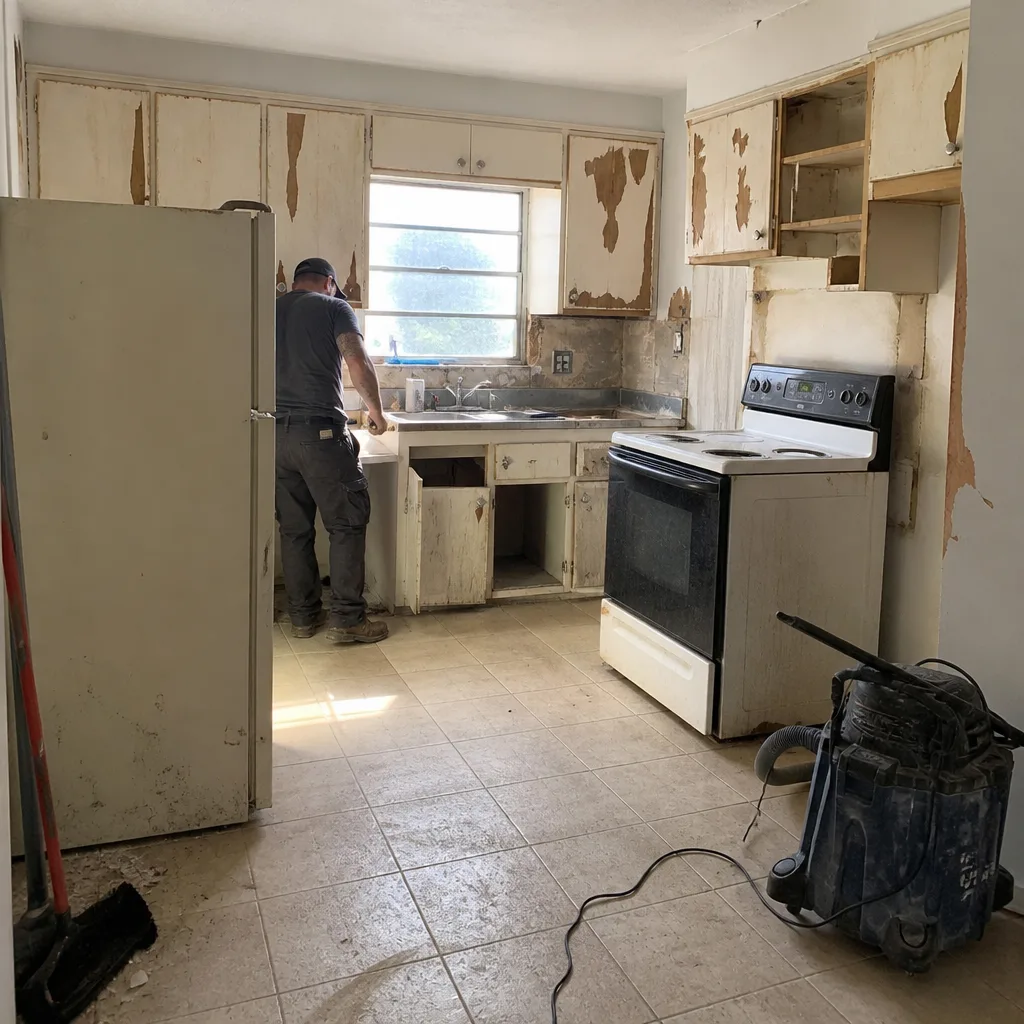 Before
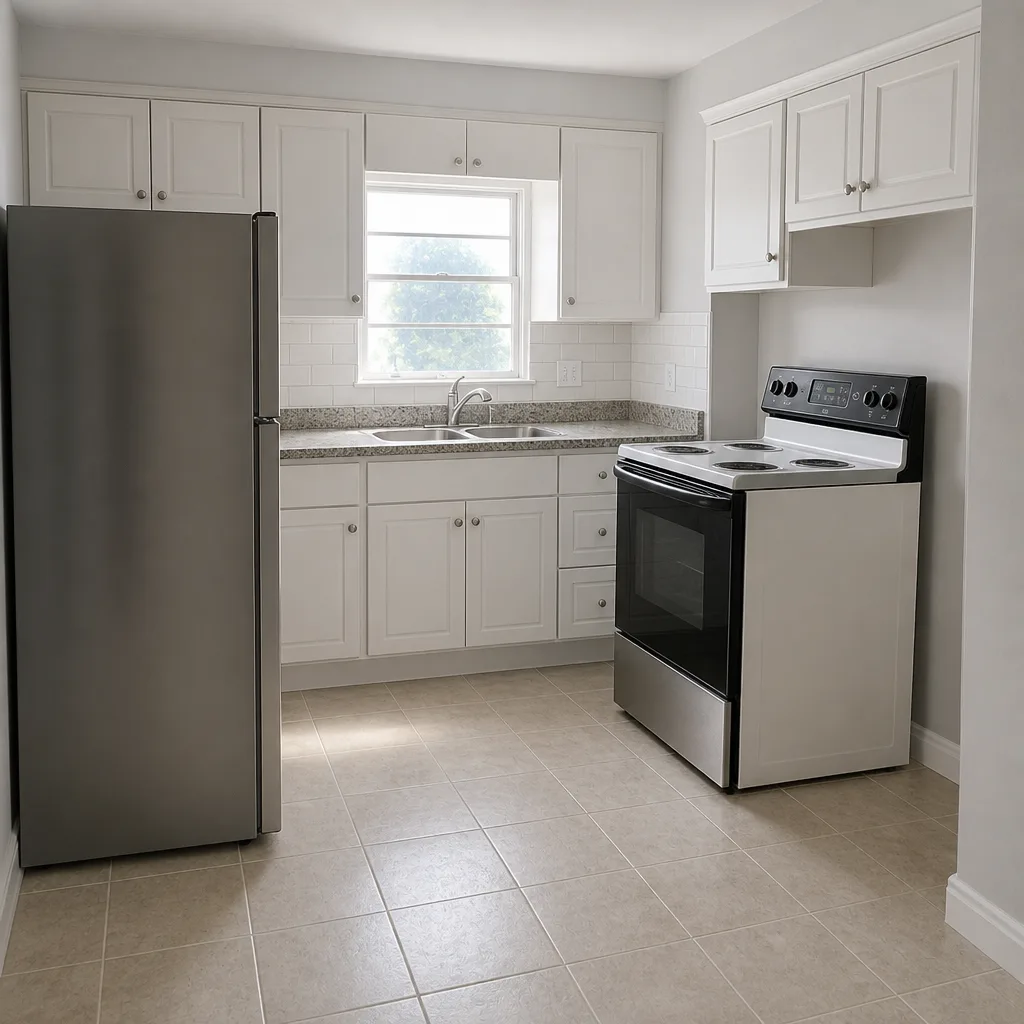 After
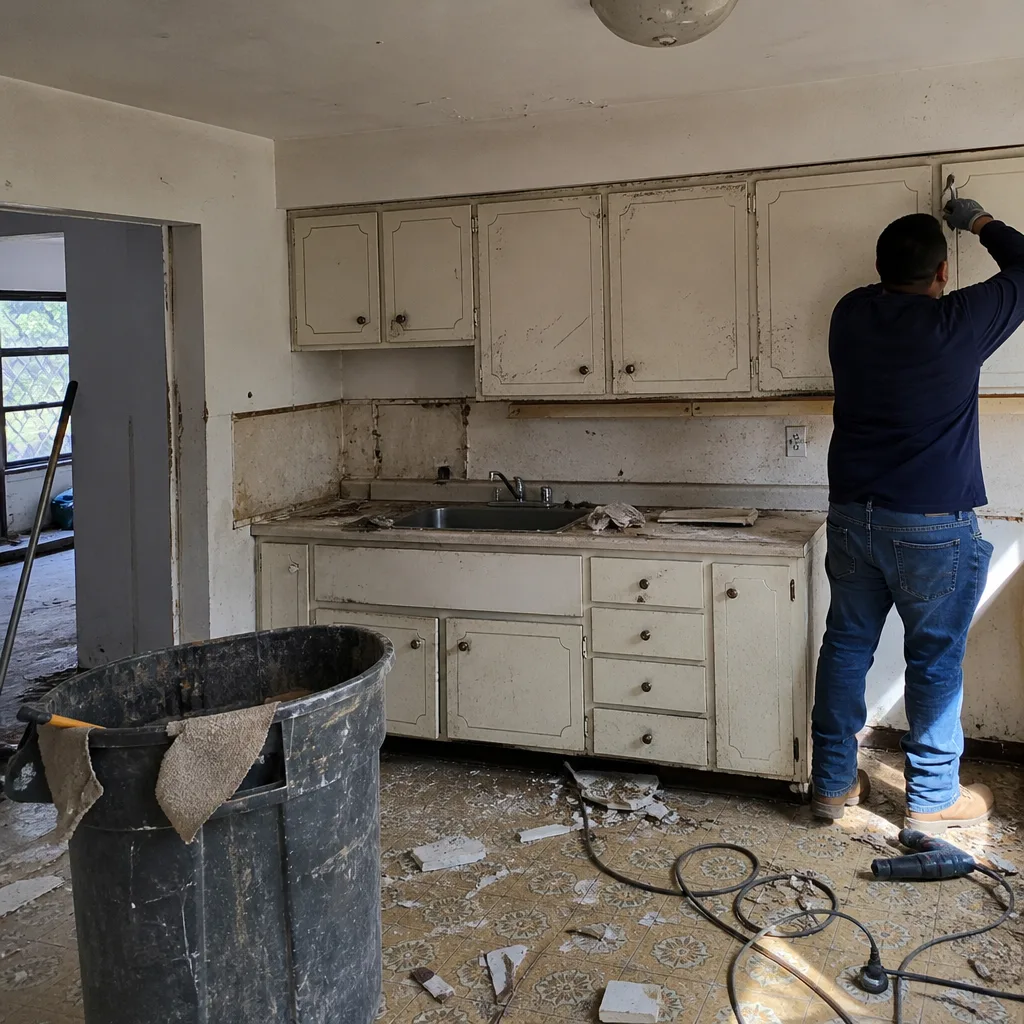 Before
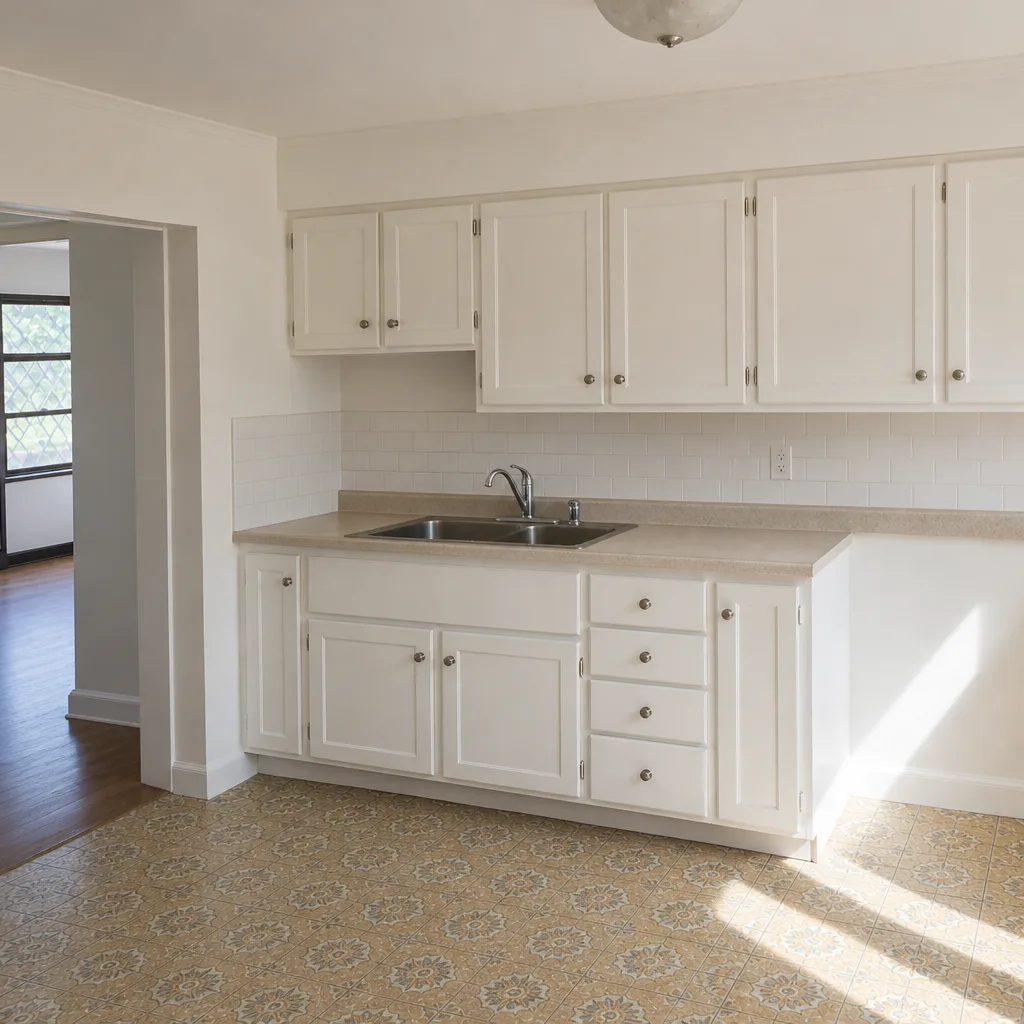 After
ADU Rules and Requirements in Hialeah, FL: What Actually Has to Happen Before You Can Permit One
The short answer: under Miami-Dade’s ADU rules as they apply in Hialeah, an ADU must sit on a legally conforming lot, the owner generally must live on the property, the unit has to fit within county size caps, and any existing unpermitted conversion has to be legalized first through an as-built survey and code-compliance work before it can be permitted as a legal rental. That last step is the one most ADU guides skip, and it’s the one that matters most on Hialeah’s block-and-stucco housing stock. Call (888) 418-7102 and we’ll tell you where your property actually stands.
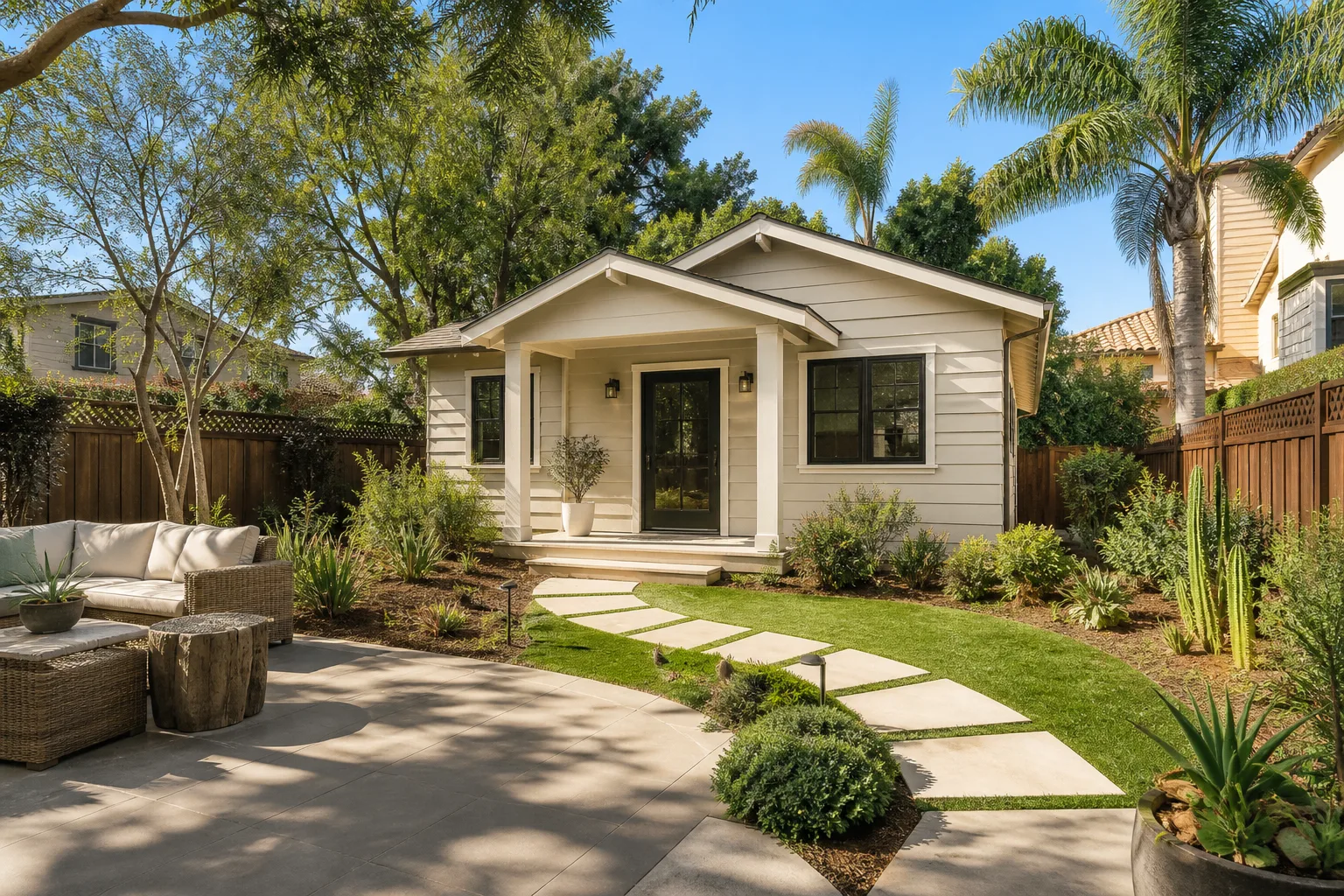
Here’s the reality we run into constantly. Thousands of Hialeah families already have something that looks like an ADU – a converted garage, a rear room built out for abuela, a carport enclosure someone finished in 1987. Legally, none of that is an ADU yet. The gap between “we use it as a bedroom” and “the county recognizes it as a rentable dwelling unit” is where the real work lives, and no amount of floor-plan drawings closes that gap until the paperwork and the structure both catch up.
Why Hialeah Is Harder Than Most of Miami-Dade for ADUs
Miami-Dade’s post-Hurricane Andrew code is strict everywhere, but Hialeah adds a wrinkle that beachfront Miami doesn’t have. A huge share of the city’s housing was expanded informally – rear additions, enclosed carports, second stories that went up without permits – so a permit application often begins with an as-built survey rather than a set of new plans. You can’t permit an ADU on top of a structure the county has no record of. First you document what’s there, then you either bring it into compliance or remove it, and only then does a legitimate ADU project start.
The climate tightens the screws further. South Florida’s June through November hurricane season drives the impact-rated opening requirement, and year-round humidity plus heavy summer rain exposes every unventilated converted space to mold and stucco failure. A garage someone walled off in 1992 with no air movement is, structurally and legally, a problem waiting to be found.
What the County Actually Requires Before an ADU Can Be Permitted Here
Rules shift with code updates and each property tells a different story, so confirm current figures with the county before you commit money. These are the requirements that come up on nearly every Hialeah ADU project we scope:
- Lot size and zoning: the parcel has to conform to the zoning that allows an ADU, and lot dimensions determine whether a detached unit can fit at all.
- Owner-occupancy: the owner generally must live on the property – you can’t run one of these as a pure investment rental on a lot you don’t occupy.
- Size caps: the county limits maximum ADU square footage, and attached versus detached units are treated differently under the code.
- Impact-rated openings: post-Andrew requirements mean windows and doors on the new or legalized space must meet impact standards.
- Setbacks and lot coverage: a detached unit eats yard, and the lot has to have room within the limits.
- Utility separation: separate electric, water, and often a separate meter, depending on how the unit is configured.
On 1950s through 1970s CBS homes – which is most of what Hialeah has – a new or legalized ADU also pulls in structural strengthening. That means roof-to-wall tie-down connections, an honest look at stucco and moisture barrier integrity, and mold remediation on any space that sat unventilated for years. This is where budgets blow up when a homeowner goes straight to a permit expediter without a builder walking the structure first.
What to Look For in an ADU Contractor (and What to Run From)
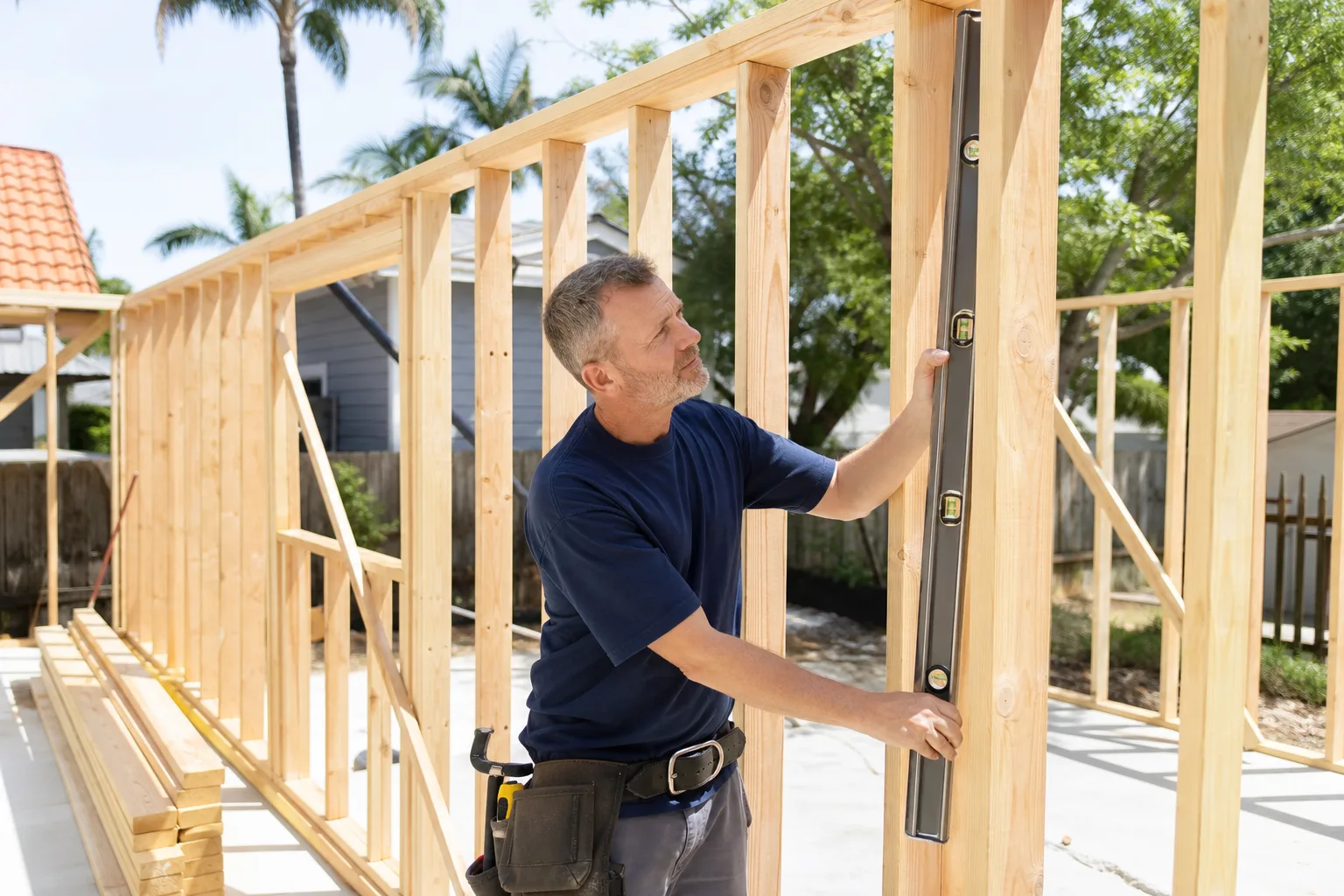
The right contractor for a Hialeah ADU is one who can carry the whole legalization-and-build sequence under a single contract. If your first conversation involves three different companies – a surveyor, an expediter, and a builder – you’ve already lost control of the timeline and the price.
Look for a firm that handles the as-built survey, the code upgrade, the permit, and the build as one scope with one price. Ask whether they routinely work on unpermitted existing structures, because that’s the specific skill this city requires. And ask what happens if the inspector finds something mid-project. A good answer is that it’s built into the contract. A bad answer is a change order and a shrug.
Groundwork Construction Co. of Hialeah covers the full sequence – from as-built survey through final inspection – under one contract and one price, with no separate survey firm, no separate permit expediter, and no surprise add-ons. Every project is backed by our 730-Day Done Right Promise: if it’s not done right, we make it right. Our technicians have up to 12 years of experience, arrive background-checked and in uniform, and our pricing is upfront with no surprises.
ADU Project Costs in Hialeah
ADU pricing in Hialeah runs from roughly $45,000 at the low end of a legalization-and-conversion scope up to $130,000 for a full build, and a from-scratch detached unit can reach the $90,000 to $220,000 ADU construction range. A straight garage conversion typically lands between $30,000 and $80,000. Here’s how the pieces break down:
| Scope | Typical Hialeah Range |
|---|---|
| ADU project (legalization through build) | $45,000 – $130,000 |
| ADU construction, new detached unit | $90,000 – $220,000 |
| Garage conversion | $30,000 – $80,000 |
| Impact window installation (code upgrade) | $8,000 – $25,000 |
| Window replacement | $4,500 – $15,000 |
| Home addition (related scope) | $45,000 – $130,000 |
The variability comes down to how much legalization the existing structure needs. A clean garage conversion is at the low end. A rear addition with no records, no ventilation, and a roof tie-down retrofit on top is a different project entirely. We walk the property before we quote so the price you see is the price you pay, and projects over $10,000 get $1,000 off, with 0% financing for 18 months available.
If you’re planning the broader structural picture alongside the ADU, our team handles the full scope in-house, from the Home Addition & ADU service through the finishing trades, so the new unit matches the house rather than looking bolted on.
Design Decisions That Actually Matter for Multigenerational Living
Most Hialeah ADUs are built for family – adult children, aging parents, extended relatives – and that changes the design. Separate entrances matter more than square footage. Soundproofing between the ADU and the main house prevents the friction that sends families back to separate addresses. Utility separation keeps the water bill and the electrical load cleanly divided. When families drive the project, these three choices decide whether the ADU actually works long-term.
Finish selections matter too. We work with a curated set of brand partners – home improvement runs on materials you can verify – so kitchens in ADUs use names like KraftMaid cabinetry and Cambria counters, and exteriors use James Hardie siding and impact-rated windows from Andersen or Pella. Quality materials matter here because a Hialeah ADU has to survive decades of hurricane seasons and humidity, not just look good at the final walkthrough.
FAQs
Yes, but only after the conversion is legalized. The county won’t permit an ADU on a structure it has no record of, so the process starts with an as-built survey to document what exists, then code-compliance work – impact-rated openings, tie-downs, ventilation, mold remediation if needed – before the ADU permit can be issued. Call (888) 418-7102 and we’ll assess your garage and give you a straight answer on what legalization actually requires.
Generally, yes. Miami-Dade’s owner-occupancy requirement means the property owner must live on-site, so the ADU can’t be treated as a pure investment rental on a lot you don’t occupy. That rule shapes the whole project – and it’s why multigenerational family use is the most common path here. Call (888) 418-7102 for a free consult on how the rule applies to your lot.
Most legalized ADU projects in Hialeah fall between $45,000 and $130,000, with new detached units running $90,000 to $220,000 and garage conversions $30,000 to $80,000. The low end is a clean conversion; the high end involves full legalization of an unpermitted structure plus code upgrades. Call (888) 418-7102 for an exact quote – estimates are free.
Timelines vary with the county’s current review load and how much legalization your existing structure needs, so we scope each property on its own. A clean conversion moves faster than a project that starts with an as-built survey and a code upgrade on a 1960s CBS home. Call (888) 418-7102 and we’ll walk you through what your specific property is likely to face.
If you’d rather have it looked at, Groundwork Construction Co. of Hialeah offers a no-pressure assessment in Hialeah – we’ll walk the structure, tell you what legalization requires, and hand you a real number before you commit a dollar. Call (888) 418-7102 for a free estimate today.
Written by the team at Groundwork Construction Co. of Hialeah, serving Hialeah, FL.