Free written scope consultation - allowances, timeline, and change-order rules on paper before a single trade is scheduled
Styles & brands we work with
- Kitchen remodeling
- Bathroom remodeling
- Home additions & ADU
- Roofing
- Windows & doors
- Driveway & pavers
- Fence
See the difference
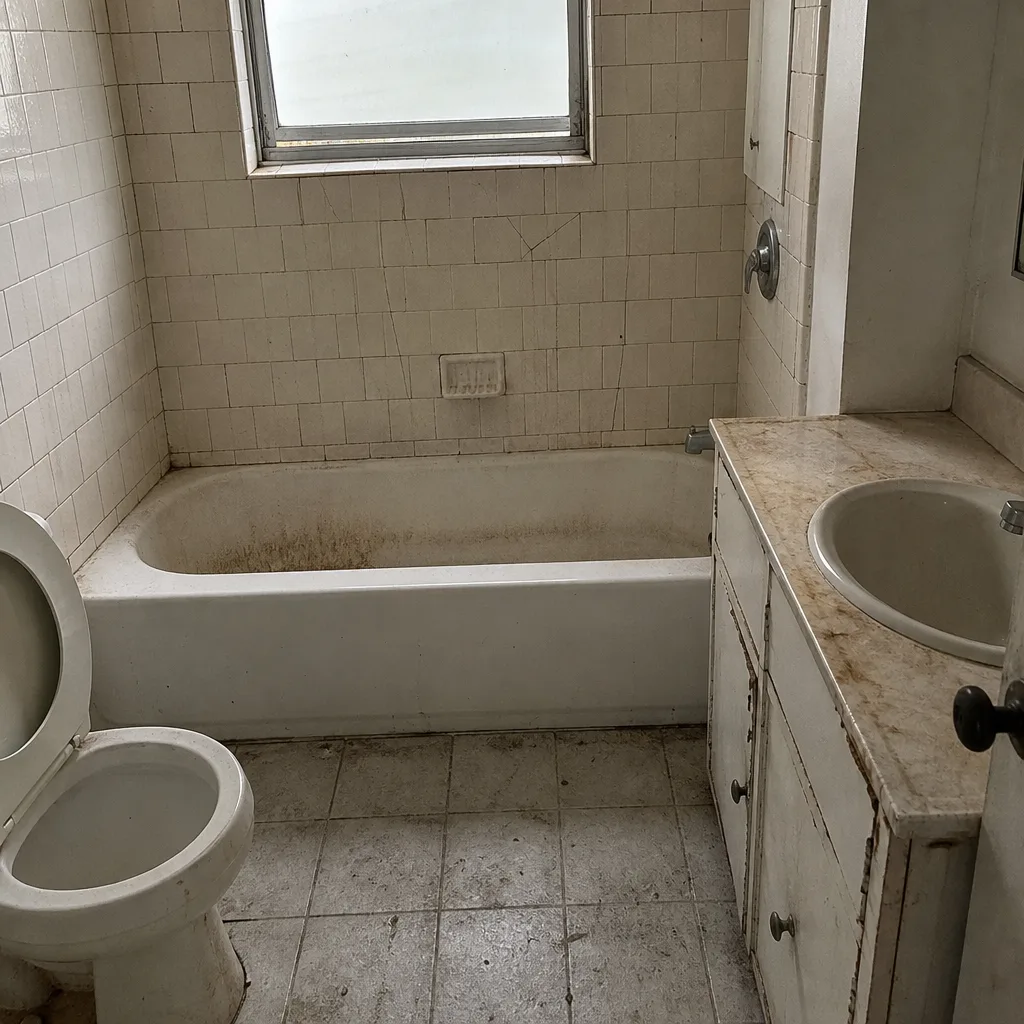 Before
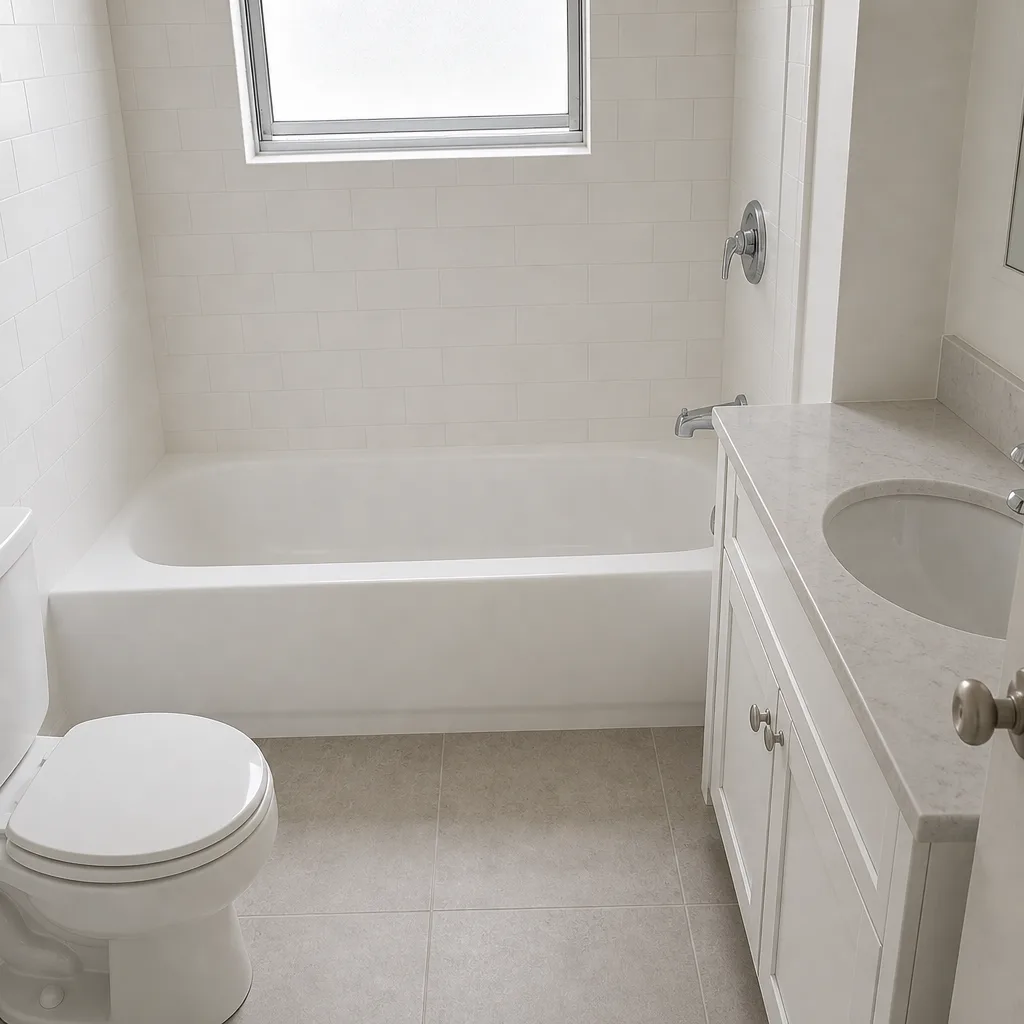 After
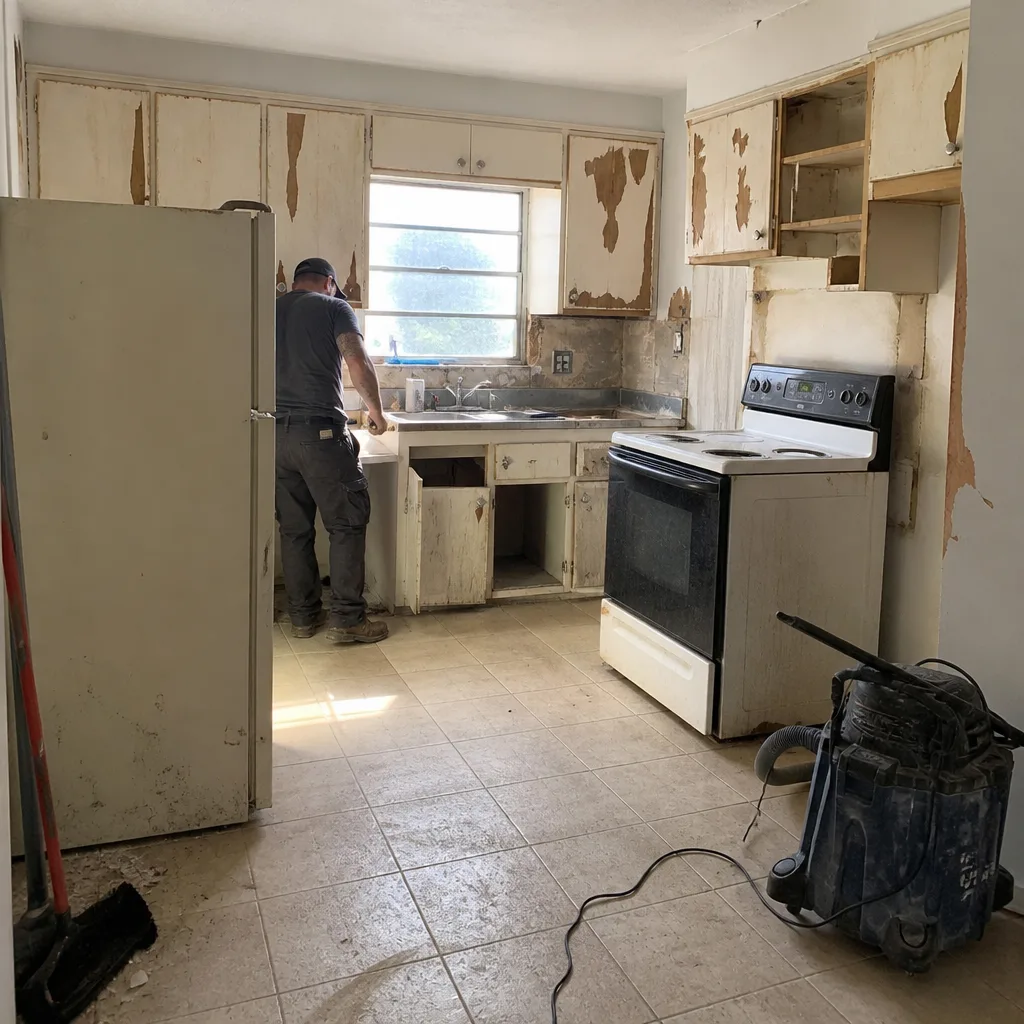 Before
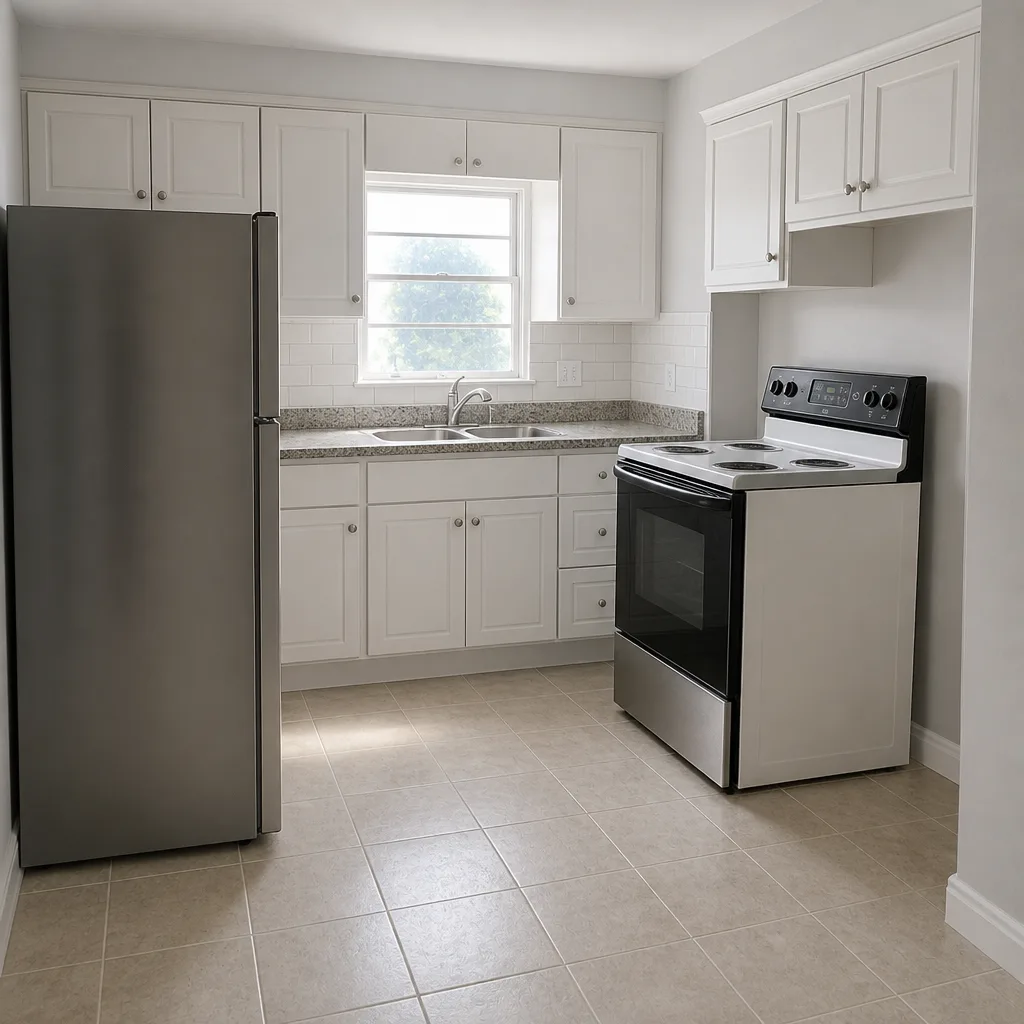 After
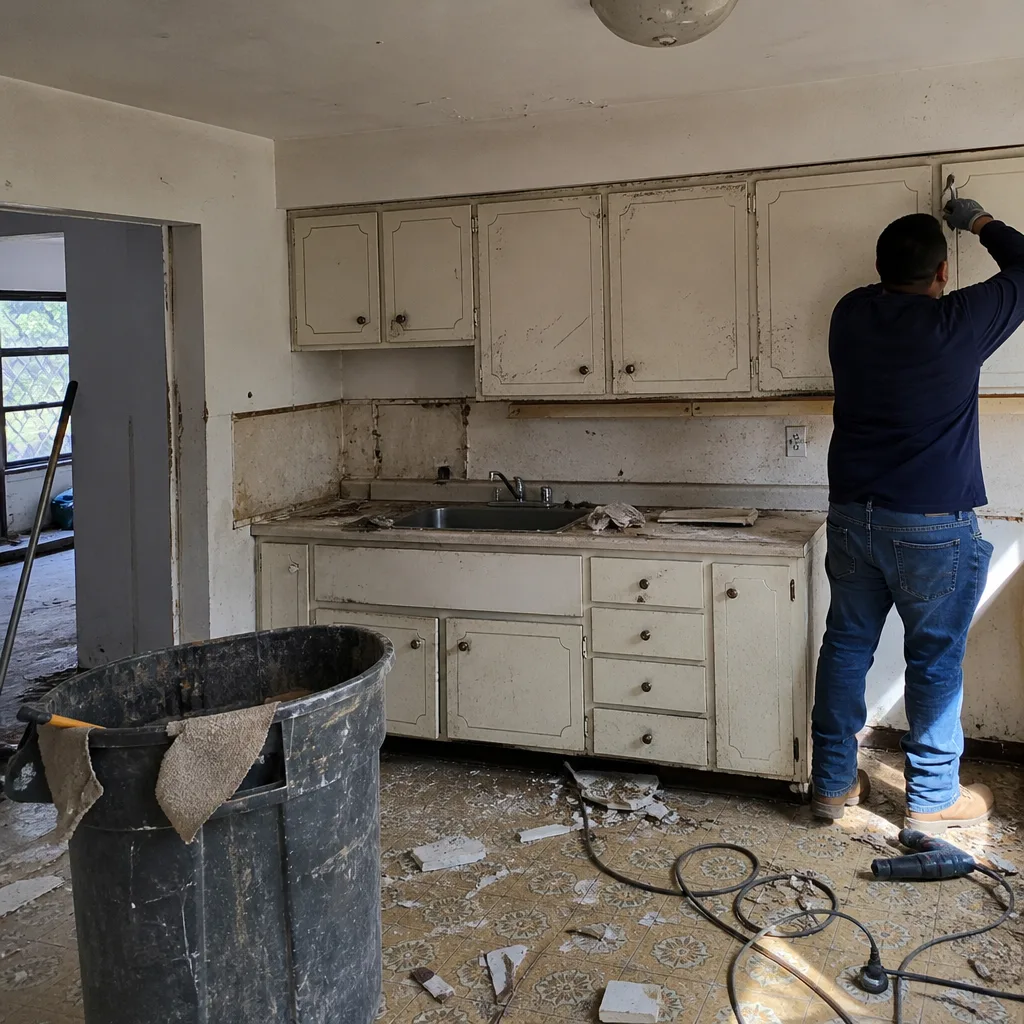 Before
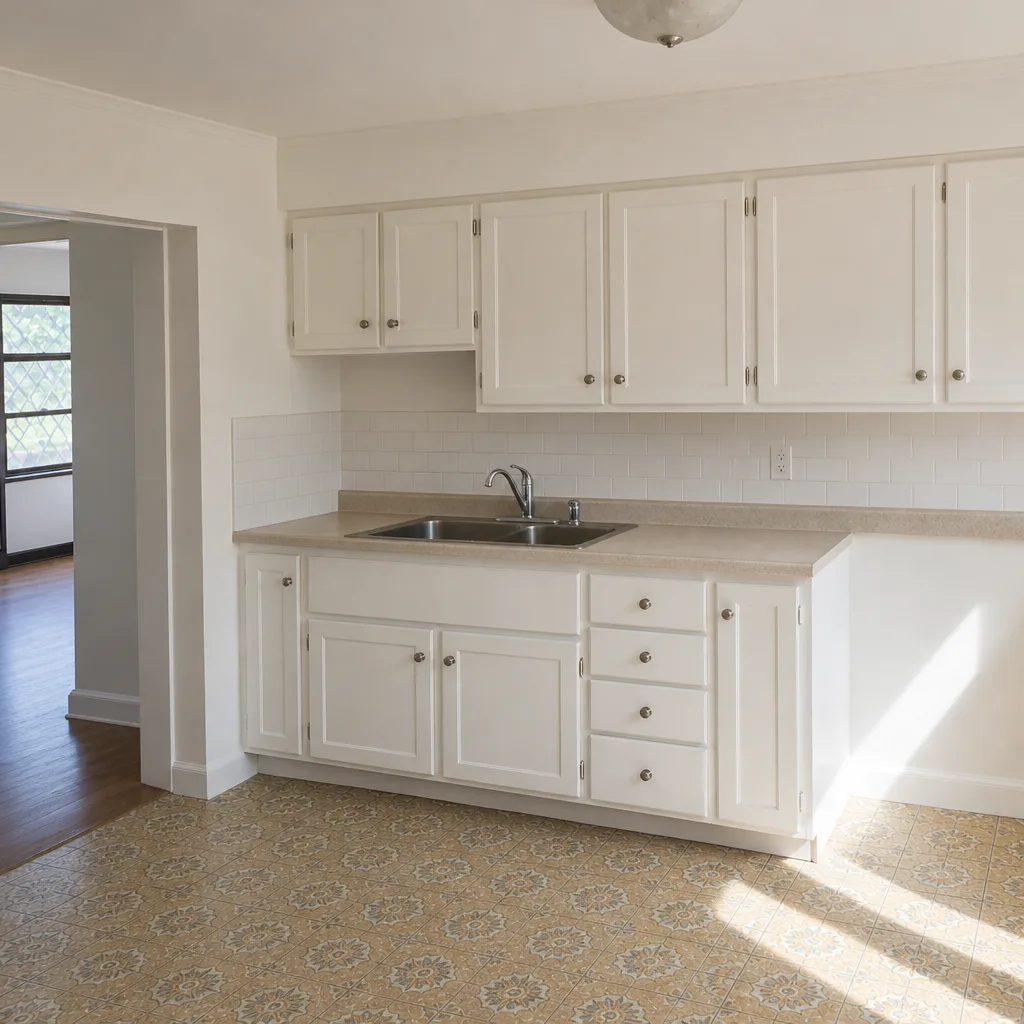 After
What’s the Best Roofing Material in Hialeah, FL? Choose Modified Bitumen, Standing-Seam Metal, or Spray Foam for Low-Slope CBS Homes; Choose Tile for the Few Pitched Sections
Walk into a national home improvement store in Hialeah and you can buy 3-tab shingles all day. Walk them onto a permit application for a low-slope CBS home in Miami-Dade County and they’ll be rejected before the inspector finishes reading. Code, not preference, decides which materials are actually available to you here. For the dominant 1950s-1970s concrete-block homes with flat or near-flat roofs, that means three real options: modified bitumen, standing-seam metal, and spray polyurethane foam. Call Groundwork Construction Co. of Hialeah at (888) 418-7102 for a free, no-pressure assessment of which one your roof can actually carry.
Why Most “Best of” Lists Don’t Apply in Hialeah
National comparison articles rank asphalt shingles, cedar shakes, and synthetic slate at the top because they’re priced for, and installed across, most of the country. In Hialeah they run into a wall: Miami-Dade County sits inside the High Velocity Hurricane Zone, which requires every roofing system to carry an active Florida Product Approval or a Miami-Dade Notice of Acceptance. No NOA, no permit. No permit, no inspection sign-off. The material may still be “premium” in a showroom in another state, but it’s simply not installable on your house.
That single code requirement eliminates the majority of what national ranking pages call the best roofing material. It leaves you comparing a shorter, more honest list, evaluated on how it handles South Florida’s summer wet season, year-round humidity, and storm-wind uplift.
Your Roof’s Slope Decides the Shortlist
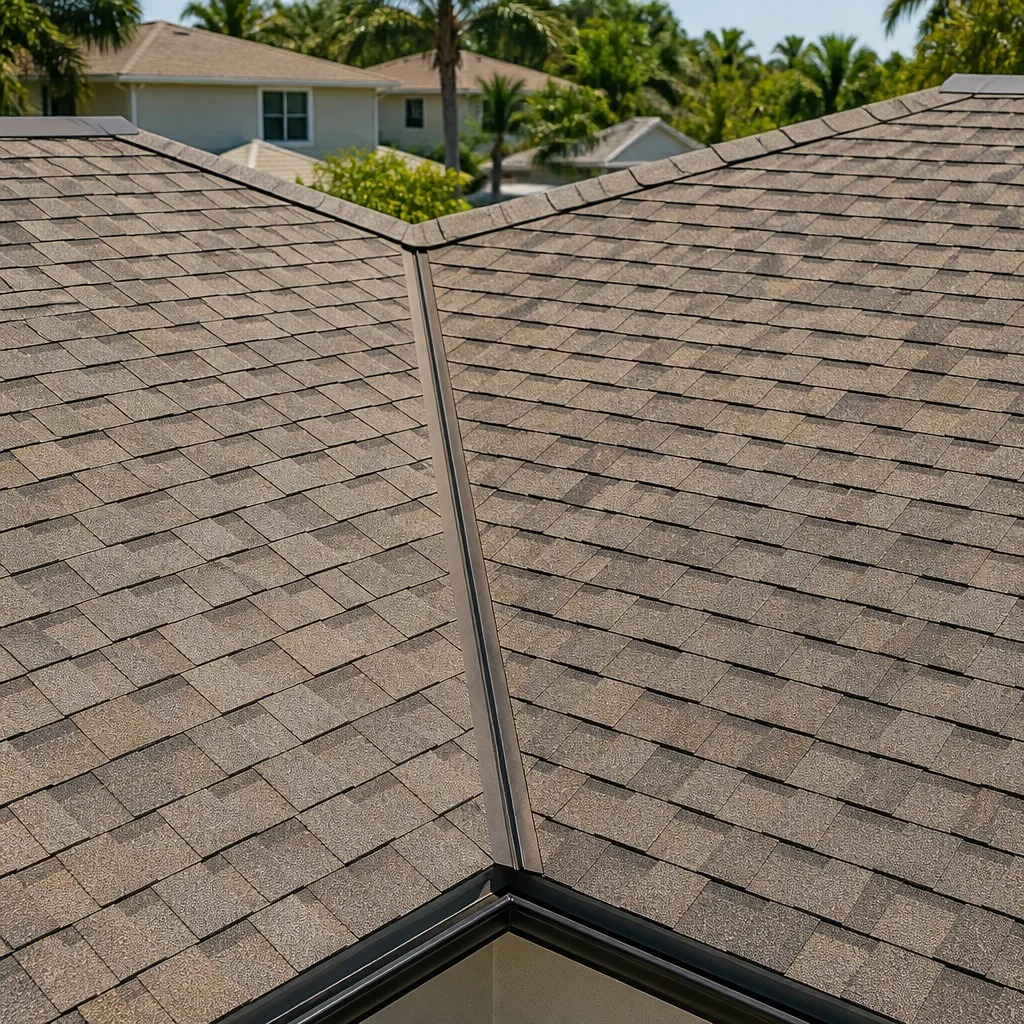
Hialeah housing stock is overwhelmingly single-story CBS with flat or low-slope roofs. These are not pitched roofs in the traditional sense; they’re built with shallow drainage falls rather than visible triangle-shaped slopes. On that geometry, three systems are the workhorses:
- Modified bitumen – a layered membrane, common on the flat roofs of Hialeah’s older CBS homes. Familiar, repairable, well under the metal price point.
- Standing-seam metal – long panel runs with raised seams, excellent wind performance, and the longest service life of the three, at a higher up-front cost.
- Spray polyurethane foam – a seamless coating that insulates and seals, but it requires periodic recoating to stay in warranty and to keep reflecting UV.
Each of these has a different maintenance cycle that the homeowner owns for decades after installation. Modified bitumen wants periodic seam and flashing checks. Metal is largely hands-off but needs fastener and gasket attention over time. Foam is only as good as its recoating schedule; skip it and the coating degrades. If you are budgeting for the long haul, ask what each system will cost you in maintenance over 15 to 20 years, not just at install.
What the Pitched Sections Actually Need
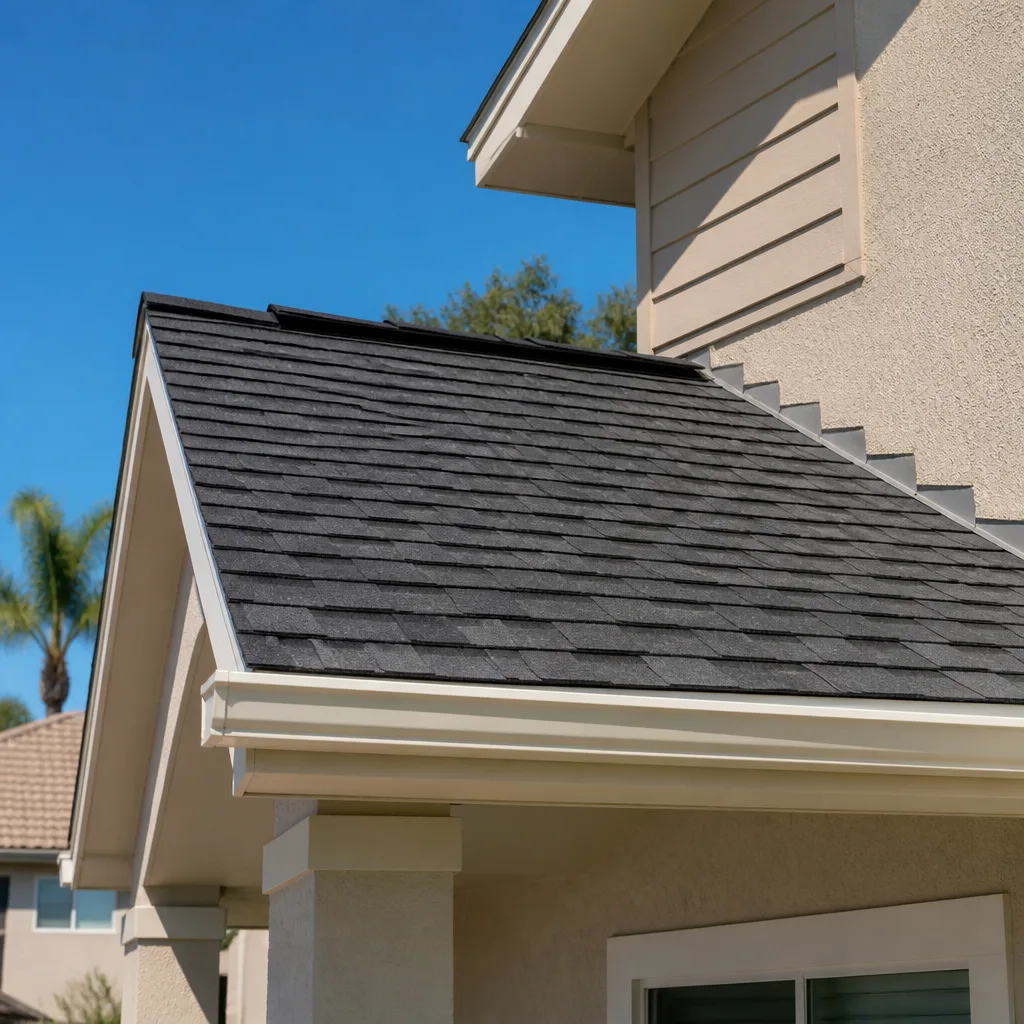
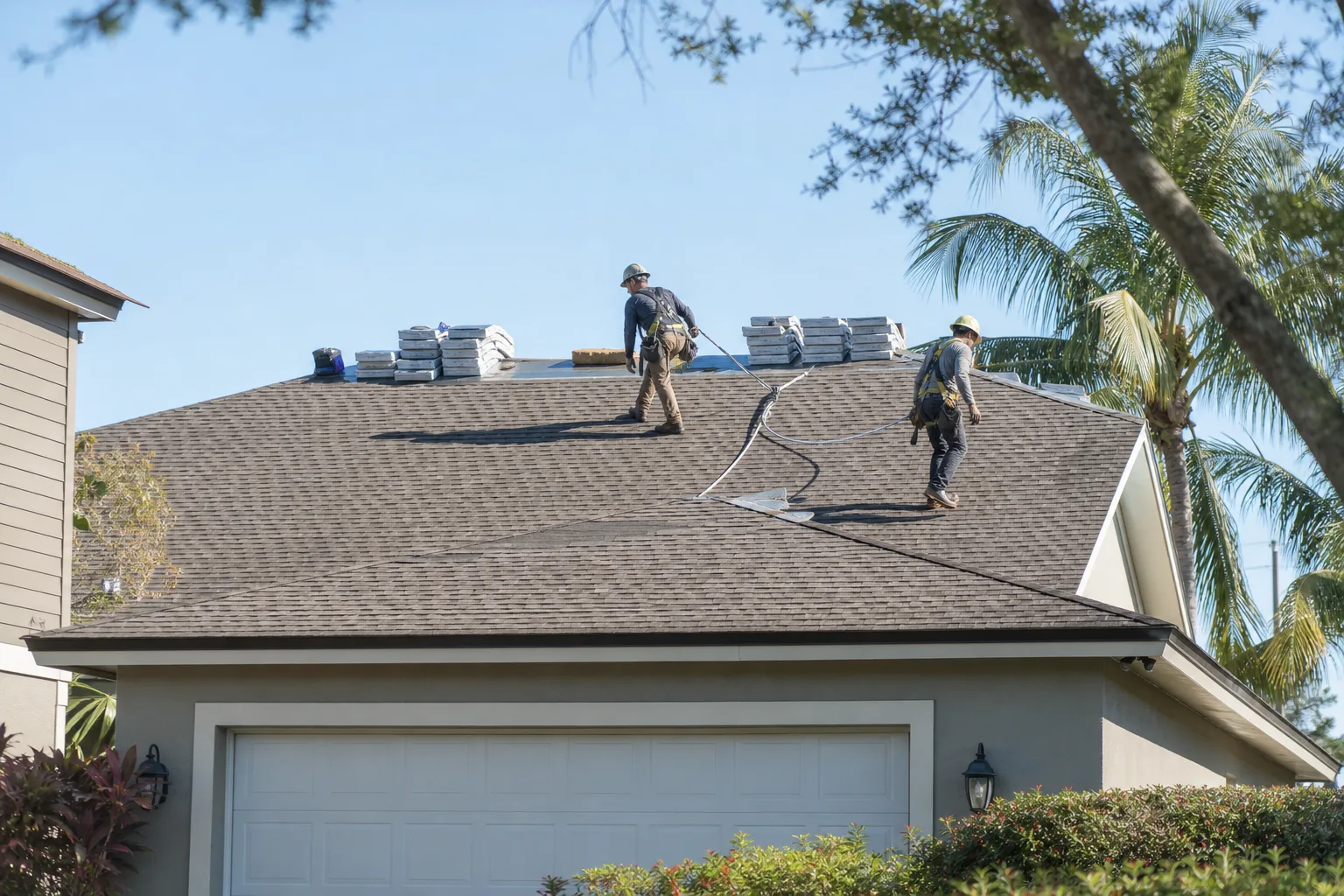
A minority of Hialeah homes have a pitched roof section, usually an addition, a carport conversion, or a rear room built later. On those slopes, concrete or clay tile outperforms shingles in South Florida’s UV and wind environment significantly. Tile handles relentless sun better, resists wind uplift better when the underlayment and fasteners are correct, and tends to hold its insurance-qualification status more reliably as it ages than an asphalt shingle roof does. That last point matters when insurers send inspectors and ask about roof age and material.
How the Materials Compare Side by Side
| Material | Best For | Typical Hialeah Cost | Maintenance Cycle |
|---|---|---|---|
| Modified bitumen | Flat/low-slope CBS homes | Roof replacement $8,000-$20,000 | Periodic seam & flashing checks |
| Standing-seam metal | Low-slope, long horizon | Metal roof $15,000-$40,000 | Fastener/gasket checks over time |
| Spray polyurethane foam | Seamless sealing + insulation | Priced within roof replacement range | Recoating every few years to hold warranty |
| Concrete or clay tile | Pitched sections only | Tile repair $600-$2,500; repair or replace by section | Underlayment & flashing over decades |
Roof repair on any of these runs $400-$1,800 in Hialeah, and we’ll always tell you straight whether a repair buys you years or just delays the inevitable. When a roof is genuinely done, the honest answer is a full replacement quoted as a complete Miami-Dade-compliant system, not a stripped-down surface price.
The Installation Matters More Than the Material
You can buy the same GAF or Owens Corning system two different contractors install and get two completely different roofs. In a hurricane zone, the difference is in the details the homeowner never sees on the finished surface: the underlayment spec, the fastener pattern and spacing, and the flashing details where the roof meets stucco walls, parapets, and penetrations. Those are exactly where water finds its way in during a Hialeah summer downpour.
This is where local experience shows its value. Hialeah has spent decades as a city built on multigenerational, often owner-built expansion, so we frequently start a roof job by documenting an as-built situation before any legitimate work can proceed. Rear rooms, enclosed carports, and second stories built informally come up regularly, and the roof has to tie into those conditions without creating leaks. Our technicians have up to 12 years of experience and are background-checked and arrive in uniform; they’re trained specifically on Miami-Dade detail requirements.
Comparing Roofing Bids in Hialeah
Ask each contractor to quote the full compliant system, not a surface-only line item, so you compare apples to apples. A trustworthy bid spells out the membrane or panel spec, the underlayment below it, the fastener schedule, and the flashing details across every transition. If a proposal just says “remove and replace roof” with a lump sum, you don’t yet know whether the system clears the HVHZ approval requirement.
Our upfront pricing shows you the full system so the number you see is the number you pay. All work is backed by the 730-Day Done Right Promise - if it’s not done right, we make it right - and you can reach a live person 24/7 by phone, so you’re not stuck waiting until Monday when a leak shows up after a storm. If a bigger project is in the works, we also offer $1,000 off projects over $10,000 and 0% financing for 18 months.
Common Local Scenarios We Run Into
In Hialeah, we regularly see spring and early-summer failures on older flat roofs where the modified bitumen seams have been patched repeatedly instead of resurfaced. Another frequent one: an enclosed carport or rear addition with a shallow slope that was never detailed for proper drainage, so it pools and works its way under the edge. And post-storm, roof-to-wall connections and tie-down retrofits are often the first thing an insurer or inspector flags, which means the roof scope and the structural strengthening get planned together, not separately. Browse our full Roofing services or check our Hialeah service area page to see how this plays out across the city.
Frequently Asked Questions
The best flat-roof material for most Hialeah CBS homes is modified bitumen, standing-seam metal, or spray polyurethane foam, because each one carries current HVHZ approval and is suited to low-slope geometry. Modified bitumen is the most economical and repairable, metal offers the longest life and strongest wind performance, and foam provides seamless sealing with a recoating requirement. Your choice comes down to budget and how much maintenance you want to own over 20 years.
Most asphalt shingles aren’t approved for installation on low-slope roofs and must carry an active Miami-Dade notice of acceptance to pass inspection inside the High Velocity Hurricane Zone. Shingles are designed for steeper pitches than the flat and near-flat roofs that dominate Hialeah’s 1950s-1970s CBS homes, so they’re ruled out on geometry and code at the same time. If your roof does have a pitched section, tile generally makes more sense than shingles in South Florida’s UV and wind conditions.
A full roof replacement in Hialeah typically runs $8,000-$20,000, while a standing-seam metal roof runs $15,000-$40,000 and routine roof repair is $400-$1,800. Those ranges reflect the complete Miami-Dade-compliant system, including underlayment and flashing details, not just the visible surface. Call (888) 418-7102 for an exact quote - estimates are free.
Yes. Material and roof age both influence whether a roof still meets insurer qualification standards, and tile tends to hold that status more reliably over time than shingles in South Florida. Metal and properly maintained modified bitumen also perform well when installed to HVHZ standards. When you’re weighing materials, ask how each one will look to an inspector in 10 to 15 years, not just today.
Get a Straight Answer on Your Roof
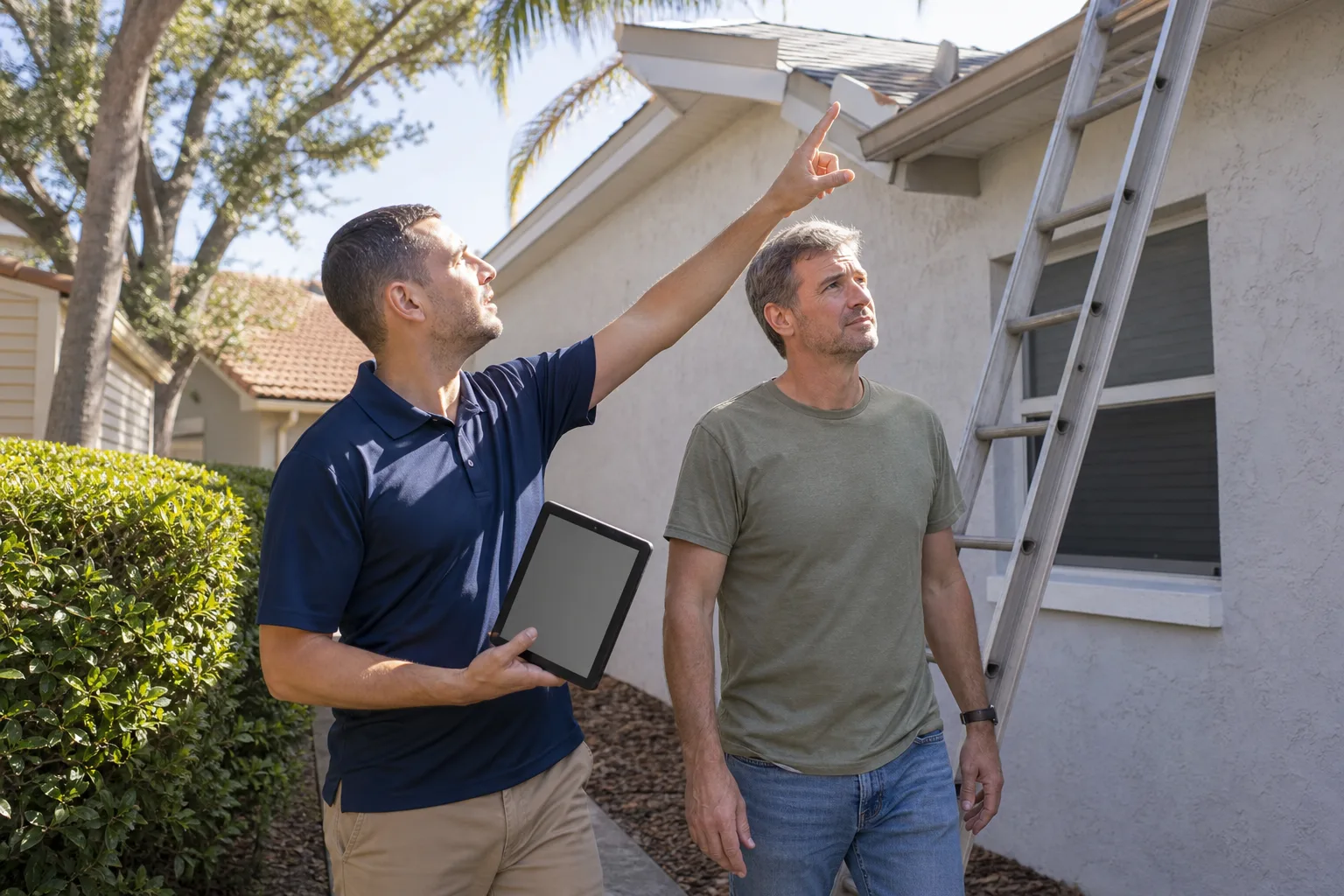
If you’d rather have it looked at than guess from a comparison chart, Groundwork Construction Co. of Hialeah offers a no-pressure assessment in Hialeah. We’ll tell you what your roof’s slope permits, which systems clear Miami-Dade code, and what the full job costs with upfront pricing. Call (888) 418-7102 for a free estimate and design consult. From foundation to finish line, built to last, backed in writing.
Written by the team at Groundwork Construction Co. of Hialeah, serving Hialeah, FL.