Free written scope consultation - allowances, timeline, and change-order rules on paper before a single trade is scheduled
Styles & brands we work with
- Kitchen remodeling
- Bathroom remodeling
- Home additions & ADU
- Roofing
- Windows & doors
- Driveway & pavers
- Fence
See the difference
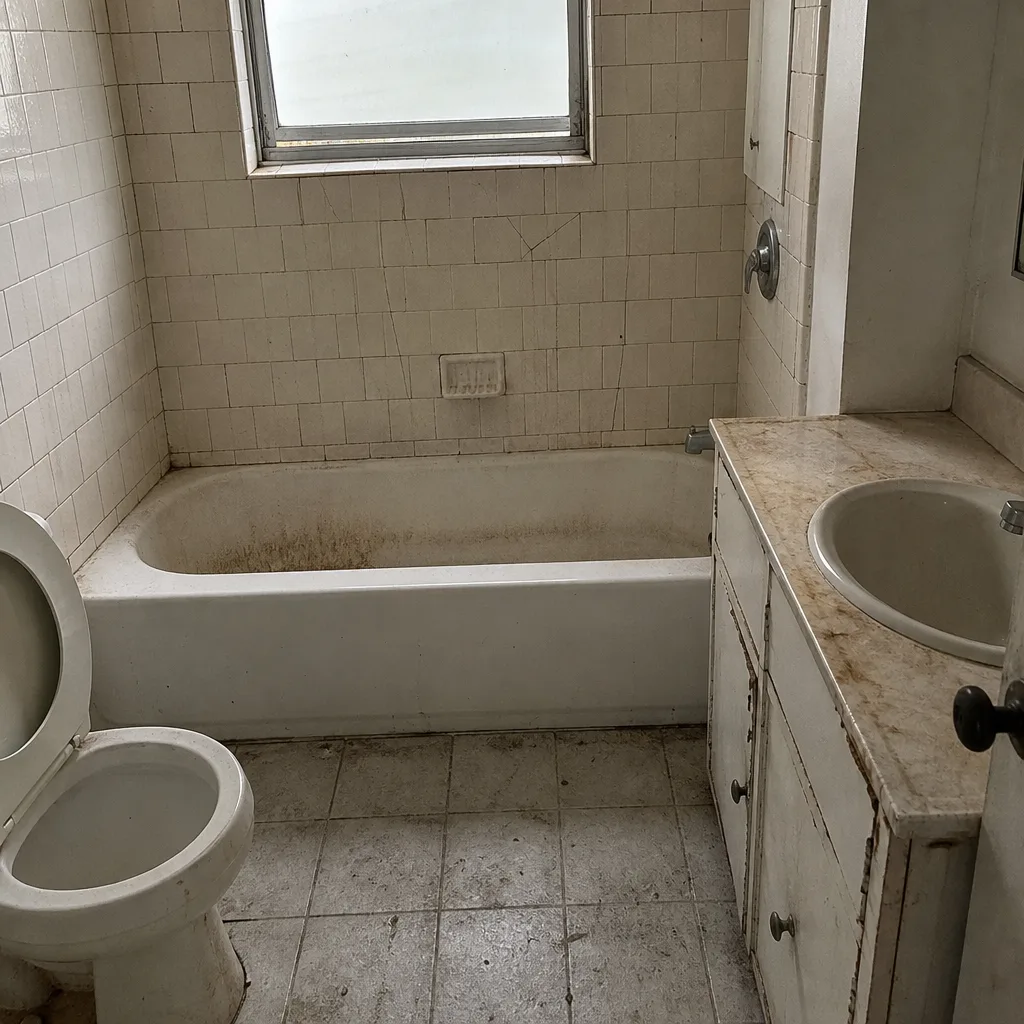 Before
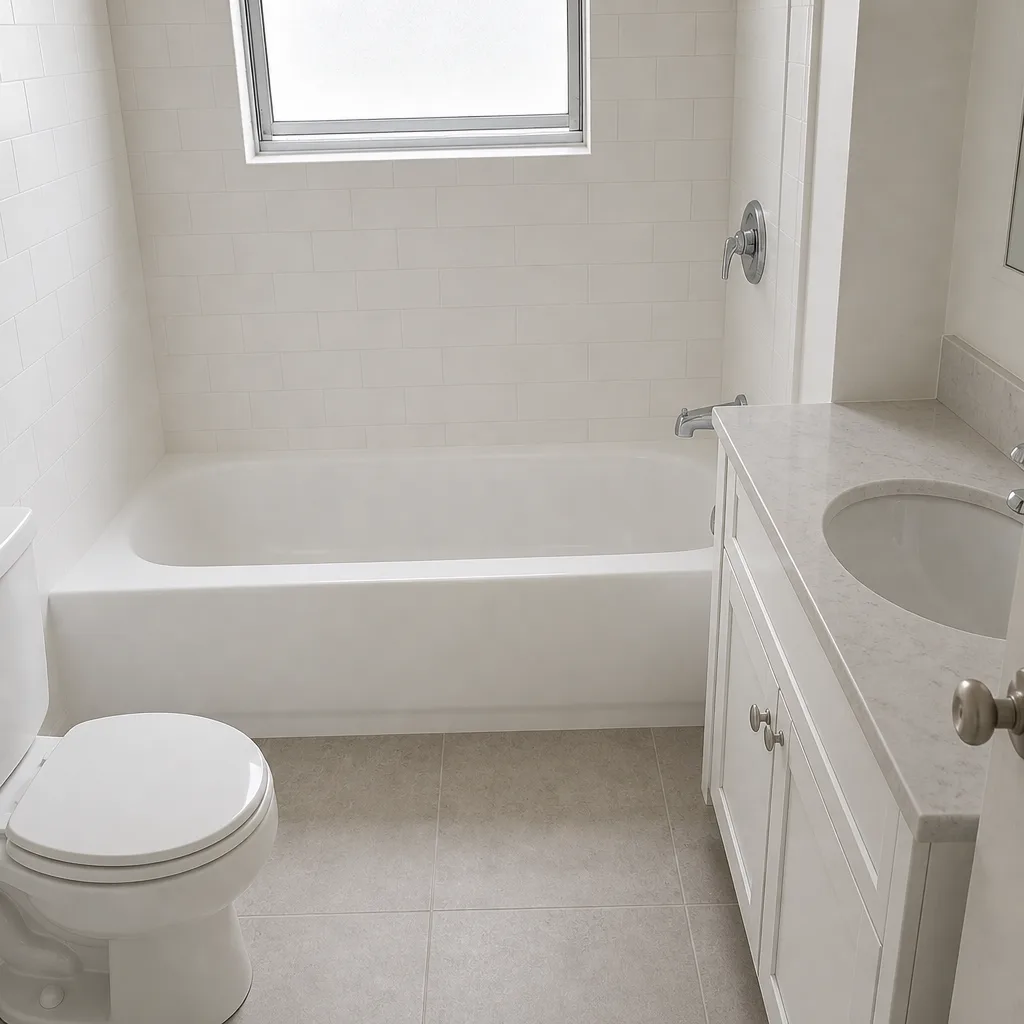 After
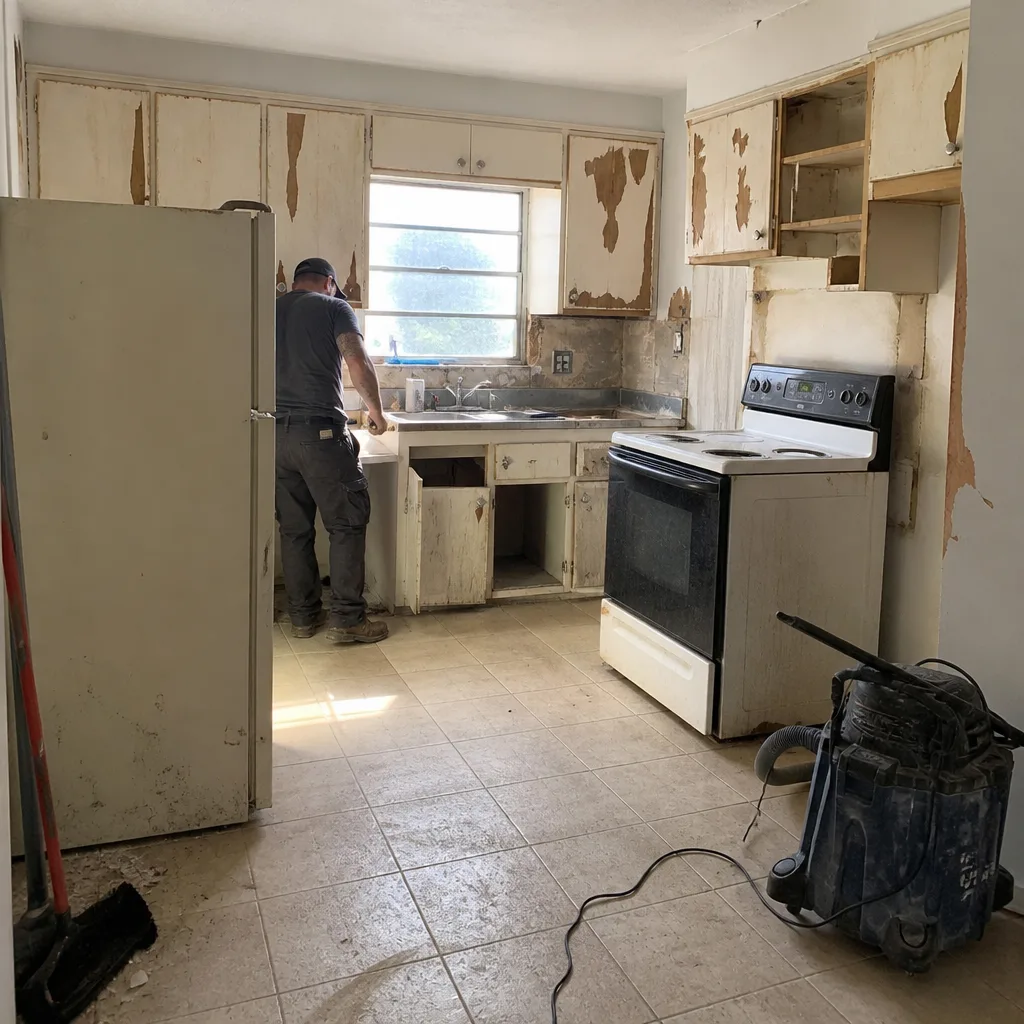 Before
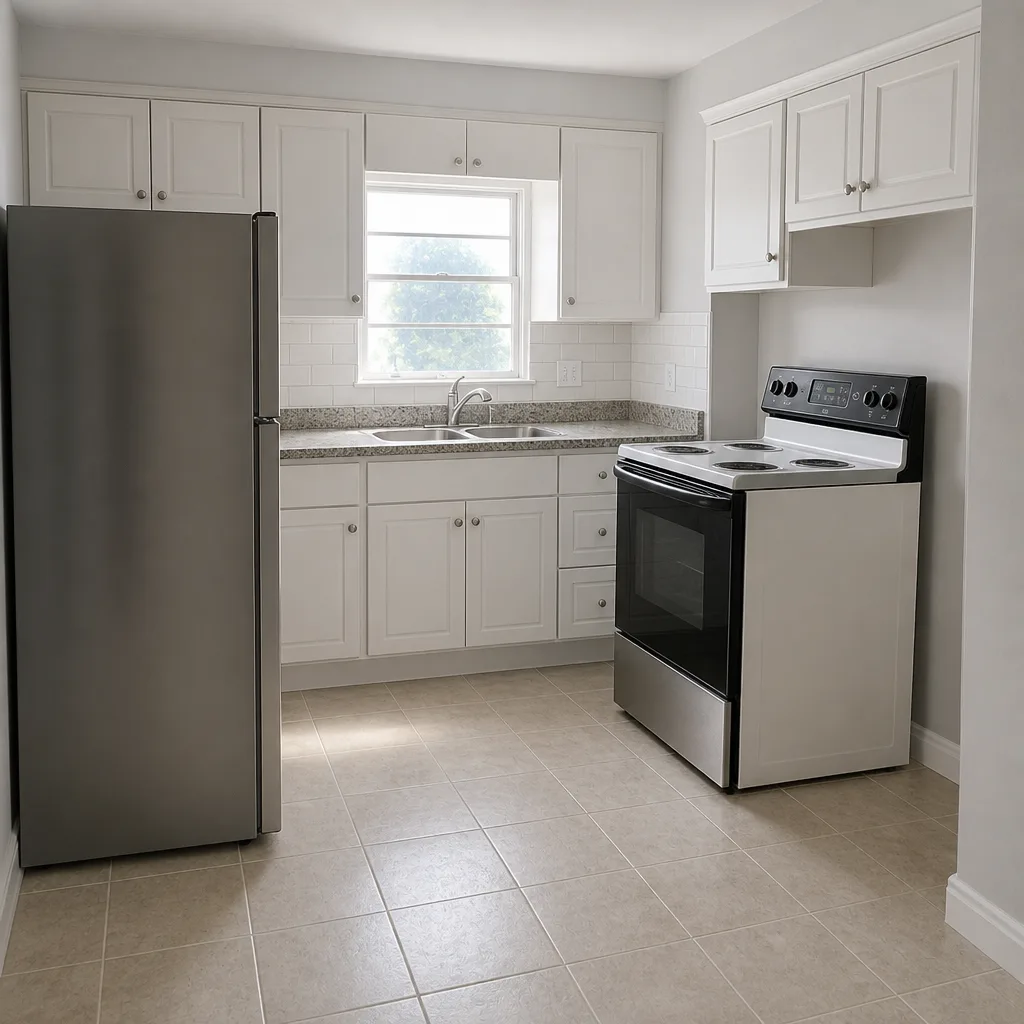 After
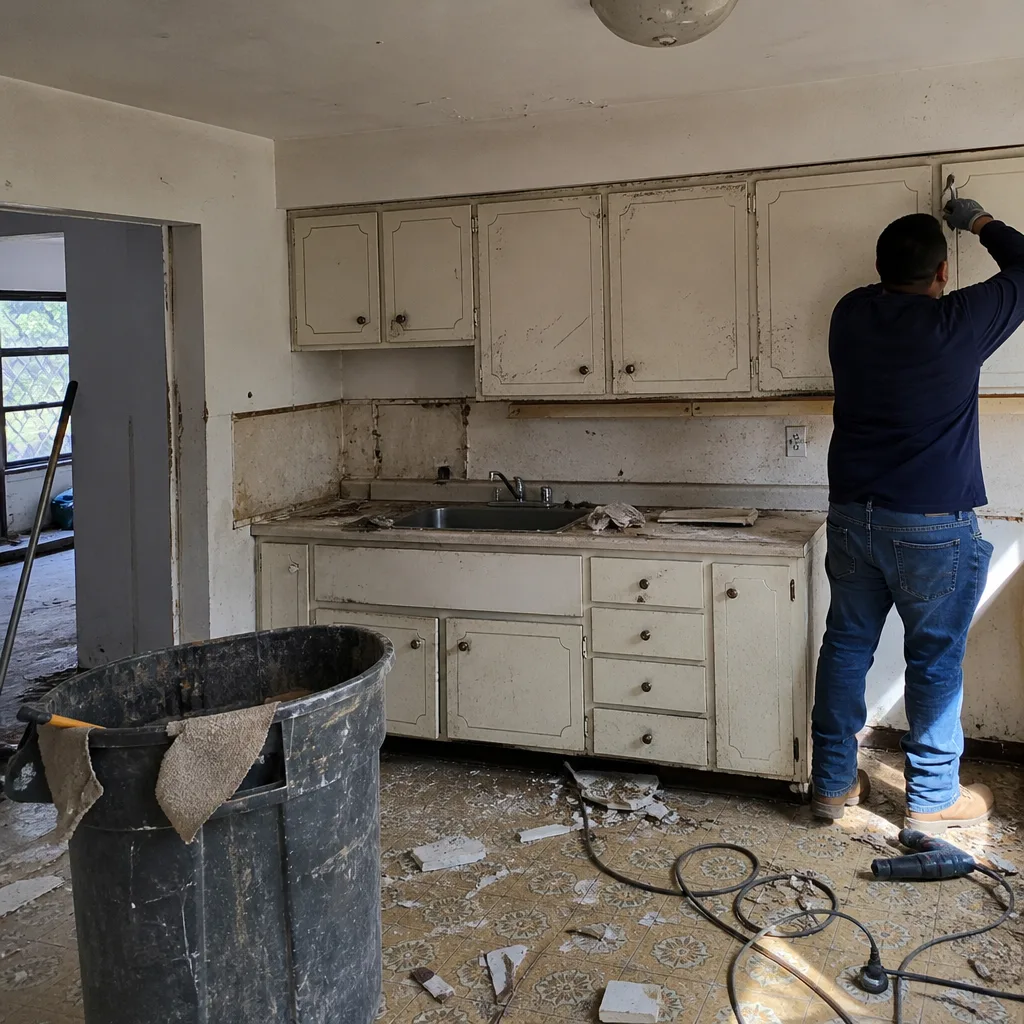 Before
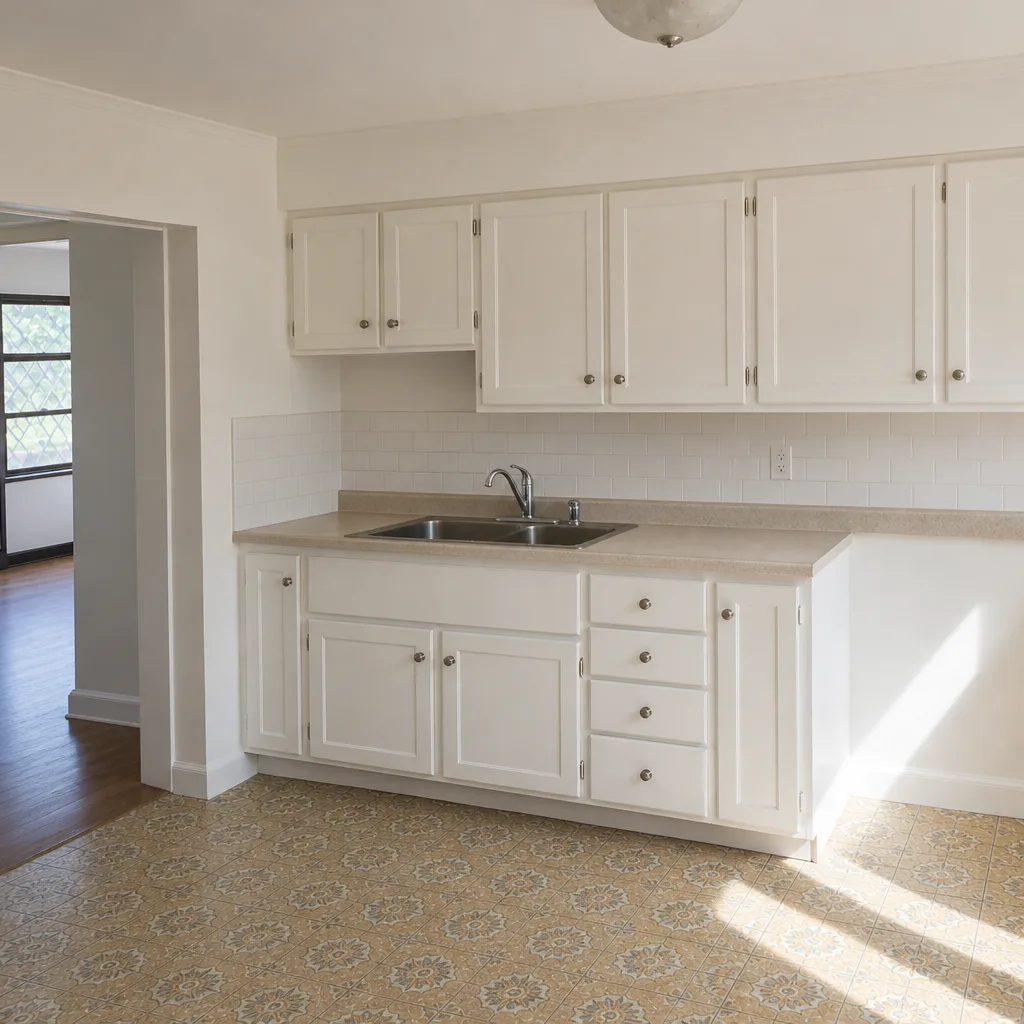 After
Impact-Rated vs Hurricane-Proof vs Storm-Rated Windows: What Actually Passes in Hialeah, FL
Impact-rated windows are tested to the ASTM E1886/E1996 large-missile standard and are the minimum required in Miami-Dade’s High-Velocity Hurricane Zone. Storm-rated is a looser marketing label often tied to Florida product approval (an FL number) used outside the HVHZ. “Hurricane-proof” is not a building-code term at all. In Hialeah, the only label that gets a window through the building department is a Miami-Dade NOA number. If the product your contractor quotes doesn’t carry one, it can’t be legally installed here. Call (888) 418-7102 for a product check before you sign anything.
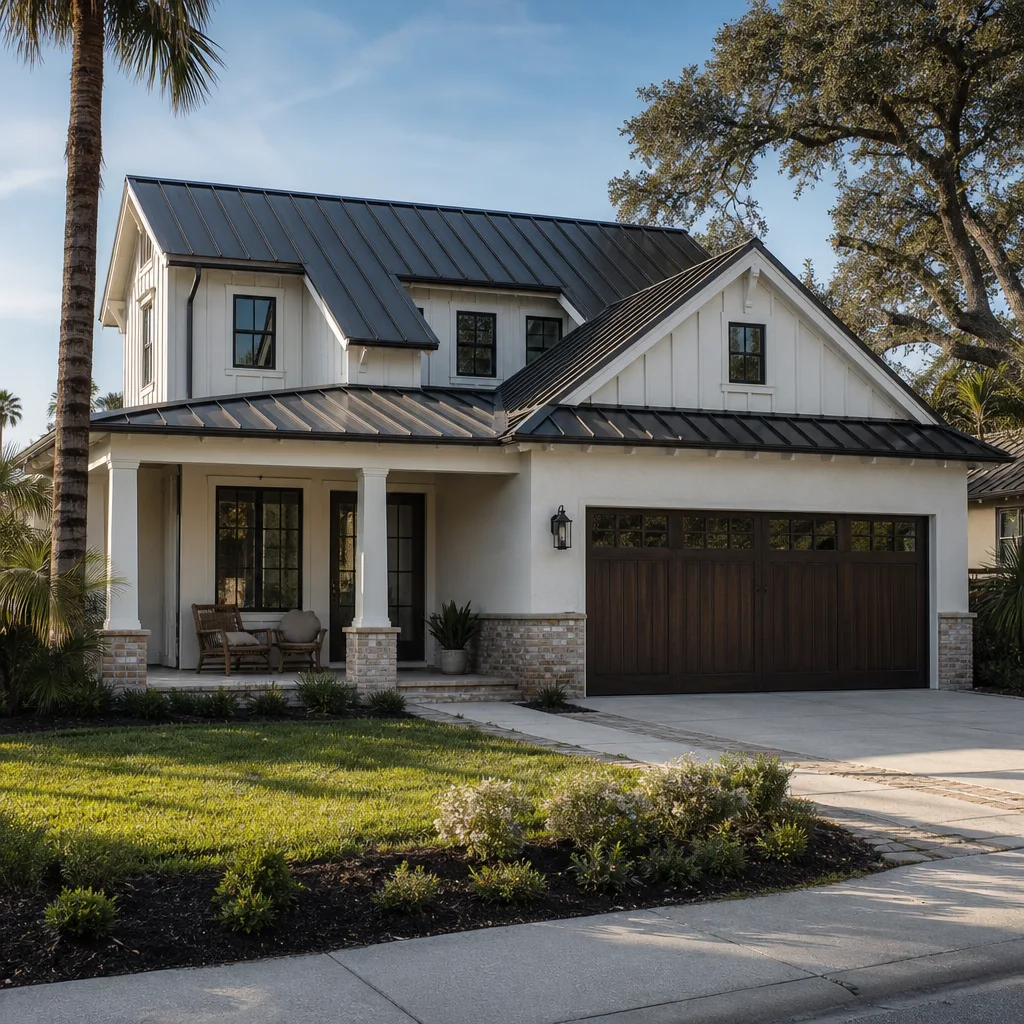
Why “Hurricane-Proof” Isn’t a Real Rating (And Why That Matters on Your Permit)
No building code in Florida uses the phrase “hurricane-proof.” No window manufacturer publishes a certified “hurricane-proof” rating either, because no test protocol carries that name. It appears in advertising. That’s it.
The three terms people search for get blended together in sales pitches, but they describe different things:
- Impact-rated describes a test protocol. The product was shot with a large missile (a 9-pound 2×4 traveling at 50 feet per second, per ASTM E1886/E1996) and then cycled through pressure loads. That’s the baseline the Miami-Dade HVHZ requires.
- Storm-rated is a broader label. Most commonly it refers to a window carrying a Florida product approval (an FL number issued by the Florida Building Commission). Those approvals are largely for wind zones outside the HVHZ. An FL number does not automatically clear a Hialeah permit.
- Hurricane-proof means nothing legally. It’s a marketing term.
Here’s the part most homeowners don’t hear until the inspector shows up: a window can be impact-rated, pass the missile test, and still get rejected in Hialeah if it lacks a Miami-Dade NOA for the exact installation condition. The product is only half the story. The other half is the county’s own Product Control Division sign-off, which is a separate document from a Florida product approval.
What a Miami-Dade NOA Actually Covers
The Notice of Acceptance is specific in a way that surprises people. A valid NOA for a window doesn’t just say “this product is approved.” It specifies:
- The exact product and model series
- The permitted frame size range (a window approved at 40 inches wide may not be covered at 60 inches)
- The glazing configuration
- The installation method
- The structural anchor schedule (anchor type, spacing, and embeds)
That last point is where good intentions go wrong. A window with a valid NOA, installed with the wrong anchor spacing, is still a code violation. The NOA permits a system, not a product in isolation. Installers who skip the anchor schedule – or substitute a different fastener because the specified one wasn’t on site – produce a job that fails inspection even though the glass itself was “approved.”
This is where Groundwork Construction Co. of Hialeah handles the paperwork differently. Andersen and Marvin products in our lineup carry Miami-Dade NOAs with published installation requirements, and our crews are trained to follow those requirements precisely, down to the anchor schedule. The NOA number goes into the project documentation before any work begins, so you know what’s being installed and why it passes.
For a full picture of product options and how they fit each opening, see our Windows & Doors page.
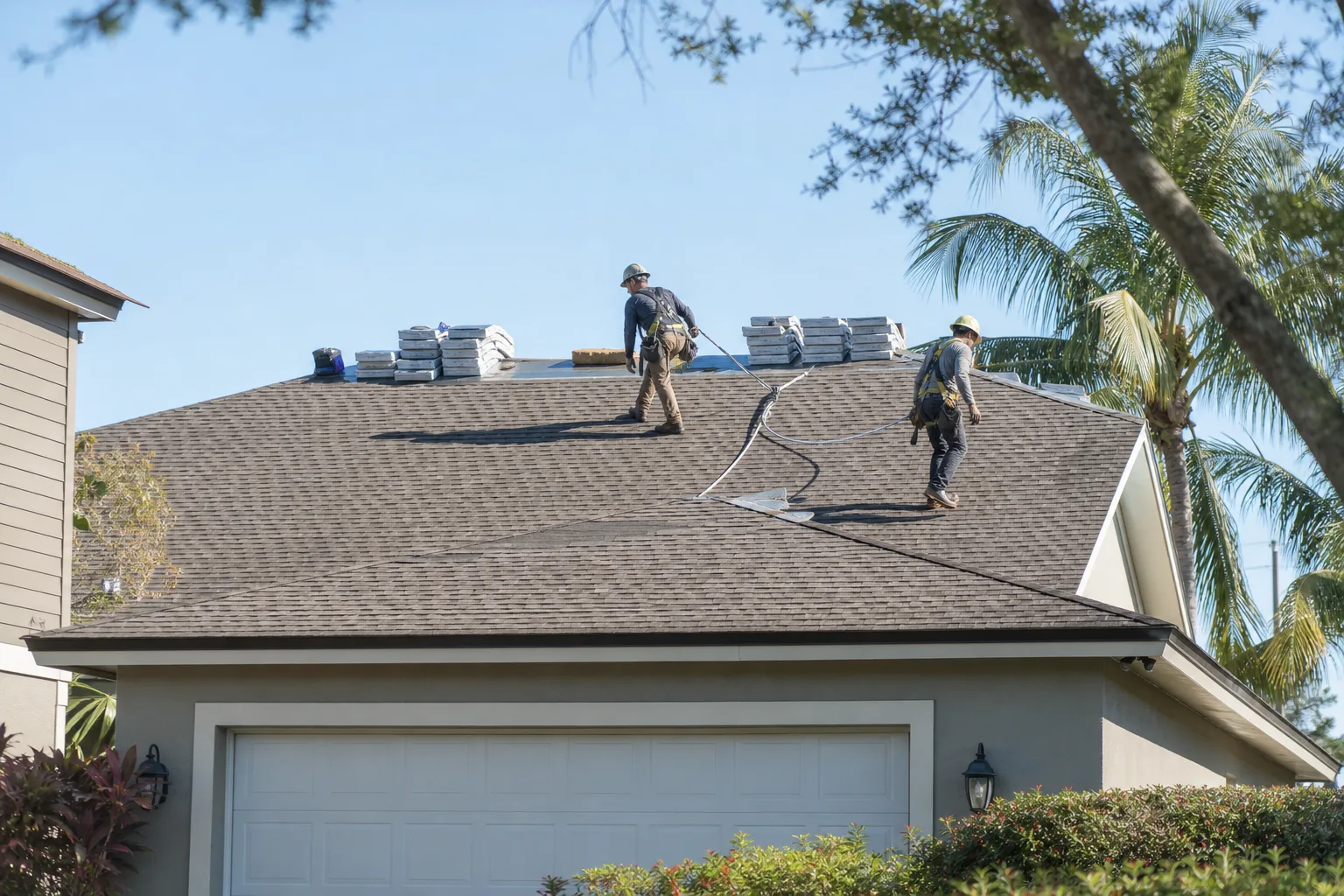
How This Plays Out in Hialeah’s Housing Stock
Hialeah’s residential core is 1950s to 1970s single-story CBS – concrete block and stucco – with flat or low-slope roofs. Post-Hurricane Andrew code means much of the window work here is structural strengthening and code catch-up rather than new construction.
The complication we run into repeatedly: rear rooms, carports, and converted garages built informally by previous owners. Those openings often weren’t framed to any published standard, so the installation detail has to be engineered around what’s actually there, not what a spec sheet assumes. A window opening cut into a homeowner-built addition rarely measures square, and the anchoring has to account for the real substrate.
Hurricane season runs June through November, and window orders placed in August tend to run long. Homeowners who start in March or April get product in hand before the first named storm. Year-round humidity matters too – a failed seal on a low-slope-roof-adjacent window ledge lets in water that shows up as stucco cracking or interior mold a season later.
Common Local Scenarios We See
The “approved but wrong anchor” call. A homeowner has a permit, has an impact-rated product with a valid NOA, and fails inspection anyway because the anchor spacing in the field doesn’t match the NOA schedule. Fixing it means pulling and resetting the units. Getting the schedule right the first time is cheaper than the rework.
The FL-number-in-Hialeah confusion. A quote comes in with a Florida product approval number and no Miami-Dade NOA. The homeowner thinks “FL approved” equals “Miami-Dade approved.” It doesn’t. The permit stalls.
The homeowner-built rear addition. The opening doesn’t align to any standard framing. The NOA covers the product and anchor schedule, but the substrate needs a real look before the window can be specified correctly. That’s often when we recommend an as-built survey before any legitimate build can proceed.
The mixed-window house. Some units already impact-rated, some original 1970s aluminum, all under one insurance policy. Insurers here care about the weakest opening. A phased approach – critical openings first, the rest on a schedule – is a legitimate way to get to a compliant house without one lump sum.
What It Costs in Hialeah
Impact window installation in Hialeah typically runs $8,000-$25,000 depending on unit count, size, and how much substrate repair the existing openings need. Standard window replacement runs $4,500-$15,000. The gap reflects both product and the anchoring and trim work that a true HVHZ-compliant install requires.
| Scope | Typical Hialeah Range |
|---|---|
| Impact window installation | $8,000 – $25,000 |
| Standard window replacement | $4,500 – $15,000 |
Exact pricing depends on window count, the condition of the framing behind the stucco, and whether the openings are in the original CBS shell or a homeowner-built rear room. We provide upfront pricing with no surprises, and the number you see is the number you pay. If a wall hides a surprise – rotted framing, out-of-square rough opening – that gets priced before work starts, not billed as an add-on after.
Projects over $10,000 qualify for $1,000 off, and 0% financing for 18 months is available to spread the cost. Every installation is covered by the 730-Day Done Right Promise: if it isn’t done right, we make it right.
How to Read a Window Quote in Hialeah
Ask three questions before signing anything:
- What’s the Miami-Dade NOA number on the product you’re quoting, and does the NOA cover my exact size and configuration?
- What anchor schedule does the NOA specify, and how will you document that it was followed?
- Who pulls the permit, and who fields the inspector if there’s a correction?
If a quote comes back with only a Florida product approval number and no NOA, that’s a signal. If it comes back with a NOA that covers only a different size, also a signal. The right answer includes the specific NOA number, the installation method, and the anchor schedule in writing. Our technicians have up to 12 years of experience reading those documents against real openings, and the NOA number is part of your documentation before work begins.
For a broader look at how windows and doors fit into a full home scope, start at our home page or check our Hialeah service area coverage.
FAQs
No. “Hurricane-proof” is a marketing term that doesn’t appear in any Florida building code, and no window manufacturer publishes a certified “hurricane-proof” rating because no test protocol carries that name. Impact-rated is the real term: a product tested to ASTM E1886/E1996 large-missile standards and, in the Miami-Dade HVHZ, carrying a valid NOA for the specific installation. Call (888) 418-7102 and we’ll tell you what the product on your quote actually is.
Usually not without a Miami-Dade NOA. A Florida product approval (FL number) is the appropriate credential outside the HVHZ. Hialeah sits inside the HVHZ, which requires the county’s own Notice of Acceptance issued by the Miami-Dade Product Control Division. An FL number alone won’t pass permit review. Call (888) 418-7102 for a free product check – estimates are free and we’ll flag it before you sign.
No. A NOA covers a system: the product, frame size range, glazing, installation method, and anchor schedule. A compliant window installed with the wrong anchor spacing is still a code violation. The NOA number and its installation requirements have to be followed in the field. Call (888) 418-7102 for a no-pressure assessment in Hialeah.
Impact window installation in Hialeah typically runs $8,000-$25,000, and standard window replacement runs $4,500-$15,000. The difference reflects the product plus the anchoring and substrate work a true HVHZ-compliant install requires. Projects over $10,000 get $1,000 off, and 0% financing for 18 months is available. Call (888) 418-7102 for an exact quote – estimates are free.
If you’d rather have it looked at, Groundwork Construction Co. of Hialeah offers a no-pressure assessment in Hialeah – we’ll check the NOA on your quote against your actual openings and tell you straight whether it passes. Call (888) 418-7102. Live person, 24/7, upfront pricing, and the 730-Day Done Right Promise on every job.
Written by the team at Groundwork Construction Co. of Hialeah, serving Hialeah, FL.