Free written scope consultation - allowances, timeline, and change-order rules on paper before a single trade is scheduled
Styles & brands we work with
- Kitchen remodeling
- Bathroom remodeling
- Home additions & ADU
- Roofing
- Windows & doors
- Driveway & pavers
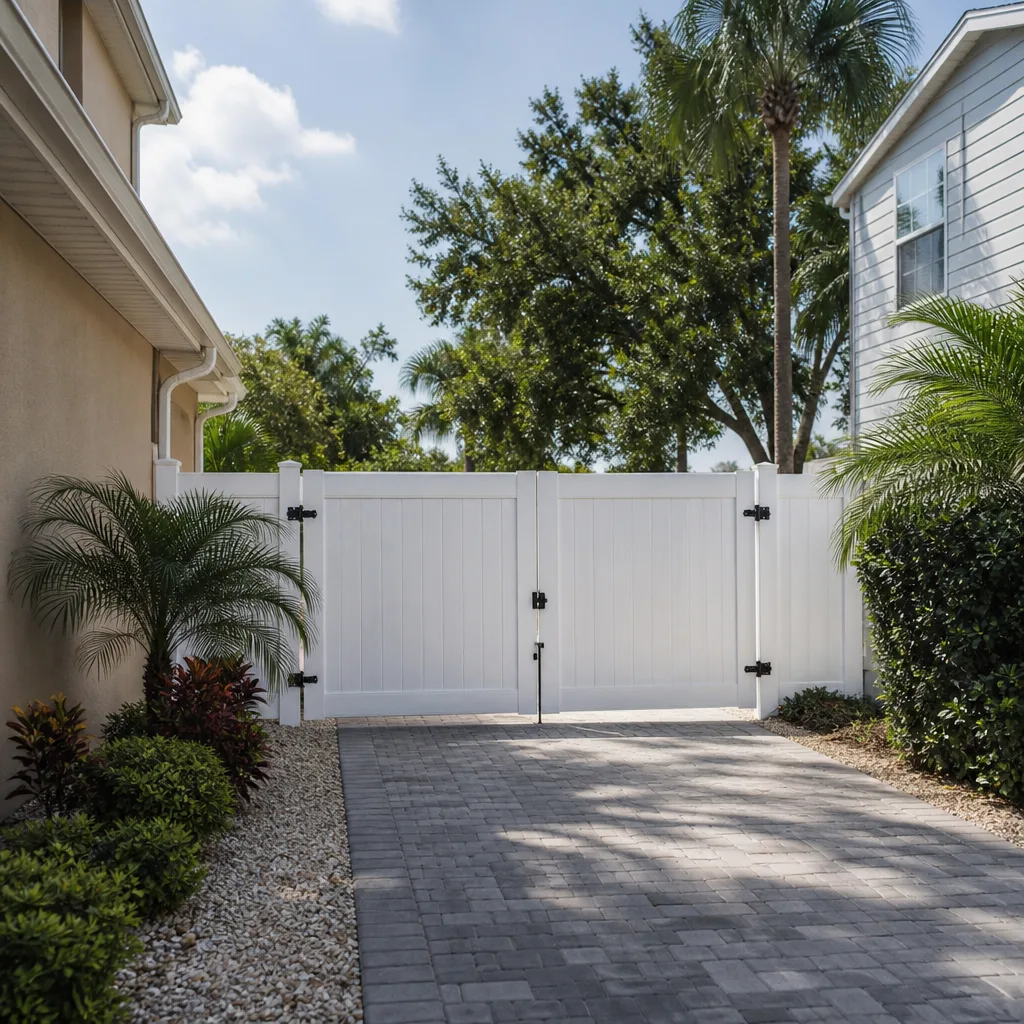
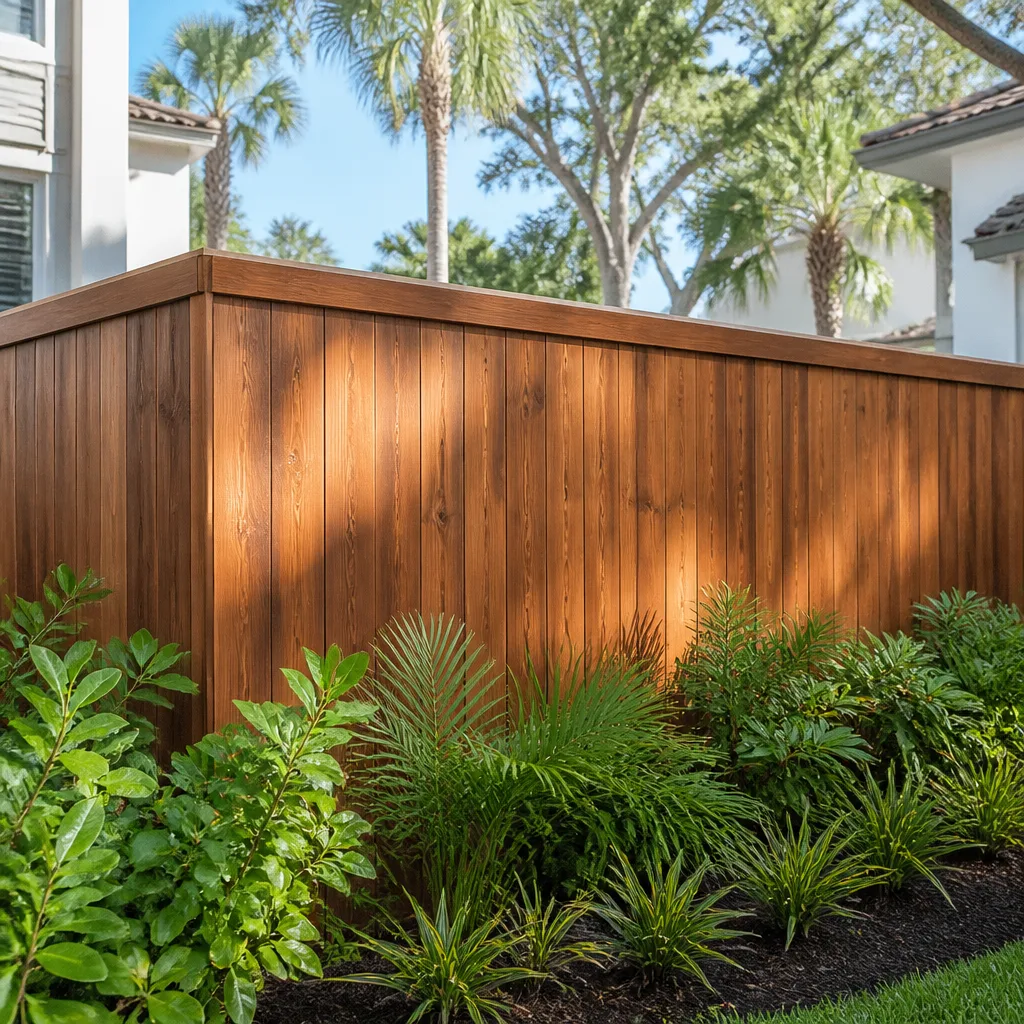
- Fence
See the difference
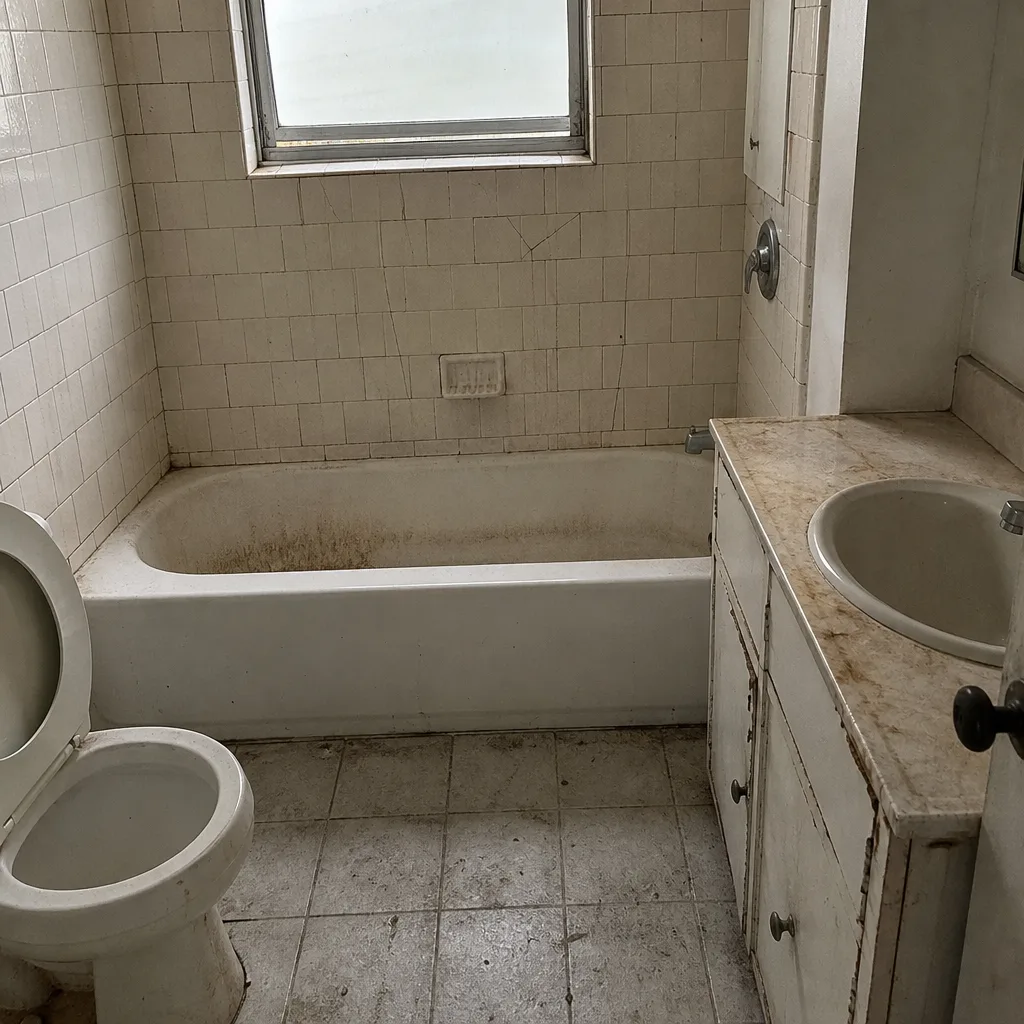 Before
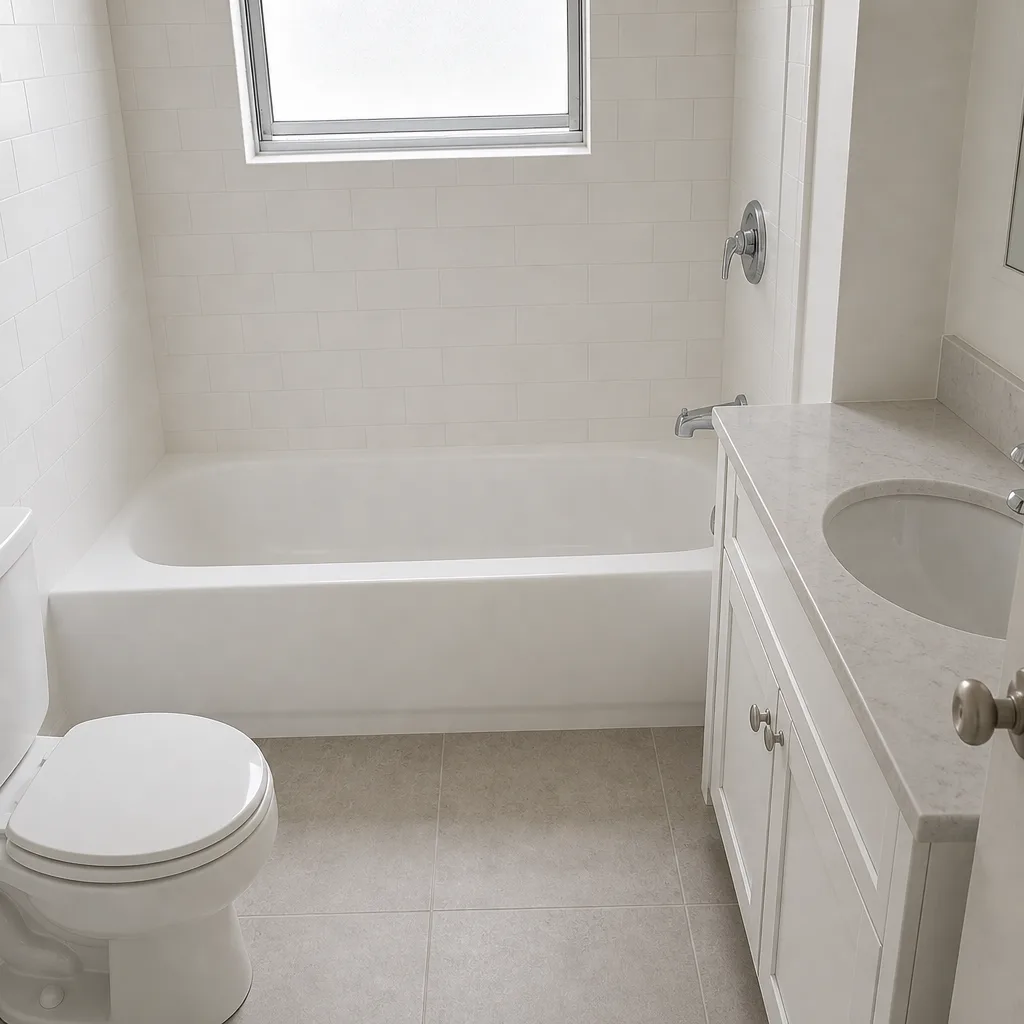 After
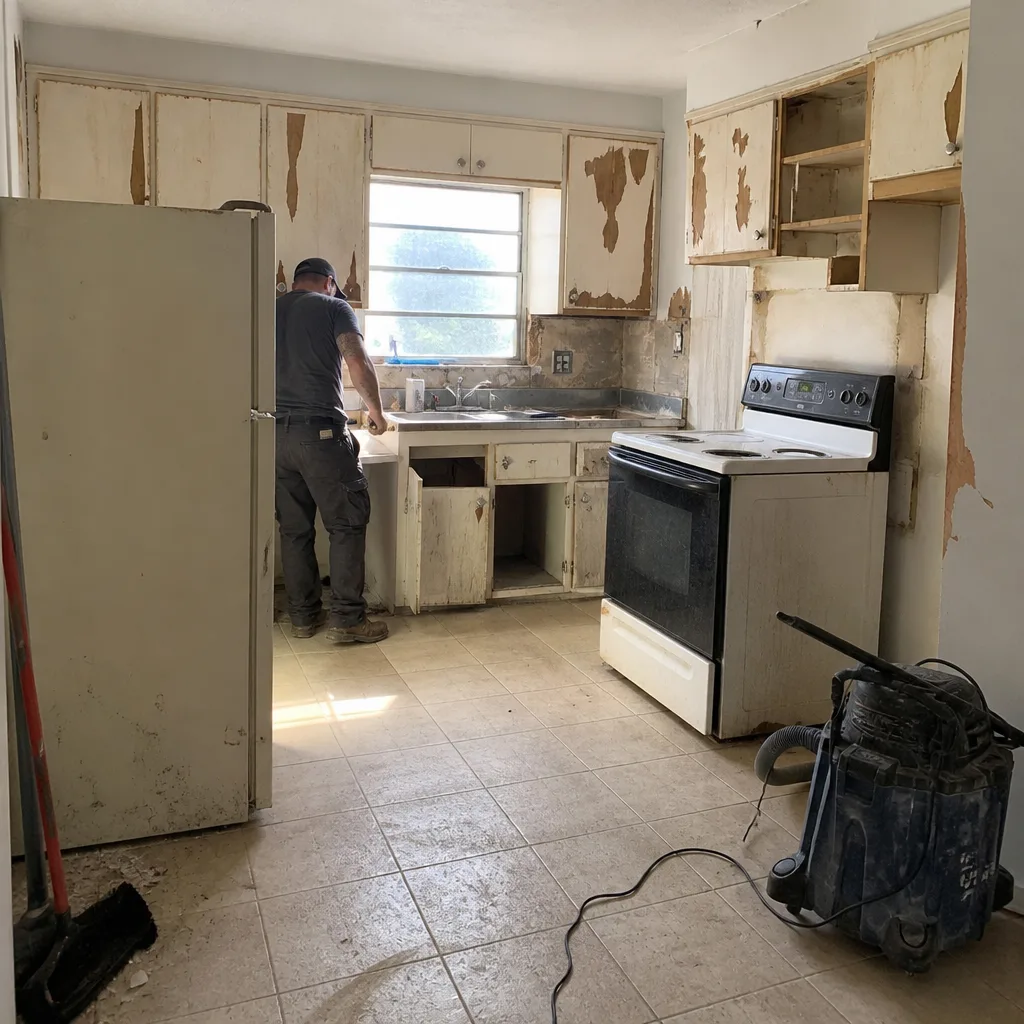 Before
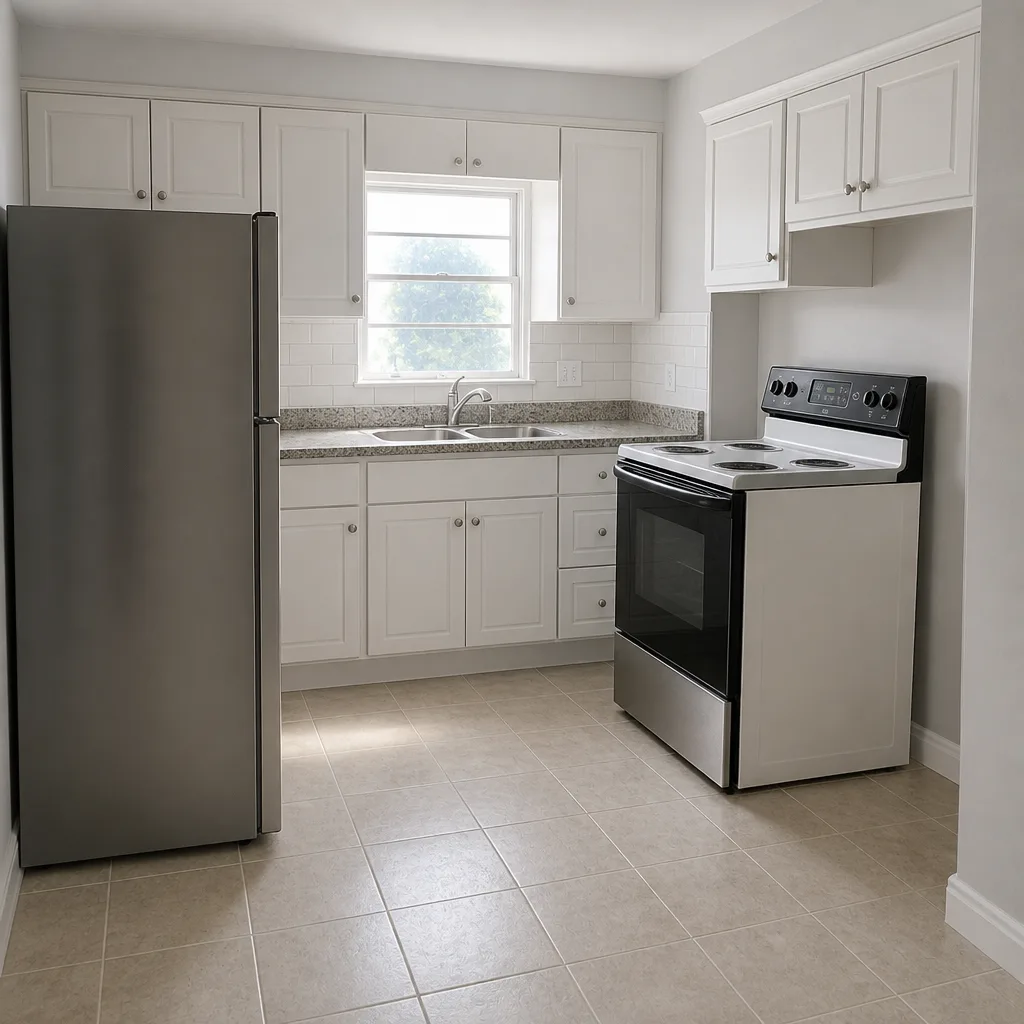 After
 Before
 After
How Deep Should Fence Posts Be in Hialeah, FL? Deeper Than Most Guides Tell You
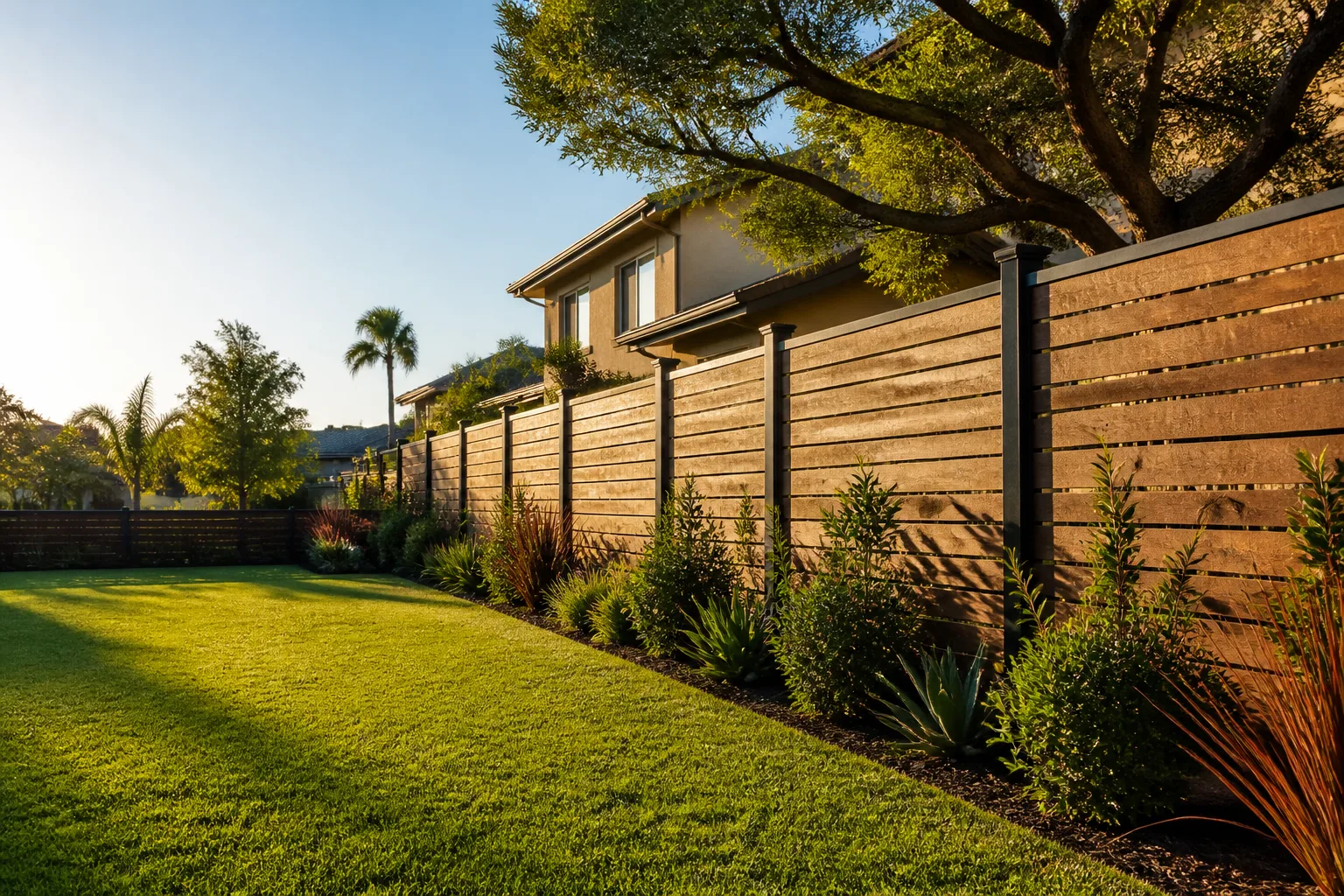
In Hialeah, fence posts should typically be set 36 to 48 inches deep for a 6-foot privacy fence, with the hole widened to 10-12 inches across and widened further into a belled base at the bottom. Miami-Dade’s wind-load rules push the minimum upward for taller runs, exposed lots, and anything near the coast or an open fetch. That’s the short answer. The longer answer involves a city where nothing freezes and yet the footers matter more than in Minnesota.
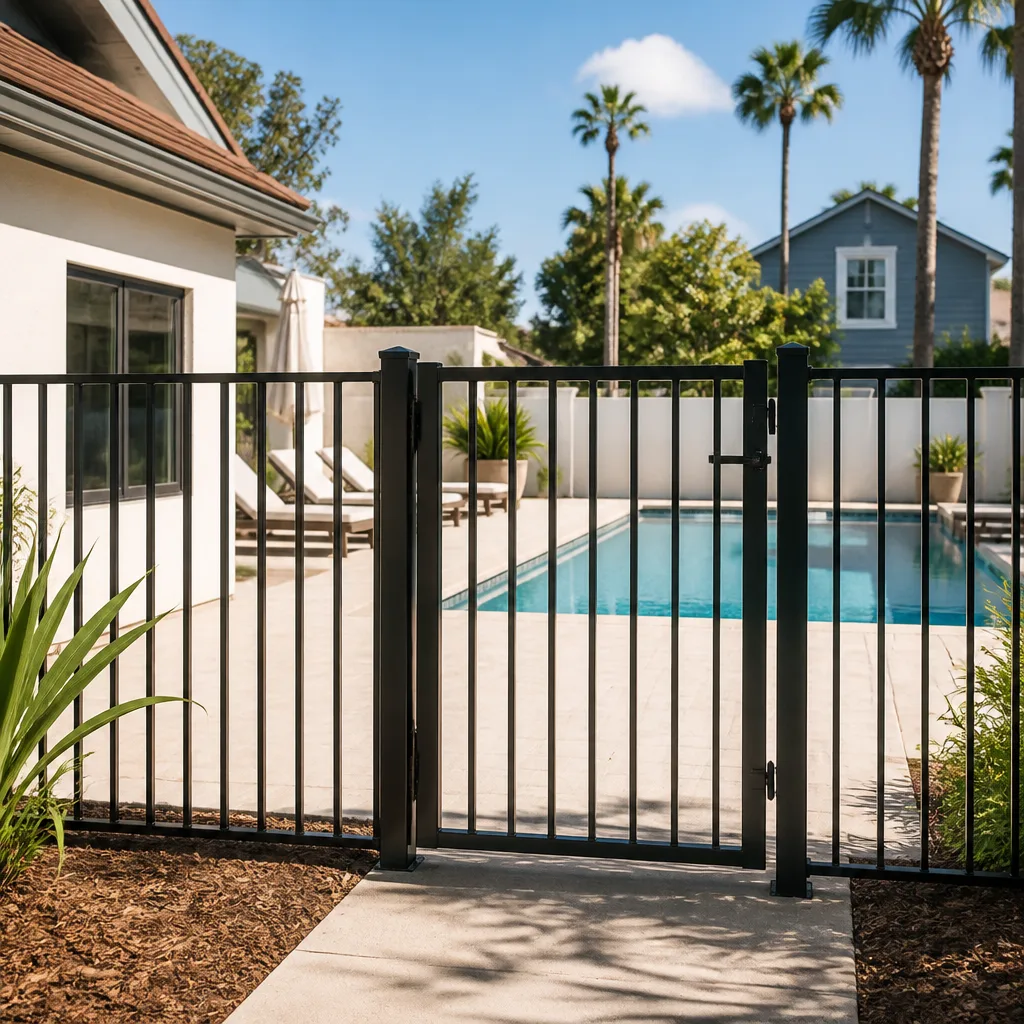
Why Hialeah Doesn’t Freeze - And Still Needs Deep Footers
Walk into most homes in Hialeah and you’re standing on ground that was graded in the 1950s or 1960s, when this city filled out block by block. A lot of that residential soil is imported sandy fill, not native Florida limestone. Fill compresses under a wet summer, and once it does, a post that looked plumb in March is leaning by August. This isn’t a frost problem. It’s a lateral resistance problem, and it’s what separates a Hialeah fence from one installed in a climate with a defined frost line.
Now add wind. A 6-foot privacy fence in a Category 2 hurricane takes around 100 mph of lateral load across each panel. The post has to resist that without pulling out of the ground. Sandy fill gives posts very little lateral bearing compared to undisturbed native soil - often under half. That’s why a conservative reading of Miami-Dade’s wind-load provisions pushes Hialeah footers deeper and wider than the “one-third of post height” rule you’ll find in most online guides.
What That Looks Like in Practice
- 4-foot fence: 30-36 inch post depth, 10-inch diameter hole, 6-foot post spacing.
- 6-foot privacy fence: 36-48 inch post depth, 10-12 inch diameter, belled at the base in fill soil.
- 8-foot fence or solid panel in an exposed lot: 48 inches-plus, engineered footer, sometimes sonotube.
- Every post: concrete, not dry-set gravel. Galvanized post anchors above the concrete line so the wood doesn’t wick moisture.
The “belled base” detail matters more than most guides let on. Belling widens the bottom of the hole like a bell so the concrete plug has more surface to resist uplift and lateral pull. In stable soil, it’s a nice-to-have. In the imported fill common on Hialeah lots, it’s the difference between a fence that’s still standing after a storm and one that’s on its side in the alley.
What Does a Miami-Dade-Compliant Fence Footer Actually Cost?
Post depth drives concrete volume, and concrete volume drives price. Here’s what full installation typically runs for Hialeah homeowners, using realistic market-calibrated ranges:
| Fence Type | Typical Installed Cost |
|---|---|
| Vinyl Fence Installation | $3,500-$9,000 |
| Aluminum Fence Installation | $4,000-$10,000 |
| Wood privacy fence (6 ft, permitted) | $3,500-$9,000 |
For a typical Hialeah lot with 120-150 linear feet of 6-foot privacy fence, that lands the project in the $3,500-$9,000 band. The variables that shift it most: how deep the soil forces the footers, whether a permit is required (it usually is, more on that below), and whether the existing fence needs full removal and disposal. If you’re working through a bigger yard project at the same time, a paver patio installation runs $3,500-$11,000 and can be sequenced with the fence to save on demo costs.
The full walkthrough of fence types, materials, and options lives on our Fence Installation in Hialeah page. This piece is about the part that determines whether that fence survives the next storm system.

The Insurance Detail Most Homeowners Don’t Find Out Until It’s Too Late
Here’s the piece of this Hialeah fence conversation almost nobody mentions: some homeowners have had storm damage claims on their fences denied because the fence was installed without a permit. No permit means no inspection record, which means no way to demonstrate the installation met Miami-Dade’s wind-load code. The insurer’s position is simple - you can’t show the required anchoring was done, so the damage gets treated as a maintenance failure rather than a covered event.
Most homeowners never see that coming because the fence looked fine for years. When we pull a permit on a Hialeah fence job, the inspection record becomes a permanent document in the property file. If a claim question ever comes up, the record answers it. That’s not just paperwork - it can be $5,000 to $15,000 of replacement cost sitting on the wrong side of a claim decision.
Groundwork Construction Co. of Hialeah pulls permits as a standard step on fence projects, installs to Miami-Dade code, and backs post depth with our 730-Day Done Right Promise - if it isn’t done right, we make it right. The footer depth isn’t a field judgment call on our crews. It’s a documented standard, because the inspector is going to check, and so will the next storm.
How Is a Standard Footer Different From a Wind-Load Footer?
A standard residential footer is what most installers build when nobody’s checking: an 8-inch hole, ~80 pounds of concrete, post 24-30 inches deep. That works in a frost-line climate where the ground is stable and the wind loads are modest. It’s also the footer most often cited in online “one-third of post height” guides. It will not pass muster in Hialeah.
A Miami-Dade wind-load footer for the same 6-foot fence is wider (10-12 inches), deeper (36-48 inches), and belled at the base. Concrete volume per post usually lands between 150 and 250 pounds depending on the specific depth and diameter. Multiply that across a 20-post run and you’re talking about a real increase in concrete - which is partly why the Hialeah permitting detail matters. The engineering isn’t guesswork; the depth and diameter are specified.
There’s a secondary detail in the connection: an elevated post anchor, so the wood never sits directly in concrete. Untreated contact with concrete wicks moisture up, and in Hialeah’s humidity the post rots from the inside out inside 8-10 years. The post anchor is a $4 part that adds a decade or more of life.
The other place local soil makes itself felt: the vast majority of Hialeah’s single-story CBS (concrete block and stucco) homes have been expanded over the decades - carports, rear rooms, converted garages. When a fence line runs against an old unpermitted addition, the as-built situation has to be understood before the fence anchors to it. Sometimes the fence attaches to the block wall; sometimes it needs its own free-standing footers. That survey step belongs in the bid, not the day of installation.
When Should You Call a Professional?
Setting fence posts is a job you can reasonably do yourself in a forgiving climate and stable soil. Hialeah isn’t that. The combination of sandy imported fill and hurricane-season lateral loads means the stakes are high and the margins are small. If you’re dealing with a fence over 6 feet, a lot line that abuts a neighbor’s property, an exposed corner lot, or anything that may need a permit, get a professional involved. Our technicians have up to 12 years of experience working South Florida soils, and calls are answered by a live person, 24/7 - not routed to voicemail on a Saturday morning when your old fence just went down.
If you’re considering pairing fence work with other exterior improvements, related projects in our wheelhouse include home upgrades across Hialeah and, for homeowners thinking about long-term backyard additions, ADU construction in the $90,000-$220,000 range. Those are separate engagements, but they all start with the same question: what’s actually under the ground.
FAQs
For a 6-foot privacy fence in Hialeah, posts should go 36 to 48 inches deep in a 10- to 12-inch hole, belled at the base. The deeper end of that range applies to lots with imported sandy fill, exposed corners, and anything that needs to pass a Miami-Dade wind-load inspection. Call (888) 418-7102 for a free estimate - we’ll talk through your specific soil and lot before quoting.
In most cases, yes - Hialeah fences over a certain height and anything that must demonstrate wind-load compliance typically require a permit through Miami-Dade. The permit is what creates the inspection record home insurers look for after storm damage. Skipping it can mean a denied claim on the fence itself. We pull permits as standard practice; call (888) 418-7102 to talk through your project.
It depends on how many posts have shifted. If one or two posts are leaning and the panels are intact, repair is usually cheaper - but in Hialeah’s sandy fill, one failed post often signals that the rest were set too shallow. Full replacement with code-compliant footers typically runs $3,500-$9,000 for a typical Hialeah lot. Call (888) 418-7102 for a free assessment - we’ll tell you honestly which way makes sense.
Usually, yes. Most residential fence jobs in Hialeah are completed in one to three days once the permit is in hand, and our scheduling moves fast outside peak season. If your current fence is storm-damaged or unstable, call us at (888) 418-7102 for a no-pressure assessment - we can flag temporary stabilization options while the permanent install is scheduled.
Get a Straight Answer on Your Footer Depth
If you’d rather have it looked at than guess, Groundwork Construction Co. of Hialeah offers a no-pressure assessment in Hialeah - call (888) 418-7102. We’ll look at your actual soil, your lot exposure, and your permit situation before quoting. Free estimate, no surprises, and a 730-Day Done Right Promise on every install.
Written by the team at Groundwork Construction Co. of Hialeah, serving Hialeah, FL.