Free written scope consultation - allowances, timeline, and change-order rules on paper before a single trade is scheduled
Styles & brands we work with
- Kitchen remodeling
- Bathroom remodeling
- Home additions & ADU
- Roofing
- Windows & doors
- Driveway & pavers
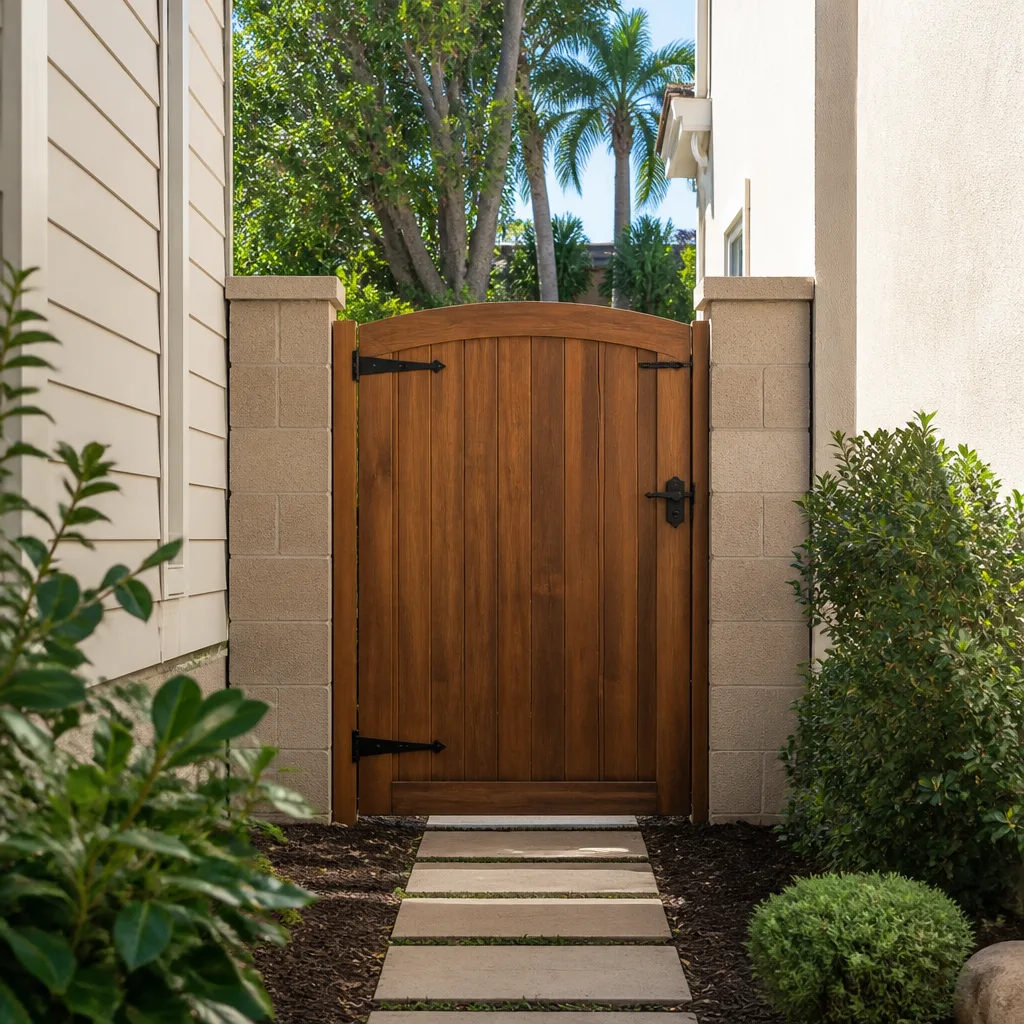
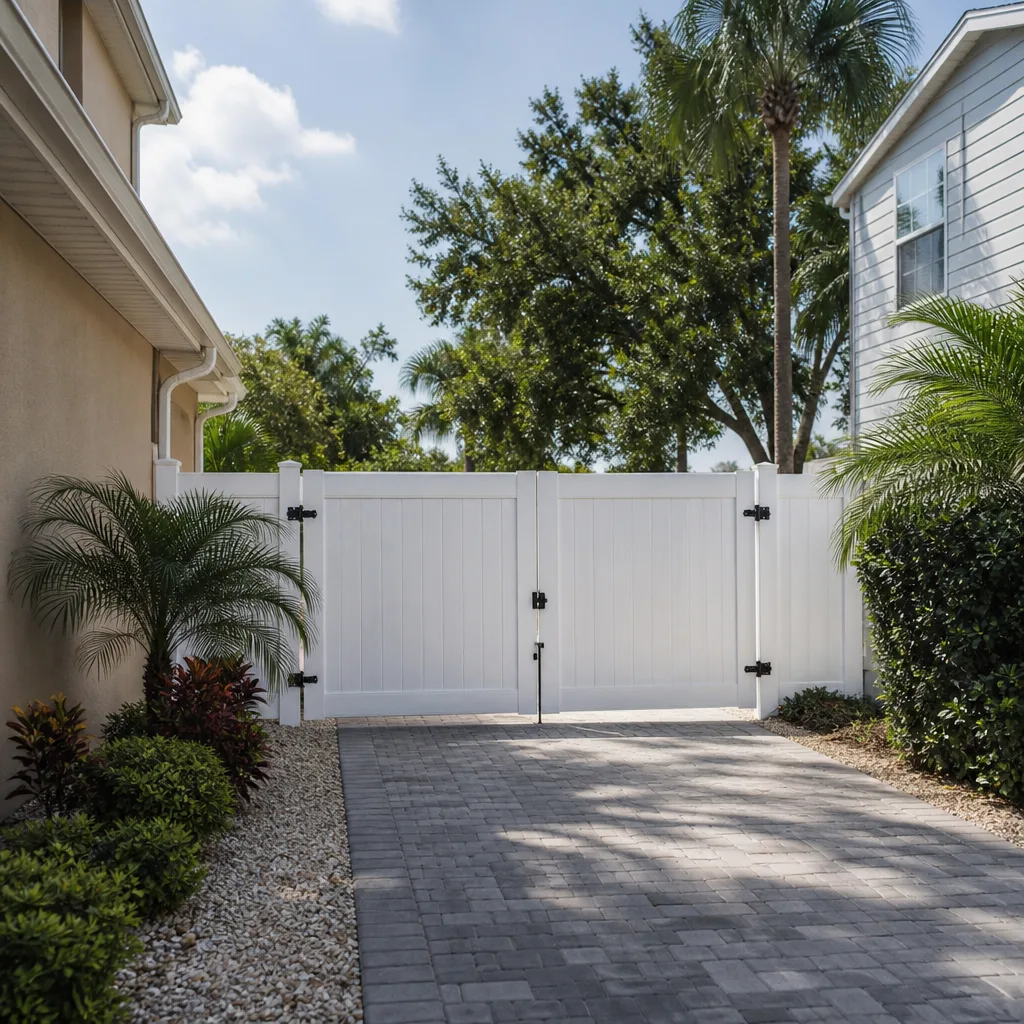
- Fence
See the difference
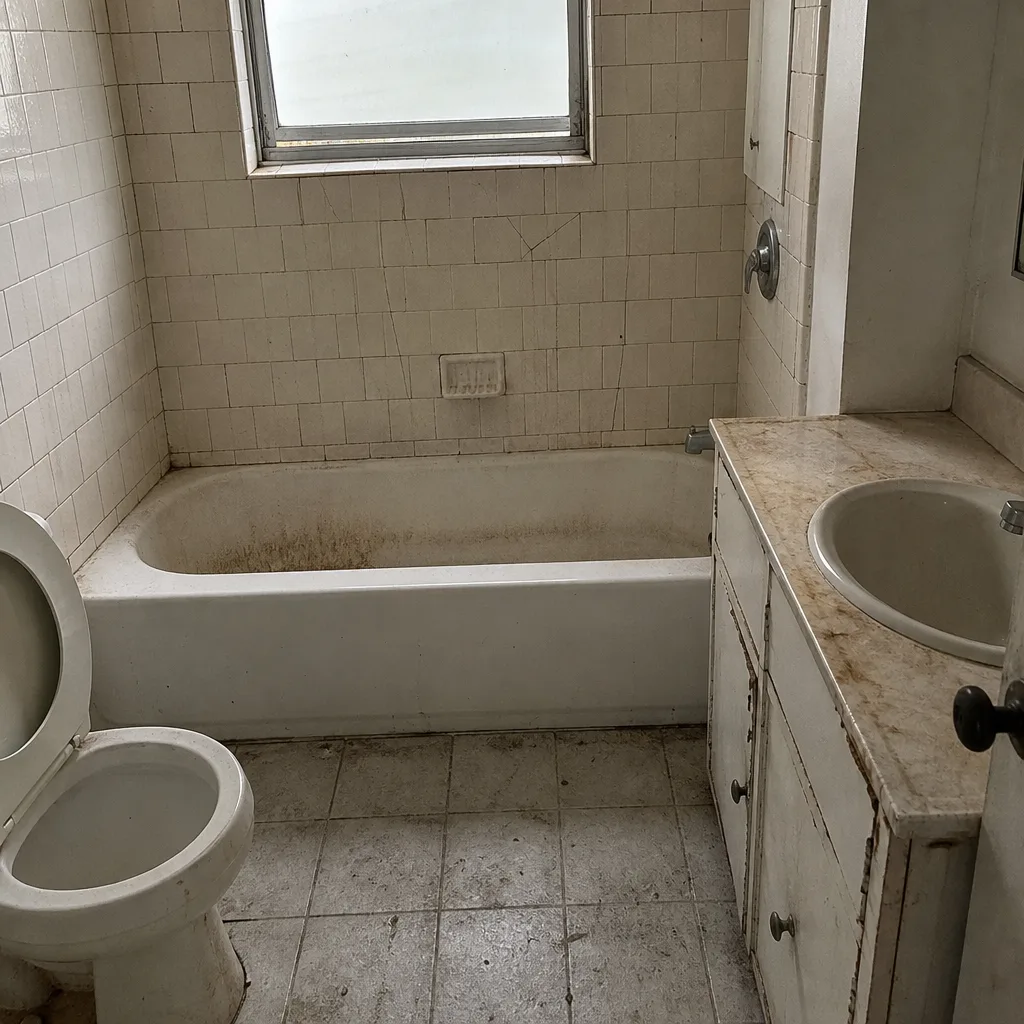 Before
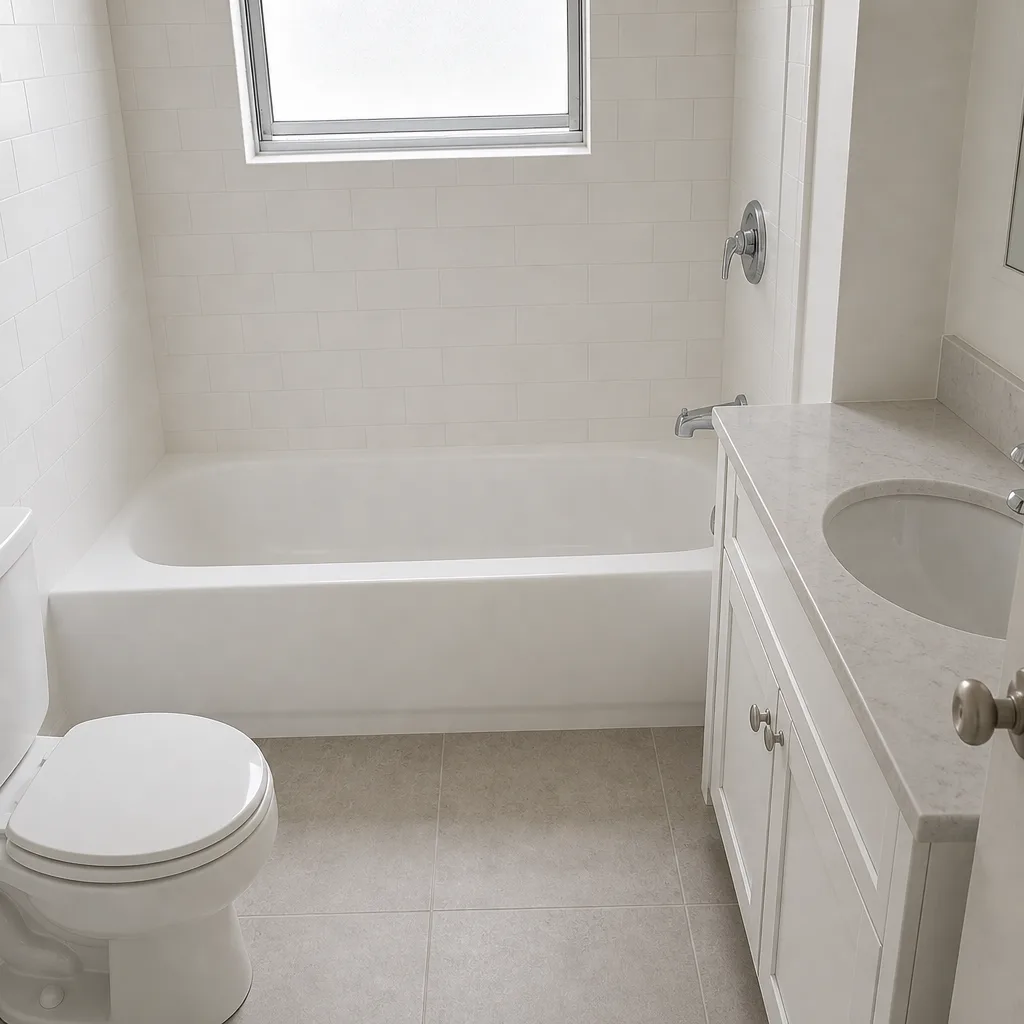 After
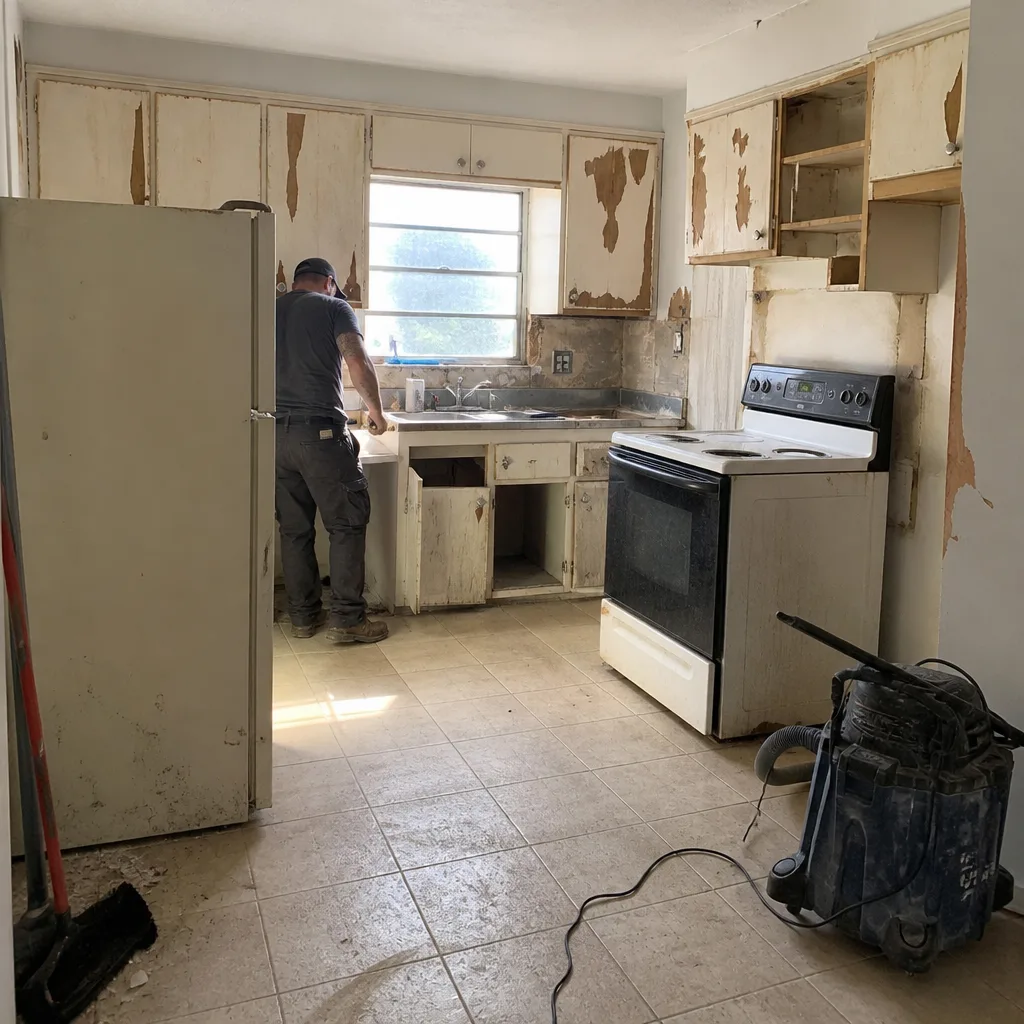 Before
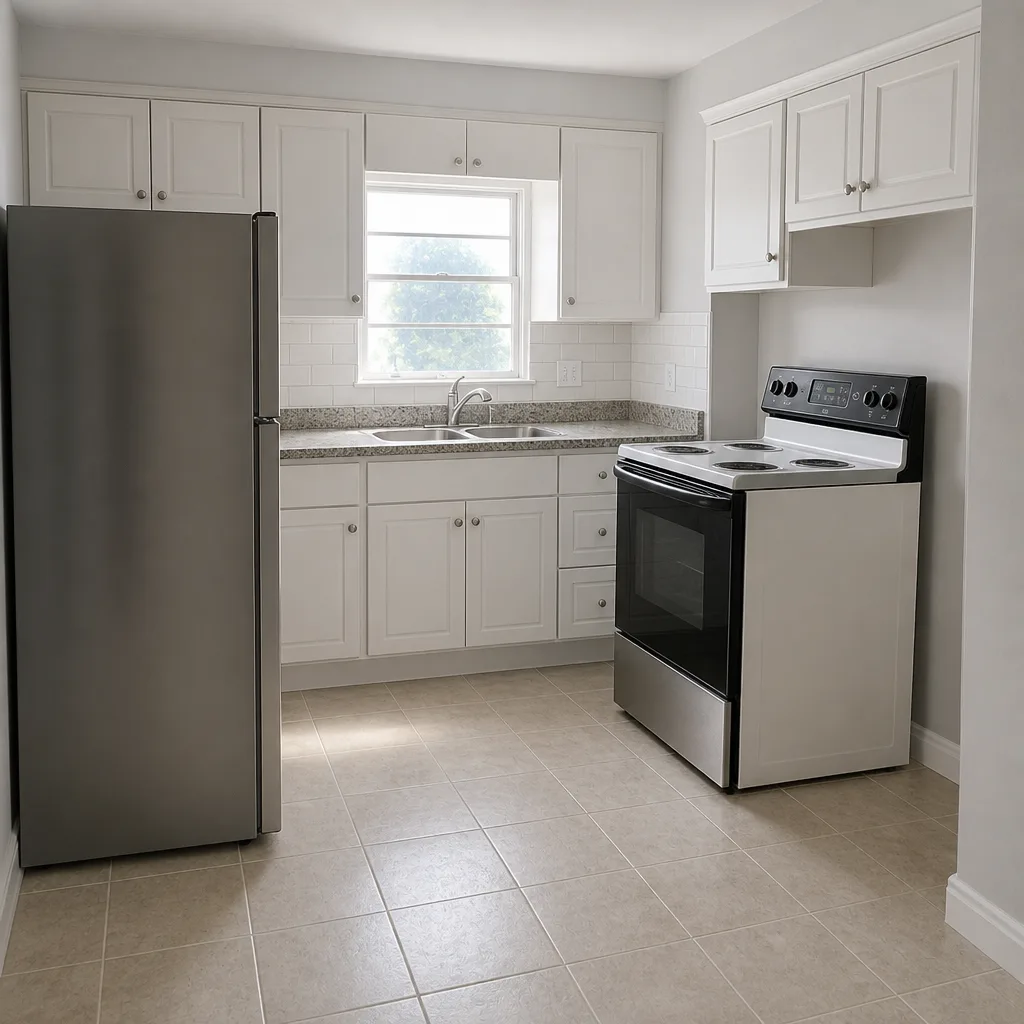 After
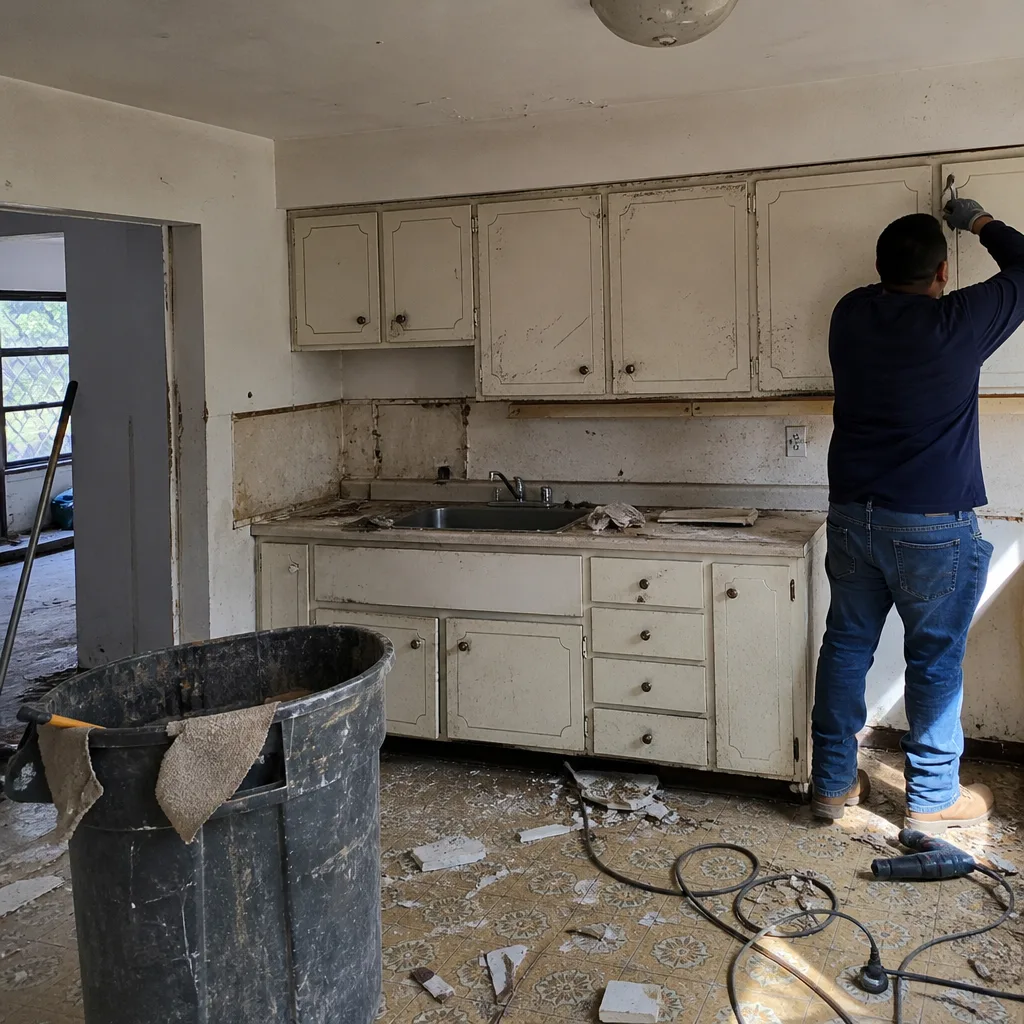 Before
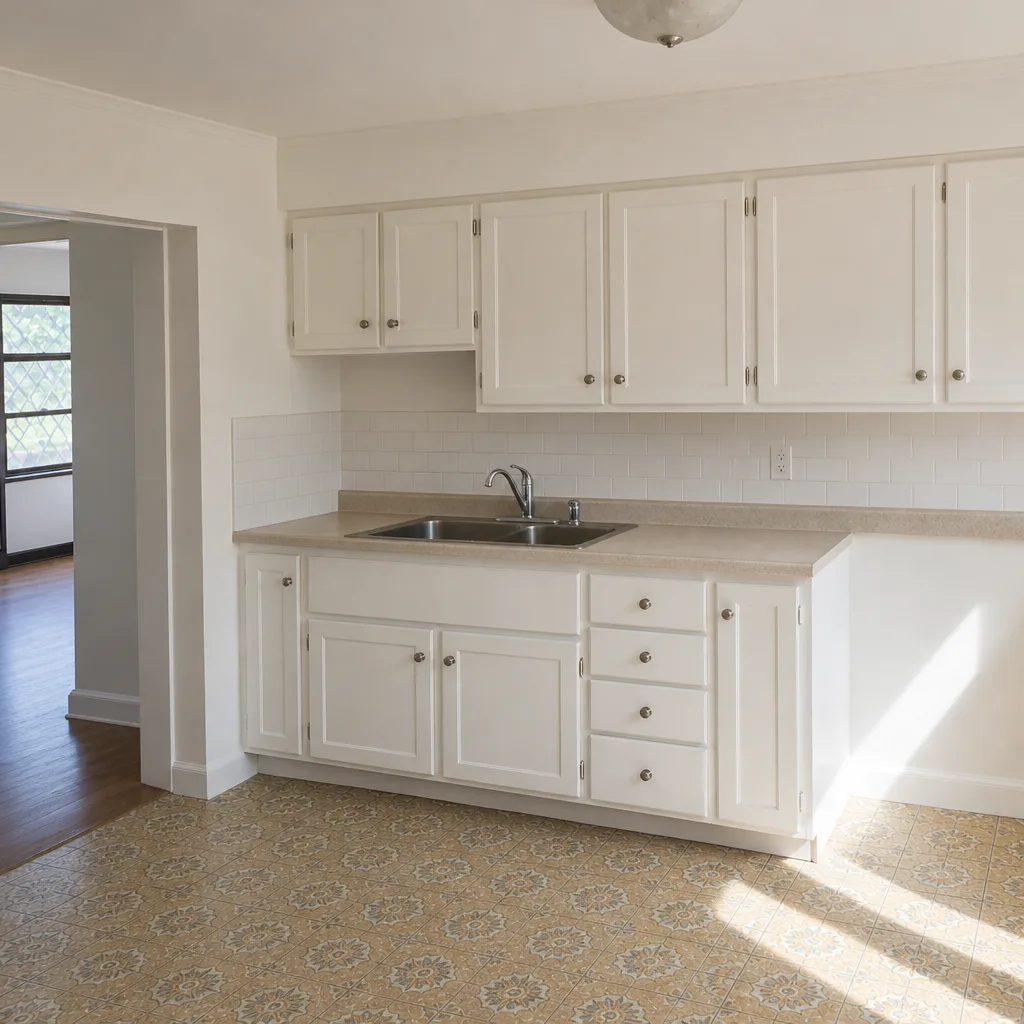 After
How to Stain a Wood Fence in Hialeah, FL (And Why Most Jobs Here Fail)
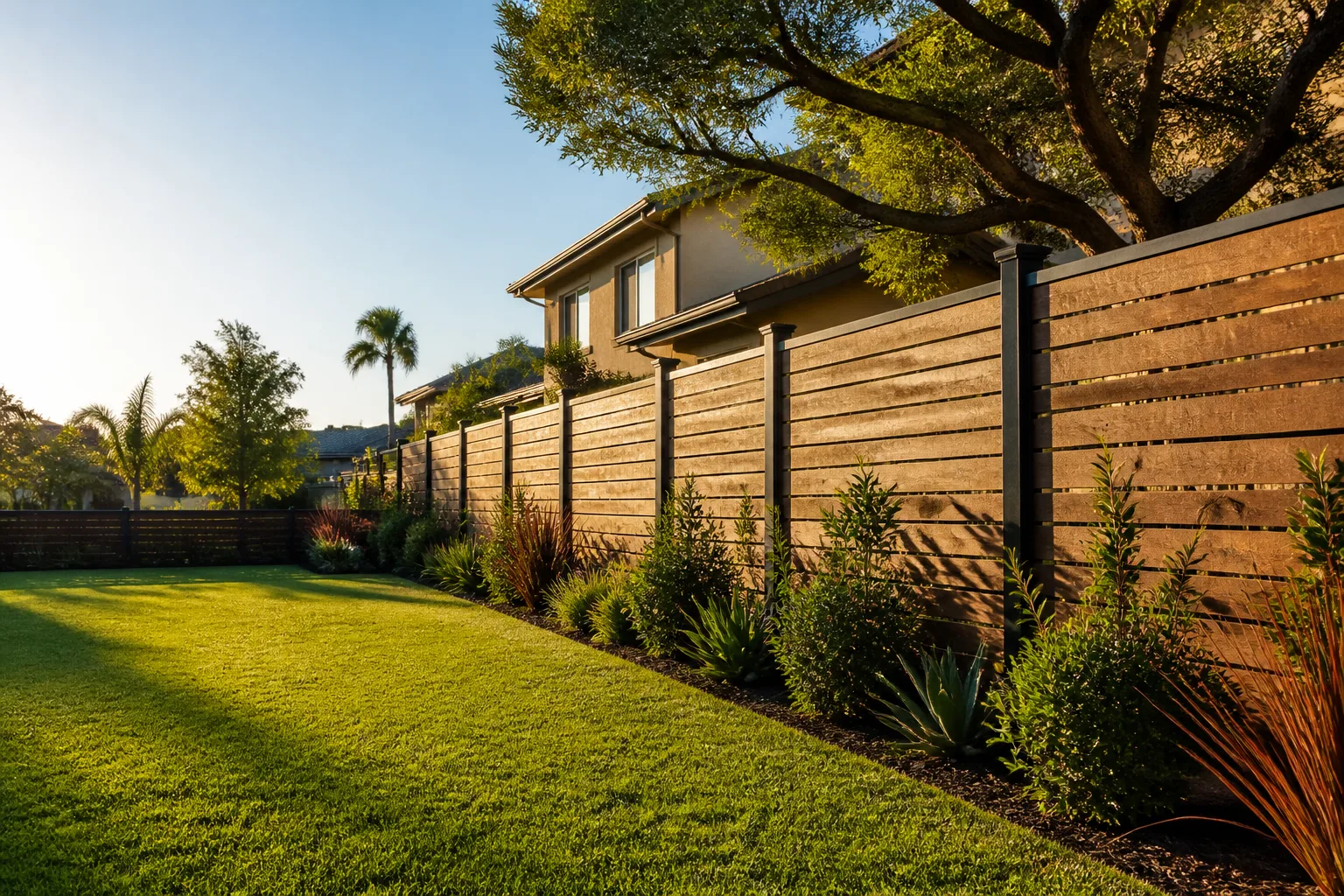
Stain a wood fence in Hialeah by applying a penetrating oil-based stain to clean, fully dry wood on three consecutive days with humidity below 70% – which in practice means November through April, not the summer wet season. Most failed fence stain jobs in South Florida don’t fail because of the product. They fail because the boards were still holding moisture when the stain went on, and because chalky stucco bleed from an adjacent CBS wall blocked the wood from absorbing anything at all.
If you’re weighing a weekend project against hiring it out, call Groundwork Construction Co. of Hialeah at (888) 418-7102 and we’ll tell you honestly which one your fence actually needs. Free estimates, and a live person answers any hour.
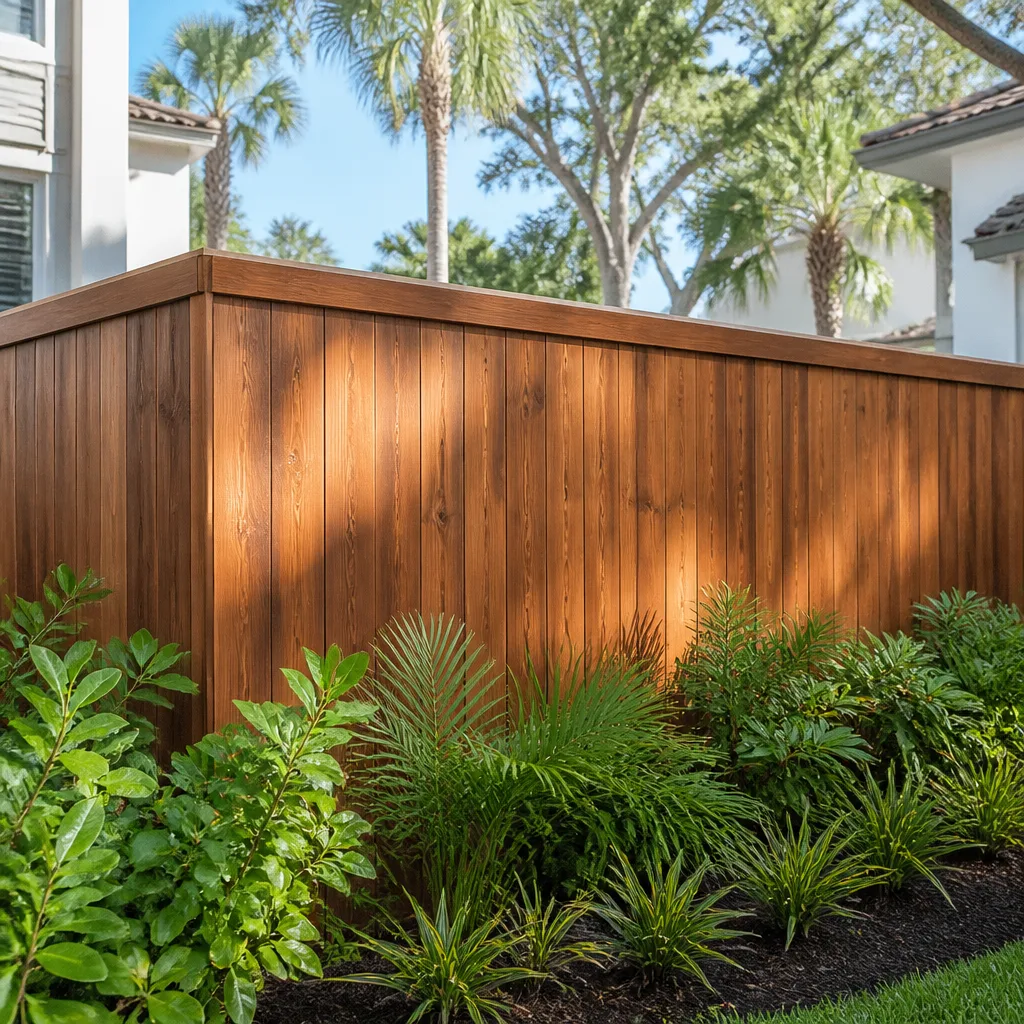
The Real Staining Window in Hialeah Is Narrower Than Any Can Will Tell You
Walk down almost any street in Hialeah and you’ll see the same pattern: a pine or cedar privacy fence that looked sharp for one season and went gray, blotchy, or started peeling by the second. The standard advice – “wait for a dry weekend, apply two coats, done” – was written for climates that get a real dry season. Hialeah’s wet season runs June through November, afternoon thunderstorms roll through most days, and relative humidity rarely drops below 70% even on the “clear” days.
That matters because stain is only as good as the wood underneath it. A board that reads dry to the touch can still be carrying 18% to 22% moisture near the core. Seal that moisture under a coat of stain and you’ve created a trapped layer that blisters, mildews, and peels from the inside out.
The reliable application window here is November through April. We look for three things before a single board gets coated:
- Afternoon humidity below 65%. Check it in the afternoon, not the morning – Hialeah mornings read deceptively low.
- Low rain probability for 48 to 72 hours. One pop-up cell over the fence line undoes a full day of prep.
- Wood surface temperature under 90°F. A board baking in direct afternoon sun can hit 120°F, and stain applied to that flashes dry before it penetrates, which is exactly how you get lap marks and premature peeling.
Why Your Neighbor’s CBS Wall Might Be Ruining Your Fence
This is the part no national stain guide covers, and it’s the single most common reason a stain job fails in Hialeah. Most homes here are 1950s to 1970s concrete block and stucco construction, and fences are frequently built tight against that block wall or directly on it. Stucco efflorescence – the white, chalky mineral bloom that leaches out of masonry – plus lime bleed from the block itself migrates onto the lower boards of cedar and pine fences.
That chalky film is a barrier. A penetrating stain can’t soak into wood that’s coated in mineral powder, so it sits on the surface and fails within months. Before any stain goes down, the boards need to be washed and neutralized with an oxalic acid wash, then allowed to dry fully. Skip that step and you’ve wasted the material and the weekend.
Adjacent CBS walls also complicate the repair side of fencing. When a fence leans or a post pulls loose against a block wall, the fix often involves anchoring decisions that touch the same hurricane-code standards Miami-Dade enforces on the structure itself. That’s a different conversation than staining – our Fence Installation team handles it, and we’re glad to look at both at once.
Oil-Based Penetrating Stain vs. Film-Forming Stain in South Florida
Penetrating oil-based stains outperform film-forming stains in South Florida because wood here expands and contracts constantly with humidity swings. A film stain sits on top of the wood like a coat of paint; when the board swells and shrinks underneath, that film cracks and peels, usually within two seasons. A penetrating formula soaks in and moves with the wood instead of fighting it.
Solar load is the second factor. Hialeah gets over 3,000 hours of direct sun a year, and unprotected wood degrades roughly 40% faster here than national averages assume. That’s why we specify UV-blocking penetrating formulas rather than a general-purpose stain off the shelf. The light-fast pigments and UV absorbers are what keep a fence from going silver in eighteen months.
We source professional-grade materials through our curated brand partners – the same approach we bring to impact windows from PGT and CGI or a roof from GAF – and we apply them to Miami climate standards, not the directions printed on a can formulated for Ohio.
Here’s what a proper stain and prep job runs in Hialeah, and what the surrounding fencing work typically costs:
| Scope of Work | Typical Hialeah Range |
|---|---|
| Fence prep, wash, and stain (typical residential run) | $3,500-$9,000 |
| Vinyl fence installation | $3,500-$9,000 |
| Aluminum fence installation | $4,000-$10,000 |
| Driveway sealing (for comparison, similar prep-and-coat work) | $250-$700 |
Every quote comes with upfront pricing and no surprises – the number we give you is the number you pay – and projects over $10,000 qualify for $1,000 off plus 0% financing for 18 months. All workmanship is covered by our 730-Day Done Right Promise: if it’s not done right, we make it right.
What the Staining Process Actually Involves
Knowing what the job takes helps you decide whether to tackle it or hand it off. A proper stain job on an existing wood fence follows roughly this order:
- Assess the wood. Check moisture content and look for loose boards, popped fasteners, and rot at the post bases.
- Clean and neutralize. Wash off dirt, mildew, and any stucco efflorescence or lime bleed. Apply an oxalic acid wash where mineral contamination is present, then rinse thoroughly.
- Let it dry completely. Two to four days in Hialeah’s shoulder and dry seasons; longer in the summer humidity.
- Mask and protect. Cover adjacent CBS walls, pavers, and landscaping – overspray on stucco is its own cleanup problem.
- Apply the stain. Penetrating oil-based formula, worked in along the grain, back-brushed where needed, with an eye on surface temperature as the afternoon wears on.
- Second coat and final inspection. Verify even absorption and no lap marks before calling it done.
Our technicians bring up to 12 years of experience to jobs like this, arrive background-checked and in uniform, and know Hialeah’s housing stock – the 1950s to 1970s block-and-stucco homes, the owner-built rear additions, the fences that lean because a carport went up next to them decades ago. If your fence needs work beyond staining – repair, restretch, or full replacement – that’s a bigger budget conversation, and you can see our full range on the Fence Installation in Hialeah page. Back at the home page you’ll find the rest of what we do across seven core service lines.
Key Takeaways
- Stain a Hialeah wood fence November through April, not during the June-November wet season.
- Boards must be fully dry and free of stucco efflorescence and lime bleed before any stain goes on.
- Penetrating oil-based stains flex with wood; film stains peel within about two seasons here.
- UV-blocking formulas matter – Hialeah’s sun load ages unprotected wood faster than national guidance accounts for.
- Typical prep-and-stain range in Hialeah runs $3,500-$9,000, backed by a 730-Day Done Right Promise.
FAQs
The best time is November through April, when afternoon humidity drops below 65% and rain probability stays low for several days at a stretch. Between June and November, the wet season makes three consecutive dry, low-humidity days rare, which is why most summer stain jobs here fail on moisture alone. Call (888) 418-7102 for a free estimate on a properly timed job.
You can, but only with careful timing and moisture testing, because the wood has to be dry to the core before the stain goes on. A dry-looking board in July can still be holding 20% moisture, and sealing that in causes blistering and peel within a season. A quick call to (888) 418-7102 gets you a straight answer on whether your fence is ready.
Stucco efflorescence and lime bleed from a CBS wall coat the adjacent fence boards with a chalky mineral film, and that film blocks penetrating stain from soaking in. The boards need a wash and an oxalic acid neutralization before staining, or the stain just sits on top and fails. Call (888) 418-7102 and we’ll assess the contamination and give you an upfront price.
Restaining is cheaper than replacement, typically running $3,500-$9,000 for a proper prep-and-stain job versus $3,500-$10,000 or more for a full new fence installation. Replacement makes more sense when posts are rotted at the base or boards are structurally compromised. Call (888) 418-7102 for an honest read on which route your fence needs – the estimate is free.
Get a Straight Answer on Your Fence
If you’d rather have it looked at than gamble a weekend on it, Groundwork Construction Co. of Hialeah offers a no-pressure assessment in Hialeah – call (888) 418-7102. A live person answers any hour, estimates are free, and pricing is upfront. We’ll tell you what your fence actually needs, stain or otherwise.
Written by the team at Groundwork Construction Co. of Hialeah, serving Hialeah, FL.