


Free written scope consultation - allowances, timeline, and change-order rules on paper before a single trade is scheduled
Styles & brands we work with
- Kitchen remodeling
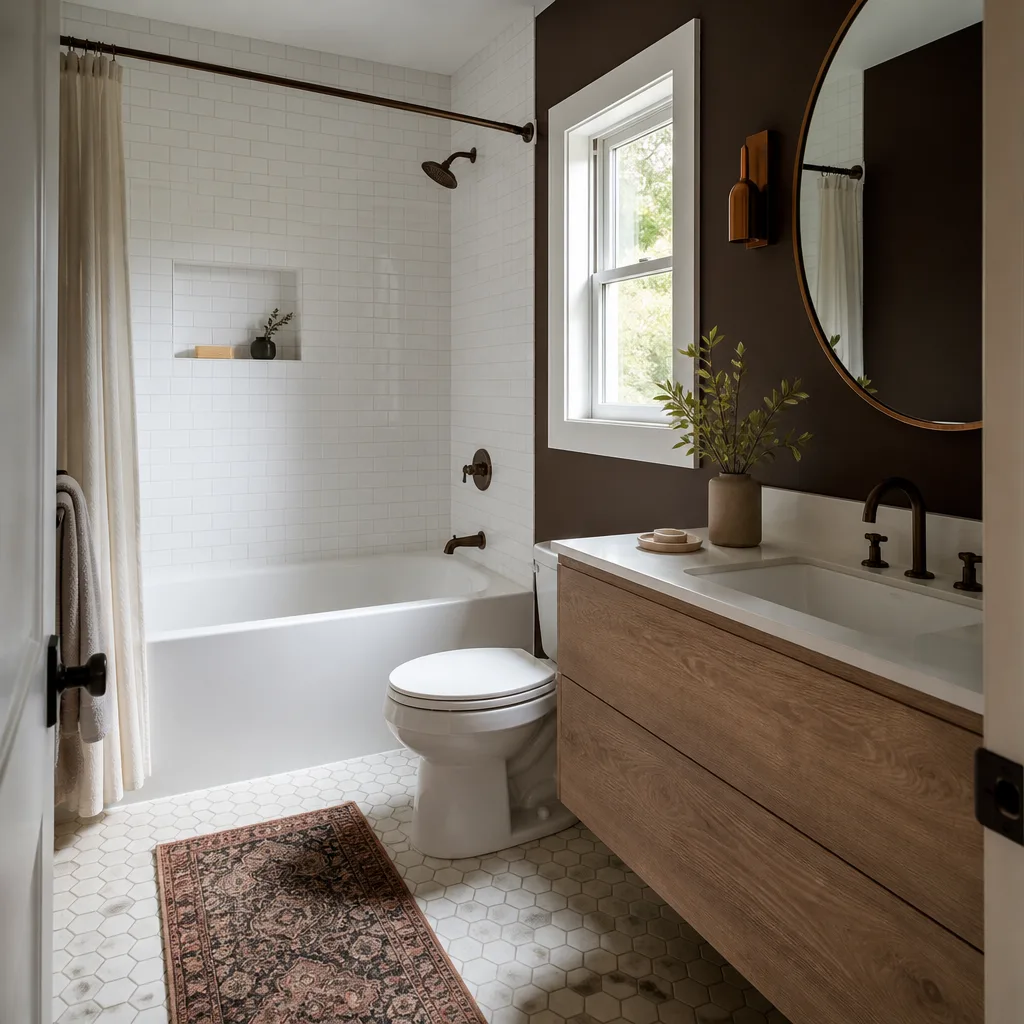
- Bathroom remodeling
- Home additions & ADU
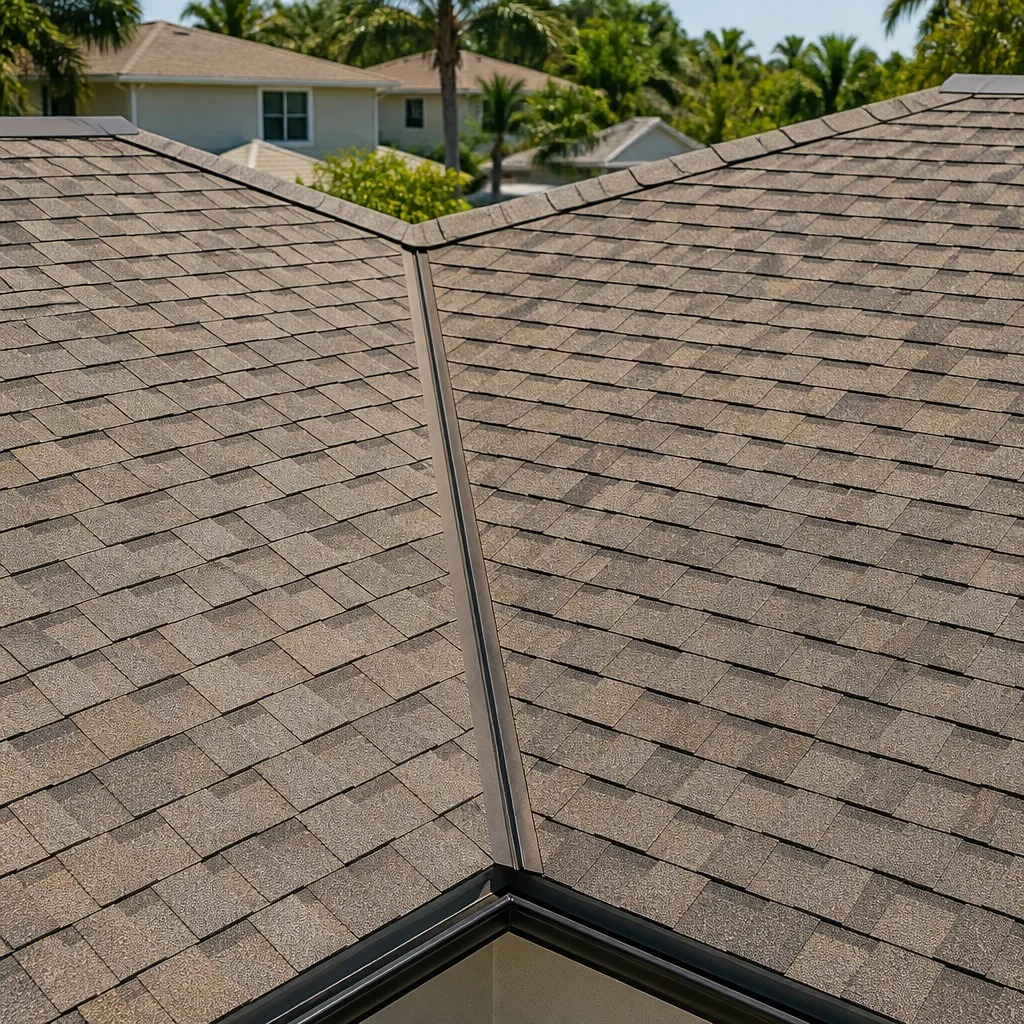
- Roofing
- Windows & doors
- Driveway & pavers
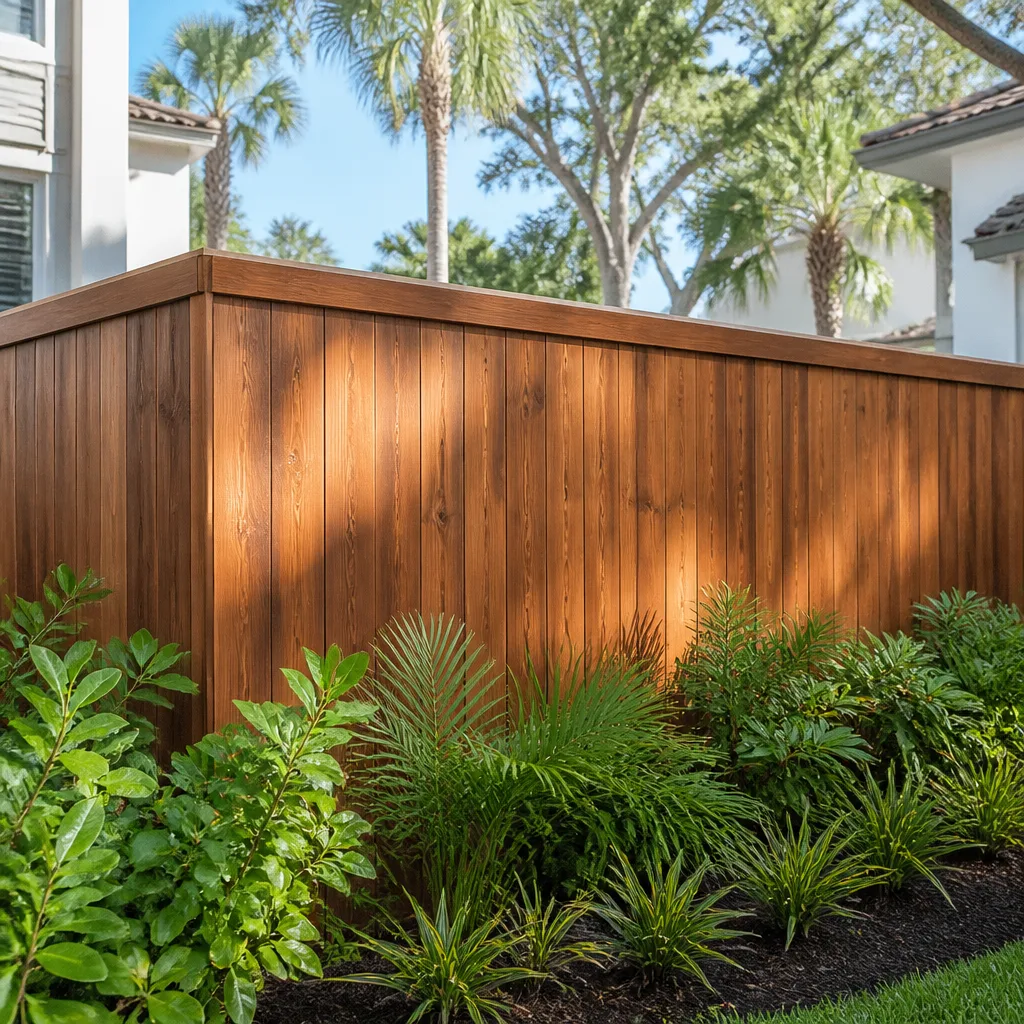
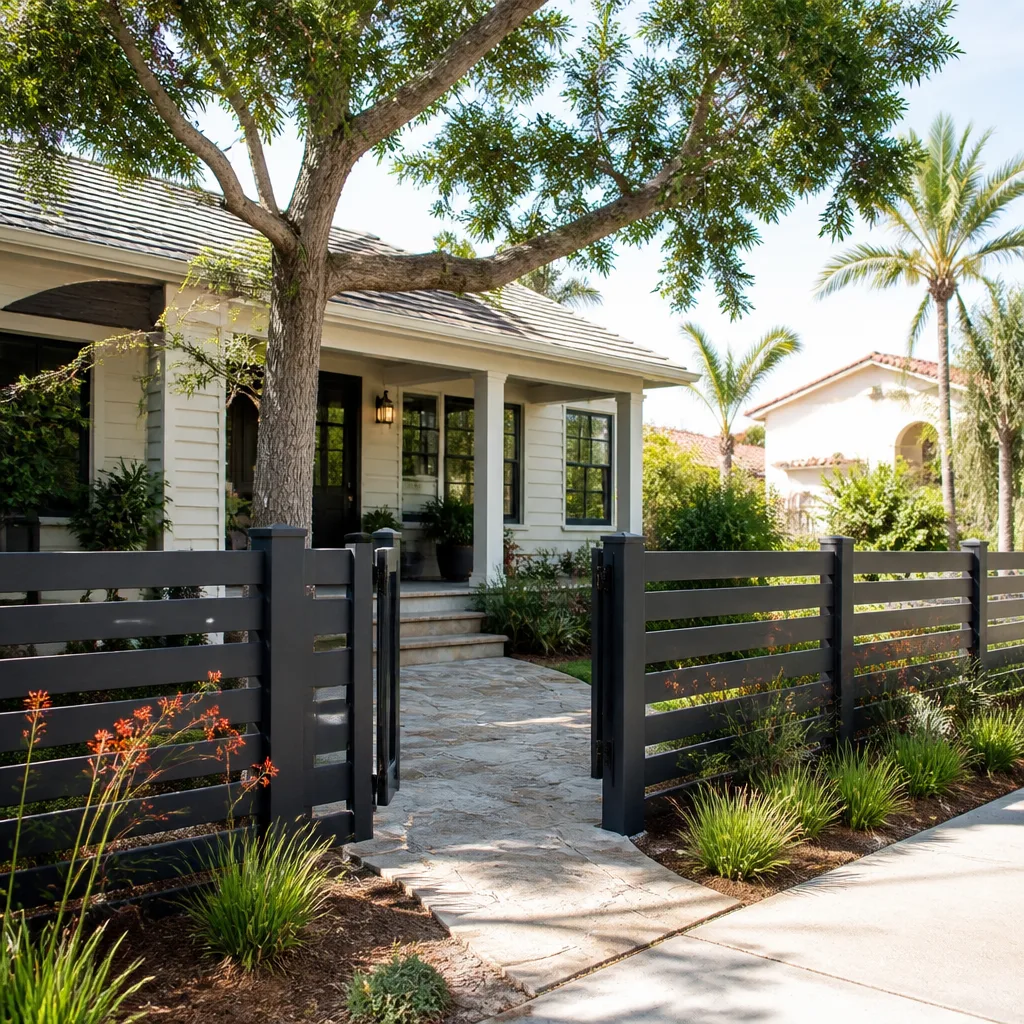
- Fence
See the difference
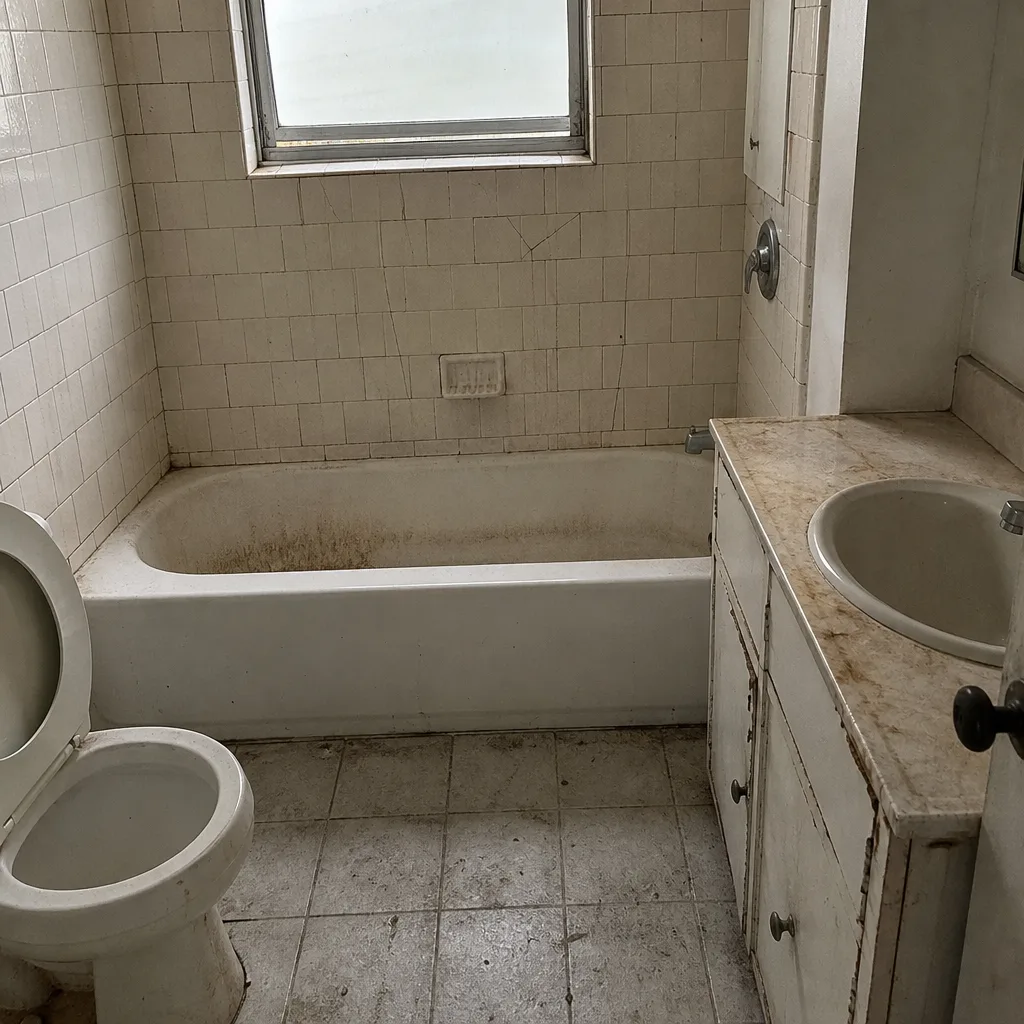 Before
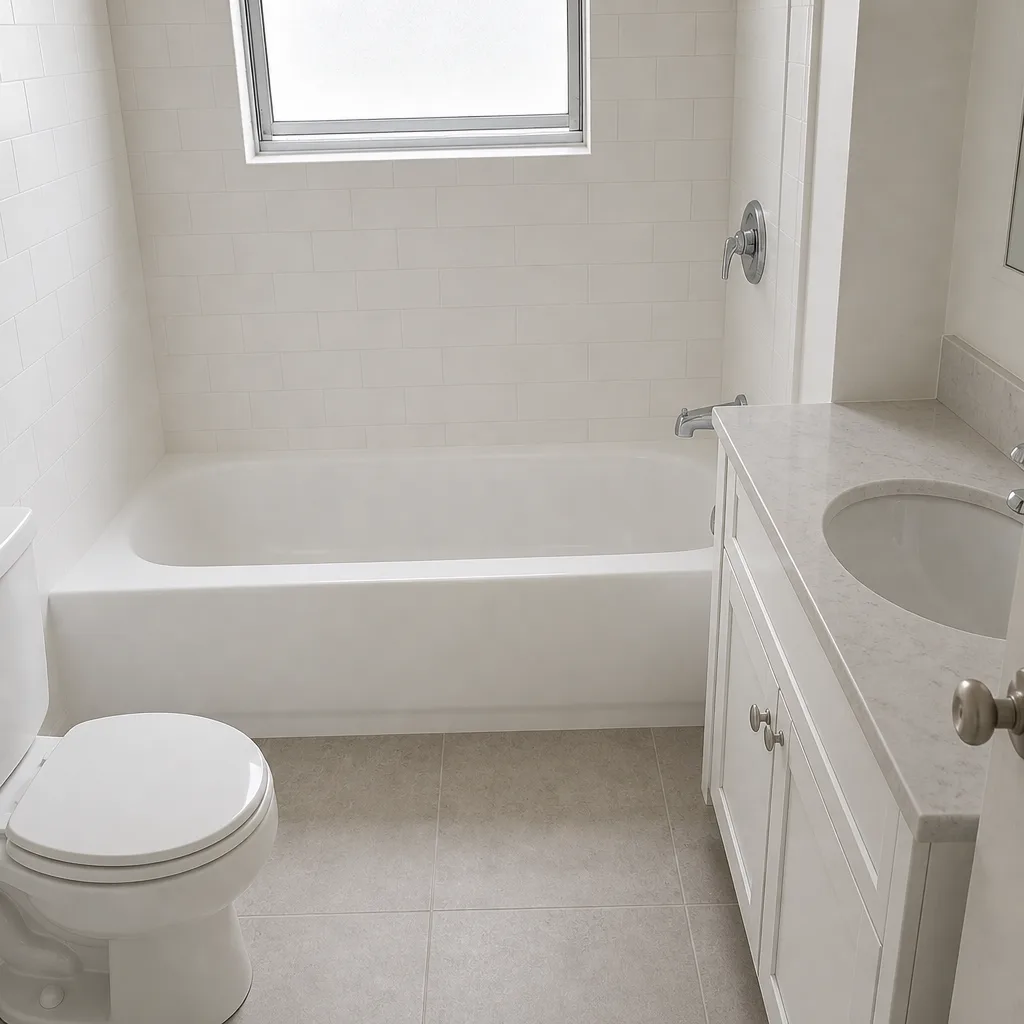 After
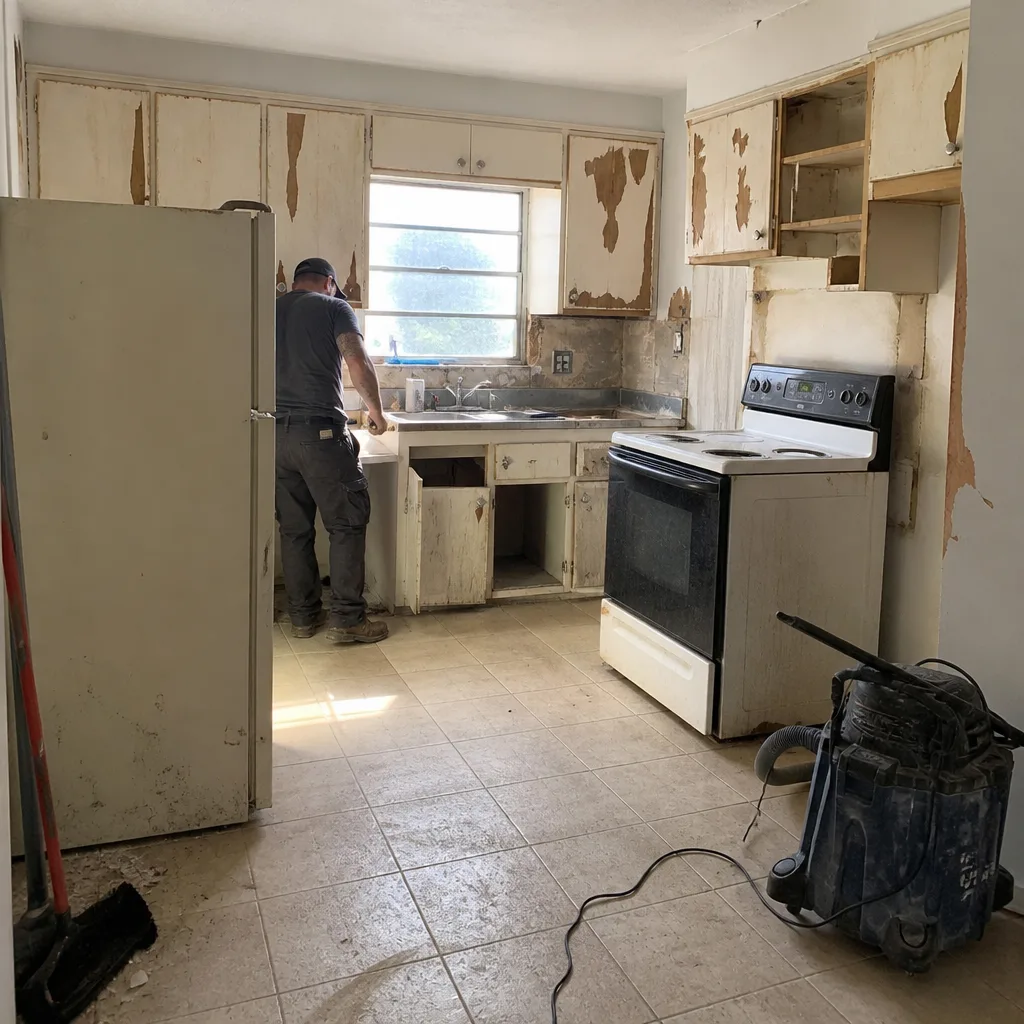 Before
 After
 Before
 After
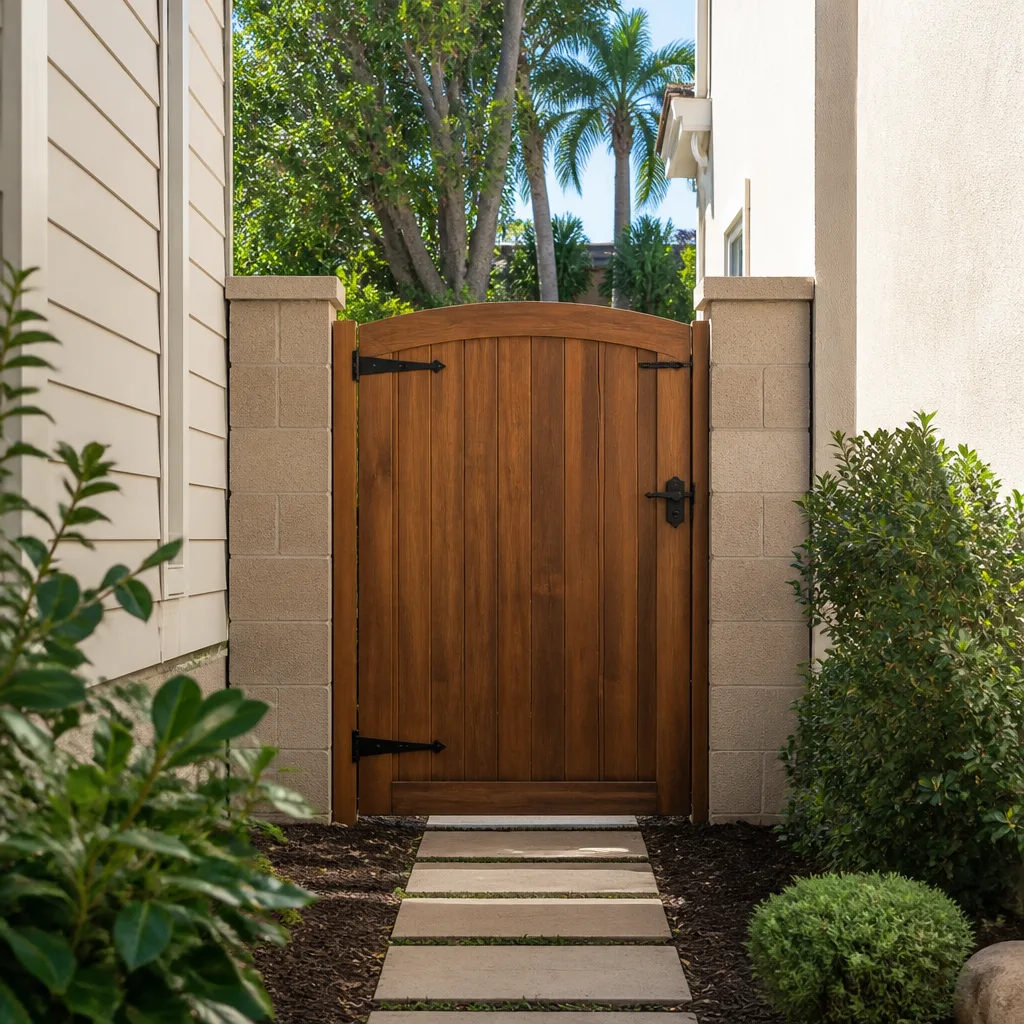
Repair or Replace Your Fence in Hialeah? Check the Permit Before the Pickets
Unless the fence is physically failing along most of its run, repair usually wins – but in Hialeah you have to answer a question first: was the original fence permitted? If it was, an isolated post or a few damaged panels is a straightforward fix. If it wasn’t, a repair permit can open a code review that turns a modest repair into a full permitted replacement, because Miami-Dade treats replacing more than 50% of a fence structure as new construction. Groundwork Construction Co. of Hialeah can pull the parcel’s permit history and give you a straight answer. Call (888) 418-7102 and we’ll tell you which side of that line your fence falls on.
Why Hialeah Fences Fail Differently Than Fences Elsewhere
This city grew up around 1950s through 1970s concrete block and stucco homes, many of them expanded over the years with carports, rear rooms, and converted garages that were built informally. The lots got subdivided, the property lines shifted, and fences went up to match whatever the family needed that summer. A neighbor’s fence may have been installed decades ago without a permit, then inherited by a new owner who never knew.
Layer South Florida’s climate on top of that. Hurricane season runs June through November, the ground stays humid year-round, and the summer wet season pounds vinyl and wood alike. A fence in Hialeah isn’t fighting one failure mode; it’s fighting soil-line corrosion, UV breakdown, and storm load all at once. That’s why the physical condition is only half the story. The paper trail is the other half.
A lot of what we see at Groundwork is a fence tied to a rear addition or carport that never went through permitting. When a homeowner calls about a leaning post, the honest answer sometimes isn’t “let’s fix the post” – it’s “let’s find out what’s underneath and whether the county will let us touch it.” Same for a home where the fence defines a boundary that was never officially drawn. That’s not a scare tactic. It’s how the enforcement pathway actually works.
The Miami-Dade Rule That Changes the Math
Here’s the rule worth understanding before you spend anything. In Miami-Dade, replacing more than half of a fence structure typically triggers a new permit and a full code-compliance review, including current wind-load specifications. That means a job you thought was a repair – say, swapping out eight sagging panels on a twelve-panel run – can legally become a replacement, with the inspections, drawings, and cost that come with it.
A $600 panel swap on an unpermitted fence can turn into a $4,000 permitted replacement once the code review kicks in. Not because the fence was worse than you thought, but because the county is now looking at the whole structure with current standards instead of grandfathering the original.
That’s the single biggest reason we start every Hialeah assessment with the permit history, not the fence itself.
Our Hialeah Decision Framework
We follow a simple order of operations, and you can too:
- Pull the parcel’s permit history. Miami-Dade’s permit portal is public. Look for a record of the fence installation and any related additions it’s attached to.
- No permit record + major damage = replacement. If the fence was never permitted and more than 30% of the run is compromised, plan for a permitted replacement. Repairing it piecemeal is likely to hit the 50% threshold anyway.
- Permitted fence + isolated failure = repair is defensible. A permitted, structurally sound run with one failed post or a few damaged panels can usually be repaired without triggering the review.
- Open violations on the parcel = fix the compliance issue first. If there’s an open violation attached to the property, the fence isn’t your real problem – the violation is.
If you’d rather not navigate the portal yourself, that’s what we do. Our technicians have up to 12 years of experience reading these situations, and the answer comes in a conversation, not a sales pitch.
Repair vs. Replace: The Honest Comparison
Here’s how the two paths break down once you know the permit status:
| Factor | Repair (permitted fence) | Replace (unpermitted or failing run) |
|---|---|---|
| Typical cost range | $350-$1,200 for isolated failures | $3,500-$9,000 (vinyl), $4,000-$10,000 (aluminum) |
| Permit trigger | Usually none under 50% of the run | New permit + full code compliance |
| Wind-load upgrade | Not required for the untouched sections | Current Miami-Dade wind-load specs required |
| Storm insurance | Adjuster may require documented permit status | New permit helps support the claim |
| Long-term outcome | Buys time, defers the bigger cost | Resets the clock, brings the fence to code |
Our recommendation is straightforward. If the fence is permitted and the damage is isolated, repair. If the fence is unpermitted, or more than half the run is compromised, replace with a permit – because the county will likely make you anyway, and doing it on your terms beats doing it under a violation.
Physical Signs That Mean Replace, Not Repair
Some failures can’t be patched. In South Florida, three patterns are worth knowing because they tend to be fence-wide rather than isolated:
- Post rust-out at the soil line. When an aluminum or steel post has corroded through where it meets the ground, that’s structural failure, not surface rust. New panels bolted to a failing post won’t hold.
- Vinyl panel brittleness with crack patterns. UV degradation in Hialeah’s sun turns vinyl brittle across the entire run. One cracked panel is a repair; cracks spidering through multiple panels mean the plastic has aged out fence-wide.
- Chain link galvanizing failure across more than 30% of the run. When the zinc coating is gone across a third of the fence, the corrosion is following it everywhere. Patching sections only delays the inevitable.
If you’re seeing two or more of these on the same fence, replacement is the honest call. If you’re seeing one, in one spot, on a permitted fence, repair is worth pursuing.
The Post-Storm Insurance Angle
If a hurricane or tropical storm caused the damage, the permit question shifts. An insurance adjuster may require documented permit status before authorizing a repair claim, and unpermitted fences are frequently excluded from storm coverage. That means the first thing to check after a storm isn’t the fence – it’s the paperwork.
This is where our live-answer line matters. A homeowner can call the morning after a storm, describe what they’re seeing, and get a straight answer on whether it’s a repair or a replace – not a voicemail and a callback three days later. Calls are answered by a live person 24/7, and if you want a written scope, we offer a free project estimate so you have something to hand to the adjuster.
If the damage is storm-related and the fence was unpermitted, repair may not be covered at all. That changes the math on what you’re really paying for.
Where Groundwork Fits
We handle Fence Installation in Hialeah and the assessment work that comes before it. Every job is covered by our 730-Day Done Right Promise – if it’s not done right, we make it right – and pricing is upfront, so the number you see is the number you pay. For larger replacements, 0% financing for 18 months and $1,000 off projects over $10,000 make the difference between waiting and getting it done.
We work with trusted brand partners across every trade, and that consistency matters here. A bathroom remodel, a impact window installation, or a full roof replacement in Hialeah all run into the same post-Andrew code questions as a fence – so a contractor who reads permits well is a contractor who can help across your whole property.
Related work we handle in and around Hialeah:
- Window replacement and impact-rated openings
- Kitchen remodeling for the additions that grew informally
- Driveway pavers and paver patio installation
- Home additions and ADU construction – where the permit question always comes first
- Garage conversion for the structures most often built without one
- Serving nearby Miami and Hialeah Gardens
If you’re weighing the same question elsewhere in the county, our Miami Beach and Doral neighbors run into the same permit math.
FAQs
Repair is almost always cheaper upfront – typically $350-$1,200 for isolated failures versus $3,500-$9,000 for a vinyl replacement or $4,000-$10,000 for aluminum. But if the fence is unpermitted and more than half the run is compromised, repair often can’t be permitted without triggering full replacement, so the real cost of repair can exceed replacement. Call (888) 418-7102 for an exact quote – estimates are free.
Pull your parcel’s permit history through Miami-Dade’s public permit portal. Search by address and look for a fence record plus any related additions the fence attaches to. If nothing turns up, treat the fence as unpermitted until proven otherwise. We’ll check it for you on a free estimate call – just have your address ready.
Yes – replacing more than 50% of a fence structure typically requires a new permit and full code compliance, including current wind-load specs. That’s why a repair that crosses the threshold legally becomes a replacement. If you’re unsure where your repair lands, call (888) 418-7102 before you buy materials.
Often not. Adjusters frequently require documented permit status before authorizing a storm repair claim, and unpermitted fences are commonly excluded from coverage. Get the permit history before you file – our team can help you figure out what you’re working with. Call (888) 418-7102 for a free assessment.
If you’d rather have it looked at, Groundwork Construction Co. of Hialeah offers a no-pressure assessment in Hialeah – call (888) 418-7102. We’ll pull the permit history, walk the fence with you, and give you a straight answer on repair or replacement. No pressure, upfront pricing, and the 730-Day Done Right Promise behind the work.
Written by the team at Groundwork Construction Co. of Hialeah, serving Hialeah, FL.