
Free written scope consultation - allowances, timeline, and change-order rules on paper before a single trade is scheduled
Styles & brands we work with
- Kitchen remodeling
- Bathroom remodeling
- Home additions & ADU
- Roofing
- Windows & doors
- Driveway & pavers
- Fence
See the difference
 Before
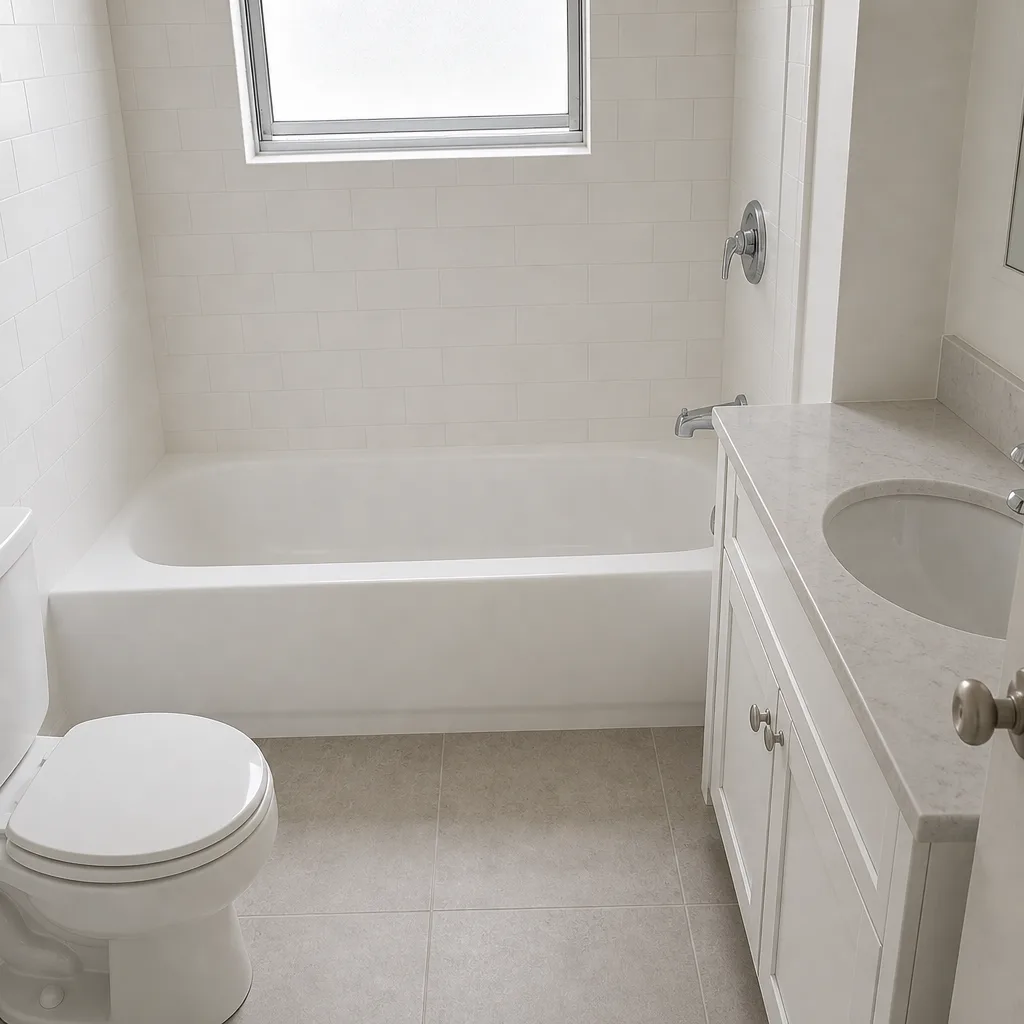 After
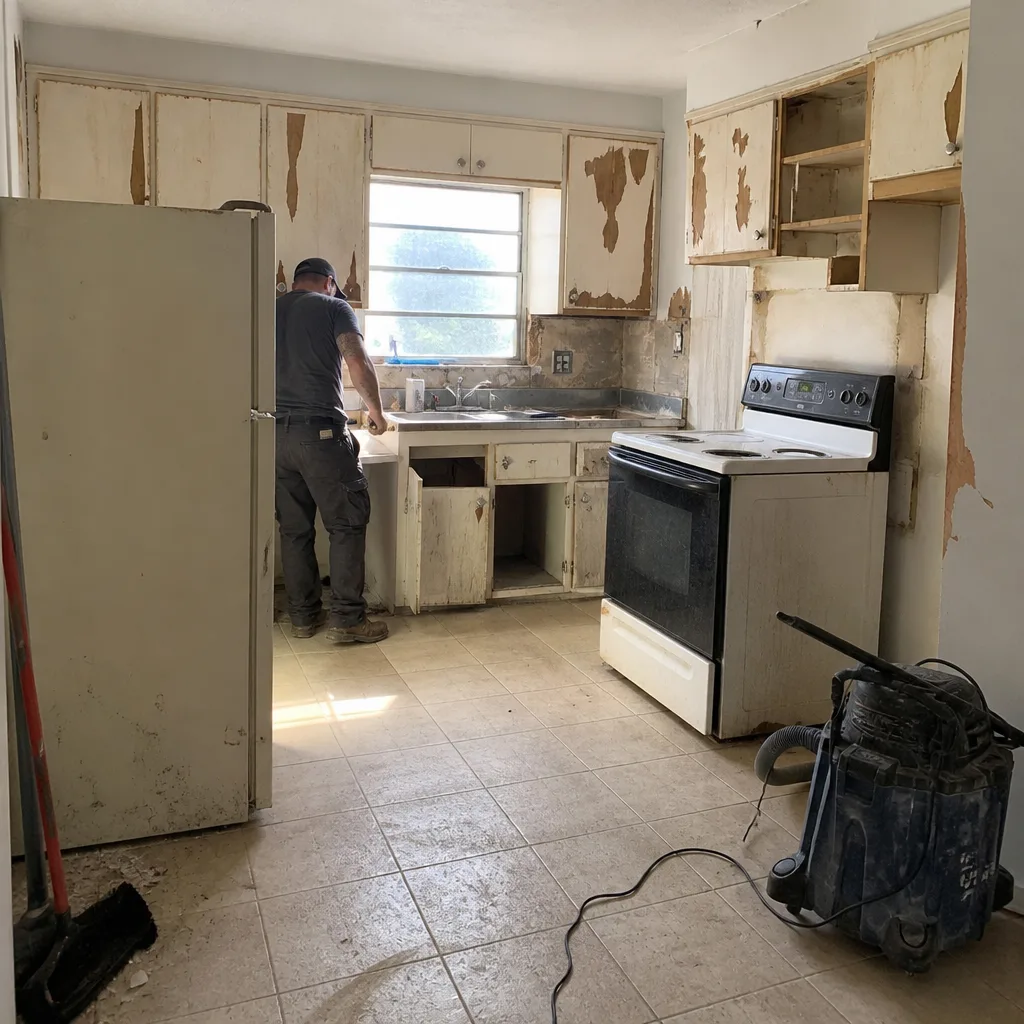 Before
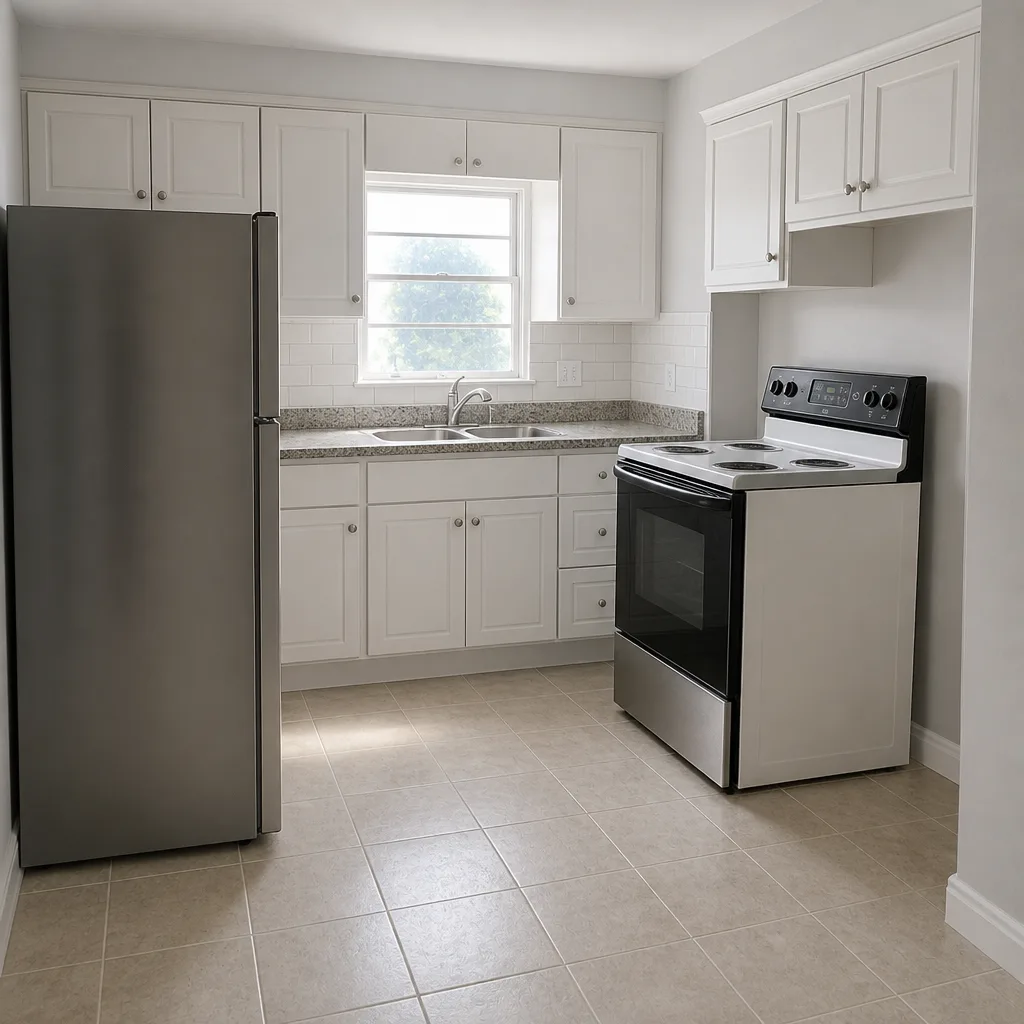 After
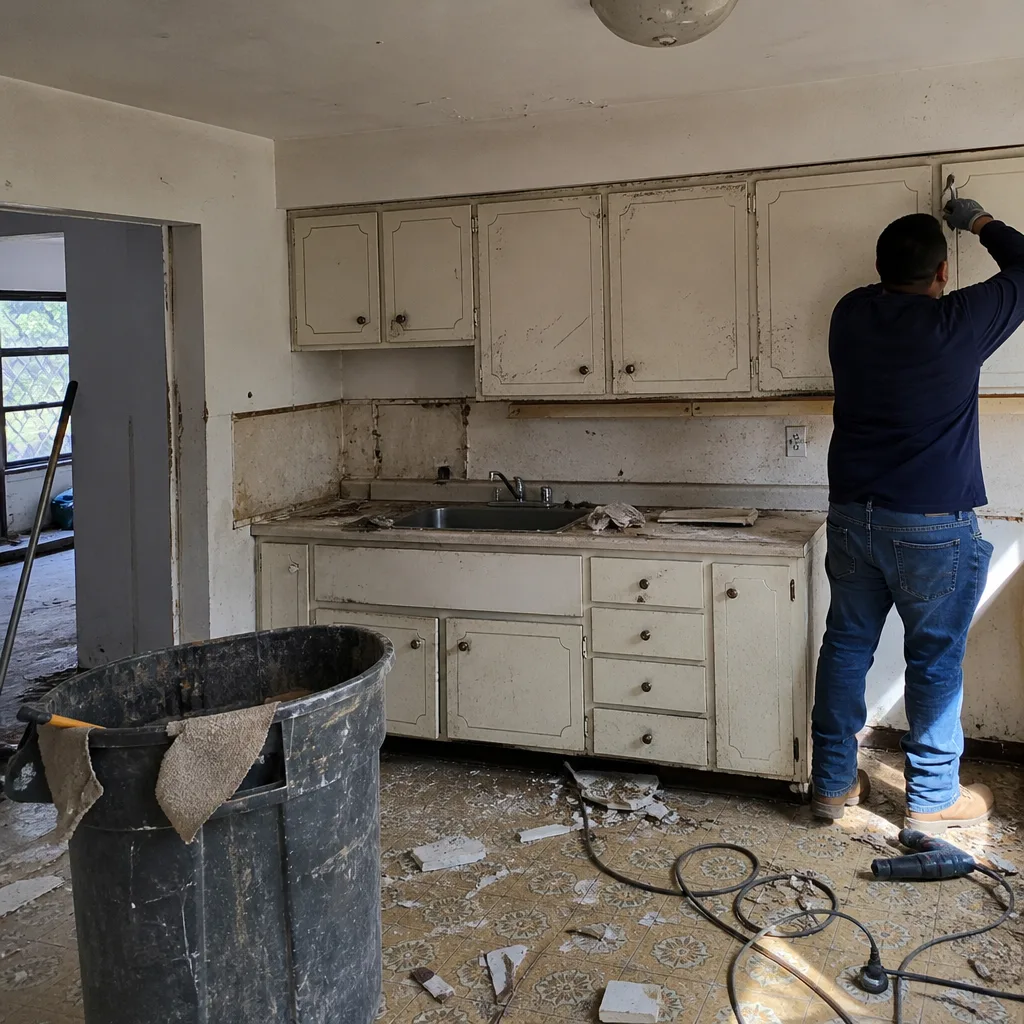 Before
 After
How to Fix a Sinking Driveway in Hialeah, FL: Drainage First, Slab Second
The shortest answer: fix the water before you fix the slab. In Hialeah, a sinking driveway is almost always sub-base erosion, not a slab that failed on its own. Miami-Dade’s mix of limestone cap rock and sandy fill drains poorly, so water channeling along a driveway edge quietly washes out the compacted base underneath. Inject grout or pour a patch without redirecting that water and you’ll be repairing the same spot within two rainy seasons. The durable fix corrects drainage and grade first, then lifts and stabilizes the slab. Call (888) 418-7102 for a free assessment before anything gets torn open.
Why Hialeah Driveways Sink Differently Than Anywhere Else
Most “sinking driveway” advice online was written for cold climates, where the culprit is frost heave: water freezes, expands, thaws, and the slab lifts and drops. That’s not what happens here. Hialeah doesn’t get a hard freeze. What it gets is year-round humidity, a summer wet season that dumps rain in concentrated bursts, and a soil profile that doesn’t behave like northern dirt.
Beneath most Hialeah lots you’ll find Miami limestone cap rock sitting under a layer of sandy fill. That sandy fill doesn’t hold water the way clay does and doesn’t compact the way engineered base does. When runoff from a low-slope roof, an AC condensate line, or a downspout that dumps at the driveway edge hits that fill, it doesn’t pool politely. It channels. It finds the loosest path and carries fine particles with it, and every storm widens the void under the slab. The surface might look fine for years while the base underneath is slowly hollowing out.
That’s the first thing we check on any Hialeah driveway call: where the water goes. Not the crack pattern, not the color of the concrete. The water.
The Unpermitted Slabs That Sink First
A lot of the driveways we get called to in Hialeah weren’t poured by a licensed crew with a spec sheet. They’re homeowner-built carport slabs, rear driveway extensions, and side pads added informally over the years. Hialeah’s housing stock is largely 1950s-1970s concrete block and stucco, and it’s common for families to keep expanding a property one pour at a time. Those informal slabs are often thin, poured directly on uncompacted fill, with no base depth and no edge restraint.
They sink first because there’s nothing under them to distribute the load. And they change the repair. Before we quote a fix, we need an as-built picture of what’s actually there: how thick the slab is, what it’s sitting on, whether it ties into anything structural, and whether the carport or extension above it was permitted. Hialeah projects often run through an as-built survey before a legitimate repair or rebuild can proceed, and that’s not bureaucracy. It’s how you avoid building a fix on top of a problem.
Our technicians have up to 12 years of experience reading exactly this kind of layered, owner-built construction, and they assess sub-base condition and surrounding grade before any number gets put on paper. Upfront pricing, no surprises. If drainage remediation is needed, you see it in the quote, not as an add-on after the slab is already cracked open.
Mudjacking vs. Polyjacking: What Actually Holds in South Florida
Search “how to fix a sinking driveway” and you’ll land on mudjacking (slabjacking) as the go-to fix. It works in a lot of places. In Hialeah’s high water table, injecting a cement-based slurry under a slab without correcting the drainage path buys you time, not a solution. The grout fills the void, the water keeps flowing, and the new material erodes or migrates the same way the old base did.
Polyjacking uses a lighter, expanding polyurethane foam that cures fast, doesn’t add much weight to weak soil, and resists water better than cement slurry. It’s the more durable lift in this climate. But the material matters less than what surrounds it. Pair polyjacking with perimeter drainage correction, regrading that moves water away from the slab edge, and proper edge restraint, and the repair holds. Skip that step and you’re renting time.
What a proper repair typically involves
- Drainage diagnosis – where water enters, where it exits, and where it’s been sitting
- As-built and sub-base assessment – slab thickness, fill condition, voids, and any unpermitted structure above
- Drainage correction – regrading, downspout and condensate redirection, and edge restraint
- Slab lift and stabilization – polyjacking for settled sections where the slab is sound enough to lift
- Repair or replacement – full replacement when the slab is cracked through or too thin to save
Typical Hialeah repair and replacement ranges
| Scope | Typical range |
|---|---|
| Driveway sealing (protective, after a fix) | $250-$700 |
| Asphalt driveway paving | $3,500-$9,000 |
| Concrete driveway installation | $4,500-$12,000 |
| Driveway replacement | $5,000-$14,000 |
| Paver driveway installation | $7,000-$18,000 |
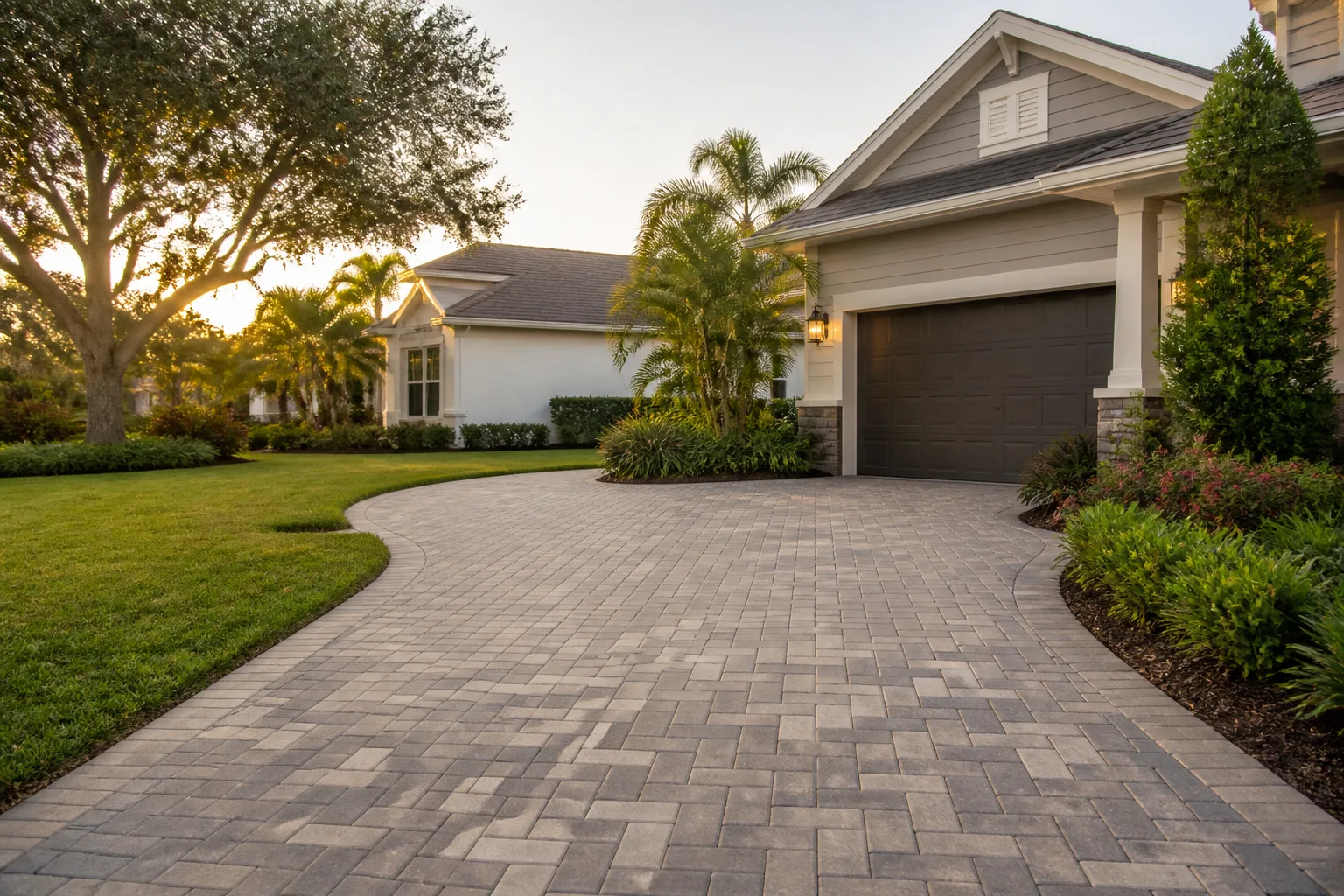
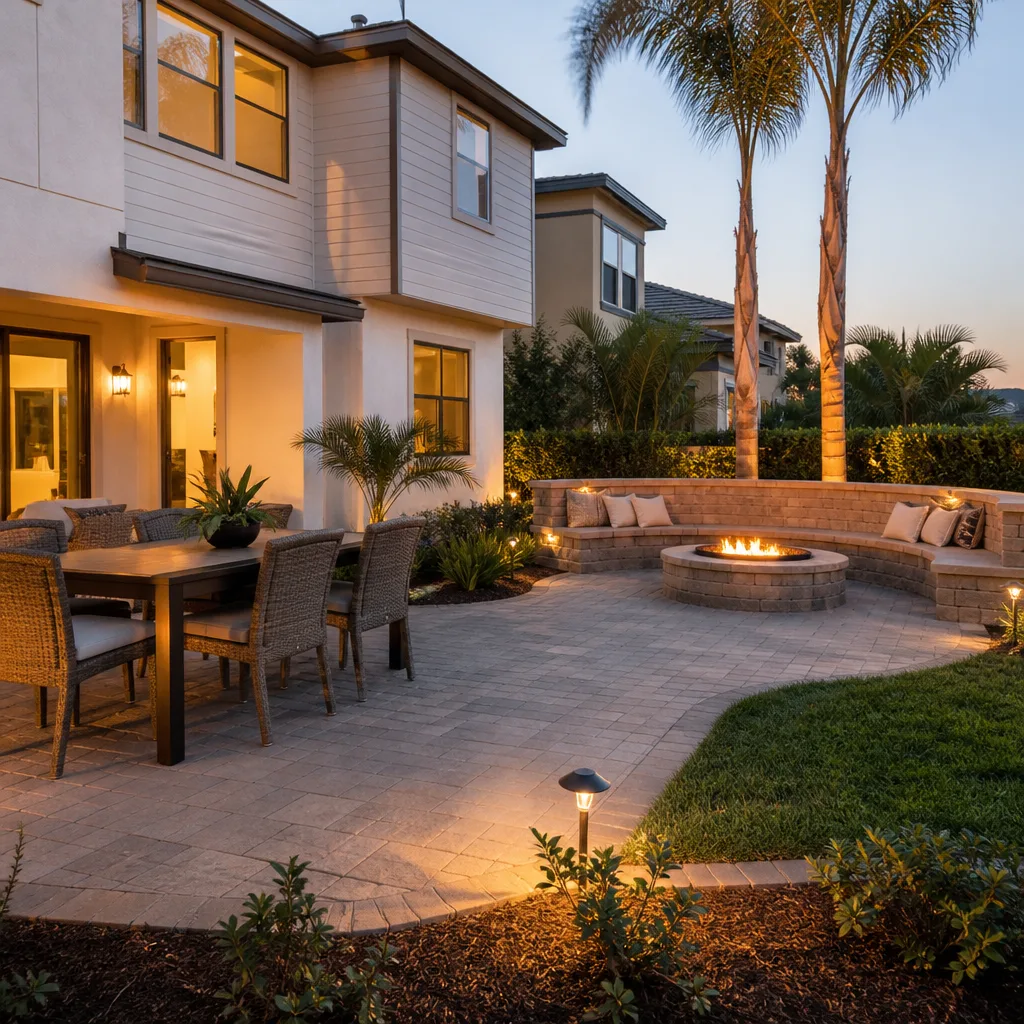
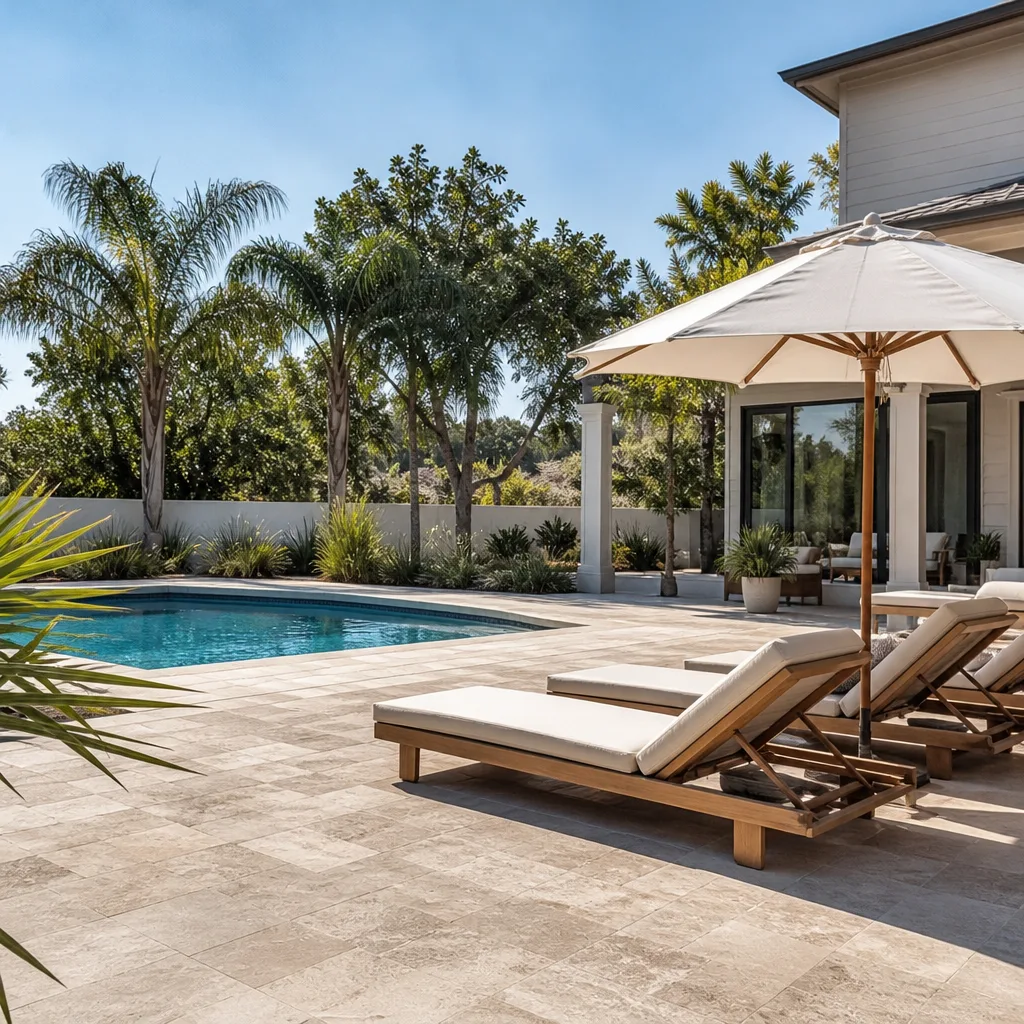
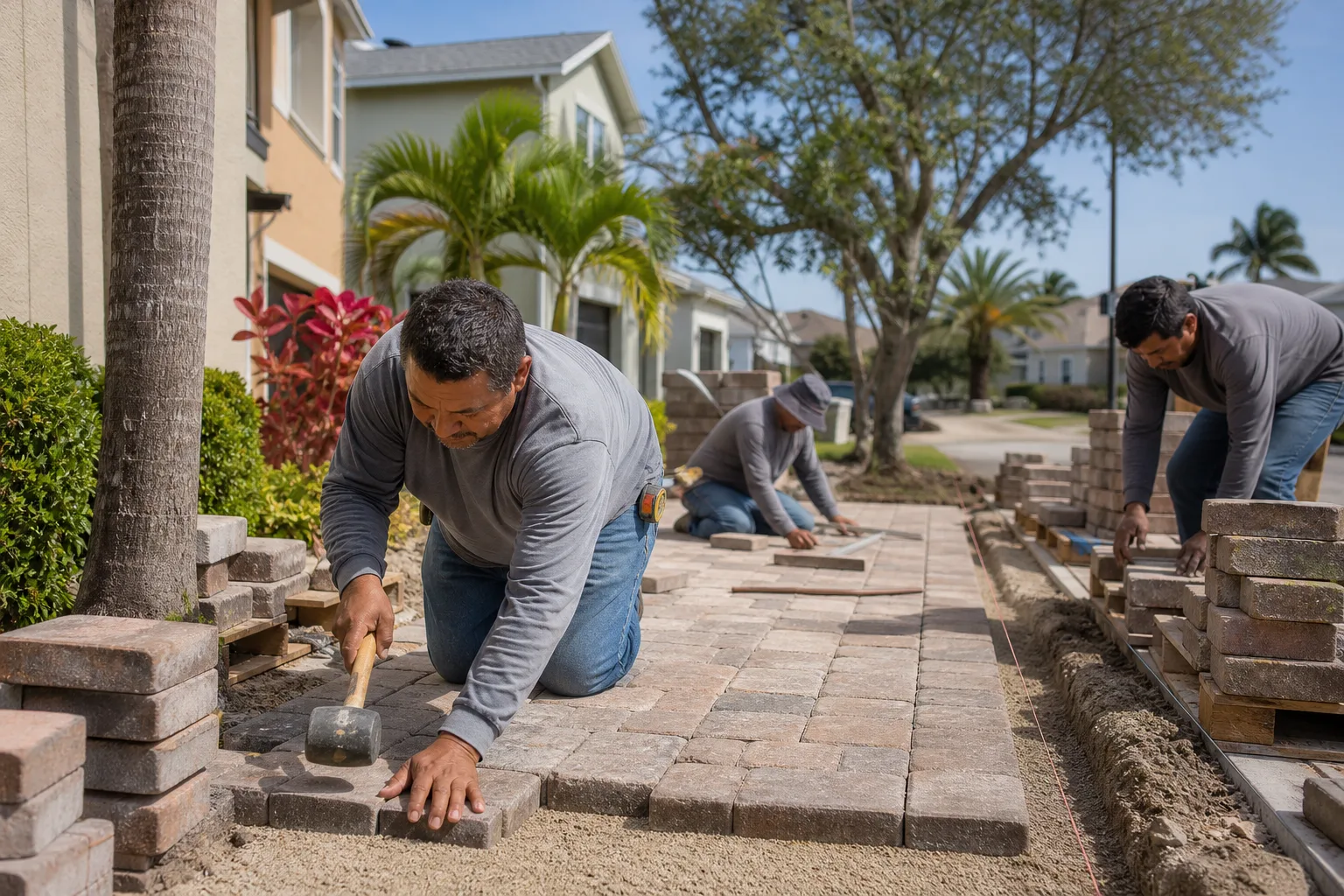
If the slab is past saving and you’re weighing a fresh pour, paver driveways hold up well in Hialeah because individual units can be reset if a section shifts. We install Tremron and Techo-Bloc pavers over a properly compacted base, which is the part that matters most in this soil. You can see the full range of options on our Driveway & Pavers page.
Common Local Scenarios We See in Hialeah
A carport slab sinking toward the street. The driveway edge is the low point, so every storm channels water right where the carport slab meets it. The fix is regrading and a drainage path that carries water past the slab instead of under it, then lifting the settled concrete.
A rear extension poured over uncompacted fill. Homeowner-added pads behind the house are the most common sinkers. Thin slab, no base depth, no restraint. We assess the as-built condition first, then repair or replace to a proper spec.
A visible crack that keeps returning after a patch. Patching a crack without fixing the drainage underneath is how the same crack comes back next summer. The slab was telling you something the first time.
A slab that drops near the downspout. Concentrated roof runoff at one corner erodes the base in a focused channel. Redirecting that water is half the repair.
The bigger picture in Hialeah is that work here tends to be family-built expansion and resilience retrofits, not new tract construction. That’s why every repair starts with reading what’s already in the ground before we touch it. It’s the same discipline we bring to home construction work across the property, from foundation to finish line.
When to Call a Pro Instead of DIY
Cosmetic fixes you can handle yourself. A settled driveway with visible voids, an edge that’s dropped more than about an inch, or water pooling against the slab is a structural condition, and lifting a slab or reading the sub-base isn’t a weekend job. Get it assessed. The repair carries the 730-Day Done Right Promise: if the repaired section re-settles within two years, we come back and correct it at no charge. That’s the whole point of fixing it right the first time. For a full look at what we do on driveways, see Driveway & Pavers in Hialeah.
FAQs About Fixing a Sinking Driveway in Hialeah
Most sinking-driveway repairs in Hialeah run in the range of a concrete driveway installation ($4,500-$12,000) when the slab needs full replacement, or a driveway replacement ($5,000-$14,000) for larger scopes; isolated lift and drainage work typically lands lower. The exact number depends on the slab’s condition and how much drainage correction is needed. Call (888) 418-7102 for an exact quote – estimates are free.
Yes, when the slab is structurally sound and the settlement is isolated. Polyjacking lifts a settled slab back into place, and pairing it with drainage correction is what makes the lift last in South Florida. If the slab is cracked through or was poured too thin, replacement is the better call. An assessment tells you which one you’re facing.
Because water eroded the compacted base under the slab, not because the concrete itself failed. Hialeah’s sandy fill and high water table let water channel along edges and downspout runoff points, washing out the base over time. Fixing the slab without redirecting that water is why the same spot sinks again.
Repair is usually cheaper short-term when the slab can be lifted; replacement is cheaper long-term when the slab is thin, badly cracked, or was never built to spec – common on unpermitted carport and extension slabs. We quote both so you can compare apples to apples. Call (888) 418-7102 to get an honest read on which makes sense.
If you’d rather have it looked at than guess, Groundwork Construction Co. of Hialeah offers a no-pressure assessment in Hialeah. Our background-checked, uniformed technicians will read the sub-base and grade before quoting, and you’ll get upfront pricing that includes any drainage work up front. Call (888) 418-7102 for a free estimate.
Written by the team at Groundwork Construction Co. of Hialeah, serving Hialeah, FL.