Free written scope consultation - allowances, timeline, and change-order rules on paper before a single trade is scheduled
Styles & brands we work with
- Kitchen remodeling
- Bathroom remodeling
- Home additions & ADU
- Roofing
- Windows & doors
- Driveway & pavers
- Fence
See the difference
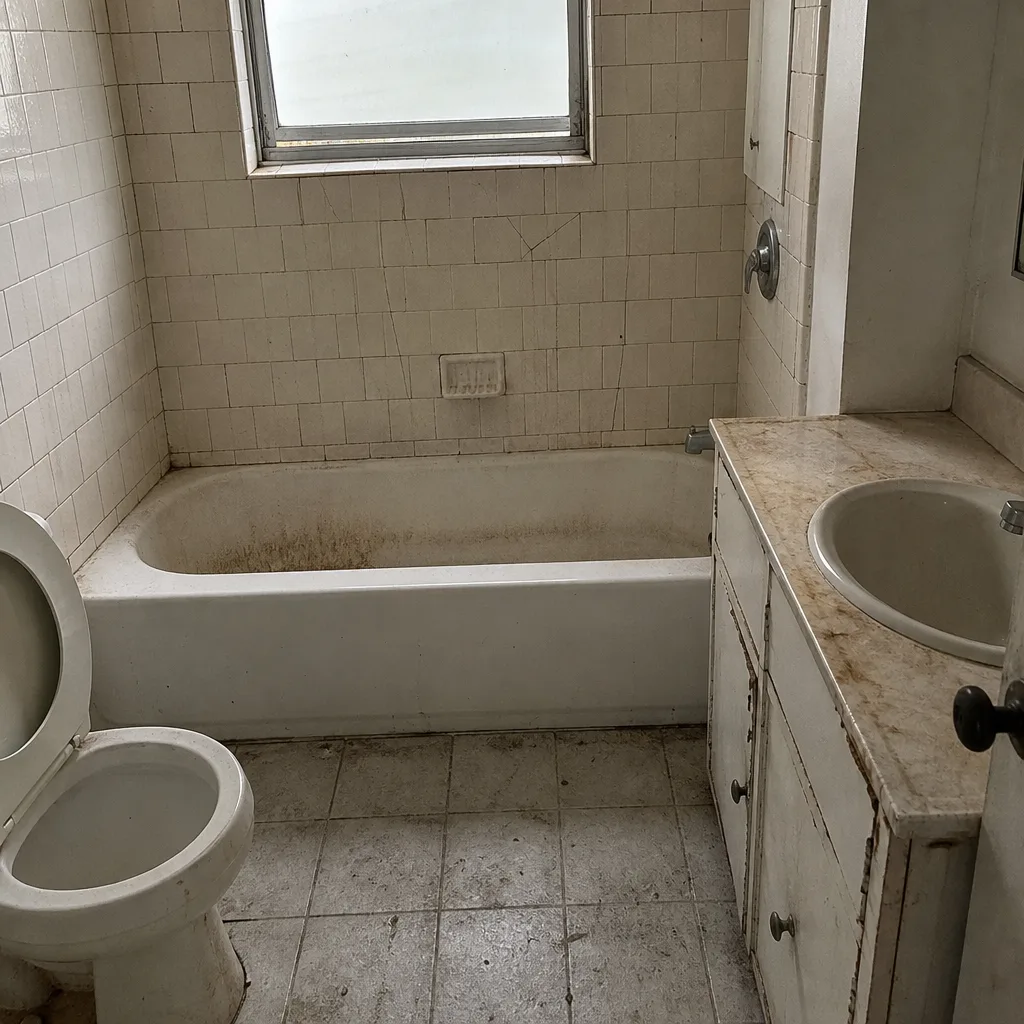 Before
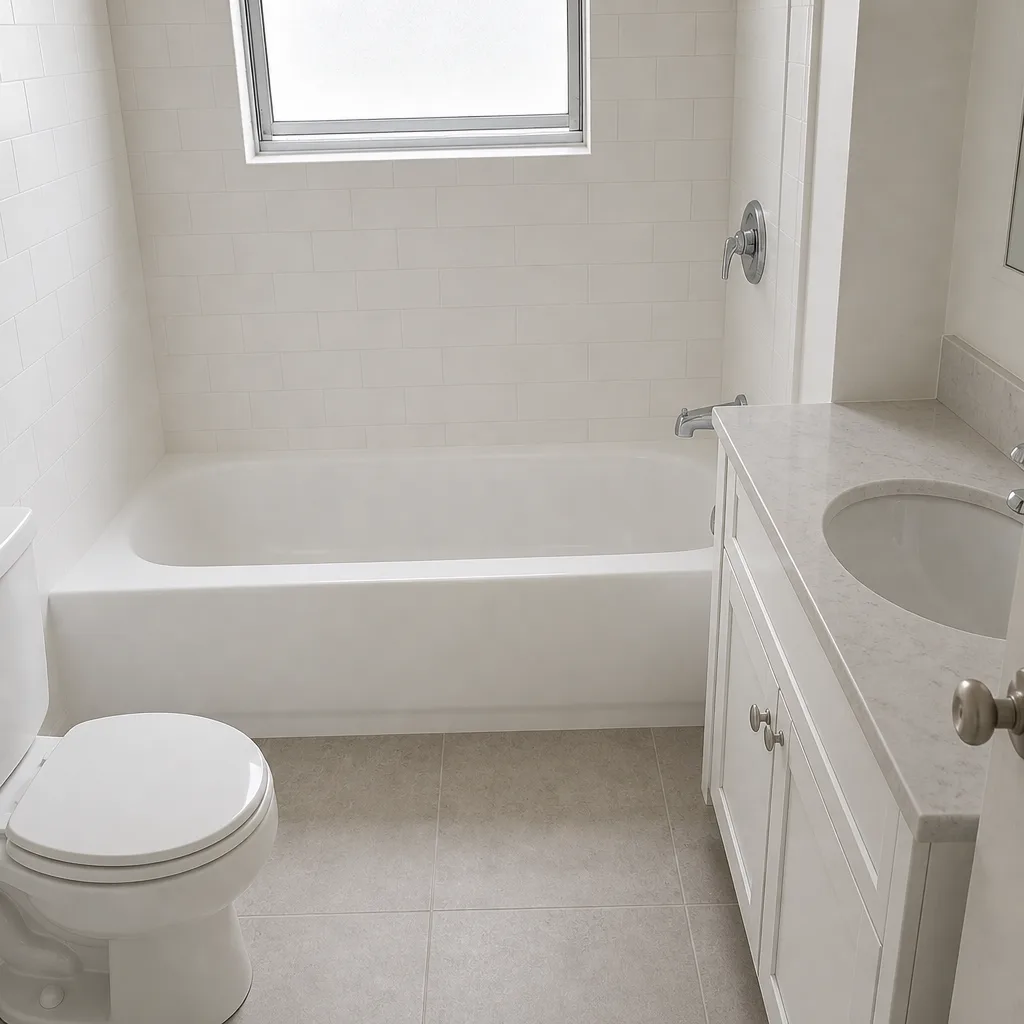 After
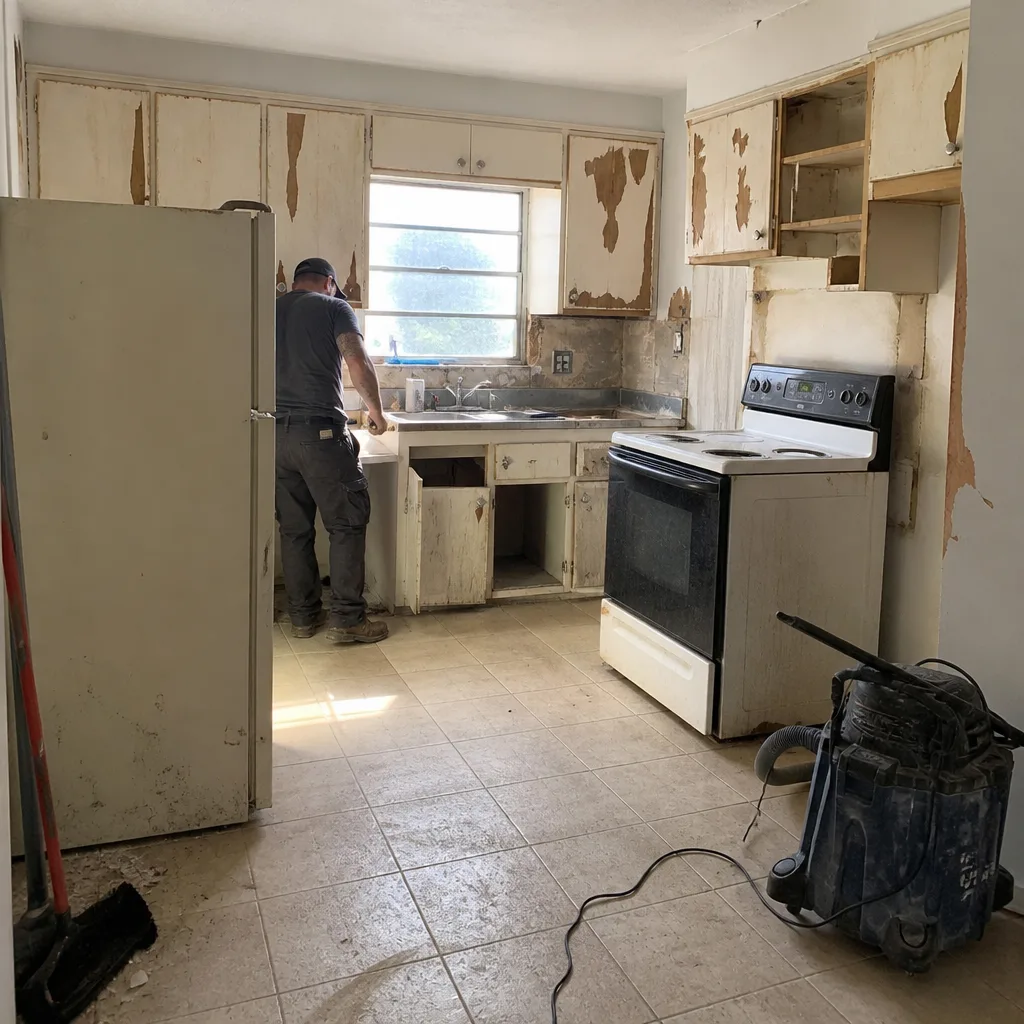 Before
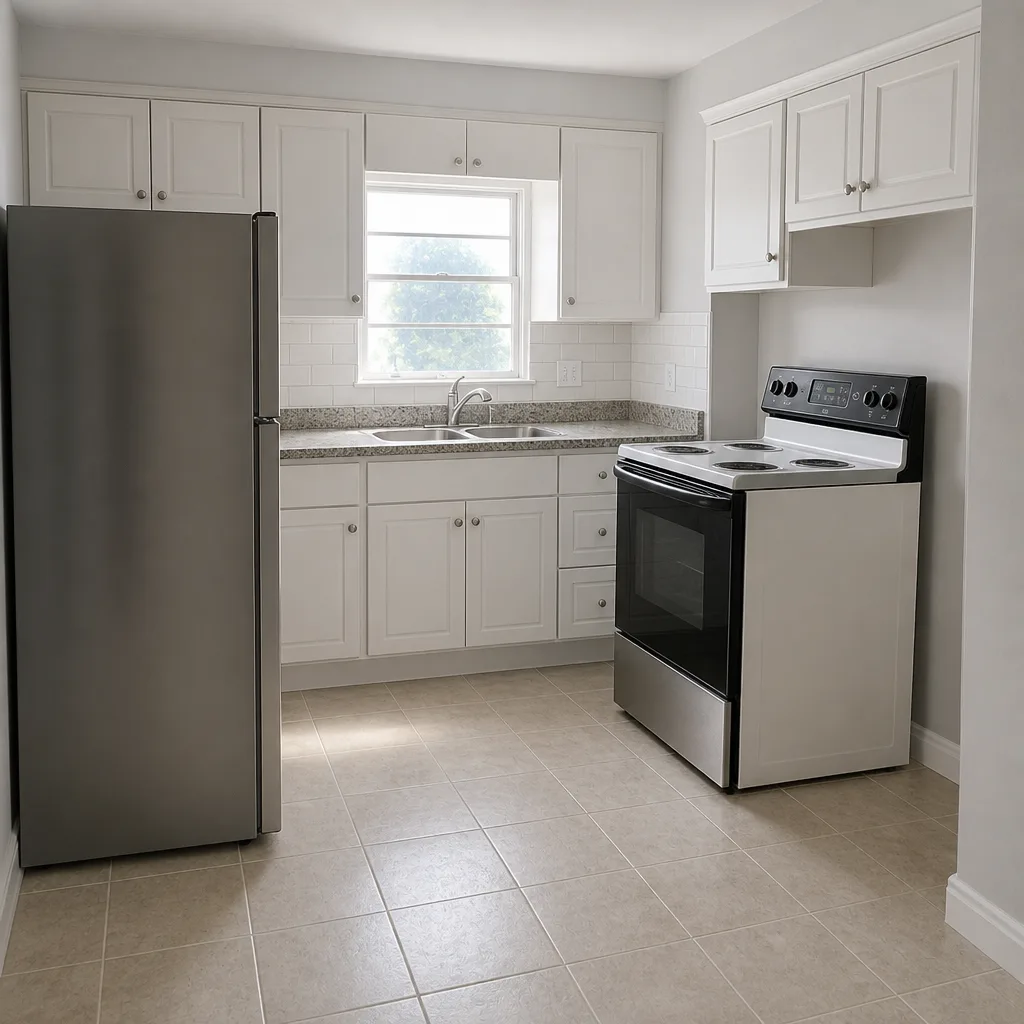 After
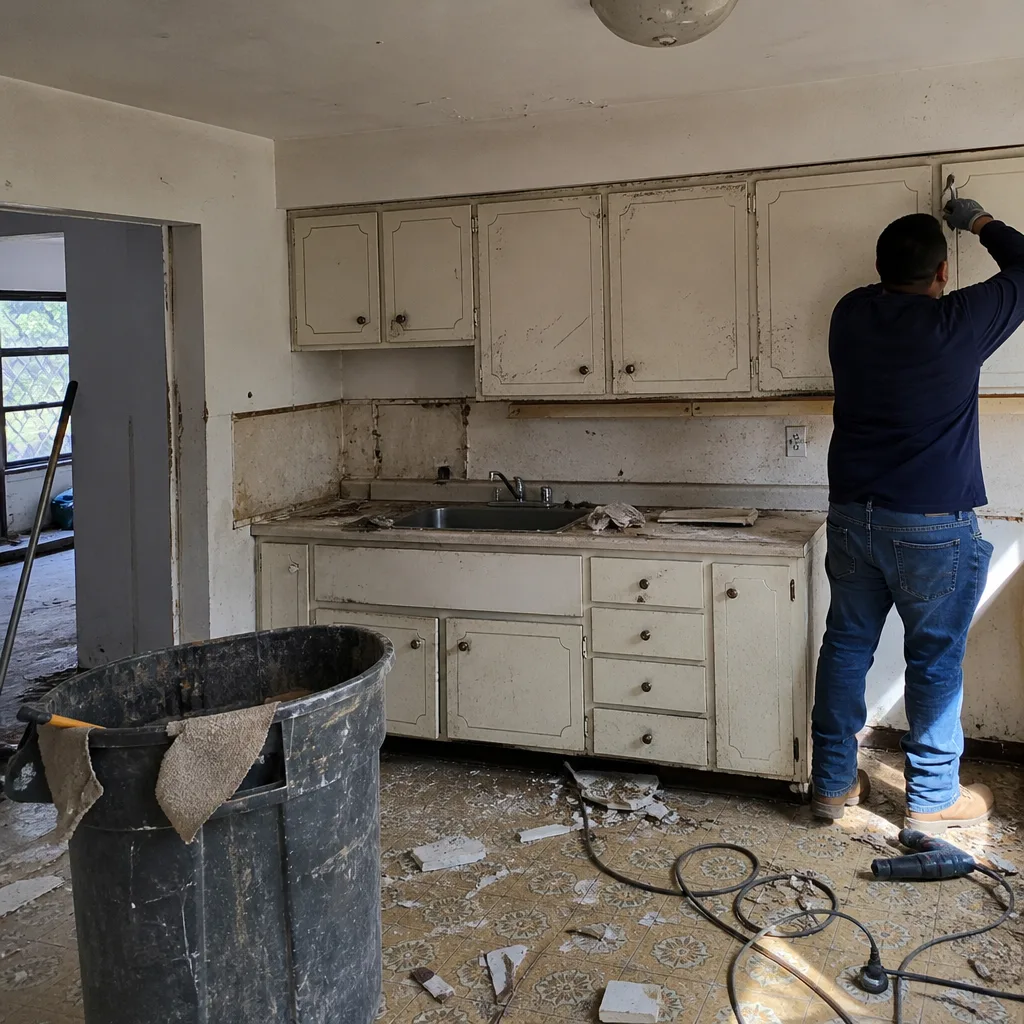 Before
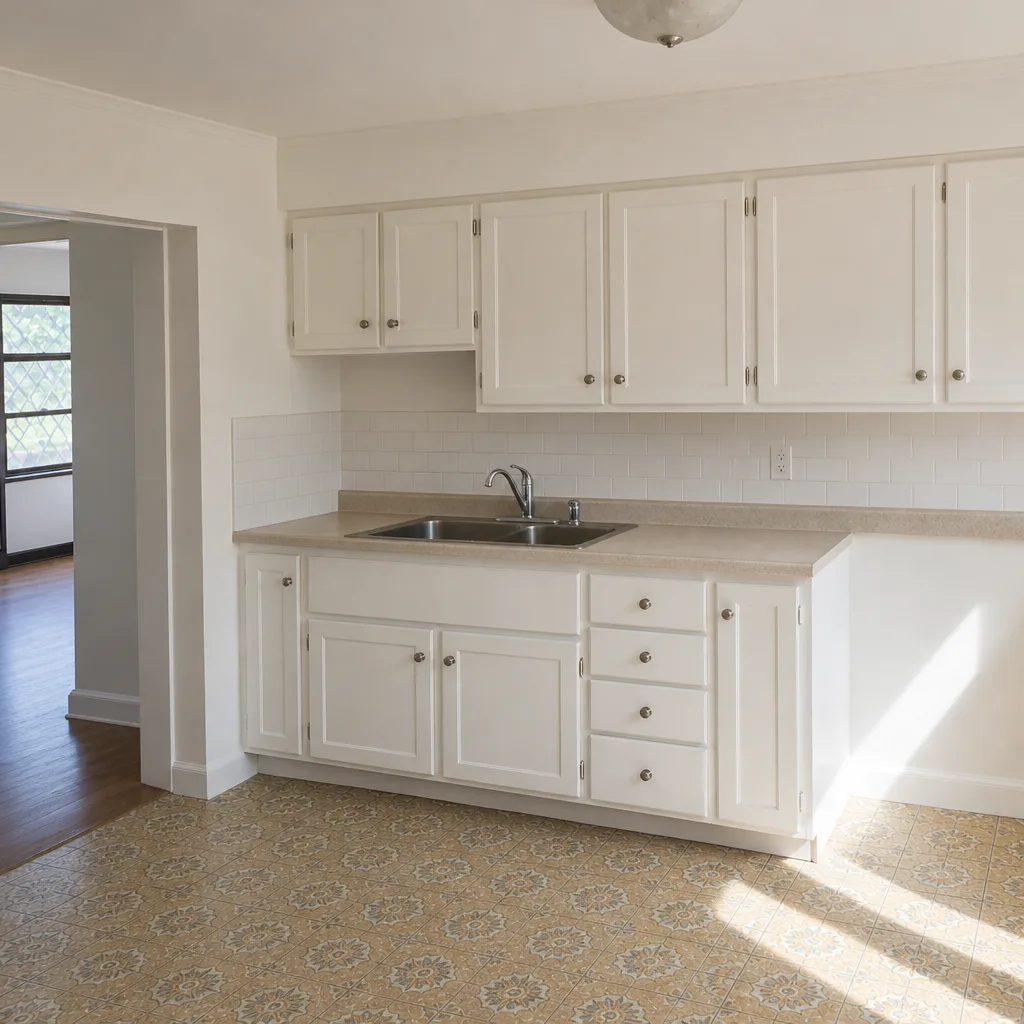 After
Asphalt vs Concrete Driveway in Hialeah, FL: Choose Concrete Unless You’re Paving a Rental You’ll Sell Fast
For a typical Hialeah home, concrete is the better driveway material. Asphalt’s lower upfront price tag gets erased by resealing every 2-3 years and by heat rutting that South Florida summers make almost routine. Concrete costs more on day one, holds its shape and slope through July, and reflects heat instead of baking your garage wall. If you’re paving a rental you plan to sell within three or four years and you truly don’t care about lifespan, asphalt can pencil out. Otherwise, pour concrete. Call (888) 418-7102 and we’ll walk your lot and give you an upfront number before any truck shows up.
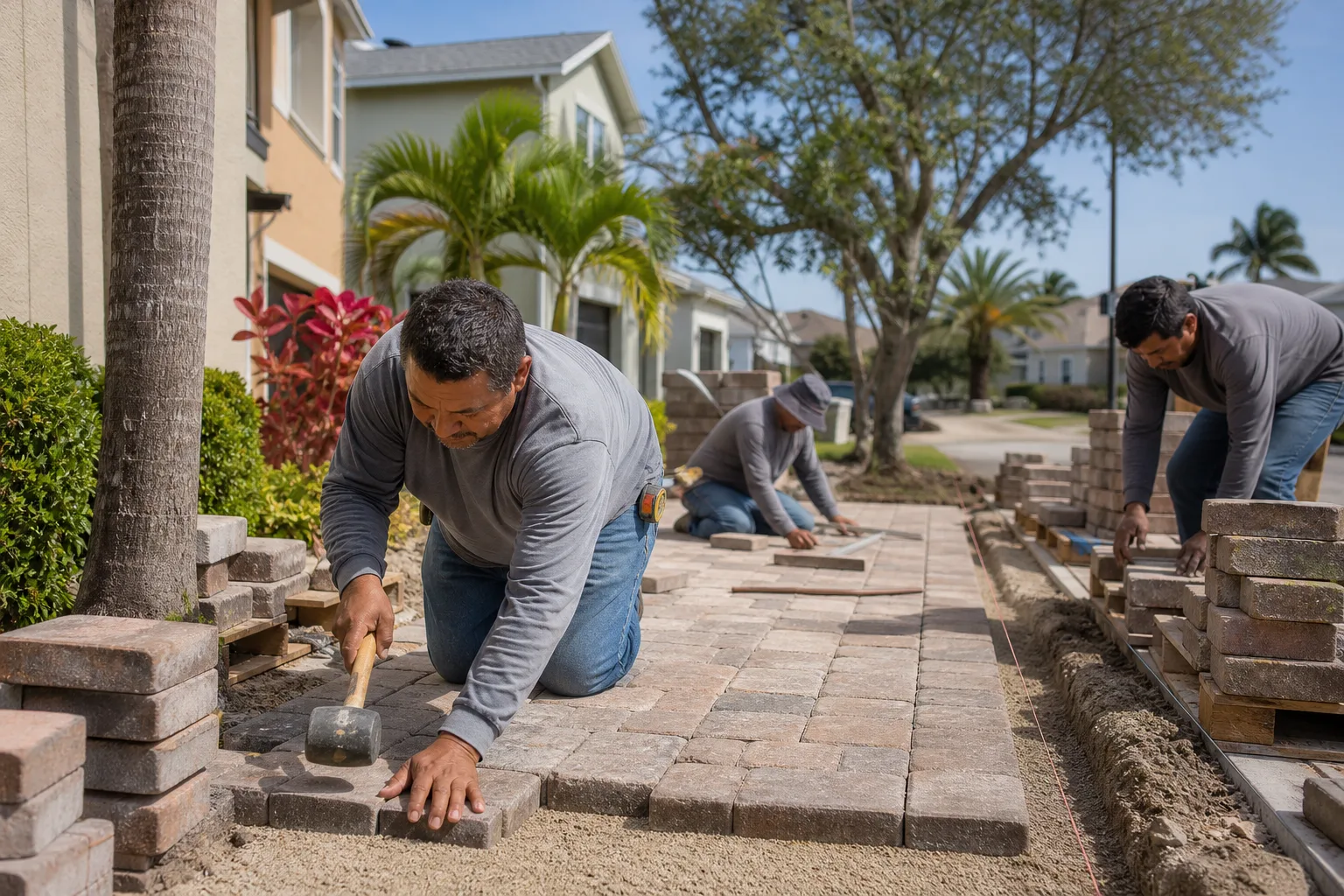
Why Hialeah Heat Breaks the Usual Asphalt Advice
The standard comparison treats asphalt as “the affordable one” and concrete as “the durable one,” then hands the buyer a spreadsheet. That framework was built for suburban climates with mild summers. Hialeah isn’t that. Our average summer high sits around 91°F, and the surface of an unshaded driveway on a sunny July afternoon can climb past 140°F. Asphalt binder softens once sustained surface temps pass roughly 120°F. When a car sits on that softened surface overnight or through a workday, the tire footprint presses oil and binder into a depression. We call it creep, and once the rut forms, it doesn’t spring back.
That matters for a few reasons competitors rarely mention:
- Warranty gaps. Many asphalt pavers exclude heat-related rutting and tracking from their workmanship coverage. A homeowner can watch their new driveway deform in the first summer and discover the defect sits outside the warranty language.
- Tracking. Softened binder lifts onto shoes and tires and gets walked into the house. In a Hialeah home with a garage-to-kitchen path, that’s a weekly cleanup problem.
- Resealing math. Asphalt needs resealing every 2-3 years in a high-UV climate. At Hialeah’s sealing rates of $250-$700 per coat, you’re spending thousands over a decade just to hold the surface together.
Concrete doesn’t escape the sun, but it handles it better. The mix is rigid and won’t creep under a parked car. And a light-broom-finish or white concrete surface has a higher albedo, so it stays measurably cooler than black asphalt. That difference shows up inside the adjacent garage or a converted space, which in Hialeah is often a bedroom or in-law suite pushing real load on the home’s AC.
Drainage and Slope: Where Asphalt Quietly Fails Miami-Dade Code
Miami-Dade’s post-Andrew drainage rules require every driveway to move water positively away from the structure. That’s not a nice-to-have in a place that gets hammered by summer wet-season storms. Concrete holds its engineered slope because it cures rigid. Asphalt stays semi-flexible, and over years of heat cycling and settling it can deform, developing low spots or reversing pitch just enough to send runoff toward the foundation instead of the swale. A homeowner usually finds out during the first heavy rain after a slab foundation has already started wicking moisture.
We build concrete driveways with pitch figured in from the start, and we tie the pour to the garage slab and the surrounding grade so water has one clear path away from the house. In Hialeah, where a lot of homes sit on 1950s-1970s concrete-block slabs, getting that drainage right protects more than the driveway.
Side-by-Side: Asphalt vs Concrete in Hialeah’s Climate
| Factor | Asphalt | Concrete |
|---|---|---|
| Typical Hialeah install cost | $3,500-$9,000 | $4,500-$12,000 |
| Resealing / upkeep | Every 2-3 years, $250-$700 each | Seal optional, far less frequent |
| Heat behavior | Binder softens above ~120°F surface temp, rut risk | Rigid, won’t creep; lighter finish reflects heat |
| Slope and drainage stability | Can deform and redirect water toward foundation | Holds engineered pitch through Miami-Dade code checks |
| Best fit | Short-hold rental, shaded lot | Owner-occupied home, long horizon |
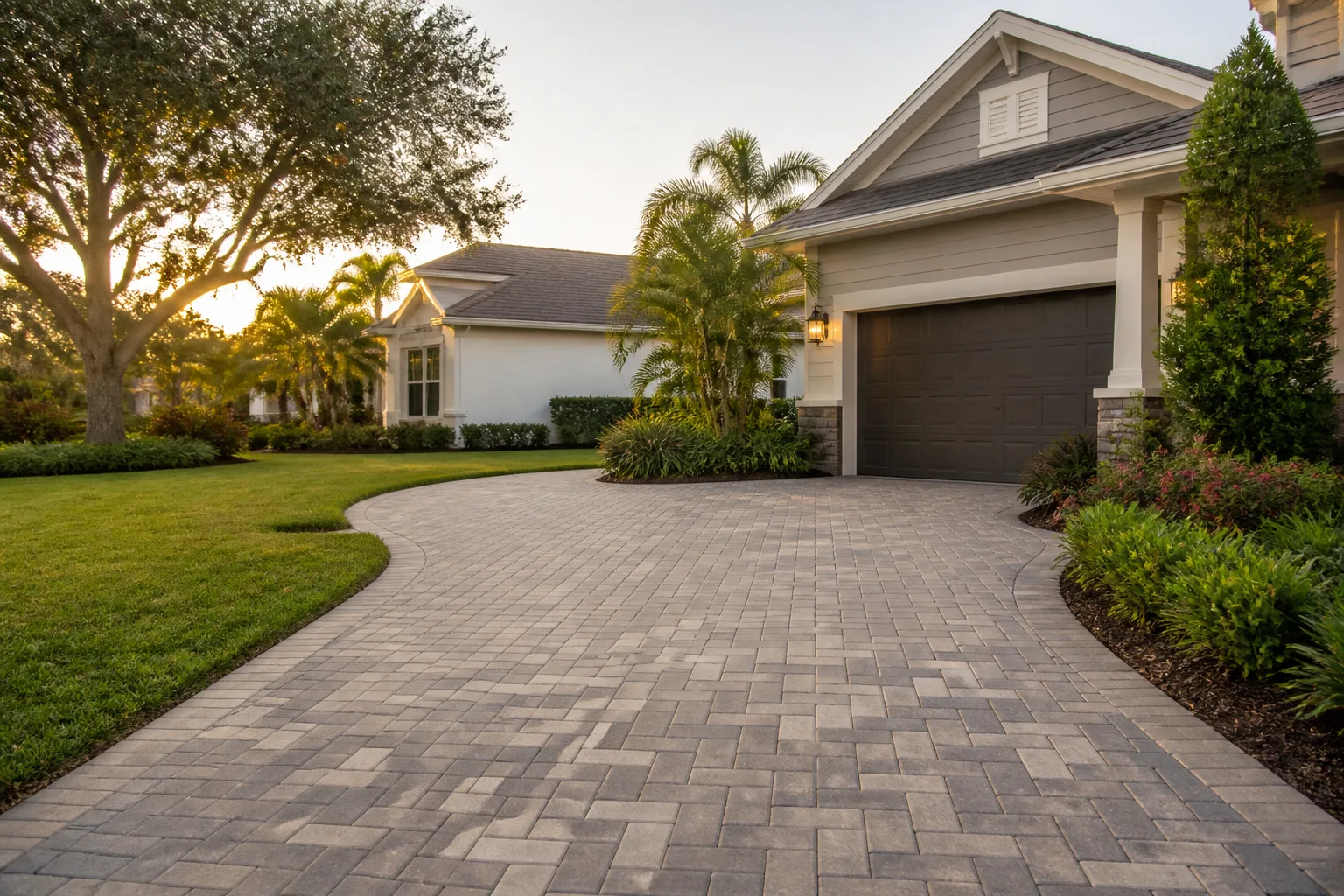
Ten-year cost tells the real story. On a 400-square-foot driveway, asphalt saves maybe $4,000 upfront versus concrete, then gives back $1,000-$2,500 in resealing alone across a decade, before you count a rut repair or a premature replacement. Concrete ends up cheaper by the time your kids are in high school. For a full breakdown of material and paver options, see our Driveway & Pavers service page, or our city-specific Driveway & Pavers in Hialeah page.
What “Upfront Pricing” Actually Means for a Concrete Pour
A concrete driveway is only as good as the mix behind it, and most bids don’t tell you what you’re buying. Our upfront pricing includes mix specification disclosure, so you know the PSI rating and whether the pour includes fiber reinforcement before the truck rolls. That’s the difference between a slab that holds up to a Hialeah summer and one that hairline-cracks by the second wet season. From foundation to finish line, the number you see is the number you pay, and we back the work with our 730-Day Done Right Promise: if it’s not done right, we make it right.
Budget anchoring is where Hialeah homeowners tend to freeze. Concrete driveway installation runs $4,500-$12,000, a full driveway replacement $5,000-$14,000. If you’re bundling a driveway with an ADU or home addition, the numbers stack fast. That’s where our standing offers matter: $1,000 off projects over $10,000 and 0% financing for 18 months, which lets you choose the right material instead of the cheapest one your bank account clears today.
One Hialeah Complication Worth Knowing Before You Pour
Hialeah’s construction market grew on family-built expansion, and a lot of driveways connect to carports or rear additions that were never permitted. When we pour a driveway, we sometimes find that the slab has to tie into an as-built condition that doesn’t match the county record. Working through that is part of the job, and it’s also why we’d rather look at your lot in person than quote off a satellite photo.
FAQs
Concrete is better for most Hialeah homeowners because our sustained summer heat softens asphalt binder and causes rutting, while concrete holds its shape, slope and reflectivity through the year. Asphalt only wins when the hold period is short and the budget is tight.
In Hialeah, asphalt paving typically runs $3,500-$9,000 and concrete installation runs $4,500-$12,000, with driveway replacement at $5,000-$14,000 depending on tear-out and base. Factor in asphalt resealing at $250-$700 every 2-3 years, and the gap narrows fast. Call (888) 418-7102 for an exact number on your lot - estimates are free.
Asphalt ruts under a parked car because the binder softens when surface temperatures stay above roughly 120°F, which happens on unshaded Hialeah driveways through July and August. The tire footprint presses the softened surface down and it doesn’t rebound, and many asphalt warranties exclude heat-related rutting.
Yes. A light-broom or white concrete finish has higher reflectivity than black asphalt, so the surface stays cooler and radiates less heat into an adjacent garage or converted room. Call (888) 418-7102 to talk through finish options and get a free estimate.
If you’d rather have it looked at, Groundwork Construction Co. of Hialeah offers a no-pressure assessment in Hialeah. We’ll check your existing surface, grade and drainage, then give you an honest read on whether concrete is worth it for your property. Call (888) 418-7102 to schedule.
Written by the team at Groundwork Construction Co. of Hialeah, serving Hialeah, FL.