
Free written scope consultation - allowances, timeline, and change-order rules on paper before a single trade is scheduled
Styles & brands we work with
- Kitchen remodeling
- Bathroom remodeling
- Home additions & ADU
- Roofing
- Windows & doors
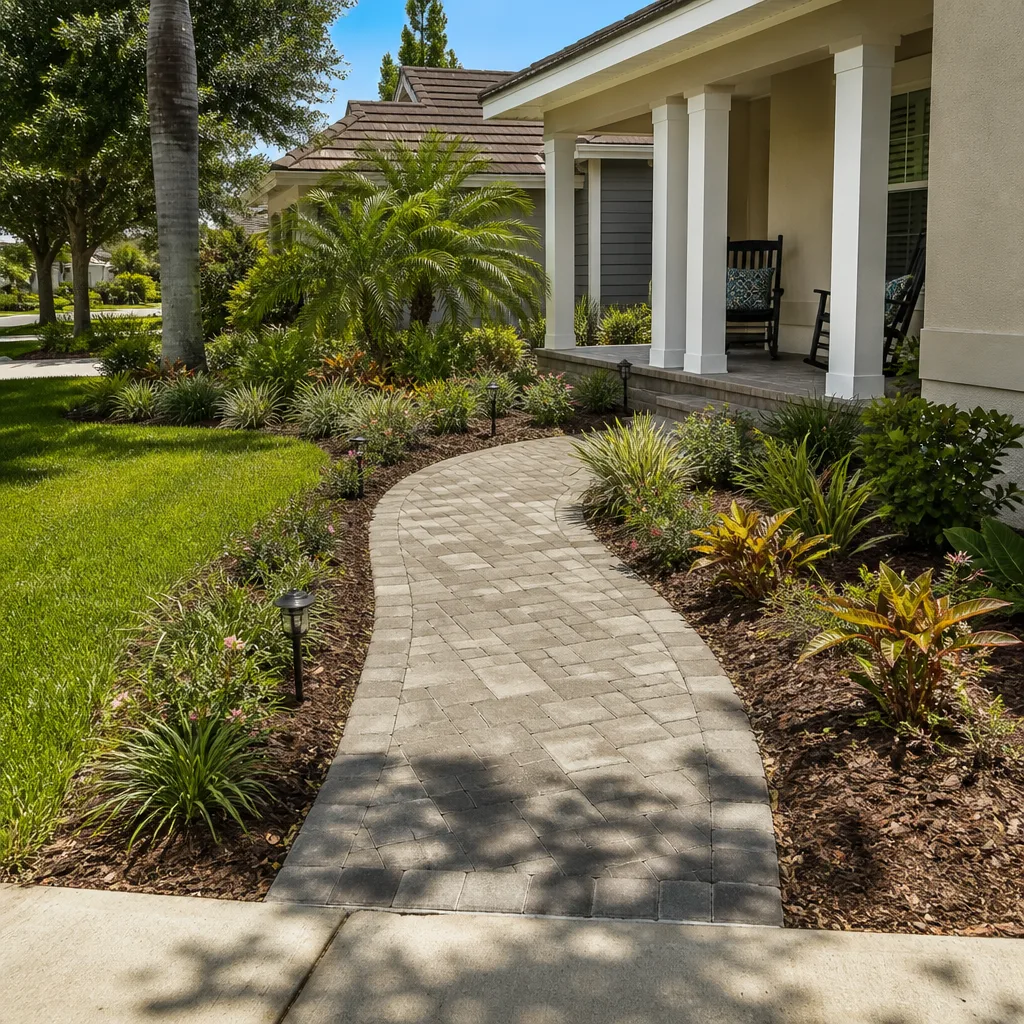
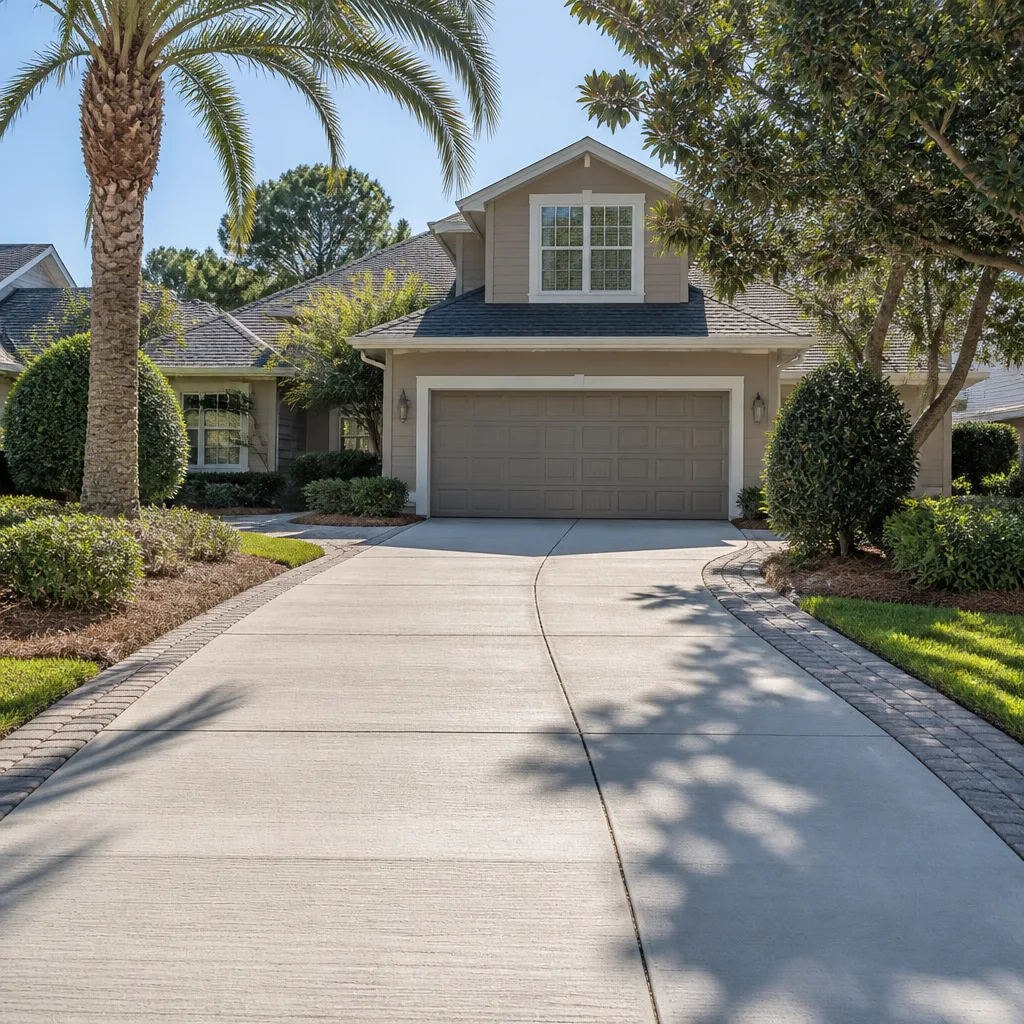
- Driveway & pavers
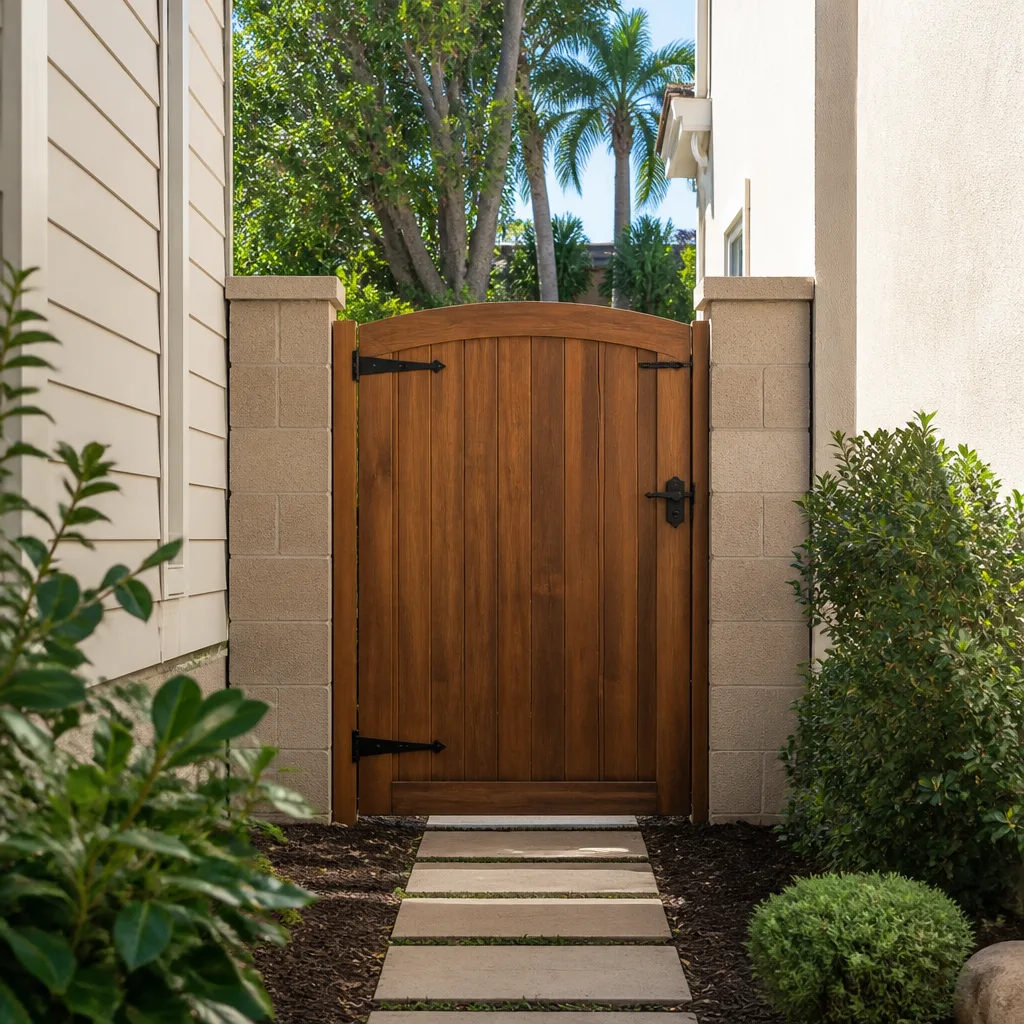
- Fence
See the difference
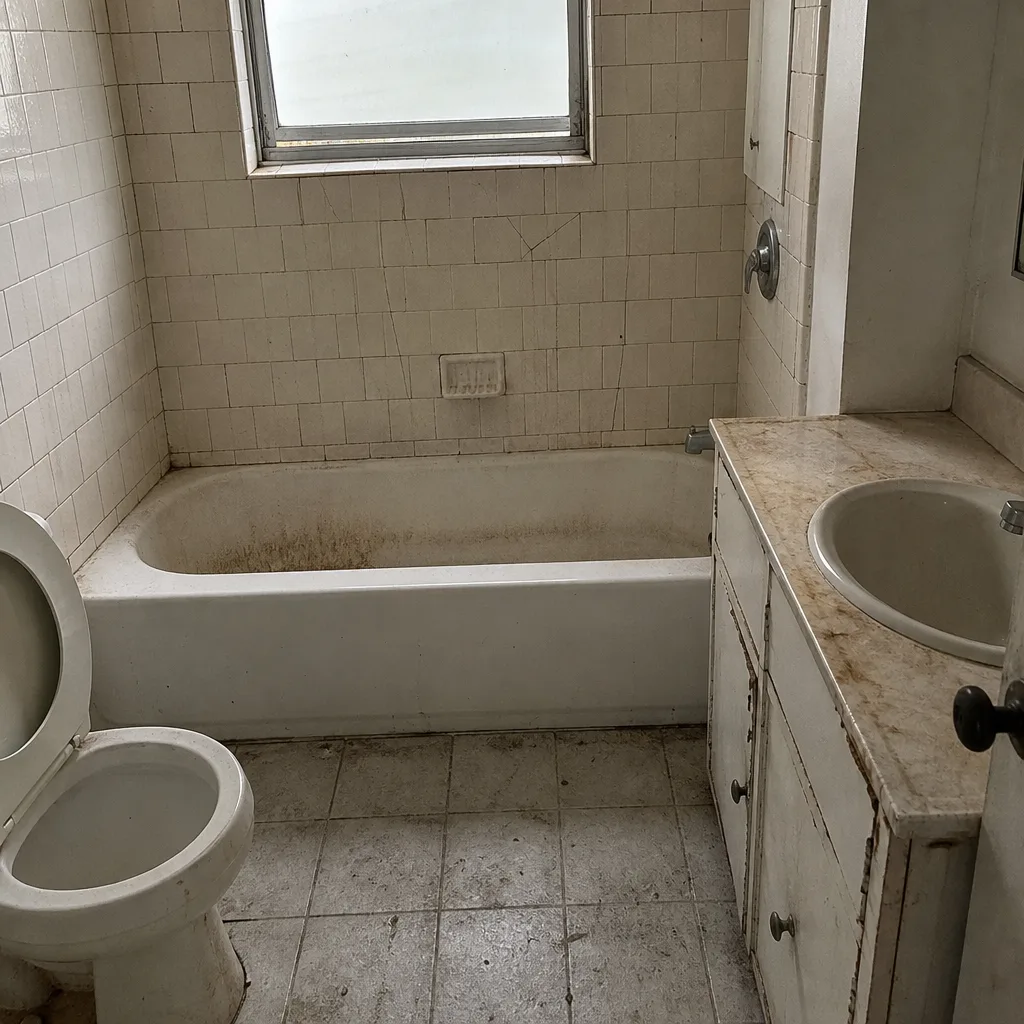 Before
 After
 Before
 After
 Before
 After
Stamped Concrete vs Pavers in Hialeah, FL: Which One Survives Our Climate?
Choose pavers unless you’re set on stamped concrete for a covered, low-traffic area. For most Hialeah driveways and patios, actual pavers on a properly compacted base outperform stamped concrete within five to seven years, mostly because South Florida’s thermal cycling cracks decorative slabs along their pattern lines and hurricane-season debris impact speeds that up. The surface looks the same on day one. What happens in year four is where the two part ways. Call (888) 418-7102 and we’ll walk your property and give you a straight comparison, not a sales pitch.
What makes Hialeah different from a generic “stamped vs pavers” answer
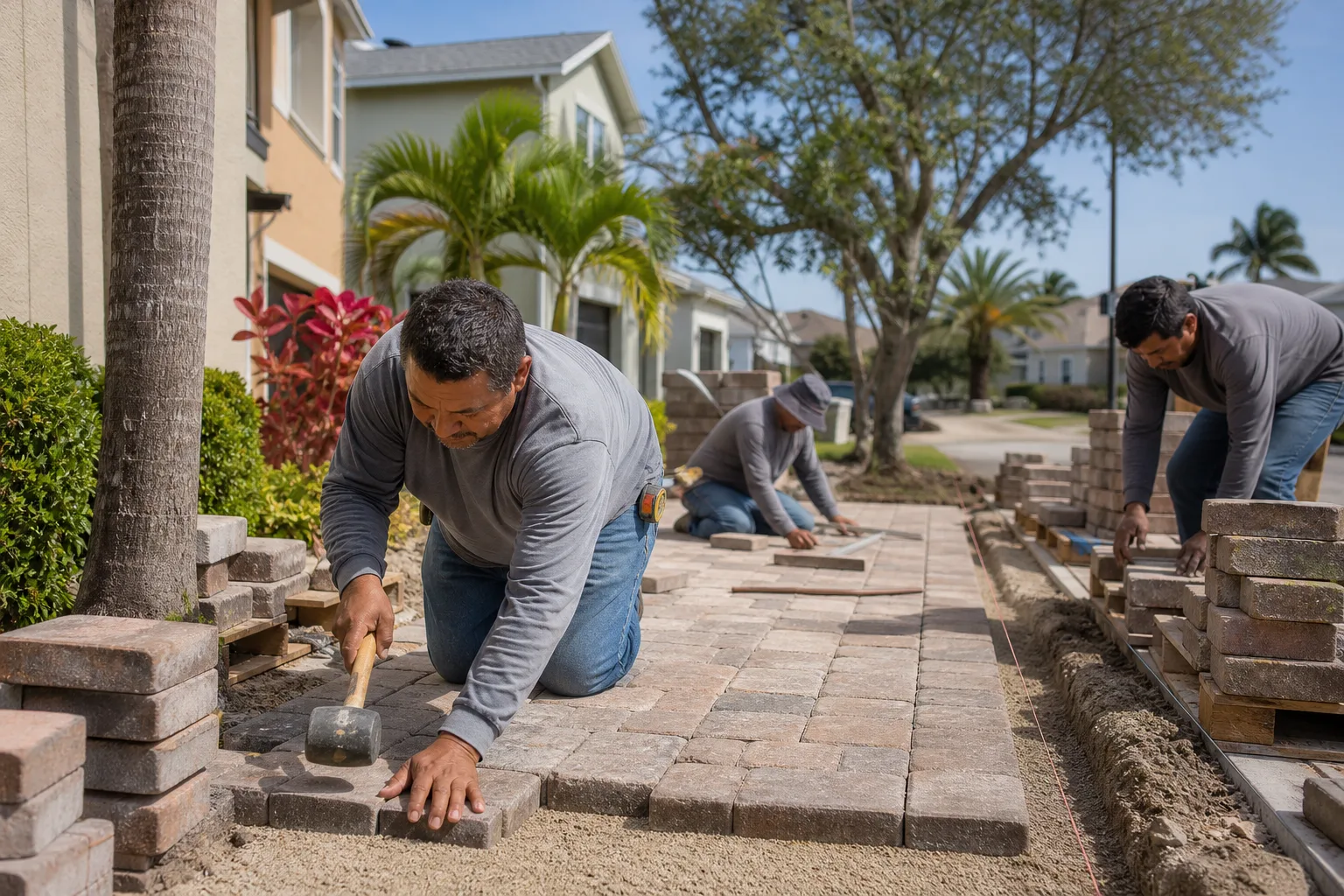
Hialeah’s housing stock is dominated by 1950s to 1970s single-story CBS homes with flat or low-slope roofs, and a lot of those properties have been expanded over the years by owner-built carports, rear rooms, and converted garages. That matters for hardscape because the base underneath your driveway or patio is rarely a clean, undisturbed lot. It’s often a slice of ground that was cut open for a drain line, a carport footing, or a slab pour that nobody documented. Stamped concrete is a monolithic pour: one continuous slab that has to span every one of those soft spots and load transitions. Pavers are individual units on a granular base. They move, settle, and get re-set without a saw and a patch kit.
If you’re weighing the numbers first, head over to our Driveway & Pavers page for the full scope of what we install, then come back here for the comparison.
The sealer problem: why Hialeah’s wet season is stamped concrete’s worst enemy
Stamped concrete needs an acrylic sealer to bring out the color and the pattern. That sealer is the Achilles heel in Miami-Dade. Two things happen. First, it becomes slippery when wet, and in a city that gets afternoon thunderstorms almost every day from June through October, a slick driveway is a liability, not just an aesthetic complaint. Second, Hialeah’s year-round humidity gets trapped between the sealer film and the slab surface. That’s what produces white hazing, the milky “blushing” that shows up on stamped concrete within a couple of seasons, and eventually the film delaminates in sheets.
Here’s the part competitors won’t tell you: most stamped concrete installers quietly exclude sealer failure and surface hazing from their warranty language. Read the fine print before you sign. A warranty that covers the slab but not the finish isn’t covering the thing you actually paid a premium for.
What pavers do differently in the same conditions
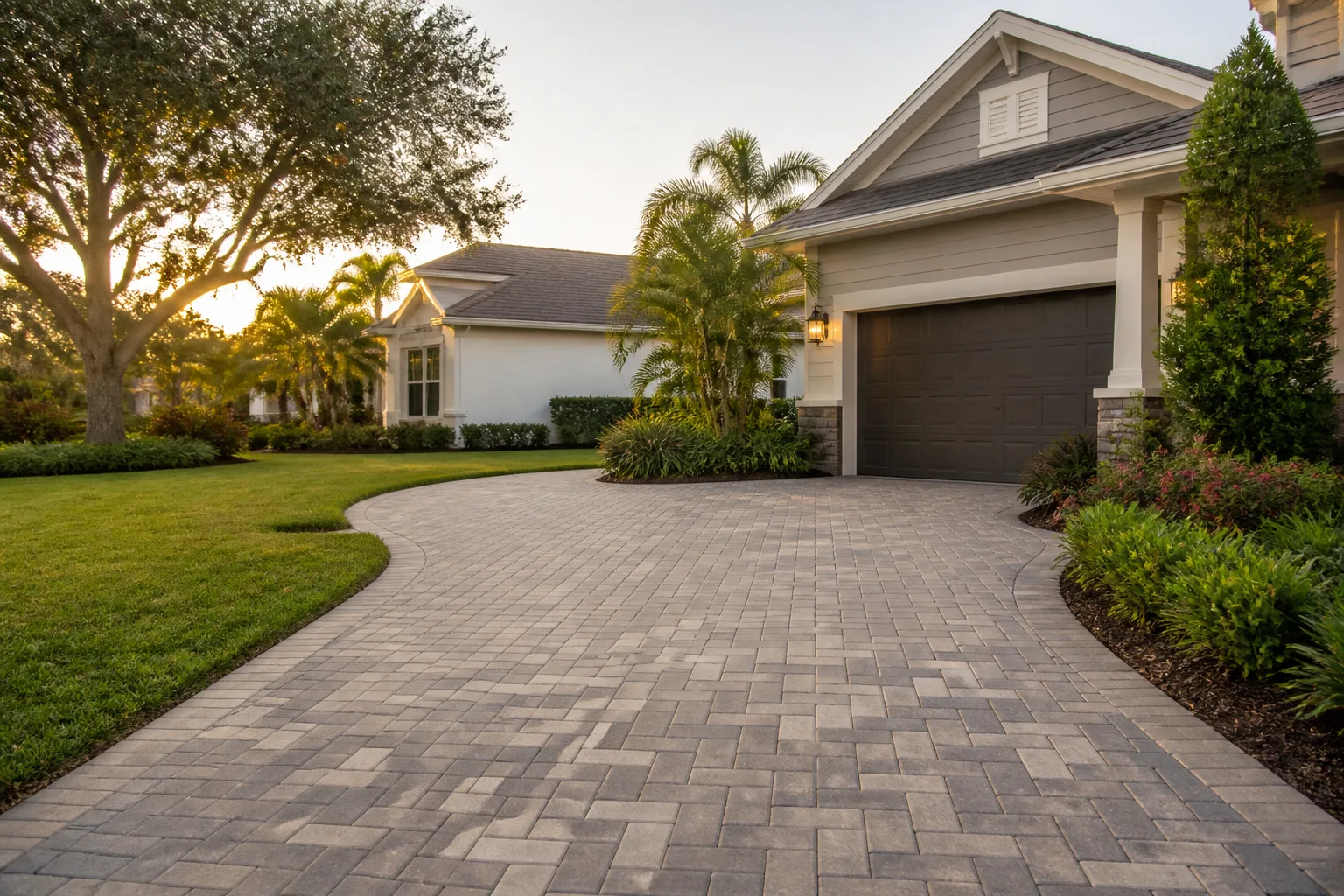
Actual pavers on a properly compacted base with polymeric sand joints let water move. Rain infiltrates the joints and drains down through the base rather than sheeting off a sealed slab into the street. In a city whose storm drainage is already carrying more load than it was designed for, that’s a practical advantage, not a marketing one. The units also absorb thermal movement individually. When one settles, you lift it, re-level the base, and reset it. The repair is invisible because the paver you put back is identical to the ones around it.
When stamped concrete cracks, can you actually match the repair?
Almost never. And in South Florida’s thermally active environment, a stamped slab will crack. We’ve seen it in Hialeah on rear patios and driveways within three to four years, especially where the slab abuts a carport footing or a converted garage slab that settled before the pour. Once it cracks along a decorative pattern line, the repair is a patch. The patch is visible. Different pour, different batch of pigment, different cure time. Even a skilled finisher can’t hide it.
Replace one cracked paver and the seam disappears. That’s the whole argument, really. Not aesthetics at installation, but what the surface looks like when something goes wrong. And something always goes wrong.
Side-by-side comparison for a Hialeah property
| Factor | Stamped Concrete | Pavers |
|---|---|---|
| Wet-weather traction | Slick when sealed and wet | Textured surface holds grip |
| Cracking | Cracks along pattern lines; patch is visible | Individual unit settles; reset or replace invisibly |
| Water handling | Sealed surface sheets runoff | Joints infiltrate and drain |
| UV color fade | Sealer yellows and hazes | UV-stable pigment lines hold color |
| Repair after hurricane debris impact | Slab patch, hard to match | Replace damaged units, seam invisible |
| Long-term resale perception | Dated once hazed or cracked | Reads as premium hardscape |
Why the paver line matters as much as the installation
Not all pavers are equal in Hialeah’s sun. Builder-grade units fade to a uniform gray within two rainy seasons, and you’ll see it on plenty of driveways around town. The paver lines we install through Cambridge Pavers and Oldcastle carry UV-stable pigments engineered for Florida exposure. Quikrete and Sakrete base and joint materials are the other half of the equation: the compaction and the polymeric sand are what actually hold the surface together over a decade. We match the material to the exposure, not to what happens to be on sale.
What does it cost in Hialeah, and what does the warranty actually cover?
Paver driveway installation in Hialeah runs $7,000 to $18,000 for a typical residential driveway, and paver patio installation runs $3,500 to $11,000. Concrete driveway installation runs $4,500 to $12,000, and stamped concrete sits toward the top of that range once you add the decorative stamping and the sealer. The up-front number is similar. The ten-year number isn’t, because stamped concrete will need re-sealing every couple of years and a repair you can see.
Every paver project we install is covered by our 730-Day Done Right Promise, and that promise specifically covers joint sand stability and surface settlement. Those are the two failure points stamped concrete contracts typically carve out of their warranty documents. If the joint sand washes out after a wet season, that’s ours to fix. If a section settles, we re-set it. That’s what “done right” in writing means in a climate that tests hardscape every summer.
What about the base and the drainage?
The base is 80% of the job. A paver driveway is only as good as the excavation, the graded sub-base, and the compaction layers underneath it. On Hialeah’s older CBS properties that means we check for old drain-line trenches, carport footings, and prior slab patches before we quote. If the sub-base needs rebuilding after excavation, that’s a conversation before the first paver goes down, not after.
Frequently asked questions
On the initial invoice, usually yes, roughly 15% to 25% less for a like-sized driveway. Over ten years the math flips once you factor in re-sealing every two years, the repair of at least one visible crack, and the eventual sealer delamination. Call (888) 418-7102 for a side-by-side estimate on your specific driveway, and we’ll show you both numbers.
A well-installed paver surface lasts 25 to 30 years or more with occasional re-sanding, while a stamped concrete slab’s decorative finish typically starts showing haze, fade, and cracks within five to seven years in Hialeah’s thermal cycling. The slab itself lasts longer, but the finish you paid for doesn’t. Paver units outlast the finish question entirely.
No contractor can guarantee a crack-free stamped slab in South Florida, because it’s a monolithic pour responding to soil movement and thermal cycling. Control joints reduce the risk but don’t eliminate it, and the cracks that appear along pattern lines are the hardest to hide. If crack-free longevity is the priority, pavers are the honest recommendation.
Yes, and they’re often the better choice for exactly that reason. Hialeah’s older properties frequently have informal carports and rear additions, and pavers can be laid to meet an existing slab edge, worked around a footing, and adjusted if that footing settles. A stamped concrete pour has to tie into all of that in one continuous slab, which is where most of the long-term cracking starts. Call (888) 418-7102 and we’ll assess what you’re working with.
Get a straight comparison before you commit
If you’d rather have it looked at, Groundwork Construction Co. of Hialeah offers a no-pressure assessment in Hialeah. We walk the property, check the base, and give you both numbers with the real warranty terms attached. Upfront pricing, no surprises, and a free project estimate and design consult to start. Call (888) 418-7102.
Written by the team at Groundwork Construction Co. of Hialeah, serving Hialeah, FL.