Free written scope consultation - allowances, timeline, and change-order rules on paper before a single trade is scheduled
Styles & brands we work with
- Kitchen remodeling
- Bathroom remodeling
- Home additions & ADU
- Roofing
- Windows & doors
- Driveway & pavers
- Fence
See the difference
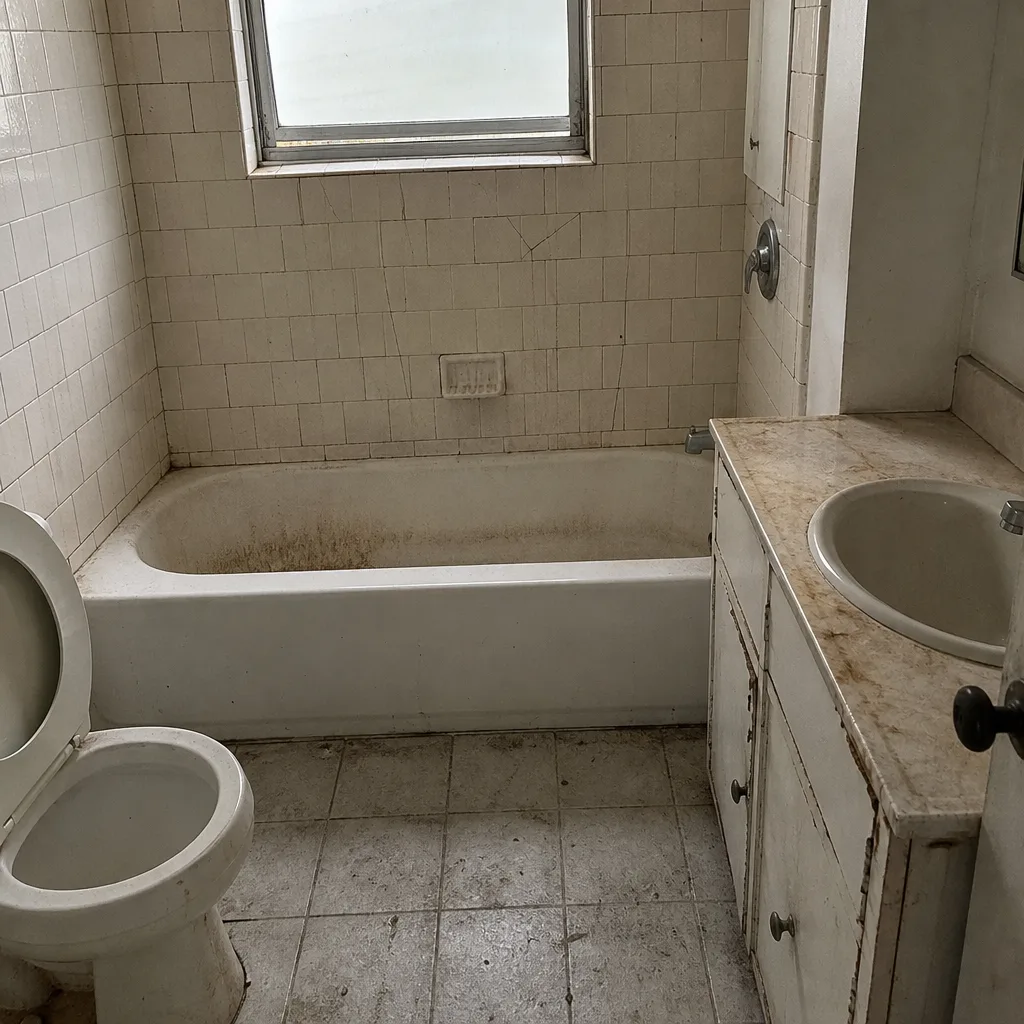 Before
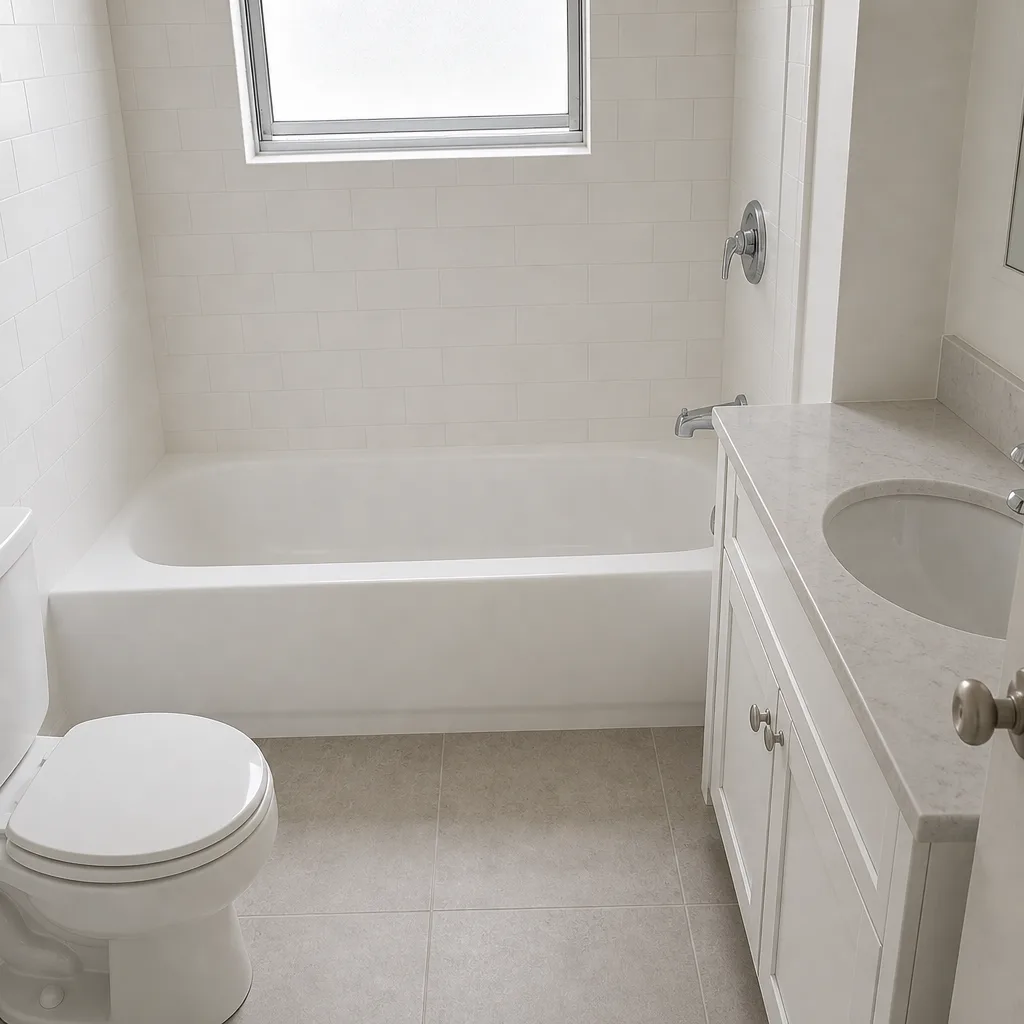 After
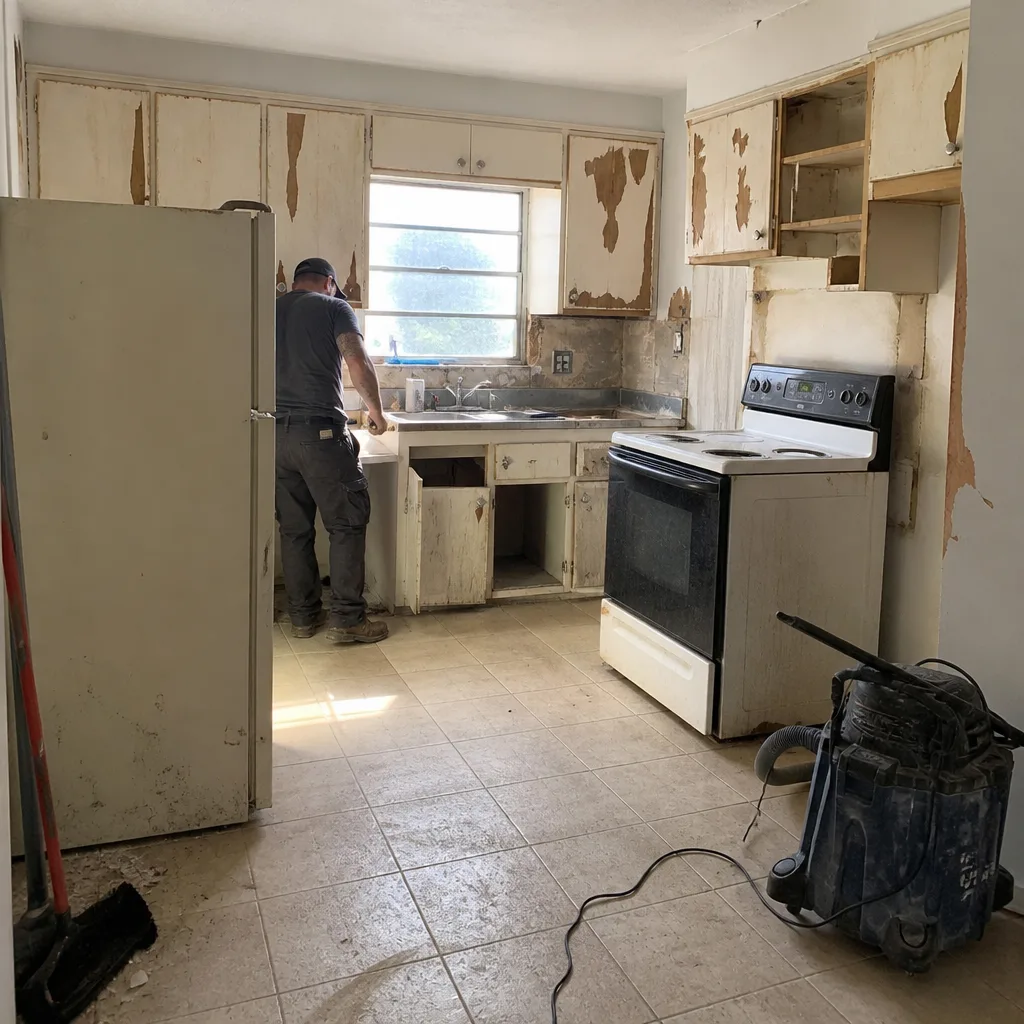 Before
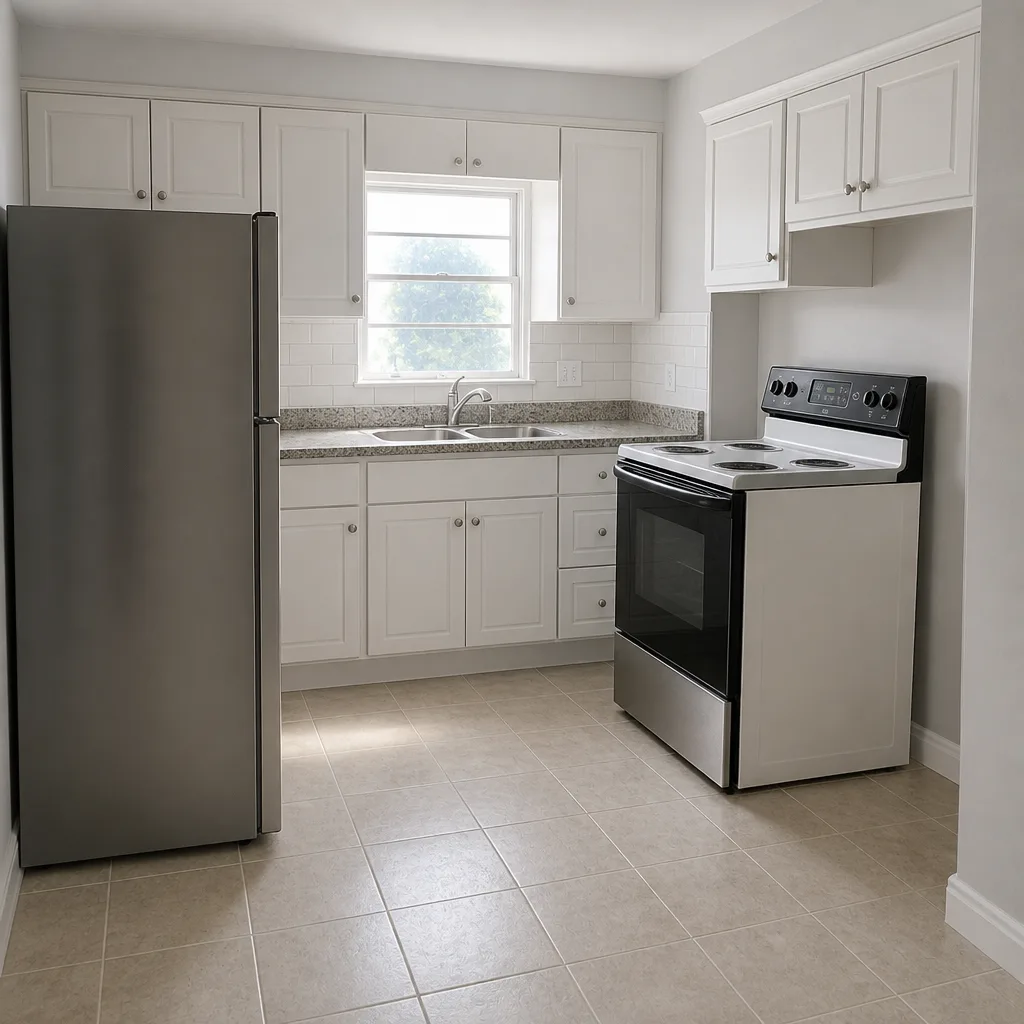 After
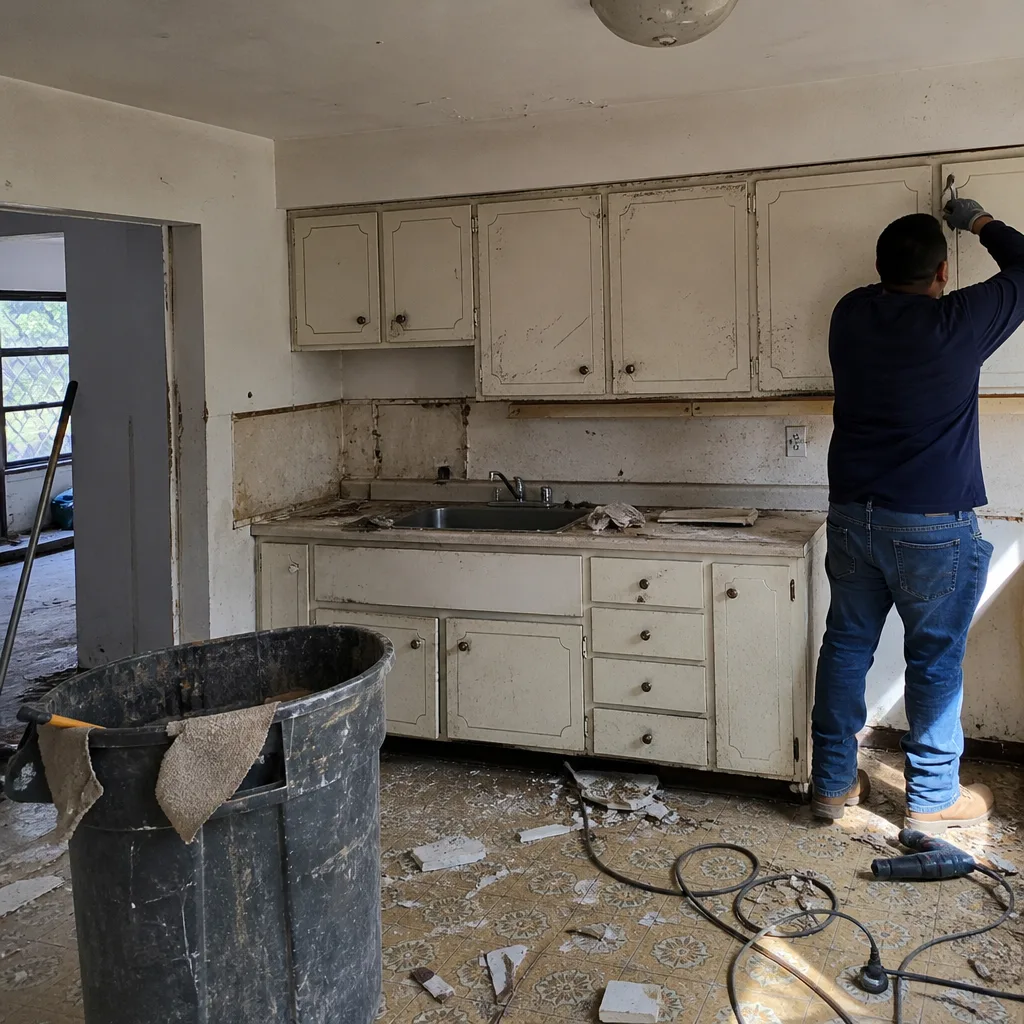 Before
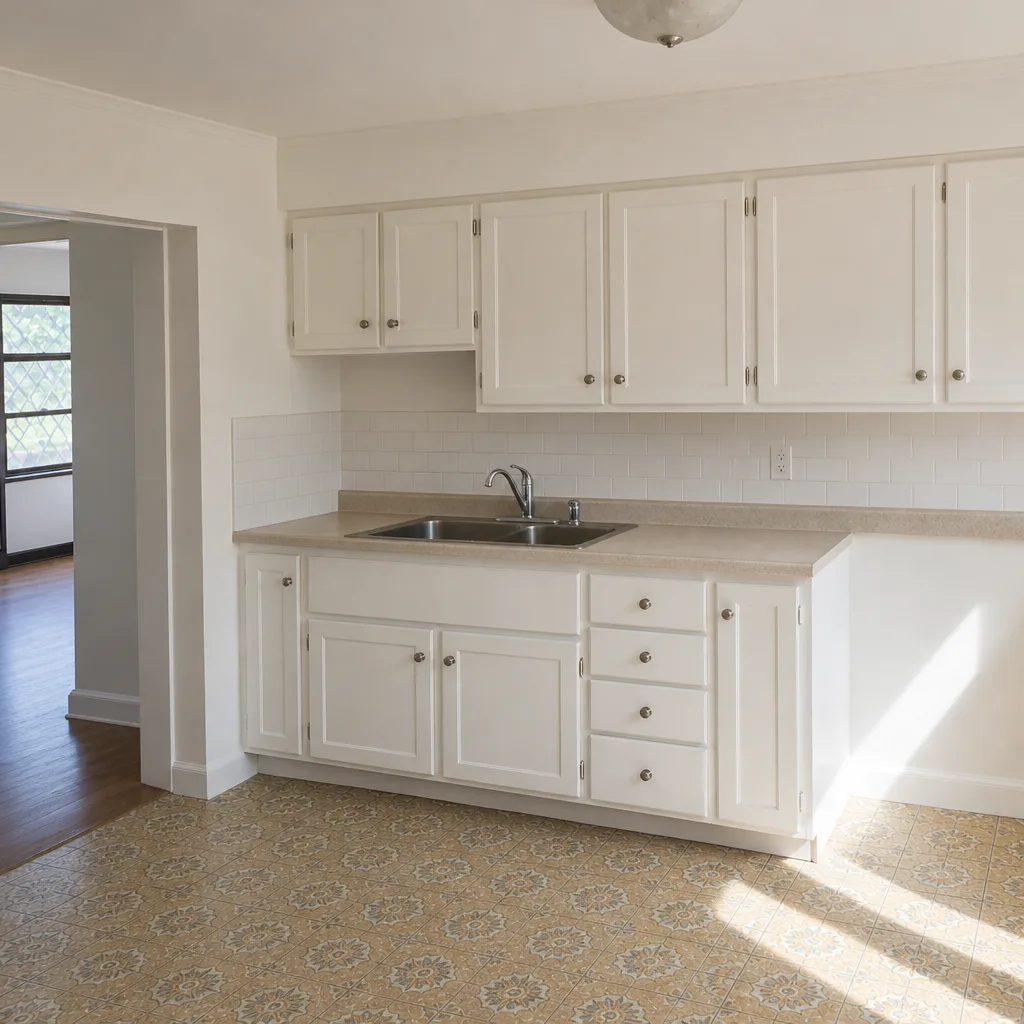 After
ADU Permit Requirements in Hialeah, FL: What Miami-Dade Actually Asks For
ADU permit requirements in Hialeah go well beyond the state baseline. To get an accessory dwelling unit approved in Miami-Dade County you’ll need signed and sealed structural drawings, a site plan showing setbacks from every property line, Florida Energy Code compliance (Form 405), and product approval NOA numbers for every impact opening. The permit is a staged submission through zoning, building, structural, and product approval review, and each stage has its own checklist. Miss one item and the whole package goes back to day one. Call (888) 418-7102 and we’ll walk you through what your specific property needs before you spend a dollar on drawings.
Hialeah makes this harder than most of Miami-Dade because the city grew up on family-built expansion. The typical house here is a 1950s to 1970s single-story CBS home with a flat or low-slope roof, and a large share of them carry a rear room, carport, or converted garage that was never permitted. Whoever applies for an ADU permit on one of those lots is effectively bringing the whole property under review, not just the new unit. That’s the part most Florida permit guides skip, and it’s the part that costs Hialeah homeowners the most time.
What Miami-Dade Reviews Before an ADU Is Approved?
Zoning looks first at setbacks and lot coverage, then building review checks the structure, and product approval verifies every opening that has to resist wind. Think of it as four gates, in order, and a package that fails any one of them stops there.
- Signed and sealed structural drawings. A licensed engineer has to stamp the foundation, tie-downs, roof-to-wall connections, and the shell itself. Miami-Dade’s post-Andrew code means an ADU is treated as a wind-resistive structure, not a shed with plumbing.
- Product approval NOA numbers for every impact opening. Each window and door needs a Florida product approval number or Miami-Dade NOA on the drawings. Doors, sliders, and any glazing count. Brands like CWS and ES Windows publish NOA documentation that reviewers accept without a second round of questions, which is one reason we favor them on Hialeah ADU jobs.
- Florida Energy Code compliance, Form 405. The energy calculation has to match the drawings exactly: insulation values, glazing U-factor, HVAC sizing. A mismatch between the 405 and the window schedule is one of the most common correction notices we see.
- A site plan showing setbacks from all property lines. Every side, front and rear, drawn to scale, with the ADU footprint located against the actual lot lines. Hialeah’s narrow lots and rear carports make this drawing harder than it sounds.
Then there’s utility capacity. Miami-Dade requires documented water and sewer capacity for the new unit, and in older Hialeah neighborhoods with aging lateral lines that documentation can trigger a utility upgrade before the building permit is issued. That dependency sits outside the building department’s control, so it can extend your timeline by weeks. Budget $90,000-$220,000 for the ADU build itself, and treat any lateral work as a separate line item your contractor should price early.
The As-Built Survey Step Most Permit Guides Never Mention
If an existing unpermitted structure sits on the proposed ADU footprint, you need an as-built survey before the permit application can move. A surveyor documents what’s physically there, the drawings then show how it gets brought up to code or removed, and only after that does the zoning and building review proceed. Skip the survey and the reviewer will find the discrepancy on their own, which is a slower and more expensive version of the same conversation.
In Hialeah, this happens on a large share of jobs. Rear rooms, carports, and second stories get built informally over decades, and nearly every ADU project begins with a survey that reveals something. Budget for it. Our technicians have up to 12 years of experience reading these situations, and the survey is usually where that experience earns its keep: knowing what a reviewer will accept as a legal nonconformity versus what has to come down saves real money.
Title is the other piece. Miami-Dade requires an owner-occupancy affidavit for ADU approval, and Hialeah’s multigenerational ownership structures sometimes mean the deed, the homestead exemption, and the person signing the affidavit don’t line up cleanly. Supporting documentation usually includes a current deed, proof of homestead, and identification matching the record owner. When a property passed through family without a formal title transfer, that paperwork has to be sorted before the affidavit is worth anything. We flag it at the consultation rather than at the counter.
What Should You Look For in a Contractor for This Work?
Ask three questions in the first conversation. Who stamps the structural drawings? Who prepares the site plan and the 405? And what happens when a correction notice lands at 4:45 PM on a Friday?
That last one matters more than people expect. Miami-Dade reviewers do send corrections late in the day, and a package that sits unanswered over a weekend loses days. Groundwork Construction Co. of Hialeah answers calls with a live person 24 hours a day, seven days a week, so a correction notice gets a response the same evening instead of a voicemail and a lost week. Our work is backed by the 730-Day Done Right Promise, and pricing is upfront, with 0% financing for 18 months and $1,000 off projects over $10,000 applying to ADU and addition scopes.
Expect the full scope to include structural strengthening beyond the new unit. Older Hialeah stock usually needs roof-to-wall tie-downs and impact-rated openings brought into compliance during the same review, and the brands we specify for that (CWS, ES Windows, ECO Window Systems) are chosen because their NOA paperwork holds up on first submission. If you’re weighing an ADU against other ways to add living space, our Home Additions & ADU in Hialeah page covers the build side, and the broader Home Additions & ADU overview covers scope and planning. You can also see how we handle home construction across the trades.
| Item | Typical Hialeah Range |
|---|---|
| ADU construction (full build) | $90,000-$220,000 |
| Home addition | $45,000-$130,000 |
| Garage conversion to living space | $30,000-$80,000 |
| Impact window installation (whole house) | $8,000-$25,000 |
| Roof replacement (tie-downs often bundled) | $8,000-$20,000 |
FAQs
Expect several months from submission to issuance, and longer if an as-built survey or a utility capacity upgrade is involved. Miami-Dade’s staged review means zoning, building, structural, and product approval each take their turn, and a correction notice at any stage restarts that stage. The single biggest time saver is submitting a complete package with matching NOA numbers and a 405 that lines up with the drawings. Call (888) 418-7102 and we’ll review your property’s specifics before you file.
Yes, if any unpermitted structure sits on or near the proposed ADU footprint. The survey documents existing conditions, and the permit drawings have to address whatever it reveals, whether that’s removal, legalization, or redesign. On Hialeah’s older CBS homes with informal rear additions, this is the rule rather than the exception. A free project estimate and design consult is the fastest way to find out what your lot will require.
Usually yes, but the converted garage becomes part of the review and has to be brought up to code, removed, or shown as a legal nonconformity. That documentation happens through the as-built survey and revised drawings, and it affects your setback calculations for the new unit. We see this constantly in Hialeah, where garages were converted decades ago without permits. Call (888) 418-7102 for a straight answer on your property.
Yes. Miami-Dade’s post-Andrew wind code requires impact-rated or properly protected openings on new ADU construction, and every window and door needs a product approval number or NOA on the permit drawings. Using brands with clean NOA documentation, which is why we specify CWS and ES Windows on these jobs, keeps the product approval review from turning into a back-and-forth. Estimates are free, so call if you want your opening schedule reviewed before submission.
If you’d rather have it looked at by someone who does this in Hialeah every week, Groundwork Construction Co. of Hialeah offers a no-pressure assessment. We’ll review your title documents, survey needs, and drawings before anything goes to the county. Call (888) 418-7102.
Written by the team at Groundwork Construction Co. of Hialeah, serving Hialeah, FL.