Last updated November 18, 2026




Free written scope consultation - allowances, timeline, and change-order rules on paper before a single trade is scheduled
Windows & Doors Warning Signs Every Homeowner Should Know
That window that “just needs new caulk” is the second most common story we hear before a wall cavity mold remediation job. The gap between those two things is usually about 18 months and several thousand dollars. In Hialeah, where humidity sits in the 70s most of the year and named storms test every seal a home has, windows and doors fail quietly long before they fail visibly. This guide covers the warnings most homeowners miss: cracked corners, interior humidity spikes, hardware that fights back, daylight at the frame, and the post-storm checks almost nobody performs. You’ll learn what each sign actually means and when it stops being cosmetic.
Quick Answer
The core warning signs are frame separation or hairline cracks at corners, condensation and humidity spikes on interior walls near windows, hardware that’s grown hard to operate, visible daylight around door frames, and failed seals or gaskets after any named storm. Any one of these usually points to a compromised building envelope, which means water intrusion and energy loss at the same time. Fixing the seal early costs a fraction of repairing the wall cavity behind it.
Key Takeaways
- Hairline cracks at window corners signal movement in the frame or opening, not paint failure.
- Humidity on interior walls near glass means air and moisture are getting through the installation gap.
- Daylight at a door frame is an energy and water risk in the same finding.
- Impact windows need a post-storm inspection of seals and gaskets, not just a visual glance at the glass.
- Salt air along the Hialeah corridor accelerates hardware corrosion in ways inland homeowners don’t expect.
Styles & brands we work with
- Kitchen remodeling
- Bathroom remodeling
- Home additions & ADU
- Roofing
- Windows & doors
- Driveway & pavers
- Fence
Table of Contents
- Hairline cracks and frame separation: the structural signal
- Interior humidity spikes and condensation near windows
- Hardware that’s harder to operate than it used to be
- Visible daylight at door frames and what it costs you
- The post-storm inspection most homeowners skip
- Hialeah-specific failures: climate, salt, and storm cycles
- When to Call a Professional
- Frequently Asked Questions
Hairline Cracks and Frame Separation: The Structural Signal
When you see a thin crack at the corner of a window frame, where the miter joint meets the wall, it’s tempting to call it cosmetic. Our technicians see this constantly in Hialeah, and in our experience the crack is rarely the frame’s fault. The frame is telling you the opening moved.
Frames are set into wall openings that are not perfectly rigid. Wood stud framing, concrete block, and stucco assemblies all move under heat, humidity swings, and settling. In South Florida, humidity drives repeated expansion and contraction through the year. When movement exceeds what the frame was designed for, the corners crack first because that’s where the joint is weakest.
What a Corner Crack Actually Tells You
- A hairline crack running at 45 degrees from the corner usually points to stress concentration at the miter joint.
- A crack that’s widened since you last looked means the movement is ongoing, not settled.
- A gap between the frame and the surrounding wall or stucco is the signal that the seal has broken.
- A frame that’s visibly out of square, checked by measuring the diagonals of the opening, points to racking or movement in the wall itself.
Once water gets behind a broken seal in Hialeah’s rainy season, it doesn’t dry the way it does in drier climates. It sits, warms, and feeds mold growth in the wall cavity within a few months. That’s the $4,000 remediation job the caulk fix would have prevented at roughly a tenth of the cost.
The right response to a corner crack isn’t caulk. Caulk over an open gap hides the signal without restoring the seal. It needs a real assessment: measure the square, check the anchor and flashing, and determine whether the frame or the opening is the actual problem. Book that assessment before the next rainy season starts in May. If you’re weighing repair against replacement, our team walks through both paths during a free estimate for Groundwork Construction Co. of Hialeah home services.
Interior Humidity Spikes and Condensation Near Windows
Humidity doesn’t need a visible leak to enter a house. It enters through installation gaps, failed weatherstripping, and flashing that’s working less well than it used to. The way it shows up in Hialeah homes is indirect: the wall plaster near a window feels clammy, the paint on the sill bubbles slightly, or the room’s air feels heavier than the rest of the house.
The Warning Signs to Watch For
- Clammy or cool-to-the-touch interior walls within two feet of a window or door, especially the walls facing the dominant storm direction.
- Condensation on the interior glass that runs to the sill and doesn’t evaporate by midmorning, which often points to a thermal seal issue in the glass unit itself.
- Peeling or bubbling paint at the sill and lower frame, the earliest visible evidence that moisture is working its way in.
- A musty smell that’s strongest in one room, which points to a localized moisture source rather than a whole-house AC issue.
One distinction matters: condensation on the interior of the glass on a hot day usually means the sealed glass unit’s thermal barrier has failed and needs replacing. Condensation on the frame, the sill, or the wall next to the window means the installation is leaking. Two different problems, two different fixes.
Hialeah homes with older single-pane windows near the coast show this most dramatically because interior AC air and exterior humidity create a constant pressure differential. If you’re seeing this pattern in three or more windows, the envelope is telling you something systemic. Our Hialeah team frequently pairs window repair with an honest look at whether Home Additions & ADU in Hialeah projects might change the envelope strategy entirely; if a homeowner is expanding, the window plan needs to be coordinated, not patched.
Hardware That’s Harder to Operate Than It Used to Be
A stiff window crank is not just a maintenance quirk. In Hialeah, three different problems present as “hard to open,” and they need three different responses.
1. Normal Wear
Cranks, hinges, and sliding tracks accumulate grit and lose their original lubrication. Opening and closing without much resistance points to wear, and the fix is cleaning and re-lubrication with the correct product. Not a big deal.
2. Salt Corrosion
Salt air along the I-95 corridor and the eastern parts of Hialeah attacks metal hardware relentlessly. Corroded hardware shows up as pitting, a white or green residue on aluminum or zinc parts, and fasteners that crumble rather than unscrew. It isn’t just inconvenient: corroded hardware may not hold the window shut against wind pressure in a storm, and in a storm, the window is only as strong as its latch. If you’re seeing corrosion on window hardware in Hialeah, the fix is often a hardware replacement before storm season, not a lubrication job.
3. Frame Racking
When a window that used to close cleanly suddenly won’t meet the latch, or a sliding door binds at the top corner, the frame itself may be out of square, meaning the wall around it has moved. This is the same movement signal as corner cracking and shouldn’t be ignored. A frame that’s racking won’t seal properly and can’t be fixed with oil.
The Hardware Test and the Professional Call
- Open and close every window and door in the house once a month.
- Note anything that’s become stiff, feels gritty, or no longer latches without extra effort.
- Shine a light along the latch line while the window is closed. If you see daylight, the latch isn’t engaging.
- Look for corrosion at the hinges, cranks, and lock assemblies.
- If the window is out of square or won’t latch after lubrication, treat it as an envelope issue and get an assessment.
Our team has handled all three failure types in Hialeah, and in our experience, homeowners who catch the corrosion and racking early avoid the full unit replacement most often. We specify hardware from Andersen, Pella, and similar partners because stiff-as-new operation is what these brands deliver when the install is done correctly, not because hardware replacement is a common upsell.
Visible Daylight at Door Frames and What It Costs You
If you can see a sliver of daylight around your closed front door, you’re looking at a building envelope failure. It’s not a cosmetic issue with the trim. It’s a two-sided problem: air is moving freely and water can follow the same path the air takes.
What Daylight at the Frame Means for Your Bill
A visible gap around a door frame acts like a permanent hole in your envelope. In Hialeah, where summer cooling loads dominate utility bills, a gap the width of a credit card along a standard three-foot door can add meaningfully to monthly cooling costs. The energy loss is real, but the water risk is more serious. Every summer storm that hits the gap and pushes water in behind the threshold or bottom plate is an opportunity for concealed rot. Concrete block construction doesn’t rot, but the interior wall covering, baseboard, and floor assembly above it certainly can.
Three Likely Causes
- Settled threshold or wearing weatherstrip: common in older doors subject to repeated heat cycling.
- Broken or sagging hinges: if a hinge is failing, the door swings in a slightly different arc and no longer meets the stop.
- Frame movement or settlement: if the gap is widening, or if the door has started to stick in a different place, the opening itself may be moving.
Don’t fill it with caulk. Caulk on a door gap that should be a threshold or weatherstrip issue doesn’t address the actual source and often holds water in place rather than out. The correct fix depends entirely on the cause, which means a proper assessment before any repair. Our team sees this weekly in Hialeah and can tell you in a single visit which of the three causes you’re dealing with.
The Post-Storm Inspection Most Homeowners Skip
After a named storm passes, the glass may have survived unscathed and the homeowner assumes the windows are fine. They may not be. Impact-rated windows rely on sealed units and gaskets that protect the building envelope. A storm can compromise those seals without visibly breaking the glass. That’s the failure that gets ignored until the first leak.
What to Check After Any Significant Wind Event
- Walk the exterior and inspect each unit’s perimeter for lifted sealant, displaced or torn flashing, and gaps between the frame and the stucco or siding.
- Look at the glass itself at an angle in daylight for new cracks, chips at the edges, or cloudy patches between panes.
- Test each window’s operation by opening and closing it. Any new binding or looseness points to frame movement the storm introduced.
- Check the interior frame and sill for water staining or moisture within 72 hours of the storm. Early detection matters.
- Inspect door thresholds and gaskets for lifted weatherstripping and gaps at the bottom plate.
- Record findings with photos and the date, and route them to the insurance file if the storm was a declared event.
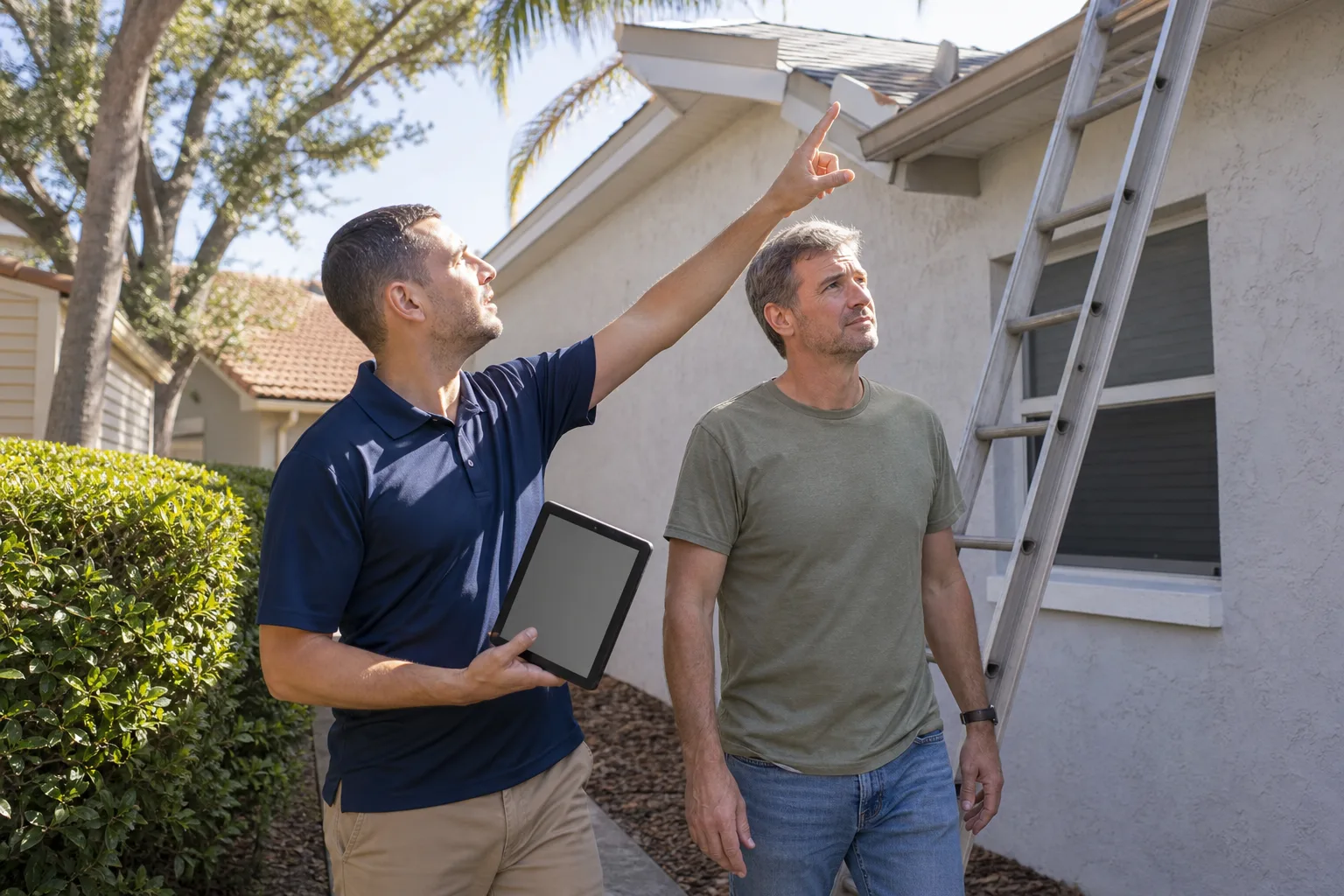
Our technicians make this inspection routine after major storm events in Hialeah because the cost of missing a compromised gasket is far higher than the cost of checking. If you’re not comfortable climbing a ladder or reading the gaskets yourself, we handle it as part of a free estimate visit and provide a written summary of what needs attention.
Hialeah-Specific Failures: Climate, Salt, and Storm Cycles
Hialeah has a particular set of stress factors that make window and door failures faster and more subtle than in other parts of the country. If you’re reading this from a Hialeah home, this is the context that matters most.
Humidity Cycling
Hialeah’s year-round humidity drives constant expansion and contraction in frames, seals, and caulk lines. What holds up for five years in a dry climate needs checking every year here. That doesn’t mean replacing everything annually. It means inspecting annually and repairing the compromised spots before they compromise the wall.
Salt Air Corrosion
The closer you are to Biscayne Bay and the eastern Hialeah neighborhoods, the more aggressive salt exposure becomes. Aluminum hardware, fasteners, and even some sealants degrade faster in the salt zone. Specifying coastal-grade hardware on any replacement is not optional in those areas. It’s a decision that determines whether the window is efficient in year 12 or has already been replaced.
Storm Cycles and Impact Code
Hialeah has been through enough named storms to know what happens when gaskets fail. Impact rated windows and doors are a strong barrier when intact, but the seal and the gasket are the parts a homeowner can’t easily see. Post-storm inspection protects you from the silent seal failure.
The other critical Hialeah concern is local code compliance on any replacement or significant repair. Window and door replacements, especially in a storm-prone zone, require permits and inspection. A contractor who starts work without confirming permit requirements on a Hialeah project is a red flag. Ask any contractor exactly who is pulling the permit and who is responsible for the final inspection. Groundwork Construction Co. of Hialeah pulls permits and stands behind the inspection outcome. We specify products from brands like Andersen and Pella for windows and IKO, Atlas, and Tamko for the roofing work that so often overlaps with these envelope decisions, and we keep the project to a single contractor wherever it makes sense.
Common Mistakes to Avoid
- Caulking over hairline cracks at the frame corner. This hides the movement signal it needs to be read carefully, and it traps moisture. Assess it, then decide whether it’s a frame repair or a full replacement, before booking any caulk work.
- Ignoring a stiff latch in favor of “it still opens.” A latch that no longer engages fully is a water and wind risk. Hialeah storms have a way of finding those weak latches.
- Treating interior humidity as an AC problem. If the humidity is concentrated near a window or door, the source is the envelope, not the air handler. Fixing the seal is the fix.
- Assuming post-storm that “the glass looks fine, so we’re fine.” The gaskets and seals fail without showing on the glass. A 30-minute inspection after any significant wind event catches what the eye misses.
- Skipping the permit on a door or window replacement in Hialeah. Storm zone code requires it, and a future inspection or insurance claim will surface the problem. Insist on a contractor who pulls permits.
- Buying non-coastal-grade hardware for an eastern Hialeah home. The savings at the hardware store cost more in replacements within three seasons.
- Letting daylight go unaddressed for a full year. A gap the size of a credit card becomes a bigger opening over time. Water follows the air that gets through it.
For homeowners considering broader changes that overlap with these repairs, our Fence Installation in Hialeah and Driveway & Pavers in Hialeah teams often coordinate exterior work alongside window and door replacements so a single visit covers more of the exterior envelope.
When to Call a Professional
Some window and door issues are genuinely DIY: tightening a loose strike plate, replacing worn weatherstripping, cleaning and lubricating a track. Others need a trained professional because the failure is structural or because the repair creates water risk if it’s done wrong.
Call a professional if you see any of the following: a corner crack that’s widened or has gotten longer, daylight at a closed door, hardware that’s failing to latch, an interior humidity problem that’s concentrated near a window, a crack in the glass or a cloudy seal, or any damage after a named storm. Also call before a planned exterior renovation or, if you’re weighing an addition, before you finalize plans; our team factors the window and door envelope into every Home Additions & ADU in Hialeah estimate.
Groundwork Construction Co. of Hialeah offers free estimates in Hialeah – call (888) 418-7102 to schedule. Calls are answered by a live person, 24/7, and every job is covered by the 730-Day Done Right Promise. Our technicians have up to 12 years of experience on window and door repair and installation, and our pricing is upfront: the number you see is the number you pay.
See the difference
 Before
 After
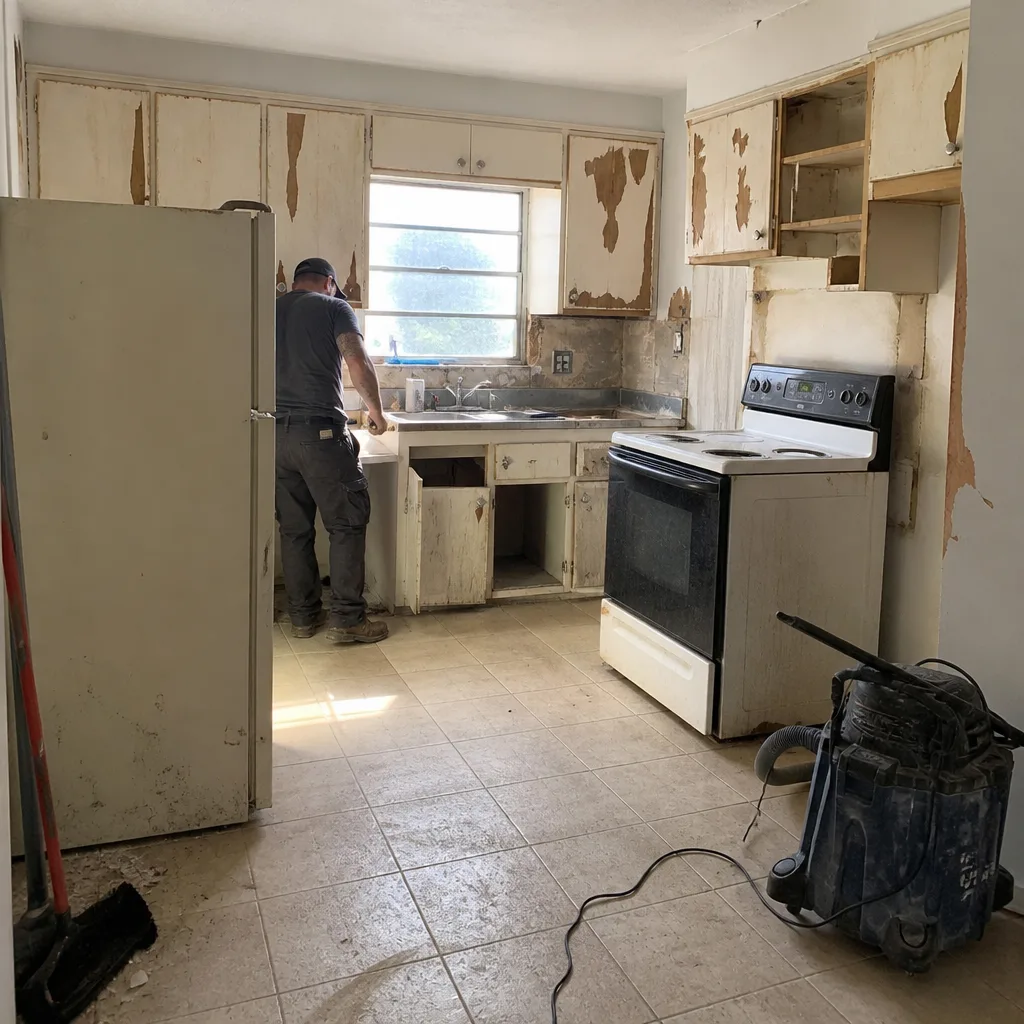 Before
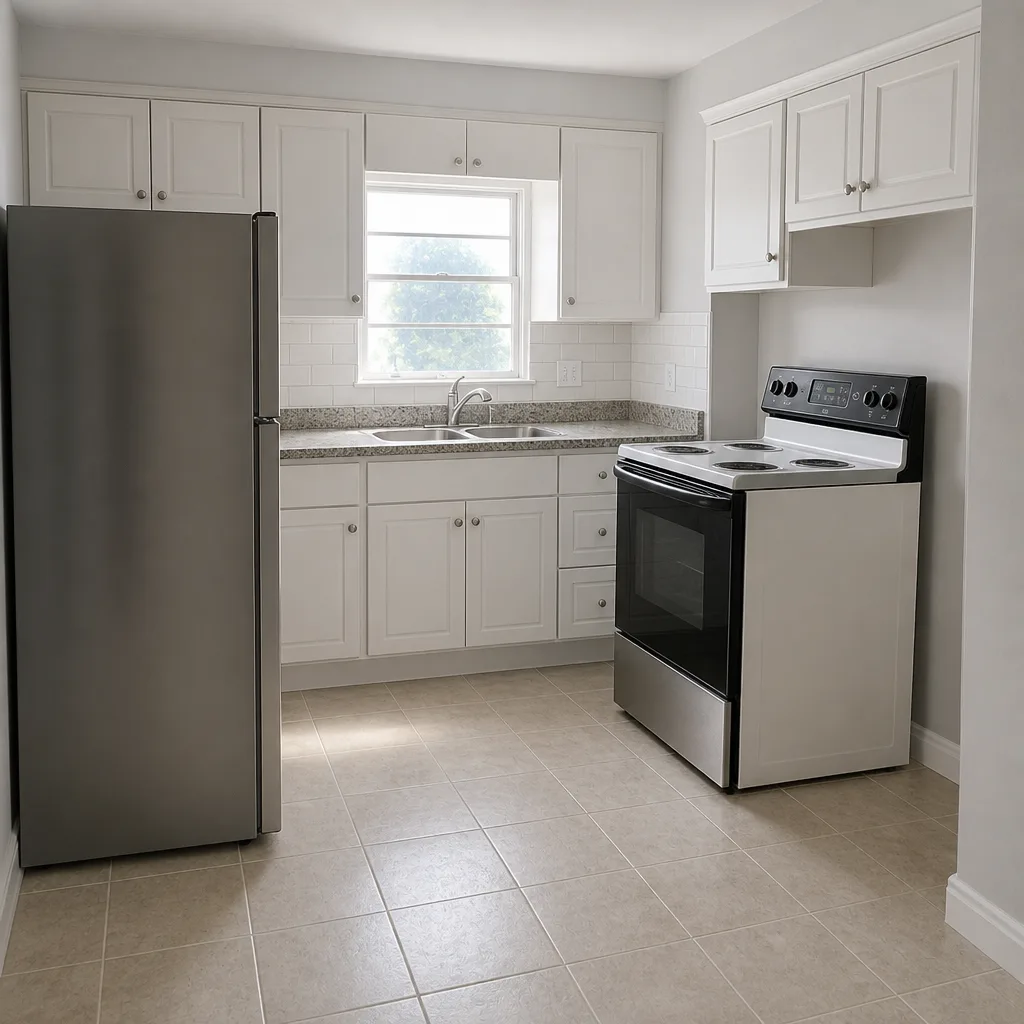 After
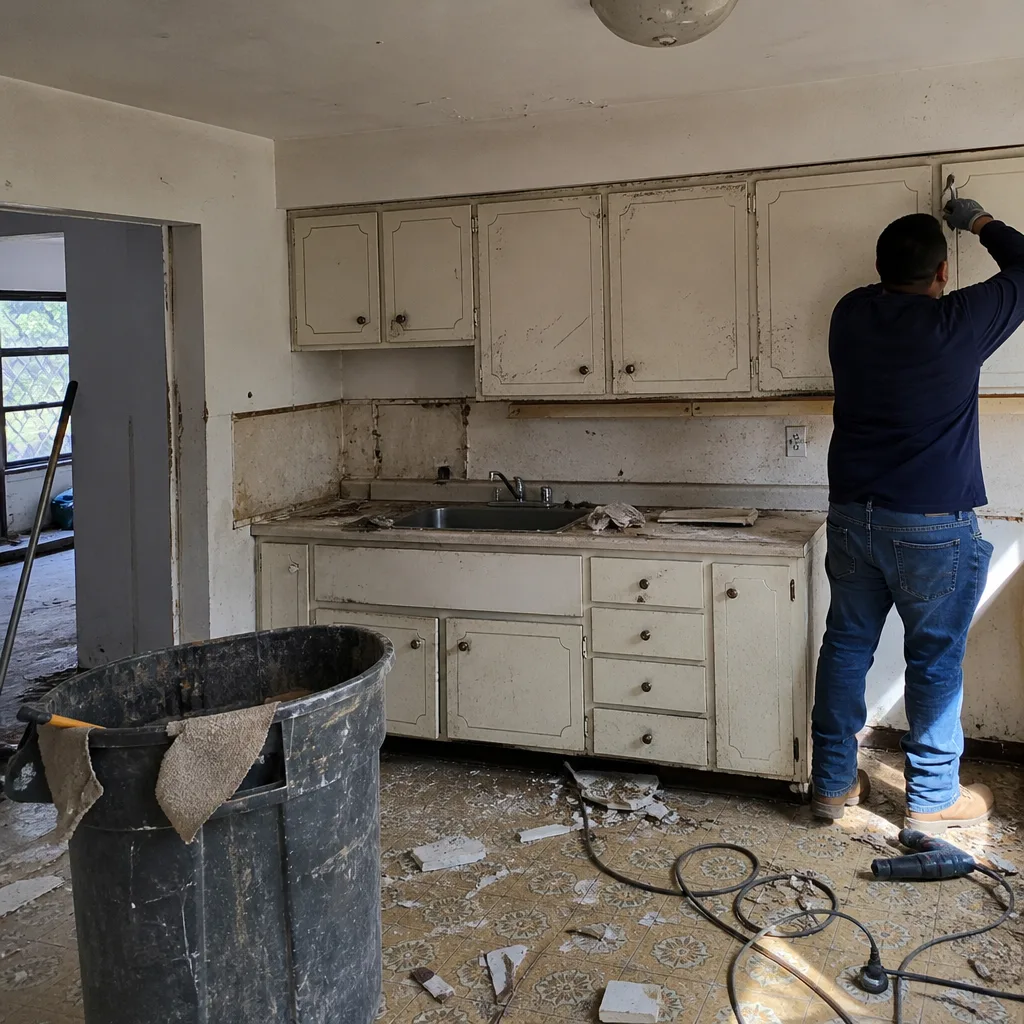 Before
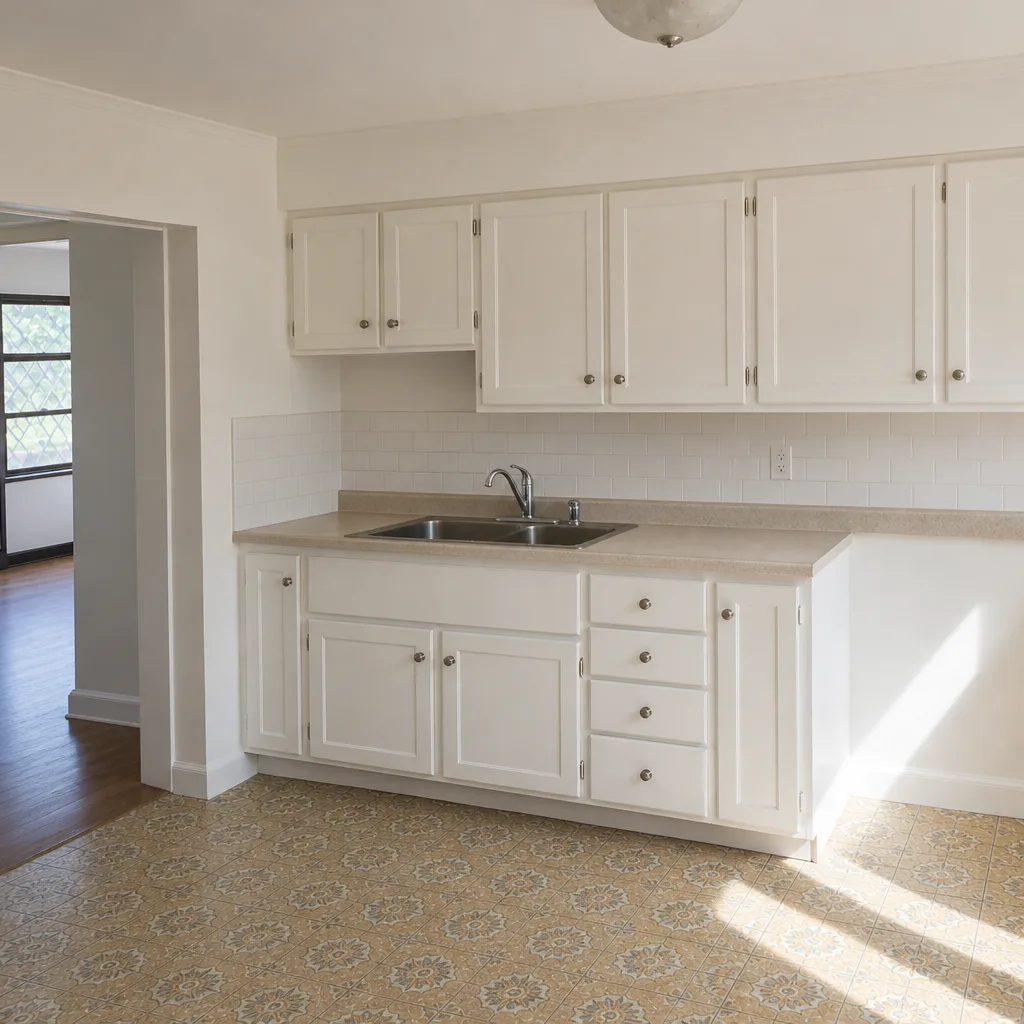 After
Frequently Asked Questions

Window and door repairs in Hialeah typically range from a few hundred dollars for weatherstripping or hardware replacement to several thousand for a full frame repair or corner leak remediation, with the exact cost depending on how much access is required and whether the underlying framing is compromised. A free estimate is the only honest way to narrow that range – call (888) 418-7102 for an exact quote. Most of the recommendations we provide don’t involve a full replacement.
A hairline crack at the window frame is often a structural movement indicator, which means it should be assessed by a professional rather than treated with caulk. The crack itself isn’t the danger. The danger is what the crack is signaling: likely a broken seal that lets water into the wall assembly. Our team can read the crack pattern and determine whether it’s routine movement or a larger concern in a single visit.
Condensation on the inside of the glass usually means the sealed glass unit has lost its thermal seal and needs replacement. Condensation on the frame, sill, or wall next to the window means the installation is leaking air and moisture. Two different problems and two different repairs – both are worth an assessment before Hialeah’s rainy season.
No. Daylight at a closed door frame means the weatherstripping or threshold has failed and both air and water can get through. Waiting increases the risk that water damages the threshold or frame. Call (888) 418-7102 for an assessment and a written estimate before the next significant storm.
Yes, window and door replacements in Hialeah generally require permits and a final inspection, especially with impact-rated units in a storm zone. Reputable contractors pull the permits and coordinate inspection. Ask any contractor working in Hialeah who is pulling the permit before work begins.
Inspect the glass, seals, gaskets, and frame perimeter after any significant wind event, not just the glass itself. Gaskets and seals can fail without visible glass damage, and that’s where water intrusion starts. Our team performs a professional post-storm envelope inspection as part of a free estimate visit, and we recommend it before any storm season in Hialeah.
Most window and door replacements are completed in a single visit, and larger projects span several days depending on the number of units, the permit timeline, and the state of the existing frame or wall assembly. We give you the timeline in writing before work begins, and the 730-Day Done Right Promise covers every project we finish.
The Bottom Line
The window and door failures that cost Hialeah homeowners the most money are the ones that stayed quiet until a storm or an inspection made them obvious. Corner cracks, indoor humidity near the glass, stiff hardware, daylight at a door frame, and missed post-storm inspections are the signals to act on now, not next season. One rule covers it all: if you can read the signal, you can prevent the wall cavity repair. Call (888) 418-7102 for a free estimate and a clear written plan. We bring upfront pricing, permits handled properly, and the 730-Day Done Right Promise to every window and door job in Hialeah.
For broader exterior work that overlaps with window and door repairs, our Hialeah team coordinates across services so you’re not hiring three contractors for one envelope. Learn more at the Groundwork Construction Co. of Hialeah home page, or explore Driveway & Pavers in Hialeah, Fence Installation in Hialeah, or Home Additions & ADU in Hialeah if the project is expanding beyond the envelope. Call (888) 418-7102 today to schedule your free estimate – the number you see is the number you pay, and the 730-Day Done Right Promise is in writing on every job.
Written by the team at Groundwork Construction Co. of Hialeah.