




Free written scope consultation - allowances, timeline, and change-order rules on paper before a single trade is scheduled
Styles & brands we work with
- Kitchen remodeling
- Bathroom remodeling
- Home additions & ADU
- Roofing
- Windows & doors
- Driveway & pavers
- Fence
See the difference
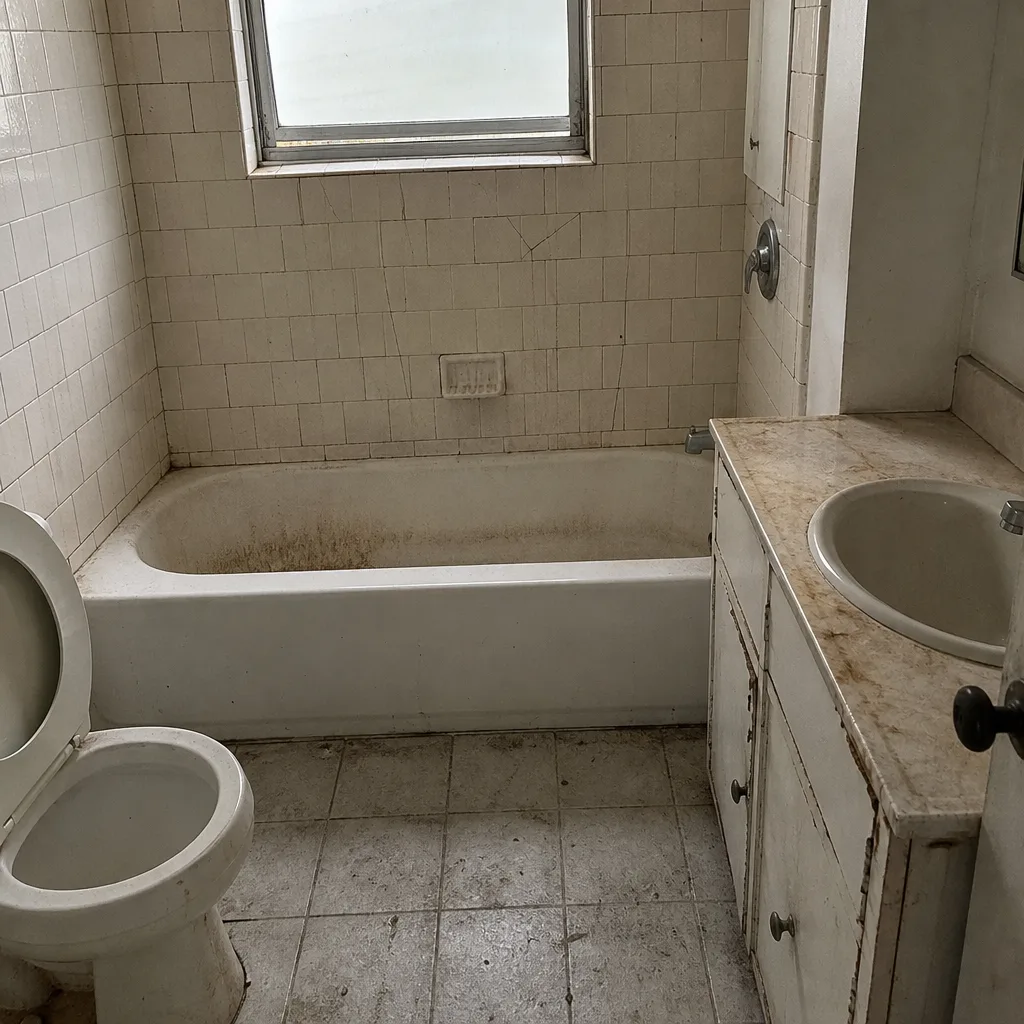 Before
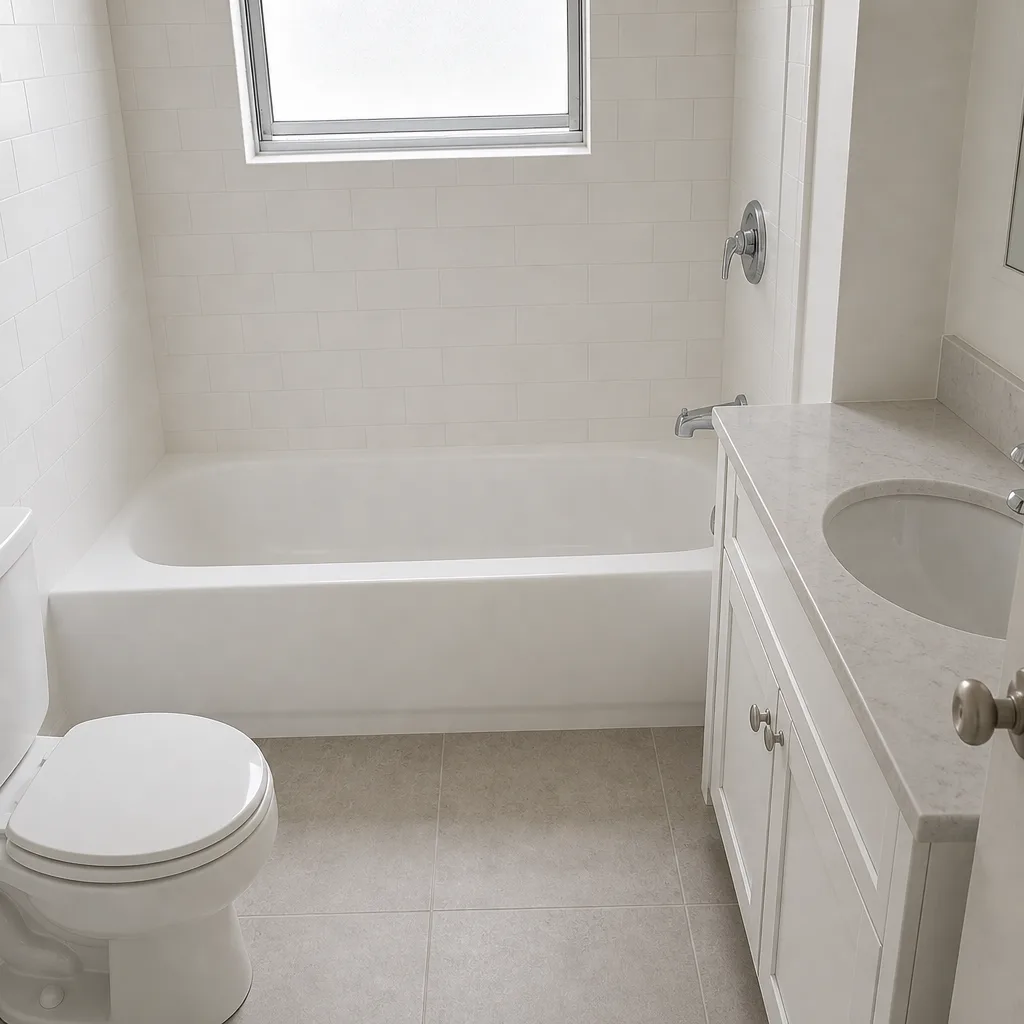 After
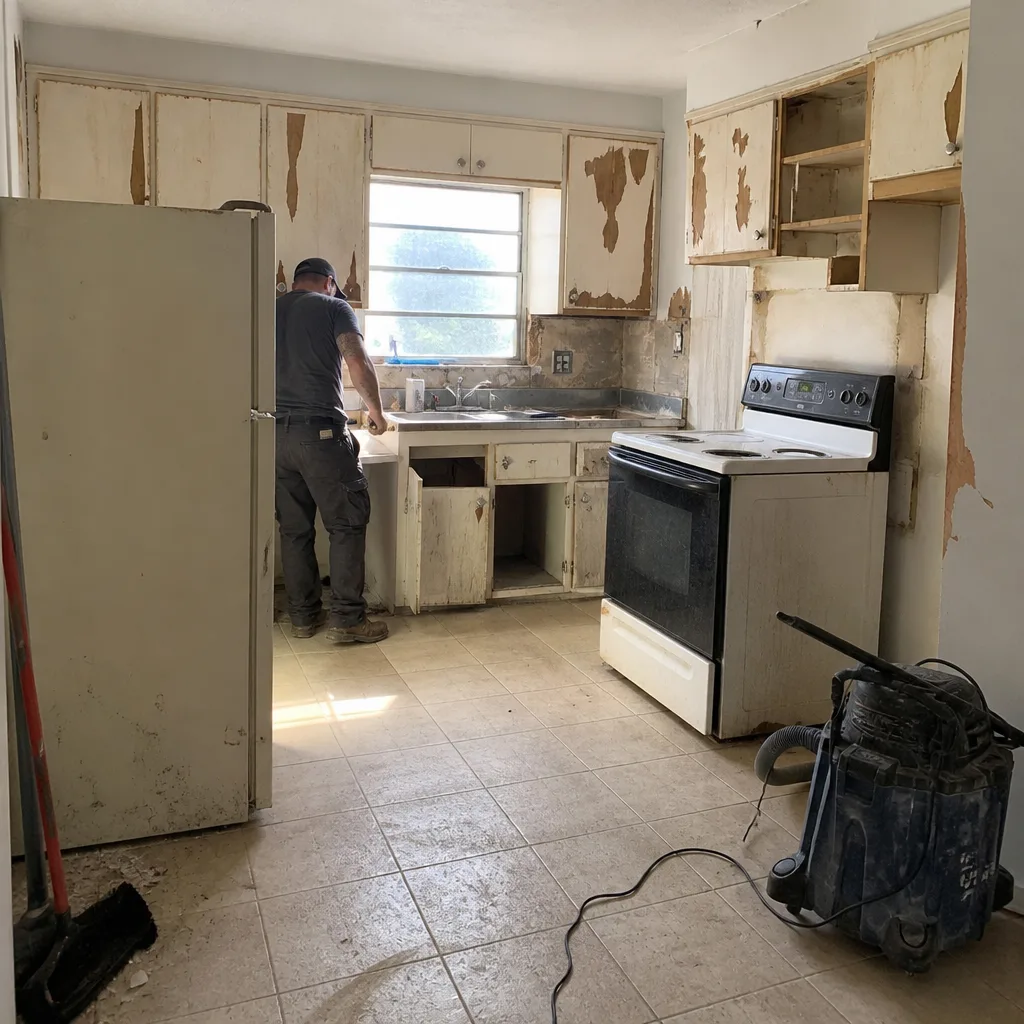 Before
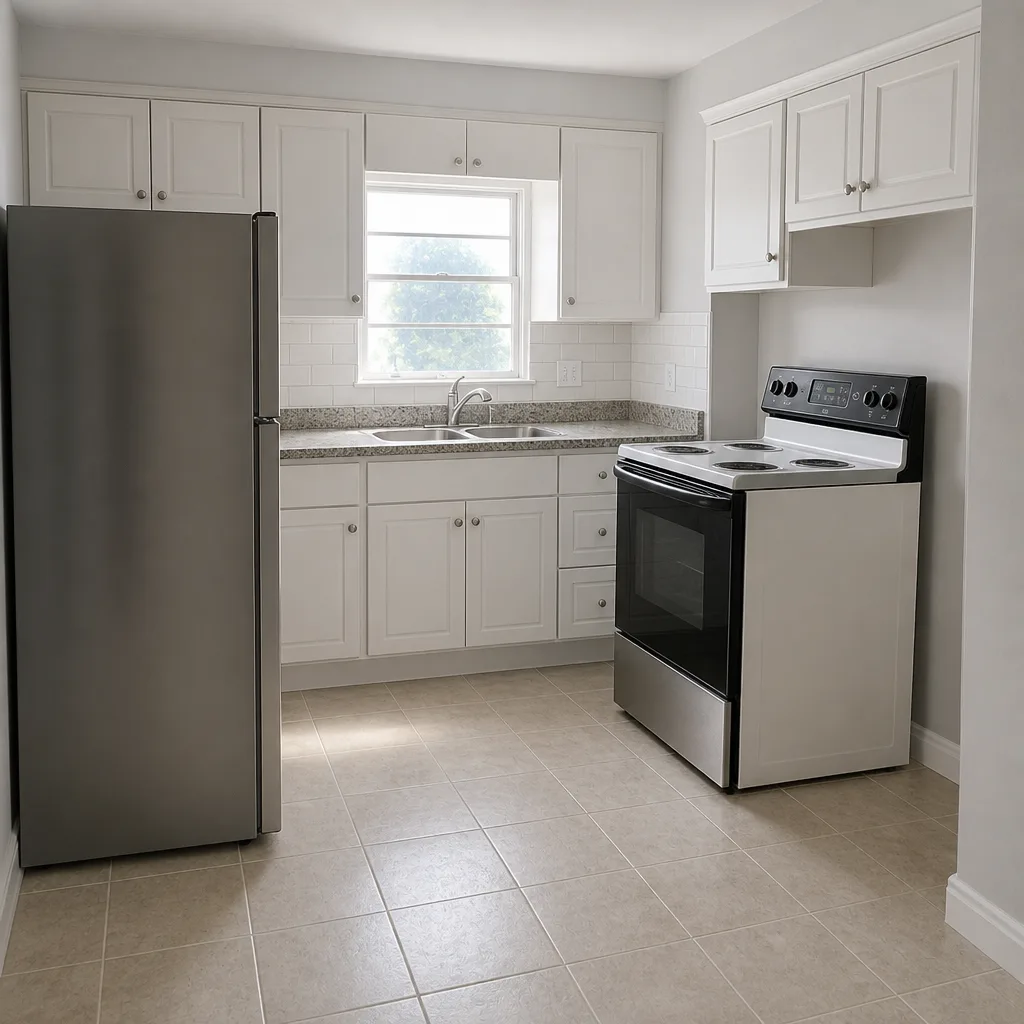 After
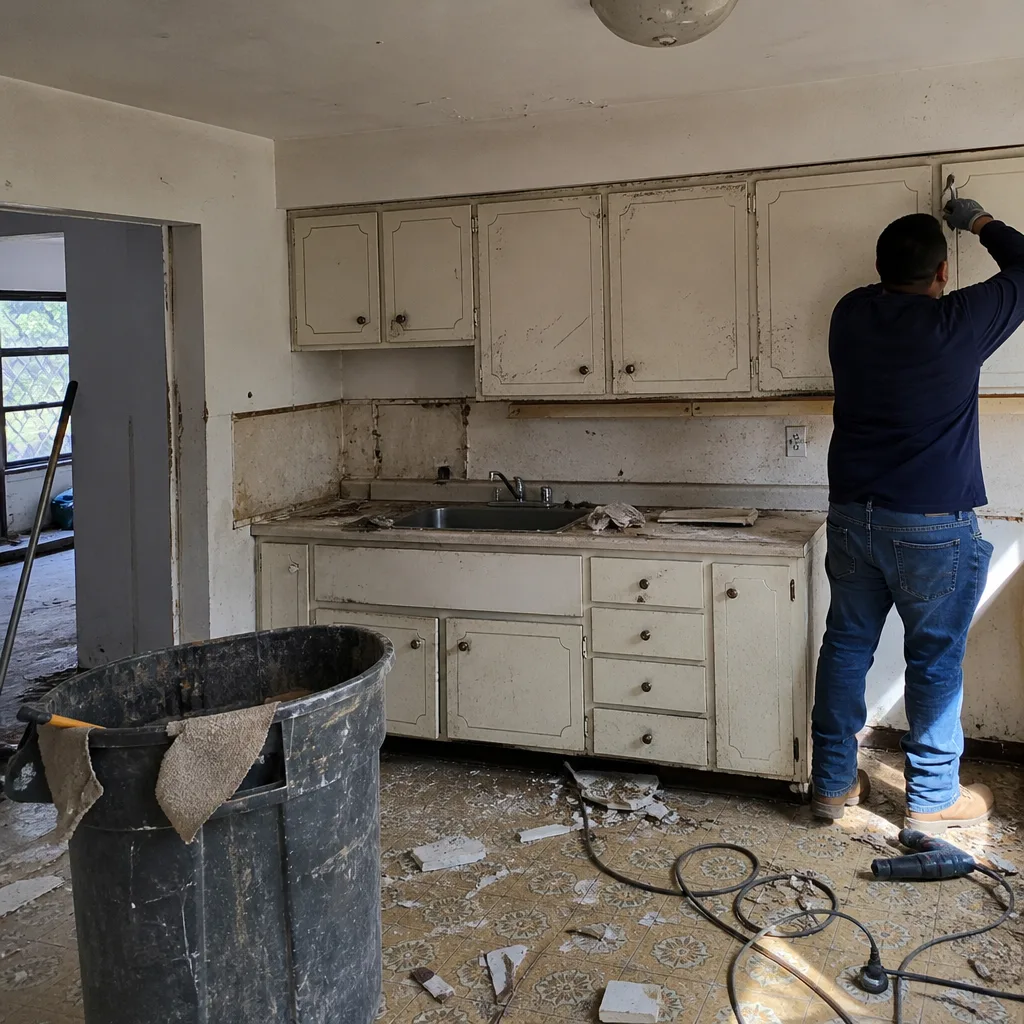 Before
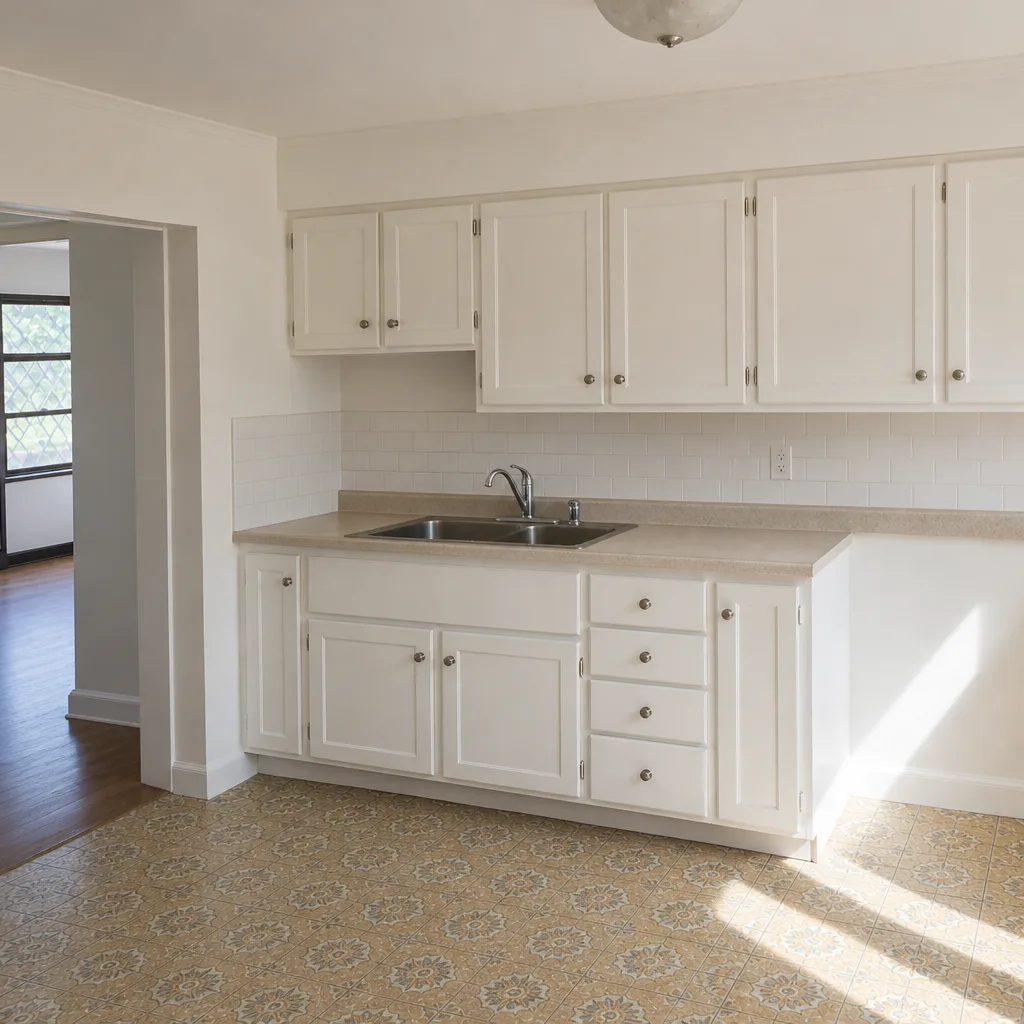 After
How to Find a Roof Leak in Hialeah, FL: Start at the Highest Point, Not Above the Stain
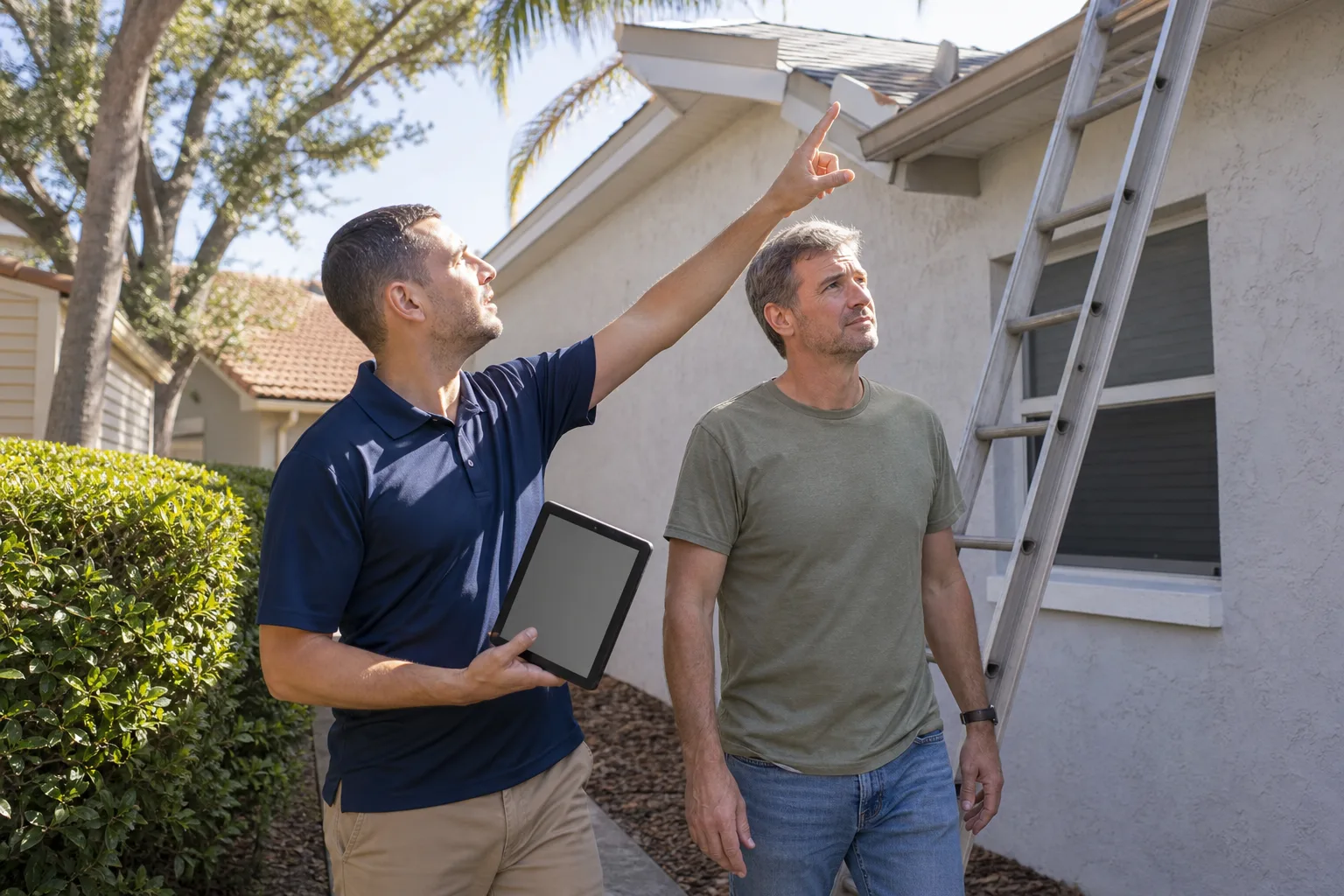
On a Hialeah CBS home, finding a roof leak means starting at the highest point water can enter – the parapet cap flashing, the AC curb seams, and the pipe penetration pitch pockets – not at the ceiling stain. Water enters at those points, runs sideways inside a hollow concrete block wall or under the slab edge, and surfaces 10 to 15 feet away. So the “look directly above the stain” rule that works on a gable roof fails completely on a flat or low-slope Hialeah roof. If you’d rather hand the tracing to someone who does it weekly, call Groundwork Construction Co. of Hialeah at (888) 418-7102 and we’ll walk the roof with you.
Most of Hialeah’s housing stock went up between the 1950s and 1970s: single-story concrete block and stucco with flat or low-slope roofs, many of them expanded informally with carports, rear rooms, or converted garages. That combination – block walls, slab edges, and improvised additions – is why leaks here behave nothing like they do on a pitched-roof home in a newer suburb.
- Direct answer: a ceiling stain tells you where water exits, not where it enters.
- Where to look first: parapet cap, AC curb, pipe boots and pitch pockets.
- Why it matters: water can travel 10-15 feet laterally inside hollow block before it shows.
- When to stop the DIY step: if the hose test produces water inside, that’s a repair, not a project.
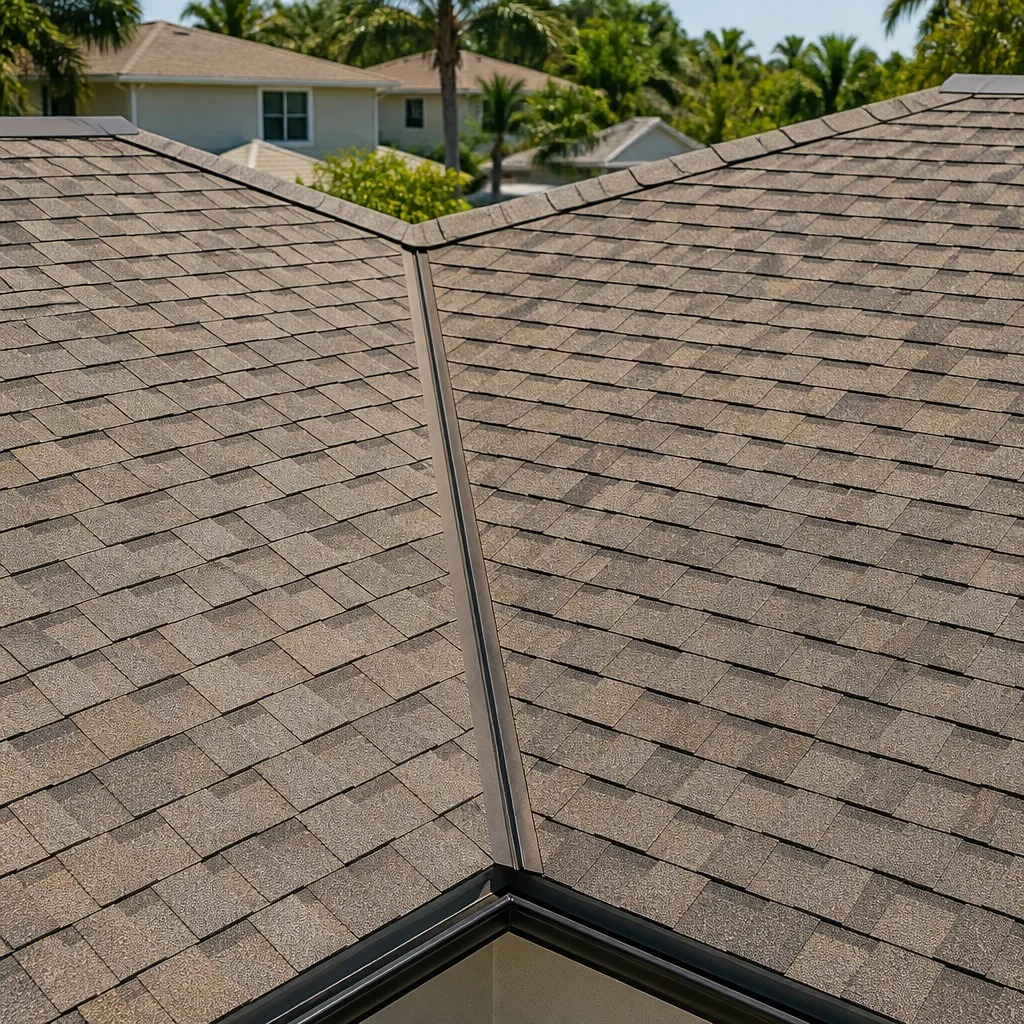
Why the Leak Isn’t Above the Stain on a Hialeah Flat-Roof Home
Water on a flat roof doesn’t fall straight down. It follows the low side of the slope, finds the nearest seam or penetration, and gets inside the assembly. From there it can run along the top of the slab, travel inside a hollow concrete block course, or track under the stucco to a joint far from the entry point. When it finally finds a gap at the ceiling drywall, you get a stain 12 feet from where the water actually came in.
That’s the physics behind the flattened, spread-out leaks Hialeah homeowners describe: a wet patch by the living room wall during a storm, and a roof that looks perfectly intact when you stand in the yard. We see it constantly in older CBS homes where the roof-to-wall tie-down retrofits required under Miami-Dade’s post-Hurricane Andrew code meet a flat roof and a stucco wall – the wall itself becomes part of the water path.
Where Do Hialeah Roof Leaks Actually Start?
On flat and low-slope Hialeah roofs, we check the same handful of spots in the same order, every time. These are the entry points, in rough order of how often we find them:
- Parapet cap flashing. The cap at the top of the wall takes direct rain and wind-driven water. Lifted or cracked cap flashing lets water run behind the wall and down through the block.
- AC unit curb seams. A rooftop condenser sits on a framed curb with seamed edges. The seams and the curb-to-membrane junction fail first.
- Pipe penetration pitch pockets. Vent stacks and plumbing penetrations are sealed with pitch pockets and boots. Those age out faster than the field membrane.
- Membrane seams and drains. Seams that lift and drains that clog from storm debris.
- The addition roof junction. On expanded homes, the tie-in between the new roof and the original roof – see below, because this is the one that catches most people.
When we get into a real repair, the membrane and flashing materials here are GAF or CertainTeed systems – components that match the existing assembly rather than a generic patch. That matters on a flat roof because a mismatched repair almost always becomes next season’s leak.
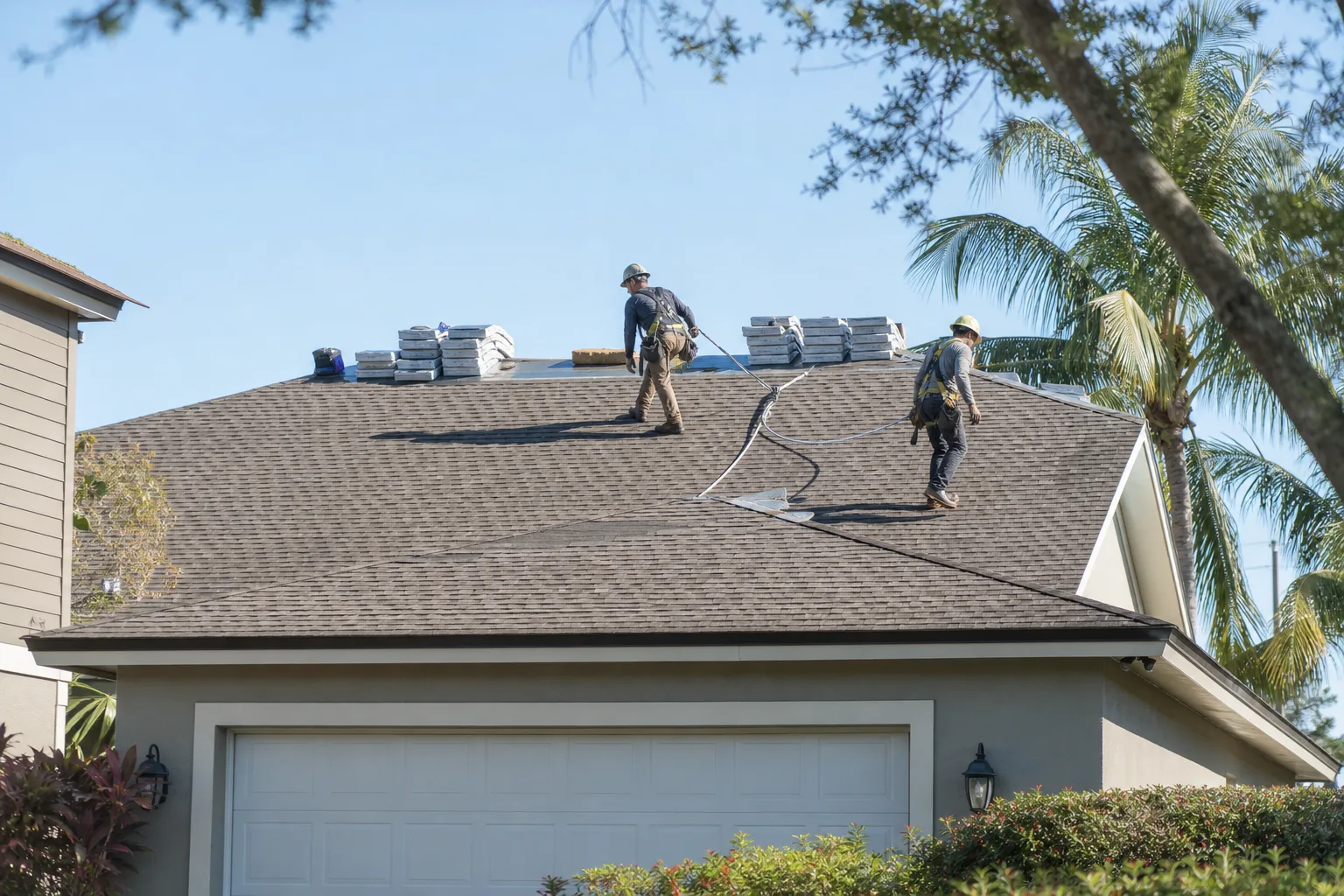
The Hose Test That Beats a Visual Inspection
A flat roof reveals nothing from eye level. You can stand under it, look at it, and learn almost nothing about where water is getting in. So the diagnostic step that actually works is a controlled hose test – done safely, from the ground.
After a dry spell, run a garden hose at one penetration at a time for about 10 minutes – the AC curb, a vent pipe, then a parapet corner – while a second person watches the ceiling inside. Then move to the next point. When water shows, you know exactly which penetration is responsible, not just the general area.
A safety note before you do anything up there: rooftop AC units, roof-level electrical, and ladder work are not DIY territory. A hose test from the ground is safe; climbing onto a low-slope roof and probing near a live condenser or a parapet that needs structural checking is not. If you have any doubt about the roof surface or the ladder, stop and let a trained professional take it from there.
Why “It Only Leaks in Heavy Rain” Changes the Diagnosis
This is the diagnostic detail almost no generic guide will tell you, and it matters enormously in Hialeah. A leak that shows up only during the heavy June-to-August downpours but stays dry during lighter showers is almost always a low-volume ponding failure – a slow membrane seam, a partially clogged drain, or a low spot holding water. It is a water-management problem, not a flashing failure.
A leak that appears during any rain at all, light or heavy, is a penetration failure – the water is finding an open path at a curb, boot, or pitch pocket. Those two situations get different repairs. Misdiagnose them and you’ll pay twice: once for the patch that doesn’t fix it, then again for the repair you should have done first.
The summer wet season drives a spike in Hialeah roof calls every year. Year-round humidity and heavy rain also crack stucco and trap moisture in unventilated additions, which is why we treat the roof and the wall envelope as one system rather than two separate trades.
The Addition Roof Junction: Hialeah’s Hidden Leak Source
Here’s the one we see over and over on Hialeah homes with a rear addition, and it’s the #1 leak source on those homes. Many of these additions were built informally, and where the addition roof meets the original roof, the junction is often sealed with nothing more than caulk or surface-applied asphalt cement – not an integrated flashing system.
That caulk junction fails, water gets behind the addition roof, and the leak shows up inside the house near the wall line. It is invisible from ground level, so no amount of looking from the yard will find it. If you’re chasing a leak on a home with a rear room, a converted garage, or an added second story, this junction is where to start – and it’s a rebuild, not a caulk refresh.
Before any of that work, though, there’s a step most homeowners don’t know about: an as-built survey. If the leak is near an unpermitted addition, we document the existing condition before we touch a repair – the roof structure, the wall connections, what’s actually built – so a repair permit doesn’t suddenly flag pre-existing code deficiencies that were already there when you bought the house. Our technicians have up to 12 years of experience and background-checked, uniformed pros arrive on every job, so you know who’s on your roof.
When a Leak Is Worth Repairing vs. Replacing
Most roof leaks we see in Hialeah fall into the repair range; a full replacement becomes the right call when the membrane is past its life or the deck underneath has taken on water. Here’s how the numbers run in this market:
| What’s needed | Typical Hialeah range |
|---|---|
| Roof repair (single leak, flashing, pitch pocket) | $400 – $1,800 |
| Tile roof repair | $600 – $2,500 |
| Full roof replacement | $8,000 – $20,000 |
| Metal roof installation | $15,000 – $40,000 |
We give you the number up front, so there’s no surprise on the invoice – and the work is covered by our 730-Day Done Right Promise. If it’s not done right, we make it right. Learn more about the full scope of what we handle on our Roofing page, or take a wider look at how we work across the Hialeah service area and our home base.
FAQs
Yes, up to a point – a careful hose test at each penetration, run from the ground while someone watches the ceiling, is a legitimate DIY diagnostic step that narrows down where water is entering on a flat Hialeah roof. What you shouldn’t do yourself is climb onto a low-slope roof, work near a rooftop AC condenser or roof-level electrical, or pry up flashing to probe. Once the hose test points to a penetration, a trained roofer should open the assembly and repair it.
Because on a Hialeah CBS home the water entered somewhere else entirely – a parapet cap, an AC curb, or a pipe pitch pocket – and traveled sideways through the hollow block or under the slab edge before it surfaced at your ceiling 10 to 15 feet away. The stain is the exit point, not the entry. That’s almost always why the roofer you call starts at the high side of the roof, not above the stain.
Most Hialeah roof repairs run $400 to $1,800 for a single leak, flashing fix, or pitch pocket rebuild, while tile roof repair runs $600 to $2,500, and a full roof replacement runs $8,000 to $20,000. The exact figure depends on what the hose test and inspection actually find – and our Upfront-principle holds: the number you see is the number you pay. Call (888) 418-7102 for an exact quote – estimates are free.
We answer the phone with a live person 24/7, so call (888) 418-7102 and we’ll get a real assessment scheduled, with same-day availability on active leaks when we can fit it in. The sooner it’s traced, the less chance the water reaches the deck and the drywall. Free estimates are part of the deal.
Ready to Stop Chasing the Stain?
If you’d rather have it looked at, Groundwork Construction Co. of Hialeah offers a no-pressure assessment in Hialeah – we trace the entry point, tell you repair or replace with a straight number, and back the work with our 730-Day Done Right Promise. Call (888) 418-7102 to get started.
Written by the team at Groundwork Construction Co. of Hialeah, serving Hialeah, FL.