


Free written scope consultation - allowances, timeline, and change-order rules on paper before a single trade is scheduled
Styles & brands we work with
- Kitchen remodeling
- Bathroom remodeling
- Home additions & ADU
- Roofing
- Windows & doors
- Driveway & pavers
- Fence
See the difference
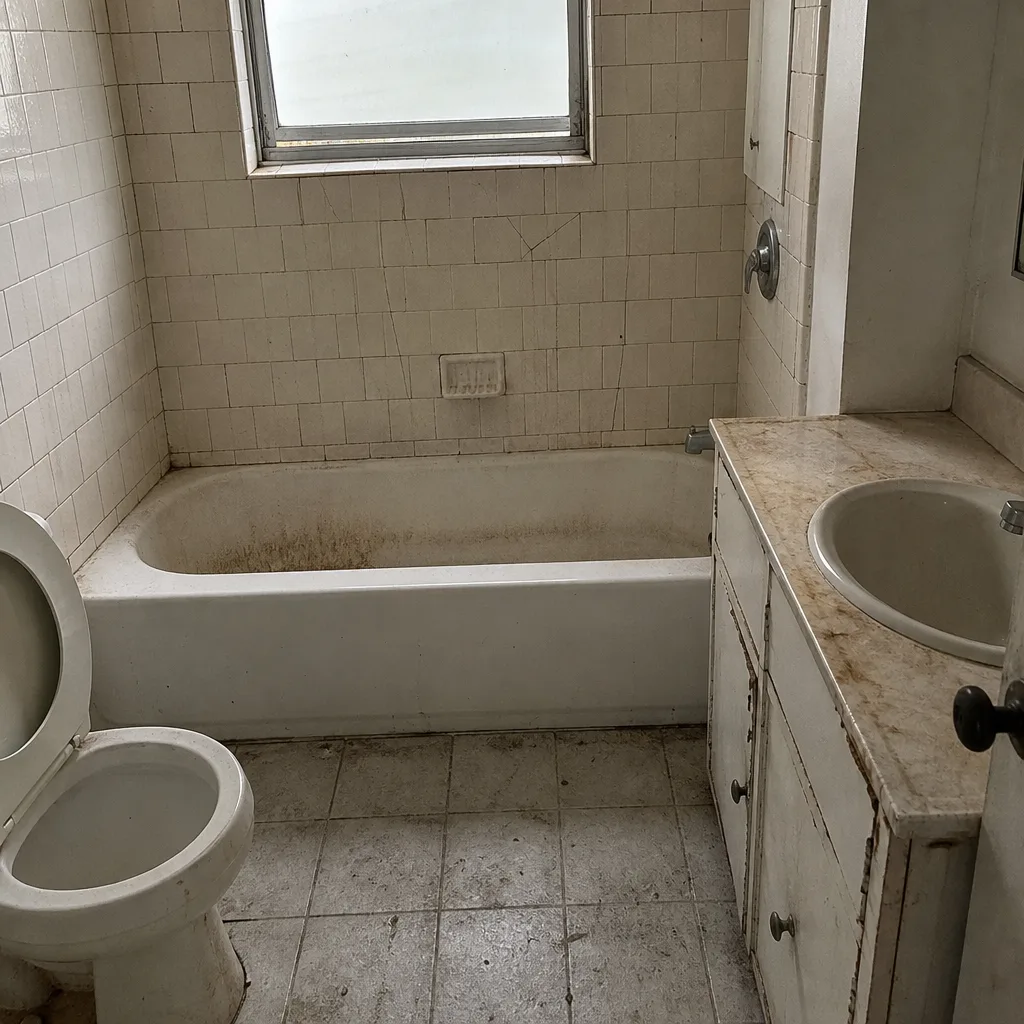 Before
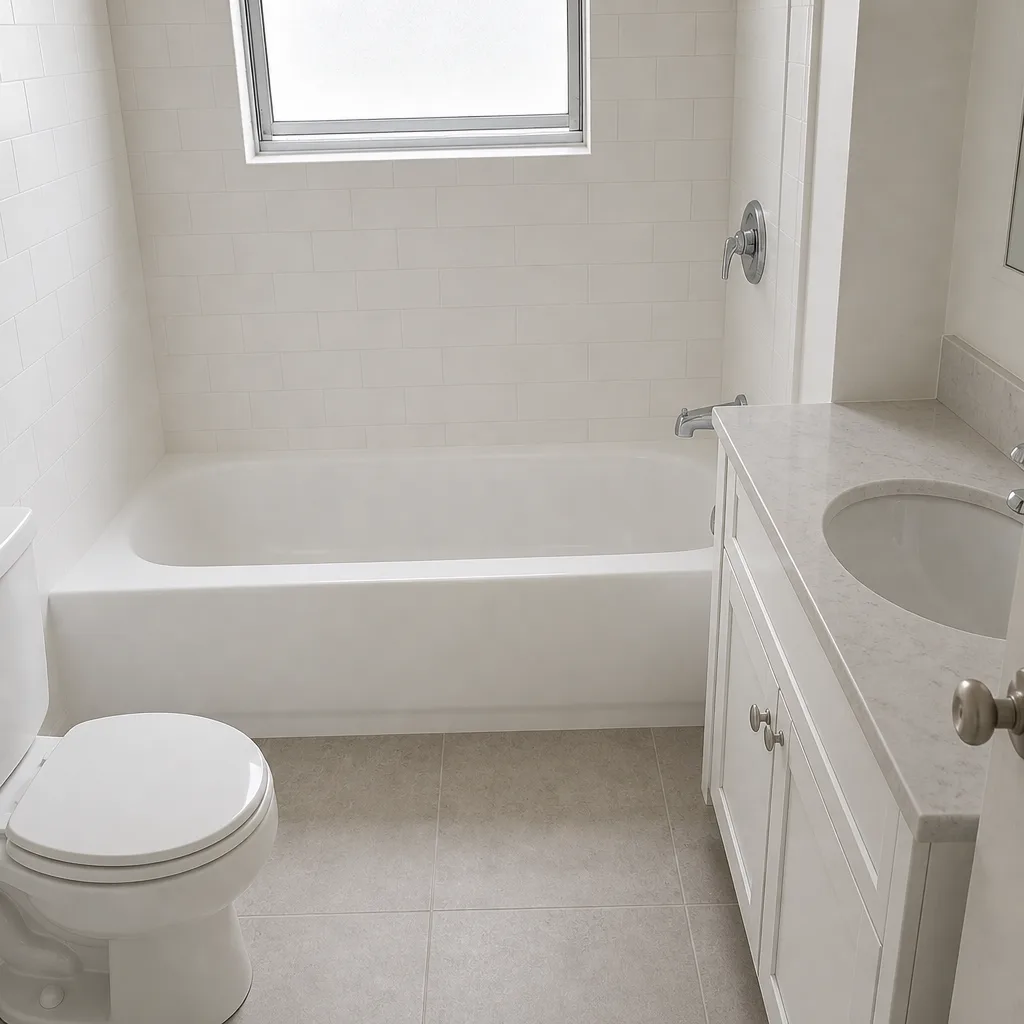 After
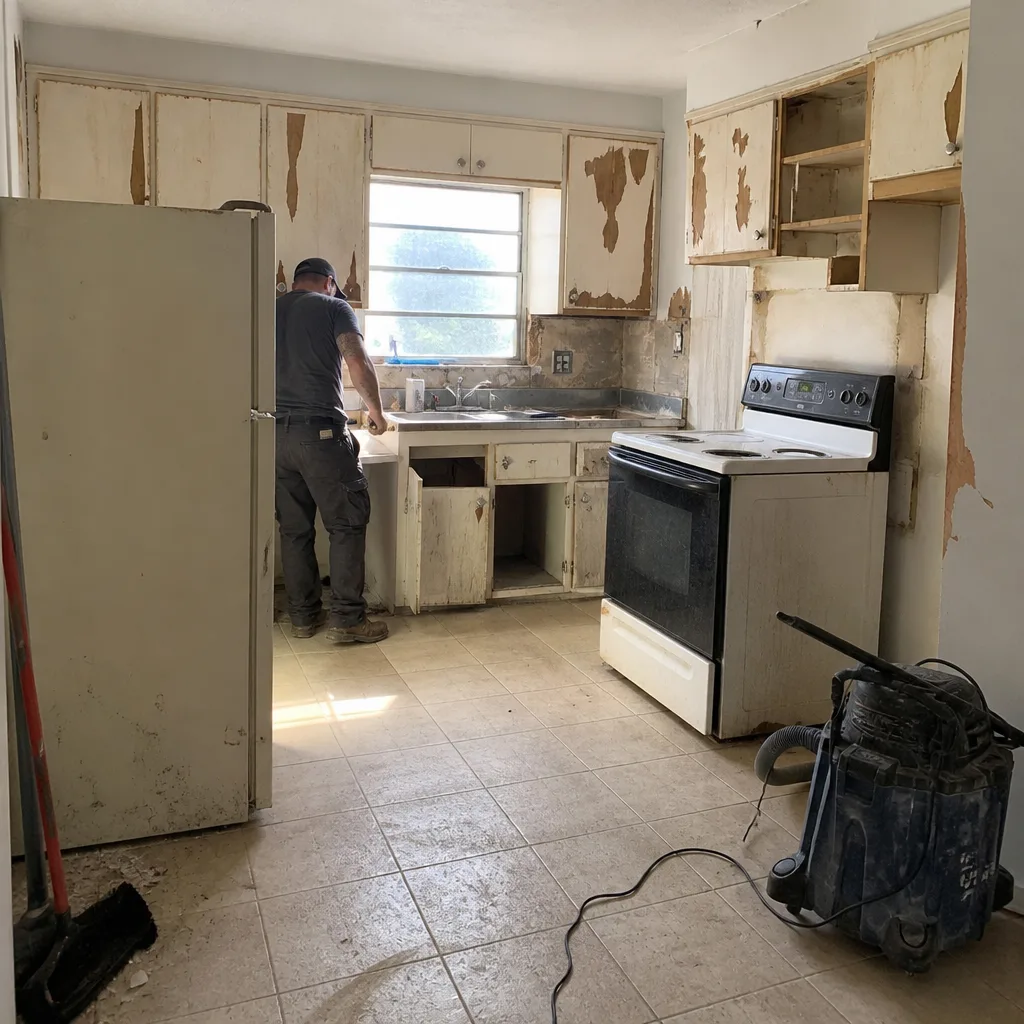 Before
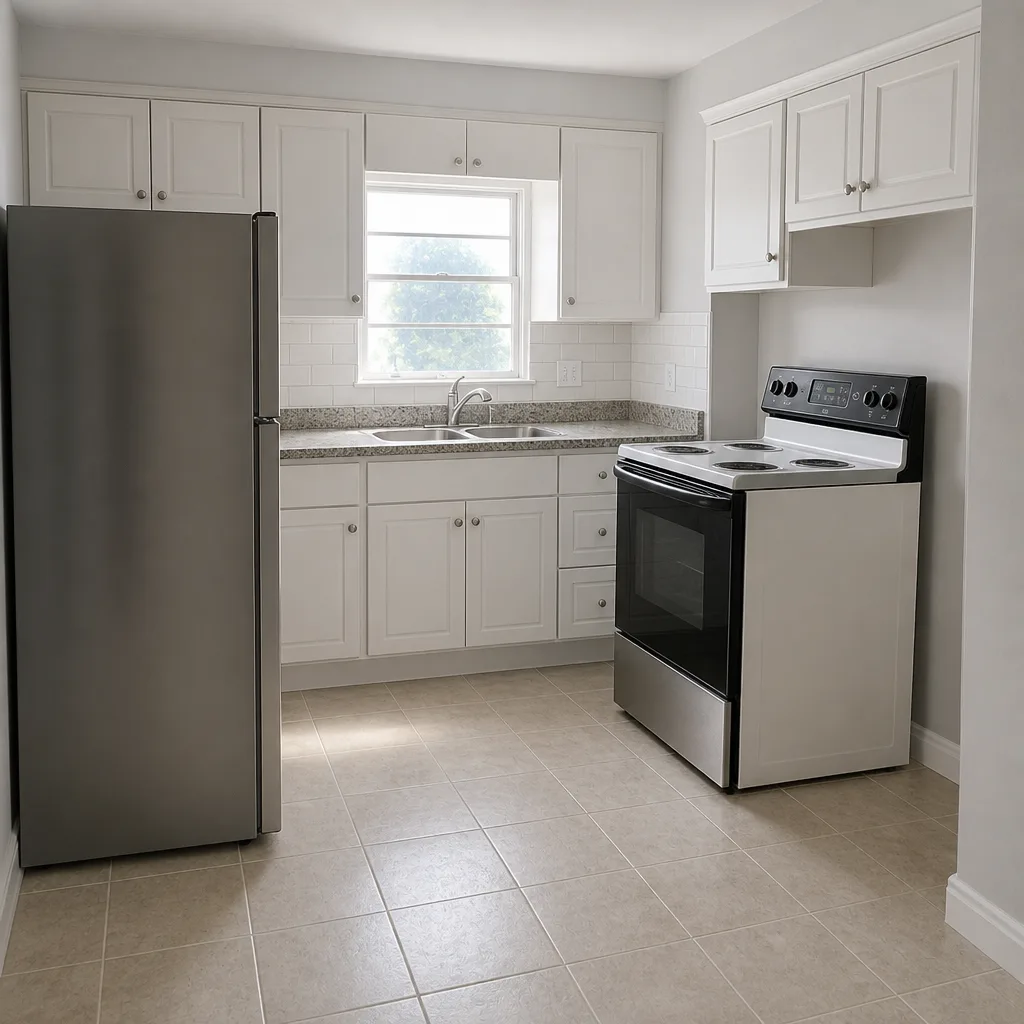 After
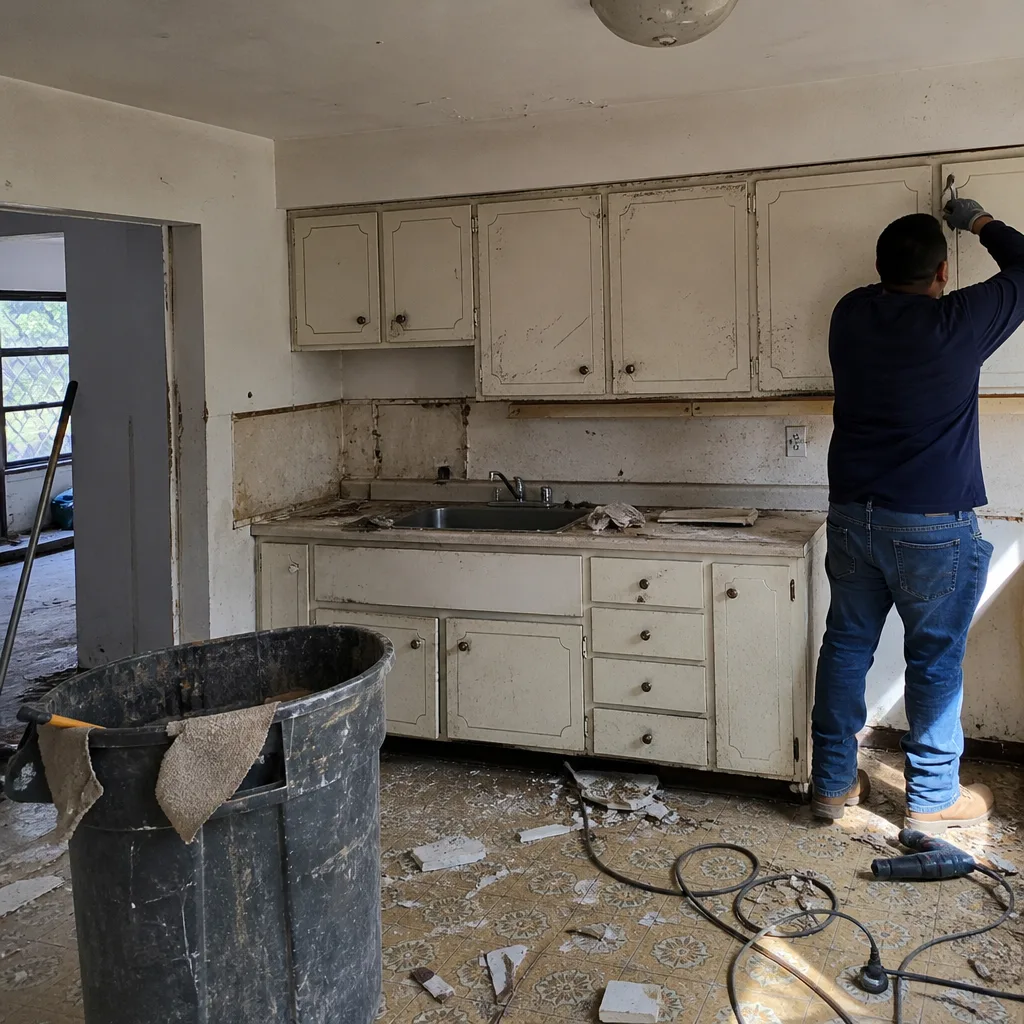 Before
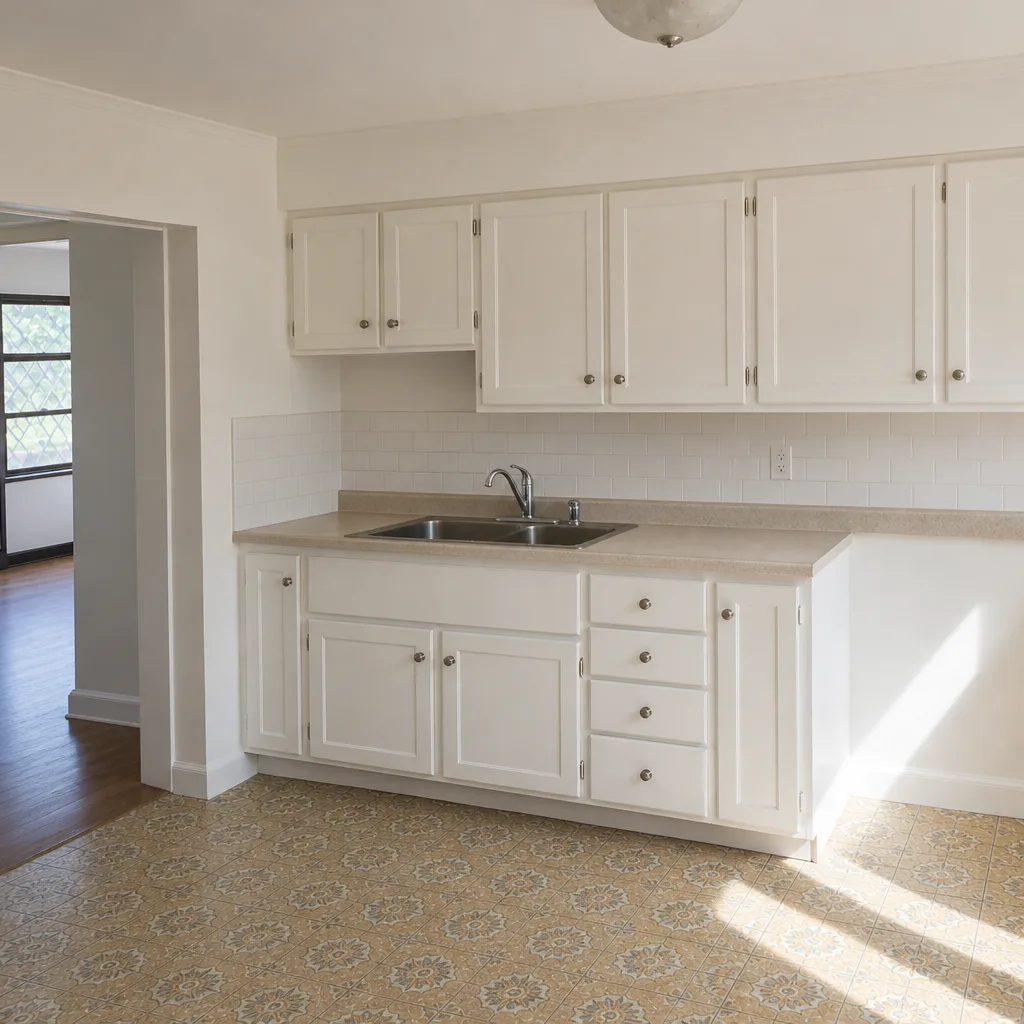 After
Roof Hail Damage Signs in Hialeah, FL: What to Look For Before an Adjuster Says No
The clearest roof hail damage signs in Hialeah are randomly scattered patches of missing granules in a spatter pattern, soft spots that give under hand pressure, and hairline cracks at the nose or pan of concrete roof tiles. Hail here rarely leaves the big dents and craters Midwest adjusters train on. That gap is exactly why so many Hialeah hail claims get denied. If you suspect your roof took a hit, call (888) 418-7102 and we’ll document it before the evidence fades.
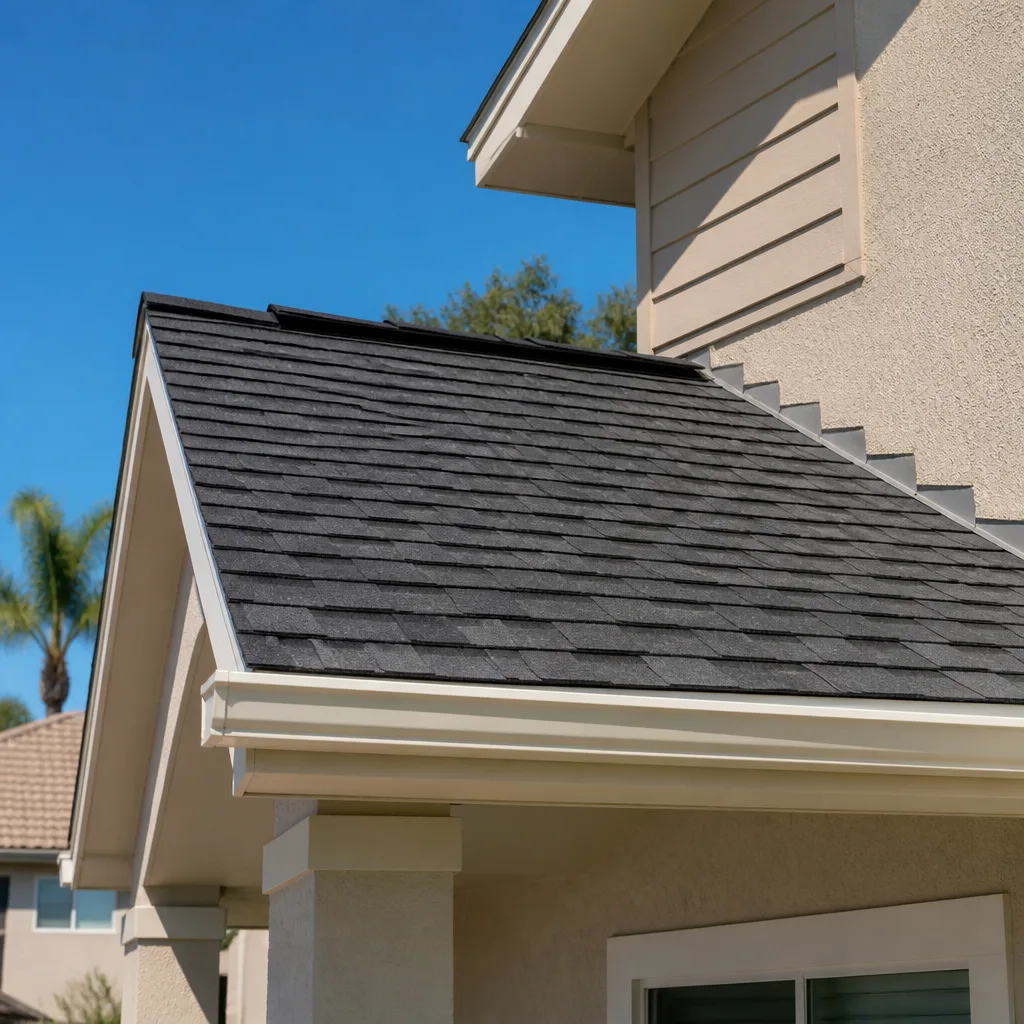
Florida hail is not Texas hail
The quarter-sized stones that crater Midwest shingles are rare in South Florida. Hialeah hail storms typically throw marble-to-dime-sized ice at high velocity. Smaller, faster, and much harder to see from the ground. That means the damage is subsurface bruising on your shingles. The roof looks fine on a walk-around. Then it fails within 18 months, and by the time you file, the impact patterns have weathered away.
This is the heart of the problem. Insurance adjusters carry a mental checklist built on Midwest damage: large dents, torn mat, cracked shingle edges. When they climb a Hialeah roof in a 1950s-1970s CBS home with a low-slope architectural shingle field and see none of that, the claim gets flagged. What they’re missing is the bruising pattern and the granule displacement that only shows up under close, physical inspection.
What to look for on Hialeah roofs (comparison guide)
Different roof types fail differently under Florida hail. Here’s how the signs break down, side by side, for the housing stock you actually see across Hialeah.
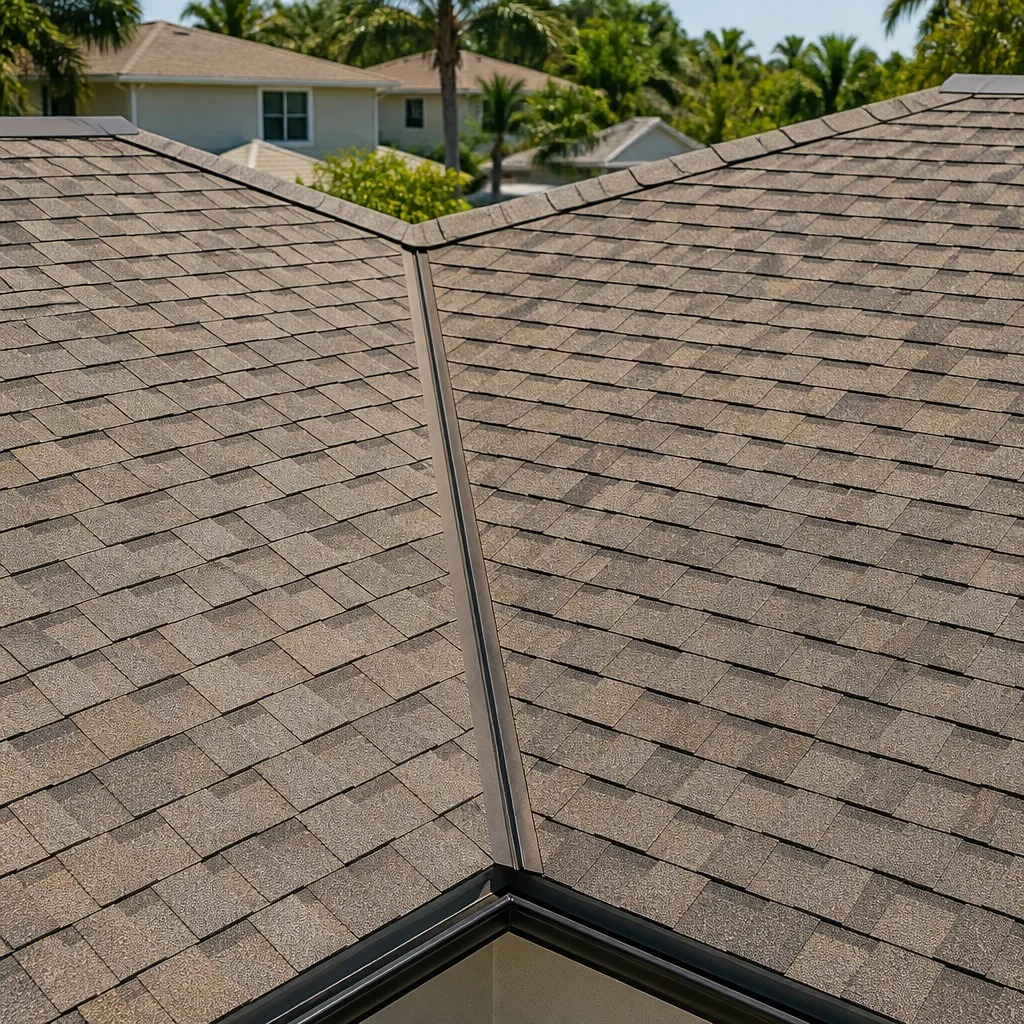
- Architectural asphalt shingles (HVHZ-rated): Look for random granule displacement in a spatter or shotgun pattern, not the uniform loss you get from ordinary weathering. Press with your hand on the suspect area. A soft, spongy spot is bruised mat, and bruised mat is a claim.
- Concrete tile roofs: Hail shows as hairline cracks at the nose of the tile or along the pan, almost invisible from street level. One wet season lets water in, thermal cycling freezes and opens the crack, and a small chip becomes a roof leak. A rubber mallet tap test reveals the dead tiles by sound.
- Metal roofs: Dimpling and loosened fasteners around the impact zone. More cosmetic than catastrophic, but worth documenting.
- Flat and low-slope roofs: Punctures in the membrane and lifted seams at the flashing. These let in summer wet-season rainwater fast.
None of this is visible from the ground or through a drone at typical resolution. We physically hand-check every roof after a storm event. That’s the difference between a documented claim and a denial.
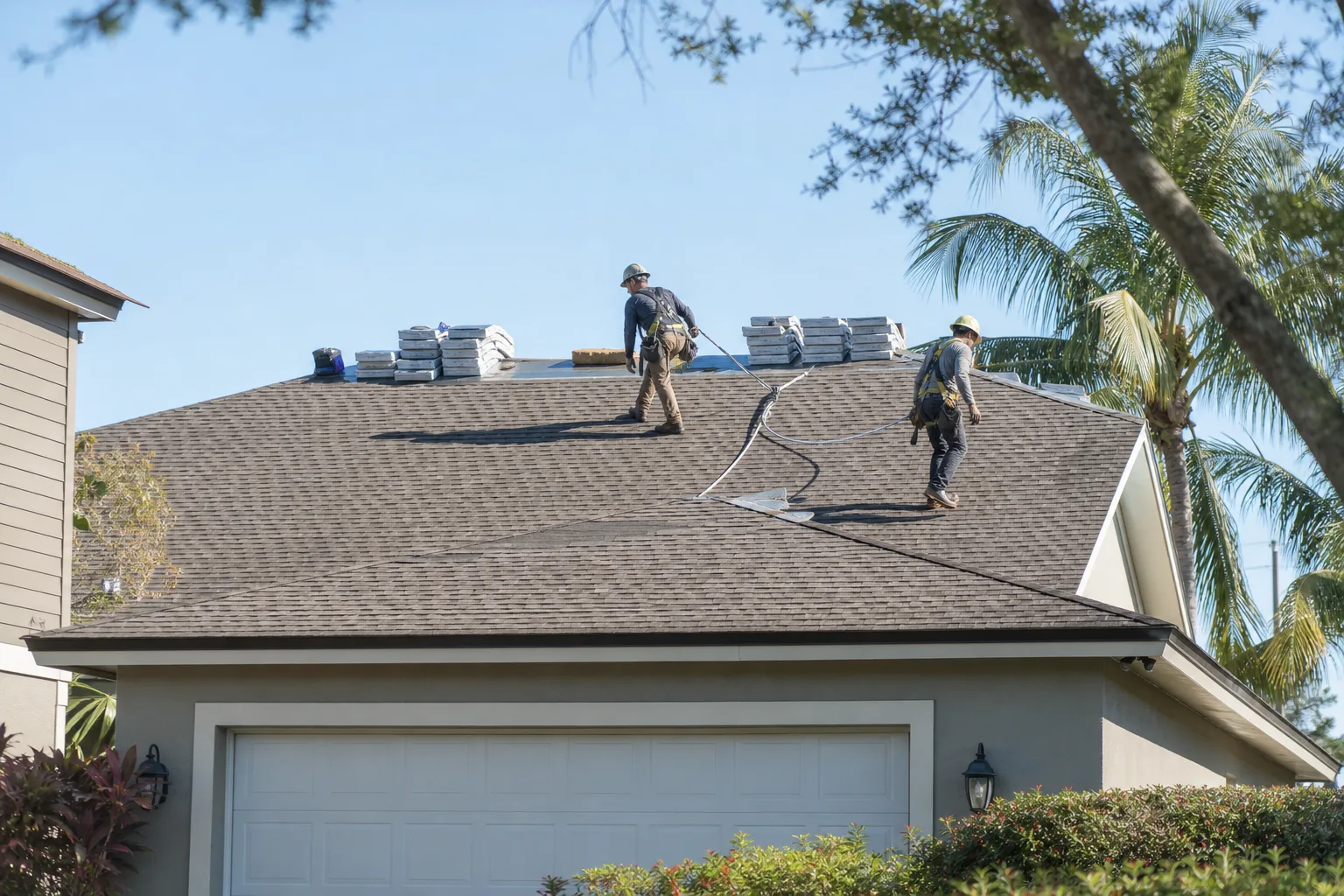
Why a “Class 4” shingle doesn’t mean no damage
Miami-Dade requires impact-rated materials under its post-Hurricane Andrew code, so most Hialeah roofs carry a Miami-Dade NOA rating and often a UL 2218 Class 4 impact rating. That rating sounds like a promise of no damage. It isn’t.
The UL 2218 test fires steel balls straight down at shingles. Real hail doesn’t behave that way. It arrives at oblique angles and, on a low-slope roof, loads the shingle field unevenly. A shingle that passes a steel-ball test can still bruise under ice at an angle. Adjusters know this distinction well, and some use it to argue the roof shouldn’t have damage at all. Having a contractor who understands the test protocol and can document the difference is how you fight that argument.
Timing matters more than you’d think
Adjuster visits usually happen two to three weeks after a storm. By then, a second round of afternoon thunderstorms has washed away granule spatter and obscured the impact pattern. The claim that would have been easy to document on day one becomes a coin flip on day twenty.
That’s why our phone line is answered by a live person 24/7, no voicemail, around the clock. You can call during or immediately after a hail event and get a next-day documentation inspection scheduled. We photograph, hand-check, and record the damage while it’s fresh. Timing is not a small detail. It’s often the whole claim.
What hail repair actually costs in Hialeah
When hail damage is caught early, the repair is usually small. When it’s missed, it turns into a full replacement. Here’s what the numbers look like for Hialeah roofs, so you know what you’re facing before anyone quotes you.
| Repair scope | Typical range |
|---|---|
| Single-tile or localized shingle repair | $400-$1,800 |
| Concrete tile repair (cracked pans or noses) | $600-$2,500 |
| Full roof replacement (shingle, standard) | $8,000-$20,000 |
| Metal roof installation (if upgrading) | $15,000-$40,000 |
We price upfront, no surprises, so the number you see is the number you pay. If you’ve been through a hail event and the claim was denied, or you’re not sure which category you’re in, that’s exactly the kind of roof we investigate. Every repair we do is backed by our Roofing workmanship guarantee, and our 730-Day Done Right Promise covers post-hail repairs for two full wet seasons. If a repair site fails because the hail damage was more extensive than the first fix addressed, we make it right. That closes the most common complaint homeowners have after storm work: the fix that didn’t hold.
We work with GAF and Owens Corning on the roofing side, so replacement materials are verified. Our technicians have up to 12 years of experience, arrive in uniform, and are background-checked. You can reach the whole team any hour through our Hialeah service area.
FAQs about roof hail damage in Hialeah
You look for random granule spatter patterns on shingles, soft spots that give under hand pressure, and hairline cracks at the nose or pan of concrete tiles, none of which you can reliably spot from the ground. A physical hand-check and rubber mallet tap test on the roof itself is the only way to confirm it. Call (888) 418-7102 for a free estimate and we’ll document what we find.
Often yes, but the claim is much harder to prove in Hialeah than in hail-heavy states because adjusters use Midwest damage criteria and Florida hail leaves bruising rather than craters. Documentation made within days of the storm is what wins these claims. Call us right after a hail event so we can record the damage before secondary weather obscures it.
Yes. Our phone is answered by a live person 24/7, so you can call during or right after the storm and book a next-day documentation inspection. Early timing protects both the evidence and your claim. Reach us at (888) 418-7102.
Class 4 is a lab rating based on steel balls dropped straight down, not ice at an angle on a low-slope roof, so a well-rated shingle can still bruise and fail. Understanding that gap is how you counter an adjuster who argues the roof shouldn’t have damage. Free estimate, no obligation, at (888) 418-7102.
If you’d rather have it looked at, Groundwork Construction Co. of Hialeah offers a no-pressure assessment in Hialeah, including hand-check documentation and upfront pricing. Call (888) 418-7102 for a free estimate and design consult, and we’ll tell you straight what the hail did.
Written by the team at Groundwork Construction Co. of Hialeah, serving Hialeah, FL.