Free written scope consultation - allowances, timeline, and change-order rules on paper before a single trade is scheduled
Styles & brands we work with
- Kitchen remodeling
- Bathroom remodeling
- Home additions & ADU
- Roofing
- Windows & doors
- Driveway & pavers
- Fence
See the difference
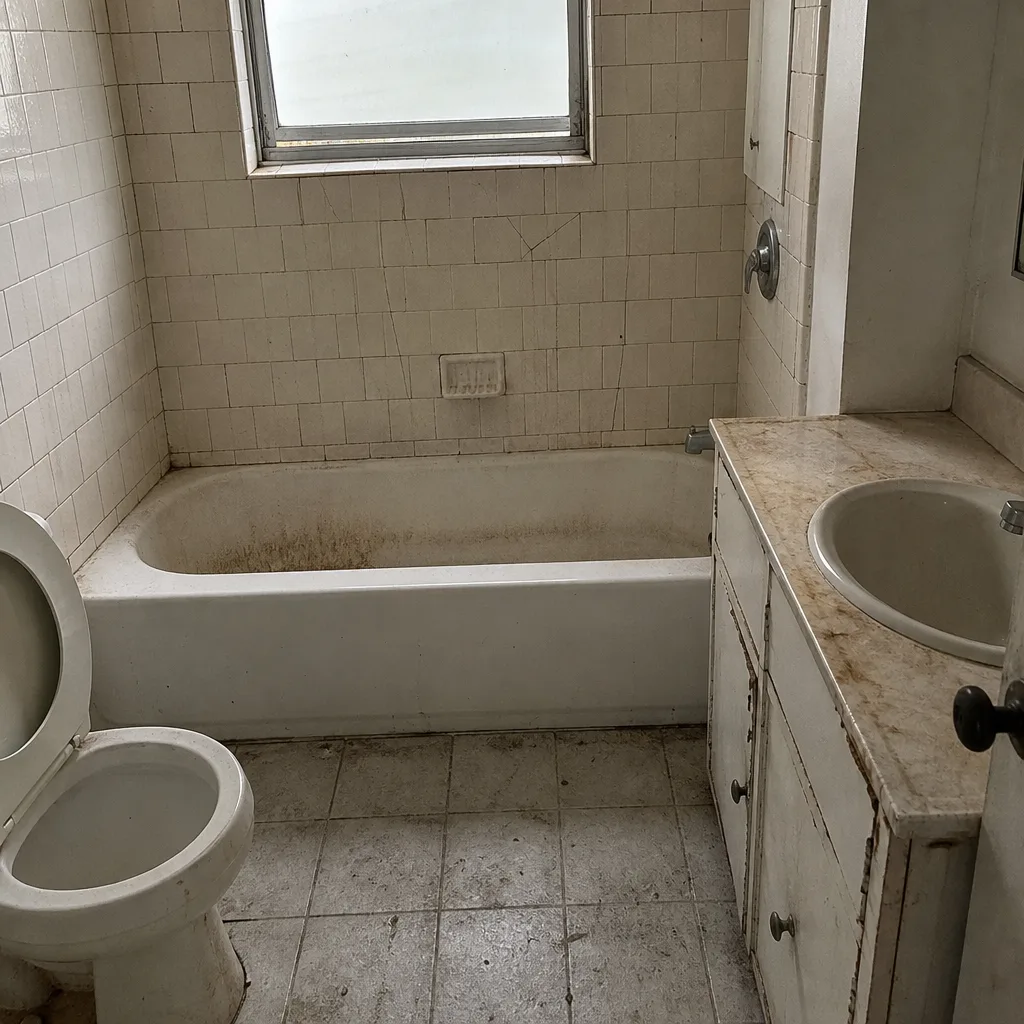 Before
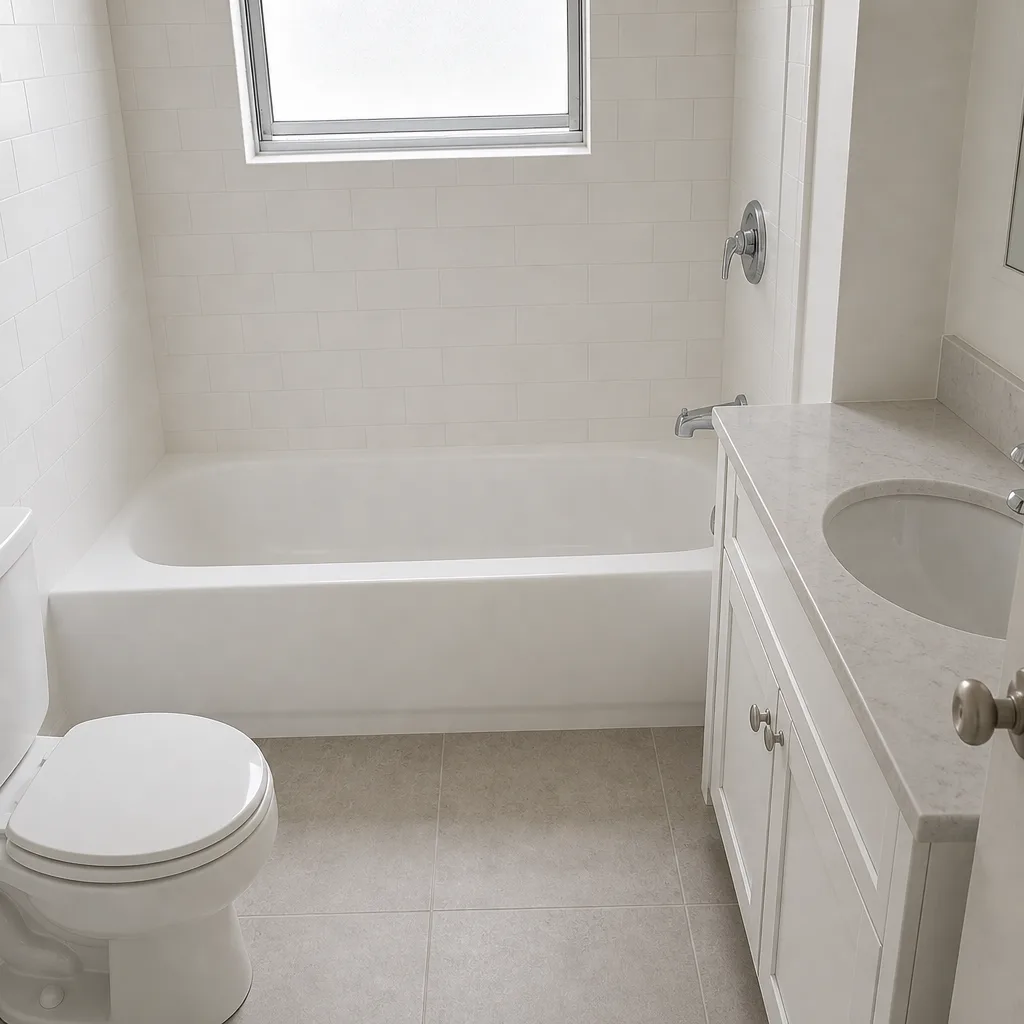 After
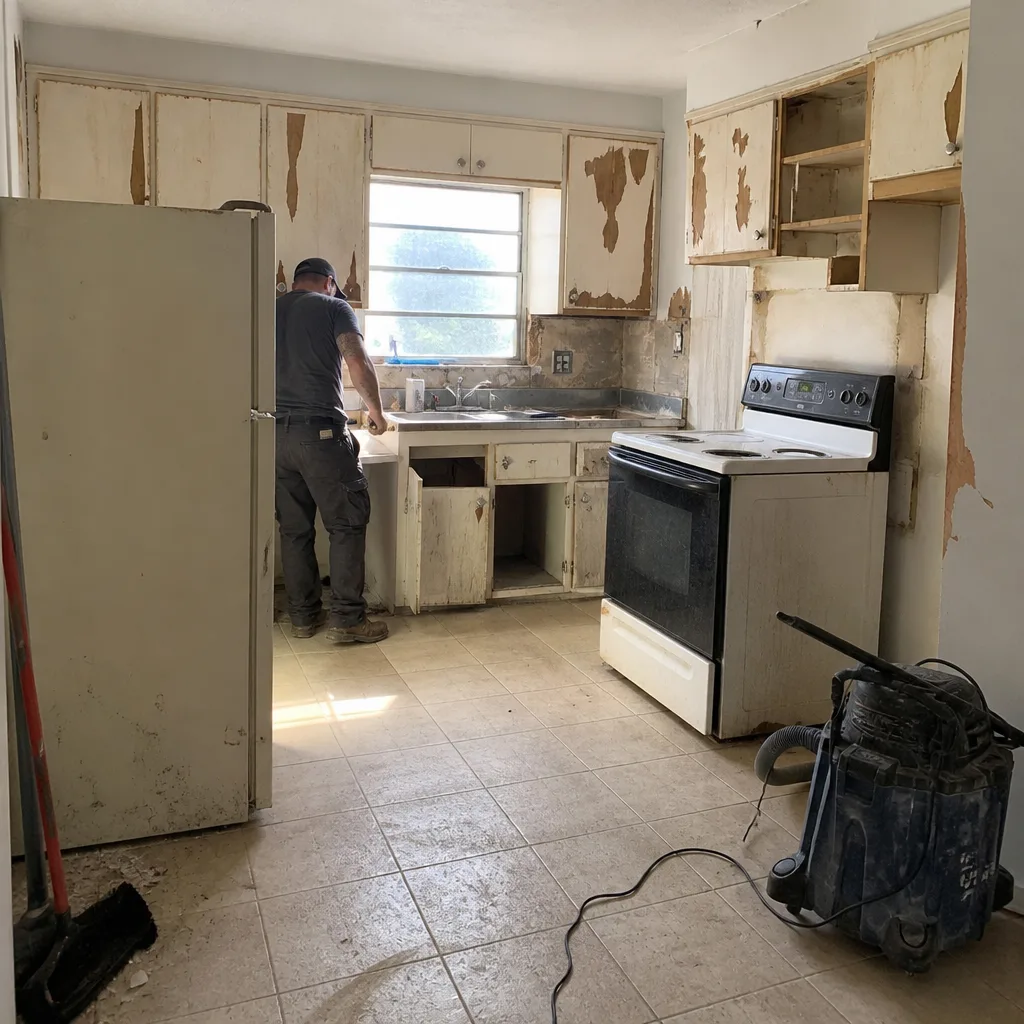 Before
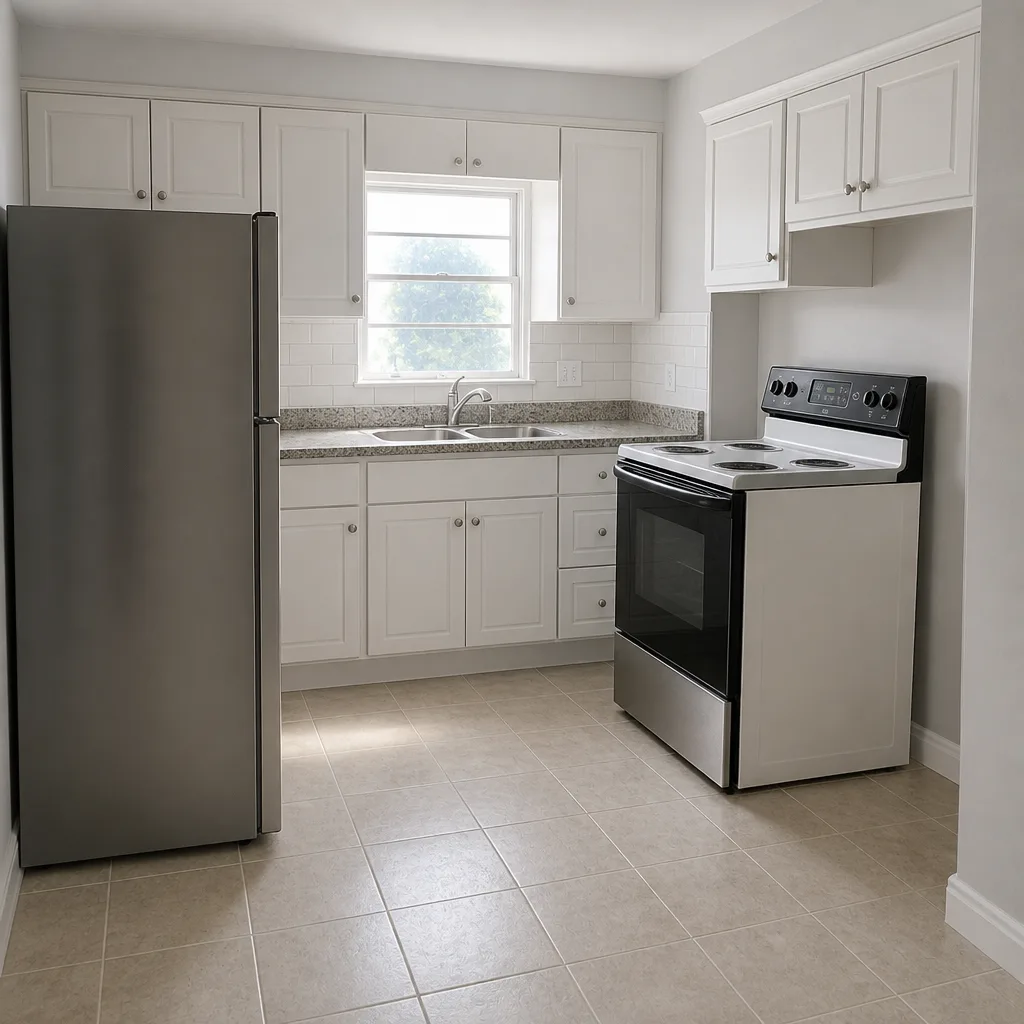 After
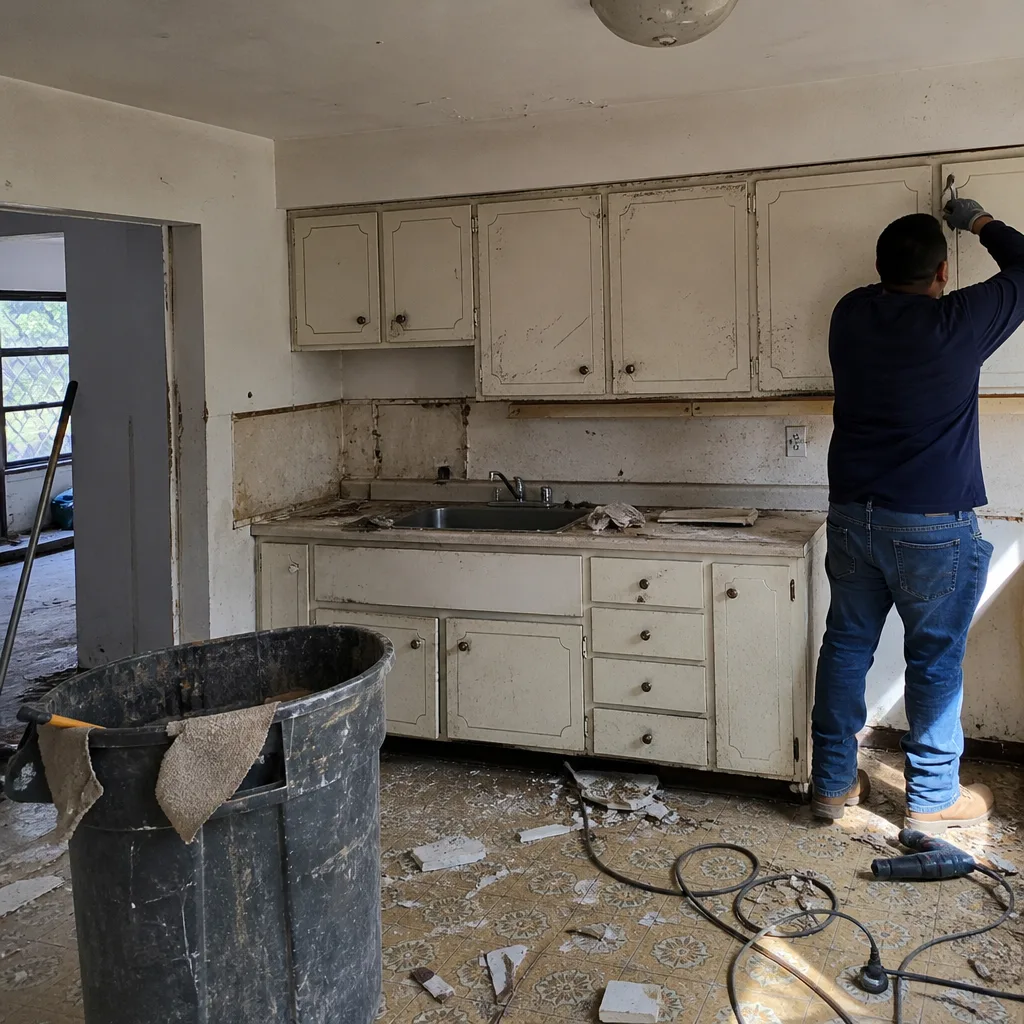 Before
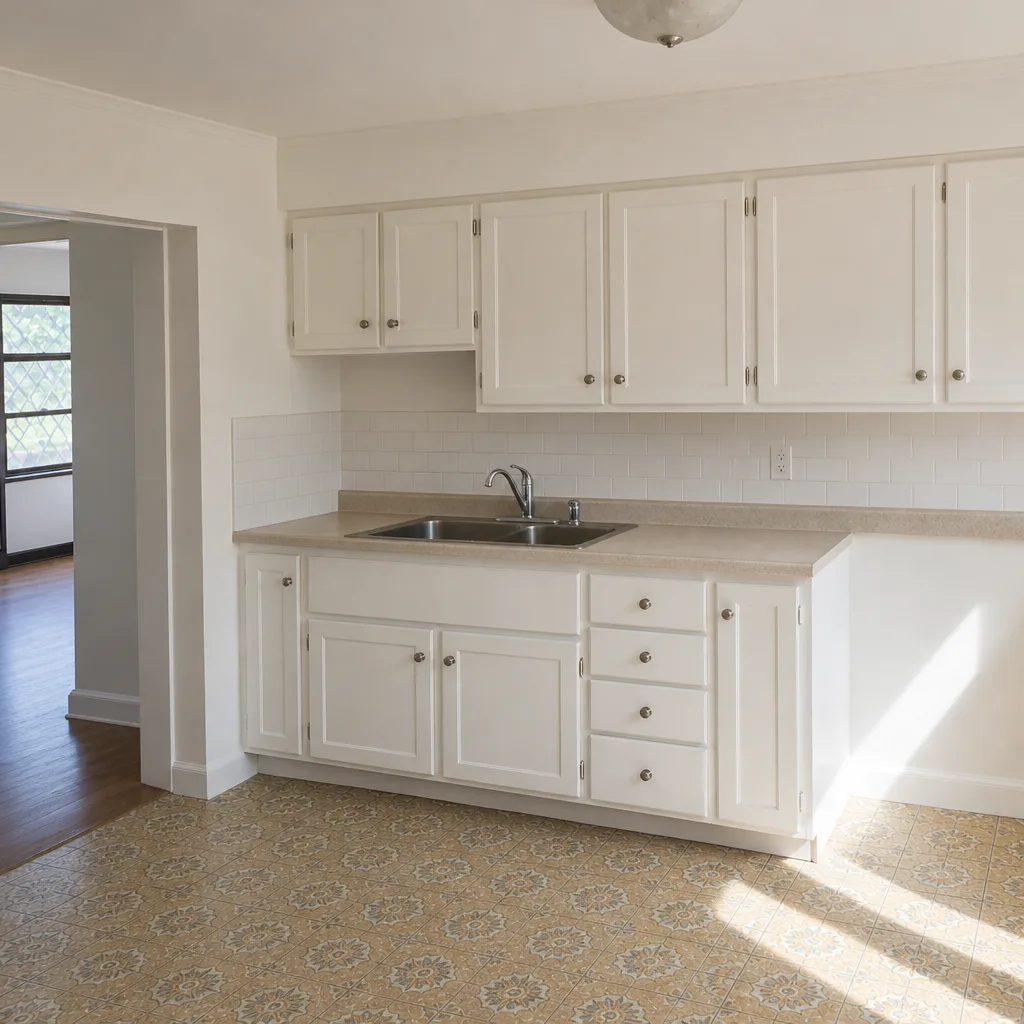 After
What Is Low-E Glass? A Hialeah Answer Built for South Florida Sun
Low-E glass is window glass with an invisible metallic oxide coating that reflects a specific portion of the sun’s energy while letting visible light through. The coating is measured in two numbers: SHGC (solar heat gain coefficient), which tells you how much solar heat gets inside, and U-factor, which tells you how fast heat escapes. In Hialeah, SHGC is the number that decides whether your windows help or hurt. A Low-E window spec’d at an SHGC of 0.25 or lower is doing real work here; a passive Low-E window rated at 0.45 is working against you.
Here’s the part that trips up most homeowners: there are two types of Low-E glass, and in Hialeah, choosing the wrong one is like wearing a rain jacket in a sauna. It misses the actual problem. National window catalogs default to passive Low-E because the majority of their sales volume sits in heating climates. In a city where the sun hits steep and hot for most of the year, that default is backwards. If you’d rather have someone confirm what’s actually in the frame before you commit, call the team at Groundwork Construction Co. of Hialeah at (888) 418-7102.
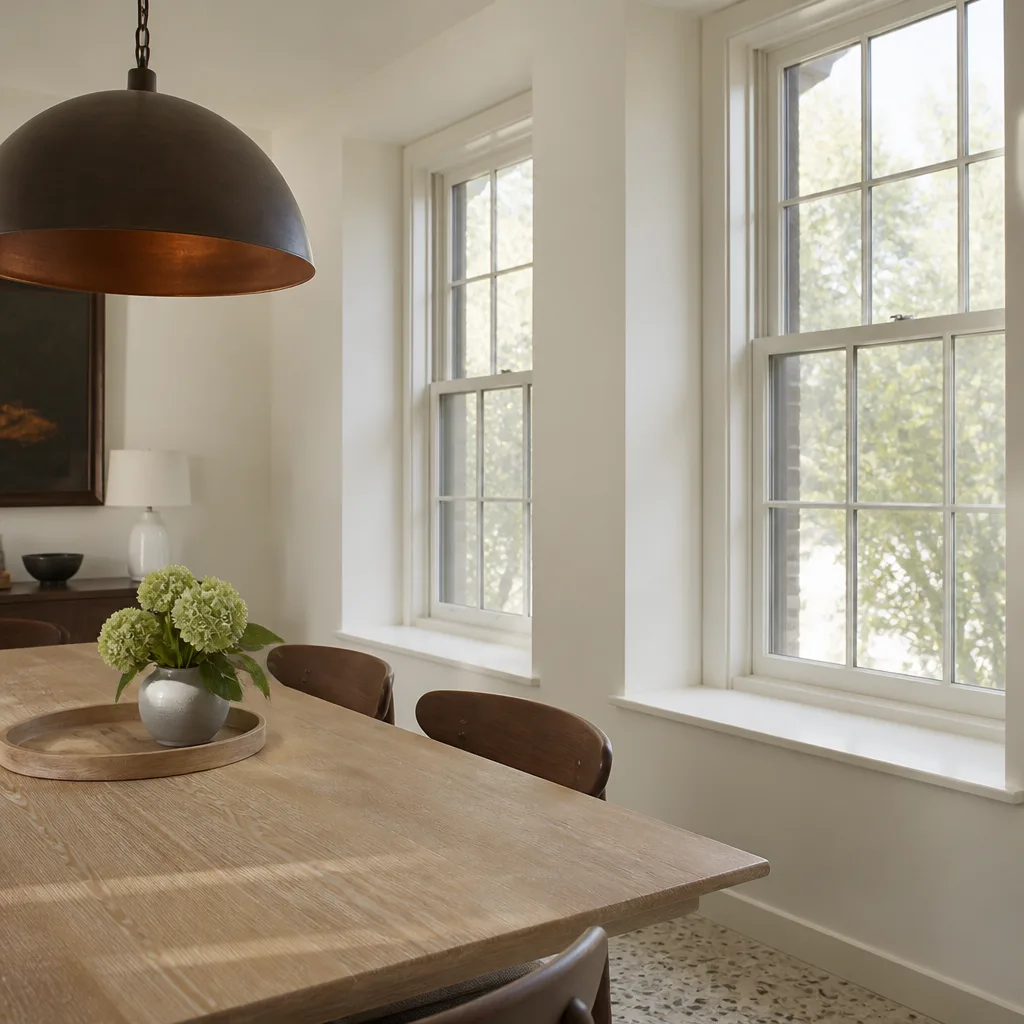
Passive Low-E vs. Solar-Control Low-E: Why the Wrong Coating Costs Money in Hialeah
Passive Low-E coatings are engineered to let solar heat in and keep it from escaping. In Minneapolis or Buffalo, that’s exactly right: free winter heat, less furnace run time. In Miami-Dade County, letting solar heat in is the last thing you want.
Solar-control Low-E coatings do the opposite. They block a large share of the infrared heat from the sun while still passing visible light. For a Hialeah home, this is the correct spec, and it’s the one most national window lines don’t lead with, because the manufacturer is optimizing for a national average, not for a market three degrees north of the equator with 280-plus days of sun.
What happens when passive Low-E goes into a Hialeah CBS home? The window looks like glass water doing its job. It’s clear, it passed inspection, it’s labeled impact-rated. But the room behind it gains solar heat all afternoon, and the air conditioner runs longer than the load calculation predicted. The homeowner blames the AC, or the roof, or the insulation. The window is the quiet culprit.
- Passive Low-E: designed to admit solar heat. Built for cold-winter climates. Wrong for Hialeah.
- Solar-control Low-E: designed to block solar heat. Correct for Hialeah and all of South Florida.
- Target SHGC for Miami-Dade: below 0.25. This is the spec number to ask for in writing.
- U-factor in Hialeah: still on the label, but secondary. There’s no meaningful heating load to protect against.
Because our technician pool includes installers with up to 12 years of experience across South Florida impact window work, we see this mismatch regularly. When you get a Windows & Doors quote, ask for the NFRC-certified label on the specific product, not the product line brochure. The label carries the actual SHGC and U-factor for the assembly you’re buying.
SHGC First, U-Factor Second: Reading a Window Label in Hialeah
Most window sales conversations in Hialeah open with impact rating and close with price. The energy spec gets skipped. That’s a mistake, because the two numbers on the NFRC label mean very different things in this climate.
| Spec | What it measures | Hialeah target | Why it matters here |
|---|---|---|---|
| SHGC | Fraction of solar heat that enters | Below 0.25 | Year-round sun angle drives solar gain; the lower the better |
| U-factor | Rate of heat loss through the assembly | Secondary concern | No winter heating load to protect against |
| VT (visible transmittance) | How much daylight passes through | Trade-off to balance | Very low SHGC can darken a room; pick both numbers together |
| Impact rating | Ability to resist wind-borne debris | Required in HVHZ | Independent of Low-E; both must be specified |
Notice the last row. Impact rating and Low-E performance are separate specifications. A window can pass the large-missile impact test required in the High Velocity Hurricane Zone and still be a poor solar performer if the coating underperforms. Hialeah homeowners often assume any impact glass is automatically energy-efficient. It isn’t, and the label will tell you the truth.
If you’re comparing written quotes, Andersen and Marvin both publish NFRC-certified labels for the specific assemblies in their catalogs. That means your contractor can hand you a spec sheet with the real SHGC value printed on it, rather than a salesperson saying “these are energy-efficient.” Groundwork Construction Co. of Hialeah works with those manufacturers, so we can pull the certification sheet for the exact window going into your wall, not a line-item average.
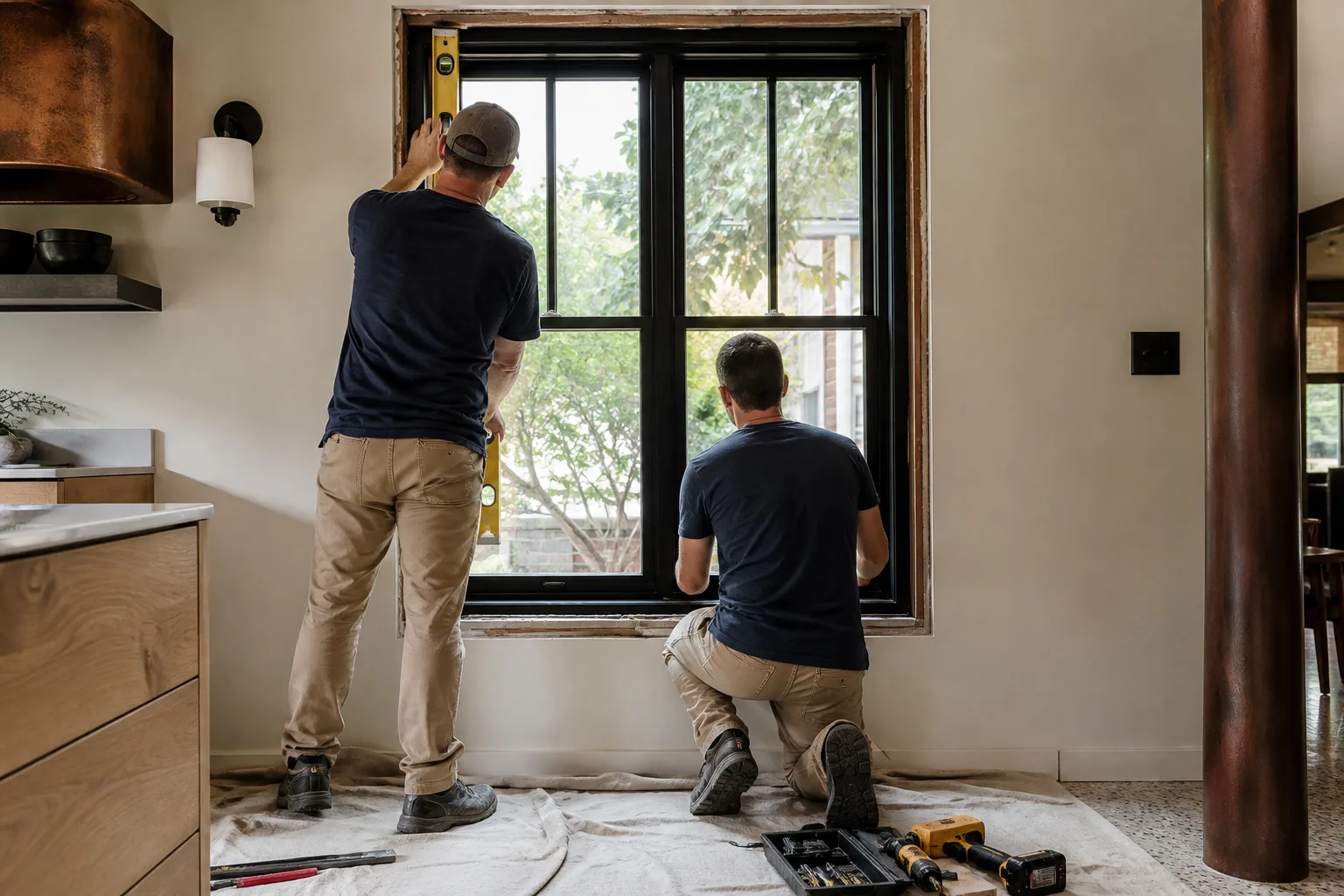
Low-E Is Not the Same as Impact Laminate: A Common Hialeah Confusion
Under Miami-Dade’s post-Hurricane Andrew code, most replacement openings in Hialeah have to be impact-rated. That requirement is about wind-borne debris resistance, not energy performance. Low-E coating is a separate layer of the glass assembly, sitting under the impact laminate, doing a different job.
Think of it this way: the laminate is armor, the Low-E coating is sunscreen. A window can have the armor without the sunscreen, and many do. The armor satisfies the inspector; the sunscreen controls what your electric bill looks like in August.
This is where a conversion or addition in Hialeah often gets shortchanged. When a rear room or a converted garage is being brought up to code, the focus sits squarely on structural tie-downs, roof-to-wall connections, and impact rating. Those are real requirements. But the SHGC value on the same window can easily slip through unexamined. A correctly specified solar-control Low-E impact window in a Hialeah CBS home can keep an addition or converted garage 6 to 10 degrees Fahrenheit cooler in July without adding a single BTU of extra AC capacity. That’s a measurable outcome you can feel and see on the energy bill, not a marketing claim.
Worth noting for anyone planning an addition or garage conversion: specify the window performance before the wall openings are framed, not after. Changing a window spec after rough-in costs a change order. Choosing it before the concrete saw comes out costs nothing.
Hialeah Housing Stock and How It Shapes the Low-E Decision
Hialeah is dominated by 1950s through 1970s single-story CBS (concrete block and stucco) homes with flat or low-slope roofs, many expanded over the decades with rear additions, carports, or converted garages. Plenty of those additions were built informally, which is why a remodel here so often starts with an as-built survey before anyone can legitimately frame a new opening. The window spec discussion belongs in that same early phase.
Older block walls without cavity insulation conduct heat differently than modern wood-frame construction, and the interior stays warmer into the evening, which makes a low SHGC more valuable, not less. The city’s long hurricane season (June through November) adds a second layer of pressure, because a replacement window that meets HVHZ requirements and energy performance together avoids a second project down the road. Roofing choices run in the same conversation: homeowners making roof decisions often weigh roof replacement and roof repair against window upgrades in the same budget cycle, and getting the SHGC right at the same time is the cheaper path.
If you’re mapping the whole envelope, a Hialeah service area assessment will usually flag the windows where solar gain is worst, typically south and west elevations. And if the scope is a bigger renovation, our kitchen remodeling and bathroom remodeling teams see the same window spec decisions play out when new glass goes in during a larger build.
How Much Does Impact Window Installation Cost in Hialeah?
Impact window installation in Hialeah typically runs $8,000 to $25,000 for a whole-home scope, with individual window replacement falling in the $4,500 to $15,000 range depending on count and size. The Low-E spec itself rarely adds meaningful cost when it’s chosen at the quoting stage; the expensive mistake is specifying passive Low-E, discovering the room runs hot, and paying to reorder.
- Impact window installation: $8,000 - $25,000
- Window replacement: $4,500 - $15,000
- Home addition (where new openings are spec’d): $45,000 - $130,000
- Garage conversion (where windows are part of the upgrade): $30,000 - $80,000
Those numbers are market ranges and not quotes; the exact figure depends on window count, elevation requirements, and the specifics of the CBS wall. Every project we take on is covered by the 730-Day Done Right Promise, and pricing is upfront, so the number in the estimate is the number you pay. If you’re planning a larger scope and want the financing to work, 0% financing for 18 months and $1,000 off projects over $10,000 are available now.
FAQs
Low-E glass has a metallic oxide coating that reflects solar heat, while impact glass has a laminated interlayer that resists wind-borne debris. They are independent specifications, so a window can be impact-rated without being an efficient solar performer. In Hialeah, you need both: the HVHZ impact rating for code compliance and a solar-control Low-E coating with SHGC below 0.25 for comfort. Call (888) 418-7102 for accurate pricing on either path.
Solar-control Low-E is the right choice in Hialeah, because the dominant energy load here is solar heat gain, not winter heat loss. Passive Low-E is built to admit heat, which is the opposite of what a Hialeah CBS home needs. Ask for the NFRC-certified SHGC on the exact window assembly, since national product lines often default to passive coatings. Call (888) 418-7102 to ask what’s in your current windows or what a compliant replacement would cost.
A target SHGC below 0.25 is the right benchmark for Miami-Dade, and a lower number blocks more heat but may darken interiors. The value you should weigh alongside visible transmittance so rooms stay bright without gaining solar heat. The NFRC label on the specific window carries this figure, so ask to see it rather than a catalog average. Call (888) 418-7102 if you want us to read the label on a quote you’ve received.
Yes, and in Hialeah we typically see a 6 to 10 degree Fahrenheit difference in an addition or converted garage when the Low-E coating is correctly specified, without any additional AC. The gain is largest on south- and west-facing openings during the summer wet season, when the sun angle sits higher and longer. Call (888) 418-7102 to schedule a walkthrough if you want to know which windows in your home are absorbing the most heat.
If you’d rather have it looked at, Groundwork Construction Co. of Hialeah offers a no-pressure assessment in Hialeah, with upfront pricing and the 730-Day Done Right Promise behind the work. Call (888) 418-7102 for a free estimate.
Written by the team at Groundwork Construction Co. of Hialeah, serving Hialeah, FL.