Last updated November 18, 2026
Free written scope consultation - allowances, timeline, and change-order rules on paper before a single trade is scheduled
How to Hire a Construction Contractor in Hialeah: A Step-by-Step Guide
Miami-Dade County has one of the highest rates of contractor license complaints in Florida. That number gets shared a lot, and it almost always gets blamed on careless homeowners. That’s not what’s happening. Most people who get burned in Hialeah did reasonable research. They found a licensed contractor. They compared three bids. They signed what looked like a normal contract. What they didn’t know is that a Florida state license alone doesn’t authorize a contractor to pull permits in Miami-Dade. That gap is where deposits disappear and jobs stall. This guide walks you through the exact vetting sequence we’d use on our own homes: how to verify both licenses, what five documents to demand before you sign, how to read a bid that isn’t apples-to-apples, and how to structure payments so you keep leverage through the final walkthrough.
Quick Answer
To hire a construction contractor in Hialeah, verify two things before anything else: the contractor’s Florida state license and a separate Miami-Dade County Certificate of Competency, then confirm both allow them to pull permits for your specific scope. After that, get a written line-item bid, ask for five specific documents, and tie every payment to a completed inspection or milestone. A low bid means nothing if the contractor can’t legally pull the permit.
Styles & brands we work with
- Kitchen remodeling
- Bathroom remodeling
- Home additions & ADU
- Roofing
- Windows & doors
- Driveway & pavers
- Fence
Table of Contents
- Why Hiring in Hialeah Is Different From Anywhere Else in Florida
- The Two Licenses Every Hialeah Contractor Needs (and How to Verify Both)
- The Five Documents to Collect Before You Sign Anything
- How to Compare Bids That Aren’t Apples-to-Apples
- Red Flags in Hialeah’s Contractor Market
- How to Structure Your Payment Schedule
- Permits, Inspections, and What Miami-Dade Actually Checks
- The Questions to Ask on the Phone Before You Book an Estimate
Why Hiring in Hialeah Is Different From Anywhere Else in Florida
Hialeah sits in a specific spot that shapes how construction works here. The permitting authority is Miami-Dade County, not the city, and that single fact trips up more homeowners than any other detail in this guide. The building code that applies to your project is the Florida Building Code with Miami-Dade’s high-velocity hurricane zone (HVHZ) amendments layered on top. That means roof attachments, window ratings, and fastener schedules are stricter here than they’d be in, say, Jacksonville or Ocala. A contractor who does excellent work across the state line in Georgia may not have ever worked under HVHZ rules.
The climate matters too. If you’re in Hialeah’s east side, closer to the industrial corridors off Okeechobee Road, you’re looking at humidity and salt air that eat through lower-grade exterior materials faster than the manufacturer’s spec sheet suggests. Roof decks in this part of Hialeah regularly show moisture intrusion at year eight or nine on shingles that were rated for fifteen. I’ve seen it on Hialeah homes near the Hialeah Park area more than a few times, always on builder-grade underlayment that didn’t hold up to the summer rain cycle.
One more local quirk: a significant portion of Hialeah’s housing stock was built in the 1950s through the 1970s, and many of those homes are concrete block or masonry with interior walls that don’t match modern framing. If your contractor’s bid assumes wood-frame residential work because that’s what they do most often, the scope will be wrong from page one. Ask them how many Hialeah projects they’ve done on concrete-block structures before you go any further.
The Two Licenses Every Hialeah Contractor Needs (and How to Verify Both)
This is where most people get caught. Florida requires a state contractor license for work over a certain dollar threshold. Miami-Dade County separately requires a Certificate of Competency for work within the county. A contractor can hold a valid state license and still not be authorized to pull permits in Miami-Dade for the type of work you’re hiring them for. If they can’t pull the permit, your job gets red-tagged the moment an inspector realizes who filed the paperwork. And if the contractor disappears, that red tag becomes your problem, not theirs.
Here’s how to verify both in about ten minutes:
- Check the Florida license. Go to the Florida DBPR license lookup and enter the contractor’s company name and license number. You’re looking for the license type, the status (Active vs. Null and Void), and the expiration date. Anything but Active is a walk-away.
- Check the Miami-Dade Certificate of Competency. Use the Miami-Dade County Contractor Licensing lookup. Confirm the certificate is active and matches the category of work you’re hiring for. Roofing and general building are separate categories here.
- Confirm permit authority. Call Miami-Dade’s Building Department or ask the contractor to walk you through how they’ll pull the permit for your specific address. A legitimate contractor will answer this immediately, with the category of permit they’re using.
- Check for complaints. The DBPR site lists formal complaints. One recent complaint isn’t necessarily disqualifying; a pattern of them is.
Do all four steps, in that order, before anyone comes to your property. If the contractor’s company can’t pass the first two, nothing else in the bid matters. This is the foundation step that most of the failed projects we’ve seen got skipped.
The Five Documents to Collect Before You Sign Anything
A legitimate Hialeah contractor can produce these five documents quickly, without drama, on the day you ask for them. The ones who ghost you after your deposit will stall on the same five. Ask for all five before you sign. Not after. Not “during the job.”
- Proof of general liability insurance – current certificate, with your project address named in the description or endorsements. Call the insurer to verify the policy is active. Cost: five minutes of your afternoon.
- Proof of workers’ comp – required if the contractor has employees. An exemption certificate is fine only if they’re a true sole proprietor. If you hire an uninsured crew and someone gets hurt on your property, that exposure lands on your homeowner’s policy.
- Written, line-item proposal – not “kitchen remodel: $48,000.” Materials, labor, permits, disposal, and contingency, broken out separately.
- Copy of the permit application – listing their company as the contractor and you as the owner, before work starts.
- Written warranty terms – the full workmanship warranty, not a verbal promise, spelled out in what’s covered, for how long, and what triggers a callback.
The document set that most Hialeah homeowners ask for is smaller than this. They get the insurance cert and the proposal and stop there. That’s how you end up with a permit filed under a friend of a friend’s license and a warranty that only exists in a text message. Ask for all five. Any reluctance you see is real information about how the job will run if you hire them.
How to Compare Bids That Aren’t Apples-to-Apples
Two bids for a “full kitchen remodel” in Hialeah can differ by $25,000, and the gap usually has nothing to do with the contractor’s pricing. It has to do with scope language. Here’s the specific sequence to decode it.
- Compare line-for-line on the same items. Put all proposals side by side in a spreadsheet. Any line that appears in one bid and not the other needs its own row, marked “MISSING.”
- Look for vague scope words. “Remove existing finishes” means different things to different contractors. A proper line item says what’s removed, where it goes, and who pays for the dumpster.
- Check the exclusions page. The best bids include a section titled “Not included in this scope.” If yours doesn’t, the contractor is planning to come back for money.
- Identify allowances. If the bid says “allowance for tile: $1,200,” and you’re quoting slabs, you’ll be paying the difference out of pocket before the job is halfway done. Ask what the allowance covers and what happens if you go over.
- Compare material brand specs. A roof bid that says “architectural shingles” is not the same as one that says “GAF Timberline UHDZ” or “Owens Corning Duration.” Same for kitchen finishes – KraftMaid and Cambria are not interchangeable with builder-grade alternatives, and the bid should name what you’re getting.
The pattern is consistent: the lowest bid is almost always the one with the most vague language and the fewest line items. That’s how a $38,000 bid for work worth $60,000 gets presented as a deal. It’s not a deal. It’s a scope gap. When you compare three bids from Hialeah contractors, normalize them onto the same scope first, then compare the final number.
Red Flags in Hialeah’s Contractor Market
Local bid structures that look competitive but push risk back onto you:
- “We handle the permit for you” – without showing you the application or naming the license it’s filed under. Legitimate contractors want you to see the permit. It’s their accountability document.
- Large deposit requested as cash or Zelle – Florida’s contractor licensing statute prohibits taking more than 10% as a deposit on residential projects without signed financing paperwork. A request for 40% up front in cash is a legal red flag, not a scheduling convenience.
- No physical local address in the contract – or an address that’s a P.O. box or a virtual office. You want to know where to serve a legal notice if things go wrong.
- Bid expires “this week only” – urgency pressure is a sales tactic, not a real deadline. Materials are priced the same next month as this one.
- No mention of Miami-Dade HVHZ in a roofing or window bid – if they’re quoting materials without referencing the Miami-Dade Notice of Acceptance (NOA) required for HVHZ installations, they don’t know what they’re doing here. Every window and impact product in Hialeah needs a Miami-Dade NOA number.
- Oral warranty promises – “call me if anything goes wrong” is not a warranty. A written workmanship warranty that clearly states what’s covered and for how long is.
I’ve watched Hialeah homeowners get talked out of the permit step more than once, always with the same pitch: “Pulling the permit will delay the job.” That’s true. It will delay the job by a week or two. It’ll also prevent the county from red-tagging your property after the drywall is up and the contractor is already onto the next project.
How to Structure Your Payment Schedule
Your leverage in a construction project lives or dies at the payment schedule. Get it right and the contractor stays motivated through the last week, not just week one. Get it wrong and by the time the tile is going in, you’re out 70% of the money and have zero recourse if something’s wrong.
The schedule we recommend, and the one we structure our own projects around, looks like this:
- Deposit: 10% at contract signing. This covers permit filing and initial material orders. Anything above 10% on a residential job in Florida requires special financing paperwork – know that before you sign.
- Rough-in milestone: 25%. Paid when rough framing, electrical, and plumbing are complete and inspected by the county. Never pay this before the inspection passes.
- Mid-project milestone: 25%. Paid at drywall or finish-ready phase, whichever comes first for your scope.
- Substantial completion: 30%. Paid when the work is substantially done and you’ve walked it with the contractor using a punch list you both sign.
- Final: 10%, held until the final walkthrough and copy of final inspection. This is the most important line item on the schedule. It’s the only thing that guarantees a contractor shows up in week nine when a cabinet door won’t close properly.
If a Hialeah contractor demands 50% up front, that’s not a negotiation tactic. It’s a signal that they don’t have the cash flow to float material costs, which means your deposit is funding their last job, not yours. Walk away, or at minimum demand a milestone-based schedule before signing.
One more thing: put the payment schedule in writing and get it notarized if you’re working with a contractor you’ve never used. It takes fifteen minutes at a bank branch and it changes the entire tone of every subsequent conversation. Our own projects use upfront pricing written into the contract – the number you see is the number you pay, with no change orders unless the scope changes, in writing and approved by you.
Permits, Inspections, and What Miami-Dade Actually Checks
Hialeah sits in the Miami-Dade high-velocity hurricane zone. That’s not a technicality. It changes what inspectors look for on every roof, every window, and every structural attachment. HVHZ inspections focus on:
- Product approvals. Every window, door, skylight, and roofing system installed in Miami-Dade must carry a valid Miami-Dade Notice of Acceptance (NOA). The NOA number goes on the permit application and the inspector verifies it on the label. A contractor using a product without an NOA gets red-tagged, and you can’t occupancy-certify the property.
- Fastener schedules. HVHZ roof attachments require specific nail patterns, edge metal, and underlayment approved for the wind zone. These specifications differ from the rest of Florida. If your roofer is quoting “architectural shingles” without naming an HVHZ-approved system, ask why.
- Structural attachments. For an addition or ADU, the inspector looks at how the new structure ties into the existing home, with anchors, straps, or clips rated for the zone. It’s not the same as a standard tie-in elsewhere in Florida.
The inspection sequence for a typical Hialeah project runs through rough framing, rough electrical, rough plumbing, and (if the scope includes it) insulation and drywall before final. Miss an inspection and you’ll wait at least a week for a re-inspection, sometimes longer during hurricane season. A contractor who knows the county’s rhythm schedules inspections proactively – the ones who don’t lose three weeks every time.
When you’re planning the schedule with your contractor, ask one question: “When do you pull the permit, and what does the inspection sequence for my scope look like?” If they can’t answer with specifics, they haven’t run this type of project in Miami-Dade recently.
The Questions to Ask on the Phone Before You Book an Estimate
A ten-minute phone call eliminates 80% of the contractors who will waste your time. Ask these in order:
- “What’s your Florida license number and your Miami-Dade Certificate of Competency number?” – If they hesitate, you have your answer.
- “Have you done work in Hialeah in the last year?” – Not “we serve Hialeah.” Ask for a specific recent project and the inspector’s name on the file.
- “Who pulls the permit – your company or a subcontractor under whose license?” – It must be their license, in their name, filed by them.
- “What’s your written workmanship warranty?” – Get the duration, in months or years, and what triggers a callback.
- “What’s your deposit percentage and how is it paid?” – Anything over 10% for residential without financing paperwork is a red flag.
- “Can you send me a sample of a line-item bid from a similar job?” – Real contractors have these on file. It takes them five minutes to send.
- “Are your technicians background-checked and do they arrive in uniform?” – This matters if they’re going to have keys or daily access to your home for weeks.
- “What’s the best number to reach you if the job stalls mid-project?” – If the answer is “my cell,” ask if a live person answers it 24/7 or if you’ll be leaving voicemail.
We’ve said this on our other pages and it holds here: the contractors worth hiring can answer all eight of these in under five minutes, without checking with anyone. The ones who can’t, can’t. Groundwork Construction Co. of Hialeah answers every call with a live person, 24/7, and we’ll walk you through these exact questions on the phone before you commit to an estimate. That’s how due diligence is supposed to work.
Common Mistakes to Avoid
- Hiring based on the “state license” without checking the county certificate. This is the single most common failure in Hialeah. A state license without a Miami-Dade Certificate of Competency can’t pull the permit for your job. Verify both, separately, before anyone shows up.
- Comparing handwritten totals instead of scope sheets. A $38,000 bid and a $60,000 bid aren’t the same job, and the difference is scope language. Normalize both proposals onto the same line items before comparing totals.
- Paying over 10% up front in cash. Florida law caps residential deposits at 10% without financing paperwork, and cash payments leave no paper trail. Use a check or wire so you have recourse.
- Skipping the roof and window NOA check. In Miami-Dade, products need Notice of Acceptance approvals or they can’t pass inspection. If your contractor doesn’t know how to look up NOA numbers, they don’t know HVHZ work.
- Accepting an oral warranty. “Call me if the tile cracks” is not a warranty. A written workmanship warranty in writing is. At Groundwork, we back ours with the 730-Day Done Right Promise, and we put the terms in writing before you sign.
- Waiting until mid-project to check insurance. Verify general liability and workers’ comp before day one. A crew member injured on your property without insurance coverage lands on your homeowner’s policy.
- Booking a crew without a background-checked uniformed technician commitment. In Hialeah, you’re letting people into your home for weeks. Ask for the professional presentation commitment in writing.
See the difference
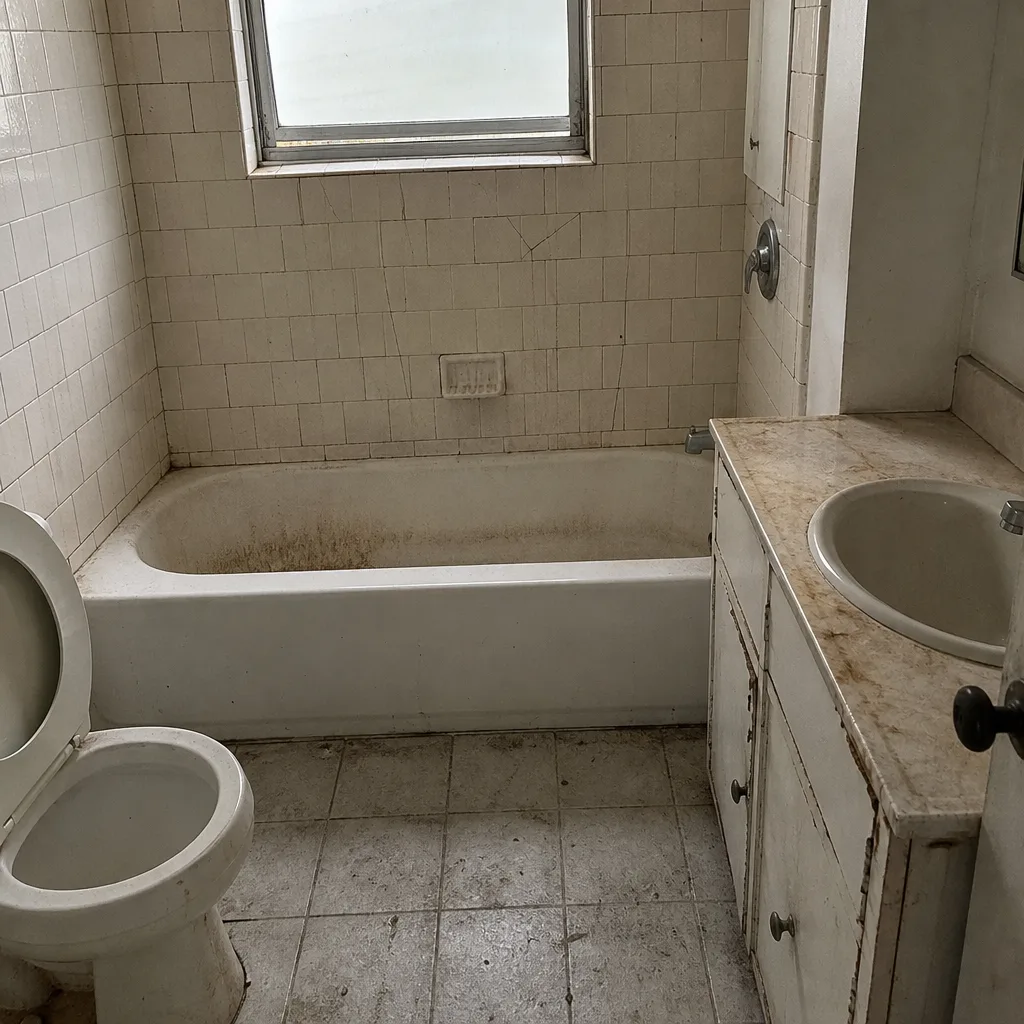 Before
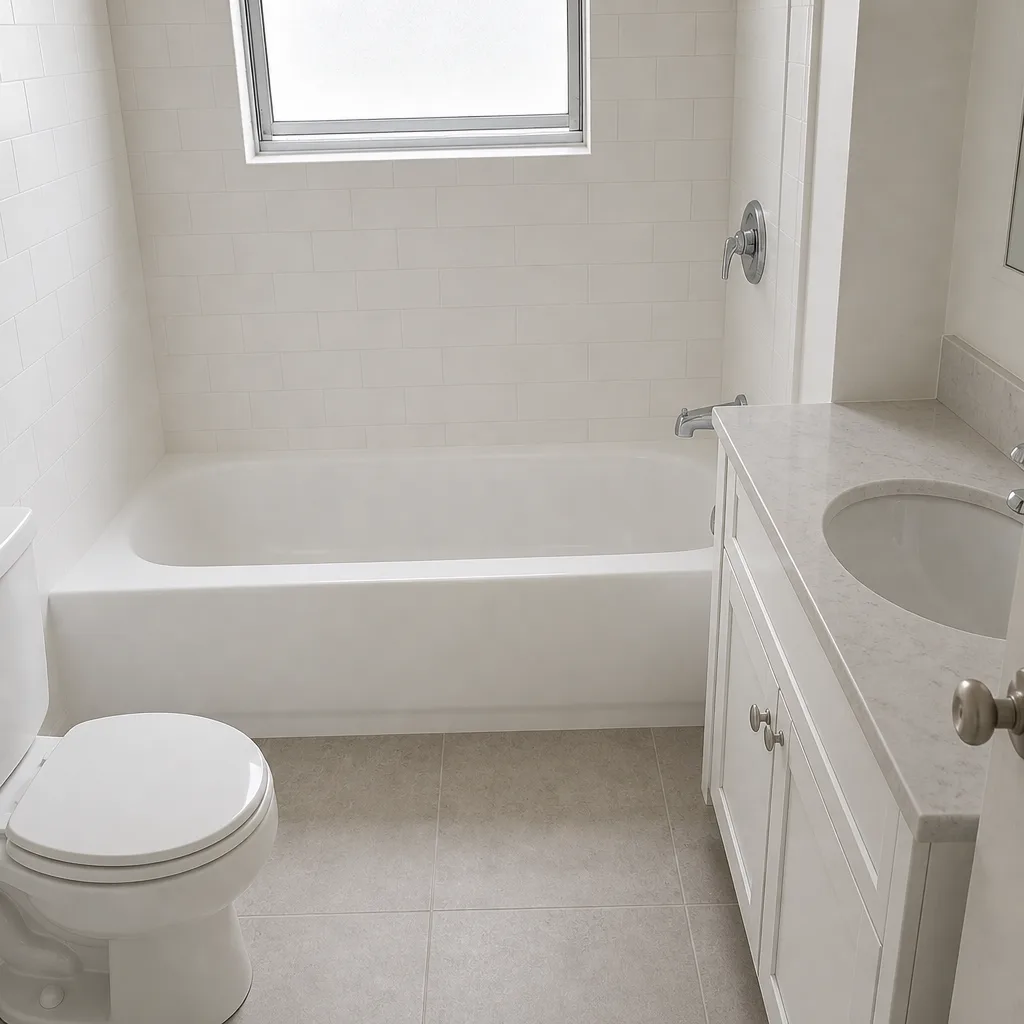 After
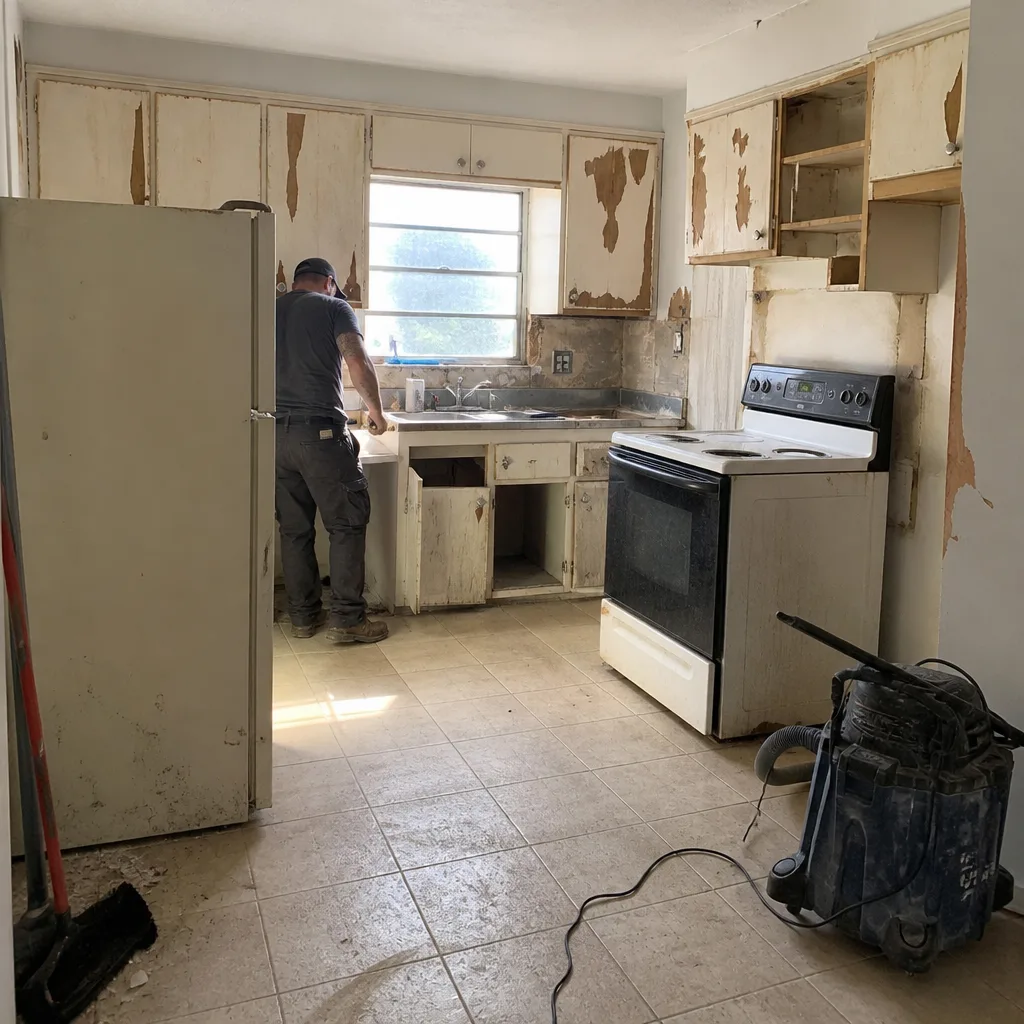 Before
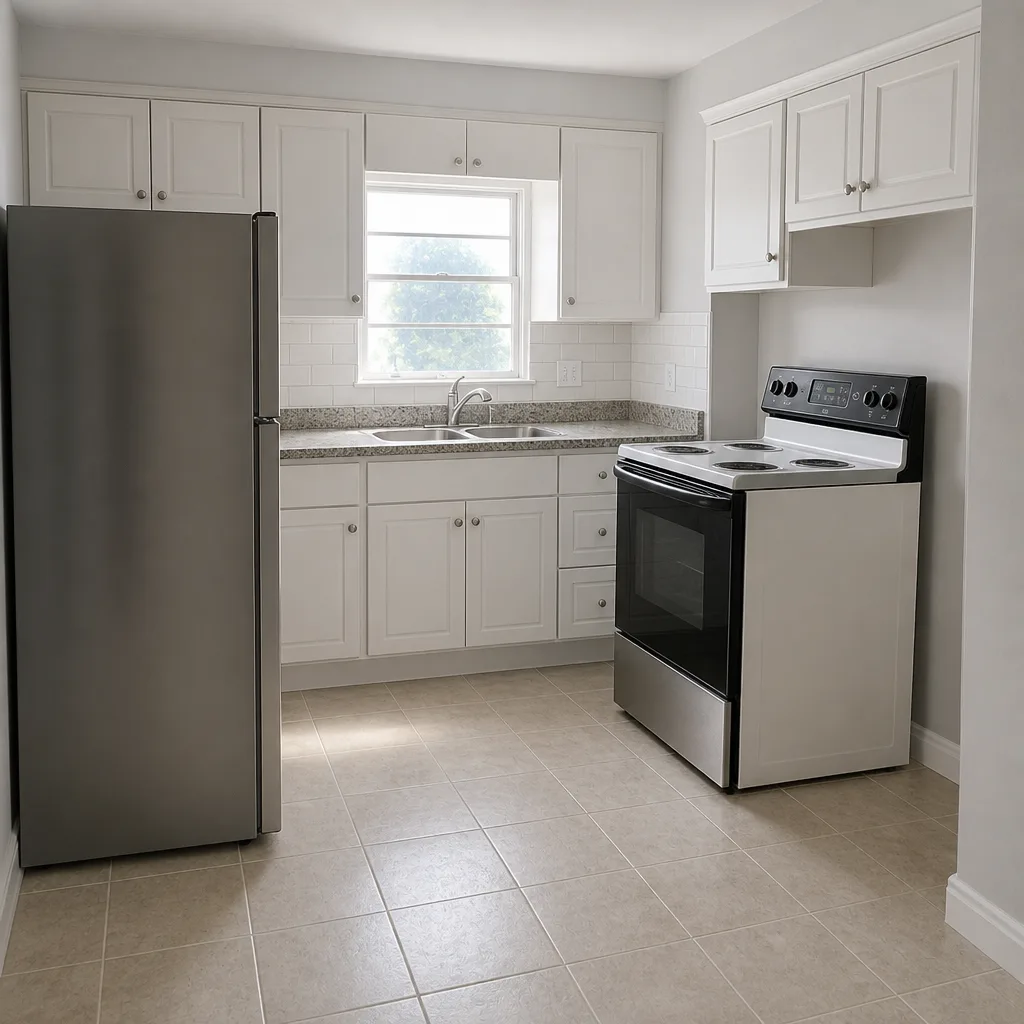 After
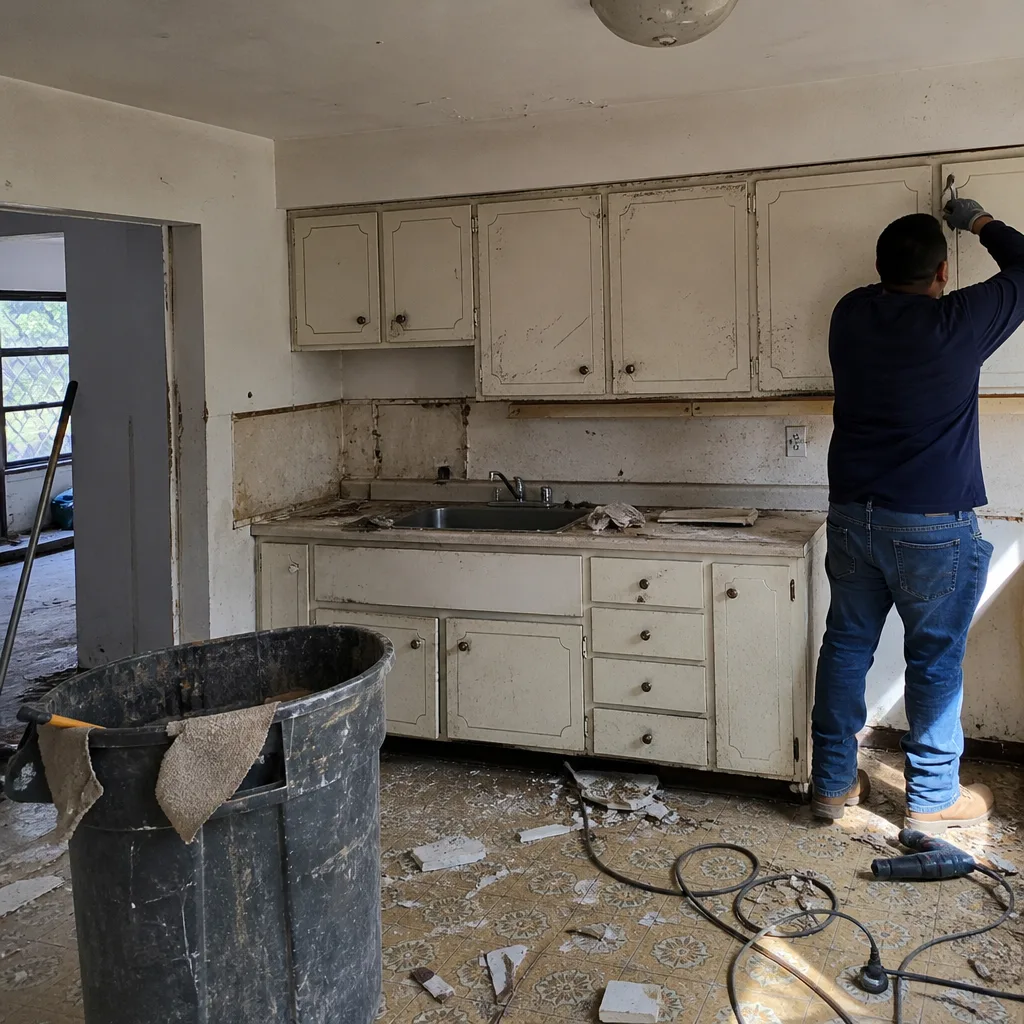 Before
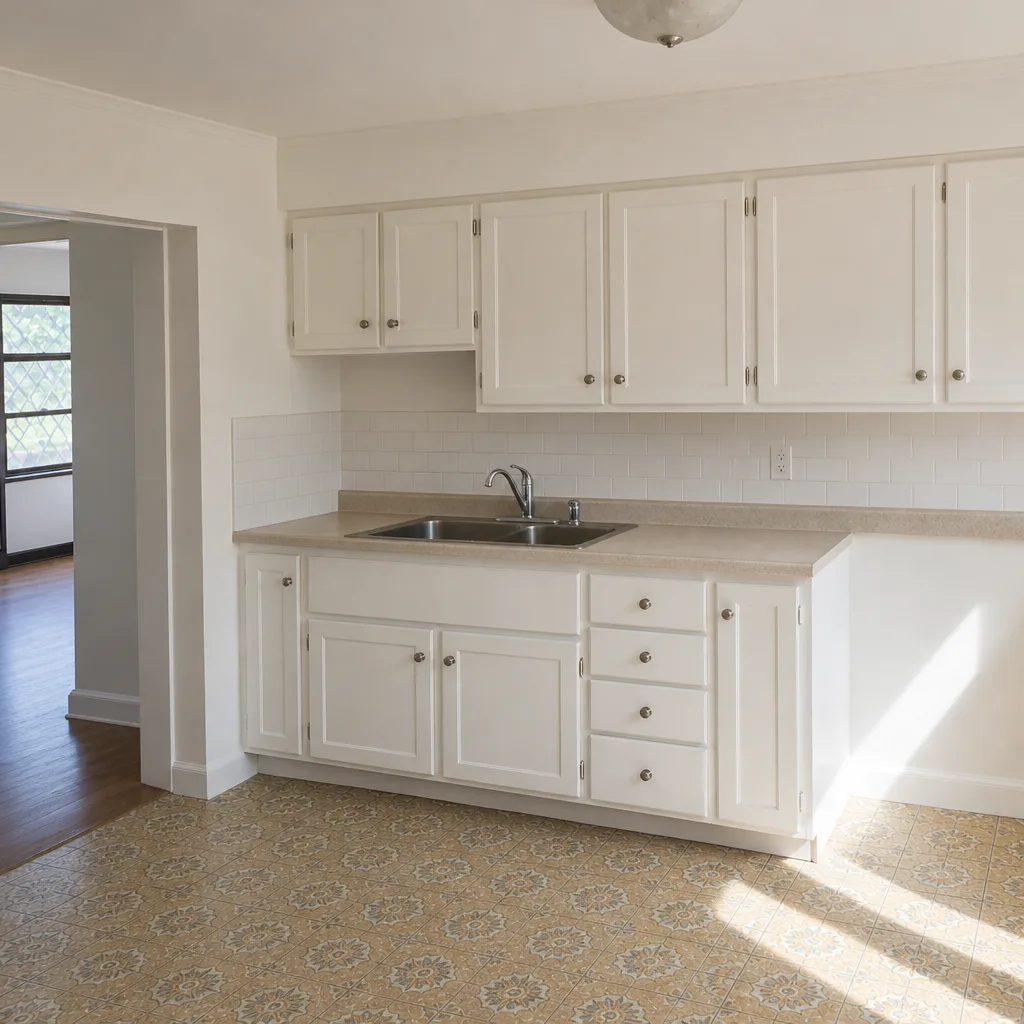 After
When to Call a Professional
Some jobs are genuinely safer handled by a licensed pro from the first call. Roofing – especially on Hialeah homes with HVHZ-spec underlayment and steep pitches – is one. Structural changes like kitchen wall removals, bathroom waterproofing that affects subfloor integrity, and any addition or ADU are three more. Electrical panel work, gas line connections, and window replacements that require NOA compliance all sit in the same category: the working parts are genuinely dangerous or legally binding, and DIY shortcuts here don’t just fail inspection. They can cause real injury or invalidate your insurance.
Groundwork Construction Co. of Hialeah offers free estimates in Hialeah, and we’ll tell you honestly if your project is one we’d recommend handling with a specialist – and if it’s one we can handle from foundation to finish line. Call (888) 418-7102 to schedule your free estimate. If you’re still in the research phase and want to understand the driveway and paver side of the equation, our Driveway & Pavers in Hialeah page breaks down the options with Belgard and Tremron material specs. If an ADU or addition is what brought you here, our Home Additions & ADU in Hialeah page walks through the permit sequence and timeline for those larger scopes.
Frequently Asked Questions
No. A Florida state license is only half of what a Hialeah contractor needs. Miami-Dade County separately requires a Certificate of Competency for the specific category of work, and only contractors who hold both can legally pull permits for your project. Verify both at the DBPR and Miami-Dade County websites before you sign anything. Call (888) 418-7102 if you want us to walk you through what to look for in the lookups.
It depends on scope, but Hialeah pricing runs about 8-15% higher than comparable interior work in Broward County for the same finish level, mostly due to HVHZ material requirements and permit complexity in Miami-Dade. A kitchen remodel might land in the $45,000-$85,000 range; a bathroom in the $18,000-$35,000 range; a full roof replacement typically starts around $14,000-$22,000 for near-spec materials on a standard Hialeah-size home. Those are ballpark figures only – accurate pricing requires a written line-item bid on your actual scope. Call (888) 418-7102 for an exact quote; estimates are free.
Effectively no. Florida residential contractor licensing law caps deposits at 10% of the contract price unless the contractor has specific financing paperwork in place. A 50% deposit request is a legal red flag, and it usually signals cash flow issues on the contractor’s end. A milestone-based payment schedule with a 10% deposit and a held-back final payment is the industry standard.
A state license is issued by the Florida Department of Business and Professional Regulation and covers work statewide. A Certificate of Competency is issued separately by Miami-Dade County and authorizes work within the county’s jurisdiction. You need both – a contractor with only the state license cannot legally pull permits for Hialeah projects. The lookups are public; verify both before anyone sets foot on your property.
Put every proposal side by side and build a spreadsheet with one line per scope item. Any line that appears in one bid and not another becomes a “MISSING” row. Compare allowances, material brand specs, permit handling, and disposal costs line by line. The lowest total is almost always the bid with the most missing items. Call (888) 418-7102 and we’ll walk you through how we structure our own line-item bids so you can see what complete scope language looks like.
Five: current general liability insurance certificate, current workers’ comp certificate, written line-item proposal, copy of the permit application with the contractor as filer, and full written warranty terms. Any contractor who stalls on any of these five is telling you something about how the job will run. The ones worth hiring produce all five quickly, without pressure, on the day you ask.
Typical timelines for Hialeah projects, permit-to-final: a bathroom runs 4-6 weeks, a kitchen 8-10 weeks, a roof 1-2 weeks (plus permit lead time of 2-4 weeks), and an addition or ADU 4-7 months depending on size. Miami-Dade permit processing adds time that contractors in other Florida counties don’t have to budget. Build that into your schedule and any contractor who promises faster than these ranges is probably skipping steps.
The Bottom Line
Hiring a contractor in Hialeah is a due-diligence process, not a shopping process. The two facts that save homeowners the most pain: verify both the state license and the Miami-Dade Certificate of Competency before anything else, and never treat a low bid as apples-to-apples without normalizing the scope first. Add the five-document set, a milestone-based payment schedule with 10% held back until final inspection, and a quick check for HVHZ NOA compliance on any roofing or window work, and you’ve eliminated almost every failure mode we’ve seen in this market. The best contractors reach for a Hialeah project the same way – with preparation, not a pitch. For information on the full scope of what’s available in Hialeah, start at Groundwork Construction Co. of Hialeah home to see how that vetting sequence looks in writing on our own bids.
Contact Groundwork Construction Co. of Hialeah
If you’ve done the homework in this guide and want a contractor who answers all eight phone questions in five minutes, we’ll be on the line. Call (888) 418-7102 to schedule your free estimate. Groundwork Construction Co. of Hialeah offers free project estimates and design consultations, upfront pricing with no surprises, and 0% financing for 18 months – plus $1,000 off projects over $10,000. Our work is backed by the 730-Day Done Right Promise: if it’s not done right, we make it right. We’re happy to walk you through every document before you commit a dollar, whether you hire us or not. While you’re still researching, our Fence Installation in Hialeah page covers fence scopes with Techo-Bloc and Unilock material options, and our Driveway & Pavers in Hialeah guide shows how we structure paver bids – which is a helpful example of the line-item format you should expect from every contractor you’re interviewing.
Written by the team at Groundwork Construction Co. of Hialeah.