Last updated November 18, 2026





Free written scope consultation - allowances, timeline, and change-order rules on paper before a single trade is scheduled
Seasonal Construction Care for Hialeah: Year-Round Homeowner’s Guide
Hialeah doesn’t get four seasons. It gets two, and each one attacks your house in a different way. Here’s the part most homeowners miss: the six weeks between late April and early June, when the humidity climbs but the afternoon storms haven’t really started, is when Hialeah homes collect the most hidden moisture damage. Roofs, stucco, window seals, and fence posts all sit in warm, wet air with no rain to wash away the evidence of a failing detail. By the time the daily downpours arrive in force, a small leak behind a fascia board has had weeks to rot framing. This guide walks you through what to check in each season, what to do in the 48 hours after a named storm, and which maintenance tasks protect the warranty on work you’ve already paid for.
Quick Answer
Seasonal construction care in Hialeah means scheduling inspections around two seasons, not four: a dry season (roughly November through March) for roof, stucco, and window-seal work, and a pre-wet-season window (April and May) to fix everything before storm season peaks. The highest-value tasks are a pre-season roof and flashing inspection, checking stucco and window caulking for cracks, cleaning gutters and drainage paths, and re-sealing any wood fence or deck. Homes that do this once a year avoid most of the costly repairs we see after heavy rain.
Styles & brands we work with
- Kitchen remodeling
- Bathroom remodeling
- Home additions & ADU
- Roofing
- Windows & doors
- Driveway & pavers
- Fence
Table of Contents
- Why Hialeah Homes Run on Two Seasons, Not Four
- The Pre-Wet-Season Checklist (April – May)
- The 48-Hour Window After a Named Storm
- Dry Season Tasks That Prevent Wet Season Failures
- Concrete, Stucco, and Paver Movement in Hialeah Heat and Rain
- Maintenance That Protects Your Construction Warranty
- Common Mistakes to Avoid
- Frequently Asked Questions
Why Hialeah Homes Run on Two Seasons, Not Four
Hialeah sits roughly 10 to 15 miles inland from the Atlantic, which matters more than people realize. The ocean moderates extremes near the coast, but inland Hialeah can run a couple of degrees hotter on summer afternoons and a couple of degrees cooler on winter nights. That modest range is where material stress builds. Concrete, stucco, and paver joints move with every temperature swing, and over a few years the cumulative movement opens hairline cracks that let water in. Most of the serious damage we’re called out to fix started as a hairline crack nobody noticed.
The temperature swing itself isn’t dramatic by national standards. Hialeah winters rarely drop below the mid-50s, and summers push into the low 90s. So a stucco wall might see a 35- to 45-degree annual swing. That doesn’t sound like much until you remember it happens hundreds of times a year: morning to afternoon, sunny to shaded, dry to wet. Expansion and contraction at the scale of years creates real stress on joints, window frames, and paver bases.
Then the rain seasons stack on top of that. Hialeah’s wet season runs roughly June through October, with the heaviest concentration in August and September. Those months deliver frequent, intense afternoon thunderstorms and the occasional tropical system. Dry season, November through March, is cooler, lower humidity, and much less rain. The transition between the two is when homes are most exposed, and it’s the season most homeowners don’t plan around.
The result: Hialeah homes run on a maintenance rhythm set by rain, not by leaves changing color. If you schedule work the way a northern homeowner does, you’ll do it in the wrong window and pay for it later.
The Pre-Wet-Season Checklist (April – May)
This is the most important six-week window on the Hialeah calendar. Humidity is up, but the daily storms haven’t fully arrived, which means you can find and fix problems before water pressure from rain makes them worse. Here’s the inspection list we walk through with homeowners in April and May.
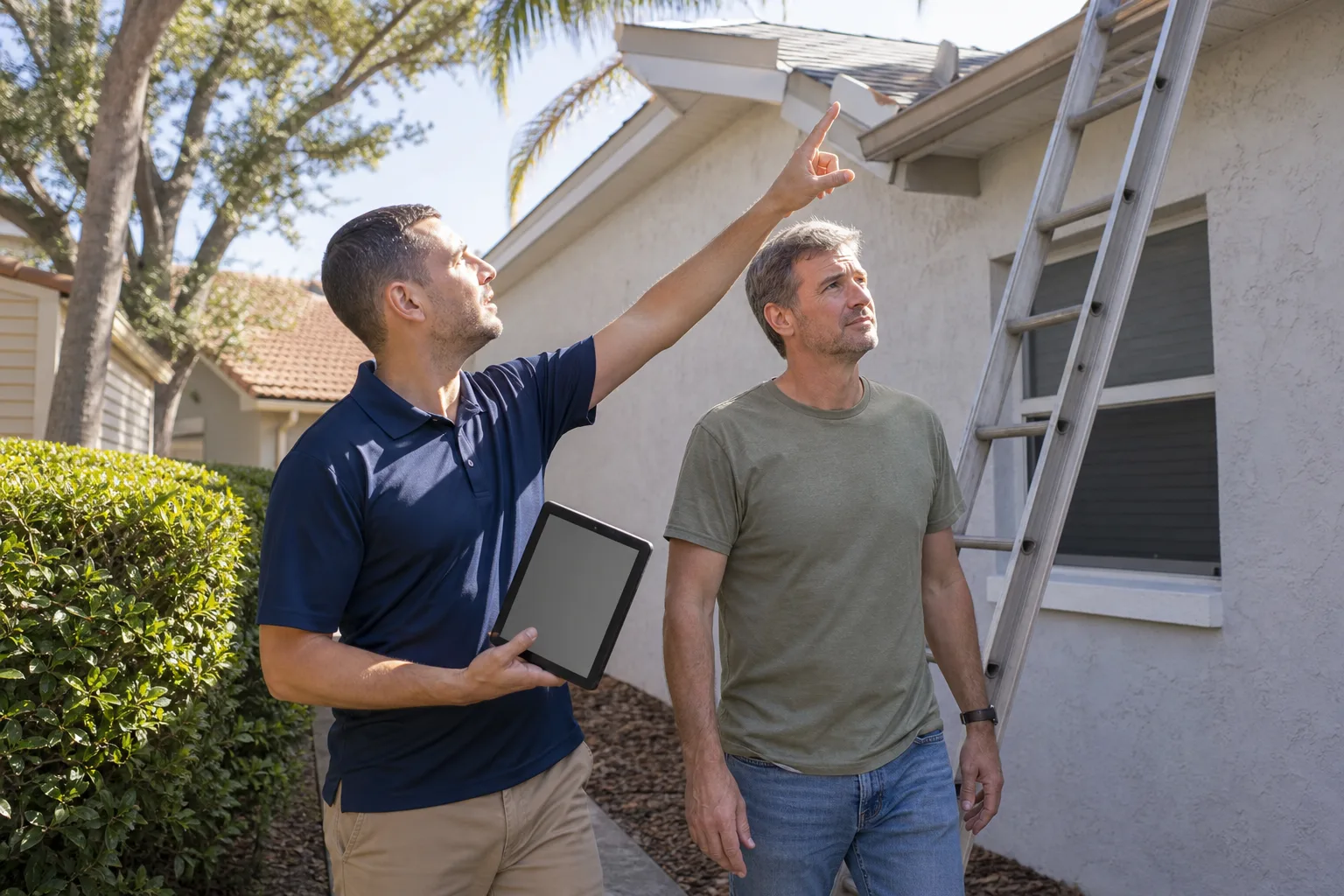
- Inspect the roof surface and flashings. Look for lifted shingles or tiles, granule loss on asphalt, and failed seals around roof penetrations like vents and skylights. Pay close attention to the junctions where your roof meets an adjacent wall or another roof section. Those get the most wind-driven rain.
- Check gutter and downspout flow. Hialeah’s wet season dumps water fast. Gutters that drain slowly or overflow at the seams send water onto fascia and into wall cavities. Clear debris and confirm downspouts discharge at least a few feet from the foundation.
- Walk the stucco and wall surfaces. Look for cracks wider than a credit card, bubbling paint, or dark streaks that suggest moisture behind the surface. Hialeah’s older homes often have stucco over masonry, and small cracks there are common.
- Test window and door seals. Run a finger along the exterior caulk line at every window and door. If it’s cracked, brittle, or peeling, it needs replacement before rain starts working at it.
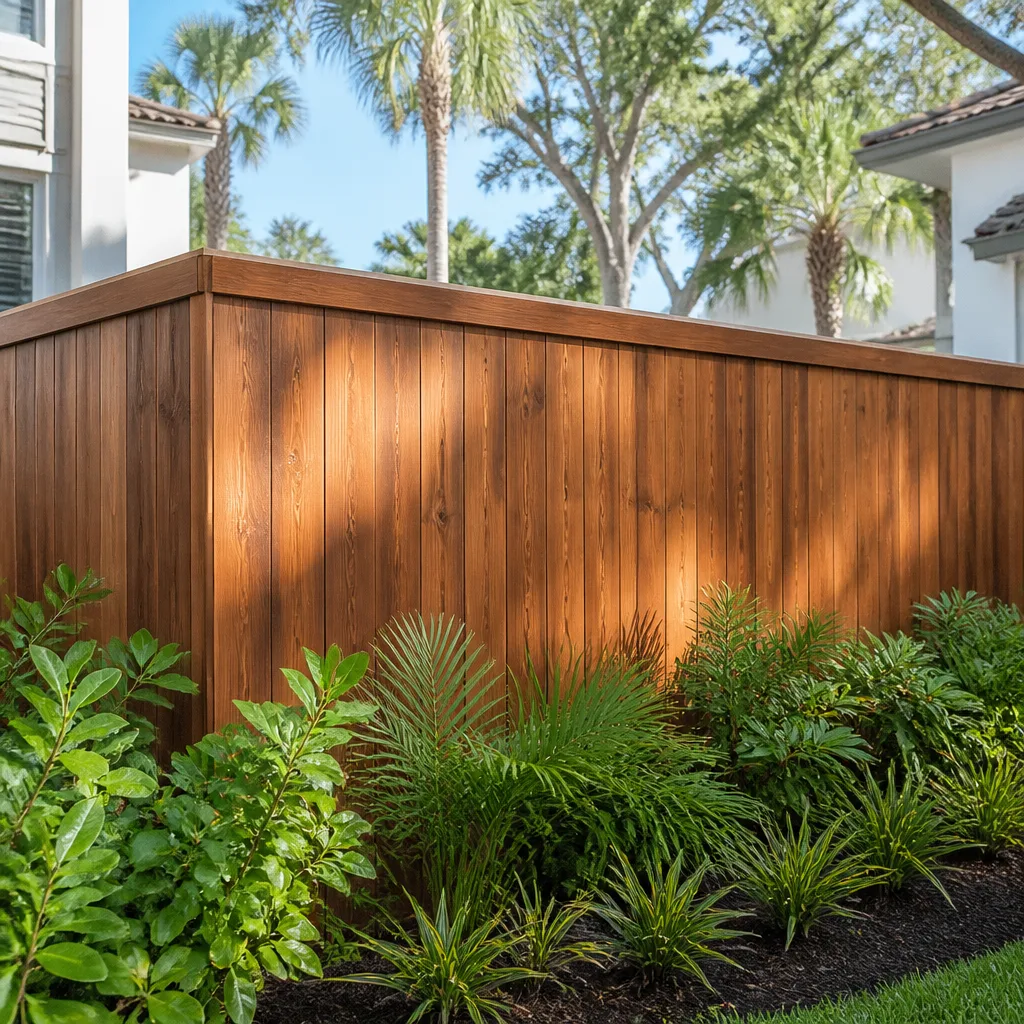
- Inspect the fence line. Wood posts and pickets swell and weaken when wet. Check for rot at the base, loose fasteners, and leaning sections. If you’re considering a replacement fence ahead of storm season, this is the right window to plan it.
- Look at driveway and paver joints. Sand-filled paver joints erode over time. Re-sanding before wet season keeps water from getting under pavers and lifting them. For significant paver work, this is also the season to get it done.
- Confirm drainage paths around the house. Check that the ground slopes away from the foundation, and that any swales or French drains are clear. Standing water near the slab is one of the fastest ways to undermine a home’s foundation.
This is also a good time to walk through the interior. Look at ceilings below the attic, especially in bathroom and closet corners. If you see water stains or bubbling paint, that’s a sign the roof or a window seal needs attention before storm season.
The 48-Hour Window After a Named Storm
The most important 48 hours of your construction year may be the two days right after a storm passes. That’s when secondary damage happens: water that got in during wind-driven rain starts soaking into drywall and framing, mold spores get a foothold, and small leaks spread. Homes that act fast on the first day after a storm recover far better than homes that wait a week to check.
Here’s the step-by-step we recommend.
- Document everything before you touch it. Photograph any visible damage, water intrusion, or displaced materials. That record matters for insurance and for your own warranty conversations.
- Do a roof and ceiling walkthrough. Look at ceilings and the tops of walls for staining or sagging. If you can safely view the roof or have a professional do it, check for missing shingles, damaged flashing, and displaced tiles. Do not climb onto a wet roof yourself; falls are the most common storm-related injury.
- Check all windows and doors for water entry. Look at the interior sill and the wall below each window. Any dampness means the seal needs attention.
- Inspect the fence and any exterior structures. Look for leaning posts, blown-over panels, and water pooling at fence bases.
- Remove standing water and dry wet materials. If water made it inside, get it out and get air moving on it within 24 hours. Don’t wait to see if it dries on its own.
- Call for a professional inspection if you see damage. Storm damage often hides behind surfaces, and what looks like a small ceiling stain can mean a compromised roof deck.
In our experience, the majority of the worst storm damage on Hialeah homes could have been prevented with fast action in that 48-hour window. A small roof leak that sees a day of drying usually just needs a repair. The same leak that goes unnoticed for a week often means framing replacement.
Dry Season Tasks That Prevent Wet Season Failures
Here’s the trap with dry season, November through March: conditions feel low-risk, so most homeowners skip maintenance. But this is exactly the window when you fix the things that will fail once the rain comes back. Wet season is when you find problems. Dry season is when you solve them.
Think about the sequencing. A roof repair done in February has months to cure before the first real storm tests it. That same repair done in June, mid-storm, has no grace period. A stucco crack sealed in January is done and gone by the time the wet season arrives. Sealed in May, it’s racing the next rain.
Dry-season tasks we recommend for every Hialeah home:
- Roof repair and replacement work. GAF and Tamko products need time to seal and cure. Doing roof work in dry season gives those materials the conditions they need to perform all year. It’s also when contractors can work without racing afternoon storms.
- Exterior painting and caulking. Paint and caulk need to cure without rain. Dry season gives them that window, and the finished surface holds through the wet season.
- Fence installation or major fence repair. Wood settles and concrete footings set properly in dry conditions. A fence installed in a properly prepared dry-season footing lasts longer.
- Driveway and paver work. Base preparation and installation are simpler and cleaner when the ground isn’t saturated. Wet-season paver work still happens, but scheduling it dry is easier and more reliable.
- Window and door replacement. PGT and similar impact-rated windows go in cleaner in dry weather, and the surrounding sealants cure without storm interference.
- Foundation and grading adjustments. If your yard grades toward the house, dry season is the time to fix it. Additions and larger projects also fit here.
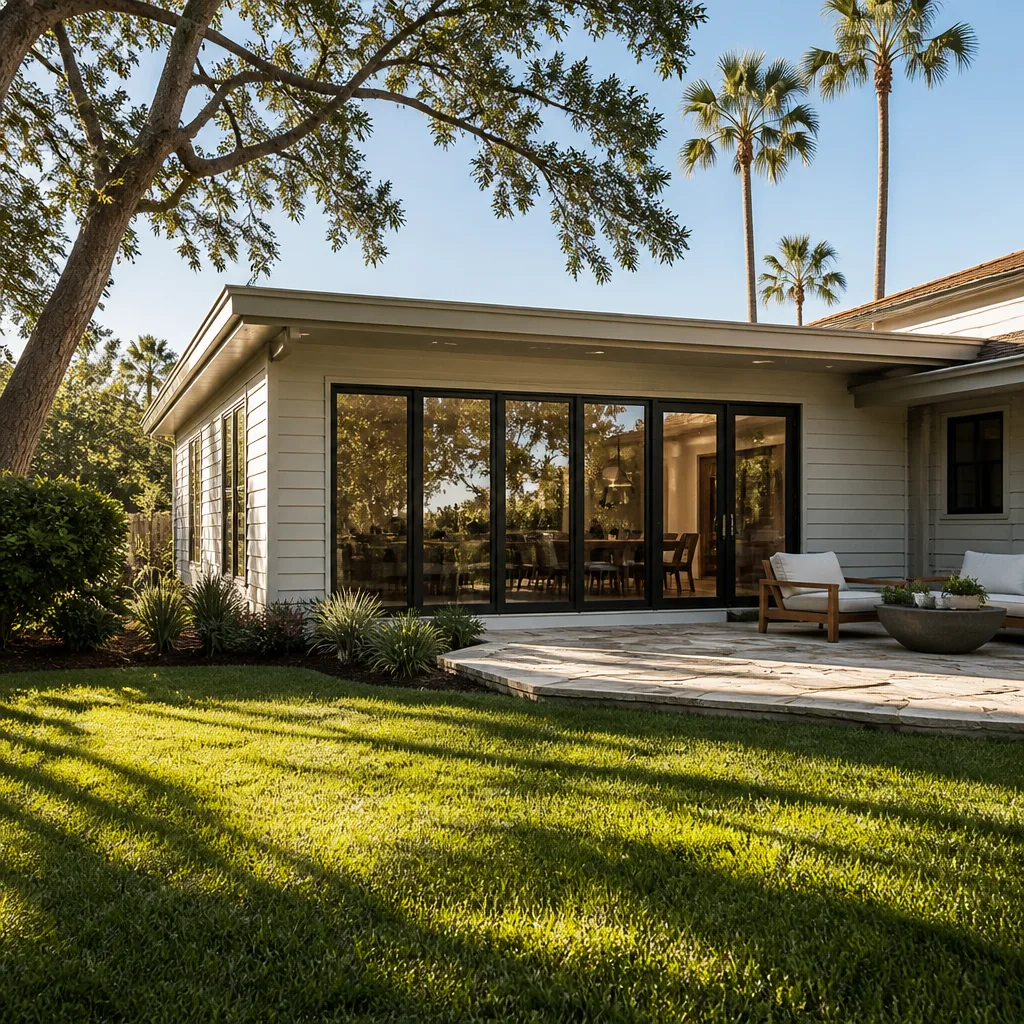
Homeowners planning a bigger improvement should think about dry season as the planning and permitting window too. If you’re going to be building an addition, dry season is when permits move, drawings get done, and work begins on a schedule that finishes before the next wet season.
Concrete, Stucco, and Paver Movement in Hialeah Heat and Rain
Hialeah’s temperature range is modest compared with the rest of the country, but the material stress is still real because it happens so often. The daily cycle of warming and cooling, plus the dry-to-wet swing of the seasons, works on concrete and stucco the way waves work on a shoreline: small, repeated, cumulative.
Concrete and driveways. Slabs move with temperature and moisture. In dry season, they contract slightly, and in wet season, they can swell. Over years, that opens hairline cracks and lifts joint edges. If you see cracks wider than an eighth of an inch, or a slab that’s out of level, that’s a sign the base is compromised. Fixing the underlying drainage usually matters more than the crack itself.
Stucco and walls. Stucco on Hialeah homes is common, and its vulnerability is the joint where it meets window frames, doors, and roof flashings. Those joints move seasonally. Caulk that doesn’t flex enough will crack. Repairs done with proper flexible sealant hold up better.
Pavers. Pavers move more than a lot of homeowners realize. Individual units shift as the base settles, and joint sand erodes over time. In Hialeah’s wet season, water gets under poorly maintained pavers and can loosen a whole section. The fix is usually re-sanding joints and re-setting any lifted units before the wet season pressure builds.
Fence posts and wood. Wood expands as it takes on moisture and contracts as it dries. Hialeah’s wet/dry cycle pushes fence posts through that change repeatedly. Posts that were set in poorly drained soil fail faster. A properly installed fence with footings above the water table lasts significantly longer.
The practical takeaway: don’t wait for visible failure. The pre-wet-season walkthrough and dry-season repairs keep material stress from turning into a problem you can’t ignore.
Maintenance That Protects Your Construction Warranty
This might be the least understood part of home care. A workmanship warranty, even one as strong as the 730-Day Done Right Promise, is meant to cover defects in work and materials, not damage caused by neglect. Every manufacturer and warranty provider uses some form of the same standard: reasonable homeowner maintenance to prevent damage.
So the annual checklist isn’t just about avoiding repairs. It’s about keeping the coverage on work you’ve already paid for. Here’s what most warranties and material partners expect to see.
- Annual roof inspections and cleaning. Debris left on a roof traps moisture. That can void coverage on the affected area because the failure traces back to poor maintenance, not a defect.
- Keeping gutters and drainage clear. Water damage from overflow is treated as a maintenance issue, not a workmanship issue.
- Addressing small cracks and seals promptly. Ignoring a small stucco crack until it becomes a wall leak usually means the repair isn’t covered.
- Not interfering with completed work. If a homeowner or an unrelated contractor does work that damages or alters a covered installation, coverage on that portion usually ends. Same goes for unauthorized modifications.
- Reporting issues within a reasonable window. Warranties expect notification, not waiting a couple of years and then asking for a fix.
- Following manufacturer maintenance requirements. Roofing partners like GAF, Tamko, and Owens Corning each publish care guidelines. Following them keeps both material and workmanship coverage intact.
What most contractors won’t tell you: there’s a strong argument for having a single contractor who does both the original work and the annual check-ins. That way the maintenance record ties directly to the work performed, and there’s no ambiguity if a claim comes up. We handle warranty-related inspections on Hialeah homes we’ve worked on, and the record is simple to keep when it’s all with one company.
If you’re planning a project now and want the maintenance plan that keeps the guarantee solid, start with the Groundwork Construction Co. of Hialeah home page and the project estimate process. We walk every homeowner through the care requirements behind the work before it’s finished.
Common Mistakes to Avoid
- Treating spring like a low-risk season. The April – June window is when Hialeah homes collect the most undetected moisture damage. Most homeowners assume storm season hasn’t started and do nothing.
- Skipping the annual roof inspection. Roofs often fail at the flashings and penetrations before the field of shingles shows any problem. A visual from the ground won’t catch those.
- Letting small stucco cracks sit. A hairline crack doesn’t stay hairline. Water finds it, expands it, and one wet season later it’s a wall leak.
- Assuming paver joints are self-maintaining. Joint sand erodes with every wet season. Re-sanding on a schedule saves a whole section from shifting.
- Waiting until storm damage is visible. By the time a ceiling stain appears, water has been in the attic for weeks. The 48-hour inspection after a storm catches it early.
- Doing roof or paver work in wet season without protection. Some work can be done in wet season, but the finished product often performs better when it’s done dry.
- Ignoring drainage around the foundation. Slow water movement at the base of a home is one of the most common and most preventable causes of structural damage in Hialeah.
See the difference
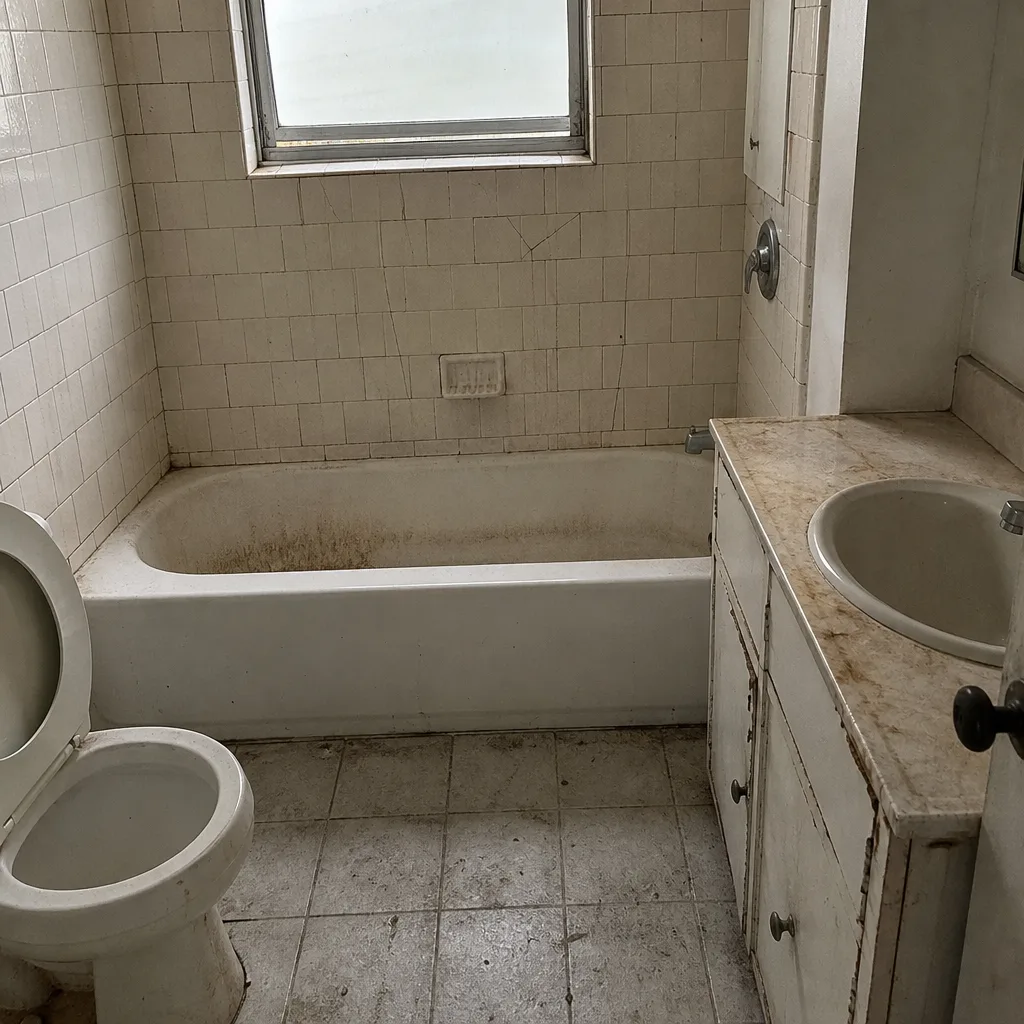 Before
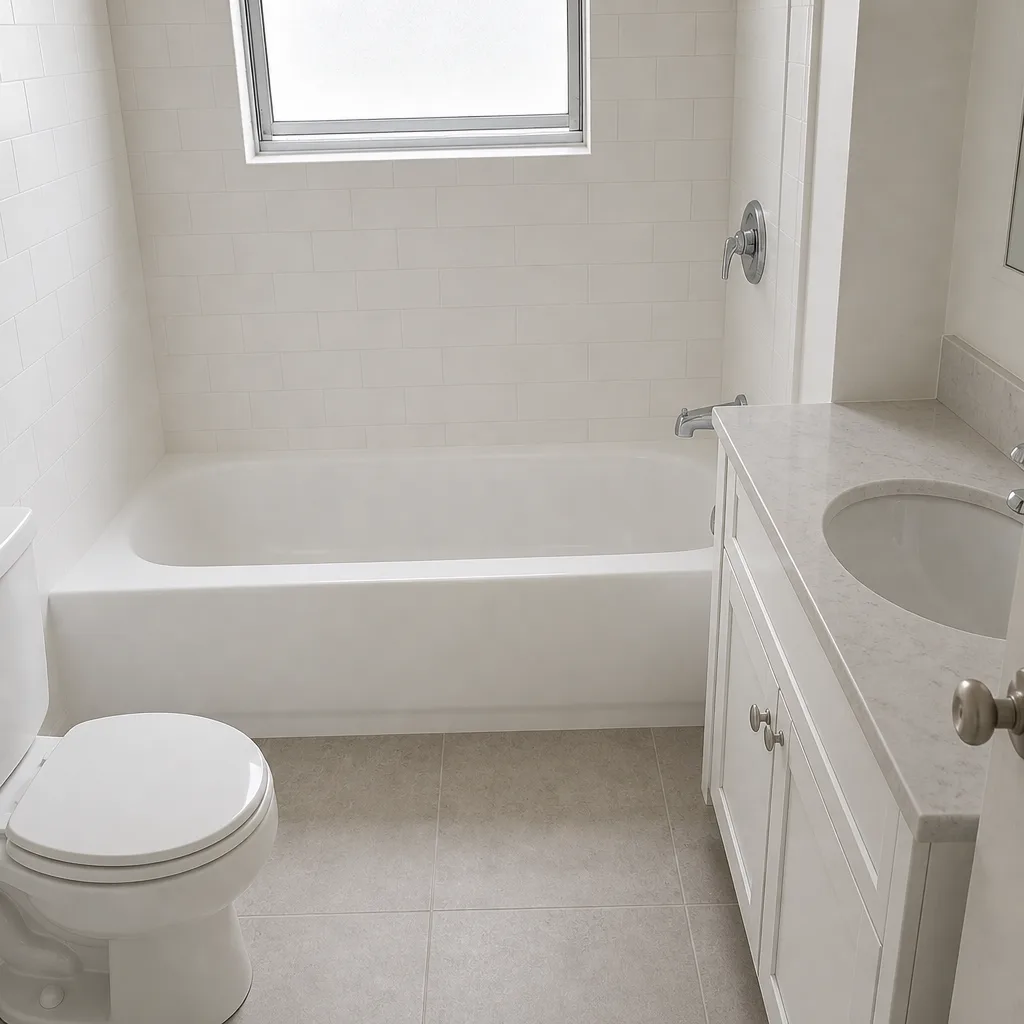 After
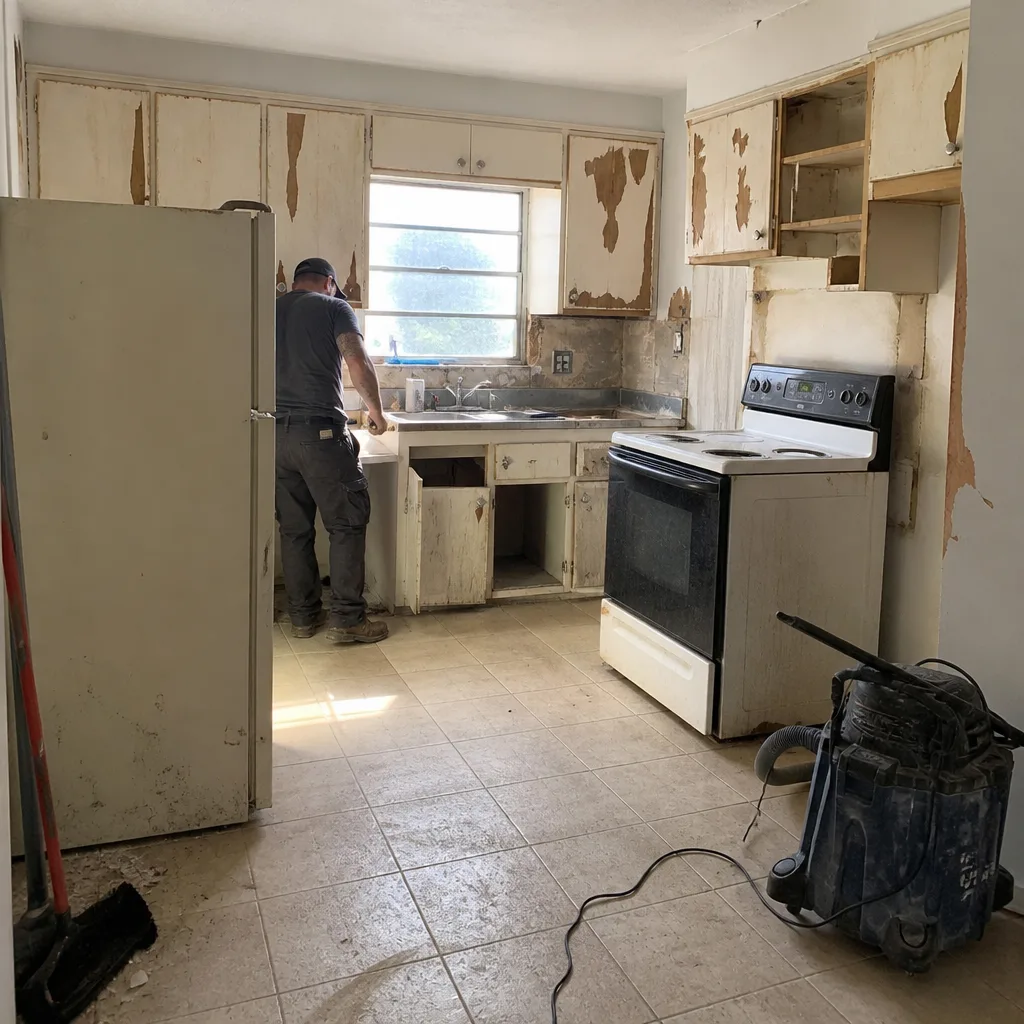 Before
 After
 Before
 After
When to Call a Professional
Not every maintenance item needs a professional, but certain things do. Call a professional if you see any of the following: water staining on ceilings or walls, sagging in the roof structure, cracks in stucco wider than a credit card, pavers or driveway slabs that have visibly shifted, fence sections that lean after a storm, or any leak you can’t trace to its source. Roof work, foundation work, and structural repair are not weekend DIY territory in South Florida, and the cost of getting it wrong is much higher than getting it right. Groundwork Construction Co. of Hialeah offers free estimates in Hialeah. Call (888) 418-7102 and we’ll walk your home’s seasonal maintenance needs from foundation to finish line.
Frequently Asked Questions
Dry season, November through March, is the best window for roof repair or replacement in Hialeah. Materials cure properly without storm interference, work schedules are more reliable, and the finished roof has months of good weather before the first big test. Call (888) 418-7102 for a free roof estimate in Hialeah and we’ll schedule to your best weather window.
At least once a year, ideally in April or May, right before wet season. Add a quick visual inspection after any named storm or major rain event, and a full professional inspection every two to three years. Homes older than 15 years or within a mile of the coast should be inspected more often. Call (888) 418-7102 to schedule an inspection; estimates are free.
Document any visible damage with photos, then check ceilings, windows, and the exterior for water intrusion or displaced materials. Don’t climb on a wet roof to inspect it yourself. If you see damage, get a professional out within 48 hours, because that’s the window where secondary moisture damage is easiest to prevent. Call (888) 418-7102 to arrange a storm damage inspection.
It can. Most workmanship warranties, including the 730-Day Done Right Promise, cover defects in work and materials, not damage caused by neglect. Skipping maintenance like gutter cleaning, roof debris removal, and small crack repairs can give a contractor valid grounds to deny a claim. Call (888) 418-7102 if you’re unsure whether your maintenance history protects your coverage.
Hialeah’s temperature range is modest, but the constant daily and seasonal movement still opens hairline cracks in slabs and shifts paver units over time. The most common result is joint sand erosion and slab cracking near drainage paths. Re-sanding paver joints and fixing drainage before wet season prevents most of the damage. Call (888) 418-7102 for a free paver or driveway estimate.
Inland Hialeah homes run slightly hotter in summer and slightly cooler in winter than coastal homes, and they see less wind-driven salt exposure but more intense afternoon heat. Coastal homes need more frequent caulking and metal fastener checks. Inland homes need extra attention on roof ventilation and drainage. Every home’s plan should be tuned to its specific location, and a free estimate from Groundwork is a good place to start. Call (888) 418-7102.
The Bottom Line
Seasonal care in Hialeah isn’t about doing more. It’s about doing the right things in the right windows. April and May are for inspection and pre-season repair. Dry season is for the big-ticket work that needs to cure before storms. The 48 hours after a storm are for fast action. And the annual checklist is what keeps your warranty solid. Whether you’re looking at a roof replacement, a fence install, a paver refresh, or an addition, planning around the two-season rhythm saves money and heartache. Our Driveway & Pavers in Hialeah team can help with material movement, our Fence Installation in Hialeah team can help with the pre-season fence work, and our Home Additions & ADU in Hialeah team can help if you’re planning a bigger project around the dry-season window.
Bigger projects deserve a contractor who treats the schedule the way you would. Upfront pricing, no surprises. Whether you’re scheduling a full pre-season inspection or a project that needs to land in dry season, call (888) 418-7102 for a free estimate. Live person, 24/7, background-checked uniformed technicians, and every project backed by the 730-Day Done Right Promise. The number you see is the number you pay, built to last and backed in writing.
Written by the team at Groundwork Construction Co. of Hialeah.