Last updated November 18, 2026





Free written scope consultation - allowances, timeline, and change-order rules on paper before a single trade is scheduled
Windows & Doors Troubleshooting: Common Problems and How to Fix Them
A drafty window in December in Hialeah isn’t a weatherstripping problem 40% of the time. It’s an installation gap that’s been letting humid outside air into your wall cavity since the day the unit went in. We’ve pulled enough window trim in this city to know the difference between a five-dollar fix and a ten-thousand-dollar wall repair, and the two look almost identical from inside the house. This guide gives you a diagnostic framework, not just a fix list: how to tell a simple adjustment from an early symptom of installation failure, what South Florida humidity and Miami-Dade code do to windows and doors over time, and the exact point where a service call saves you money.
Quick Answer
Most window and door problems fall into one of two buckets: owner-fixable adjustments (weatherstripping, hardware, seasonal swelling) or early symptoms of a larger installation failure (missing flashing, frame settlement, seal failure, water intrusion). Diagnose the source before you call anyone. Draft and condensation that worsens after rain points to installation or flashing. Draft that’s steady and dry points to weatherstripping or frame gaps. Sticking that changes with the season is usually humidity expansion and is manageable. Sticking that gets progressively worse and never resets is often structural and needs a professional look.
Styles & brands we work with
- Kitchen remodeling
- Bathroom remodeling
- Home additions & ADU
- Roofing
- Windows & doors
- Driveway & pavers
- Fence
Table of Contents
- Draft and Air Infiltration: Pinpointing the Source
- Sticking Doors and Windows in South Florida’s Humidity
- Condensation Between Glass Panes
- Water Intrusion at the Frame
- Locking and Latching on Impact Windows
- Sliding Door Track and Roller Problems
- Common Mistakes to Avoid
- When to Call a Professional
Draft and Air Infiltration: Pinpointing the Source
A draft in a Hialeah home is rarely just a comfort issue. In this climate, an air leak on the wrong side of the wall assembly is a moisture delivery system. Humid outside air rides through the gap, hits the cooler interior air, condenses inside the wall cavity, and starts feeding mold and rot behind drywall. That’s the mechanism behind the “why does my window trim keep peeling” call we get every rainy season. The draft itself is the symptom. The wall cavity is the actual patient.
You can isolate the source without pulling trim or guessing at it. Here’s the method we recommend to homeowners who want a straight answer before booking a service call:
- The incense test, done dry. On a still, dry day, close every window and door in the room. Light an incense stick or a candle and run the flame slowly along the perimeter of the suspect unit: the sill, the jambs, the head, and the meeting rail where two sashes close. Any flicker means a leak at that exact spot. Mark it with painter’s tape.
- The rain retest. Repeat the test the next time it rains, ideally an hour into a steady shower. If leaks appear in new spots that were clean when dry, or intensify where they were already present, the source is not just weatherstripping. Water is coming in with the air, which points to missing or failed flashing.
- The trim inspection. Look at the interior trim where it meets the wall. Fresh paint bubbling, soft spots, or the caulk joint pulling away from the wall are all signs of moisture behind the casing. Stop here and call a professional. Don’t paint over it.
Dry leaks concentrated along the meeting rail or the sill cap are usually weatherstripping. It compresses and hardens over 8 to 12 years in this climate, and the humidity accelerates that. Rain-triggered leaks at the corners or the head are flashing. The window unit is sound; what’s behind it isn’t.
Flashing failures are the culprit on a disproportionate number of Hialeah homes built during the rapid development years, where sill pans were sometimes skipped and head flashing was lapped wrong or not at all. This is where a diagnostic turns into a budget conversation, and where a contractor who guesses costs you thousands. The upshot: fix the air leak at the source before the wall pays for it. If you want to see how we handle the structural side of window replacement and door installs when a repair isn’t the answer, our Groundwork Construction Co. of Hialeah home walks through the full scope we cover.
Sticking Doors and Windows in South Florida’s Humidity
A door that sticks every July and frees up by November is telling you something specific about what’s wrong. It’s almost never the foundation. Wood and door frames absorb relative humidity from Hialeah’s summer air, and they expand dimensionally as they do it. A solid wood entry door can swell by an eighth of an inch, which is enough to rob a striker plate of clearance and make a deadbolt feel like it’s fighting back. Weather puts it back. Nothing is broken.
Chronically sticking ground-floor doors and windows in Hialeah need a different diagnosis. Here’s how to sort the three possibilities:
1. Humidity expansion (seasonal, benign)
The sticking pattern tracks the weather. Doors bind in June through September, free up in dry weeks and cool months, and there’s no change in the level or plumbness of the door. Run a dehumidifier in the affected room, and consider annual hinge and striker adjustments. Permeable finishes on the door edge help too. This is maintenance, not repair.
2. Hinge failure or sagging (mechanical)
Look at the gap between the top of the door and the head jamb on the latch side. If the gap is visibly wider on the top latch side than the top hinge side, the door has sagged on its hinges. Often the top screws have pulled through the wood or the door has dropped over time. A hinge screw swapped for a longer one and a re-shim of the jamb will sometimes correct this in a single visit. Doors that sag repeatedly need the frame or the hinge leaf addressed properly.
3. Foundation movement or frame settlement (structural)
Listen for the pattern. If sticking gets progressively worse over months and never resets, and it’s happening on multiple doors across the house or along one wall, the issue isn’t the door. South Florida’s soil conditions, combined with older plumbing leaks, can shift a slab and distort the frame that door sits in. Weatherstripping can’t fix that. Neither can sanding. That diagnosis belongs to a professional who can evaluate the whole wall and the header above it.
One detail homeowners often miss: sticking in Hialeah homes built before 1994 often traces to aluminum frame door and window units that were installed with minimal shimming at the sill. As the frame expands and contracts with humidity, it binds against the rough opening. An installer with a diamond blade and a feeler gauge can diagnose and correct it. Homeowners with a block of sandpaper cannot, and the sanding they do makes the binding worse by reducing the air-gap tolerance around the panel.
Condensation Between Glass Panes
Fog or water streaks between the two panes of a double-pane window means one thing: the sealed assembly has failed. The desiccant seal has broken, ambient moisture entered, and the insulating gas or vacuum that made the unit energy-efficient is gone. No amount of drying, wiping, or “leaving the sunscreen shade open” will fix it. The unit itself is compromised.
The failure doesn’t immediately make the window unsafe – it makes it inefficient and visually annoying, and in South Florida it usually starts with a cloudy corner or a milky band along the bottom before spreading. Timelines vary. Some units fog fully in months, some stay hazy in one corner for years.
The economics matter here, and they’re the piece most guides skip. In a Hialeah home, the question is not “repair or replace the window” – it’s “repair or replace the glass unit.” Those are different jobs with very different prices.
Replace the glass unit (the sash)
If the frame and the sash are sound and the rest of the window operates correctly, a glazing contractor can swap just the insulated glass unit. On a standard double-hung or casement, that’s typically a fraction of the cost of a full window replacement, and the finish, trim, and rough opening stay untouched. It’s the right answer when the failure is isolated to one or two units in an otherwise healthy window package.
Replace the whole window
This is the right call when the frame is rotten, the operating hardware is failing, the window is a single-pane builder-grade unit with no energy score to speak of, or several units in the same wall are failing in sequence. In those cases, swapping glass throws good money at a frame that’s already at end of life. On an impact window, the pressure-rated designation belongs to the full assembly; you’ll want a contractor who understands the difference.
For brand integrity, we push homeowners to the same manufacturers we’d put in our own homes. Andersen, Pella, and Marvin are the names we reach for on replacement windows, and they’re backed by a material warranty that outlasts most builder-grade units by a wide margin. What a warranty won’t cover is the labor and flashing of a bad install, which is why we pair those windows with our 730-Day Done Right Promise – if it’s not done right, we make it right, and the paper trail is real, not brochure copy.
Water Intrusion at the Frame
Water showing up at the interior frame – staining on the drywall, a soft sill, a damp spot on the trim after a hard rain – is the single most commonly misdiagnosed problem in this whole category. Homeowners, and plenty of handymen, reach for a tube of caulk. Caulking the outside of a window is sometimes the fix. More often in Hialeah, it’s covering up a flashing failure that’s been quietly rotting the wall framing for years.
The difference between a caulking fix and a flashing failure comes down to where the water is entering:
- Caulk-level fix: Water appears only after wind-driven rain hits a specific side of the house. The interior stain is at the very edge of the trim, the caulk joint on the exterior is visibly cracked or missing, and the wall behind it is dry and firm when you press on it. Re-caulking with a quality exterior sealant and repainting usually solves it.
- Flashing failure: Water appears after heavy rain regardless of wind direction, or without any obvious caulk defect. Staining is on the wall, not just at the trim, and the sill or header area feels soft. The wall cavity is wet even when the interior looks dry. This is behind the window rough opening and it needs to be opened up.
Why misdiagnosing this is expensive: the wall cavity in a Hialeah home is wet for far longer than the visible interior stain suggests. It’s already been wet once the caulk hides the entry point. Rot in the sheathing and framing sets in over months, not days, but by the time drywall shows a textbook water stain, the damage is usually already there. Painting over the interior, or caulking over the exterior, buys you time while the structural damage grows. If you suspect flashing, stop caulking and get the wall opened up and inspected.
The correct sequence for a real repair is straightforward: open the interior or exterior finish, find where the water enters at the rough opening, check the sill pan and head flashing, repair or rebuild the wall, then re-flash and re-install to current Miami-Dade standards before any caulk goes back on. Our Home Additions & ADU in Hialeah team runs this exact sequence on additions, because there’s no better place to see bad window flashing than behind a brand-new wall.
One more thing about wind direction. In Hialeah, summer storms push water from almost every angle, and hurricane season puts real pressure on the head flashing. A window that passed inspection ten years ago with minimal flashing and caulk can start leaking after a re-roof or a roof repair because the roofers stripped the caulk line at the wall and didn’t relap the flashing. If water appeared after roof work, that’s the first place to look.
Locking and Latching on Impact Windows
A door or window latch that “mostly works” is not a minor inconvenience on an impact-rated product. Miami-Dade’s building code, and the product approvals that carry it, depend on the entire locking assembly engaging fully and evenly. A strike plate that’s off by a sixteenth of an inch means the hardware is not engaged as designed, and that changes what the unit can actually do under wind load. The rating gets tested with everything fully locked. Half-locked hardware is not a partial pass – it’s an unrated assembly.
This matters in a city where nearly every new or replaced window and door must meet the Florida Building Code and, in much of the county, carry a Miami-Dade Notice of Acceptance. When an NOA is applied for a product, the test results are for the assembly as tested, including the locks. If your latch isn’t engaging, the unit no longer meets that description. We treat every latch issue as a real problem, not a “call us when it’s convenient” problem.
Most latching problems fall into predictable patterns:
- Strike plate misalignment: The latch catches, but with resistance or at an angle. Often the strike has loosened or shifted a millimeter. Realign, replace screws with longer ones if they’ve wallowed the hole, and retest the lock by hand.
- Hardware wear: The keeper wears, the bolt gets stiff, or the latch is no longer engaging the full depth of the strike. This is a hardware replacement, and on an impact unit it should be the OEM part or a listed equivalent.
- Frame twist or racking: The whole panel no longer meets the frame square, so the latch can’t reach. If you see visible gap variation around the panel or the unit sticks when opening, a professional needs to evaluate it. Impact frame selection and installation play into this in Hialeah, where humidity, wall movement, and thermal cycling can act on the frame after install.
- Debris or a damaged keeper: Sill tracks, jamb tracks, and roller assemblies collect sand and grit. A clean with a soft brush and a wipe-down with a damp cloth often restores full engagement. Don’t use a pressure washer on the tracks.
The rule for homeowners is simple. Any window or door that won’t lock fully and flush by hand should be treated as a pending problem, not a nagging one. If you’re living in a home where “you just have to lift it while you turn the lock,” that’s a system out of alignment and it’s worth a professional look before the next named storm.
Sliding Door Track and Roller Problems
Sliding glass doors are the workhorse of Hialeah patios and screened enclosures, and they’re the first place homeowners notice a door that “doesn’t slide like it used to.” The cause is usually one of three things. The tracking is dirty and the rollers are scrubbing through grit. The rollers themselves have worn flat or seized. Or the door’s weight has pulled it off plumb and the panel is riding on the bottom track and dragging.
The diagnostic is a hands-on one, and it’s about 15 minutes:
- Clean and dry the track. Use a vacuum with a brush head or a dry cloth. Then wipe with a damp (not soaking) cloth and dry it fully. If the door glides after that, the problem was grit and the fix is a regular cleaning routine, not a repair call.
- Lift and inspect the rollers. With the door lifted gently at the leading edge, you can sometimes see the roller wheels. Worn rollers look flat or grainy. If both rollers are seized or worn flat, they need to be replaced. It’s a small-job repair and a professional can do it in a single visit.
- Check the plumb and the gasket. If the door slides evenly but a draft or a water stain appears at the bottom, the gasket may be worn and the panel may be out of square. That’s beyond a roller swap and needs a contractor.
Note the distinction between a sliding door that sticks and one that catches. Sticking on the track is grit or rollers. Catching at the frame – the door opens halfway and then binds – is usually a frame issue. Impact sliding doors in South Florida carry a specific rating with the frame and glazing; replacement of the panel alone isn’t always the right answer, and the door itself should be replaced as a system if the frame is compromised.
Doors that need replacing due to frame damage or water intrusion are a natural ladder into exterior work. If you’re replacing the sliding door, you’re already thinking about the exterior, and we cover that scope the same way we cover installations – permits pulled, inspections passed, and work backed in writing. Our Fence Installation in Hialeah page is a good look at how we handle exterior work packages around the home.
Common Mistakes to Avoid
- Caulking over a water leak you haven’t diagnosed. Caulk is a sealant, not a fix. If the source is flashing, you’re sealing the symptom and letting the wall rot in private. Always determine whether the leak is caulk-level or flashing-level before you touch a tube.
- Sanding a sticking door on the strike side. The problem is almost never that the door is too wide. If it’s the hinges, a longer screw and a re-shim fix it. If it’s humidity swelling, a dehumidifier and seasonal adjustment fix it. Sanding removes material you can’t put back, and the door still binds.
- Pressure-washing window and door tracks in Hialeah. It drives water into the sill pan if the weep holes are blocked, and it forces grit into rollers. Use a soft brush and a damp cloth. The track will last years longer.
- Assuming a fogged window means replace the whole window. It frequently means the glass unit needs replacing. Get an honest assessment of the frame and sash before you commit to the more expensive path.
- Living with a latch that doesn’t fully engage. On impact products, this isn’t a convenience problem. It’s a performance and safety problem. Miami-Dade NOA ratings are for a fully locked assembly. Treat it as urgent.
- Ignoring a seasonal sticking pattern that changes. If the door binds in June and frees in October, that’s expansion and you can manage it. If it binds in June and stays bound, that’s structural and it should be evaluated quickly.
- Hiring on price alone without inspecting the flashing. A window or door quote that doesn’t include opening up and inspecting the rough opening is a coin flip. The installers who skip that step are the ones whose work fails at the first real storm.
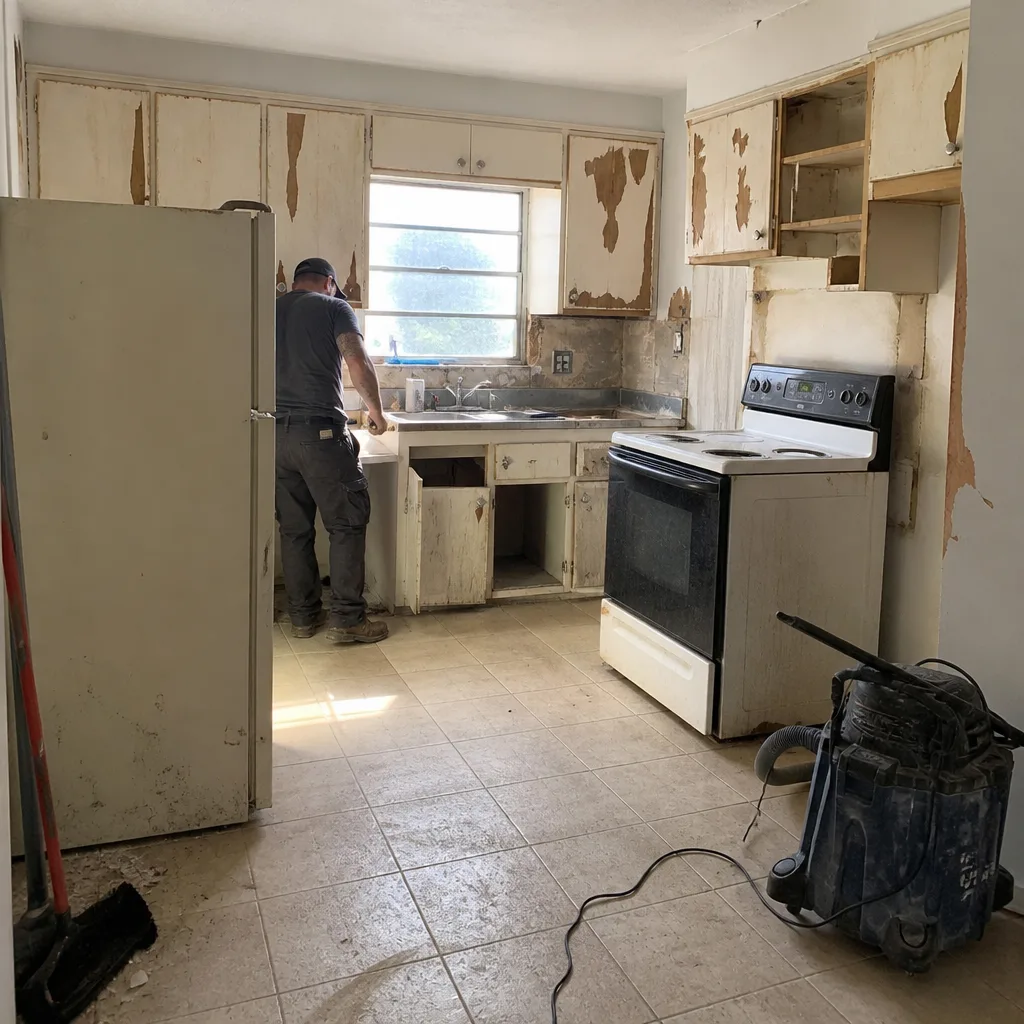
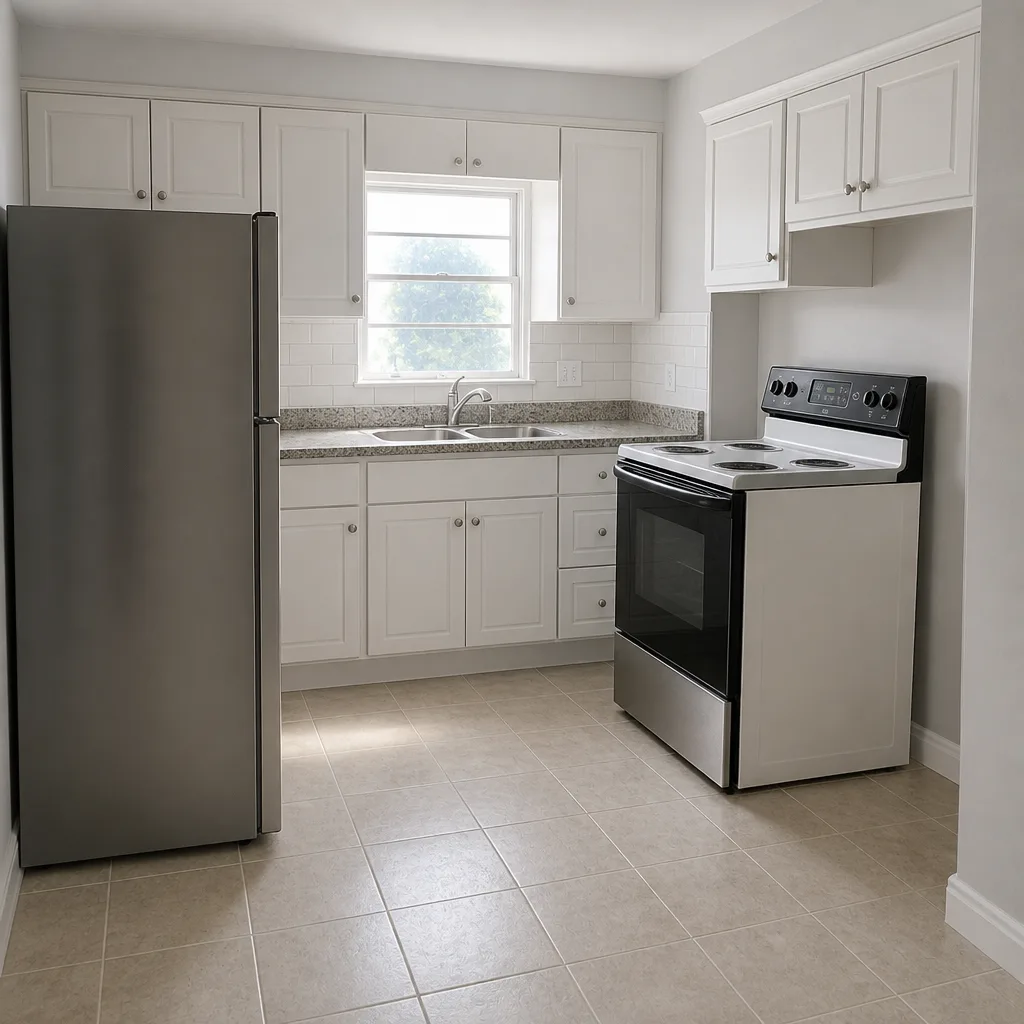
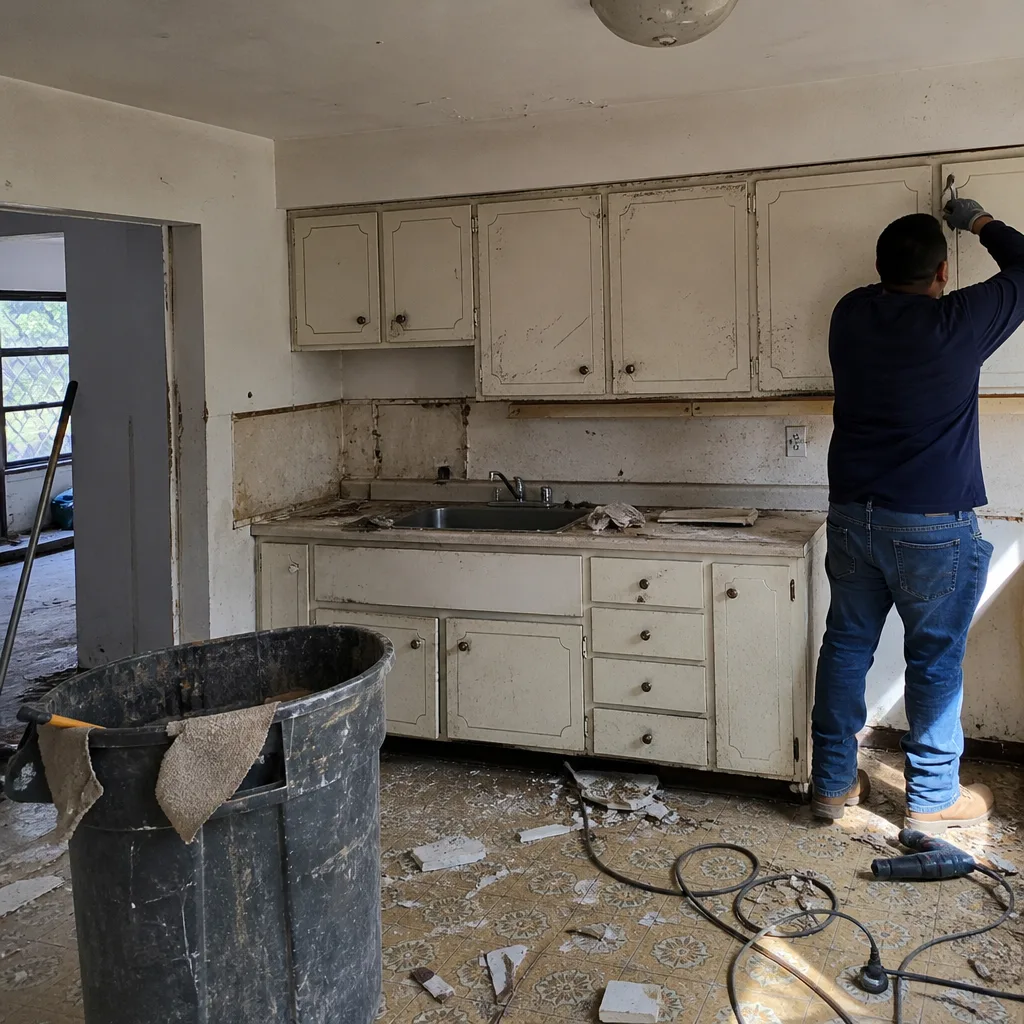
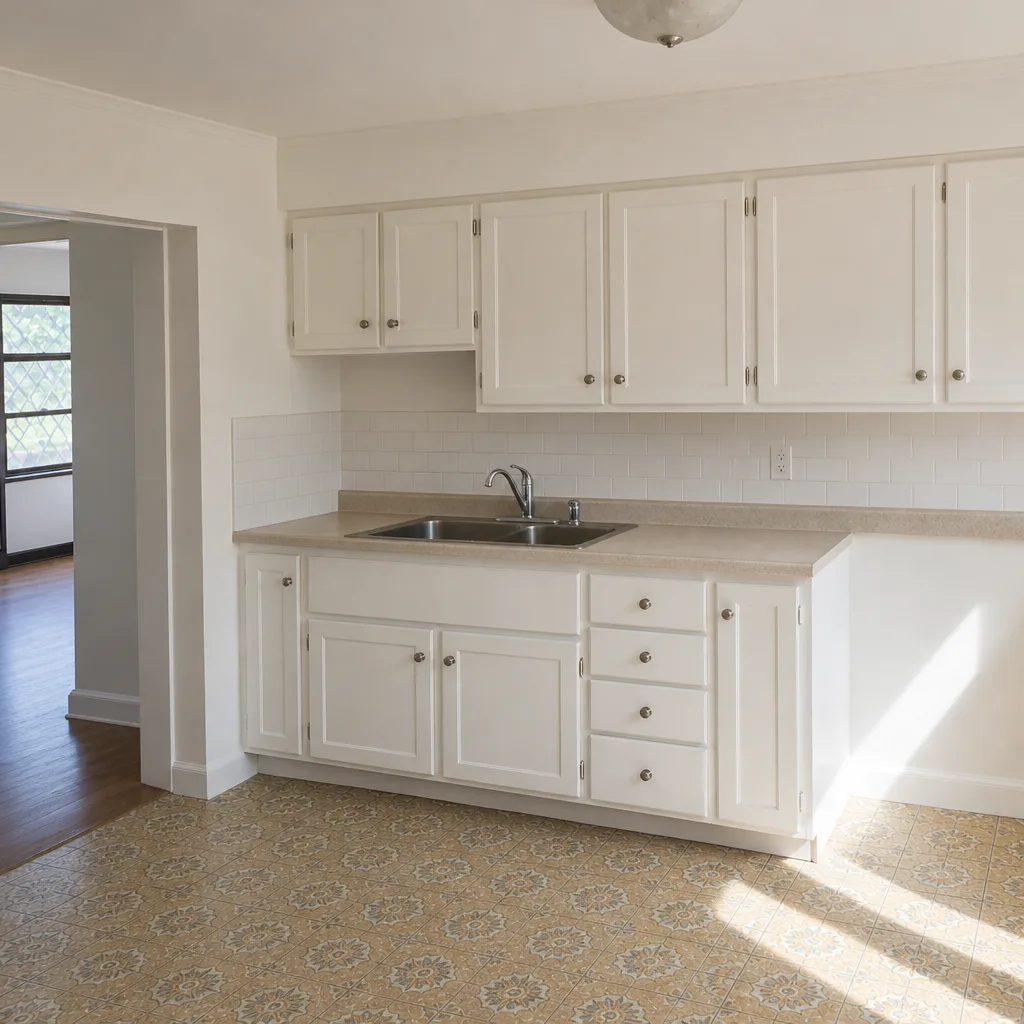
See the difference
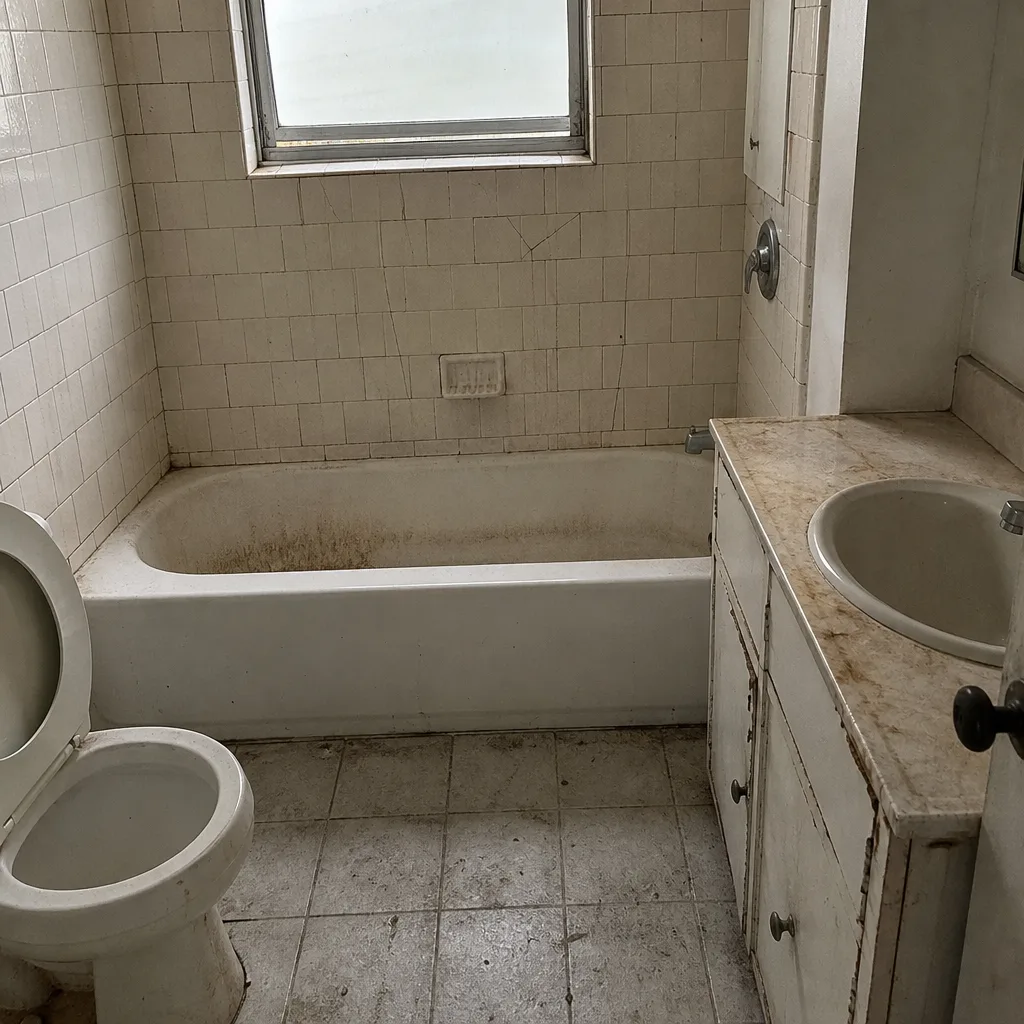 Before
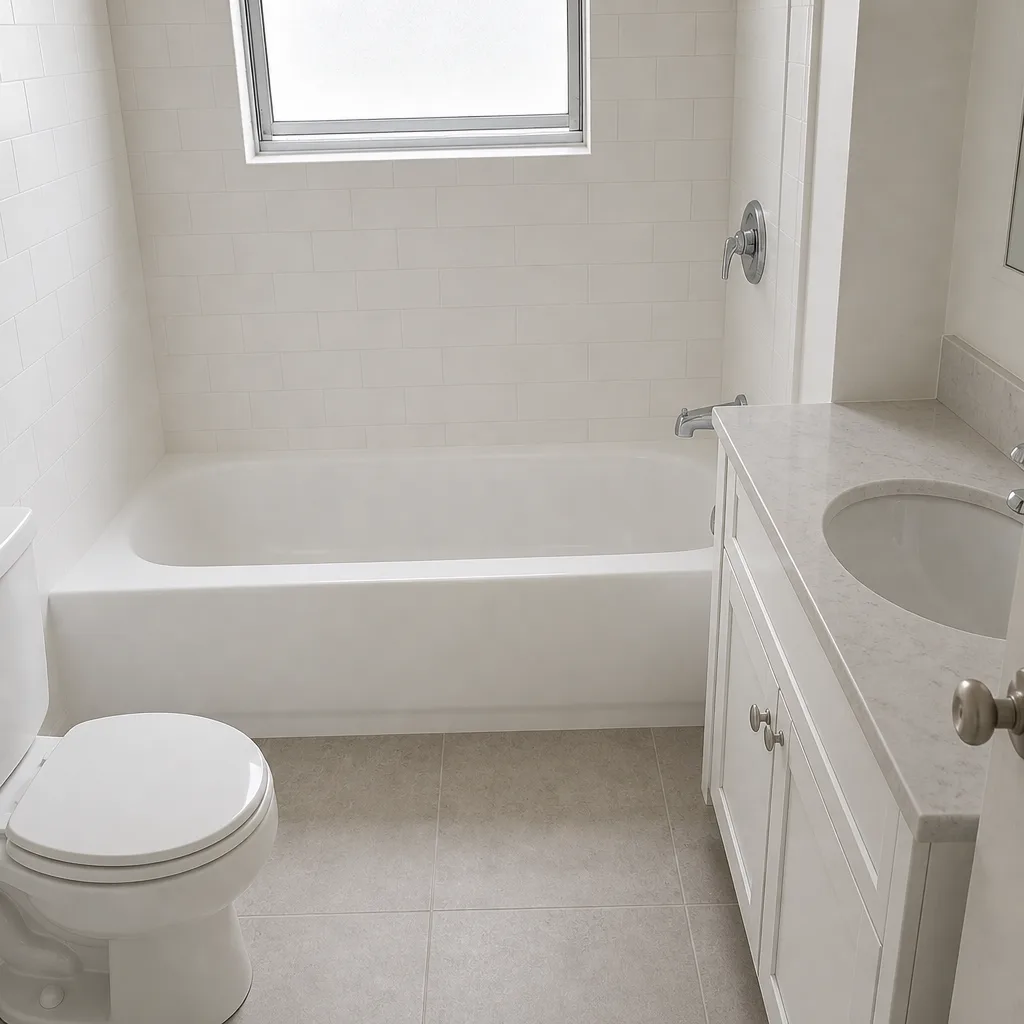 After
 Before
 After
 Before
 After
When to Call a Professional
Call a professional for anything structural or hidden: water intrusion that appears after rain regardless of wind direction, a door that gets progressively harder to close and never resets, a fogged or failed glass unit on an impact-rated window, a latch that won’t engage flush, or any sign of softness in the trim, sill, or wall near a window. Also call for a full door or window replacement, an impact product installation, and any situation where you suspect flashing behind the frame. Simple adjustments – weatherstripping, a hinge screw swap, a track cleaning, a roller replacement – are within reach for a homeowner with the right tools. The judgment call is whether the symptom is local or systemic.
Groundwork Construction Co. of Hialeah offers free estimates in Hialeah – call (888) 418-7102 and a live person will pick up, any hour, any day. Our technicians have up to 12 years of experience, arrive background-checked and in uniform, and every job is backed in writing by our 730-Day Done Right Promise. If it’s not done right, we make it right. The upfront pricing is fixed – the number you see is the number you pay, with no change orders after the fact.
Frequently Asked Questions
Run the dry incense test first: if you find leaks in one or two spots that correspond to weatherstripping or the sill cap, repair usually fixes it in a single visit. If leaks appear after rain in new spots along the corners and head, or if the frame is visibly warped, soft, or hard to operate, replacement is the right answer. A free estimate with an inspection of the rough opening tells you definitively. Call (888) 418-7102 to schedule one.
That’s humidity expansion, not foundation movement. Solid wood and frame material absorb moisture from the summer air and expand dimensionally, robbing the door of striker clearance. It’s normal, it’s seasonal, and a dehumidifier in the affected room plus a hinge and striker adjustment usually manages it. It’s when the door sticks more each year and never resets that you should have a professional look at the frame and foundation.
Not necessarily. A sealed-unit failure usually means the insulated glass unit itself is compromised – the desiccant seal has broken – and the repair is often a glazing swap of just the glass. That’s far cheaper than replacing the entire window. Replace the whole window when the frame is rotten, the sash is failing, or several units in the same wall are failing in sequence. Call (888) 418-7102 for an honest assessment before you spend on the wrong path.
Yes. Miami-Dade NOA performance ratings apply to the assembly with the locking hardware fully engaged. A latch that doesn’t engage fully and flush means the window or door is no longer performing as the approved product, and it should be treated as urgent, not cosmetic. Call (888) 418-7102 if you want it evaluated and corrected by a professional.
Caulk failure shows up as leaks during wind-driven rain, with a visibly cracked or missing exterior joint and a firm, dry wall behind the trim. Flashing failure shows up as leaks after heavy rain regardless of wind direction, with staining on the wall itself and softness around the sill or head. The first is a resealing job. The second requires opening the wall and rebuilding the rough opening. Call (888) 418-7102 and we’ll help you tell the difference on-site with a free estimate.
For windows and doors, we work with Andersen, Pella, and Marvin – trusted names for impact-rated and standard replacement windows, with warranties that outlast builder-grade units. Roof work that pairs with window replacement is handled with GAF, CertainTeed, or Owens Corning, so your exterior envelope is consistent across the home. Call (888) 418-7102 and we’ll walk you through what your specific project needs.
The Bottom Line
Most window and door problems in Hialeah are not emergencies, but they’re also not nothing. Drafts, sticking, fogged glass, water intrusion, and latch failures all have a diagnostic path: identify whether the symptom is local (weatherstripping, hardware, rollers) or systemic (flashing, frame settlement, seal failure, NOA performance). Local problems are usually one-visit fixes. Systemic problems get worse and more expensive the longer they sit. The incense test, the seasonal track, the direction of the leak, and the stiffness of the latch are all free signals that tell you which bucket you’re in. Run them before you spend a dime on caulk, a service call, or a replacement.
Groundwork Construction Co. of Hialeah is a full-scope home construction partner for homeowners who refuse to gamble on their biggest investment. We’re a single contractor for the whole job – kitchen, bath, roof, windows and doors, fence, driveway and pavers, additions and ADU – with curated brand partners across every trade, upfront pricing that eliminates the guessing, a live person on the phone 24/7, background-checked technicians in uniform on every job, and a 730-Day Done Right Promise backed in writing. From foundation to finish line. If your diagnosis points to a bigger project, we’re the call that keeps the job under one roof. Our Driveway & Pavers in Hialeah work pairs naturally with window and entry door upgrades, and the same upfront pricing and warranty apply across every service line. Call (888) 418-7102 for a free estimate – the number you see is the number you pay, and the work is built to last, backed in writing.
Written by the team at Groundwork Construction Co. of Hialeah.