Last updated November 18, 2026


Free written scope consultation - allowances, timeline, and change-order rules on paper before a single trade is scheduled
Fence Installation Troubleshooting: Common Problems and How to Fix Them
A leaning fence post has almost nothing to do with the post. In our experience across Hialeah, the wood or vinyl itself is usually the innocent party. The real culprits are post depth, concrete footing diameter, or soil saturation creeping in from a drainage problem a few feet away. Replace that post without fixing the conditions underneath it, and it will lean again before the next rainy season ends. This guide connects the problem you can see to the cause you can’t, so you spend money once instead of twice. We’ll walk through leaning posts, sagging gates, warped panels, rust streaks, and splintering, and show you which fixes actually hold in South Florida ground.
Quick Answer
Most fence problems in Hialeah are installation failures dressed up as material failures. A leaning post means the footing is undersized or the soil is saturated. A sagging gate means the hinge sequence is off or the frame is racking. Warped panels mean the rails were set too tight or too loose for the material’s expansion. Fix the root cause, not the symptom, or the problem returns within one season. A proper post footing in South Florida’s high water table often needs to go deeper than the standard 24 to 36 inches most installers use.
Styles & brands we work with
- Kitchen remodeling
- Bathroom remodeling
- Home additions & ADU
- Roofing
- Windows & doors
- Driveway & pavers
- Fence
Table of Contents
- Problem-to-Cause Diagnostic Matrix
- Leaning Posts: Re-Set or Full Replacement?
- Why Hialeah’s Water Table Breaks Standard Footing Depth
- Sagging Gates: The Hinge Adjustment Sequence
- Warping and Buckling Panels
- Rust Streaking and Galvanic Corrosion
- Splintering and Material Breakdown
- Common Mistakes to Avoid
Problem-to-Cause Diagnostic Matrix
Before you spend a dollar on a fix, identify which of four root causes is driving the problem: footing failure, hardware failure, material movement, or drainage. Every visible symptom below traces back to one of these. Misdiagnose, and you’ll replace a good panel or reset a post that was never the problem. Here’s how we map it on a Hialeah job site.
- Leaning post → Footing failure (undersized concrete, shallow depth) or drainage (saturated soil). Almost never the post itself.
- Sagging gate → Hardware failure (hinge sequence, fastener pull-out) or frame racking from a settled post.
- Warped or buckled panel → Material movement (rails set too tight for expansion) or improper panel spacing.
- Rust streaking → Galvanic corrosion between dissimilar metals, usually aluminum panels with steel fasteners, or chipped powder coating.
- Splintering or cracking → Material breakdown from moisture cycling, termite damage, or untreated end cuts.
Notice that only one of those five symptoms points to the material itself. The rest are installation or environment problems. That’s the whole thesis of this guide: the fence didn’t fail you, the install did. When a customer in Hialeah calls us about a leaning fence, the first thing we ask is where the water goes after a storm. That answer tells us more than a photo of the post ever could. If the ground stays wet for days, no amount of concrete will hold a standard footing. Our full guide to Fence Installation in Hialeah covers what correct footings look like from the start, but for repair work, start here.
Leaning Posts: Re-Set or Full Replacement?
You can re-set a leaning post instead of replacing it if the post is sound and the footing failure is shallow, meaning the concrete simply wasn’t deep or wide enough. You need full replacement with a larger footing if the post is rotted at the base, cracked, or sitting in soil that never drains. The test is straightforward, and it takes about ten minutes.
- Push test. Lean on the post with steady pressure. If it moves within the concrete footing (the concrete stays put, the post wiggles), the concrete or the post-to-concrete bond failed. If the entire footing lifts out of the soil, the footing itself is undersized.
- Dig test. Dig down six inches around the base. If you hit saturated mud, the problem is drainage, not the post. No footing holds in a bathtub.
- Sound test. Probe the post where it meets the ground with a screwdriver. If it sinks in easily, the post is rotting from the bottom. Replace it.
If the post passes all three and only the footing failed, an oversized re-set works: a new footing at least 12 inches in diameter and deeper than the original, backfilled with proper gravel drainage. If the post rotted at the base, replacement is the only honest answer, and you should replace the footing at the same time. Re-using a failed footing just transfers the problem to the new post. For Hialeah homeowners dealing with repeated leaning posts along property lines, this is often a drainage conversation before it’s a fence conversation. Our Driveway & Pavers in Hialeah work frequently solves the runoff problem that’s undermining the fence line in the first place.
Why Hialeah’s Water Table Breaks Standard Footing Depth
South Florida’s water table sits unusually high, and in parts of Hialeah it rises to within 24 to 36 inches of the surface during the wet season. Standard post footing depth, which works fine in most of the country, isn’t deep enough here for a footing dug in saturated soil. The concrete pours into a hole that has standing water in it, cures weak, and heaves against expansion. The result is that familiar lean.
In our experience, footings in the low-lying sections of Hialeah, and in neighborhoods near the canals where the ground stays damp year-round, need to be dug deeper, often to 42 inches or more, and set with a wider bell at the base. We also recommend a gravel drainage column under the footing so water has somewhere to go besides the concrete. The fix is not just more concrete. It’s managing the water that’s wrecking the concrete.
This is why a fence that looks identical to a neighbor’s can behave completely differently. Soil and water behave differently block to block in Hialeah. If your post is leaning and the yard holds water after rain, the correct fix is a drainage-aware footing, not a standard one. Our technicians, who bring up to 12 years of experience to the job, treat footing depth as a site-specific calculation rather than a formula. When we quote fence work in Hialeah, we check drainage before we quote depth.
Sagging Gates: The Hinge Adjustment Sequence
A sagging gate is usually a hinge problem or a frame-racking problem, not a reason to buy a new gate. Most homeowners jump straight to a new gate or a wheel caster. The correct sequence, from cheapest and most reversible to most invasive, is what we walk through below. Work in this order and you’ll solve most sagging gates without spending on replacement.
- Tighten and re-seat the top hinge first. Gravity pulls the free edge down, and that load transfers to the top hinge and the frame corner. If the top hinge screws are loose or stripped, the gate sags. Tighten them. If the wood is stripped, drill out the holes and plug them with hardwood dowels before re-driving the screws.
- Check the latch side for racking. Open the gate halfway and look at the diagonal gap along the frame. A gate that has dropped into a parallelogram shape has racking, not hinge failure. The fix is a diagonal brace across the frame, not more hinge adjustment.
- Adjust the bottom and middle hinges only after the top hinge and frame are confirmed square. Moving the bottom hinge on a racked frame just moves the sag.
- Add a caster or turnbuckle as the last resort if the gate is heavy and the frame is sound. A caster carries load, which is fine, but it doesn’t fix the cause.
Most sagging gates in Hialeah get solved at step one. The reason so many people skip to replacement is that they start at the bottom hinge, see no improvement, and assume the gate is done. It isn’t. Work top-down, and you’ll usually stop before you spend anything. If the gate post itself is leaning, which is common when a gate is installed in the middle of a long span, the sag is actually a footing problem hiding as a gate problem. That’s covered in the section above.
Warping and Buckling Panels
Warped or buckled panels are almost always a spacing problem. Panels need room to move with temperature and moisture. South Florida’s humidity swing is brutal on any panel set tight against its neighbor with no expansion gap. When the panel swells in the wet season, it has nowhere to go but out of plane, and it buckles.
- Vinyl panels (Bufftech and similar lines) should slide slightly in their channels. If a panel won’t move when you push it gently along the rail, it was installed too tight.
- Wood panels need a small gap at each edge. Sealing the panel edge-to-edge is what causes cupping.
- Composite and metal panels expand along their length. Setting them tight to the end post can bow them.
The fix is to relieve the tension. Loosen the panel at its rails, let it find its natural position, and re-seat it with a proper gap. If the panel has already taken a permanent bow, it may need replacement, but the rails, posts, and hardware almost never do. Installing panels with expansion in mind is one of the differences that shows years later. ActiveYards and Bufftech panels, which we spec regularly, behave correctly when they’re given their gap and badly when they’re not.
Rust Streaking and Galvanic Corrosion
Rust streaks running down a metal or aluminum fence are usually galvanic corrosion, not the panel rusting. Galvanic corrosion happens when two different metals touch, usually aluminum panels with steel screws, or steel rails with galvanized fasteners. Moisture bridges the two metals, a tiny electrical current flows, and the less noble metal corrodes, leaving streaks. Replacing the panel does nothing because the fasteners causing the corrosion stay in place.
- Find the fasteners. Streaks start at a screw, bolt, or rail. That’s your corrosion point.
- Separate the metals. Replace steel fasteners with aluminum or stainless, or add a nylon washer between the two metals to break the electrical bridge.
- Seal the paint. Chipped powder coating exposes bare metal and accelerates the streaking. Touch it up with a matching outdoor-rated coating.
The fix costs a few dollars in hardware and stops the streaking permanently. It’s one of the cheapest repairs in this guide and one of the most commonly misdiagnosed. When homeowners in Hialeah ask whether their fence panel is failing, the answer is usually no. The hardware below it is. Getting the metals right is part of how we spec fence installations in Hialeah, and it’s the difference between a fence that stays uniform for a decade and one that starts looking tired in three years.
Splintering and Material Breakdown
Splintering and checking on wood fences in Hialeah come from moisture cycling, not from age alone. Wood that wets and dries repeatedly at the same spot will split there. Two things accelerate it: untreated end cuts and wind-driven rain hitting the same face. If the fence was installed with factory-finished edges but the cuts at the ends were left raw, moisture wicks straight into the exposed grain.
The fix depends on how far it’s gone. Surface splintering can be sanded and resealed with one coat of exterior stain or sealer. A split that runs the full length of a board means the board is done, but the posts and rails are usually still sound. Before you replace anything, check for termite damage. Hialeah’s climate supports active termite pressure, and a fence that looks like it’s splintering from weather sometimes has help from insects. Probe the split with a screwdriver: if it’s clean, hard wood, it’s weather. If it crumbles or shows tunnels, it’s insects, and that’s a different repair. Proper maintenance intervals after install are what prevent most of this. Our team builds those intervals into every project we quote.
Common Mistakes to Avoid
- Re-setting a post in the same undersized footing. If the footing failed once, it’ll fail again. Dig it deeper and wider, or the new post leans by summer.
- Starting gate repairs at the bottom hinge. Gravity loads the top hinge first. Adjust top-down or you’ll waste your time.
- Setting panels tight with no expansion gap. South Florida humidity will buckle them. Leave room for movement.
- Replacing an aluminum panel because it’s streaking. The corrosion is caused by the steel fastener. Swap the hardware and the streaking stops.
- Ignoring the drainage problem in the yard. A footing in saturated Hialeah soil is a footing standing in water. No concrete fixes that.
- Skipping the termite check on splintering wood. Weather damage and insect damage look similar until you probe the split. Treat the wrong one and you’ll replace a fence you didn’t need to.
Every mistake on this list is a version of the same failure: fixing the symptom without finding the cause. The four root causes (footing, hardware, material movement, drainage) drive every visible problem. Get to the right one and the repair lasts.
See the difference
 Before
 After
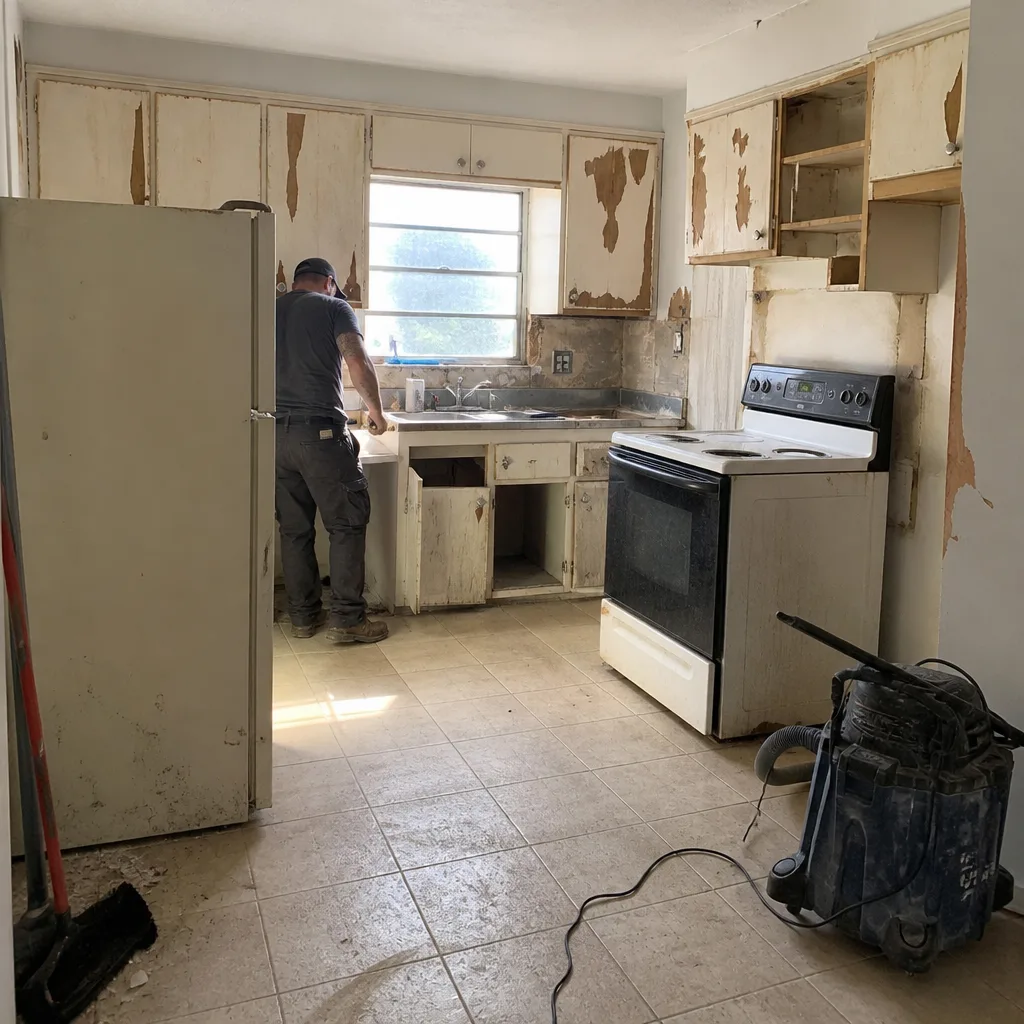 Before
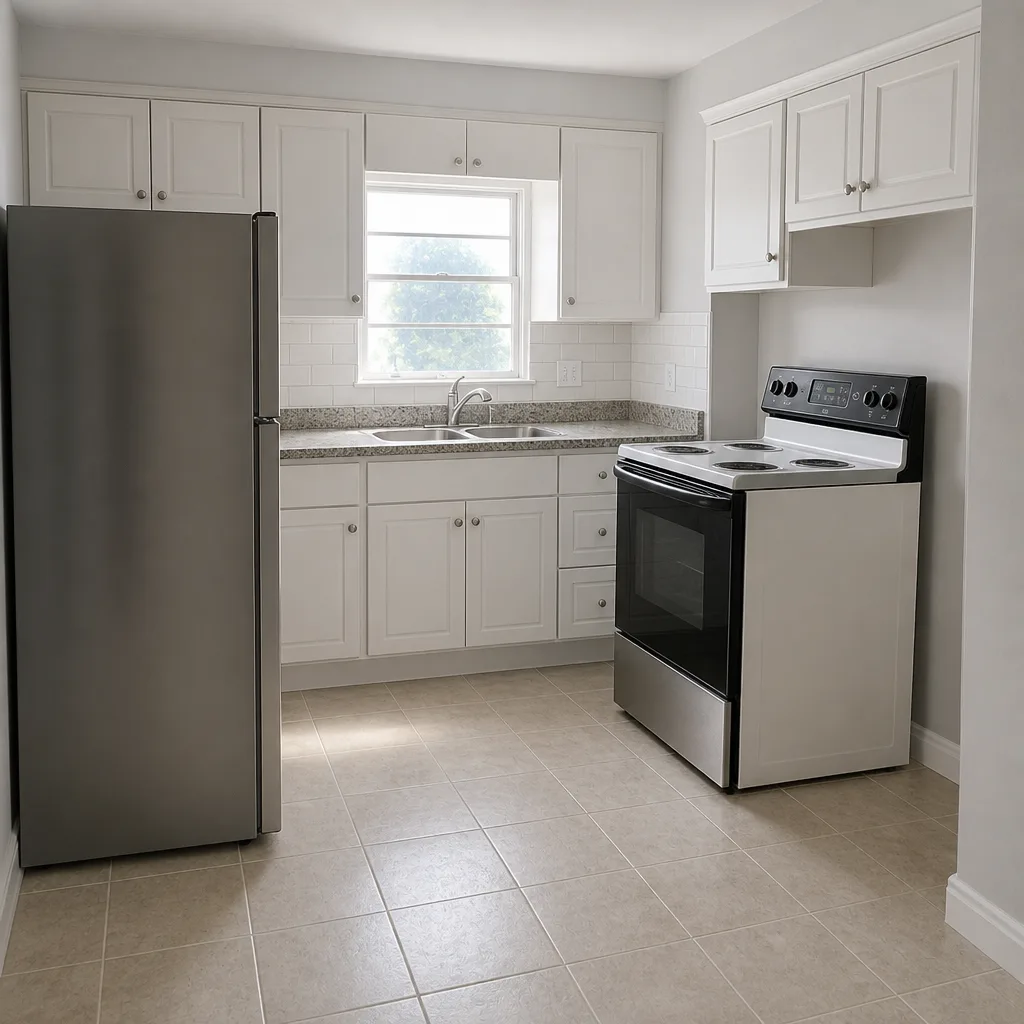 After
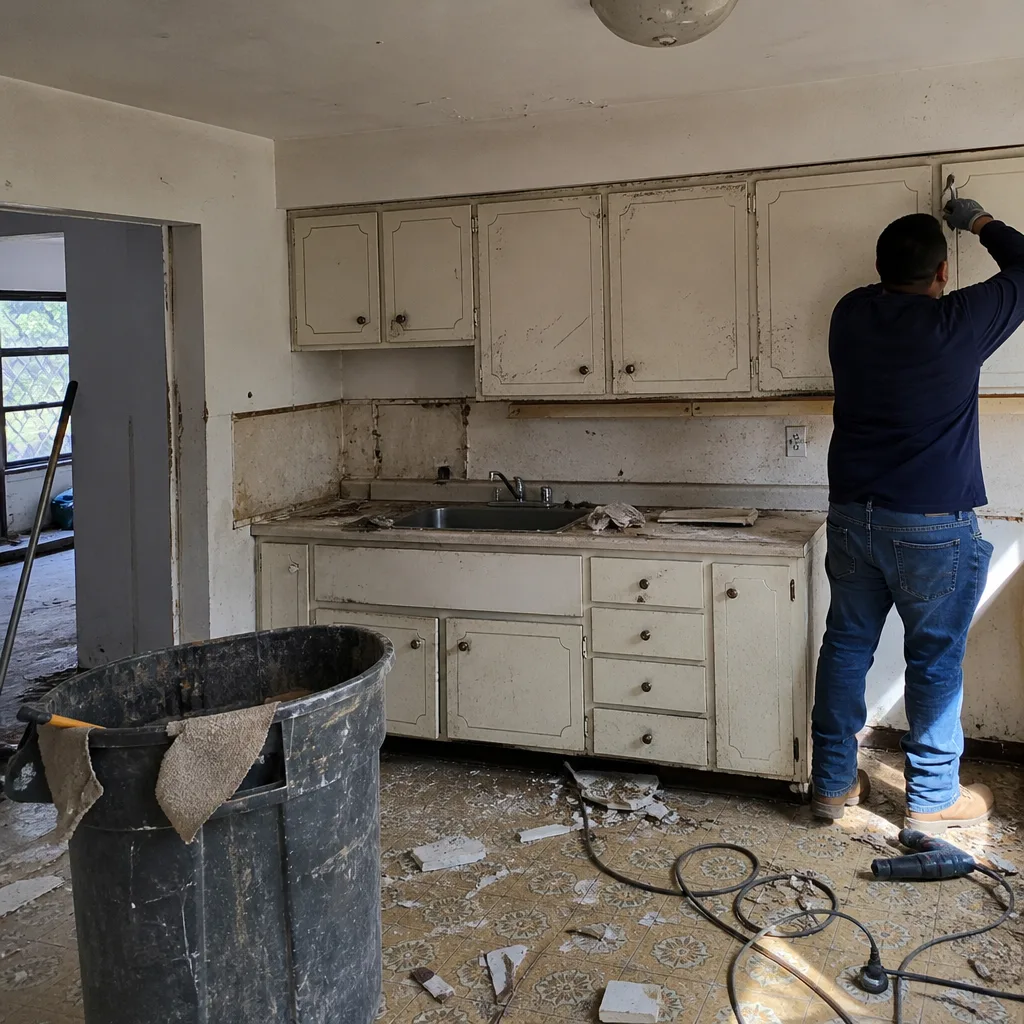 Before
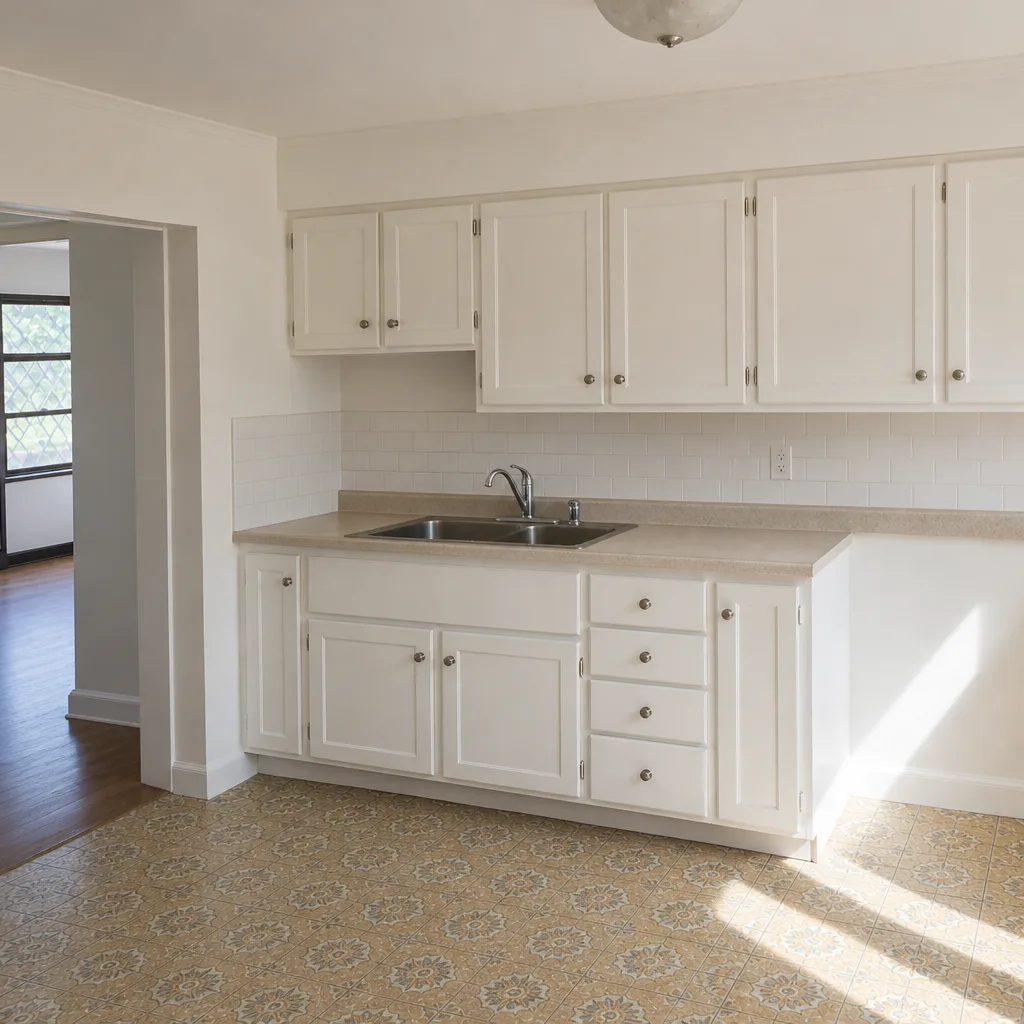 After
When to Call a Professional
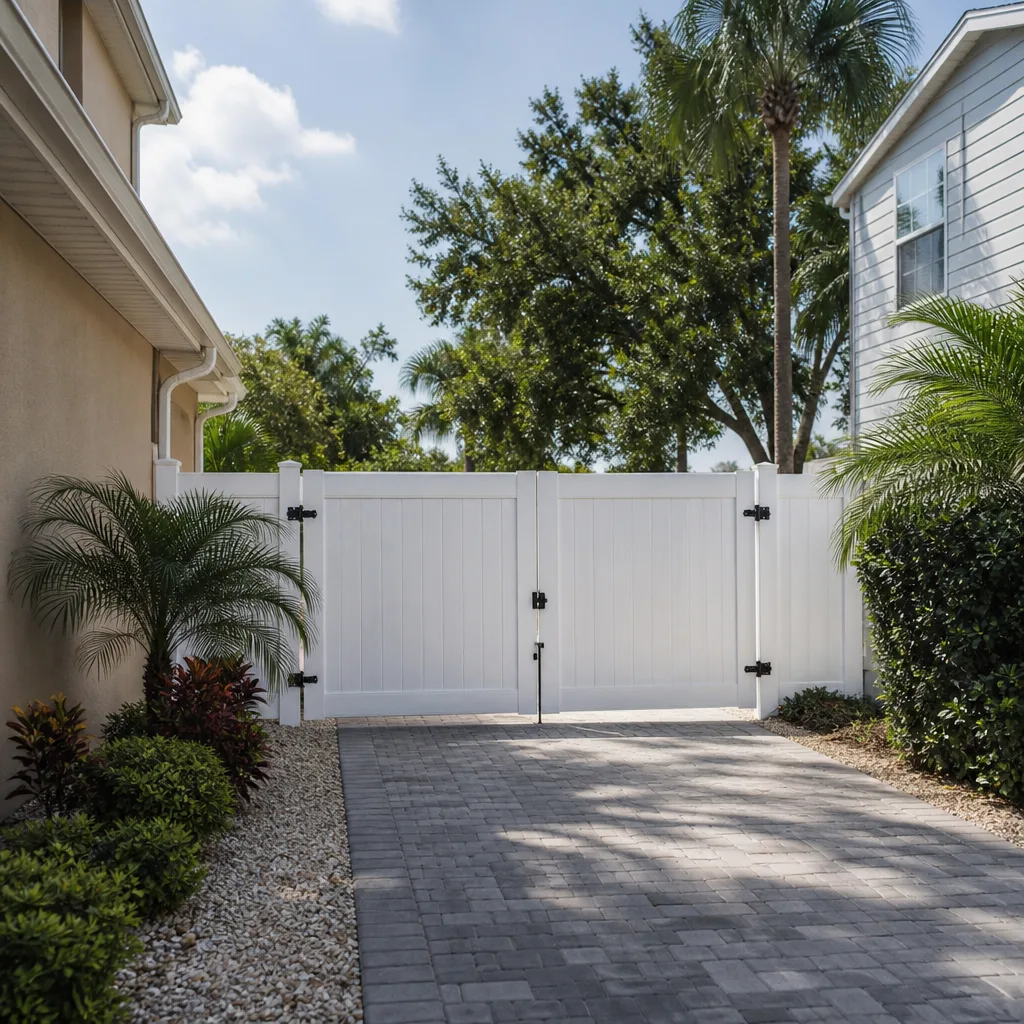
Call a professional when the problem traces back to the footing or the structural frame, not the panel or the hardware. Full post replacement, drainage-aware footing work, and any repair where the frame has racked or the gate is heavy enough to need realignment all justify trained hands. These jobs require breaking concrete, digging to the correct depth for Hialeah’s water table, and knowing when the fix is a footing versus a post. If you’re not sure which of the four root causes you’re facing, an assessment is cheaper than guessing. Groundwork Construction Co. of Hialeah offers free estimates in Hialeah, and we answer the phone live, 24/7. Call (888) 418-7102 to get a straight answer on what’s actually wrong and what it costs to fix it right.
Our estimates are no-hassle and upfront. The number you see is the number you pay, and all work carries the 730-Day Done Right Promise. If a fix we make fails, we make it right.
Frequently Asked Questions
A leaning post can be re-set if the post itself is sound and only the footing failed, which covers most Hialeah cases. If the post has rotted or cracked at the base, it needs replacement along with a new, deeper footing. Probe the post and check the soil before deciding.
Soil and drainage are block-specific in Hialeah. Low-lying lots and canal-adjacent properties hold more water, and a standard footing in saturated soil fails faster than the same footing on higher ground. The lean is a water table issue, not a material difference.
Replace the steel fasteners with aluminum or stainless and add a nylon washer to separate the metals. That breaks the galvanic corrosion that’s causing the streaks. Touch up any chipped coating, and the streaking stops.
The frame has likely racked into a parallelogram from a settled gate post or an unreinforced frame. Tighten the top hinge, check the diagonal, and add a brace if needed. If the gate post is leaning, the real fix is the post footing.
They were installed too tight with no expansion gap. Vinyl panels need to slide slightly in their channels so they can expand with temperature and humidity. Relieving the tension usually fixes it without replacing anything.
Typical repairs range from hardware fixes in the low hundreds to full post replacement with a drainage-aware footing in the higher hundreds or more, depending on depth and access. Call (888) 418-7102 for an exact quote. Estimates are free, and the number you see is the number you pay.
The Bottom Line
Nearly every fence problem you can see traces back to one of four hidden causes: footing failure, hardware failure, material movement, or drainage. Identify the cause before you spend a dollar on the symptom, and the fix lasts. In Hialeah, the water table makes footing depth and drainage the most common culprits. Hinges and panels get blamed unfairly. Re-set footings deeper, work gate adjustments top-down, leave panels room to expand, separate dissimilar metals, and check wood for termites before assuming weather damage. Get those right and your fence holds through the wet season and the dry one that follows. Our team at Groundwork Construction Co. of Hialeah builds and repairs fences with these causes addressed from the start. If your repair turns into a larger property project, our Home Additions & ADU in Hialeah work runs on the same footing-first standard.
Call (888) 418-7102 to schedule your free estimate. We answer live, 24/7, and we’ll tell you straight what’s actually wrong and what it costs to fix it right.
Written by the team at Groundwork Construction Co. of Hialeah.