Last updated November 18, 2026

Free written scope consultation - allowances, timeline, and change-order rules on paper before a single trade is scheduled
Home Additions & ADU Troubleshooting: Common Problems and How to Fix Them
That crack in your new addition’s drywall probably isn’t a drywall problem. In South Florida’s expansive soil conditions, it’s most likely a foundation movement issue that started the day the slab was poured. Same story with the bedroom door that won’t latch anymore, or the musty smell creeping from the corner where the addition meets the original house.
We’ve walked through hundreds of additions and ADUs across Hialeah, and the pattern holds: the symptom you see today traces back to a decision made during framing, rough-in, or slab prep. This guide maps the five most common post-construction symptoms to their actual root causes, so you can stop treating the surface and start fixing what’s really broken.
Quick Answer
Most home addition and ADU problems – cracking, moisture intrusion, HVAC underperformance, uneven floors, and door/window binding – originate during construction, not after. Diagnosing them correctly means tracing the symptom back to the construction phase decision that caused it: foundation prep, flashing, HVAC sizing, or framing. Surface repairs without root-cause fixes will fail again within months, sometimes within weeks in Hialeah’s humidity and soil conditions.
Styles & brands we work with
- Kitchen remodeling
- Bathroom remodeling
- Home additions & ADU
- Roofing
- Windows & doors
- Driveway & pavers
- Fence
Table of Contents
- Symptom 1: Cracking in Drywall and Concrete
- Symptom 2: Moisture Intrusion After Rain
- Symptom 3: HVAC Underperformance in the Addition
- Symptom 4: Uneven or Bouncy Floors
- Symptom 5: Doors and Windows That Stick or Bind
- Hialeah’s Soil Profiles and Why They Matter
- Warranty, Maintenance, or Defect? A Decision Tree
- Common Mistakes to Avoid
- When to Call a Professional
Symptom 1: Cracking in Drywall and Concrete
Hairline cracks that follow drywall seams or tape lines usually indicate movement. Cracks that run diagonally from the corner of a door or window frame often indicate differential settlement between the new foundation and the original home. In Hialeah, where we regularly see spring and summer thunderstorm cycles that saturate then dry out the clay-heavy soil, that settlement pattern can accelerate dramatically within the first 18 months after construction.
The root cause almost always traces back to one of these construction-phase decisions:
- Slab prep and compaction: Was the subgrade compacted to the correct density before the pour? In Hialeah’s limestone-heavy areas, poor compaction over organic fill settles unpredictably.
- Footing depth: Did the addition’s footings reach the same bearing stratum as the original home’s footings? Mismatched footing depths create differential movement.
- Control joints in concrete: Did the slab have properly spaced control joints? Missing joints mean the concrete cracks wherever it wants, not where you planned.
- Framing connections: Were the new addition’s wall systems properly tied to the existing structure with slip joints or rigid connectors? The wrong choice forces the addition to move with the original house when it should float independently – or vice versa.
If you’re seeing cracks in Hialeah, the first question isn’t “how do I patch this?” It’s “is this a cosmetic issue, a settlement issue, or an active water problem?” Patching drywall before diagnosing the movement is a waste of money. The crack comes back. Sometimes it comes back bigger.
What to check (not DIY – just observe)
- Measure the crack width with a crack gauge (available at any hardware store). Cracks wider than 1/16 inch warrant professional assessment.
- Check whether the crack is active – mark both ends with pencil, measure again in 30 days.
- Look at the exterior of the addition for matching cracks at the same location. If the crack goes through the slab exterior wall, it’s structural movement, not just drywall.
- Note if doors and windows in the same wall are suddenly binding. Multiple symptoms in one wall point to the foundation.
Symptom 2: Moisture Intrusion After Rain
Water coming into a new addition after a Hialeah afternoon thunderstorm isn’t a paint problem, a caulk problem, or a “we’ll fix it next spring” problem. Moisture intrusion in a new addition almost always means a flashing, waterproofing, or block-fill decision made during construction was wrong, insufficient, or skipped.
The three most common failure points we diagnose in Hialeah additions:
- Roof-to-wall flashing: The intersection between the addition’s roof and the original home’s wall is the single highest-risk water entry point. If the flashing wasn’t lapped correctly, or if the contractor relied on caulk instead of proper step flashing and counterflashing, water works behind the siding and into the framing within one rainy season.
- Window and door flashing: In Hialeah, wind-driven rain during hurricanes and tropical systems pushes water sideways. Even a properly installed window without pan flashing at the sill will leak. If your addition’s windows were set with ES Windows or ECO Window Systems impact units – both common in Hialeah – the units themselves hold up; the installation sequencing is what fails.
- Block-fill and CMU wall waterproofing: Many Hialeah additions use concrete block for the perimeter walls. If the block wasn’t filled solid in the right locations, or if the exterior coating isn’t a true waterproof membrane (elastomeric alone isn’t always sufficient), water migrates through the block and shows as efflorescence or damp drywall inside.
One telltale sign: if the moisture shows up along a horizontal line at the same height as the addition’s ceiling or roof plane, that’s flashing. If it shows up around windows or at the base of walls, that’s waterproofing or block-fill. If it’s everywhere after a hard rain, that’s usually the roof plane itself.
Symptom 3: HVAC Underperformance in the Addition
Here’s a scenario we see constantly in Hialeah: homeowner adds a 400-square-foot primary suite or a detached ADU, and the existing 3-ton system gets extended to serve the new space without a Manual J recalculation. The contractor runs ductwork off the existing trunk, throws a supply and return in the new room, and calls it done. Six months later the addition is hot in July, the original house is now too cold, and the system runs constantly.
The root cause is duplex sizing, not equipment failure. Extending an HVAC system without a load calculation overworks the compressor, throws off the balance between supply and return, and creates pressure imbalances that pull humid Hialeah air into the building envelope. That last part is what causes the mold you’ll find two years later.
How to tell if this happened to your addition
- Check the permit records. Did the HVAC permit include a Manual J load calculation for the addition? If the permit was pulled as a ductwork extension only, that’s your answer.
- Look at the air handler and condenser model numbers. Compare the tonnage listed on the data plate to the square footage served. If the system was already sized tight for the original home, it’s now undersized.
- Measure temperature differential. A properly balanced addition should be within 3-5 degrees of the main house. If it’s 8+ degrees warmer on a Hialeah summer afternoon, the system isn’t serving it.
- Check return air. A single small return in the addition is often a red flag. Undersized returns starve the system and create positive pressure in the addition, pushing conditioned air out through every gap.
The fix isn’t always a second system. Sometimes a properly sized ductless mini-split dedicated to the addition is the smartest answer – it isolates the addition’s load from the main house and eliminates the pressure problems. When we scope a Hialeah addition that includes HVAC, we always verify the load calculation belongs to the addition, not just the original structure.
Symptom 4: Uneven or Bouncy Floors
A floor that slopes noticeably, feels spongy underfoot, or bounces when you walk across it is telling you something about how the addition was built. In Hialeah’s slab-on-grade construction, this almost always traces to one of three causes:
- Slab settlement from inadequate subgrade prep: The slab didn’t fail – the ground under it moved. Hialeah’s limestone cap rock provides excellent bearing in some areas and hides pockets of soft clay or organic fill in others. Without proper proof-rolling or test pits before the pour, the slab sits on ground that will move within a few years.
- Framing span errors: If the addition has a wood-framed floor over a crawl space or stem wall (less common in Hialeah but seen in some elevated designs), joists that are undersized for their span will deflect. The fix is sistering or adding a beam, not just re-leveling the subfloor.
- Poorly compacted fill under a raised floor: Some Hialeah additions build up the pad with fill to match the existing home’s first-floor elevation. If that fill wasn’t compacted in lifts (typically 8-inch lifts with a plate compactor), it settles under the finished floor over 2-5 years.
Bouncy floors are a comfort issue. Sloping floors are a structural signal. If the slope is progressing – meaning it’s worse this year than last – get it assessed before you spend money on flooring or tile. The tile will crack, and you’ll pay twice.
Symptom 5: Doors and Windows That Stick or Bind
When the bedroom door in your new addition won’t latch, or the sliding glass door to the patio needs a shoulder to open, the door itself usually isn’t the problem. The frame is moving. And the frame moves because the wall it’s built into is moving.
In Hialeah additions, we trace door and window binding to five common construction-phase decisions:
- Header sizing. An undersized header sags over time, racking the frame and binding the door.
- Wall framing not plumb. If the wall was framed out of plumb (beyond typical tolerance), the door will bind from day one – it just gets worse as the seasons cycle.
- Exterior door installation without proper shimming and foam. In Hialeah’s heat and humidity, gaps in the rough opening foam allow the door frame to twist seasonally.
- Foundation movement. Differential settlement between the addition and the original home will show up first at the door and window openings that cross the transition zone.
- Improper rough opening dimensions. A rough opening framed ½” too tight leaves no room for seasonal movement, and the frame cracks or binds. Therma-Tru and other quality entry systems are engineered with specific rough opening tolerances – those tolerances exist for a reason.
If one door binds, it’s likely a framing issue. If every door and window on one wall of the addition binds, it’s almost certainly foundation movement.
Hialeah’s Soil Profiles and Why They Matter
Hialeah sits on a mix of limestone cap rock and clay-heavy soil pockets deposited over the Biscayne Aquifer. That geology creates settlement behavior that doesn’t match what a contractor from Georgia or Texas would expect. Two profiles dominate:
- Shallow limestone areas: Bearing capacity is excellent, but limestone doesn’t drain evenly. During a Hialeah rainy season, water perches on the rock surface and creates localized soft spots. Additions that didn’t reach bearing capacity through proper footings settle unevenly in these areas.
- Clay-heavy pockets: South Florida clay is expansive – it swells when wet and shrinks when dry. In Hialeah’s wet/dry seasonal cycle, the soil under an addition’s slab moves up and down ¼ to ¾ inch annually. That movement shows as slab cracks and interior drywall cracks. The fix is a deeper footing (reaching below the active clay zone), not thicker slab.
Here’s the counterintuitive point: a Hialeah addition on limestone can fail just as badly as one on clay. The failure mechanism is different (perched water vs. shrink-swell), but the result is the same: movement, cracking, and doors that won’t close. When we scope a Home Additions & ADU in Hialeah, we plan footing depths and drainage based on what’s actually under the slab, not on generic South Florida assumptions.
Warranty, Maintenance, or Defect? A Decision Tree
Before you call an attorney or dig into your wallet, use this decision tree to diagnose whether the problem you’re facing is a warranty claim, a maintenance issue, or a construction defect.
Step 1: Is the problem covered by your contract or warranty?
Read the warranty language in your construction contract. Most reputable builders in Hialeah offer a workmanship warranty (often 1-2 years for general workmanship, longer for structural). Look specifically at what’s covered and what’s excluded. Caulking failures, paint cracks, and other cosmetic items are usually excluded. Foundation and framing issues are usually covered.
Step 2: Can you trace the problem to a specific construction decision?
If yes, and that decision was made during the build, you have a construction defect claim. If the problem stems from something that changed after the build – soil movement from a neighboring new foundation, a leaking roof from missing maintenance, a clogged drain from landscaping work – that’s either a maintenance issue or a different contractor’s problem.
Step 3: Is the problem progressive or stable?
Stable cracks and doors that stuck from day one are less urgent than cracks that widen every month. Progressive problems get worse and are rarely maintenance. That’s a defect signal.
Step 4: Is the issue visible from day one or did it develop later?
Day-one issues (poor paint, minor finish gaps) may be punch list items. Month-12 issues (cracking, door binding, moisture) rarely are – they usually indicate a systemic problem that was hidden by finish work.
Step 5: What does your GC actually say?
Call them before you escalate. A real warranty response should include an inspection, a diagnosis, and a written remedy plan. If they say “we’ll send someone to look at it” and then don’t, that’s your escalation trigger. If they refuse to inspect, document everything in writing and consult a construction attorney.
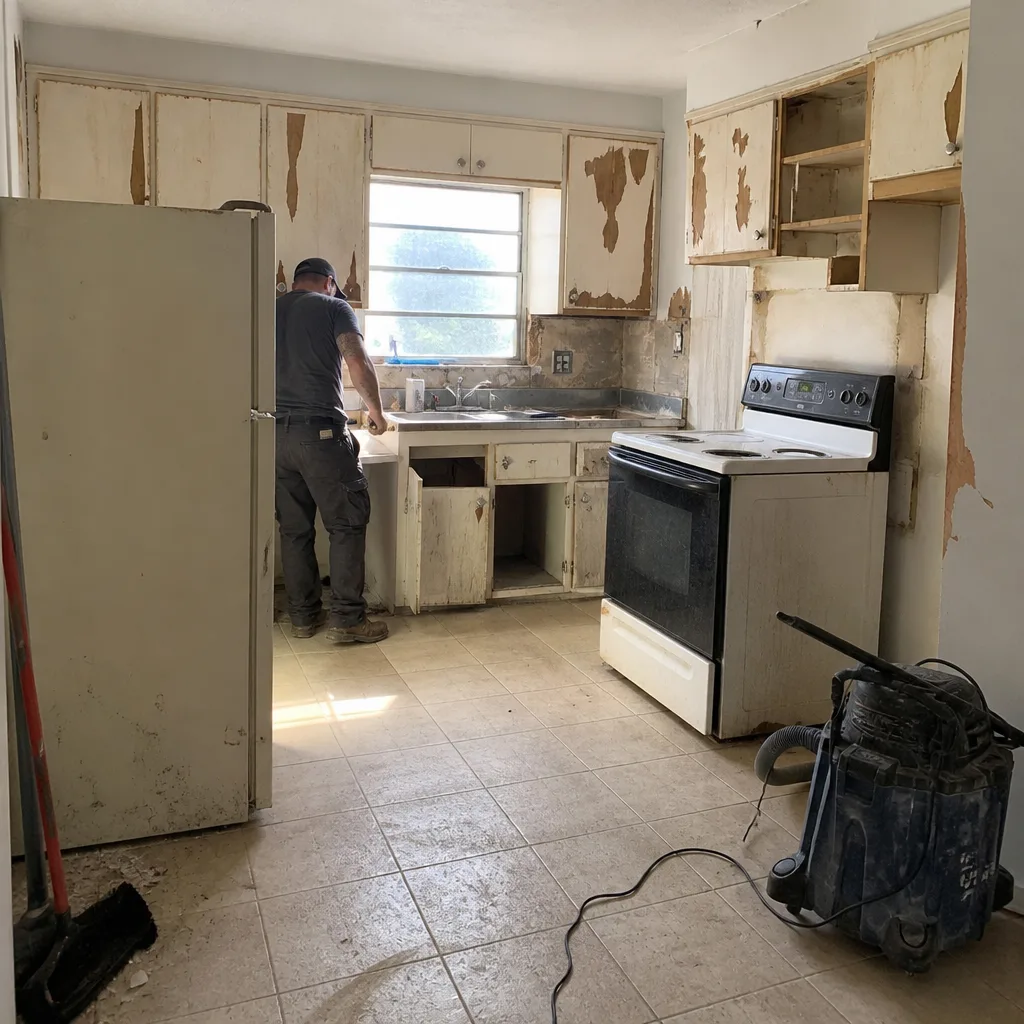
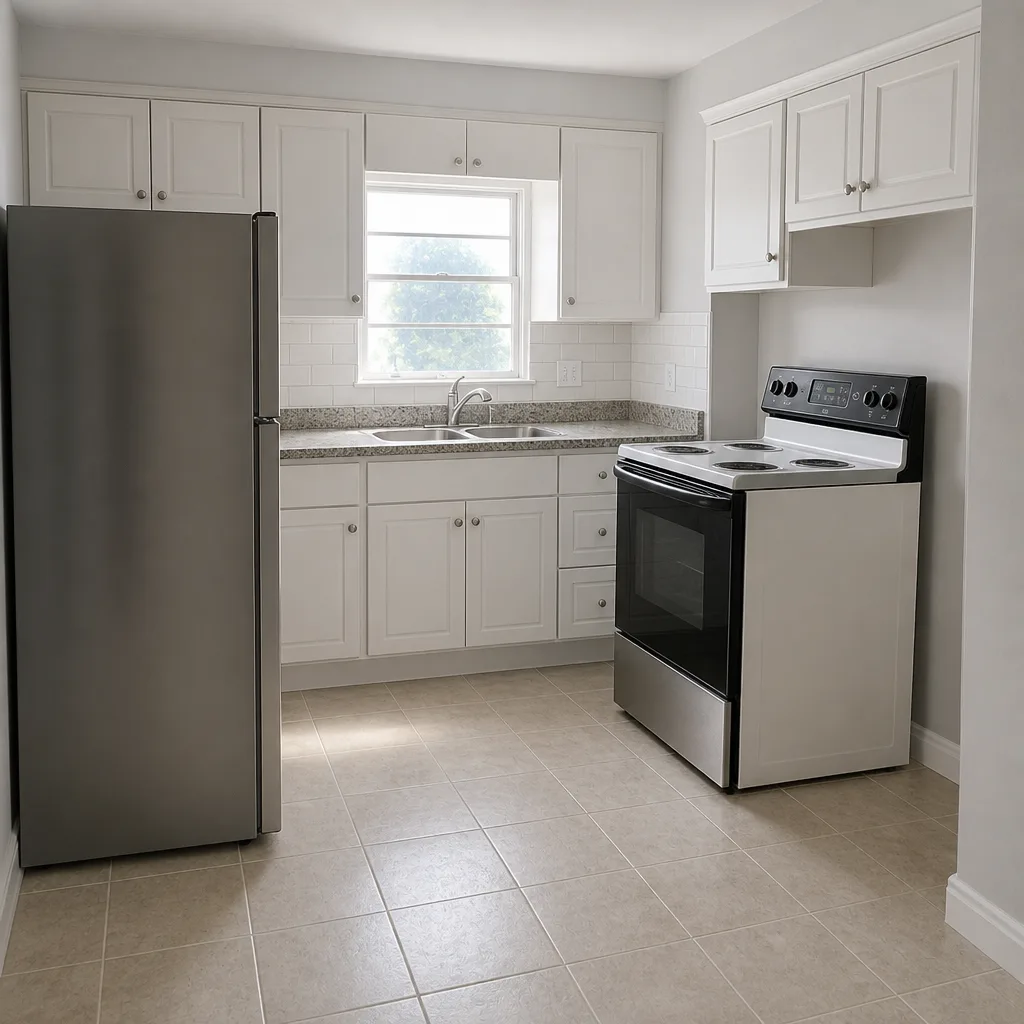
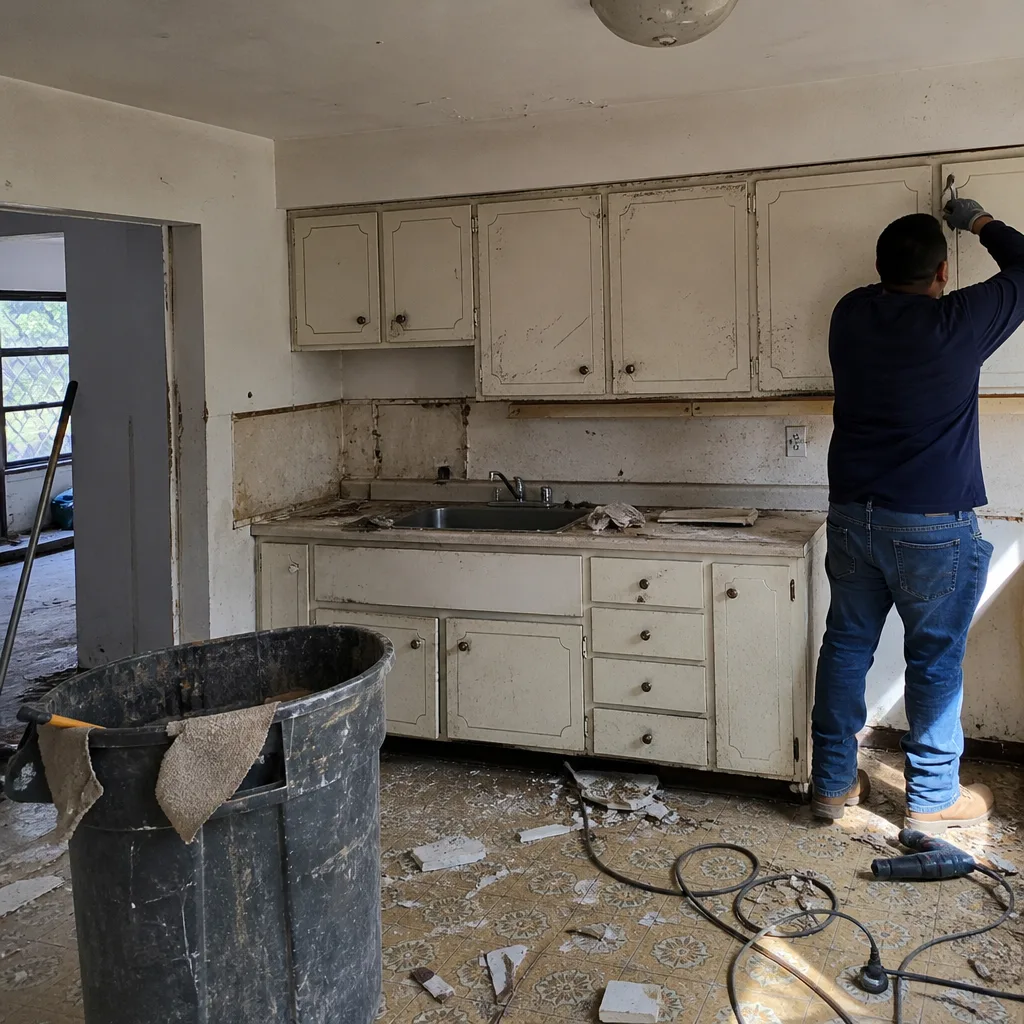
See the difference
 Before
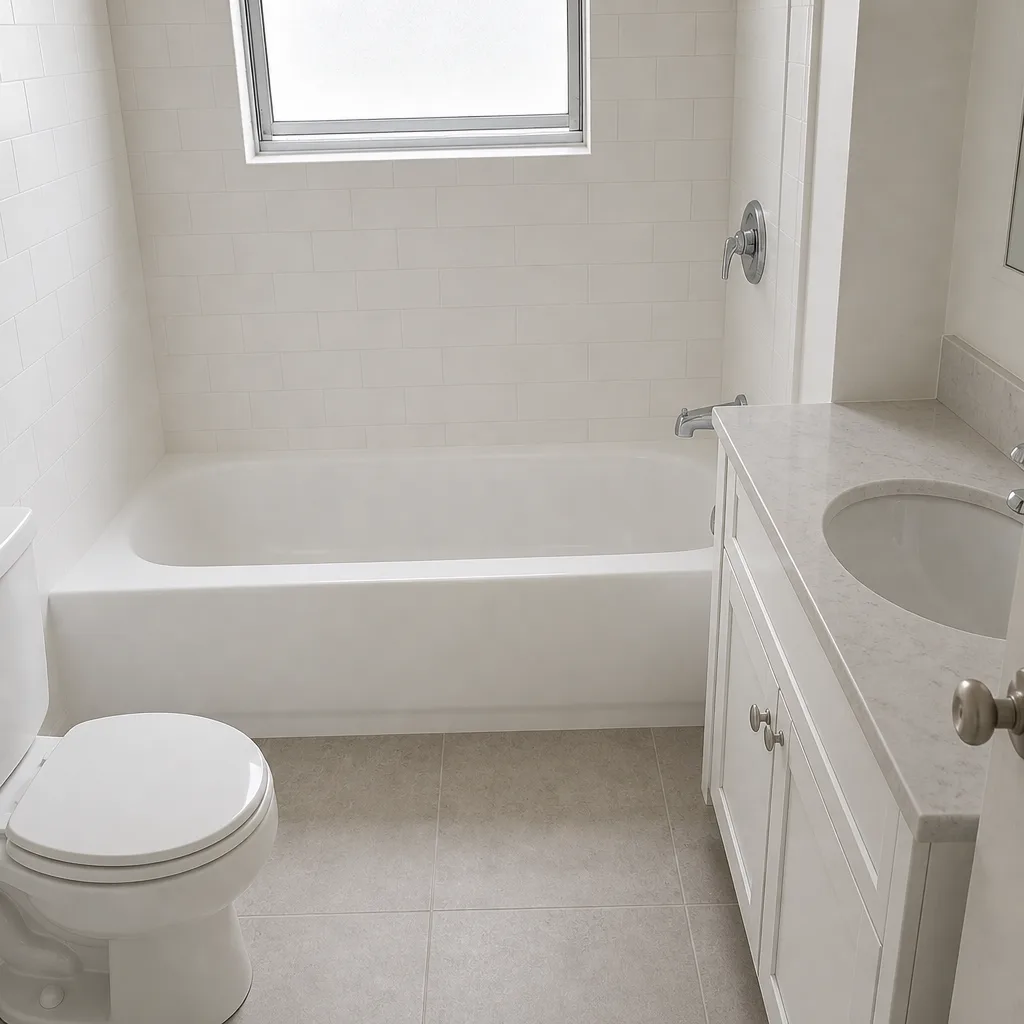 After
 Before
 After
 Before
 After
Common Mistakes to Avoid
- Caulking over active cracks. Caulk hides the symptom for six months and makes it harder to diagnose later. In Hialeah’s humidity, caulk over a moving crack fails faster than the crack itself did.
- Repainting over water stains without finding the source. The stain will return within one rainy season. Find the water source first, then paint.
- Assuming “new construction” means “no problems.” New additions in Hialeah have their first two years to demonstrate whether the foundation and flashing decisions were right. Watch actively, not passively.
- Skipping the HVAC load calculation to save $500. That $500 skip turns into a $6,000+ ductless mini-split or a $10,000+ system replacement later. Manual J is not optional for additions.
- Ignoring permit and inspection records. If your addition was permitted but certain trade inspections were not completed or signed off, you may be living with uninspected work. Pull the permit history from Hialeah’s building department for any addition you bought with the house.
- Fixing symptoms before diagnosing root cause. This is the number one mistake we see. A drywall repair without fixing the underlying slab movement is a waste of money.
- Not documenting everything in writing. Photos, dates, measurements, contractor communications. If the problem ever escalates to a warranty claim or legal action, documentation wins.
When to Call a Professional
Call a licensed contractor when: cracks exceed 1/16 inch in width, cracks are actively widening between measurements, doors and windows bind across an entire wall, moisture intrusion continues after flashing repairs, HVAC issues persist after a system tune-up, or the floor slope is progressing. Also call if your original builder won’t respond to a warranty claim – an independent assessment by a licensed contractor gives you documentation you can use in negotiation or legal escalation. Do not attempt to diagnose foundation issues, HVAC balancing, or flashing repair yourself – the tools and knowledge required are beyond what a homeowner can safely tackle, and a wrong diagnosis costs more than the professional call.
Groundwork Construction Co. of Hialeah offers free estimates in Hialeah – call (888) 418-7102. Our technicians have up to 12 years of experience diagnosing exactly these problems. We pull permits, we pass inspections, and everything we build is covered by our 730-Day Done Right Promise.
Frequently Asked Questions
Foundation repair in Hialeah typically runs $2,500 to $15,000 depending on the cause. Slab mudjacking or polyurethane injection for limited settlement runs $1,200-$4,500. Underpinning with helical or push piers for deeper settlement runs $8,000-$20,000+. Cosmetic patching without addressing the root cause is cheaper but will fail again within 1-2 years in Hialeah’s soil conditions. Call (888) 418-7102 for an exact quote – estimates are free.
Your HVAC system was likely extended to serve the addition without a Manual J load recalculation. This is the most common HVAC problem we diagnose in Hialeah additions. The fix is either rebalancing the existing system, adding a dedicated ductless mini-split for the addition, or – in the worst cases – resizing the main system. A proper load calculation is required to know which path is right. Call us for a diagnostic visit.
Some cracking is normal in the first year as new construction settles. Cosmetic hairline cracks along drywall seams are generally expected. Cracks wider than 1/16 inch, cracks that follow window or door corners diagonally, and cracks that widen over time are not normal – they signal foundation movement and should be assessed. Hialeah’s clay and limestone soil profiles make some settlement inevitable, but visible structural cracking means the foundation prep wasn’t matched to the soil.
Cosmetic repairs (paint, drywall patching, caulk) don’t need a permit. Anything structural – foundation repair, framing modification, HVAC changes, electrical or plumbing relocation – requires a permit in Hialeah. If a contractor offers to fix a structural problem without a permit, that’s a red flag. Every project we do at Groundwork Construction Co. of Hialeah includes pulling the required permits and passing inspections.
Not usually, but it depends on your contract. Most warranties exclude damage from unauthorized modifications, so the repair itself should be done by a licensed contractor (either the original builder or a warranty-approved one) to preserve coverage. If the original builder is unresponsive, document the problem thoroughly and consult a construction attorney before making significant repairs – you may have legal recourse.
Florida’s statute of repose for construction defects is generally 7 years from the date of completion for latent (hidden) defects and 4 years from discovery for patent (visible) defects. Specific timelines can vary based on the type of defect and the contract language. Consult a construction attorney for your specific situation – this is a legal question, not a construction one. Document every issue in writing from the moment you notice it.
The Bottom Line
Every problem in this guide starts the same way: a decision made during construction that didn’t account for Hialeah’s specific soil, climate, and code conditions. Cracking, moisture, HVAC issues, floor problems, and binding doors all trace back to foundation prep, flashing, load calculations, and framing choices. The homeowner who wins is the one who watches for the symptoms, diagnoses the root cause before fixing the surface, and uses a written construction contract with a real warranty to hold the builder accountable.
When you’re ready to build or repair an addition in Hialeah the right way, Groundwork Construction Co. of Hialeah home is here. We back everything we build with the 730-Day Done Right Promise, upfront pricing with no surprises, and background-checked, uniformed technicians on every project. Our brand partners include Andersen, Therma-Tru, GAF, and KraftMaid, so the materials going into your addition are built to last and backed in writing.
Call (888) 418-7102 to schedule your free estimate. A live person answers around the clock, and we’ll walk you through the diagnosis before we quote a single dollar.
Related Guides
If your addition connects to your driveway, our Driveway & Pavers in Hialeah team can assess joint and drainage issues that affect your addition’s waterproofing. If your addition opens to a yard, our Fence Installation in Hialeah service can help you plan boundaries that keep the addition’s drainage patterns intact. For new construction, our Home Additions & ADU in Hialeah team handles everything from foundation to finish line.
Written by the team at Groundwork Construction Co. of Hialeah.