Last updated November 18, 2026

Free written scope consultation - allowances, timeline, and change-order rules on paper before a single trade is scheduled
Home Additions & ADU Warning Signs Every Homeowner Should Know
If a contractor can quote your home addition without seeing your survey, your soil conditions, or your existing electrical panel, they’re not quoting your project. They’re quoting a fantasy. In our experience reviewing botched additions across Hialeah and South Florida, the contractors who cause the most damage don’t look incompetent in the meeting – they sound polished, confident, and organized right up until the walls close over work that was never inspected. This guide covers the specific warning signs that separate a real builder from a smooth talker: which documents a legitimate contractor must review before pricing, what contract language should make you walk away, how Miami-Dade structural engineering submissions actually work, and how to verify inspection records yourself. You’ll finish knowing exactly what to check before you sign in Hialeah or anywhere in South Florida.
Quick Answer
The biggest warning signs of a bad home addition or ADU contractor are refusing to review your survey and utility capacity before quoting, using vague “allowances” instead of fixed pricing on major line items, skipping engineered drawings and permit pulls, and building momentum to dodge inspections. A legitimate contractor puts scope, inspection milestones, and subcontractor licenses in writing, pulls every permit, and welcomes your phone call to the city. If any of that is missing, slow down before you sign.
Styles & brands we work with
- Kitchen remodeling
- Bathroom remodeling
- Home additions & ADU
- Roofing
- Windows & doors
- Driveway & pavers
- Fence
Table of Contents
- The Documents a Real Contractor Reviews Before Quoting
- Contract Language That Signals Low Accountability
- What a Proper Structural Engineering Submission Looks Like in Miami-Dade
- The Inspection-Skipping Pattern and How to Verify Records
- Legitimate Change Orders vs. the “While We’re In Here” Upsell
- Hialeah-Specific Risks: Climate, Code, and Older Housing Stock
- How to Vet an Addition or ADU Contractor: A Step-by-Step Process
- Common Mistakes to Avoid
The Documents a Real Contractor Reviews Before Quoting
A home addition is not a bathroom refresh. It changes your structure, your foundation, your electrical load, and your legal footprint on the property. Any contractor who hands you a number without reviewing the underlying documents is guessing at your expense – and the guess will get corrected later, at your cost. Here’s what a legitimate contractor asks for before finalizing a quote.
The survey, first and most important. A boundary survey tells the contractor where your setbacks sit, whether an easement cuts through the buildable area, and how close you can legally push an addition or ADU. In Miami-Dade County, setback requirements are strict, and an ADU placed two feet into a side setback means a stop-work order and a demolition you pay for. A contractor who never asks for your survey has either skipped this check or plans to let the permit reviewer catch it.
The existing site plan and, where relevant, a soil report. South Florida’s high water table and limestone geology vary block by block – a lot in Hialeah near the canal behaves very differently under a foundation than a lot on higher ground west of the city. If a soil report exists from a prior project, a serious contractor wants to see it. If it doesn’t, a serious contractor budgets for a geotechnical investigation before foundation work.
Your current utility service capacity. This is the one almost everyone forgets. A new ADU with a full kitchen, laundry, and its own air conditioning adds serious electrical load. If your existing panel is already near capacity, the project needs a service upgrade – a real line item that can run several thousand dollars. A contractor who quotes your ADU without checking the panel is quoting a project that may be unbuildable as priced. Ask directly: “Have you looked at my service panel, and does this quote assume an upgrade?”
Documents to hand over before you ask for a final number
- Boundary survey (current, not a decade-old copy if the lot has changed)
- Existing site plan or previous permit drawings
- Any soil or geotechnical report from prior work
- Utility service capacity – panel amperage, water line size, sewer or septic status
- HOA or deed restrictions, if the property is in a governed community
- Notice of any prior unpermitted work that a title search or permit records reveal
A contractor who reviews all six and comes back with questions is doing the job right. One who waves them off and hands you a lump sum is the reason bad additions get built. For more on what a full-scope addition actually involves in the Hialeah market, see our Home Additions & ADU in Hialeah page.
Contract Language That Signals Low Accountability
The contract is where a weak contractor hides. Look for three specific things: allowances on major line items, no defined inspection milestone schedule, and missing subcontractor license references. Each one pushes risk off the contractor and onto you. In South Florida’s addition market, these aren’t red flags for a bad day – they’re patterns.
Allowances on major line items. An allowance is a placeholder number for something the contractor doesn’t want to commit to. A small allowance for paint colors is normal. A $15,000 “allowance” for the slab, the electrical rough, or the impact windows is not. That’s the contractor pricing the easy part of the job and leaving the expensive, hard-to-estimate part open. When the real cost lands north of the allowance, the difference is on you. A legitimate bid uses fixed pricing on the structural, electrical, and envelope portions of the project, with a clear written scope of what’s included.
No defined inspection milestone schedule. Every permitted addition in Miami-Dade moves through a known sequence of inspections – foundation, slab, framing, rough electrical and plumbing, insulation, final. A contract that doesn’t name those milestones, or doesn’t state that the contractor is responsible for scheduling them, is a contract with no accountability at the points where mistakes are caught. If the milestone language is missing, the contractor is protecting their flexibility to skip inspections without breaching anything.
Missing subcontractor license references. Additions pull in several trades – concrete, framing, electrical, plumbing, roofing. The general contractor’s license covers the supervision, but each trade should be licensed in Florida and named in the paperwork or attached addendum. If the contract is silent on who’s doing the electrical and whether that person is licensed, you’ve got no recourse when an unlicensed sub signs onto your permit or does work the county won’t approve.
One additional line worth watching: any clause that lets the contractor choose the “equivalent” material if a specified one is unavailable. On a KraftMaid or Therma-Tru product that’s fine as a fallback, but unlimited substitution authority turns your premium spec sheet into whatever was on the shelf that week. Cap that clause or strike it.
What a Proper Structural Engineering Submission Looks Like in Miami-Dade
Miami-Dade County runs one of the most demanding building code environments in the country. High-velocity hurricane zone (HVHZ) requirements apply, wind-load calculations are non-negotiable, and additions that attach to an existing structure need a licensed structural engineer’s drawings to prove the connection works. If your contractor skips this, they’re not saving you money – they’re transferring structural liability onto your name for the life of the property.
A proper submission for an addition or ADU in Miami-Dade includes, at minimum:
- Sealed drawings from a Florida-licensed structural engineer (PE), not just an architect or draftsperson
- Wind-load calculations for the new structure and its tie-in to the existing building
- Foundation design accounting for the local soil conditions and water table
- Roof-to-wall and wall-to-foundation connection details that meet HVHZ uplift requirements
- Product approval numbers for every window, door, and impact-rated component
- A complete electrical load calculation, especially for an ADU with its own kitchen and laundry
The reason this matters more than homeowners realize: an addition that gets built without engineering can pass inspection if the inspector is looking at a step that doesn’t reveal the shortcut, and then fail a future inspection a decade later when you sell or refinance. That failure is yours to fix. The county doesn’t care who skipped the drawings – it cares that your house has an addition sitting on it without a sealed structural signoff.
In Hialeah specifically, we’ve seen this pattern on older properties where an addition was attached to a block house built decades ago. The existing structure may not have the tie-in capacity the new addition assumes. A proper engineer’s review catches that before the slab is poured. Skipping it means you’re adding square footage onto a connection nobody verified. If your contractor can’t hand you the engineer’s name and license, or won’t tell you which engineer they’re using, you don’t have an engineered submission – you have a promise. On a project this large, promises should be backed in writing. For context on the full scope of what Groundwork brings to an addition through its brand partners across every trade, visit the Groundwork Construction Co. of Hialeah home page.
When a contractor quotes windows and doors without naming the manufacturer, push back. A quality line like Therma-Tru or Mr-Glass comes with product approval documentation the county wants to see. Off-brand windows with hand-written approval numbers are a sign the paperwork is being improvised.
The Inspection-Skipping Pattern and How to Verify Records
Here’s the part homeowners rarely hear: inspections aren’t a formality that slows the job down – they’re the only point where the county checks work that’s about to disappear behind drywall. Contractors who build additions badly know this. The pattern isn’t an outright refusal to schedule inspections. It’s momentum. The crew is rolling, drywall is ready to go, the schedule is tight, and the inspection gets “pushed to next week” until the walls are closed. Then it’s too late – the inspection can’t see what it’s supposed to catch.
How inspection-skipping actually plays out
- The schedule gets compressed. The contractor lines up trades so framing, rough electrical, and drywall all land in a single week – leaving no window for the county inspector to show up on a milestone.
- Inspections get delayed “for scheduling reasons.” The permit is live, but the milestone inspection isn’t scheduled. The contractor says the county is backed up. Sometimes it is. Sometimes the milestone was never requested.
- Drywall goes up anyway. Once the walls are closed, the visible work is done, and the homeowner is happy with how it looks. The structural and electrical work the inspector was meant to check is now sealed in.
- The final inspection stalls or passes shallowly. If the county somehow moves to a final without the intermediate milestones – rare, but possible in a bookkeeping gap – the addition ends up with a certificate of occupancy signed off on work that was never inspected at critical stages.
Homeowners can verify the actual inspection record directly through Miami-Dade County’s online permit portal. You search by address or permit number and pull the inspection history. Every milestone inspection the county has completed shows up with a date, an inspector, and a result. If your contractor says “everything’s been inspected” and the portal shows only one final inspection on a project with a foundation, framing, and rough electrical, that’s the whole answer. The portal doesn’t lie. If you’re in the City of Hialeah, some additions move through the city’s own building department rather than the county – ask your contractor which jurisdiction holds the permit, then check that department’s portal.
Ask your contractor for the permit number in writing, in the first week. A contractor with nothing to hide gives it to you without a pause. One who says the number isn’t available yet, or offers to “send it when it’s issued,” is a contractor you should call the building department about before the next check gets written. The number is public once the permit is pulled. If it hasn’t been pulled – that’s the problem.
The 730-Day Done Right Promise exists specifically because this pattern is so common. If it’s not done right, we make it right – and the inspection record is how workmanship gets proven correct, not just promised. Live person, 24/7 is how we answer calls from Hialeah homeowners who’ve been burned by a disappearing crew on another project and want to know whether this one’s next.
Legitimate Change Orders vs. the “While We’re In Here” Upsell
A change order is supposed to be a written record of a scope change the homeowner requested or an unforeseen condition the contractor documented before proceeding. In a real change order process, you get a description of the change, the price, the schedule impact, and a signature. In the “while we’re in here” pattern, you get a verbal suggestion mid-demo, work gets done before you’ve approved anything, and the invoice at the end reflects work you never authorized.
Here’s how to tell them apart. Legitimate change orders, on a well-run addition:
- Arrive in writing before the work begins
- Include a price and a schedule impact, itemized
- Show a signed homeowner approval before work starts
- Document a genuine discovery, not a pitch – “we opened the wall and the existing joist hangers aren’t rated, here’s the engineer’s note, here’s what fixing it costs”
- Are issued against the original scope, so you can see exactly what changed
The upsell pattern looks like this. Demo opens a wall. The contractor calls you over to show you something “off” – might be real, might be exaggerated – and says “while we’re in here, we should really do X,” then has the crew start on X that afternoon. By the time you get a written invoice, the work is done and the argument is about payment, not authorization. On a home addition in Hialeah, where existing walls often hide decades of prior renovation, the temptation to inflate the discovery is real. Expect the contractor to document any genuine issue in photos and the engineer’s voice before proceeding.
What you should always be able to do: ask “what does this cost, and what does the schedule look like if we do it?” and get a written answer before anyone touches the wall. If you can’t, that’s not a change order process – that’s a contractor who budgets by surprise. A contractor using upfront pricing, no surprises keeps the change-order channel clean. For more detail on the way an addition project is scoped, priced, and delivered on a written plan, our Home Additions & ADU in Hialeah page walks through the full sequence. If the addition touches the outside of the property as well, the same accountability standard applies to your Driveway & Pavers in Hialeah work and your Fence Installation in Hialeah – the driveway and fence are the peripheral scopes that get the least supervision and often the most cutting.
Hialeah-Specific Risks: Climate, Code, and Older Housing Stock
Hialeah is not Miami Beach, and a contractor who treats it the same way is missing the point. The city’s housing stock leans toward single-story concrete block homes built in the 1950s through the 1980s, some with prior additions added without permits, and a lot of properties sitting on lots where setbacks are already tight. Those three conditions create the specific failure modes we see on addition projects here.
The prior unpermitted addition problem. In Hialeah, we regularly see properties where an earlier owner added a rear room or converted a carport without a permit. When a new addition goes on, the county’s review will eventually find the old work through a records search or an inspector’s site visit. That discovery can halt your project until the existing unpermitted work is legalized, which may require retroactive engineering, opening walls, and paying permit fees on square footage you thought was done. Ask the contractor to check permit records for the whole property, not just the new work. Any contractor who skips this check is one county records pull away from a stopped job.
Wind-driven rain and HVHZ envelope requirements. Hialeah’s rainy season doesn’t just test the roof – it tests the addition’s tie-in to the existing envelope. A new addition with a poorly sealed transition to the old roofline will leak, and South Florida’s wind-driven rain pushes water sideways into places regular rain doesn’t reach. Every opening – windows, sliding doors, dryer vents – needs impact-rated products or a rated shutter system, and the product approvals need to be on file. Contractors who don’t discuss the envelope during design are contractors who will discover water intrusion after the first summer.
Utility capacity on older homes. A 1960s Hialeah home often has a 100-amp panel that’s already overloaded for modern use. An ADU with its own electrical load requires a service upgrade, and the cost is real – often between $3,000 and $8,000 depending on the panel, meter location, and utility coordination. A contractor who prices the ADU without pricing the upgrade is pricing a fantasy. This is also why legitimate contractors, either yours or the ones Groundwork connects you with through its curated band of partners, walk the panel before quoting.
Setbacks and lot coverage. Hialeah’s zoning enforces both setbacks and maximum lot coverage. A rear addition or ADU that pushes past either one gets flagged at permitting. The survey reveals it. Skipping the survey hides it until the county catches it.
How to Vet an Addition or ADU Contractor: A Step-by-Step Process
You don’t need to be a builder to screen a contractor – you need to ask the right questions in the right order and watch what happens when the easy answers run out. Here’s the process we recommend to any Hialeah homeowner planning an addition, and it’s the same process that separates a real construction partner from someone posing as one.
- Ask what documents they want from you before quoting. A real contractor asks for the survey, the site plan, utility service info, and any available soil report. If the answer is “just tell me the square footage,” you’re not talking to a contractor yet.
- Ask which structural engineer they use and get the name in writing. A licensed PE in Florida has a name and license. If the contractor can’t produce either, the engineering either isn’t happening or is being subcontracted to someone they don’t want you talking to.
- Ask for the permit number and confirm the pull with the building department. In Hialeah, that’s the City of Hialeah building department or Miami-Dade County, depending on jurisdiction. Both have online portals. If the number isn’t available, the permit isn’t pulled, and the job isn’t ready to start.
- Read the contract for allowances, milestone schedules, and subcontractor licenses. All three should be present, specific, and written. Push back on any of them and see how the contractor responds. A good one adjusts the contract and thanks you. A bad one gets defensive.
- Ask for the change-order process in writing. “How do you handle a change order?” should produce a document, not a story. If it produces a story, expect to be payrolled by surprises.
- Confirm which brand partners are being specified. Windows, doors, cabinets, roofing – ask for the specific brand name, not “we’ll use a good one.” If the contractor names Therma-Tru for windows or James Hardie for exterior siding, that’s an accountable spec sheet you can verify.
- Ask about the warranty and get the written term. Groundwork’s 730-Day Done Right Promise is one of the longest workmanship guarantees in the residential construction space – if it’s not done right, we make it right. Any legitimate contractor should be willing to put the warranty length in writing and mean it.
Every addition or ADU is a five- to seven-figure decision on a property that’s likely your largest asset. The vetting process above takes two hours of your time. It saves you the twelve to eighteen months of grief that a bad contractor would otherwise turn into a full-time project for you to manage. Call it the cheapest money you’ll ever spend.
Common Mistakes to Avoid
- Accepting a quote without a survey. A quote without a survey is a quote for a fantasy. In Hialeah where setbacks and lot coverage are enforced strictly, the survey reveals whether the addition is even buildable at the size you’re imagining – and a contractor who never asked for it can’t have checked.
- Treating allowance-heavy bids as complete quotes. An allowance on a slab, an electrical rough, or your impact windows is a hidden contingency that lands on your final invoice. What you see should be what you pay, and the structural portions of an addition should be fixed-priced, not floated.
- Waving off the inspection schedule because the work looks good. Work that looks good before drywall isn’t the same as work that was inspected before drywall. Pull the inspection record from the county portal yourself – if the milestones are missing, the work they were meant to check is sealed in and untested.
- Not verifying prior unpermitted work on the property. Hialeah has a lot of it. A 1960s block home with a rear room added in the ’90s might have never been permitted, and your new addition will trigger the discovery. Check permit records on the whole property before signing.
- Pricing the ADU without the electrical upgrade. A full ADU adds a kitchen, laundry, and its own air conditioning. Older Hialeah homes often still run 100-amp service. A quote that doesn’t address the panel isn’t wrong by accident – it’s wrong by design, because the upgrade is expensive and unglamorous.
- Signing a contract with no named subcontractors or licenses. When a sub’s work fails an inspection, “we didn’t know who was doing the electrical” isn’t a defense. The contract should name the trades and confirm each is licensed in Florida.
- Letting the “while we’re in here” upgrade happen before the change order is written. Once the crew has already done the work, the negotiation shifts from “should we?” to “how much do I owe you?” Insist on a written, signed change order before work starts, every time.
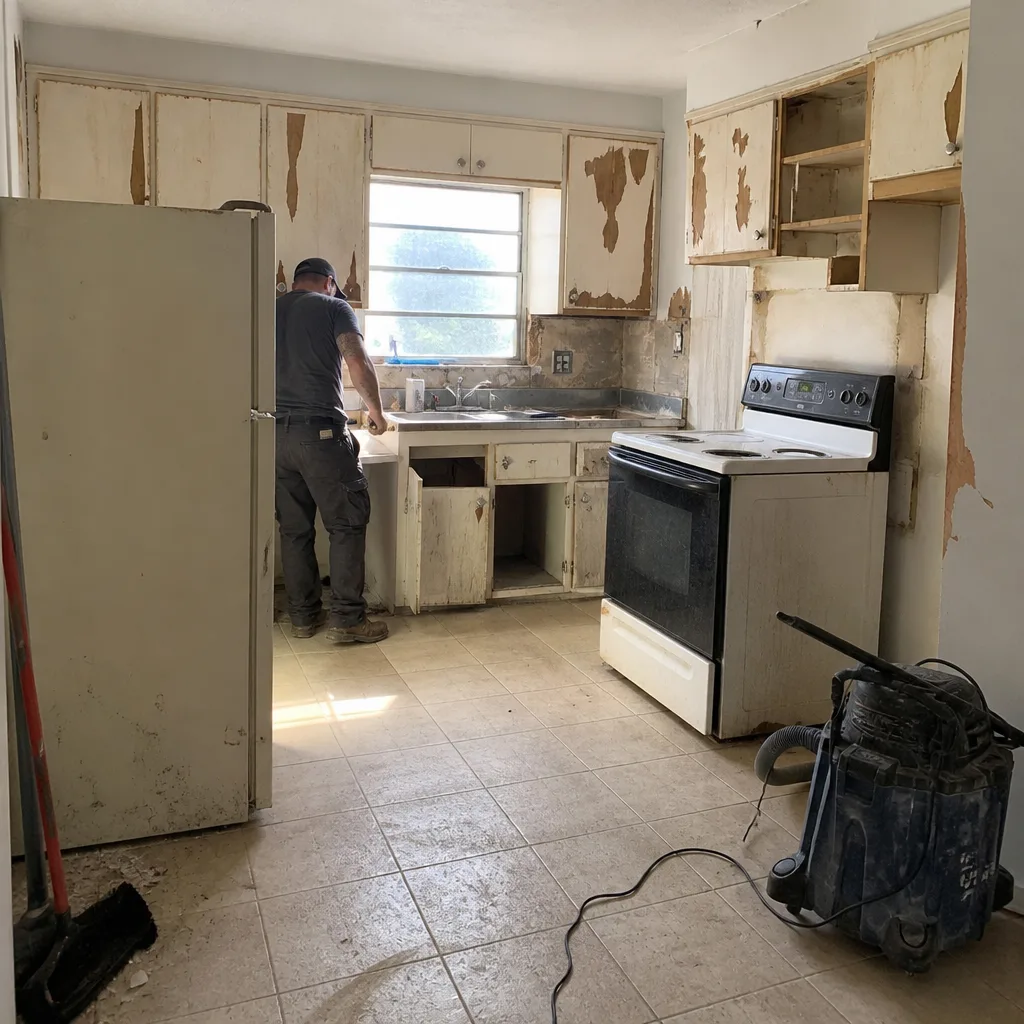
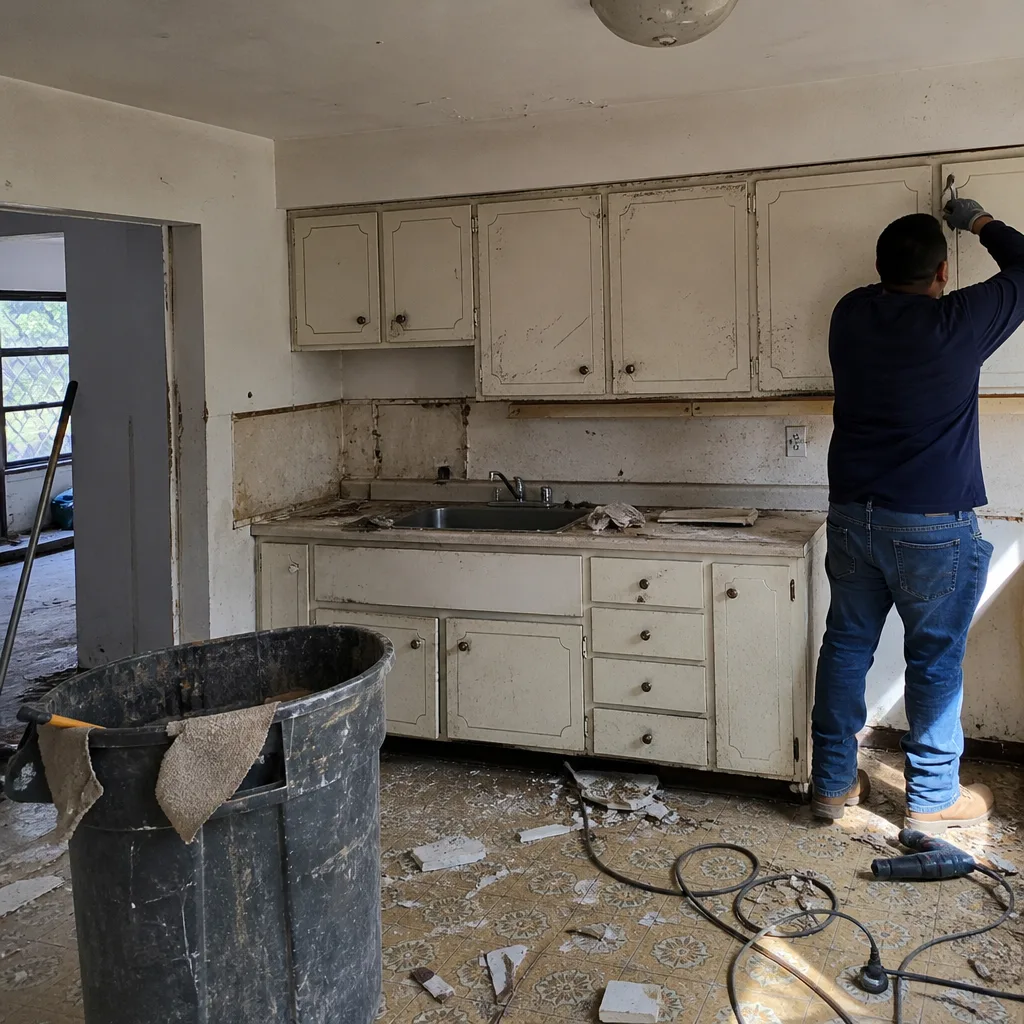
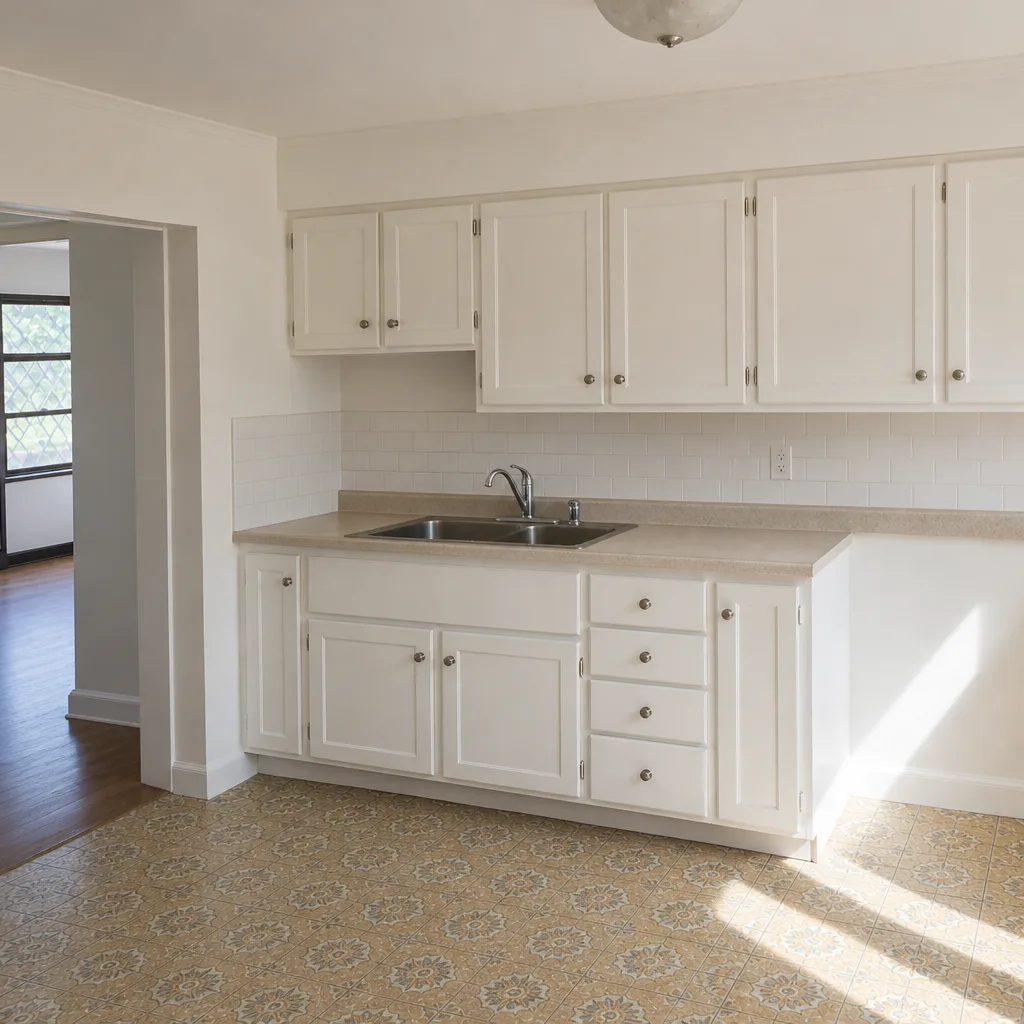
See the difference
 Before
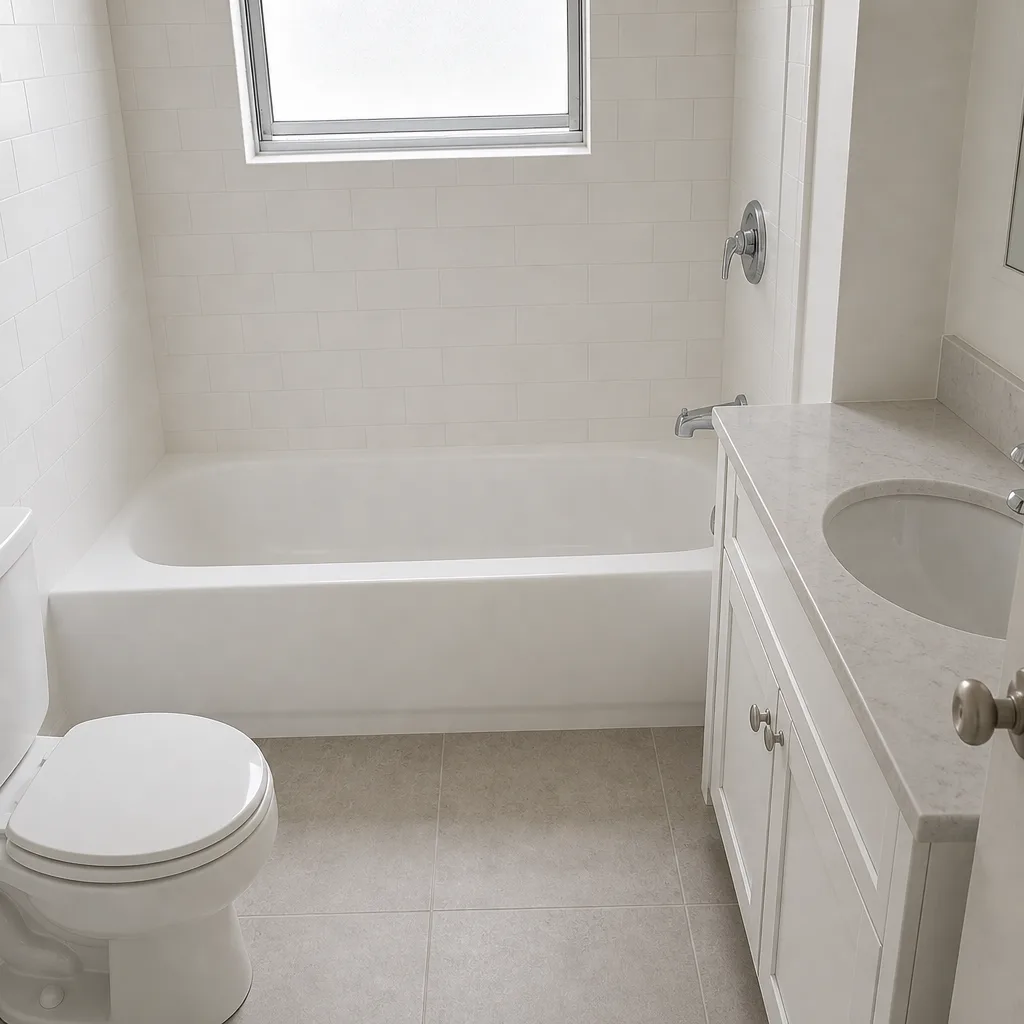 After
 Before
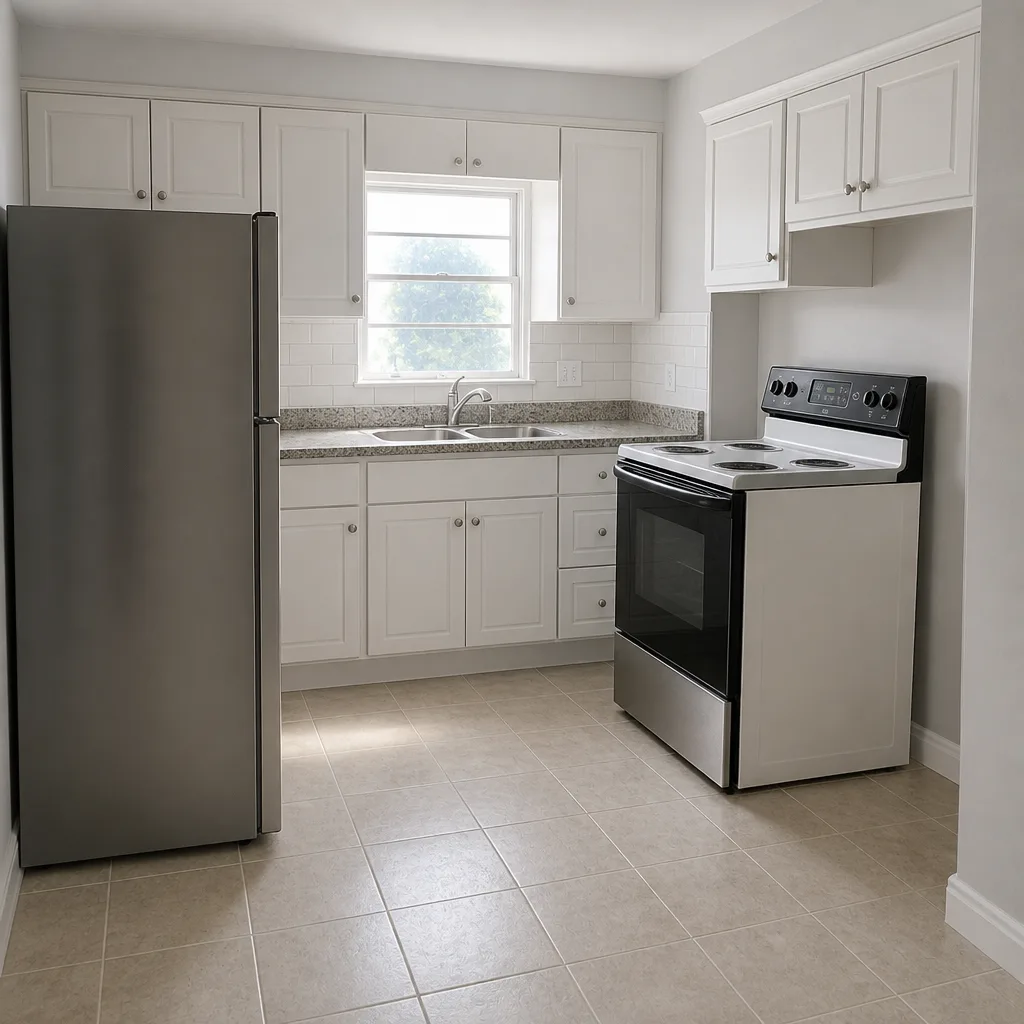 After
 Before
 After
When to Call a Professional
If you’re at the stage where you’re holding a quote for an addition or ADU in Hialeah and something feels off – the number arrived too fast, the contract is thin, nobody asked for your survey, the panel was never mentioned – stop and get a second read. Groundwork Construction Co. of Hialeah reviews existing quotes, walks the property, and gives you an honest read on what the plan actually covers. Our technicians have up to 12 years of experience, arrive in uniform, and are background-checked, and the 730-Day Done Right Promise applies to every project. We pull the permits, we schedule the inspections, and we answer the phone with a live person 24/7 – so you can call when the questions come up, not wait until Monday morning. Call (888) 418-7102 to schedule your free estimate and design consult in Hialeah. Every project over $10,000 qualifies for an additional $1,000 off, and 0% financing is available for 18 months so the plan fits the budget as easily as it fits the lot.
Frequently Asked Questions
The biggest warning sign is a contractor who quotes your addition without reviewing your survey, utility service capacity, or existing site plan. That contractor hasn’t checked the setbacks, hasn’t confirmed the panel can handle the new load, and hasn’t looked at what’s actually on your lot – so the price they gave you is a guess. A legitimate contractor asks for those documents before pricing and asks follow-up questions. Call (888) 418-7102 if you want a second read on a quote that came too fast – estimates are free.
Home additions in Hialeah typically run in the neighborhood of $180 to $350 per square foot for a standard permitted addition, with the upper end tied to impact-rated windows, HVHZ-rated roofing, and structural engineering requirements specific to Miami-Dade. An ADU with its own kitchen, bath, and laundry generally lands at the higher end, and a service panel upgrade – often $3,000 to $8,000 on older Hialeah homes – can add to that. Get a written line-item quote before signing anything. Call (888) 418-7102 for an exact figure on your property – estimates are free.
Yes. Miami-Dade County requires sealed structural drawings from a Florida-licensed professional engineer for a home addition, including wind-load calculations and HVHZ-compliant connection details. A contractor who says you don’t need engineering, or won’t tell you which engineer they use, is putting structural liability on your name for the life of the property. The engineering has to happen, and the sealed drawings have to be submitted at permitting. Our team walks through the full scope on the Home Additions & ADU in Hialeah service page.
You check the permit record directly through the City of Hialeah building department or Miami-Dade County’s online permit portal, searching by address or permit number. Every milestone inspection shows up with a date and result. If your contractor says “everything’s been inspected” and the portal shows only a single final, the milestone inspections never happened. Ask for the permit number in writing during week one, and verify it yourself. Call (888) 418-7102 if you’d like us to pull the record together with you.
An allowance is a placeholder number in a contract for a line item the contractor isn’t committing to a fixed price on. Small allowances for things like paint colors are normal. Large allowances on structural work, electrical, or impact windows are a red flag – they let the contractor price the easy portion of the job and shift the expensive portion onto you when the real cost shows up. If your addition contract has allowances north of a few thousand dollars on major line items, ask for a fixed-priced revision before you sign. Call (888) 418-7102 for an unconditional, upfront-priced quote instead – free estimates.
It’s when a contractor opens a wall during demo, points to something and suggests an unplanned upgrade, then has the crew start the work before you’ve signed anything in writing – and the invoice arrives after the work is done. The fix: require a signed change order with a written price and schedule impact before anyone touches the wall. A legitimate process is a written approval first. Call (888) 418-7102 to talk through how our change-order process keeps you in control on a Hialeah addition.
The Bottom Line
Home addition and ADU contractors who cause the most damage in South Florida aren’t the ones who look incompetent in the meeting – they’re the ones who sound great and skip the survey, the engineering, the permit pulls, and the inspections that would have caught their mistakes before the walls closed. Watch what a contractor asks for before quoting. Read the contract for allowances, milestone schedules, and subcontractor licenses. Pull the inspection record yourself. Confirm the engineering and the panel upgrade are in the price. Hialeah’s older housing stock and Miami-Dade’s HVHZ code make those checks the difference between an addition and a liability. The 730-Day Done Right Promise, live-person 24/7 phone pick-up, and upfront pricing throughout are what a real partner brings to the table. Call (888) 418-7102 to schedule your free estimate – and if the addition extends to the outside of the property, our related guides on Driveway & Pavers in Hialeah and Fence Installation in Hialeah cover the same standard of accountability.
Written by the team at Groundwork Construction Co. of Hialeah.