Last updated November 18, 2026


Free written scope consultation - allowances, timeline, and change-order rules on paper before a single trade is scheduled
How Long Does Fence Installation Take? Timelines and What to Expect
In Hialeah, a fence you can watch going up in two days can take three weeks to legally start. The posts, panels and concrete aren’t the bottleneck. Permits, utility locates and material lead times are. Most contractors hand you a start date and skip the calendar that got them there. We wrote this guide to fix that. You’ll learn what each of the four pre-build and build phases actually takes in Miami-Dade County, why South Florida’s limestone substrate changes the schedule, how HOA approval runs on its own track, and how to build a project calendar that holds any contractor to a realistic timeline.
Quick Answer
A standard residential fence in Hialeah takes 2 to 4 days of actual on-site installation, but the full project from signed contract to final inspection usually runs 3 to 6 weeks. The biggest variables are permit processing (1 to 3 weeks), utility marking through Sunshine 811 (2 to 3 business days), material lead times (anywhere from 3 days to 6 weeks depending on material), and post-setting in South Florida’s rocky limestone soil. Budget four to six weeks for a wood or aluminum fence, and longer if your property sits in an HOA community with its own architectural review.
Styles & brands we work with
- Kitchen remodeling
- Bathroom remodeling
- Home additions & ADU
- Roofing
- Windows & doors
- Driveway & pavers
- Fence
Table of Contents
- Phase 1: The Pre-Installation Work That Controls Your Timeline
- Phase 2: Permits and HOA Approval in Hialeah
- Phase 3: Utility Locating Through Sunshine State One Call
- Phase 4: Material Lead Times by Fence Type
- Installation Day: What Actually Happens on Site
- Why South Florida Limestone Adds Time to Post-Setting
- How to Build a Project Calendar That Holds Contractors Accountable
- Common Mistakes to Avoid
Phase 1: The Pre-Installation Work That Controls Your Timeline
The fence installation itself is the shortest part of the project. Everything that happens between signing the contract and the first post going in the ground determines whether you’re looking at a single week of work or a month of waiting. In our experience across Hialeah and the surrounding Miami-Dade communities, homeowners who understand the pre-installation phase stay calm through the slow parts and spot problems early.
Here’s what runs in parallel during pre-installation:
- Permit application and review with Miami-Dade County or the City of Hialeah building department (if your fence qualifies).
- Utility locate requests submitted through Sunshine 811, Florida’s statewide one-call system.
- HOA architectural review if your property sits in a deed-restricted community (more on this below).
- Material ordering and delivery scheduling, which depends heavily on the material you choose.
- Site survey and property line verification to confirm your fence sits inside your lot line and not on a neighbor’s.
- Final measurements and quantity takeoff so the panels, posts, rails and concrete all arrive together.
Each of these is a separate track. A permit delay doesn’t stop material delivery, but a utility locate that comes back with a conflict near a pool pump or irrigation line can force a redesign that pushes everything back. The best contractors run these tracks in parallel and hand you a written schedule showing when each one should clear. If a contractor can’t tell you which phase you’re in on any given day, that’s a red flag worth taking seriously.
The properties we see along the older stretches of Hialeah near Palm Avenue tend to have surveys that are decades old. Getting a fresh property line check adds about 3 to 5 business days to the pre-installation phase, but it prevents the single most expensive fence problem there is: tearing out a completed fence because it crossed onto a neighbor’s lot by 14 inches.
Phase 2: Permits and HOA Approval in Hialeah
Fence permit requirements in Hialeah and unincorporated Miami-Dade depend on the fence’s height, location and material. A low decorative fence in a rear yard often needs no permit at all, while a 6-foot privacy fence at the front property line usually does. Here’s the realistic permit timeline for most residential fences in Miami-Dade County:
- Day 1 to 2: Contractor submits the fence permit application with site plan, survey and material specs.
- Day 3 to 10: Plan review through the county or city building department. Simple residential fence permits often move faster than this, but assume the longer window.
- Day 10 to 14: Permit issued; contractor schedules installation.
- Post-installation: Final inspection (usually 1 to 5 business days to schedule) and permit closeout.
Total permit time in Hialeah typically runs 1 to 3 weeks, depending on workload at the building department and whether your property falls inside city limits or unincorporated Miami-Dade. Fences at a corner lot facing two streets, or fences over 6 feet tall, may add a step.
How HOA approval runs on its own track
Roughly half of the deed-restricted communities in and around Hialeah require architectural review committee approval before any fence goes up. This track runs completely independent of the city permit. You can’t use city approval as leverage with your HOA, and you can’t use HOA approval to skip a city permit. The two boards don’t talk to each other.
HOA review typically takes 2 to 4 weeks and requires its own set of documents: material color, height, style, setback from the property line, and sometimes a sample board. Communities near Hialeah Gardens and Miami Lakes often restrict fence materials to specific styles (wrought-style aluminum, for example), which means you may have to change material mid-design if you selected the wrong option. Get the HOA packet on day one so both tracks run at the same time. Waiting for the city permit before starting the HOA paperwork is one of the most common reasons South Florida fences take a month longer than expected.
Phase 3: Utility Locating Through Sunshine State One Call
Before any post hole gets dug, every Florida contractor is required to submit a locate request through Sunshine 811 (Sunshine State One Call). This is not optional and it’s not a formality. Digging through an irrigation main or a private electrical line to a pool pump is a five-figure repair you don’t want to make in the middle of a project.
The timeline for Sunshine 811 looks like this:
- Submission: Contractor submits the request online or by phone, giving 2 full business days’ notice.
- Marking window: Member utilities typically mark within 2 business days. Private utilities (irrigation, pool lines, landscape lighting, low-voltage) are NOT covered by Sunshine 811 and must be marked separately by the homeowner or a private locator.
- Verification: Contractor walks the marked line with you before digging.
That third point is where Hialeah projects often get delayed. In older neighborhoods near Hialeah Park and along East 8th Avenue, plenty of homes have unpermitted irrigation and pool lines installed by previous owners. Those lines aren’t on any utility map, and Sunshine 811 won’t flag them. If your contractor shows up without talking to you about private utilities first, that’s a conversation to have before the first shovel touches the ground.
The good news: when the locate request is submitted on day one alongside the permit application, it usually resolves well before installation is scheduled. The problem only appears when locate requests get backloaded to the week of install. Proper sequencing puts Sunshine 811 ahead of material delivery so any conflicts can be designed around.
Phase 4: Material Lead Times by Fence Type
Material lead times, not labor availability, are the single most common reason a fence project slips in South Florida right now. Here’s what we’re seeing from suppliers across Miami-Dade for each major fence type:
- Pressure-treated wood (pine): 3 to 7 days from most suppliers. The fastest fence material available. Wood fences remain the most common choice in Hialeah neighborhoods, and the shorter lead time is a real advantage when you’re on a tight schedule.
- Cedar wood: 1 to 2 weeks. Not grown locally, so supply fluctuates with national lumber markets. Cedar resists moisture better than pine and lasts longer in South Florida humidity.
- Aluminum (wrought-style): 2 to 4 weeks. Custom powder-coat colors and heights push toward the longer end. Many HOAs require a specific black or bronze finish, which can add a week.
- Vinyl/PVC: 2 to 3 weeks. Standard heights and colors are quicker; taller panels and privacy-grade picks take longer.
- CBS block and stucco: 3 to 5 weeks. The material itself is fast to source, but block fences require concrete footings, masonry curing time and stucco finishing, which stretches both scheduling and installation.
- Custom ornamental iron: 4 to 6 weeks or longer. Fabrication is the delay, not delivery. Custom designs, gate automation and picket pattern changes add weeks.
The common trap: homeowners choose the material first, then ask about timing. Reverse it. If time matters, wood gets you a completed fence in under three weeks end-to-end. If a specific HOA style requires aluminum, plan for five-plus weeks. If you’re matching a brand partner detail on the fence and gate hardware, order hardware at the same time as the panels so you don’t end up with a finished fence and no working gate latch.
Our Fence Installation in Hialeah work here runs into the same material bottlenecks as anyone else’s, but we schedule around them from day one instead of after the fact. That’s what keeps a project from drifting into week five.
Installation Day: What Actually Happens on Site
Once permits, locates and materials are all in hand, the build itself is fast and orderly. A typical Hialeah residential fence (roughly 100 to 200 linear feet) takes 2 to 4 working days. Here’s the sequence:
- Day 1 – Layout and post holes. Crew strings the fence line, confirms setbacks, and digs post holes to the required depth (typically 24 to 36 inches in South Florida to reach stable substrate and pass inspection).
- Day 1 to 2 – Post setting and curing. Concrete goes in at each post. This is where limestone substrate and moisture can add time (more below).
- Day 2 to 3 – Rails and panels. Once posts cure, rails and pickets or panels install quickly. Gates get hung and hardware installed.
- Day 4 – Final touches. Gate alignment, cap installation (if applicable), cleanup, and staging for inspection.
A small decorative fence of 50 feet or less can be completed in a single day when pre-installation is clean. A 300-foot privacy fence with a double gate and a corner lot layout can stretch to 5 or 6 days. Either way, the on-site work is a small fraction of total project duration. When a contractor quotes you a 2-day build, they’re telling the truth about the build – just not about the project.
Why South Florida Limestone Adds Time to Post-Setting
National fence installation guides assume loam, clay or sandy soil. Hialeah doesn’t work that way. Much of Miami-Dade County sits on a limestone substrate that starts anywhere from 12 to 48 inches below the surface. When a post hole hits limestone shelf, three things change:
- Hole digging slows dramatically. A standard auger can’t chew through limestone. Crews switch to rock bits, breaker bars, or in some cases a jackhammer. That adds hours per post.
- Concrete volume increases. Rocky holes don’t hold shape the way a clean loam hole does. More concrete, more cost, more time.
- Curing times extend. South Florida humidity and the density of the limestone substrate mean concrete sets slower than in drier climates. Crews often wait 24 to 48 hours longer than they would in other parts of the country before setting rails and panels.
In Hialeah neighborhoods near the Hialeah-Miami Lakes border and along the older inland corridors, we regularly see shelves of caprock that add a full day to a fence build that would have taken three. When we quote a fence installation in Hialeah, we factor limestone into the calendar from the start. That’s part of why the timelines we hand out stay honest through the build.
This is also why a contractor using a generic 3-day-auger timeline from a national playbook will look like they’re behind schedule on day two. They’re not: they just didn’t account for what’s under the grass.
How to Build a Project Calendar That Holds Contractors Accountable
The single most useful thing you can do before signing a fence contract is demand a written calendar with dates attached to each phase. Here’s a simple template you can copy into a spreadsheet and use with any contractor in Hialeah. It’s what we hand every fence client, and it turns a vague project into something anyone can track.
- Contract signed (Day 0). Material locked, deposit paid, project calendar delivered.
- Permit application submitted (Day 0 to 2). Written confirmation from the building department.
- HOA application submitted (Day 0 to 3, if applicable). Independent track, do not delay.
- Sunshine 811 locate submitted (Day 0 to 2). Request number in hand.
- Locate marks confirmed (Day 3 to 5). Contractor walks the line with you to flag private utilities.
- Materials delivered on site (material-specific). Wood: Day 5 to 7. Aluminum: Day 15 to 25. Custom iron: Day 25 to 40.
- Permit issued (Day 10 to 20). If this slips past Day 21, ask for the specific reason in writing.
- Installation window (Day X to X+4). Two to four working days.
- Final inspection scheduled (Day X+4 to X+9). Permit closeout and final walkthrough.
Any contractor who can’t commit to written dates on each phase is telling you something. Not that they’re dishonest, but that they don’t know the schedule they’re managing. Ask for the calendar in writing and update it weekly. If the project drifts, you’ll know exactly which phase slipped and why.
For broader outdoor hardscape projects that pair a fence with paving, our Driveway & Pavers in Hialeah projects run on the same parallel-track model. The sequencing principles carry over regardless of what’s going in.
Common Mistakes to Avoid
- Starting the HOA track after the permit. The two approvals run independently. Delay one and the other can’t help. In Hialeah-area communities, waiting for the city permit before filing the HOA packet can add three weeks you didn’t need to spend.
- Forgetting private utilities. Sunshine 811 only marks public utilities. Irrigation, pool lines and landscape lighting on your property are your responsibility to flag before digging. A cut pool line in mid-installation can cost $1,500 to $3,000 and a week of scheduling to fix.
- Choosing material before checking HOA style restrictions. Plenty of Hialeah HOA communities restrict fence color, height and style. Order before you check and you’ll be eating the cost of a material swap or a rejected permit.
- Ignoring the property survey. Fence installation on an unverified line is one of the most common reasons a finished fence has to come down. A 3-to-5-day survey delay is cheap compared to a disagreement with a neighbor.
- Trusting a “two-day install” quote at face value. The build time is often honest; the project time quoted around it usually isn’t. Demand a written calendar covering permits, locates and material lead times.
- Skipping the pre-installation walkthrough. Walking the fence line with your contractor before digging – pointing out existing irrigation heads, trees to protect, and gate locations – takes 20 minutes and prevents mid-build changes.
- Not confirming post depth for inspection. Miami-Dade inspections require specific post depth based on fence height and material. A contractor rushing the dig to save time is a contractor building to fail an inspection.
See the difference
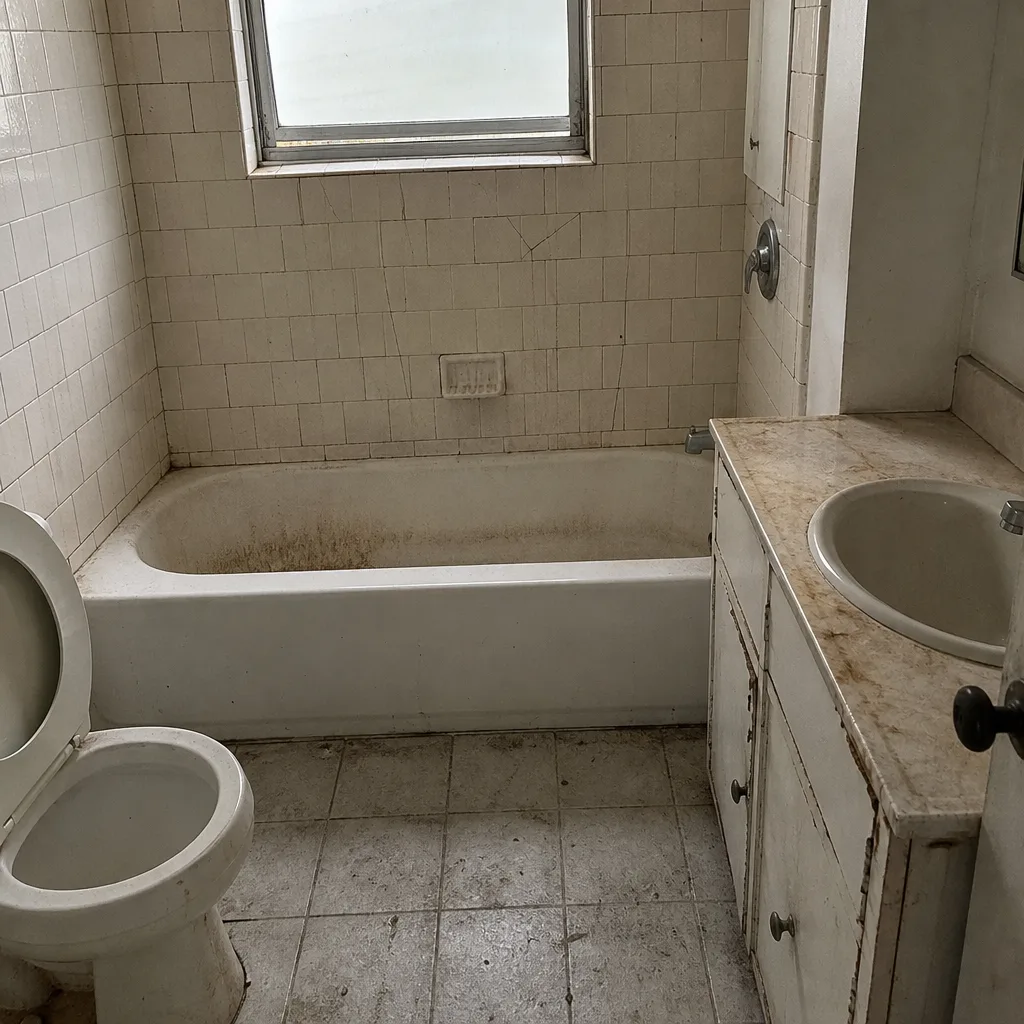 Before
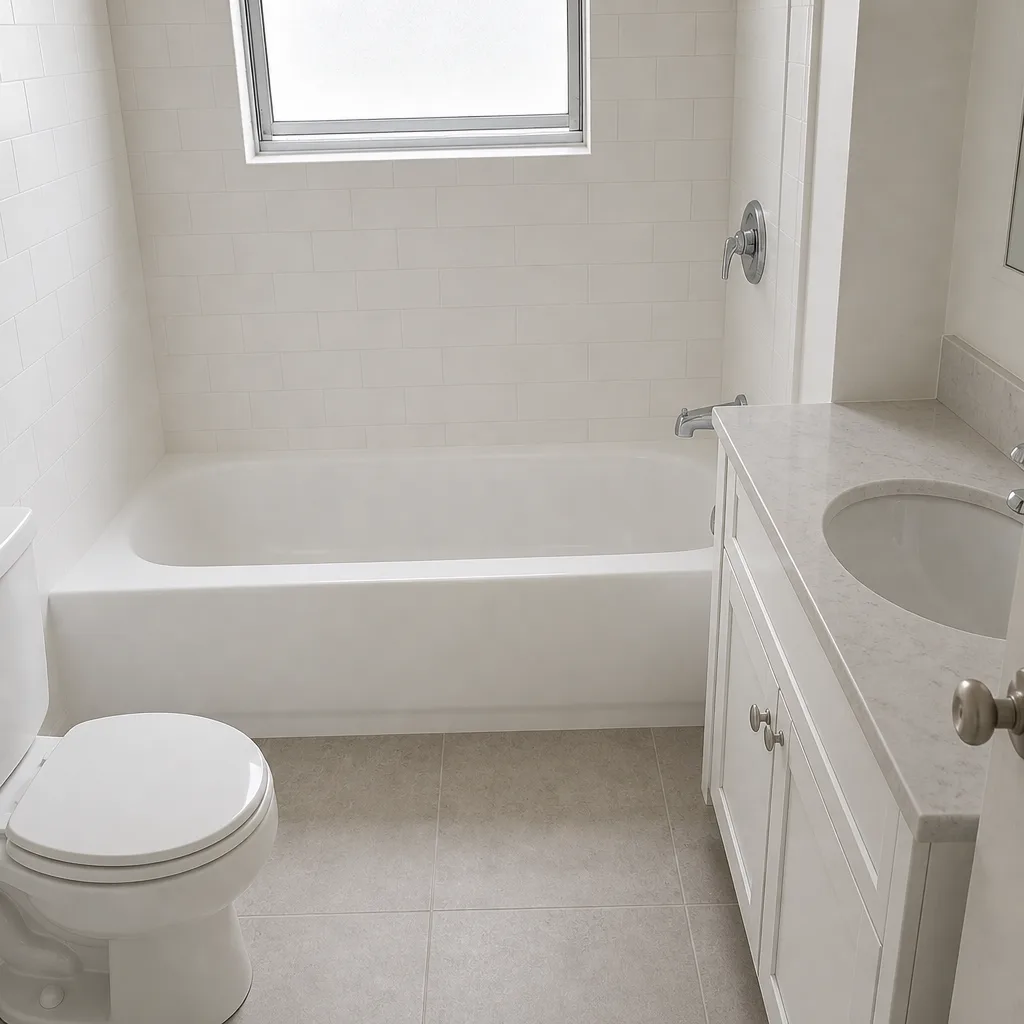 After
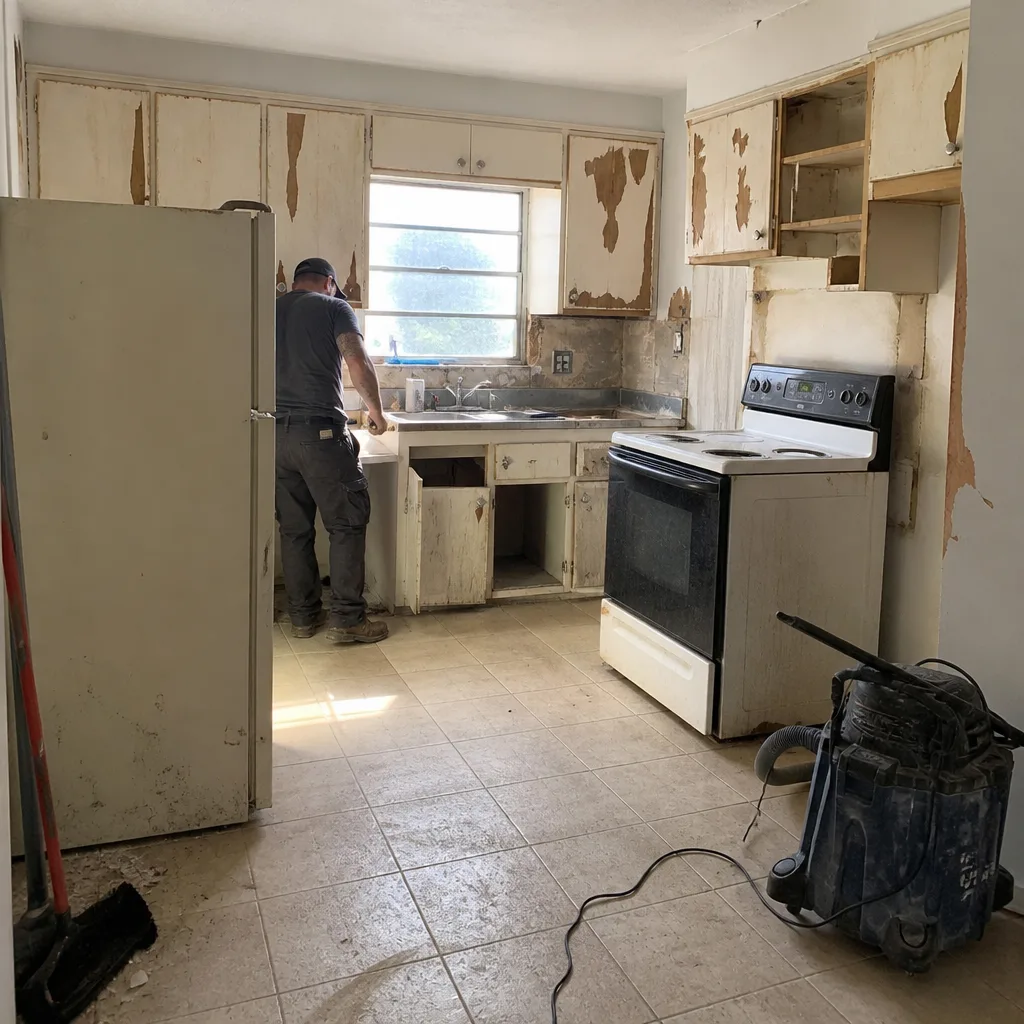 Before
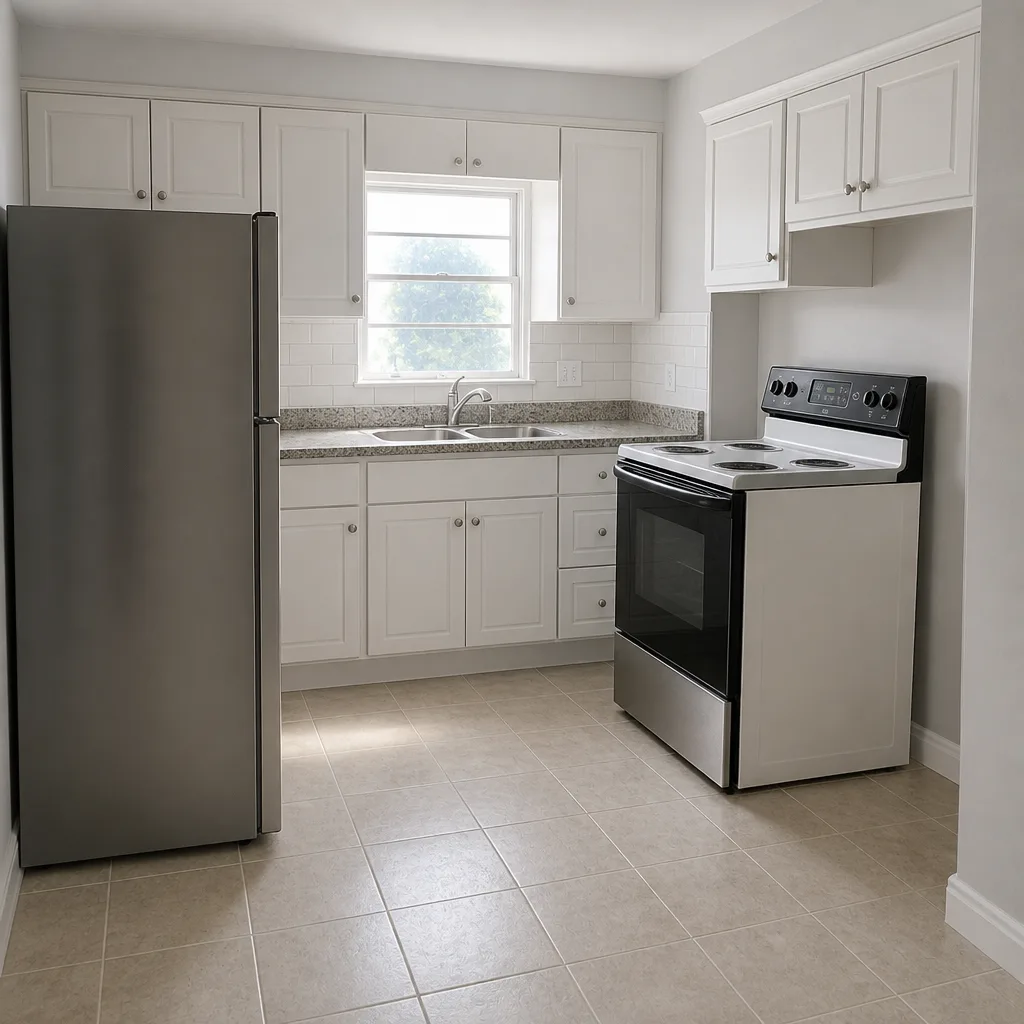 After
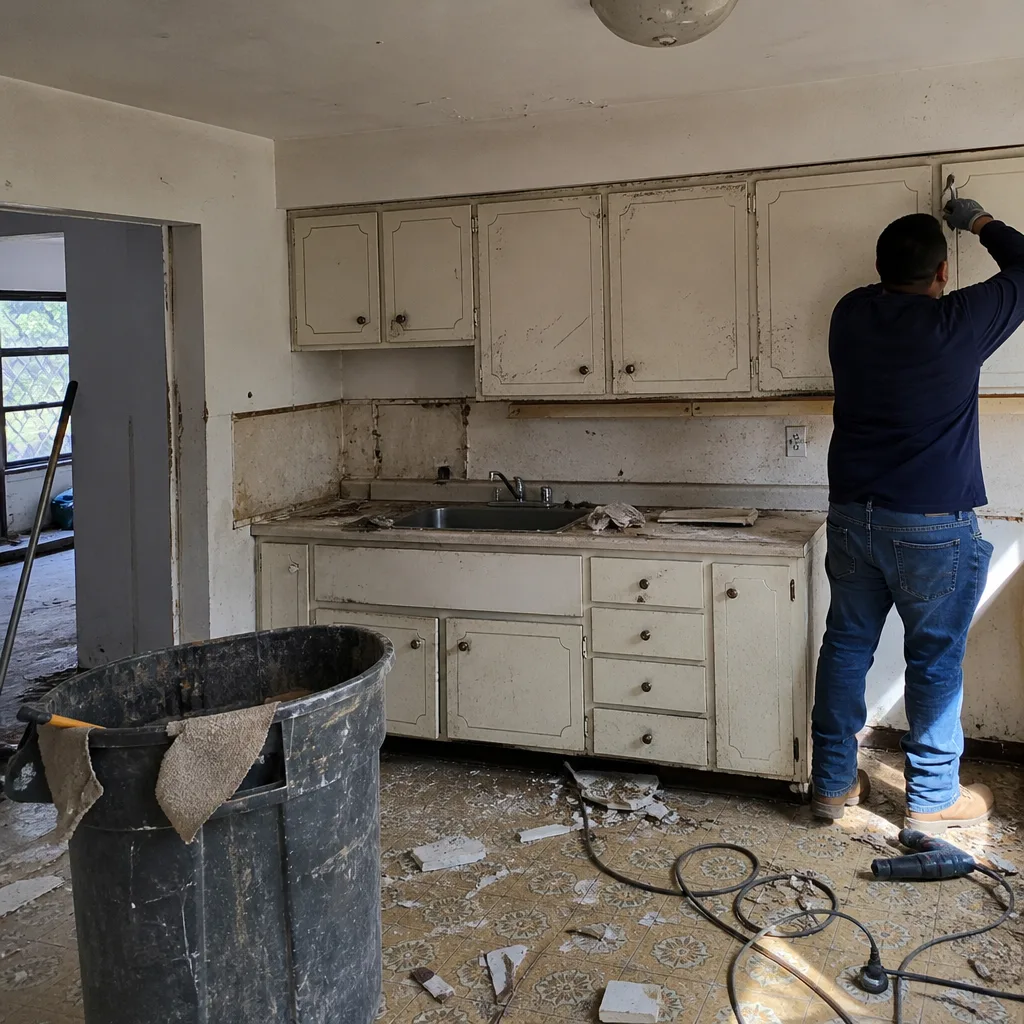 Before
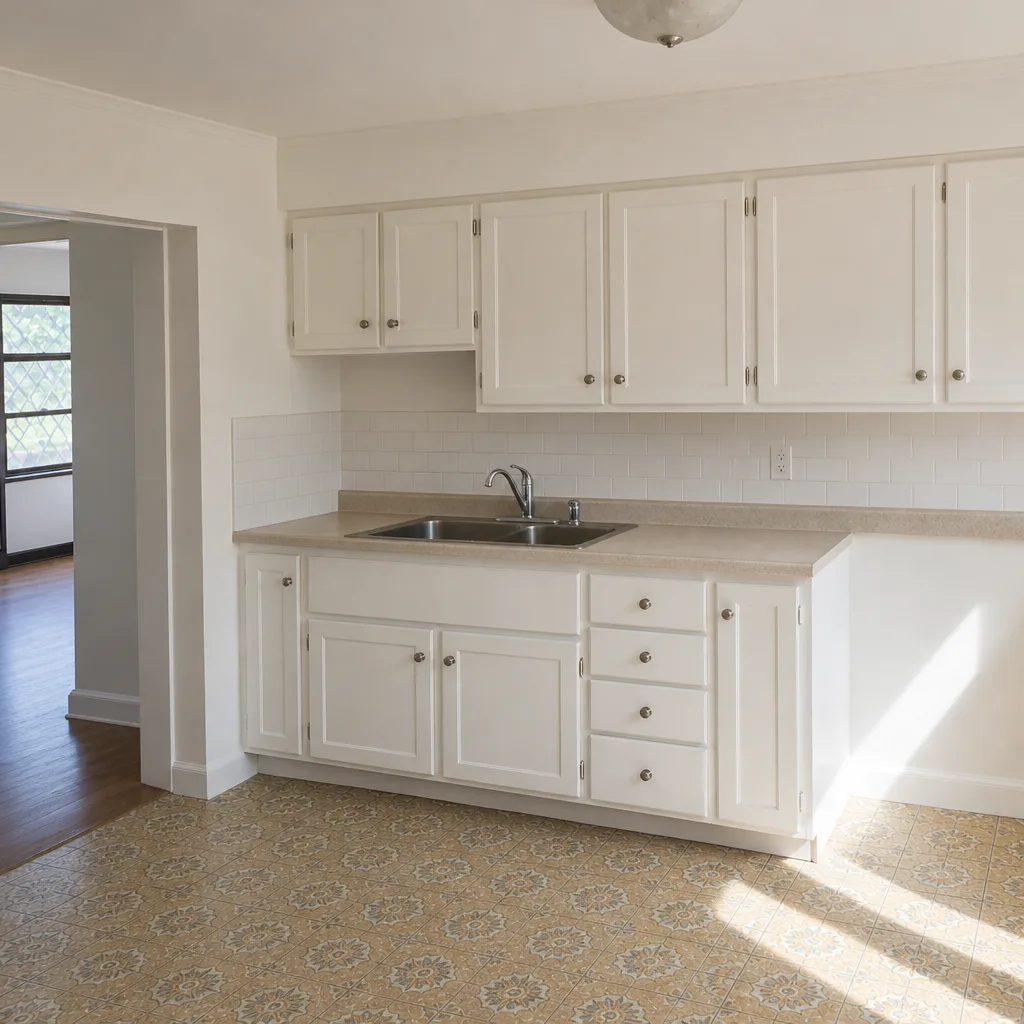 After
When to Call a Professional
Some fences are genuinely do-it-yourself projects, but most aren’t – especially in Hialeah, where limestone substrate, mid-project utility conflicts and permit requirements turn a weekend project into a multi-week problem. Call a professional if you’re installing a fence over 6 feet tall, if your property line touches a neighbor’s without a recent survey, if you’re in an HOA community with architectural review, if your yard has pool equipment or irrigation lines near the fence path, or if the fence is structural (retaining, CBS block, or weight-bearing). Anyone cutting post holes deeper than 24 inches, setting large amounts of concrete, or handling aluminum panels with sharp cut edges should also consider the injury risk before starting.
Groundwork Construction Co. of Hialeah offers free estimates in Hialeah – call (888) 418-7102. We’ll walk the line, check the survey, flag private utilities, and hand you the same written project calendar we build to. That’s part of what makes the job manageable instead of mysterious, and it’s backed by our 730-Day Done Right Promise. If anything we install isn’t right, we come back and make it right – for two years past the day we finish.
Frequently Asked Questions
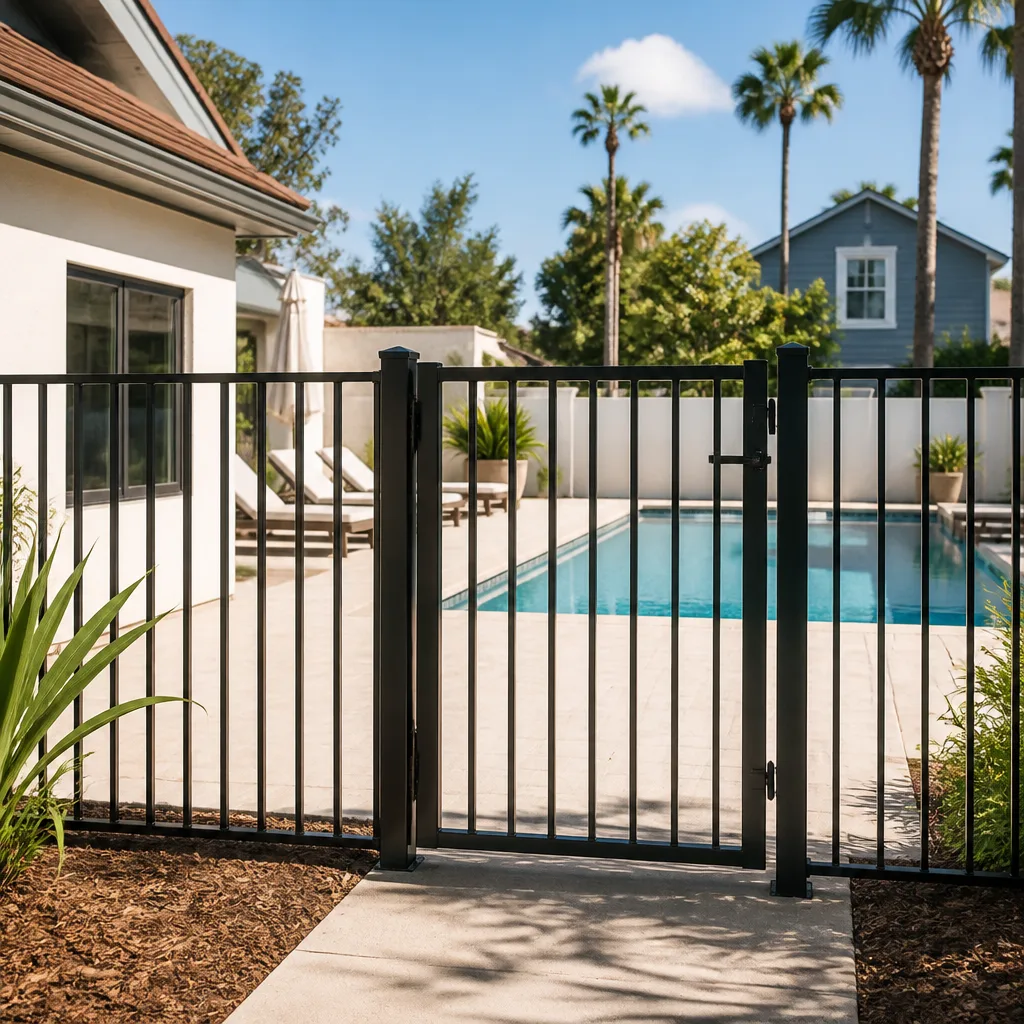
A standard wood privacy fence in Hialeah takes 2 to 4 days of on-site installation, with the full project running 3 to 5 weeks from contract to final inspection. Wood is the fastest material to source (3 to 7 days for pressure-treated pine), so most of the overall project time is permits, utility locates and scheduling. Call (888) 418-7102 for an exact quote on your Hialeah property – estimates are free.
It depends on height, location and material. Low decorative fences in a rear yard often don’t require a permit; fences over 6 feet, fences at the front property line, and fences in certain overlay districts typically do. Miami-Dade County and the City of Hialeah both process fence permits, with typical review time running 1 to 3 weeks. Confirm your specific requirement before installing. Call (888) 418-7102 and we’ll walk through your property’s status.
HOA architectural review typically takes 2 to 4 weeks and runs on a track completely independent of the city permit. Submit the HOA packet on day one so both tracks clear in parallel. Communities near Hialeah Gardens and Miami Lakes often restrict fence material style and color, so check the HOA design guidelines before ordering materials. Call (888) 418-7102 to schedule a free estimate and discuss HOA requirements for your community.
Hialeah and much of Miami-Dade sit on a limestone substrate that often begins 12 to 48 inches below the surface. When post holes hit caprock, standard augers can’t dig through it, crews switch to rock bits or jackhammers, and concrete curing times stretch by a day or two. This routinely adds 1 to 2 days to a fence build that would have taken three days in a loam-soil climate. Plan for it in your calendar from the start.
It only takes longer when the contractor quoted the build time, not the project time. A 2-day install quote is often honest about the build but silent about permits, utility locates and material lead times. Demand a written calendar covering all four phases – permit, locate, materials, install – and update it weekly. If a contractor can’t provide one, that’s a warning sign worth taking seriously. Call (888) 418-7102 for a free written project calendar on your Hialeah fence.
Skipping the permit is short-term gain for long-term cost. Unpermitted fences in Miami-Dade can trigger the removal of a completed installation during a future property sale or code inspection, which means starting the whole project over again. The 1-to-3-week permit window is worth the wait. Call (888) 418-7102 if you want a straight answer on whether your specific fence requires a permit in Hialeah.
The Bottom Line
Fence installation in Hialeah is a 3-to-6-week project disguised as a 2-to-4-day job. Permits, HOA approval, Sunshine 811 utility marking and material lead times make up most of the calendar, and any contractor who quotes only the build time is setting you up for a surprise. Budget four to six weeks for a wood or aluminum fence, longer for custom iron or CBS. Demand a written project calendar. Confirm private utilities before digging. Check your HOA rules before ordering material. And if the project matters – and it does, because a fence frames your property for a decade or more – work with a crew that puts the whole timeline in writing. From foundation to finish line, built to last and backed in writing.
Ready to plan your fence? Call Groundwork Construction Co. of Hialeah at (888) 418-7102 for a free estimate. We’ll walk the property, run the checklist, and hand you a realistic project calendar – so you know exactly what to expect before your first post goes in the ground.
Written by the team at Groundwork Construction Co. of Hialeah.