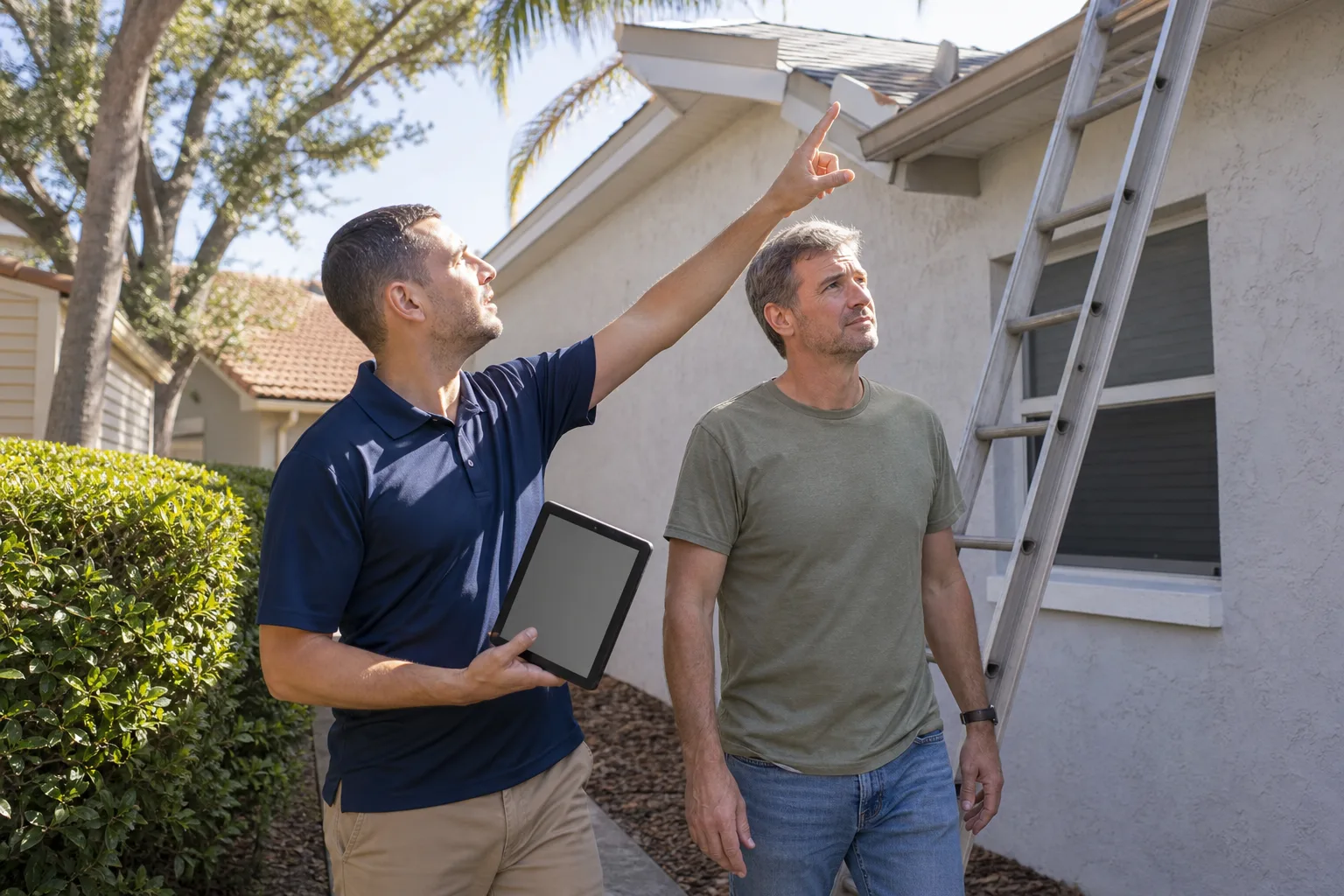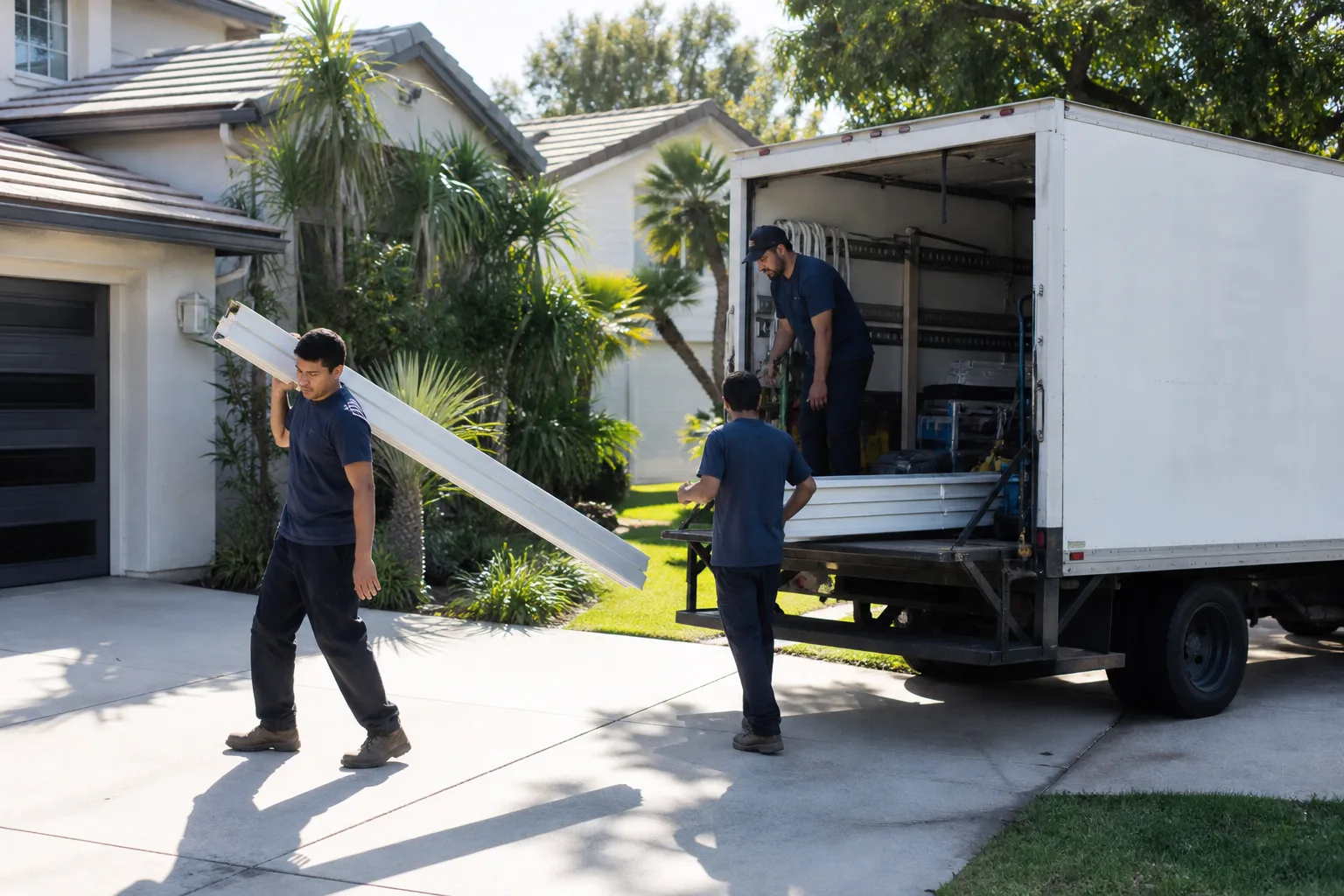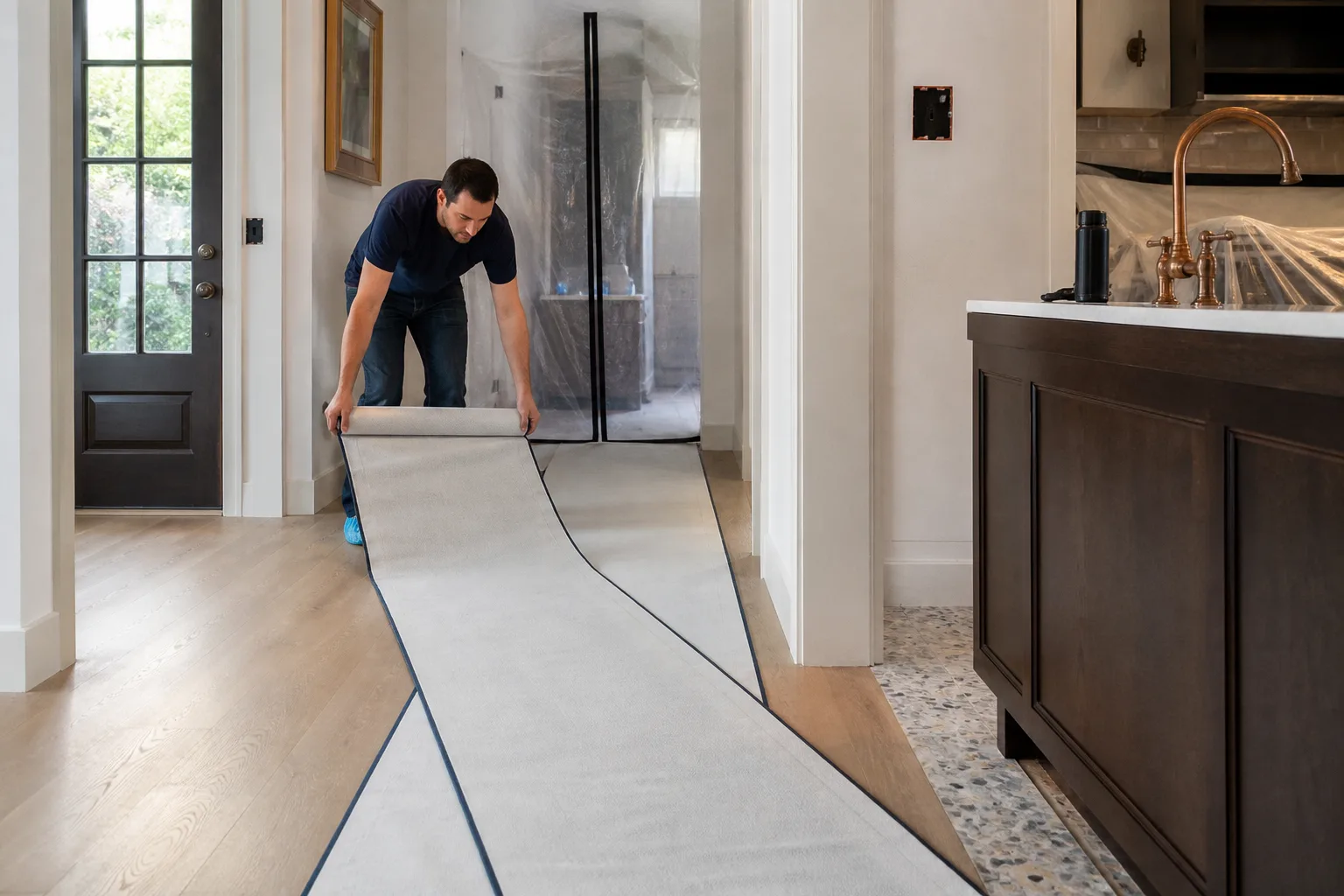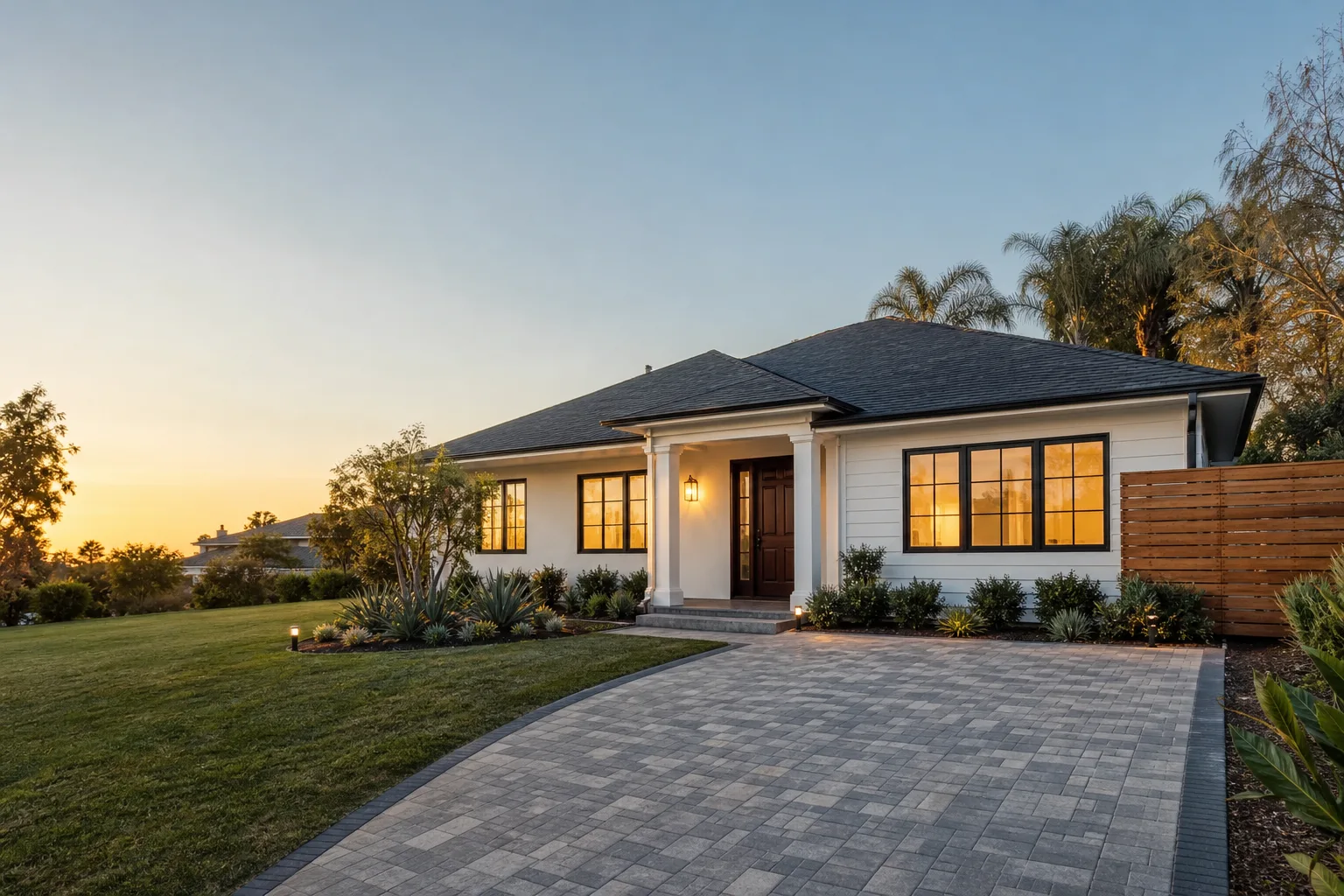



Free written scope consultation - allowances, timeline, and change-order rules on paper before a single trade is scheduled
Styles & brands we work with
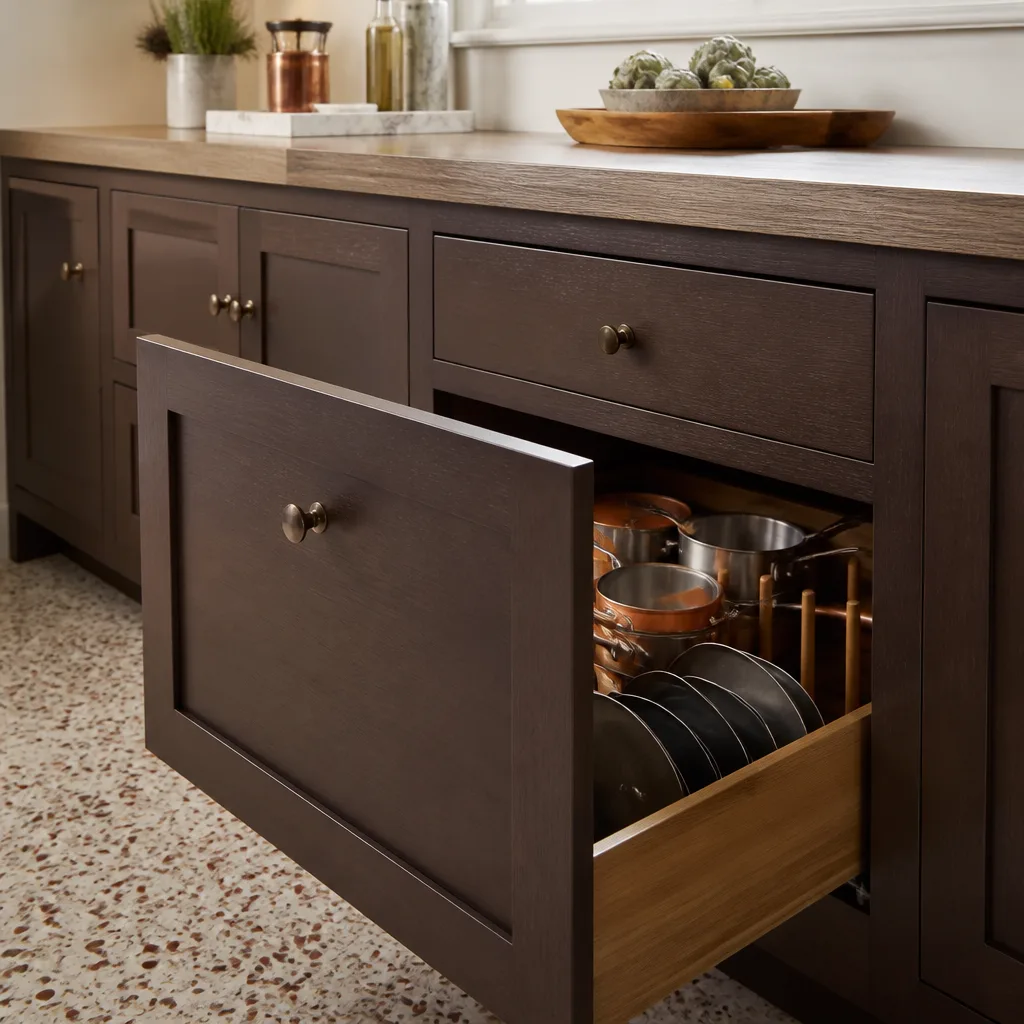
- Kitchen remodeling
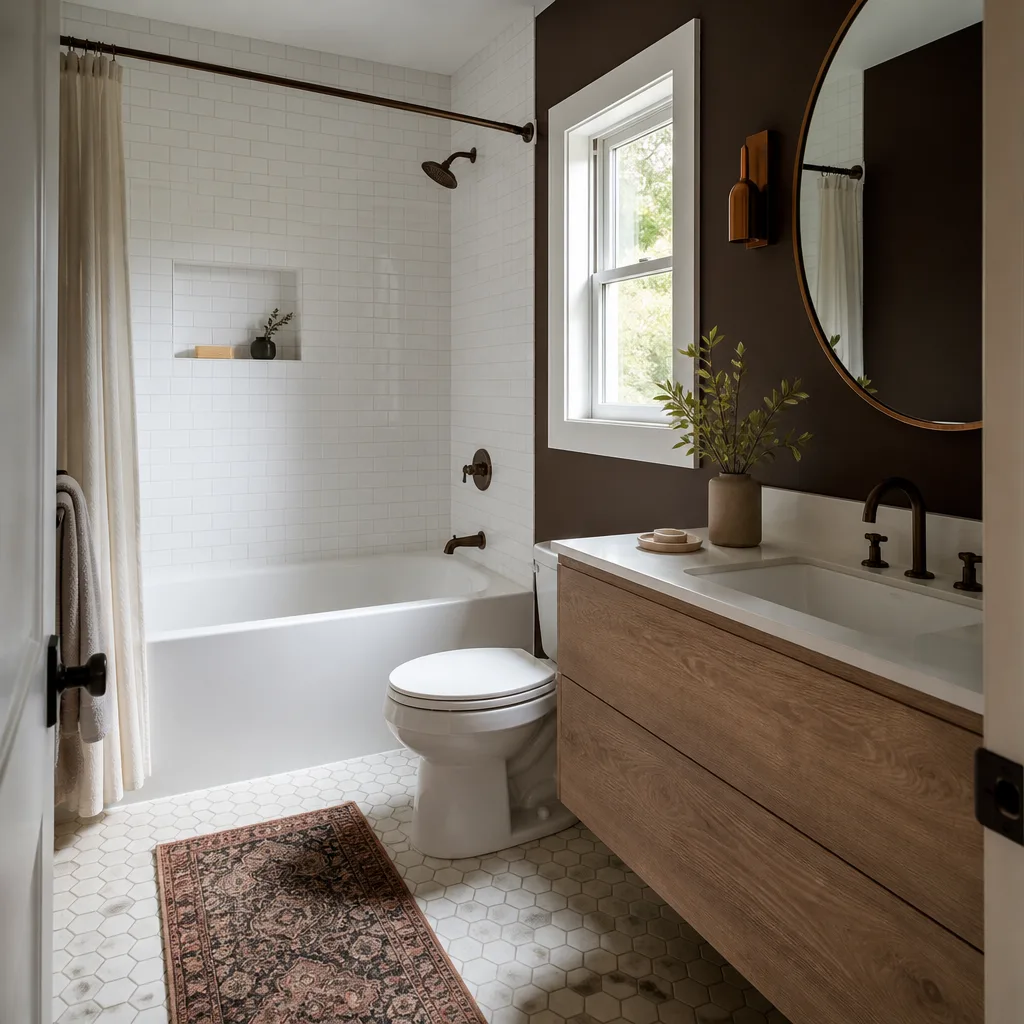
- Bathroom remodeling
- Home additions & ADU
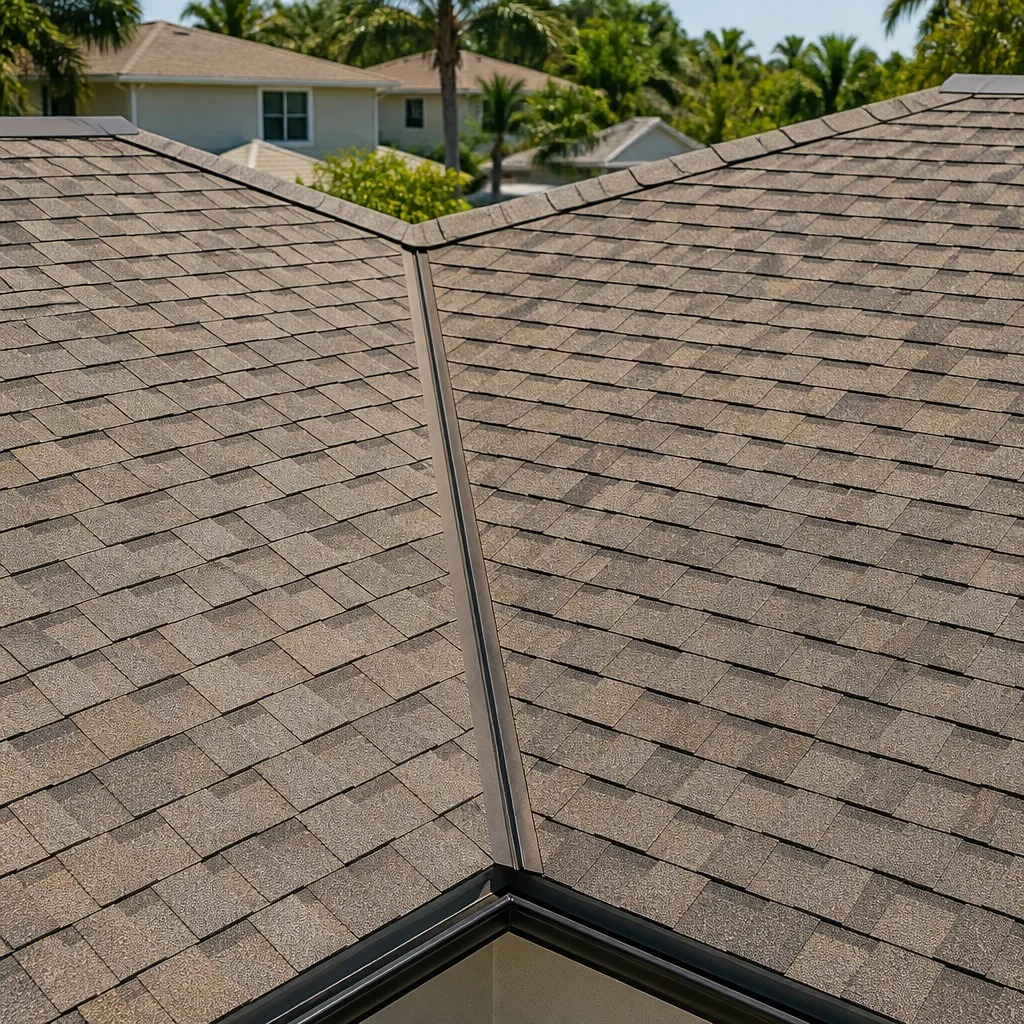
- Roofing
- Windows & doors
- Driveway & pavers
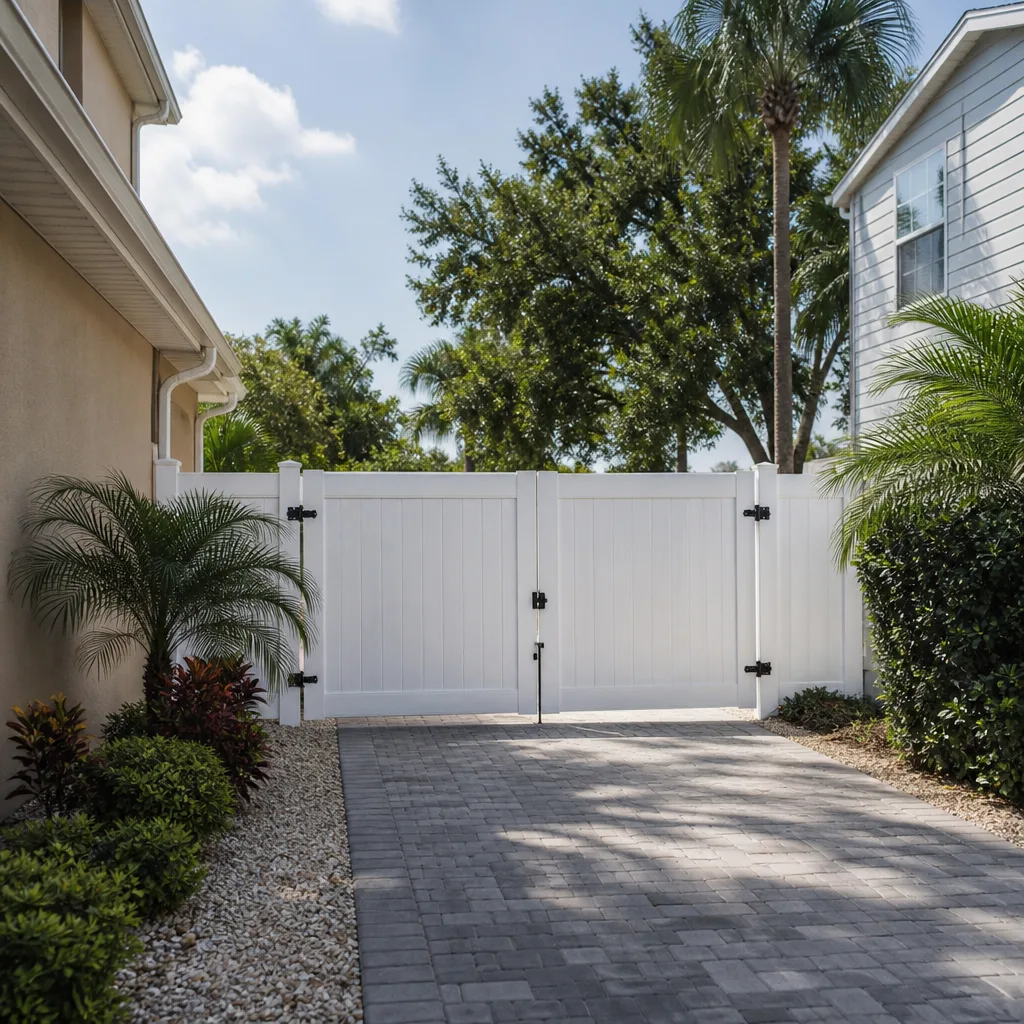
- Fence
See the difference
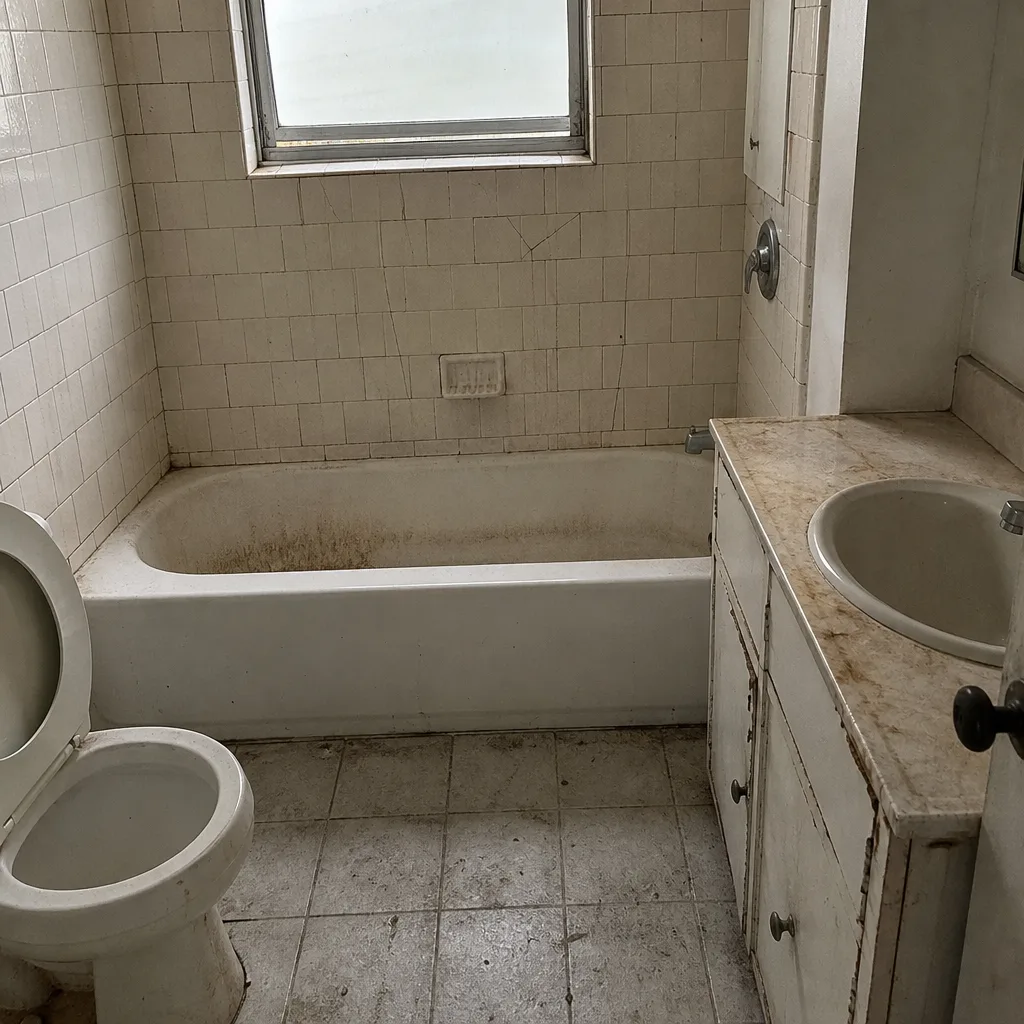 Before
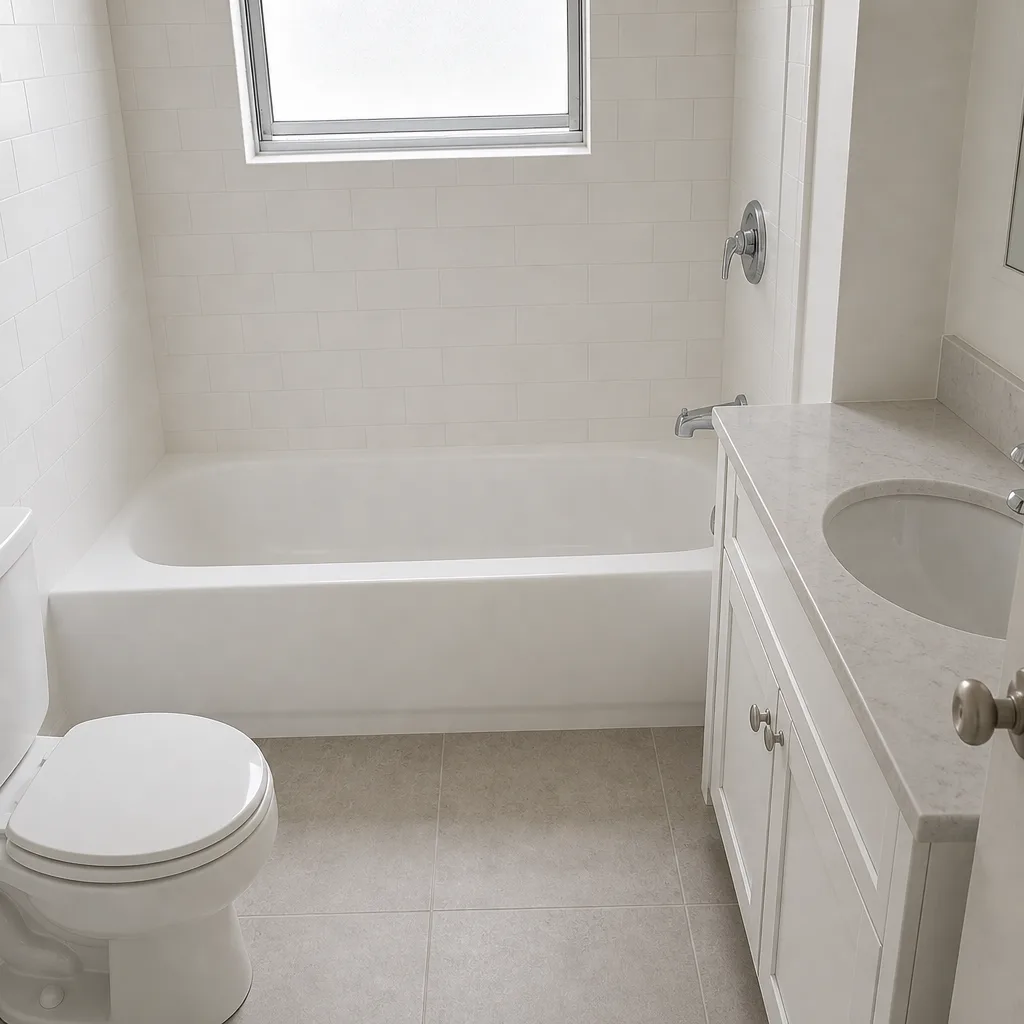 After
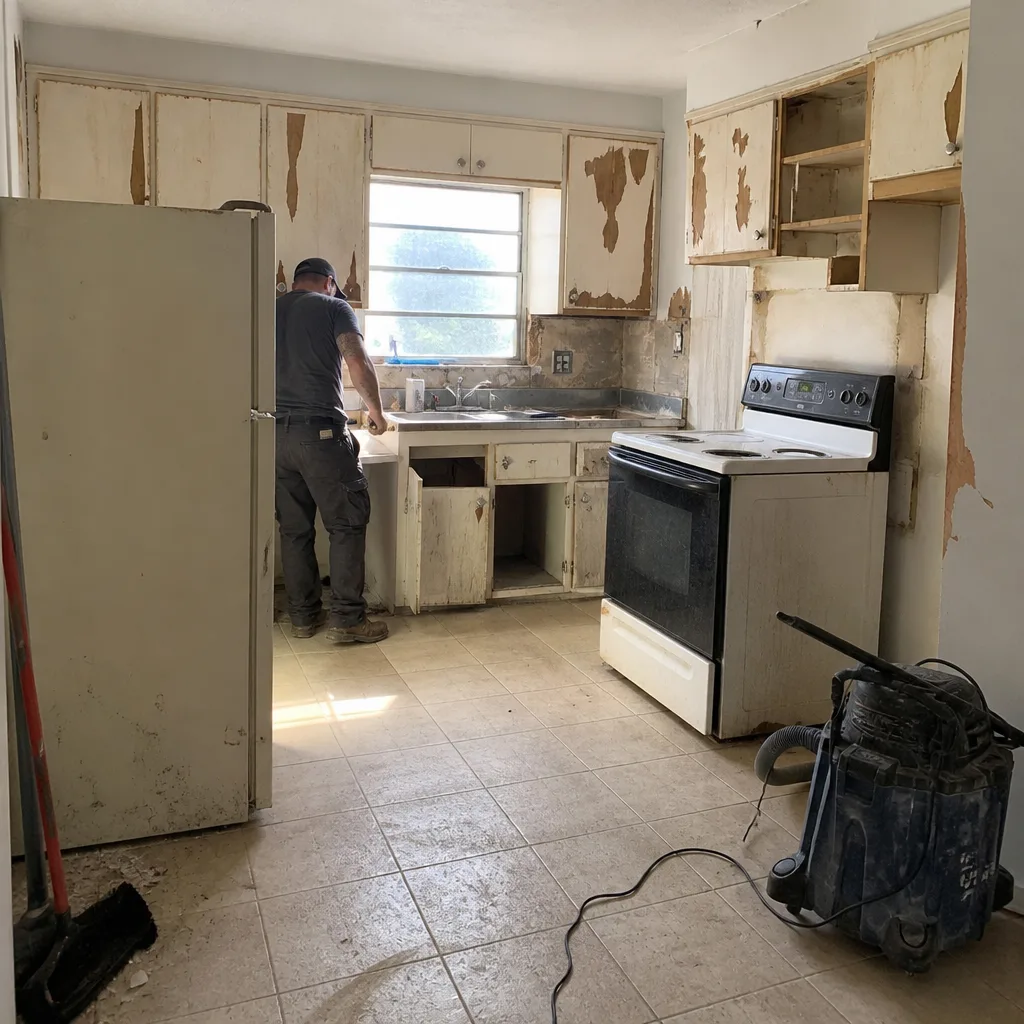 Before
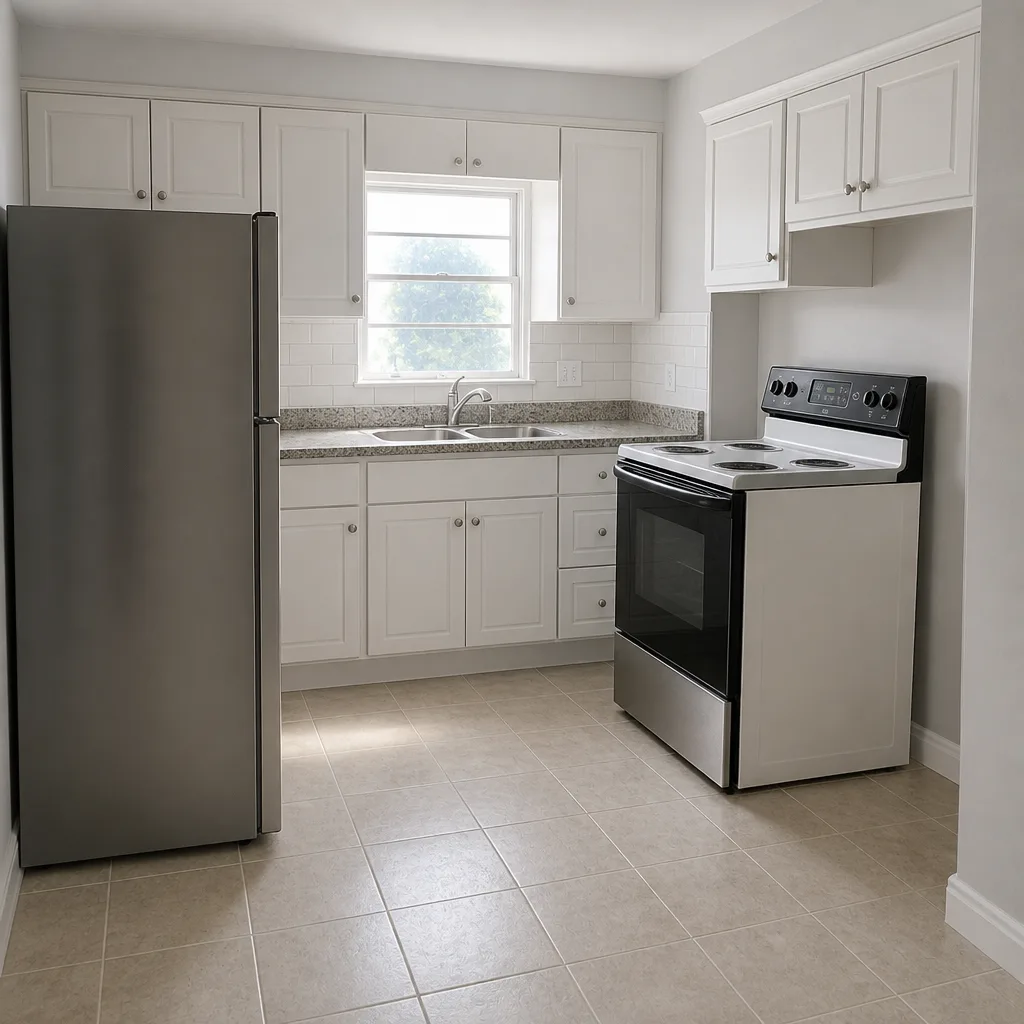 After
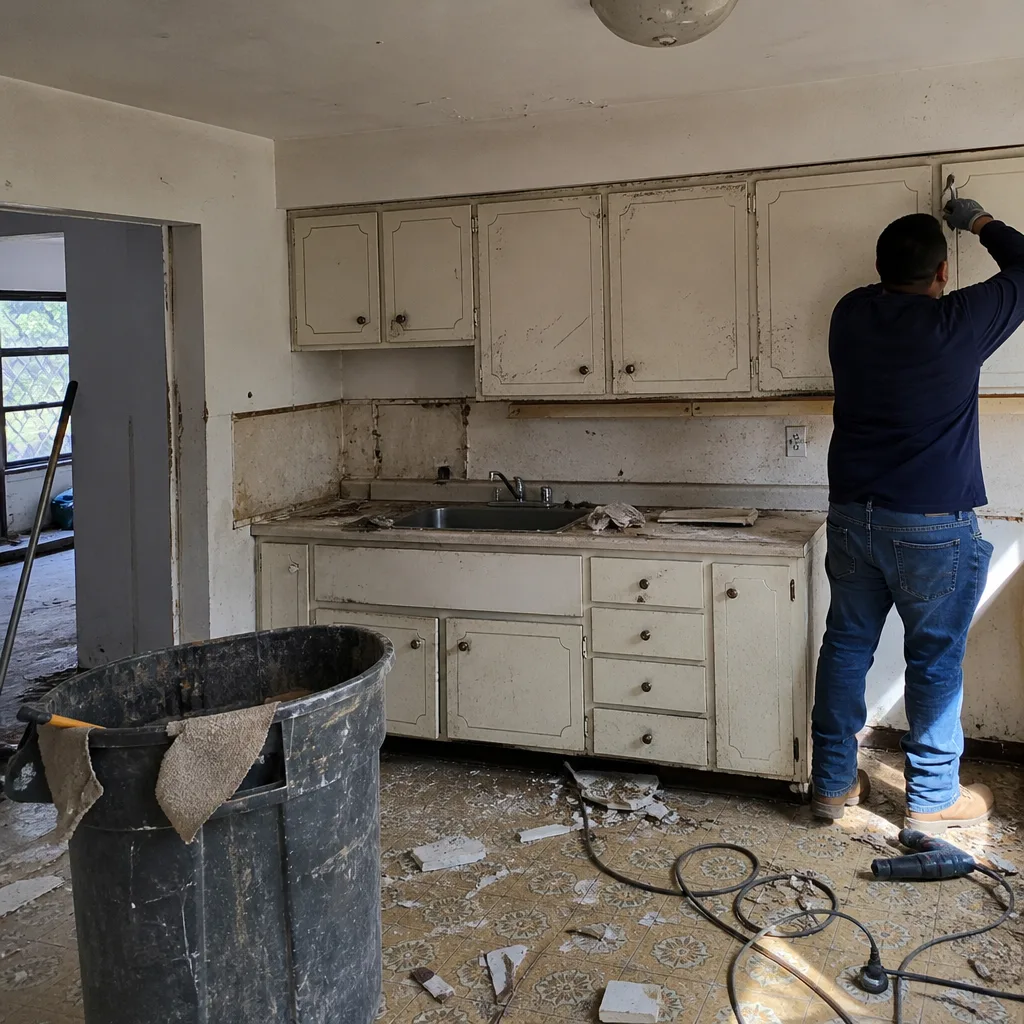 Before
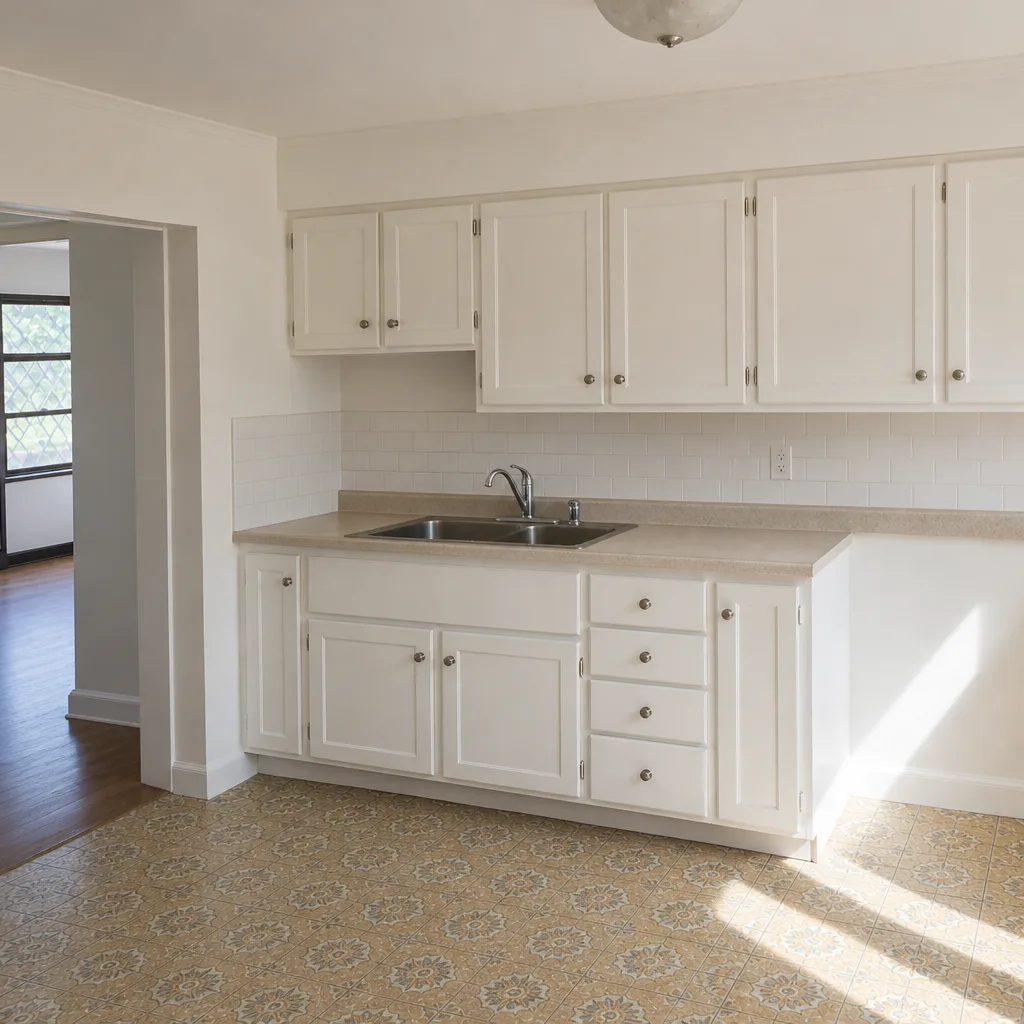 After
What Is a Miami-Dade NOA? The Hurricane-Zone Approval That Decides How Your Windows Get Installed in Hialeah
A Miami-Dade NOA (Notice of Acceptance) is a document issued by the Miami-Dade County Product Control Division that certifies a specific building product has passed the county’s hurricane-zone testing and states exactly how that product must be installed to stay code-compliant. It is two things in one: a product test report and an installation contract. Skip the installation method and your window is no longer compliant even if its glass is rated for 180 mph. In Hialeah’s 1950s-1970s CBS housing stock, that distinction decides whether your project passes final inspection or gets a correction notice. When you want the NOA verified before anyone touches your walls, call Groundwork Construction Co. of Hialeah at (888) 418-7102.
Why Hialeah Homes Make the NOA Matter More, Not Less
Hialeah is dominated by single-story concrete block and stucco homes built between the 1950s and 1970s, most with flat or low-slope roofs, many expanded over the years with a rear room, a converted garage, or a carport that was never permitted. Hurricane season runs June through November and the summer wet season pounds that same stucco with rain, so impact openings are not a luxury upgrade here - they are the code-required line of defense on older stock.
That housing profile creates a specific trap with NOAs. Most impact-window NOAs include separate installation detail sheets for masonry (CBS) walls and for wood-frame construction. The anchor type, embedment depth, and spacing differ between the two. Use the wood-frame detail on a CBS wall, even with the correct product, and you have a code violation on a wall that looks fine from the street. Hialeah’s multigenerational, owner-built additions make this worse: a rear room that started life as a carport may not be CBS at all, and an installer who assumed block without checking is now anchoring into the wrong substrate. We start most Hialeah window projects with a look at how the wall was actually built, not how the permit drawing says it was.
What’s Actually Inside an NOA, and What to Check Before You Sign
An NOA is not a blanket stamp of approval for a brand. It certifies a specific product under specific conditions. Pull one and you’ll find the product dimensions, the frame material, the glazing type, the wall substrates it’s approved for, and the anchor type and spacing required for each. Those installation detail sheets are the part homeowners never read and the part that matters most.
Here’s what to verify before you sign a window contract in Hialeah:
- The NOA number on your contract matches the product being installed - not the brand generally, the exact model.
- The NOA is currently active. Miami-Dade NOAs typically expire every five years and must be renewed. An expired certification can still be sitting in a contractor’s paperwork. Look it up on the Miami-Dade Product Control website before work begins.
- The wall substrate listed on the NOA matches your actual wall. CBS, wood frame, and steel stud each carry different installation details.
- Anchor type and spacing are specified and followed. This is what the inspector will check.
- The installation detail sheet is on the job site. Your Miami-Dade building inspector can request it at final inspection to confirm anchor compliance; installers who show up without it trigger correction notices and delays.
That last point is why we verify the NOA for the specific product and wall condition at the start of every impact window project, and why the active NOA number appears in your written estimate rather than surfacing at inspection. It fits under our Windows & Doors work, where we specify products from brands like Mr-Glass and Therma-Tru and confirm the NOA against each substrate before ordering.
How We Handle NOA Compliance on a Hialeah Window Project
Here’s the operator detail competitors leave out: the NOA is not a form you file and forget. It’s a build instruction, and the crew has to be working from it. Our technicians have up to 12 years of experience with Miami-Dade impact products and the county’s inspection standards, and they carry the detail sheets to the job.
Three things happen on a Groundwork impact window install in Hialeah:
- We confirm the exact product and its active NOA number before the order goes in.
- We check whether the wall is CBS, wood frame, or an unpermitted addition that reads as one thing and is another - an as-built look that matters more in Hialeah than in newer construction.
- We anchor, flash, and seal to the NOA’s detail sheet for that substrate, then keep the documentation ready for final inspection.
On cost, Hialeah impact window installation runs $8,000-$25,000 depending on opening count and product line, while standard window replacement lands at $4,500-$15,000. You get upfront pricing, no surprises, and every install is covered by our 730-Day Done Right Promise - if it’s not done right, we make it right. If you’re pairing windows with other work, we also handle Hialeah service area projects from foundation to finish line, including impact-rated openings and roof-to-wall tie-down retrofits on the older CBS stock.
FAQs
An NOA is a type of product approval, but it’s specific to Miami-Dade County’s Product Control Division and it bundles the installation requirements that a generic product certification doesn’t. A product can carry a Florida Product Approval and still need its Miami-Dade NOA followed to the letter during install. Call (888) 418-7102 if you’re not sure which one your contract references - estimates are free.
You can lose your code compliance and the manufacturer’s warranty at the same time. The window may pass a visual inspection and still be installed outside its NOA’s anchor schedule, which is a code violation on paper and a real fastening problem in a storm. A Miami-Dade inspector can request the detail sheet at final inspection and issue a correction notice if anchors don’t match. Call (888) 418-7102 to have an existing install checked before the next hurricane season.
Yes - Miami-Dade NOAs typically expire every five years and must be renewed, so a certification that was valid when a contractor priced your job may not be valid now. Verify the number on your contract against the Miami-Dade Product Control website before you sign. Call (888) 418-7102 and we’ll confirm the active NOA on your product as part of a free estimate.
We answer calls with a live person 24/7, so you can reach us today and we’ll schedule an assessment, often within days. Our team confirms the active NOA for your product and wall type before any work starts.
Get the NOA Right Before the First Window Goes In
If you’d rather have it looked at, Groundwork Construction Co. of Hialeah offers a no-pressure assessment in Hialeah - call (888) 418-7102. We check the product, the active NOA, and your wall substrate first, then put the number in writing. Straight answers, verified documentation, and a 730-Day Done Right Promise behind every install.
Written by the team at Groundwork Construction Co. of Hialeah, serving Hialeah, FL.