Last updated November 18, 2026
Free written scope consultation - allowances, timeline, and change-order rules on paper before a single trade is scheduled
The Complete Driveway & Pavers Guide for Hialeah Homeowners
Hialeah averages more than 60 inches of rain a year, roughly double the national average. That single number changes almost everything about how a driveway should be built here. A paver drive that performs beautifully in Phoenix or even in Orlando can fail in Hialeah within a few wet seasons, not because the pavers were bad, but because the base, the slope, and the soil underneath were never designed for this much water. This guide covers what actually holds up on a Hialeah driveway: soil conditions, material choices for South Florida sun and salt air, Miami-Dade permitting, drainage on flat ground, and real 2024 pricing. If you’re planning a driveway project in Hialeah, this is the version written for your yard, not a recycled national template.
Quick Answer
A driveway paver installation in Hialeah typically runs $9 to $18 per square foot installed in 2024, with most standard two-car driveways landing between $5,400 and $12,600. The number that matters more than price is base preparation: Hialeah’s clay-and-limestone soil and 60-plus inches of annual rain demand a deeper, better-compacted base and a steeper drainage slope than standard Florida recommendations call for. Get those two things right and a paver driveway will outlast asphalt by a decade or more.
Styles & brands we work with
- Kitchen remodeling
- Bathroom remodeling
- Home additions & ADU
- Roofing
- Windows & doors
- Driveway & pavers
- Fence
Table of Contents
- Why Hialeah Soil Changes Your Base Requirements
- Which Paver Materials Survive South Florida Sun and Salt Air
- Miami-Dade Permitting and Impervious Surface Rules
- Drainage and Slope on Hialeah’s Flat Terrain
- What a Paver Driveway Really Costs in Hialeah in 2024
- The Installation Process, Step by Step
- Keeping a Hialeah Driveway Looking New
- Repairs, Sealing, and When to Resurface
Why Hialeah Soil Changes Your Base Requirements
Most paver guides tell you to dig down 6 to 8 inches and compact in 2-inch lifts. On a lot in Hialeah, that advice is a starting point, not a spec. The soil here is a mix of clay and limestone that behaves very differently from the sandy soils most Florida paver guides were written for. Clay holds water. Limestone sits in shelves and rubble pockets just below the surface, sometimes 12 inches down, sometimes 30. When water can’t drain through the clay and can’t pass the limestone, it sits in the base layer and softens it. A soft base is how driveways sink, heave, and grow weeds between the joints.
In our experience across Hialeah neighborhoods like Palm Springs and Hialeah Gardens, the base often needs to go 8 to 12 inches deep, not 6, and the compaction has to be verified with a plate compactor, not just eyeballed. On lots with heavier clay, a geotextile fabric layer between the subgrade and the base helps keep fine soil particles from migrating up into the gravel and compromising the compaction. It’s an extra material cost of maybe $0.50 to $1.00 per square foot, and it’s the difference between a driveway that’s flat in year eight and one that’s already pooling water.
Two things to check before any base work begins:
- Test pits. Dig a small test pit on the driveway footprint to see where the limestone shelf sits and how deep the clay runs. A 30-minute excavation tells you more than any soil map.
- Percolation. Pour a bucket of water into the test pit and watch how long it takes to drain. If it’s still there after 20 minutes, plan for drainage infrastructure, not just slope.
If a contractor quotes you a driveway in Hialeah without ever looking at what’s under the surface, that’s your sign to get another quote.
Which Paver Materials Survive South Florida Sun and Salt Air
Hialeah sits close enough to the coast that salt air moves through on the prevailing breeze, and the UV index here is brutal for most of the year. Materials that chalk, fade, or pit under constant sun and salt will look tired within three or four years. The paver materials that hold up best in Miami-Dade County share a few traits: dense, low-absorption bodies, integral color instead of surface dye, and a manufacturer who backs the product in writing.
Here’s how the main options break down for Hialeah conditions:
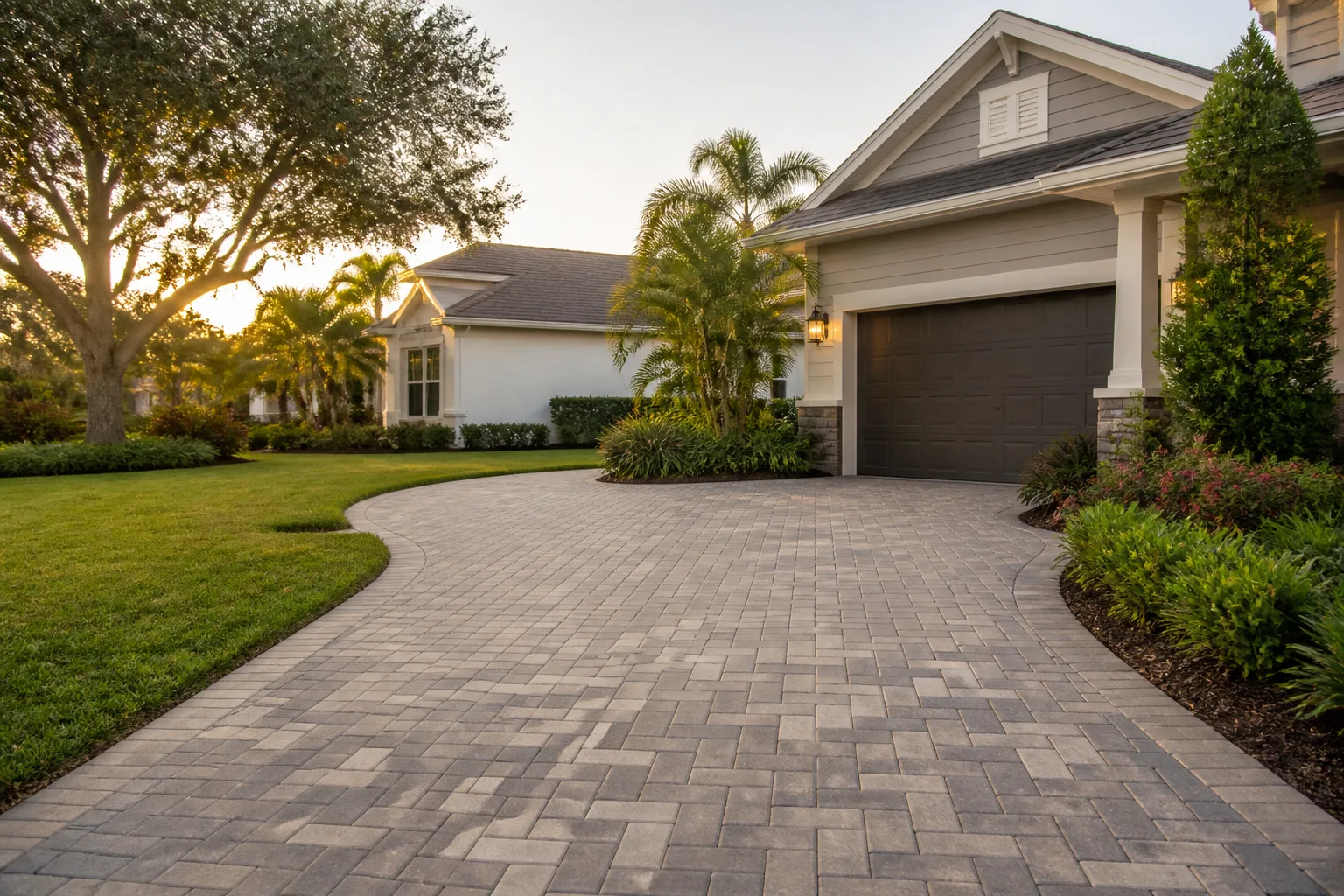
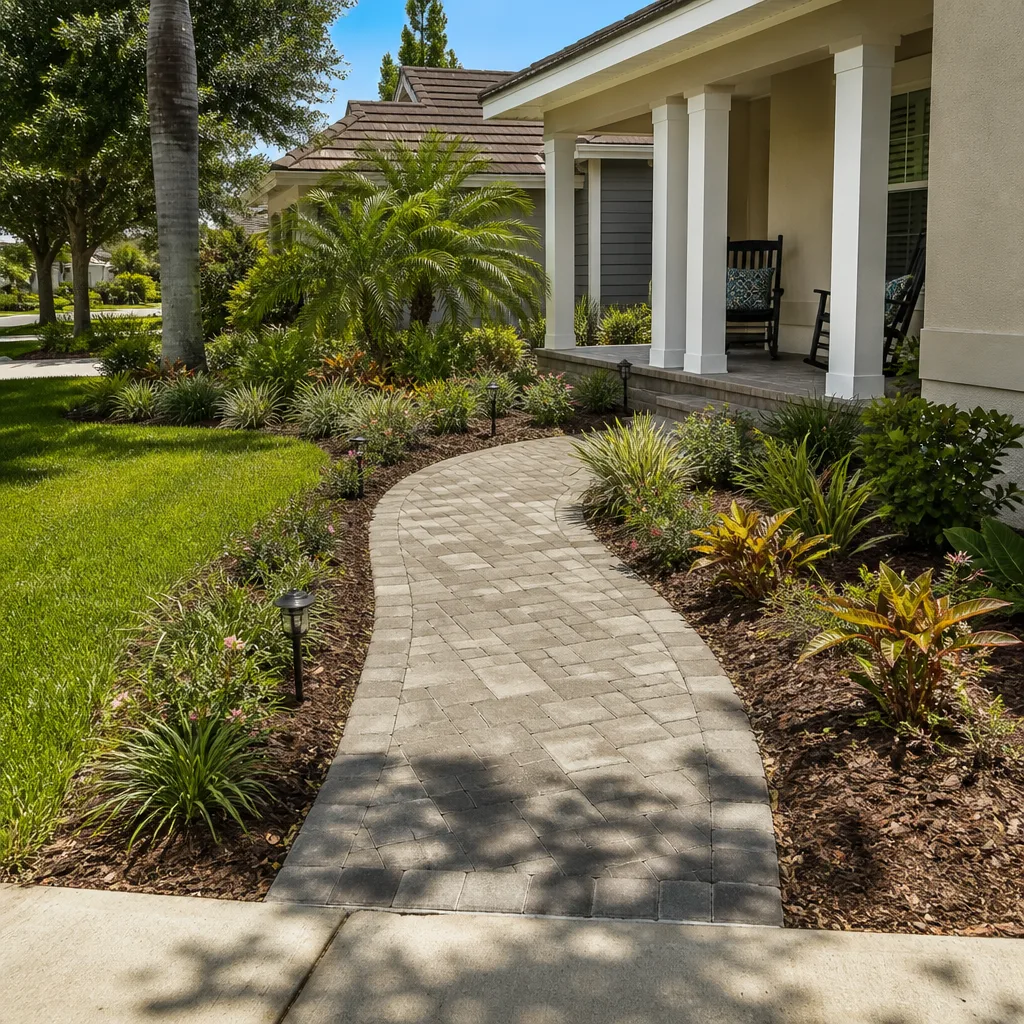
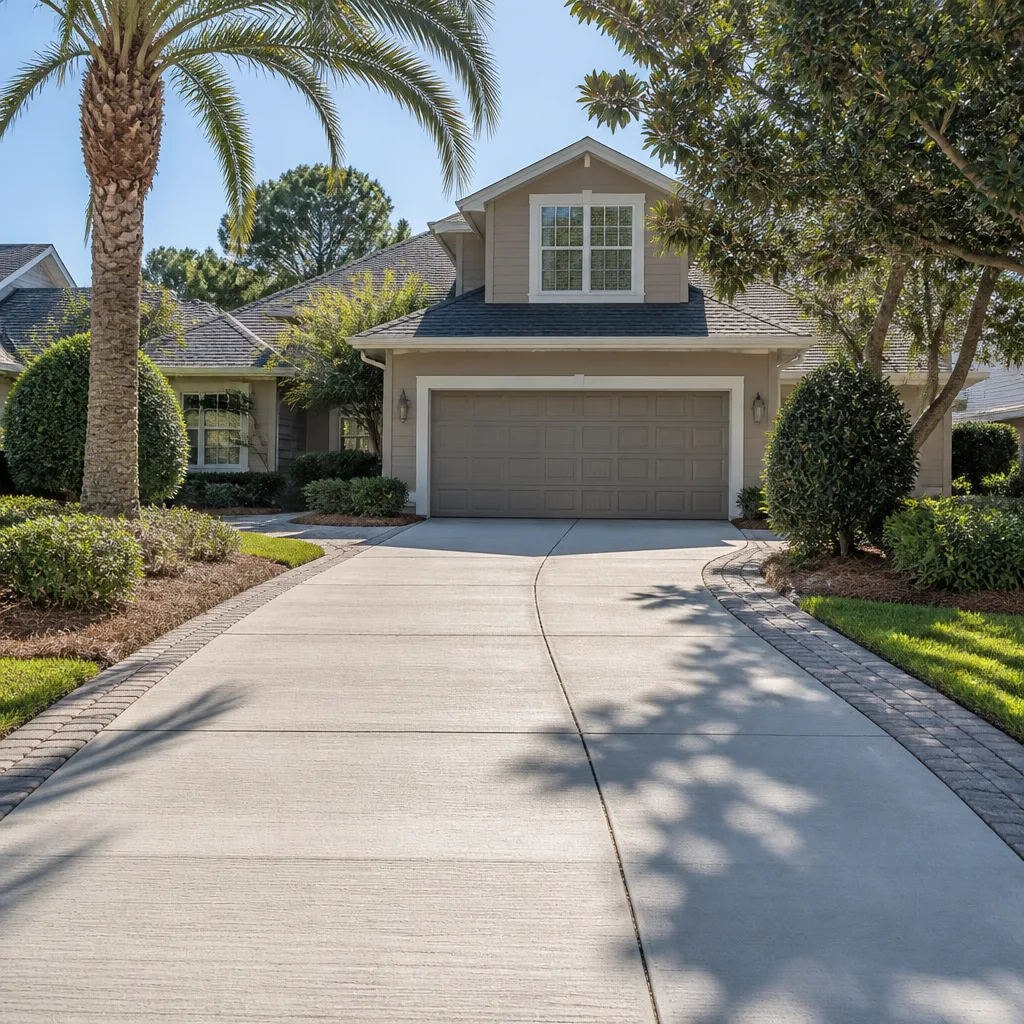
- Concrete pavers (interlocking). The workhorse choice for most Hialeah drives. Density and integral pigment matter more than brand. Expect 8 to 15 years before color begins to shift noticeably, longer if you seal.
- Clay brick pavers. Excellent UV stability and a classic South Florida look. They can chip under heavy vehicle loads, so they shine on walkways and borders more than on a truck-heavy driveway.
- Travertine and natural stone. Beautiful and heat-resistant. Travertine stays noticeably cooler underfoot than concrete, which matters if you have kids or pets. It requires a proper sealing schedule to survive salt air.
- Permeable pavers. Open-joint systems that let water pass through the surface. Worth a serious look in Hialeah because they solve for both impervious surface limits and heavy rain. They cost 15 to 25 percent more than standard pavers and require a properly designed sub-base to work.
We work with Belgard and Boral lines because their warranty documentation is clear and their product lines hold color in this climate. Boral’s clay products in particular have a long track record on Florida driveways. Whatever you choose, ask the contractor for the manufacturer’s written warranty and read what it says about color fading. Most “lifetime” paver warranties exclude exactly the thing you’re worried about.
Miami-Dade Permitting and Impervious Surface Rules
This is where a lot of Hialeah homeowners get surprised. Miami-Dade County limits how much of a residential lot can be covered by impervious surface, meaning anything rain can’t soak through: driveways, patios, walkways, house footprint. The exact cap depends on your lot size and zoning, but for many single-family parcels it lands around 40 to 45 percent of the lot. Add a two-car driveway, a rear patio, and a shed slab, and you can hit the limit without realizing it.
Before you commit to a layout, do these three things in order:
- Pull your property record. Get the lot square footage and the current impervious calculation from Miami-Dade’s property appraiser or the city of Hialeah building department. Know your number before you sketch anything.
- Check flood zone classification. Hialeah has parcels in both AE and X zones, and the flood zone affects how you can grade the driveway and where water can discharge. A driveway that pushes water toward a neighbor’s lot is a code problem and a neighbor problem.
- Confirm whether a permit is required. New driveway construction and significant expansion of an existing drive usually need a permit and an inspection of the base and drainage before pavers go down. A contractor who suggests skipping it is telling you something about how the rest of the job will go too.
Permeable pavers are one of the few ways to increase your usable hardscape without counting the full surface as impervious, since they’re designed to let water infiltrate. If your lot is close to the cap, that’s often the cleanest path forward.
Drainage and Slope on Hialeah’s Flat Terrain
Hialeah is flat. Genuinely, almost perfectly flat in many neighborhoods. That’s a drainage problem, because water with nowhere to go will find the lowest point on your lot, and usually that’s the edge of your foundation or a low spot in the middle of the drive. Standard guidance says slope a driveway away from the house at a minimum of 1 to 2 percent. On flat Hialeah ground with heavy rain, we’ve found 2 percent is the practical floor, and some lots need closer to 3 percent across the drive with a swale or channel drain at the low end.
A functioning Hialeah driveway drainage design usually includes some combination of:
- Positive slope away from the house on at least three sides, with the low end daylighting to a swale, a curb inlet, or a designed discharge point.
- A channel drain or trench drain at the garage apron when the garage is at or below grade to the street. This is common in older Hialeah neighborhoods.
- Permeable joints or permeable pavers on sections of the drive where water can safely infiltrate, provided the soil beneath drains.
- Downspout and gutter discharge routed clear of the driveway so roof water doesn’t wash out the pavers or undermine the edge restraints.
Get the drainage design wrong and the pavers themselves will fail to do their job no matter how good they are. Water is patient and it wins every fight with a base layer that wasn’t built for it.
What a Paver Driveway Really Costs in Hialeah in 2024
Paver driveways in Hialeah generally run $9 to $18 per square foot installed in 2024, with the wide range explained mostly by material choice and site conditions rather than labor markup. The table below shows the typical line items we see on real Hialeah-area projects.
| Item | Typical 2024 Cost (Hialeah) |
|---|---|
| Concrete pavers, standard, installed | $9 to $13 per sq ft |
| Permeable pavers, installed | $12 to $18 per sq ft |
| Travertine or natural stone, installed | $14 to $22 per sq ft |
| Site excavation and haul-off | $800 to $2,400 per project |
| Base material and compaction (8 to 12 inch depth) | $3 to $6 per sq ft |
| Geotextile fabric (where required) | $0.50 to $1.00 per sq ft |
| Channel drain installation | $1,200 to $3,500 per run |
| Permit fees (Miami-Dade / city of Hialeah) | $250 to $900 depending on scope |
| Sealing (optional, after installation cure) | $1.50 to $3.00 per sq ft |
| Removal and disposal of existing driveway | $2 to $5 per sq ft |
Two things keep Hialeah costs slightly above state average. Base material has to be hauled in from quarries outside the immediate area, and drainage work in a flat, flood-conscious county is rarely a quick add-on. When someone quotes you $6 per square foot for a full Hialeah driveway, ask what’s not in the number: is base depth capped at 6 inches? Is drainage excluded? Is permit cost a pass-through you’ll see later? Upfront pricing, no surprises means everything above is on the page before work starts, not on an invoice after.
For comparison, asphalt in Hialeah typically runs $4 to $7 per square foot installed but needs resealing every 2 to 3 years and full replacement in 15 to 20. Concrete slabs run $6 to $11 per square foot but crack under Hialeah’s clay soils without a properly designed base. Pavers cost more up front and less over 20 years.
The Installation Process, Step by Step
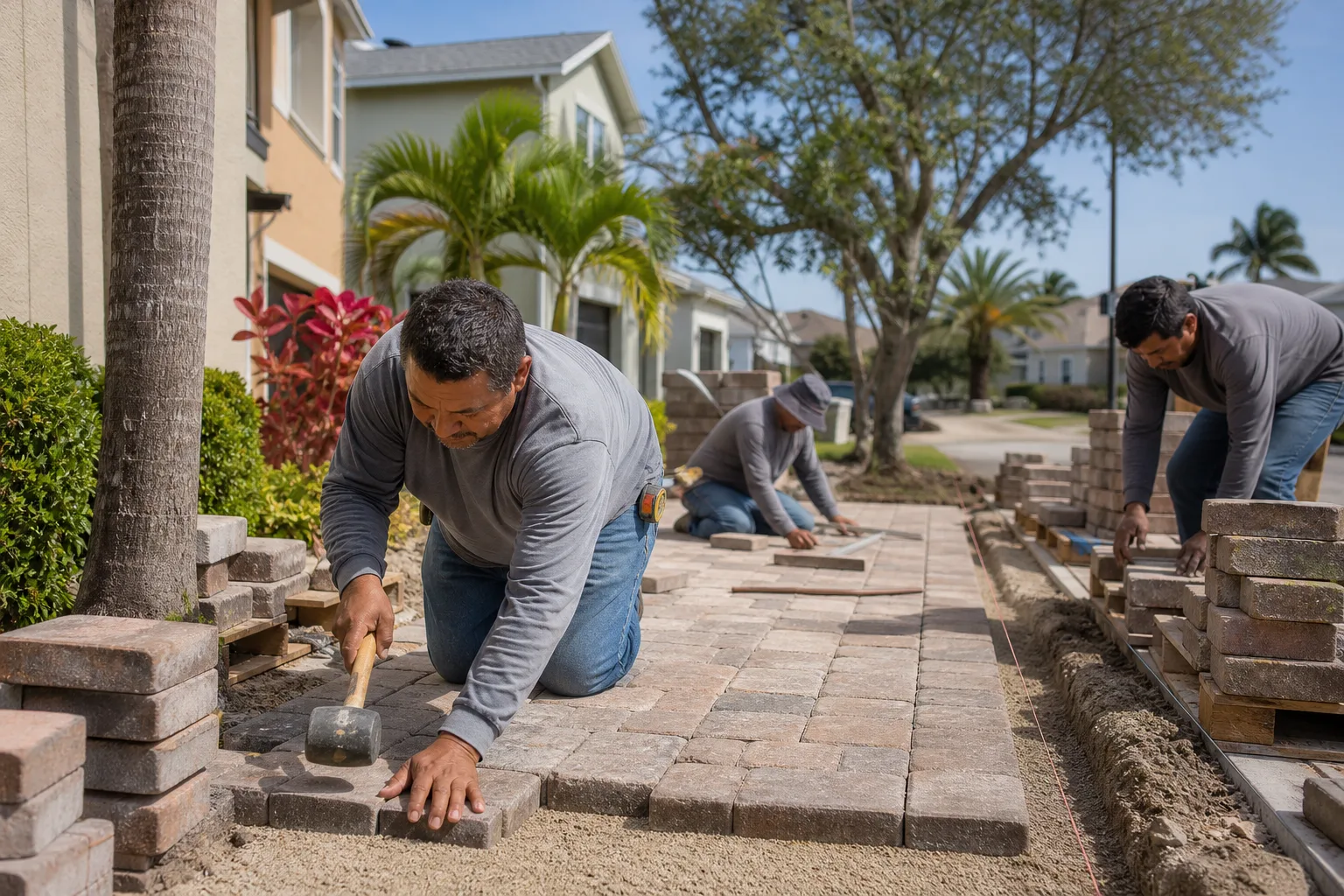
A properly built Hialeah paver driveway follows a predictable sequence. When a contractor skips a step or compresses the timeline, that shows up in year three, not on handover day. Here’s the process, in order.
- Site evaluation and layout. Test pits, soil check, impervious surface count, flood zone confirmation, and a layout marked on the ground before anything moves.
- Permits pulled. Base inspection scheduled with the city or county. No permits means no code protections for you.
- Excavation. Old driveway removed and hauled off. Subgrade excavated to the depth required for your soil, typically 8 to 12 inches below finished grade in Hialeah.
- Subgrade prep and compaction. Subgrade compacted and shaped to the drainage slope. Geotextile fabric laid where soil conditions call for it.
- Base installation in lifts. Crushed aggregate placed in 2 to 3-inch lifts, each compacted with a plate compactor. Total base depth built to spec for the load and soil.
- Edge restraints. Concrete or aluminum edge restraints installed on all open sides. These hold the pavers in place under traffic and are what prevents the perimeter from spreading.
- Bedding sand and screeding. A thin, consistent layer of bedding sand screeded to final grade.
- Paver installation. Pavers laid in the chosen pattern, cut at edges and around drains and garage aprons.
- Plate compaction and joint sand. A final pass with the compactor, then polymeric or regular joint sand swept into the joints.
- Cleanup and inspection. Site cleaned, drainage tested with water, walkthrough with the homeowner.
Most residential driveways in Hialeah run 3 to 6 working days from excavation to walkthrough, weather permitting. The sequencing is what protects your investment, so don’t let a contractor rush it to hit a different job.
Keeping a Hialeah Driveway Looking New
Paver maintenance in Hialeah is mostly about water and sun, not traffic. The two things that age a driveway here faster than anything else are joint sand washing out during storm season and UV fading from constant exposure. Both are manageable with a light upkeep routine.
- Replenish joint sand annually. After wet season, top off joint sand where it’s washed low. This is a 60-minute job with a bag of sand and a broom.
- Rinse off salt and grime monthly. A hose rinse after the dry season keeps salt residue from etching natural stone and concrete paver surfaces.
- Treat weeds early. Pull small weeds by hand before they establish. If weeds are growing from below, that’s a base problem, not a weed problem.
- Check drainage after major storms. Any standing water more than a few hours after rain means the slope or the drainage is off and needs attention before the base suffers.
- Seal on a schedule, not every year. Most concrete pavers do fine sealed every 3 to 5 years in Hialeah. Sealing more often wastes money; sealing less often shortens the pavers’ color life. Natural stone usually needs sealing every 2 to 3 years.
Repairs, Sealing, and When to Resurface
Most paver problems in Hialeah are localized and fixable. Individual pavers can be lifted and reset without disturbing the rest of the drive. Edges that have spread can be re-restrained. A low spot that pools can usually be traced to a failed base patch or a clogged drain, and repaired in a day.
The scenarios that call for a full replacement rather than a repair are usually structural:
- Widespread settlement. If more than 20 percent of the drive is uneven or heaving, patching won’t fix what’s happening underneath.
- Repeated pooling in the same spots. A chronic low point that returns after every repair usually points to a base or drainage design failure, not a maintenance issue.
- Failed edge restraints along multiple sides. When the perimeter has given way, the pavers have likely lost their interlock and traffic will continue to spread them.
- Persistent weed growth from below. Weeds growing up through the joints rather than settling on top mean the fabric layer or the base composition is compromised.
When a repair is the right call, it’s a fraction of the cost and can extend your driveway by years. When it isn’t, patching delays the inevitable and costs more in the long run. A free estimate should include an honest read on which scenario you’re in.
If you’re also planning changes to the surrounding yard, a new driveway is a natural time to tackle Fence Installation in Hialeah so the grades, posts, and driveway edges all align. Homeowners adding a garage, carport, or in-law suite often fold the driveway work into a larger build with Home Additions & ADU in Hialeah.
Common Mistakes to Avoid
- Reusing a national paver guide’s base specs. Six-inch base and 1 percent slope work in dry climates. In Hialeah, that combination guarantees settling and pooling within a few wet seasons.
- Skipping the soil test. Limestone ledges and clay pockets are common across Hialeah lots. Without a test pit, you don’t know what you’re building on.
- Ignoring the impervious surface cap. Adding a driveway, patio, and shed slab without checking your lot’s impervious percentage can force a redesign or a variance you weren’t planning for.
- Choosing pavers on color alone. Surface-dyed pavers fade in South Florida UV within a few years. Integral-color pavers hold up far better and cost only marginally more.
- Sealing a brand-new driveway too soon. Sealing before the pavers have cured and dried fully traps moisture and dulls the surface. Wait at least 30 to 60 days, longer in wet season.
- Letting the contractor skip the edge restraints. It’s tempting because they’re invisible once buried. They’re also what keeps the drive from spreading under vehicle loads.
- Not getting a written scope. “Paver driveway, installed” on a one-line invoice is not a scope. Base depth, drainage design, permit cost, and edge restraint type should all be on the quote in writing.
See the difference
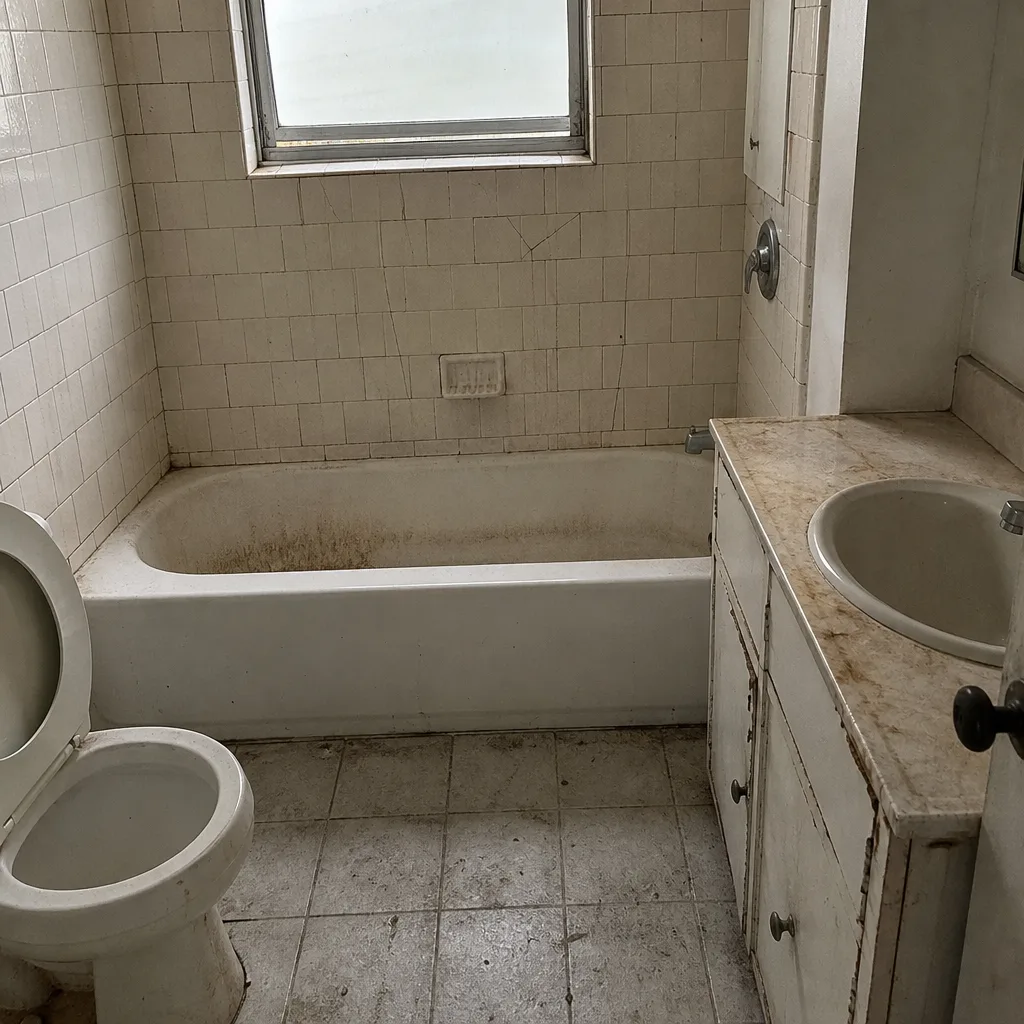 Before
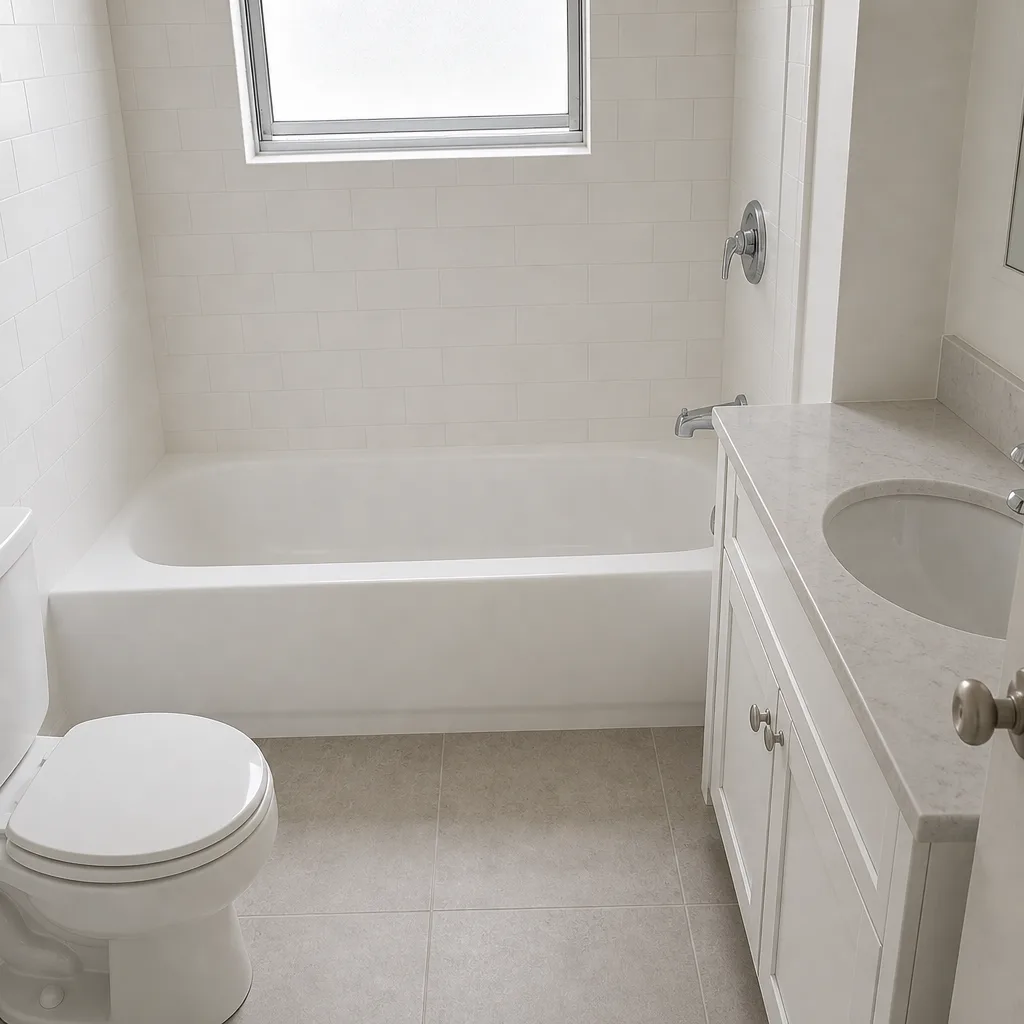 After
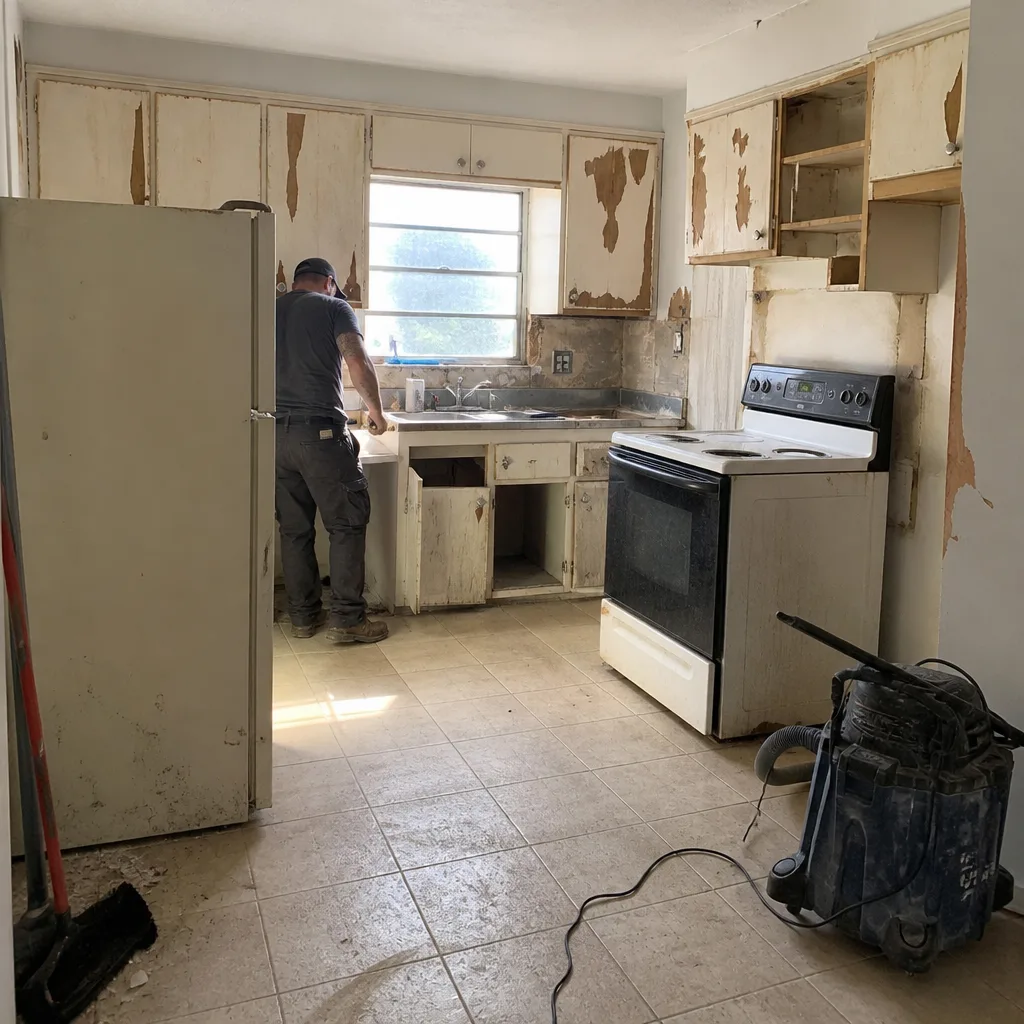 Before
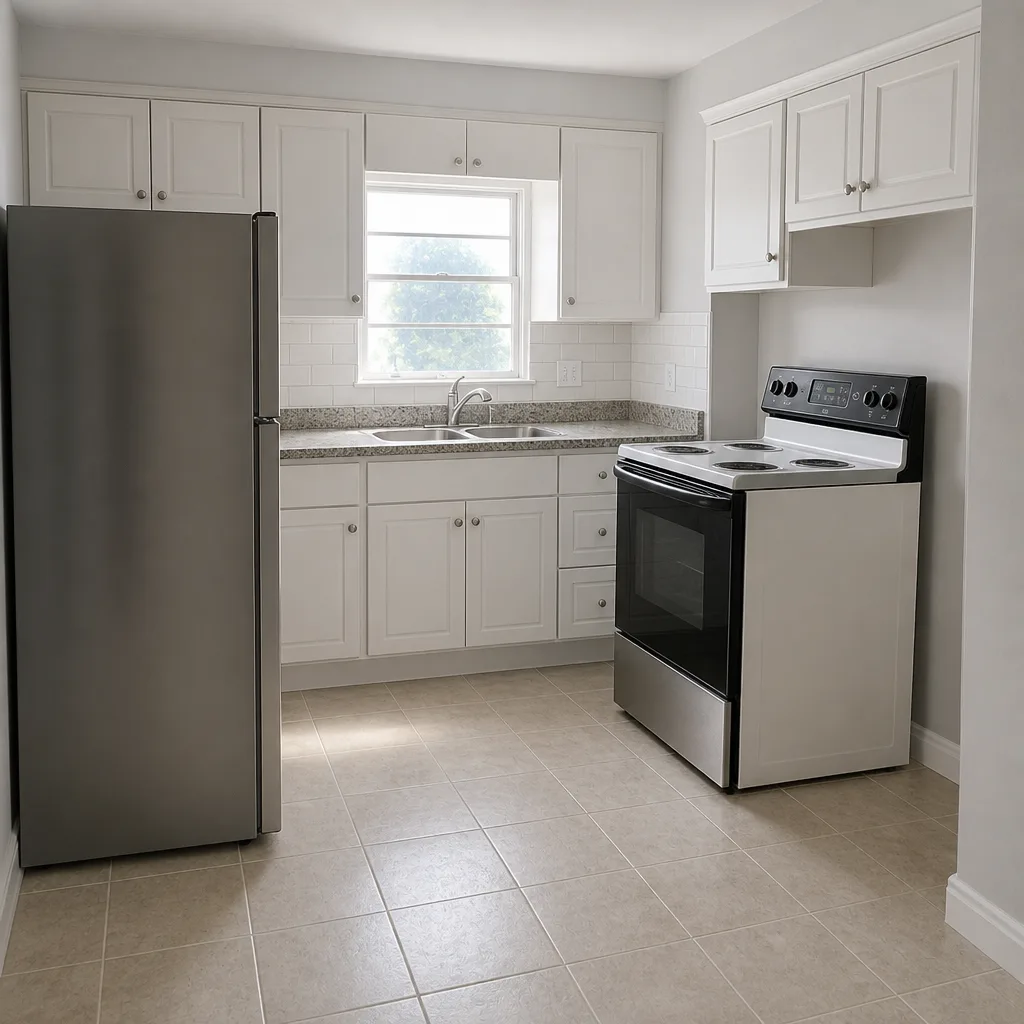 After
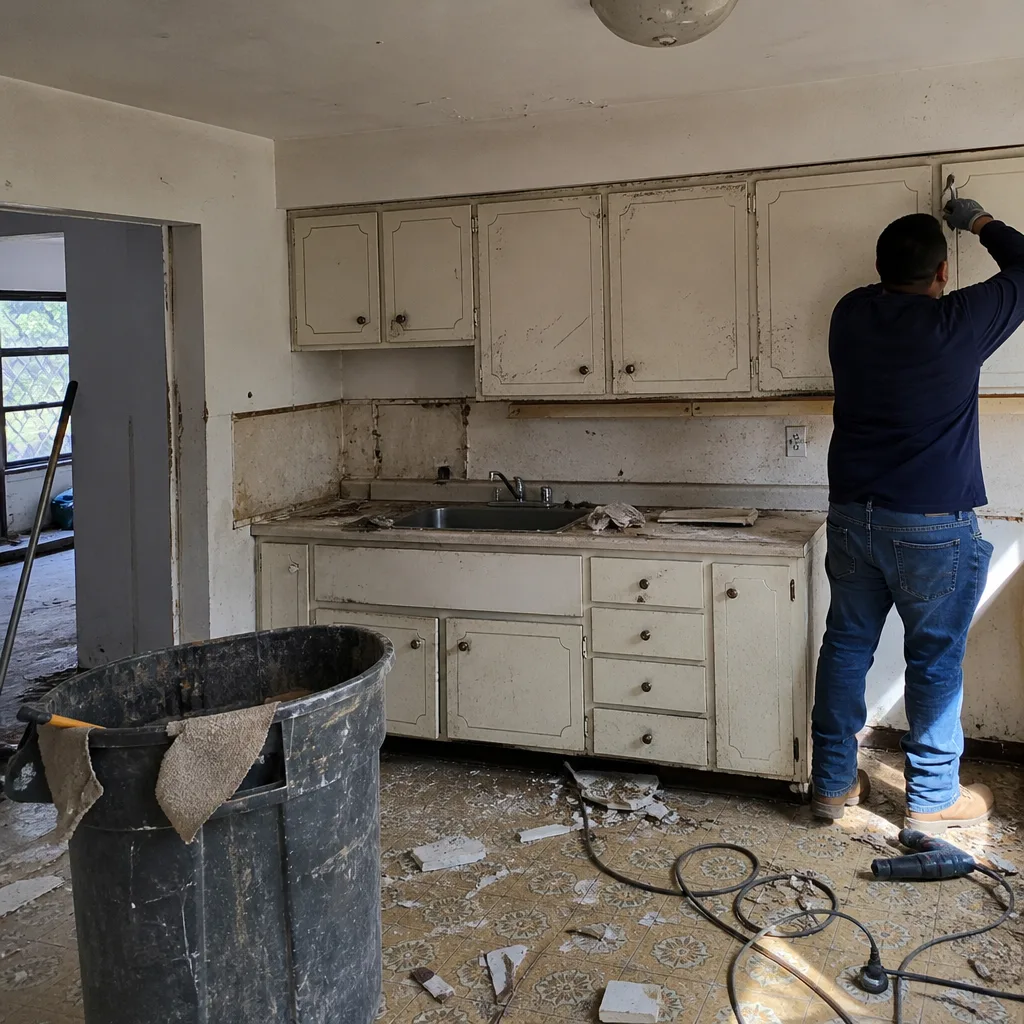 Before
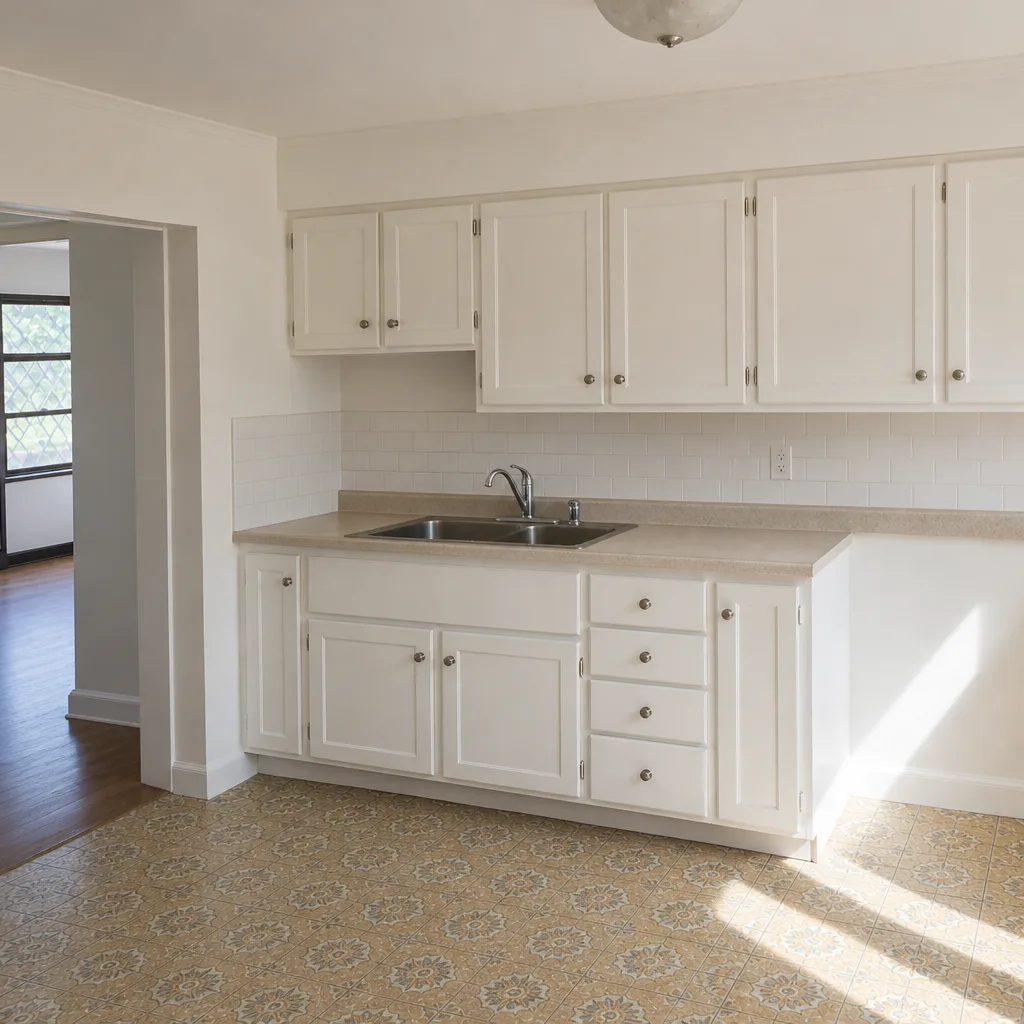 After
When to Call a Professional
Some driveway work is well within a homeowner’s reach: sweeping joint sand, hand-pulling weeds, hosing off salt. Most of it isn’t. Excavation, base compaction to spec, edge restraint installation, drainage design in a flood-conscious county, and any work that requires a permit all need a contractor with the right equipment and the right documentation.
If your existing driveway is showing settlement, holding water, or growing weeds from below the pavers, the underlying issue is almost always structural. Our technicians have up to 12 years of experience diagnosing exactly these problems across Hialeah, from Palm Springs to Hialeah Gardens, and we back every installation with our 730-Day Done Right Promise. Groundwork Construction Co. of Hialeah offers free estimates in Hialeah. Call (888) 418-7102 and we’ll walk the property, test what’s under the surface, and give you a written line-item quote before anything starts.
Frequently Asked Questions
Paver driveways in Hialeah typically cost $9 to $18 per square foot installed, with a standard two-car driveway landing between $5,400 and $12,600. The lower end reflects standard concrete pavers on straightforward lots; the higher end reflects permeable systems, natural stone, or sites with significant drainage or base work. Call (888) 418-7102 for an exact quote on your property. Estimates are free and the numbers are line-item, not lump-sum.
Yes, most new driveway construction in Hialeah requires a Miami-Dade County permit, and the base and drainage are typically inspected before pavers go down. The permit also documents your impervious surface calculation, which is important if your lot is close to the county cap. A contractor who suggests skipping the permit is exposing you to fines and future resale problems. We pull permits and pass inspections on every project.
A properly built paver driveway in Hialeah lasts 25 to 30 years, and often longer. The pavers themselves are the durable part; the base is what determines lifespan. With a correctly compacted 8 to 12-inch base, proper drainage, and edge restraints, the pavers will outlast the asphalt drive next door by a decade or more. Call (888) 418-7102 to schedule an inspection of your existing driveway or a free estimate on a new installation.
For most Hialeah driveways, integrally colored concrete pavers offer the best balance of durability, UV color stability, and cost. Travertine and natural stone are excellent choices if heat and aesthetics matter more than price, and permeable pavers are the right call when impervious surface limits or drainage are tight. Whatever you choose, ask the manufacturer for written warranty terms on color fading. Estimates are free if you want help deciding: (888) 418-7102.
Not with our process. We build a written line-item quote after walking the property and testing what’s under the surface, and the number on that quote is the number you pay. Change orders only happen if you change the scope, not because we found something we should have seen on day one. Call (888) 418-7102 to schedule your free estimate and design consult.
Almost always because their slope or drainage design matches the lot better than yours does. Hialeah’s flat terrain means small differences in grading, drain placement, and discharge direction create big differences in how a drive handles the 60-plus inches of rain we get every year. If your driveway pools, holds water for hours after a storm, or washes joint sand onto the street, the design needs a second look. Call (888) 418-7102 for a free evaluation.
The Bottom Line
Hialeah is one of the toughest environments in the country for a driveway. Sixty-plus inches of rain, hot sun, salt in the air, clay-and-limestone soil, flat lots, and a county that watches impervious surface closely make this a game of inches. Get the base depth right, design the drainage for real water volume, choose pavers for UV and salt, pull the permits, and get it all in writing. Do those five things and your driveway will look good in year fifteen, not just on handover day. Skip them and you’ll be repairing the same problems repeatedly, at a cost that ends up higher than building it right the first time.
Ready to price a paver driveway the right way? Groundwork Construction Co. of Hialeah builds full-scope driveway and paver projects from foundation to finish line, backed by our 730-Day Done Right Promise. Calls are answered by a live person 24/7, technicians are background-checked and arrive in uniform, and the pricing you see on the written estimate is the number you pay. We also honor $1,000 off projects over $10,000 and 0% financing for 18 months so the upgrade fits the budget without shortcuts.
Browse our Groundwork Construction Co. of Hialeah home page for the full range of services, or go straight to Driveway & Pavers in Hialeah for a closer look at what we install. Call (888) 418-7102 to schedule your free estimate and design consult. We’ll test your soil, check your drainage, and put a real number on the page before any work begins.
Written by the team at Groundwork Construction Co. of Hialeah.