Last updated November 18, 2026
Free written scope consultation - allowances, timeline, and change-order rules on paper before a single trade is scheduled
The Complete Guide to Construction in Hialeah
Hialeah’s median home was built before 1980. That single fact shapes almost every construction project in this city, because it means most jobs start with a hidden layer of problems – aging wiring, out-of-date drainage, tired framing – that many contractors won’t find until after you’ve signed. In Hialeah, the building itself is rarely the hard part. The hard part is everything underneath it and every rule wrapped around it. This guide maps each phase of a Hialeah construction project to the real local conditions that decide whether it succeeds: the city’s zoning history, the limestone under your lot, the hurricane code tier, the permit timeline, and what it actually means to hire a properly licensed contractor here.
Quick Answer
Construction in Hialeah, FL is shaped by four local forces: a housing stock mostly built before 1980, limestone-rich soil tied to the Miami Rock Ridge that changes excavation and foundation costs, High Velocity Hurricane Zone code requirements that set material minimums on new work, and a City of Progress permit process that rewards contractors who know its inspection stages. A successful Hialeah project depends less on picking the right countertop and more on hiring a contractor who plans for these conditions before the first shovel hits the ground.
Styles & brands we work with
- Kitchen remodeling
- Bathroom remodeling
- Home additions & ADU
- Roofing
- Windows & doors
- Driveway & pavers
- Fence
Table of Contents
- How Hialeah’s Zoning History Affects What You Can Build
- Why Hialeah’s Soil and the Miami Rock Ridge Change Foundation Costs
- The Hurricane Code Tier That Governs Every Hialeah Build
- Reading a Hialeah Building Permit Timeline Realistically
- Licensed in Miami-Dade vs. Statewide: Why It Matters
- The Pre-1980 Housing Stock Problem
- Building a Realistic Hialeah Construction Budget
- Common Mistakes to Avoid
How Hialeah’s Zoning History Affects What You Can Build
Hialeah grew up fast and in layers, and the zoning map still carries the fingerprints of that growth. A lot that looks like a standard single-family parcel can sit inside an overlay or a transitional district that limits setbacks, lot coverage, or the height of an addition. Before you sketch anything, you need to know what your parcel is actually zoned for – not what the house next door did, and not what a neighbor told you.
The City of Progress has historically allowed denser residential patterns than many parts of Miami-Dade. That cuts both ways. It can make an addition or an accessory dwelling unit more feasible than you’d expect, and it can also mean your block has a mix of uses that affects parking, drainage, and how the city reviews your plan. In neighborhoods like Hialeah Gardens, Palm Springs, and the areas near Okeechobee Road, we regularly see homeowners surprised by how much the specific district rules change the footprint they can build.
Here’s how to read your own lot before you commit to a design:
- Pull your property’s zoning designation from Miami-Dade County records and confirm it with the City of Hialeah planning department.
- Check the lot’s dimensions against the required front, side, and rear setbacks for that district.
- Confirm maximum lot coverage – how much of the lot can be covered by buildings, driveways, and hardscape combined.
- Ask whether your parcel sits in any overlay district, flood zone, or historic area that adds review steps.
- Only then start talking to a designer or contractor about footprint.
Getting this wrong is expensive. A plan drawn against the wrong setback means a redesign, a new round of drawings, and weeks lost. A contractor who works in Hialeah routinely already knows which districts are forgiving and which will reject a variance request before it’s filed.
Why Hialeah’s Soil and the Miami Rock Ridge Change Foundation Costs
Hialeah sits on the edge of the Miami Rock Ridge, and that geology shows up in your budget. Much of the area has a shallow layer of soil over porous limestone, which is why excavation here can run into rock far sooner than a visitor from another part of the state expects. That limestone is the reason footings, pilings, and grading costs in Hialeah often don’t match quotes built on assumptions from softer ground elsewhere.
What that means in plain terms:
- Digging for a foundation, a pool, or deep footings can hit cap rock and require different equipment and more labor hours than a soft-soil quote assumed.
- Water drains fast through limestone, which is good for standing water but means drainage design has to account for how quickly stormwater leaves the lot.
- Expansive clay isn’t the local issue you’d worry about up north; the local issue is rock and the cost of getting through it.
Our technicians have up to 12 years of experience working South Florida soil, and the single most common reason a foundation or excavation line item balloons is that the original bid never confirmed what was actually under the lot. A contractor who knows Hialeah will tell you upfront that rock is possible and price it into the estimate rather than treating it as a surprise change order later. That’s part of what upfront pricing means: the number you see is the number you pay, because the risks were priced in from the start instead of discovered after the contract is signed.
The Hurricane Code Tier That Governs Every Hialeah Build
Hialeah falls inside Florida’s High Velocity Hurricane Zone, the strictest wind-load tier in the state. That’s not a detail you can file away. It sets the minimum on almost every material decision on new construction and major renovation: how roof sheathing is fastened, the thickness and attachment of impact-rated windows and doors, how a structure is tied together from foundation to roof line, and the tested wind rating of the products allowed on your build.
This is where cheap bids and good bids split apart. A quote that uses ordinary windows, standard shingles, and generic fasteners may look lower on paper. In a Hialeah project it can fail inspection outright, because those products don’t meet the code tier. When we specify roofing, we lean on proven product lines like GAF and CertainTec, and for windows we work with established manufacturers whose tested ratings clear the local wind requirements, so the material meets code the first time and doesn’t stall the job at inspection.
The practical takeaways for any Hialeah build:
- Every product on a new roof, window, or door needs a documented wind rating that matches the zone.
- Fastening schedules and tie-downs are inspected, not assumed – the details matter as much as the materials.
- Impact-rated glazing isn’t just a comfort upgrade here; it’s often the baseline the code expects.
- A bid that doesn’t name products and ratings is a bid you can’t compare to another.
Built to last, backed in writing is more than a slogan in this climate. The 730-Day Done Right Promise exists because workmanship and material selection are what keep a Hialeah home standing through the next storm season.
Reading a Hialeah Building Permit Timeline Realistically
Most construction timelines in Hialeah blow up at the permit stage, not the build stage, and almost always at the same few points. If you understand where projects stall, you can build a schedule that survives contact with reality. Treat the permit timeline as a set of stops, each of which can add days.
- Plan review. Your submitted drawings get reviewed against zoning and code. Incomplete plans come back for corrections, and each correction cycle can add weeks.
- Permit issuance. Once plans are approved, the permit is issued and work can start – but not before.
- Foundation and footing inspection. This is a top delay point on Hialeah projects because rock and soil conditions show up here, and any variation from the approved plan has to be addressed before the pour.
- Framing inspection. Wind-tie and fastening details are checked here. Missing or wrong hardware means a re-inspection with a new fee and a new wait.
- Roof and weather-tight inspection. Product ratings and installation details are verified against the hurricane zone requirements.
- Final inspection and certificate of occupancy. For additions and major work, the project can’t be used until this closes out.
The contractors who keep projects moving are the ones who submit complete plans the first time, schedule inspections early, and fix punch-list items before the inspector arrives rather than after. We pull permits and pass inspections as a documented part of the process, because a Hialeah project held up at framing is a project with a crew standing idle and a homeowner paying for the delay.
Licensed in Miami-Dade vs. Statewide: Why It Matters
Florida lets contractors hold licenses at different levels, and the difference matters enormously in Hialeah. A statewide certified contractor can work anywhere in Florida. A locally licensed contractor is registered to work within a specific county or jurisdiction. On a residential project in Hialeah, that distinction is about accountability: who inspects the work, who you can complain to if something goes wrong, and whose standards the job is measured against.
Here’s how to protect yourself:
- Ask which license the contractor will use on your job, and verify the license number directly with the state and with Miami-Dade County.
- Confirm the license covers the scope you’re hiring for – general contracting, roofing, and specialty trades are not interchangeable.
- Require a written contract with the license number, scope, and payment schedule spelled out.
- Confirm insurance and workers’ compensation coverage before any crew shows up.
In Hialeah specifically, projects that touch structure, additions, or roofs are reviewed by local inspectors who know the code tier. That’s a feature, not a hassle. It means a properly licensed, locally accountable contractor is held to a standard that protects your investment. Every project we run through the Groundwork Construction Co. of Hialeah home team is handled with documented licensing and insurance from the first call.
The Pre-1980 Housing Stock Problem
Most Hialeah homes were built before 1980, and that age shows up the moment you open a wall. Older homes here commonly carry a mix of original and patched systems, and remodeling means inheriting decisions made by everyone who came before you. This is the hidden layer the opening of this guide warned about, and it’s the reason a Hialeah renovation budget needs a contingency that a newer build might not.
What we routinely find when a Hialeah project opens up:
- Wiring that was never sized for modern kitchens and bathrooms, and sometimes aluminum branch circuits that need attention.
- Drainage and plumbing systems at the end of their service life, or already patched with mismatched materials.
- Framing that’s out of plumb and needs correction before new finishes can go on straight.
- Roof decks and underlayment that look fine from the driveway and aren’t fine up close.
A good contractor tests for these conditions before finalizing a number, not after. In our experience, the honest conversation happens up front: we tell a homeowner that this pre-1980 home may hide X, Y, or Z, and we price the job with real allowances rather than the fantasy number designed to win the bid. That’s what no-hassle upfront pricing means when it’s real – the surprises get handled before the contract, not after.
Building a Realistic Hialeah Construction Budget
A Hialeah construction budget has four moving parts: scope, materials, the hidden conditions the age of the home dictates, and code-driven costs. The first two are the ones homeowners negotiate. The last two are the ones that decide whether the project finishes on budget. Getting comfortable with all four is how you avoid signing a good-looking number that quietly grows.
Some principles that hold across every category and every neighborhood, from Palm Springs to Hialeah Gardens:
- Price the rock. Foundation and excavation lines should assume limestone is possible, so a rock strike isn’t a change order.
- Specify products, not categories. A bid for “impact windows” or “a new roof” doesn’t tell you anything. A bid that names GAF or CertainTeed roofing, or specific window manufacturers with tested ratings, is one you can trust.
- Hold a real contingency. On a pre-1980 home, opening the walls is where reality shows up. A healthy contingency is planned, not a failure.
- Use the budget tools available. No-hassle upfront pricing paired with 0% financing for 18 months, and $1,000 off projects over $10,000, keeps a larger remodel accessible without hidden costs.
For major work, the single biggest budget decision is scope: whether you’re remodeling, adding on, or building accessory space. If you’re weighing an addition, our guide to Home Additions & ADU in Hialeah walks through how footprint, zoning, and code combine to set the number. And when you’re ready to move from a range to an actual line-item figure, the free project estimate and design consult is there for exactly that.
Common Mistakes to Avoid
- Choosing a bid without a scope. The lowest number usually wins because it left the most out. If a bid doesn’t name products, allowances, and materials, you can’t compare it to a real one. Insist on line items.
- Assuming your lot permits what the neighbor built. Zoning in Hialeah varies block to block. A footprint that worked two doors down can fail plan review on your parcel. Confirm your own zoning before you draw.
- Bidding a foundation without testing the ground. Hialeah’s limestone doesn’t care about your budget. A contractor who prices excavation without acknowledging rock risk is setting you up for a surprise invoice.
- Skipping the hurricane-zone checklist. Windows, roofing, and structural connectors all have to meet the High Velocity Hurricane Zone requirements. Products that don’t pass inspection get torn out, and you pay twice.
- Hiring on price and a handshake. Verify the license, insurance, and written contract before any work begins. The most expensive contractor is the cheapest one you have to redo.
- Ignoring what’s under the drywall in a pre-1980 home. Older wiring and plumbing are ticking issues. Budget a contingency and expect some discoveries when the walls come open.
- Treating a permit timeline as a formality. Plans returned for corrections and re-inspections are the most predictable delays in the city. Submit complete drawings and schedule inspections early.
See the difference
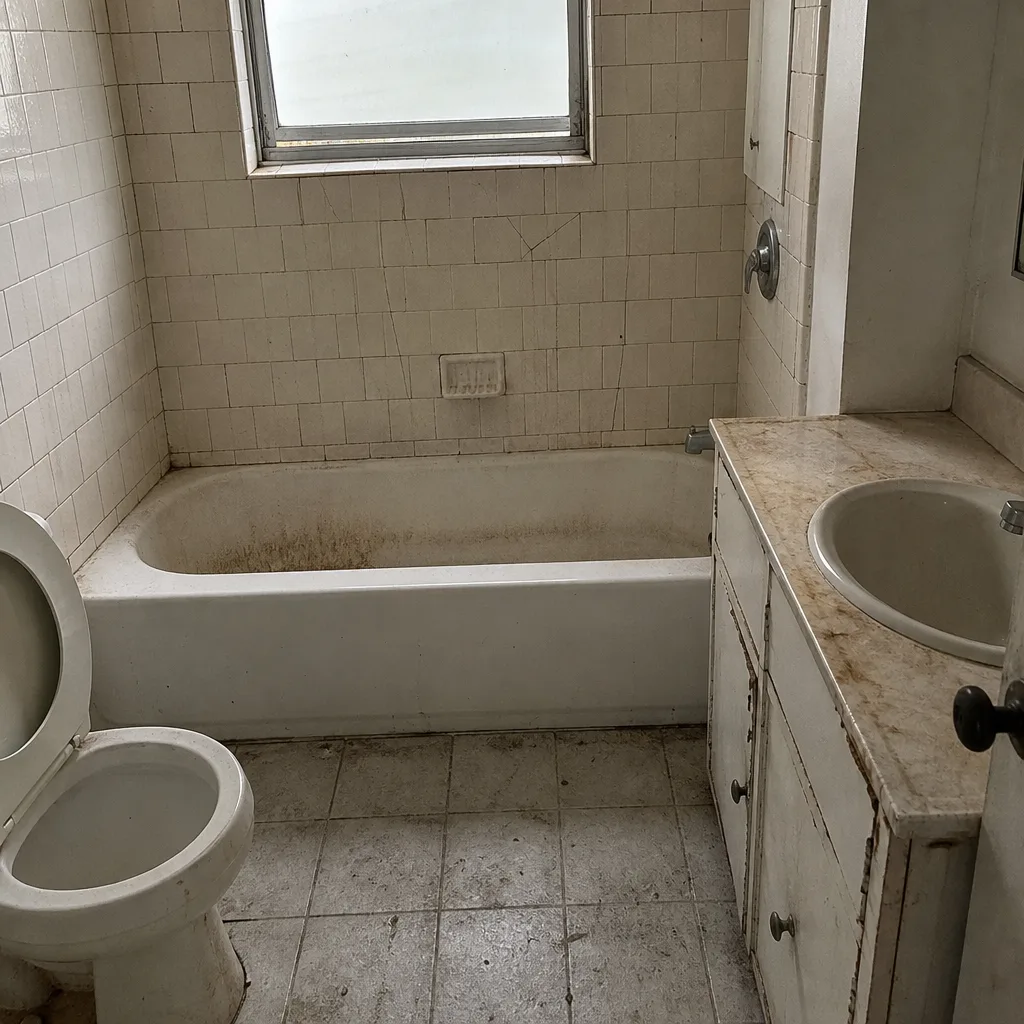 Before
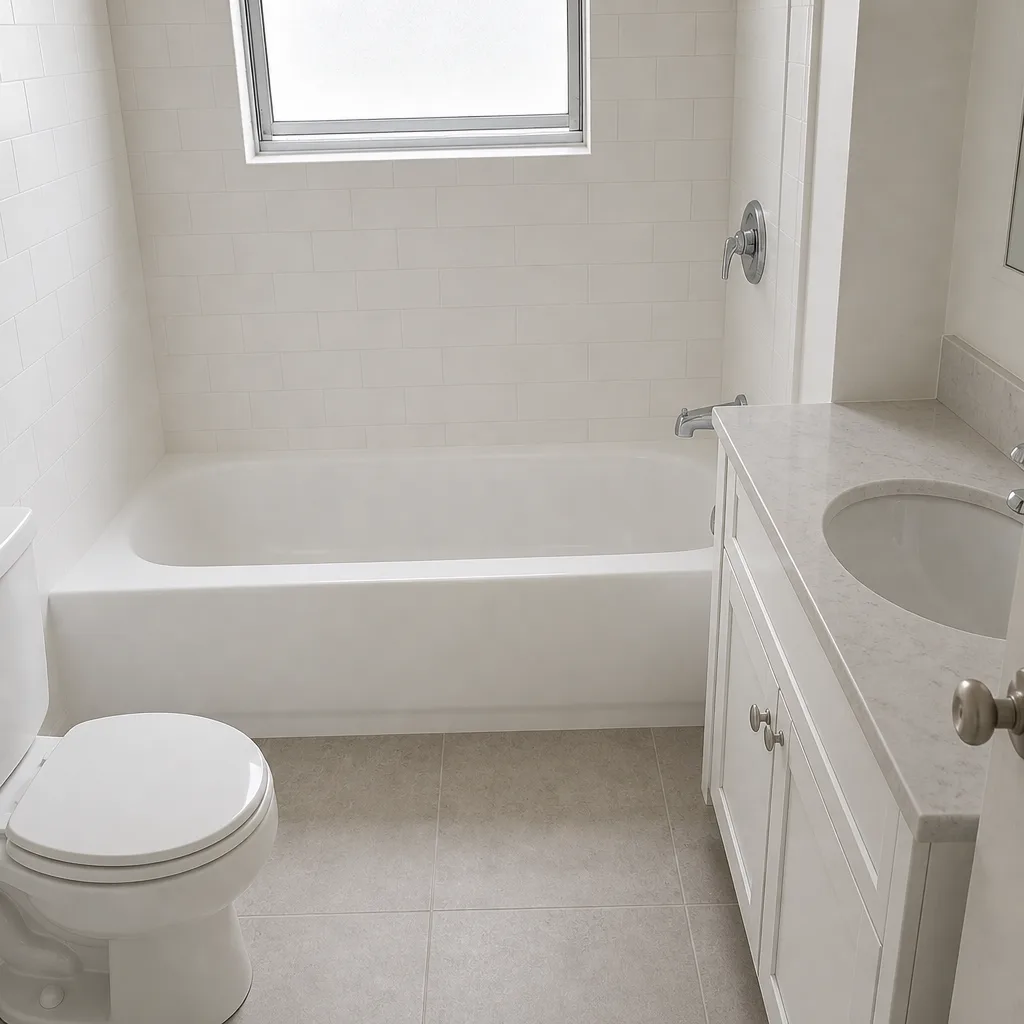 After
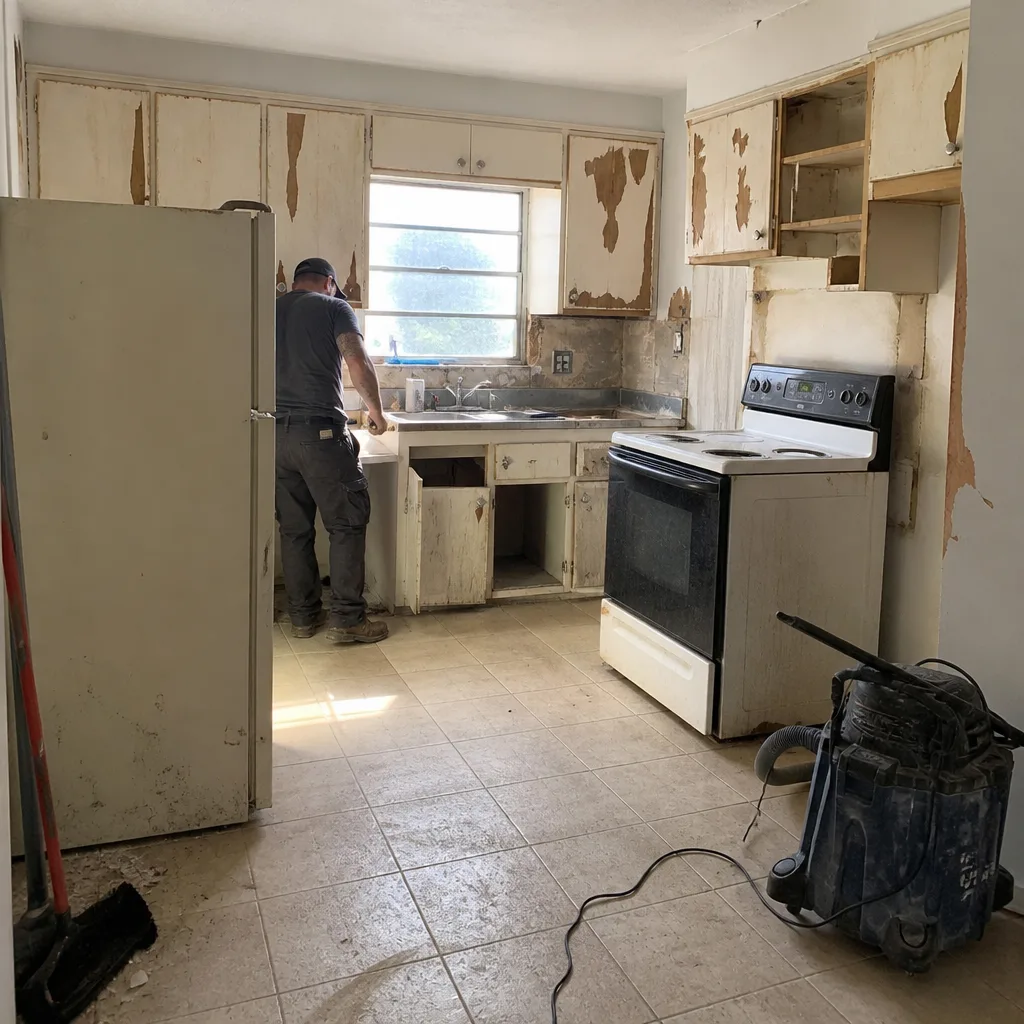 Before
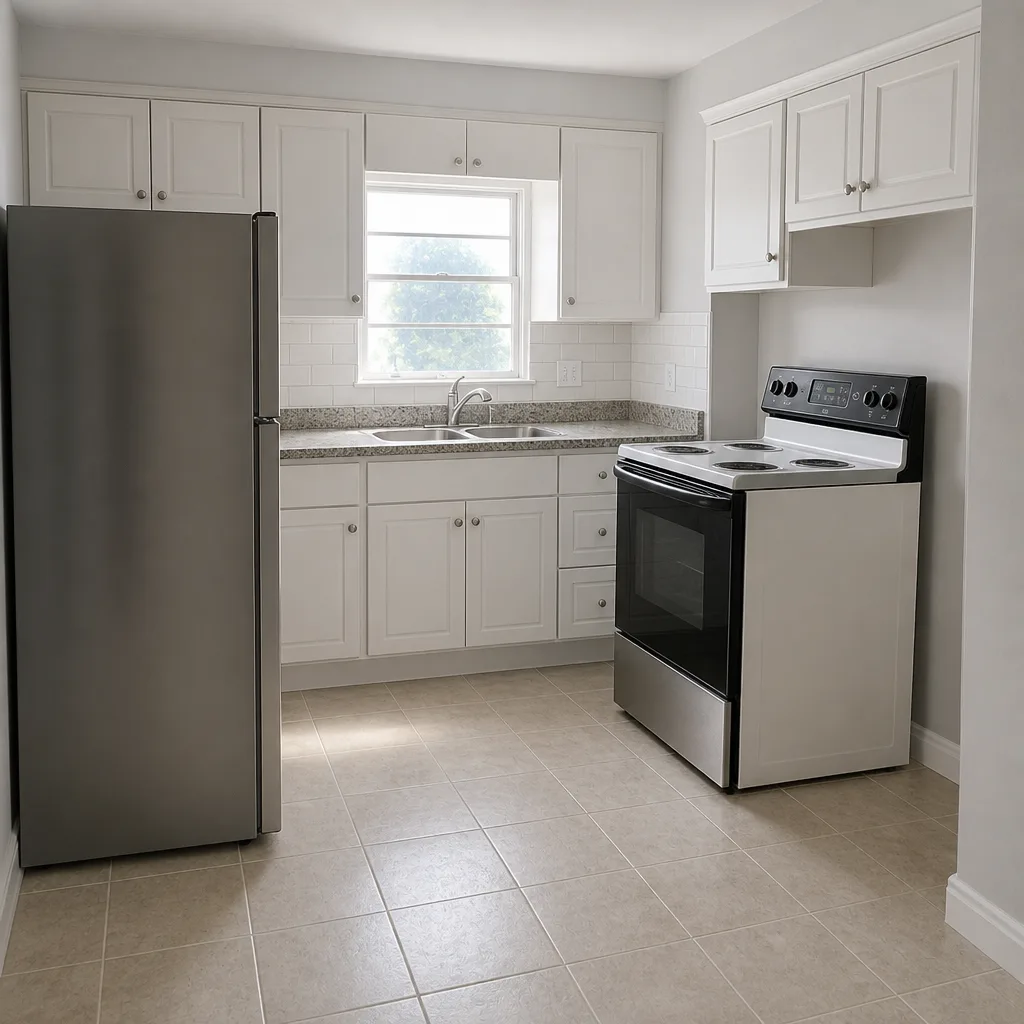 After
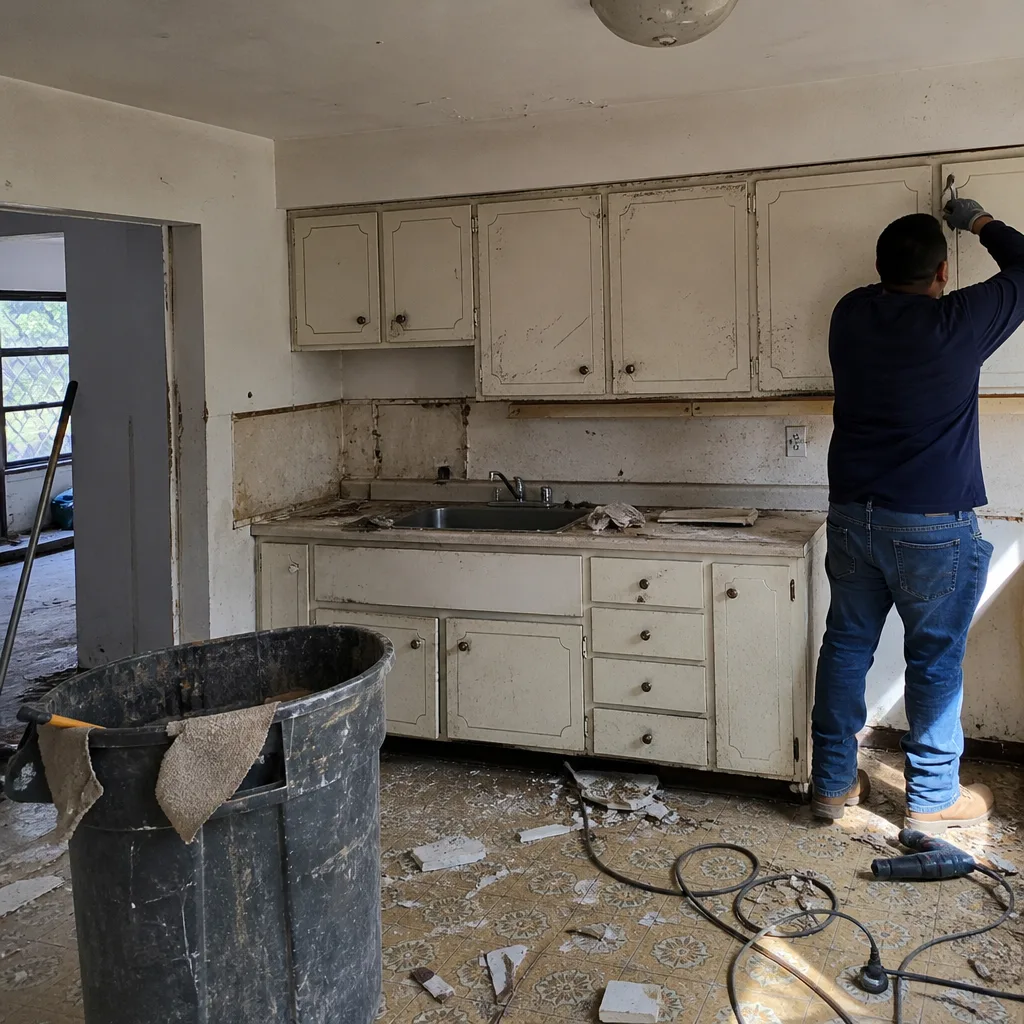 Before
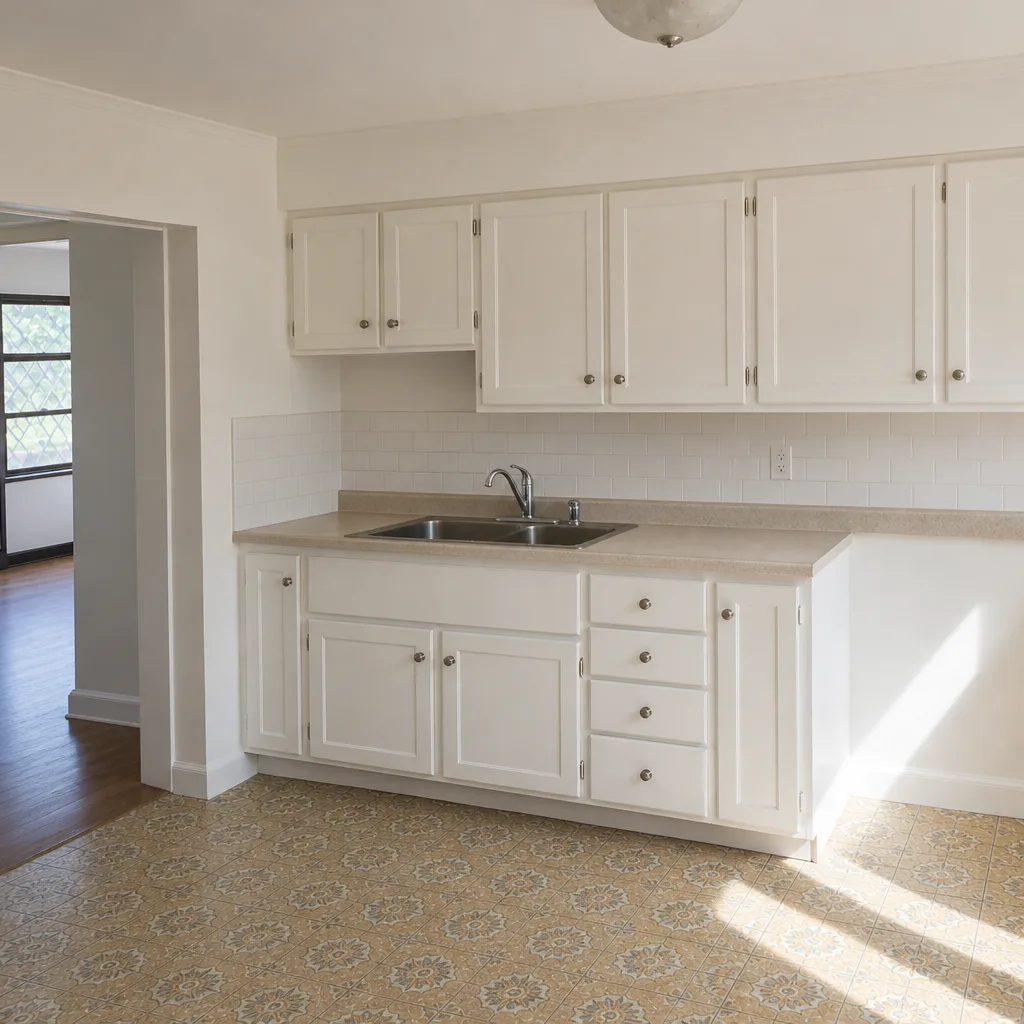 After
When to Call a Professional
Some things are fine as weekend work and some aren’t, and the line in Hialeah is usually drawn by code, safety, and where the work touches structure. Call a licensed professional when a project involves structural changes, additions, roofs, foundation or excavation work, electrical and plumbing alterations, or anything that requires a permit and inspection. Call when you’re dealing with a pre-1980 home and aren’t sure what’s behind the walls. Call before you sign anything, so you have an honest scope and an upfront number to compare against other bids. Groundwork Construction Co. of Hialeah offers free estimates in Hialeah – call (888) 418-7102. Our technicians are background-checked and arrive in uniform, and every project is covered by the 730-Day Done Right Promise. Whether it’s an addition, a roof, or a full remodel, one call gets a real answer.
Frequently Asked Questions
It depends on the scope, but plan review plus issuance on a typical residential project in Hialeah commonly runs several weeks, and each round of plan corrections adds time. The biggest variable is how complete your submitted drawings are. Complete plans move faster, and scheduling inspections early keeps the build portion on track.
Hialeah sits along the Miami Rock Ridge, so a shallow layer of soil covers porous limestone that can stop a dig earlier than soft ground would. Contractors who know the area price rock exposure into the estimate instead of charging it later as a change order. Call (888) 418-7102 for an exact quote – estimates are free.
Because Hialeah falls in Florida’s High Velocity Hurricane Zone, new windows and doors on a qualifying project typically need documented wind ratings that meet the code tier. It’s not a comfort upgrade here; it’s often the baseline. A professional should specify tested products rather than generic ones.
It means the contractor can prove a state or Miami-Dade County license that covers the scope of your job, plus active insurance and workers’ compensation coverage. Verify the license number directly with the state and county. It’s the difference between local accountability and a crew you can’t hold to anything.
With honest upfront pricing, the number you see is the number you pay, because local risks like rock, hidden pre-1980 conditions, and code materials are priced in from the start. A lack of surprises is the test of a real quote. Ask how allowances and contingencies are handled before you sign.
Yes. Permits are pulled and inspections are passed as a documented part of the process, which matters in Hialeah where the inspection stages are where most timelines stall. The contractor who submits complete plans and fixes punch-list items early is the one who keeps your project moving. Call (888) 418-7102 to talk through your project.
The Bottom Line
Construction in Hialeah isn’t hard because of the finishes. It’s hard because of the conditions under and around the house: pre-1980 housing stock hiding surprises, limestone that changes foundation costs, a hurricane code tier that sets material minimums, a permit process that stalls at the same predictable points, and a licensing structure that decides who you can hold accountable. The contractor who plans for those conditions before you sign is the one whose project finishes on budget. If you’re ready to move from research to a real number, Groundwork Construction Co. of Hialeah offers a free project estimate and design consult, and every project is backed by the 730-Day Done Right Promise.
Ready to Start Your Hialeah Project?
Call (888) 418-7102 to schedule your free estimate. Whether it’s a kitchen or bath remodel, a roof replacement, a fence, a driveway and paver installation, or a full home addition, the team walks you through scope, materials, and an upfront number before any work begins. From foundation to finish line, one contractor handles the whole project, and the phone is answered by a live person 24/7. When you’re weighing your options, our guides on Fence Installation in Hialeah and Driveway & Pavers in Hialeah are a good next step.
Written by the team at Groundwork Construction Co. of Hialeah.