Last updated November 18, 2026

Free written scope consultation - allowances, timeline, and change-order rules on paper before a single trade is scheduled
DIY vs Professional Fence Installation: What’s Safe to Do Yourself
Most homeowners assume a fence is the one exterior project they can knock out over a weekend. That holds true for a low garden border. It falls apart fast the moment you’re burying posts four feet deep in Hialeah’s limestone, pulling a permit, or hanging a vehicle gate that has to swing true for the next 20 years. In Miami-Dade County, a fence over a certain height or length requires a permit, and an unpermitted fence flagged during a home sale can stall closing or force demolition. DIY doesn’t just mean doing the labor yourself; it means owning the permit process, the inspection, and the liability when something fails. This guide sorts the scenarios honestly, so you know exactly where the risk line sits and why.
Quick Answer
Low decorative fences under 4 feet, small garden borders, and short runs on flat, easy-to-dig ground are realistic DIY projects for a prepared homeowner. Anything over the Miami-Dade permit threshold, any privacy fence over 4 feet buried in Hialeah’s limestone, and any fence with a gate, vehicle access, or pool-barrier function should be installed by a licensed professional. The permit, the footings, and the gate alignment are where DIY fences most often fail inspection, and correcting them costs more than hiring out from the start.
Styles & brands we work with
- Kitchen remodeling
- Bathroom remodeling
- Home additions & ADU
- Roofing
- Windows & doors
- Driveway & pavers
- Fence
Table of Contents
- Why “Fence Installation” Covers a Huge Range of Complexity
- The Project Sorting Guide: What’s Truly DIY-Safe
- The Miami-Dade Permit Process in Hialeah
- Post Holes and Concrete Footings in Hialeah’s Limestone
- The Gate Installation Exception
- The Real Cost Comparison: DIY vs Professional
- What an Inspector Checks That DIY Often Misses
- Common Mistakes to Avoid
- When to Call a Professional
- Frequently Asked Questions
Why “Fence Installation” Covers a Huge Range of Complexity
People talk about fences as if they’re a single project type. They aren’t. A 30-foot garden border of decorative aluminum pickets and a 6-foot privacy fence with a sliding vehicle gate are separated by an order of magnitude in difficulty, cost, and code exposure. The confusion is understandable. Both go in the ground. Both are called “fences.” But the first is a landscaping accent and the second is a structural, permitted, engineered assembly that has to survive hurricane-season wind loads in Hialeah.
The honest way to think about it is a spectrum. At one end sit low ornamental fences, short runs, and repairs on flat ground with easy digging. Those are genuinely within reach. At the other end sit tall privacy fences, pool barriers, vehicle gates, and any fence trying to meet Miami-Dade’s high-velocity hurricane zone requirements. That end belongs to licensed contractors, and no amount of YouTube confidence changes it.
Complexity rises along a few predictable axes:
- Height. The taller the fence, the more it catches South Florida wind and the more likely it triggers a permit.
- Length. A 20-foot run is forgiving. A 200-foot perimeter is a small civil project in footing terms.
- Soil conditions. Hialeah sits on limestone, which is a different world from the sandy loam DIY tutorials assume.
- Gate and access function. Any gate that has to swing, close, latch, and hold a line adds a mechanical system on top of a structural one.
- Code function. Pool barriers, property-line fences, and fences near right-of-way have specific rules attached.
We’ve walked Hialeah yards where a homeowner planned a weekend install and ended up on a licensed path after the first post hole. That isn’t a failure of effort. It’s a mismatch between the tutorial they watched and the ground they’re standing on. Get the project type right first, and the DIY-or-hire decision usually makes itself.
The Project Sorting Guide: What’s Truly DIY-Safe
Our “safely DIY” column and “hire it out” column are the simplest way to see the wall between scenarios. Read your project against this list before you rent a single tool. If you land in the middle, treat it as a hiring signal.
Generally Within Reach for a Prepared DIYer
- Garden borders under 4 feet. Decorative aluminum, wood picket, or vinyl border fences that accent landscaping and don’t carry code function. Short runs, no gate, easy digging.
- Short run repairs. Replacing a few pickets, re-securing loose panels, or resetting a single post already set in concrete.
- Decorative trellises and panels. Non-structural garden accents that can be re-potted or repositioned.
- Runs on forgiving ground. Flat, clear ground where a manual or rented auger can reliably cut holes without hitting limestone.
Should Go to a Licensed Contractor
- 6-foot privacy fences. Wind loads, footing depth, and permit exposure all rise fast. This is where most DIY failures start.
- Any fence with a gate. Framing, hardware alignment, and self-closing mechanisms are a mechanical system (more on this below).
- Pool barrier fences. They carry specific height and self-latching rules, and an inspector will fail an underbuilt one.
- Property-line fences. Survey accuracy matters. A fence in the wrong place creates a legal headache, not just a cosmetic one.
- Any fence over the Miami-Dade permit threshold. If it needs a permit, it needs a capable installer behind it.
The sorting guide isn’t there to discourage you. It’s there because the middle ground is where homeowners usually get burned: a project that feels DIY but quietly requires a professional. Those are the fences that come back on an appraisal, an insurance review, or an inspection report after a storm. If you want to see what a professional Hialeah install actually involves, our Fence Installation in Hialeah page walks through the full scope.
The Middle Ground: Where the Line Blurs
Between the safe DIY list and the hire-it-out list is a genuinely gray zone. A 5-foot privacy fence on dry, sandy ground with no gate? A prepared homeowner with real tooling can sometimes pull that off. The same fence in rocky Hialeah limestone with a gate? Not a realistic DIY project. Use judgment here, and be honest about your own tools, time, and experience.
The Miami-Dade Permit Process in Hialeah
Fences above a certain height or length in Miami-Dade require a permit, and the homeowner pulling it themselves is a real decision with real consequences. Pulling a permit means you own the filing, the inspection scheduling, and the correction of any failed inspection. The county will hold you, not a contractor, responsible for bringing the fence up to code.
The permit process for a Hialeah homeowner typically runs like this:
- Check the threshold. Confirm whether your planned fence height and length trigger a permit. A over-threshold fence needs one. This step alone stops many DIY plans cold.
- Prepare the submittal. Property survey, plan drawing, materials spec, and setback information. Incomplete submittals are the most common reason permits sit.
- File with the city and county. Pay the filing fee, which adds to your real project cost.
- Wait for the review. Review takes time, not hours. Plan for days to weeks depending on the queue.
- Schedule the inspection. The inspector comes out to verify footing depth, post spacing, materials, and setback compliance.
- Pass and close out. If the fence fails inspection, you correct and resubmit. Repeated failures cost more time and money each round.
Here’s what most DIY guides skip: the permit holds the homeowner accountable for a fence that will sit on the property for decades. If you sell the home before the fence is properly permitted, the buyer’s agent or inspector may flag it during the transaction. That can hold up closing, drag out negotiation, or, worst case, require demolition before sale. DIY means owning that risk from day one, not just on install day.
If your fence project is part of a larger exterior rebuild, our Home Additions & ADU in Hialeah team coordinates the permit path across trades. And if your driveway, fence, and landscaping are all getting done together, Driveway & Pavers in Hialeah covers the hardscape side so the fence sets the property line correctly the first time.
Post Holes and Concrete Footings in Hialeah’s Limestone
Hialeah sits on limestone substrate, and this is the single biggest surprise for DIY fence installers. Every fence installation tutorial online assumes sandy loam, where a manual post-hole digger turns a clean hole in ten minutes. Limestone doesn’t do that. Limestone fights back. Standard manual augers and rented one-man power augers stall or bend out on limestone ledges. You may hit rock at 12 inches, or at 36 inches, or not at all, and you won’t know until you cut into the ground.
The footing work is where the real cost difference shows up. Proper footings in Hialeah need:
- A capable auger or powered equipment that cuts through limestone ledges.
- Concrete mixed and placed to the right depth, with post anchoring that survives South Florida wind loads.
- Correct post spacing and gauge for the fence type, verified against code intent.
- Crown and drainage consideration, since South Florida’s wet season dumps water into poorly-drained footing pits.
What we often find is a Hialeah homeowner who budgets for a rented auger and material, then discovers halfway through the run that they need to rent heavier equipment or hire a specialty cutter for two or three stubborn post holes. Suddenly the “cheap” DIY project costs more than the pro estimate. That moment is common enough that we coach Hialeah customers to check their soil first, before they rent anything.
South Florida’s climate adds another layer. Concrete footings here have to account for wet-season saturation and hurricane-season wind uplift. A footing that passes muster in dry season may show movement within a year or two on a long privacy fence, especially with panel-and-post assemblies that catch wind like a sail. Get the footings right, and the fence stays plumb for decades. Get them wrong, and you’ll be resetting posts within a season.
The Gate Installation Exception
Even homeowners confident in their ability to set posts and panels should pause at the gate. Gate installation is not a scaled-up version of fence panel installation. It’s a mechanical system attached to a structural one, and the failure modes are different.
Three things make gate installation its own skill:
- Gate framing. A gate panel carries more load per square foot than a fence panel because it moves and hangs from a hinge. Racking (twisting out of square) is common in DIY gate builds. A professionally framed gate has diagonal bracing or steel-reinforced corners to keep it square for years.
- Hardware alignment. Hinges, latches, and self-closing mechanisms all have to align to millimeters. Misalignment shows up as sag, drag, and latch failure within the first wet season.
- Self-closing and self-latching mechanisms. Required for pool barriers and common on vehicle gates. These must function reliably. An inspector will test them, and a homeowner will live with them daily.
The gate exception is the single most common scenario we see in Hialeah where a homeowner successfully installs the fence panels and then has a professional come back for the gate. That hybrid model works and saves real money. The panels are genuinely DIY. The gate is genuinely not. If you’re going to split the project, split it there.
Vehicle gates raise the difficulty bar higher. A sliding gate needs a track and opening clear of grade, a cantilever gate needs engineered rollers, and any gate over a driveway has to clear the driveway surface and stay clear through seasonal ground movement. That is a licensed installation, full stop.
The Real Cost Comparison: DIY vs Professional
The honest DIY-versus-pro comparison has to include everything, not just materials. Most DIY calculators leave out the permit fees, tool rental, footing corrections, material waste, and the realistic cost of fixing a failed inspection. Here’s the fuller picture for a typical Hialeah privacy fence project line by line.
- Permit fee. Adds to the DIY path directly. A professional installs with the permit included in the upfront quote.
- Tool rental. Powered augers, mixers, and specialty cutters rent by the day. Multiply by install days, add return trips for tools kept longer than expected.
- Material waste. Homeowners typically over-buy by 10-20% to cover cuts and mis-measures. A pro buys to spec and returns unused stock.
- Footing correction. Hitting limestone means heavier equipment or a specialty cutter, sometimes rescheduled rental days.
- Inspection correction. A failed inspection means fixing, resubmitting, and paying again. This can consume the entire savings and more.
- Time. Realistic DIY privacy fence installs run 3-5 weekends with weather interruptions. South Florida’s wet season can stretch that out weeks.
- Warranty. A professional install carries a written workmanship warranty. A DIY install carries none.
Add it up and the DIY “savings” on a privacy fence usually lands somewhere between slim and negative, before you count your own weekends. The math flips hard when the project stays small. Low decorative borders and repairs stay genuinely cheaper as DIY. As soon as you cross into permittable height or any gate, professional installation usually comes out ahead once all the hidden costs are counted.
Groundwork Construction Co. of Hialeah builds with a curated set of verified material partners, so the fence you spec is a fence that performs. We quote line-item, we pull the permit, and every install is covered by our 730-Day Done Right Promise. If it isn’t done right, we make it right. That kind of accountability isn’t part of a DIY project, and it’s worth factoring into your comparison. Upfront pricing, no surprises, means the number in the quote is the number you pay.
What an Inspector Checks That DIY Often Misses
The inspection step is where DIY fences most often get corrected. Inspectors aren’t looking for perfection. They’re looking for code compliance on the assemblies that carry safety and structural load. Here’s what a Miami-Dade inspector typically checks, and what a first-time DIY installer frequently gets wrong on each point.
- Footing depth and diameter. Inspectors verify footings against plan. DIY often under-dig, especially when limestone stalls progress and the installer “makes it work” with a shallower hole.
- Post spacing and gauge. Verified against material spec and code intent. DIY installs sometimes space posts wider than spec to save material, which shows up under wind load.
- Setback and property line. Verified against the survey. DIY fences occasionally cross the line by inches, which becomes a legal issue, not just a code issue.
- Height and length compliance. Verified against the permit. DIY installs frequently overshoot height by inches trying to “add privacy,” triggering a correction.
- Pool barrier function. Self-closing, self-latching gates tested. DIY barrier gates often get the height right and the self-close wrong.
- Materials and attachments. Corrosion resistance and fastener spec verified. Coastal South Florida installs need materials that hold up to salt and humidity.
- Permit sign-off and closure. Inspectors confirm the permit is closed out. DIY homeowners frequently forget this final step, leaving an open permit on record that can flag later.
An open permit on record at a Hialeah address is not a small thing. It comes up in title work, in insurance review, and during a sale. We’ve seen Hialeah homeowners spend more fixing an open permit file than the original fence cost, months after installation. The inspection step isn’t bureaucracy; it’s a real asset protection step. Hire professionally and it disappears into the process. Do it yourself and you own it end to end.
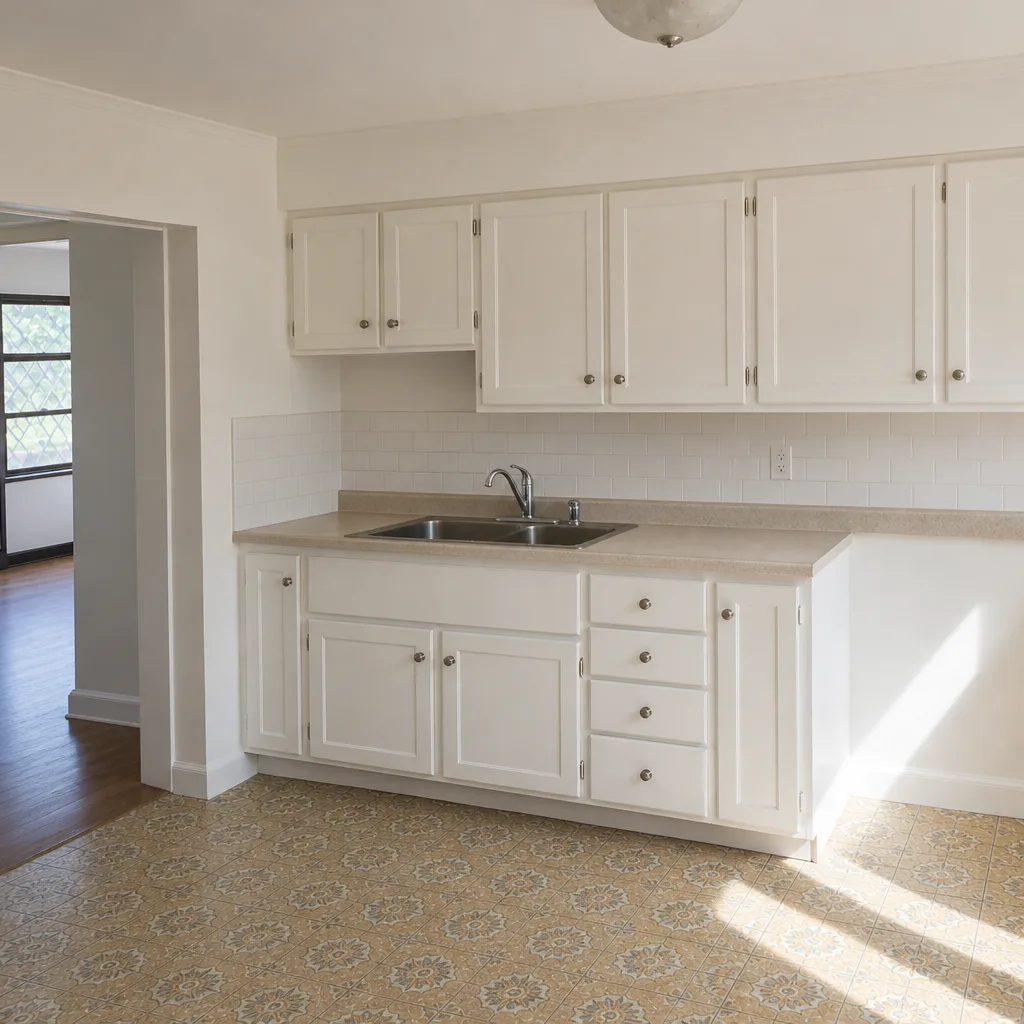
See the difference
 Before
 After
 Before
 After
 Before
 After
Common Mistakes to Avoid
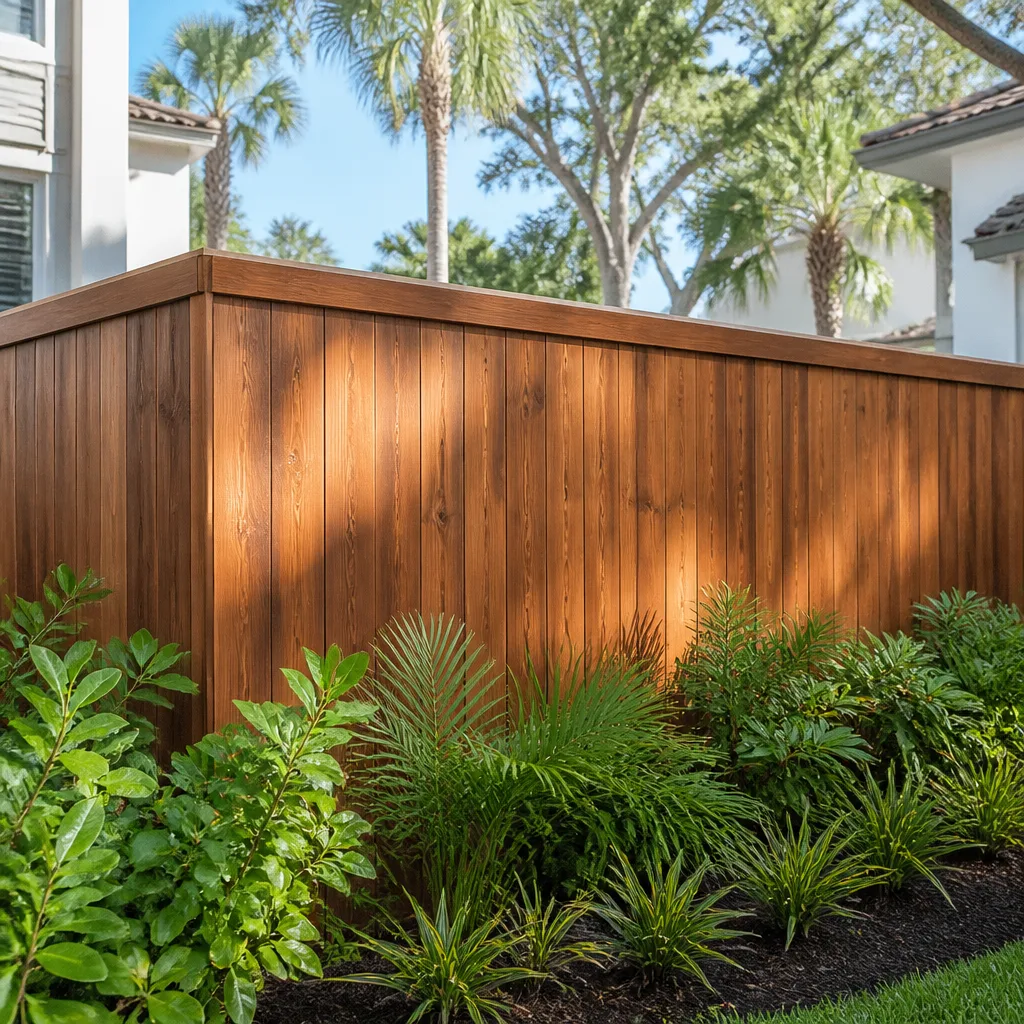
- Assuming sandy-loam tutorials apply to Hialeah. Hialeah’s limestone substrate is not the soil in most fence installation videos. Rent equipment built for the ground you actually have, or hire out.
- Skipping the permit because “it’s just a fence.” A fence over Miami-Dade’s height or length threshold needs a permit. Skipping it can block a sale or force demolition later.
- Under-digging footings when limestone stalls the auger. Shallow footings on a tall privacy fence are the number one cause of failed inspections and post movement within two years.
- Building the gate as if it’s just a narrow fence panel. Without proper framing and bracing, gates rack and sag within the first wet season in South Florida.
- Overshooting height to “add privacy.” A fence built two inches over the permitted height still fails inspection and has to be corrected.
- Buying materials before you know the soil and permit situation. A pile of posts and panels in the driveway is not a plan. Check first.
- Leaving the permit open after installation. A closed permit confirms the work complied. An open permit sits on the property record and can surface at resale.
When to Call a Professional
Call a licensed professional for any fence that crosses the Miami-Dade permit threshold, any privacy fence over 4 feet in Hialeah’s limestone, any pool barrier, any property-line fence, and any fence with a gate or vehicle access. Call us even if you plan to install panels yourself and just want the gate or the footings handled by a pro. Partial-scope hybrid projects are common and worth quoting. If you’re working on a bigger exterior plan, our Groundwork Construction Co. of Hialeah home page shows the full scope we cover, and our Fence Installation in Hialeah team builds with background-checked, uniformed technicians and pulls the permit. Groundwork Construction Co. of Hialeah offers free estimates in Hialeah, call (888) 418-7102.
Frequently Asked Questions
Yes, if your fence crosses Miami-Dade’s height or length threshold. Low decorative fences and short runs usually don’t trigger a permit, but anything taller or longer typically does. Confirm your height and length against the current Miami-Dade requirement before you buy materials or dig the first hole. Call (888) 418-7102 to schedule a free estimate with a team that pulls the permit for you.
You can physically attempt it, but we don’t recommend it for a 6-foot privacy fence in Hialeah’s limestone on a permittable run. The footing depth, limestone digging, permit process, and wind-load requirements all push this into licensed-contractor territory. Low decorative fences and garden borders under 4 feet are a different story and genuinely DIY-friendly. Call (888) 418-7102 to get a free estimate so you can see the pro side of the comparison before deciding.
You correct the fence, resubmit the inspection, and pay the fees again, and in some cases you have to re-file. Repeated failures cost time and money each round, and an unresolved open permit can surface later during a home sale, insurance review, or title check. A single correction can erase the DIY savings entirely. Call (888) 418-7102 for an estimate and let a professional carry the inspection risk instead.
Depth depends on fence height, wind load, and material spec, and there’s no single number that’s universally correct. What matters is that the footing is set to the depth the plan calls for, with limestone ledges cut or drilled rather than filled in, and with concrete placed and anchored to hold up to South Florida wind uplift. A licensed installer confirms the spec for your specific fence and engineer review. Call (888) 418-7102 to schedule a free estimate and get your footings planned right.
Yes, and this hybrid is one of the smarter DIY approaches we see in Hialeah. Fence panels are forgiving; gates are not, because gate framing, hinge and latch alignment, and self-closing mechanisms have to hold a line for years of daily use. Splitting the project at the gate is usually the highest-savings, lowest-risk way to go. Call (888) 418-7102 to quote just the gate install.
Yes, Groundwork Construction Co. of Hialeah installs fences throughout Hialeah and surrounding communities, with background-checked, uniformed technicians on every job. We pull the permit, we quote line-item, and every install is covered by our 730-Day Done Right Promise. If you’d like to see how our team handles the full scope, our Driveway & Pavers in Hialeah page shows how fence and hardscape work fit together. Call (888) 418-7102 to schedule your free estimate and design consult.
The Bottom Line
Fence installation isn’t one project; it’s a spectrum, and the DIY-versus-professional line sits in a predictable place. Small decorative borders under 4 feet and short repairs are genuinely within reach for a prepared homeowner. Permittable privacy fences, pool barriers, property-line fences, and any fence with a gate belong with a licensed professional, especially in Hialeah’s limestone where footings and digging behavior change the math. The real cost comparison flips in favor of professional installation the moment you count permits, tool rental, material waste, and the realistic cost of correcting a failed inspection. Choose your project type honestly, and the decision usually makes itself.
Ready to price your Hialeah fence project? Groundwork Construction Co. of Hialeah offers free estimates with no-hassle upfront pricing, line-item quotes, and a 730-Day Done Right Promise on every install. Our technicians bring up to 12 years of experience to the job, and every technician is background-checked and arrives in uniform. Calls are answered by a live person 24/7. We also carry standing promotions of $1,000 off projects over $10,000, 0% financing for 18 months, and a free project estimate and design consult. Call (888) 418-7102 to schedule your free estimate today.
Written by the team at Groundwork Construction Co. of Hialeah.