Last updated November 18, 2026


Free written scope consultation - allowances, timeline, and change-order rules on paper before a single trade is scheduled
Fence Installation Warning Signs Every Homeowner Should Know
A fence that leans within six months wasn’t installed wrong on day one. It was hired wrong on day zero. The warning signs were already there, sitting in the quote, the handshake, and the job site before anyone dug a single hole. That’s the part most homeowners miss. They evaluate the finished fence and never think to evaluate the hiring process that produced it. This guide exists to fix that. We’ll walk through the red flags that show up before work starts, the South Florida-specific scams that catch people off guard in Hialeah, and the exact things you can check yourself to separate a real installer from a risky bet.
Quick Answer
The warning signs of a bad fence installation are a lump-sum quote with no material spec sheet, a contractor who skips the Sunshine State One Call utility locate, a verbal claim that permits aren’t needed, and vague promises about “coming back to fix things” instead of a written workmanship warranty. In Hialeah and across Miami-Dade County, most residential fence projects require a permit, and any installer who tells you otherwise is either uninformed or willing to expose you to code enforcement. Screen these four things before you sign, and you avoid most of the failures we get called to repair.
Styles & brands we work with
- Kitchen remodeling
- Bathroom remodeling
- Home additions & ADU
- Roofing
- Windows & doors
- Driveway & pavers
- Fence
Table of Contents
- Warning Sign #1: How the Contractor Communicates Before the Quote
- The Verbal Permit Scam That Runs Rampant in South Florida
- The Skipped Utility Locate and the Liability It Creates for You
- What Post-Hole Depth Should Look Like in Hialeah Soil
- Quote Red Flags Specific to Fence Jobs
- What a Real Fence Warranty Includes vs. Empty Promises
- Materials and Brand Signals Worth Reading Carefully
- Common Mistakes to Avoid
- When to Call a Professional
- Frequently Asked Questions
Warning Sign #1: How the Contractor Communicates Before the Quote
The fence industry has a dirty little secret: jobs get sold by fast talkers and handed off to whoever’s available. The first warning signs show up in the days before a quote ever lands in your inbox. Pay attention to how the contractor manages those days, because that pattern repeats on the job.
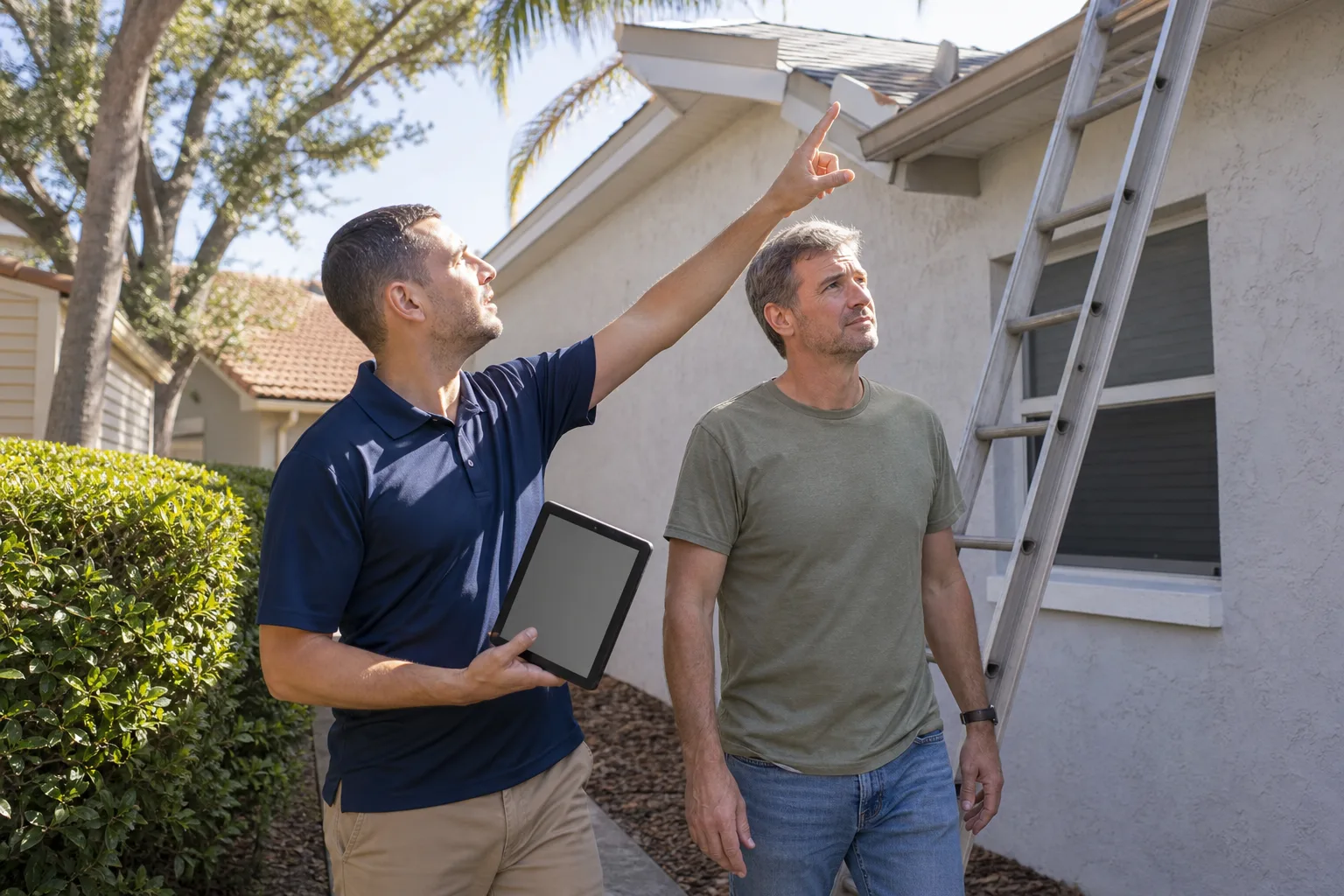
Here’s what good looks like. A contractor answers the phone with a human voice, asks specific questions about your property line and the fence type you want, then schedules a site visit before quoting. They arrive in a marked vehicle, in uniform, and they walk the property line with you. That’s a professional operation. Now here’s what bad looks like:
- They quote over the phone without seeing the property. Fence cost depends heavily on linear footage, terrain, gate count, and where the property line actually sits. No install can be priced honestly without eyes on it.
- They arrive without identification, without a business card, and without a written estimate template.
- They push you to decide on the spot, timeshare-style, with pressure about “this price only holds today.”
- They never put the details in writing before asking for a deposit.
- Their phone rings out or goes to voicemail, every time you call.
We’ve seen this pattern more often than we’d like across Hialeah and the surrounding neighborhoods. A homeowner gets a fast verbal quote, hands over a deposit, and then the contractor ghosts. The problem isn’t the fence. The problem was the hiring process, and nobody taught them how to spot it. One reliable signal: a contractor whose calls are answered by a live person around the clock, 24/7, tends to run a real operation. One who never picks up usually doesn’t.
The Verbal Permit Scam That Runs Rampant in South Florida
This is the single most common fence fraud we hear about in Miami-Dade County. A contractor tells the homeowner, in person or over the phone, that “residential fencing doesn’t require permits in Florida” or “permits are only needed for tall fences” or “the county doesn’t check on this.” Every one of those statements is either wrong or dangerously incomplete.
The truth: most residential fence installations in Hialeah and across Miami-Dade County require a building permit. Fence height, setback from property lines, wind-load ratings, and material types are all regulated. A fence installed without a permit can trigger a code enforcement notice, and the homeowner – not the contractor – carries the violation. If the fence is in a flood zone or falls within a Hamilton or Indian River County setback, additional requirements may apply.
The verbal permit scam works because it saves the contractor money and time. Permits require paperwork, inspections, and follow-up. A contractor who talks you out of one is cutting their own overhead at your risk. Here’s how to protect yourself:
- Ask the contractor directly: “Will you pull a permit for this fence, or is my project exempt?” Get the answer in writing.
- Call the Miami-Dade County building department yourself and verify. It’s a two-minute call.
- Watch for the response. A legitimate contractor pulls the permit and passes the inspection as a normal part of the job. A bad one gets defensive or dismissive when you bring it up.
- Confirm the permit is in your name, not the contractor’s, and that the final inspection is scheduled before the last invoice is paid.
Groundwork Construction Co. of Hialeah pulls permits and passes inspections as a standard step on every fence project. It’s not a premium add-on or an extra fee to negotiate. It’s the baseline of doing the job right, and every project we complete is covered by the 730-Day Done Right Promise – if it’s not done right, we make it right.
The Skipped Utility Locate and the Liability It Creates for You
Every state has a one-call utility locate service. In Florida, it’s Sunshine State One Call, often called 811. Before any digging on a fence line, the contractor is required to submit a locate request so utility companies can mark buried lines – gas, water, electric, irrigation, fiber, cable. The service is free. The request takes minutes. And yet we routinely hear about fence teams digging without it.
Why does this matter beyond the obvious risk of hitting a gas line or cutting a fiber cable? Because liability lands on the homeowner. If a contractor strikes a buried utility line, the utility company and the injured third-party (a neighbor whose cable got cut, for example) can look to the property owner. Your homeowner’s insurance may or may not cover the damage. And if the contractor skips the locate to save time and then disappears after the strike, the bill and the legal exposure stay with you.
Skipping the 811 locate isn’t cutting a corner. It’s transferring risk to the person least able to absorb it. The warning sign is simple: ask the contractor, before they dig, “Have you submitted a Sunshine State One Call ticket, and can I see the confirmation?” A legitimate contractor will hand it over without hesitation. A bad one will tell you it’s not needed, which is your signal to send them home.
What Post-Hole Depth Should Look Like in Hialeah Soil
You don’t need a soil engineering degree to check this. You need to know what a proper hole looks like in Hialeah’s ground and then look at it with your own eyes before concrete goes in. This is one of the few parts of the job you can visually verify mid-project, and it’s exactly the step most homeowners skip because they trust the contractor to know better.
In Hialeah and much of South Florida, we’re dealing with sandy limestone-heavy soil, high water table, and hurricane-season wind loads. A post set too shallow in this ground will lean or fail during a tropical storm. Here’s the baseline for a typical wood or vinyl privacy fence:
- Hole depth: roughly one-third of the post’s above-ground height, plus 6 inches of gravel at the base for drainage. A 6-foot privacy fence usually calls for holes around 3 feet deep.
- Hole width: about three times the post’s diameter, so concrete can lock the post in from all sides.
- Concrete: poured to grade, not partially filled and left short. Fast-setting concrete should set firmly, not crumble after a day.
- Post set time: at least 24 hours before any panels or pickets are hung. If the crew is hanging panels the same day they poured, they’re rushing.
Walk the property line before the pour. Look at the holes. If they’re 18 inches deep for a 6-foot fence in Hialeah, stop the work and ask questions. Our fence technicians have up to 12 years of experience setting posts in South Florida soil, and they know what a post needs to survive a Category 1 storm – let alone a summer thunderstorm with 50 mph gusts. Ask to see the hole depth on any fence install. A contractor who resists the request is telling you something about how they handle the rest of the job.
Quote Red Flags Specific to Fence Jobs
A fence quote is a document. It should be specific enough that a different contractor could build the exact same fence off it. If the quote is vague, the install will be vague too. Here are the specific red flags we look for when reviewing another contractor’s fence proposal:
- Lump-sum pricing with no material spec sheet. A number at the bottom of a page tells you nothing about what materials you’re getting. Ask for a written spec: the fence style, the material thickness or gauge, the post dimensions, and the manufacturer.
- No linear footage breakdown. The line-item quote should show you linear feet of fence, count of posts, count of gates, and a separate line for gate hardware. If it’s all rolled into “fence installation: $X,” they’re hiding the math.
- No gate hardware brands specified. Gate hardware is where cheap fence jobs fail first. Self-closing hinges, latch types, and post caps should be named by brand. Whether the contractor is using brands along the lines of Boral or premium hardware lines, you deserve to know.
- No mention of disposal and cleanup. If the quote doesn’t say old fence removal and haul-away are included, you’ll be paying for it later – or staring at a pile in the yard.
- No permit line item. Legitimate quotes include permit fees or explicitly state they’re covered. A quote that pretends permits don’t exist is a quote from a contractor who won’t pull them.
- No warranty terms in writing. A warranty that lives in the contractor’s memory is no warranty at all.
Spring for the version with line items. No-hassle upfront pricing means the number you see is the number you pay, with all the specifics on the page you’re signing. We also include the promotional pricing openly – $1,000 off projects over $10,000 and 0% financing for 18 months – because transparent pricing builds trust that vagueness can’t.
What a Real Fence Warranty Includes vs. Empty Promises
“We’ll come back and fix it if there’s a problem” is the sentence every bad contractor uses at the end of a sales pitch. It means nothing legally. It’s not a warranty. It’s a hope. A real workmanship warranty is a written document with specific terms, a defined duration, and clear coverage.
Here’s what a real fence warranty should include:
- A stated duration in writing. “The workmanship is warranted for [X] years from the date of completion” – something specific, signed by the company.
- Clearly defined coverage. Which items are covered (post settling, panel failure at the joints, hardware malfunction, gate alignment)? Which items are excluded (acts of God, damage from vehicles, normal weathering of wood)?
- A manufacturer’s material warranty, passed through separately. Vinyl, aluminum, and metal fence materials come with their own warranties from the manufacturer. The installer should hand those documents to you at completion.
- A clear process for making a claim. How do you report a problem, and what’s the response commitment?
- No vague conditional phrases. “If we feel it’s within reason” is a red flag. A real warranty doesn’t hedge.
The strongest warranties in the residential construction space run 730 days or longer, and they’re backed by a company with a live person answering the phone around the clock. Groundwork’s 730-Day Done Right Promise covers workmanship across every project, fences included. If something’s not right within that window, we make it right. Ask every contractor you interview what their written warranty says, then compare the actual language.
Materials and Brand Signals Worth Reading Carefully
What fence material a contractor proposes and how they talk about it tells you a lot about how they operate. Vague material descriptions (“standard vinyl,” “good quality wood”) are a warning sign. A serious fence contractor names the material lines because they’ve vetted them for South Florida conditions and they can stand behind them.
For Hialeah and Miami-Dade, the material questions that matter most are:
- Wind load rating. Florida Building Code has specific requirements for fence wind load. Ask whether the proposed fence meets the requirements for your zip code’s design wind speed.
- UV resistance. Vinyl and composite fence materials degrade under South Florida sun. Ask which UV-stabilized brands they use – CGI and CWS materials, or similar quality lines, are engineered for this climate.
- Post and rail gauge. Aluminum fence quality lives in the wall thickness of the posts. Cheap installers use thin-wall posts that bend under a child pushing off them.
- Gate hardware manufacturer. This is where cheap fences fail. The gate is the moving part. Self-closing hinges and gate latches should be named in the quote.
Premium brand partnerships – whether the fence is wood, vinyl, aluminum, or composite, and whether the doors on the house match in quality – are worth asking about because they signal vetted supply chains. Groundwork partners with brands including PGT and CGI because we can stand behind those materials across the long horizon of the guarantee.
When you’re comparing fence choices, it also helps to know what’s happening nearby. If you’re thinking about pairing a new fence with a driveway refresh, our work on Driveway & Pavers in Hialeah follows the same material vetting standard, and the two projects together often make better financial sense before permit negotiations begin.
Common Mistakes to Avoid
- Hiring the lowest bidder without checking what’s missing. The lowest bid is almost always missing something – permit, disposal, gate hardware quality, or post depth. Compare the actual line items, not the bottom line.
- Paying a large deposit before anything is in writing. Deposits are standard; deposits before a signed contract with material specs and permit terms are not. In Hialeah, we’ve seen homeowners hand over cash for a fence that was never ordered.
- Skipping the permit because the contractor says it’s not needed. Miami-Dade County requires permits for most residential fences. The violation lands on you, not the contractor, and code enforcement can require removal of a non-permitted fence at your cost.
- Not walking the property line during the dig. Fifteen minutes spent checking hole depth before the pour can save a full replacement two hurricane seasons later.
- Accepting a verbal warranty. If the warranty isn’t in writing with a specific duration, it doesn’t exist. Get it on the invoice or in the contract.
- Ignoring the material spec sheet because it’s “technical.” The spec sheet is where cheap materials hide. Ask what each line means if it’s not clear.
- Choosing a fence style based on looks alone. A privacy height fence may not be permitted in a flood zone or on a corner lot in Hialeah. Check setback requirements with the county before falling in love with a design.
When to Call a Professional
Some fence repairs are manageable as a weekend project: a loose picket, a gate hinge that needs tightening, a section of rail that needs re-securing. But there are clear scenarios where a professional is the right call, and continuing to patch a failing fence costs more than replacing it. Call a professional if the fence is leaning at the posts (which means the footings have failed and patching won’t fix it), if you’re within 30 feet of an overhead power line and considering a metal fence, if the property line is disputed with a neighbor, if the project touches any buried utility you can’t identify, or if the fence is on a slope or in a flood zone where the footing engineering gets complicated.
For property line work in Hialeah, the stakes go up further, because a fence built on the wrong line can trigger a survey dispute that costs more than the fence. Groundwork Construction Co. of Hialeah offers free estimates in Hialeah with a project design consult – call (888) 418-7102 and we’ll walk the property, verify the linear footage, and quote the work in writing. Every project is covered by the 730-Day Done Right Promise and every technician is background-checked and arrives in uniform. If you’re also considering additions or a Home Additions & ADU in Hialeah project that would change how the fence line interacts with the house, we can coordinate both in one plan.
Frequently Asked Questions
Fence installation in Hialeah typically runs $28 to $65 per linear foot depending on material, height, and gate count, with most residential privacy fence projects landing in the $3,200 to $7,500 range before permit fees. Wood privacy fences run on the lower end and aluminum or premium vinyl on the higher end. Call (888) 418-7102 for an exact quote on your property – estimates are free and include a site visit, not a phone guess.
In most cases, yes. Miami-Dade County requires a building permit for most residential fence installations, and the requirement applies to wood, vinyl, aluminum, and composite fences alike. Height and setback rules also apply. Be skeptical of any contractor who tells you a verbal “you don’t need a permit” applies to your project – get it in writing or call the county yourself to verify.
If the contractor skipped the Sunshine State One Call 811 locate, liability can fall on you as the property owner, not just the contractor. Utility companies and damaged third parties can pursue the homeowner, and your insurance may not cover the strike. Insist on a locate ticket before any digging begins, and don’t accept “we know where the lines are” as a substitute.
For a 6-foot privacy fence in Hialeah, plan on holes around 3 feet deep and roughly three times the post diameter wide, with 6 inches of gravel at the base and concrete poured to grade. That’s the minimum for sandy limestone-heavy South Florida soil under hurricane-season wind loads. Anything shallower is a fence that will lean within a couple of years, especially after a wet summer.
It shouldn’t, if the quote was built from a site visit with line items for linear footage, post count, gates, hardware, permits, and disposal. Vague lump-sum quotes are where surprise costs come from. With no-hassle upfront pricing, the number you see is the number you pay – no change orders mid-job unless you request a scope change in writing.
Most residential fence installs take one to three days of active work, plus permit review time from Miami-Dade County, which often runs several business days to a few weeks depending on the permit backlog. Post concrete needs 24 hours to set before panels go up, so even a one-day install schedule includes a set period. Get the permit timeline in writing before signing.
For anyone who wants the broader context of how fence installation fits into a full property plan, our Fence Installation in Hialeah page covers styles, wind-load options, and material choices in more detail. And if you’re early in the process, the Groundwork Construction Co. of Hialeah home page shows the full range of services and the brand partnerships that back them.
The Bottom Line
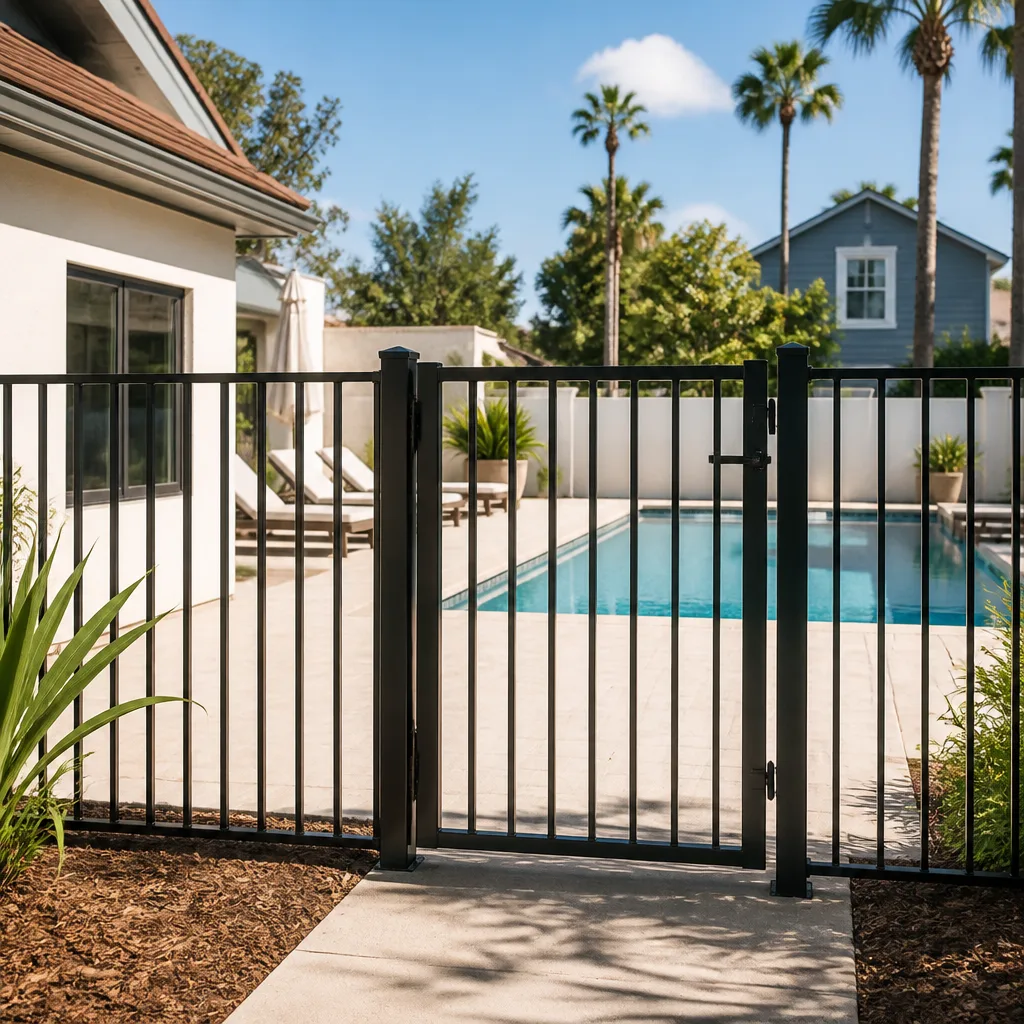
A fence that fails wasn’t installed badly on day one. It was hired badly on day zero. Every red flag in this guide shows up before work begins: the contractor who won’t answer the phone, the verbal permit scam that leaves the violation on your record, the skipped 811 utility locate that transfers liability to you, the quote with no material spec sheet, the verbal warranty that means nothing legally. Screen for those four things – permit, locate, written quote, written warranty – and you eliminate most of the risk before signing anything. Everything past that is material preference and design taste. Hialeah homeowners who run a real screening process rarely end up calling us to fix someone else’s fence. If you want a free estimate with a site visit, a written quote, and the 730-Day Done Right Promise behind the work, call us at (888) 418-7102. Live person, 24/7, no voicemail. We’ll walk the property line with you and get the math on paper before you commit to anything.
Written by the team at Groundwork Construction Co. of Hialeah.
See the difference
 Before
 After
 Before
 After
 Before
 After