Last updated November 18, 2026
Free written scope consultation - allowances, timeline, and change-order rules on paper before a single trade is scheduled
DIY vs Professional Bathroom Remodeling: What’s Safe to Do Yourself
A YouTube tutorial can teach you to tile a backsplash. It can’t teach you that one missed waterproofing layer behind that tile will rot your subfloor in 18 months without a single visible warning sign. That’s the gap most DIY guides skip right over. The real question in bathroom remodeling isn’t whether you’re handy enough to swing a hammer or run a tile saw. It’s whether the task in front of you has consequences you can’t undo if something goes wrong. This guide draws a hard line between the cosmetic work any capable Hialeah homeowner can handle and the structural, waterproofing, and permit-triggering work that creates hidden liabilities when done without a license. You’ll learn what’s genuinely safe, what isn’t, and how to hire out the rest without getting burned.
Quick Answer
Painting, swapping fixtures and hardware, hanging mirrors and accessories, and installing a new vanity top on existing plumbing are safe DIY territory for most homeowners. Plumbing rough-in, waterproofing membrane installation, and any electrical work near wet zones are not: in Florida, those tasks require a licensed contractor by law, and a mistake in any of them can cost thousands in hidden water damage or fail a code inspection. Everything in between calls for judgment, and this guide helps you make that call.
Styles & brands we work with
- Kitchen remodeling
- Bathroom remodeling
- Home additions & ADU
- Roofing
- Windows & doors
- Driveway & pavers
- Fence
Table of Contents
- The Real Question: Consequences You Can’t Reverse
- What’s Genuinely Safe to Do Yourself
- Florida Permit Triggers Homeowners Don’t Know About
- Why Rough-In, Waterproofing, and Wet-Zone Electrical Are Professional Territory
- The Cost Math of DIY Bathroom Mistakes
- How Hialeah’s Climate and Housing Stock Change the Math
- How to Vet a Contractor Before Demo Day
- A Quick Risk Table: DIY vs Hire Out
The Real Question: Consequences You Can’t Reverse
Most homeowners decide DIY versus professional by asking “am I capable?” That’s the wrong test. The right test is “if I get this wrong, can I see it and fix it before real damage happens?” A paint job that looks uneven can be repainted on a Saturday. A plumbing rough-in that leaks behind a wall can run for months before you notice soft drywall, rusted fasteners, or that faint musty smell near the baseboard. By then you’ve got a repair bill measured in thousands, not hundreds.
In our experience across Hialeah bathroom projects, the failures we see most often aren’t dramatic. They’re quiet. A shower pan that was built without a pre-slope holds water under the tile. A toilet flange set too high slowly weeps into the subfloor every time someone flushes. An exhaust fan wired to the wrong circuit runs intermittently for years, feeding moisture into a wall cavity that never gets a chance to dry. None of these look like problems on day one. They look like problems on day 400.
That’s why this guide groups tasks by reversibility rather than by skill level. Some jobs are hard but reversible. Some are easy but catastrophic. And in a Hialeah home, the humid subtropical climate (long steamy summers, hurricanes, year-round humidity that rarely dips below 60%) turns any small water intrusion into a growing problem faster than it would in a dry market. We’ll come back to that.
Here’s the mental filter we recommend before you pick up a tool:
- Is it cosmetic? (Paint, caulk, hardware, accessories.) Generally safe DIY.
- Does it touch the waterproofing envelope? (Membranes, shower pans, tile in wet zones.) Leave it to a pro.
- Does it move water, waste, or electricity? (Plumbing rough-in, drain changes, GFCI, exhaust fan wiring.) Florida law answers this one for you: licensed contractor.
- Does it change the structure or footprint? (Moving walls, adding a shower, relocating a toilet.) Professional territory, plus permits.
- Can you see the result? If the work will be sealed behind tile, drywall, or a cabinet, the risk of a hidden failure goes up sharply.
Keep that filter in mind. The rest of this guide walks through each category in detail.
What’s Genuinely Safe to Do Yourself
We’re not here to talk you out of every tool in the garage. A lot of bathroom work is safe, saves real money, and produces a result you’ll be proud of. Here’s the list we hand to Hialeah homeowners who want to handle part of the project themselves.
Painting, Caulking, and Surface Prep
Bathroom paint is the highest-value DIY task in the room. Use a moisture-resistant paint rated for bathrooms (satin or semi-gloss finish), prime properly over patched drywall, and you’ll get a durable finish that holds up to steam. Skip the urge to paint over mold or peeling caulk. Strip, clean, dry, then reapply with a mold-resistant silicone caulk designed for wet areas. This is the one task where a homeowner’s finish can look as clean as a pro’s.
Hardware and Fixture Swaps (Within Limits)
Towel bars, robe hooks, toilet paper holders, cabinet pulls, drawer knobs, and showerhead swaps (sealed at the wall connection, no plumbing opened) are all fair game. So is replacing a standard vanity light fixture if the circuit is turned off at the breaker, the wiring is already in place, and you’re swapping like-for-like. Anything that means opening a wall or adding a new circuit goes to a licensed electrician.
Mirror and Accessory Installation
Hanging a new vanity mirror, floating shelves, or a medicine cabinet that mounts to existing framing with no electrical connection is straightforward. The one caution: renters and new-build Hialeah homeowners should use a stud finder. Hialeah’s older homes (especially 1950s – 1970s construction around neighborhoods like Hialeah Heights and Palm Springs) sometimes have plaster-and-lath walls that don’t hold anchors the way modern drywall does. When in doubt, drill a small pilot hole and check what’s behind it before committing.
Vanity Top Swap on Existing Plumbing
If you’re keeping the same vanity cabinet and the plumbing stub-outs are in the same spot, swapping the top is a reasonable DIY job for a confident homeowner: shut off the water, disconnect the supply lines, unbolt the old top, set the new one with a fresh bead of silicone at the wall, reconnect. If the new top requires any change to the drain or supply line locations, stop and call a licensed plumber. That’s where DIY vanities go wrong.
Where DIY Should Stop
Here’s the honest line: DIY stops at the waterproofing membrane, the plumbing rough-in, and any electrical work in a wet zone. Those three categories account for almost every “I wish I’d hired someone” call we get in Hialeah. Painting and hardware are forgiving. Waterproofing and rough-in are not.
Florida Permit Triggers Homeowners Don’t Know About
This is the section most DIY guides leave out, and it’s the one that matters most in Hialeah. Florida’s building code is not just a set of best practices. It’s law, and in many cases it requires a licensed contractor to do the work, not just a homeowner with a permit. Knowing the triggers keeps you out of the “unpermitted work” trap that can derail a future sale, refinance, or insurance claim.
Here are the bathroom-related tasks that typically require a permit and, in many cases, a licensed contractor in Hialeah and across Miami-Dade County:
- Relocating or adding plumbing fixtures. Moving a toilet, sink, or shower drain requires a plumbing permit. A licensed plumber must pull it.
- Adding a new bathroom or expanding an existing one. New bathroom = new plumbing, new electrical, new ventilation. Full permit set, licensed trades across the board.
- Electrical work in wet zones. Adding a new circuit, moving an exhaust fan, adding GFCI protection to a shower area: licensing required, permit required in most cases.
- Moving or removing walls. Any wall change opens the door to structural review. That’s a licensed contractor and an inspector, not a homeowner project.
- Shower pan replacement or re-tiling in a shower. Florida treats the shower pan as part of the waterproofing envelope. Many jurisdictions require a permit for the pan rebuild plus inspection of the pre-slope before tile goes down.
- Window or exterior door changes in a bathroom. Exterior openings get hurricane-rated product scrutiny in Miami-Dade, plus a permit. This is not a Saturday afternoon job.
The good news: cosmetic work (paint, hardware, tile over an existing intact substrate, accessory installs) generally does not require a permit. The line is whether the work touches plumbing, electrical, structure, or the waterproofing envelope. If it touches any of those, pull the permit and use a licensed contractor. If you’d like a longer look at how we handle permitted structural work in Hialeah, our Home Additions & ADU in Hialeah page walks through the permit process we follow.
Why Rough-In, Waterproofing, and Wet-Zone Electrical Are Professional Territory
Let’s get specific about the three categories we just flagged, because “hire a pro” alone is lazy advice. Here’s what actually goes wrong.
Plumbing Rough-In
Every drain needs a specific slope (typically a quarter inch per foot for a 2-inch line). Every vent needs to be positioned correctly or the trap will gurgle and sewer gas will find its way in. Every toilet flange needs to sit at the finished floor height or the wax seal will fail within a year. These aren’t hard concepts, but getting them wrong isn’t a cosmetic problem: it’s a leak behind the tile that rots the subfloor before you notice. A licensed plumber handles the rough-in, and the inspector verifies the slope and venting before the wall closes. That inspection is worth more than the plumbing itself.
Waterproofing Membrane Installation
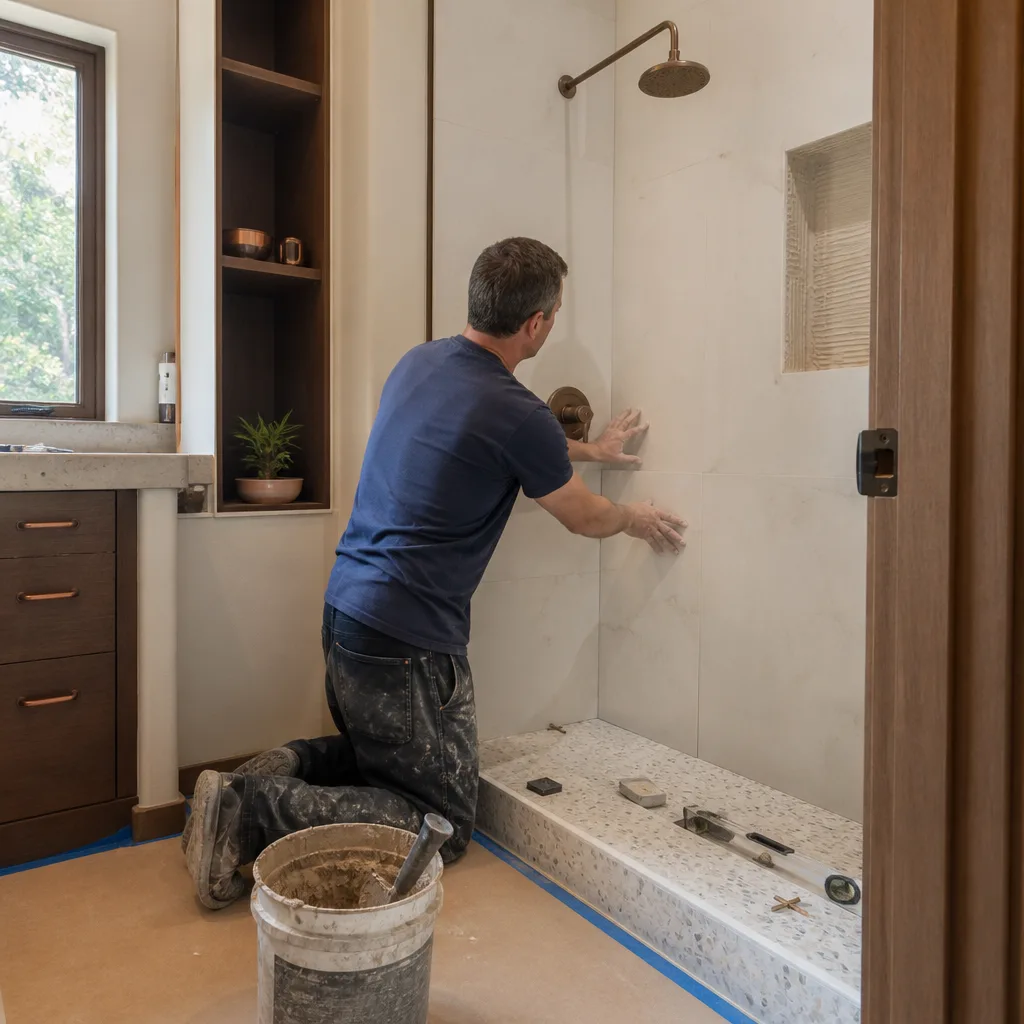
This is the one we see go wrong most often in Hialeah DIY bathrooms. The waterproofing membrane (whether it’s a liquid-applied system or a sheet membrane like Schluter-Kerdi) is a continuous layer that keeps water out of the framing and subfloor. It has to be installed without gaps, without laps that run the wrong direction, and with a pre-sloped pan under the shower floor. A missed corner, a pinhole, or a nail poke that goes unsealed will let water into the cavity behind the tile, and you will not see it until the subfloor softens or the drywall in the adjacent room gets a wet spot. By then you’re tearing out the shower you just paid to build.
When we rebuild a shower in Hialeah, about 40% of the labor is waterproofing prep that nobody ever sees. That’s the part DIY skips.
Wet-Zone Electrical
Bathroom electrical is designed around safety: GFCIs protect you from shock near water; exhaust fans run on circuits and timers sized for the fan’s load; lighting in shower areas has to be rated for damp or wet locations. Getting any of these wrong is a shock risk, a fire risk, or a mold problem. It’s also license territory in Florida. This is the clearest-cut “do not DIY” category on the page: if it involves the panel, a wire nut, or a new circuit, it’s an electrician’s job, full stop.
The Cost Math of DIY Bathroom Mistakes
DIY looks cheap on paper. Then a homeowner finds the first sign of damage and realizes the savings just got eaten. Here’s how the math shakes out for common bathroom mistakes in the Hialeah market. Prices are typical local ranges we see, not quotes.
| DIY Mistake | Typical DIY Cost to Fix | Typical Consequence |
|---|---|---|
| Failed shower pan waterproofing (missed pre-slope or gaps) | $3,500 – $7,500 | Full tear-out and rebuild of shower, replacement of soft subfloor, drywall repair in adjacent rooms |
| Wrong toilet flange height or bad wax seal | $600 – $1,800 | Subfloor rot, sometimes minor framing repair, plus the cost of a new flange and toilet reset |
| Vanity cabinet left disconnected after a supply line swap | $400 – $900 | Water damage under the vanity, warped toe kick, mold cleanup |
| Exhaust fan wired to wrong circuit (runs intermittently) | $1,200 – $3,000 | Chronic humidity, mold growth on ceiling and walls, repaint and remediation |
| Tile set over damp or unprimed substrate | $800 – $2,000 | Tile popping, hollow spots, re-tiling over the affected area |
| Unpermitted plumbing changes found during sale or refinance | $1,500 – $5,000+ | Retroactive permits, rework to code, delayed closing, or lost buyer |
The pattern is consistent: the smaller the DIY mistake, the cheaper it is to fix. The bigger the mistake (especially anything behind tile or under the floor), the more it costs, and the more of your original work you have to undo. We’ve watched Hialeah homeowners spend $900 on materials to save $2,500 in labor, then pay $5,000 to fix what went wrong. That’s not a knock on DIY. It’s a reminder that the ceiling matters.
For a sense of what a full-scope bathroom remodel costs when it’s done once and backed in writing, our Groundwork Construction Co. of Hialeah home page has the pricing context you’ll want before you commit either way.
How Hialeah’s Climate and Housing Stock Change the Math
Not every page can say this, so we will: Hialeah is a hard place to gamble on bathroom waterproofing. The same leak that takes two years to reveal itself in Phoenix shows up in a Hialeah wall in six to twelve months because humidity stays high and never gets a chance to dry things out. That humidity means a small mistake compounds faster here than in most of the country.
The housing stock adds a wrinkle. Hialeah’s neighborhoods include mid-century homes (1950s – 1970s construction) alongside newer builds, and they don’t remodel the same way:
- Older Hialeah homes (think Hialeah Heights, Palm Springs, parts of Miami Springs border) often have cast iron or galvanized plumbing that’s past its service life, plaster walls, and framing that’s already been through a few decades of humidity. A “simple” tile swap can turn into a plumbing replacement once you open the wall.
- 1980s – 1990s builds often have copper supply lines and PVC drains that are in good shape, but shower pans from that era were frequently built without a pre-slope. Redoing a shower without rebuilding the pan correctly is a setup for the failure we described above.
- Newer construction has the most forgiving substrate but can come with builder-grade waterproofing that’s fine until it isn’t. Full membrane replacement is worth it during any shower remodel.
Hialeah also sits in Miami-Dade’s High Velocity Hurricane Zone, which means any exterior opening (windows, exterior doors) has to meet product approval and impact standards. A bathroom window swap isn’t a DIY job here, full stop. The same goes for exterior work of any kind: if your bathroom remodel touches an exterior wall, that’s not a weekend task. For adjacent exterior projects that have their own permit requirements, our Fence Installation in Hialeah and Driveway & Pavers in Hialeah pages cover what to expect on those fronts.
The takeaway is that Hialeah’s climate doesn’t just make the bathroom work happen in humidity. It makes every hidden mistake a bigger deal. That’s why the DIY-safe list is shorter here than in a dry climate.
How to Vet a Contractor Before Demo Day
If you’re hiring out any part of the project (and for most homeowners in Hialeah, you should be hiring out at least the plumbing rough-in, waterproofing, and electrical), the quality of the contractor matters more than the quote. Here’s the vetting we recommend before anyone swings a sledgehammer in your bathroom.
- Ask for a license number and verify it. In Florida, use the DBPR license lookup to confirm the contractor’s license is active and matches the type of work being quoted. A general contractor’s license and a plumbing license are different credentials; ask for both if the job spans both.
- Request a certificate of insurance, and call the carrier to confirm it’s current. You want both general liability and workers’ comp. If a worker is hurt in your home and the contractor has no workers’ comp, that’s a problem that lands in your lap.
- Read the written scope of work line by line. It should list every task, every material by brand and model where possible, the demolition plan, the permit responsibility, the payment schedule, and the warranty in writing. A quote that says “bathroom remodel, $18,500” is not a scope. It’s a guess.
- Confirm who pulls the permits. The answer should be the contractor, on their license. If they ask you to pull the permit as the homeowner, that’s a signal they may not be licensed for the work.
- Ask for a written workmanship warranty and read the fine print. You want a warranty that covers the labor, not just the manufacturer’s material warranty. The manufacturer will send you a new faucet. They won’t redo the wall behind it.
- Get the change-order process in writing before you sign. Every project hits surprises (cast iron drain, hidden rot, no shutoff valve). A contractor who tells you up front how change orders get priced and approved is a contractor who won’t surprise you with a bill.
We’d rather every Hialeah homeowner use this list even if they hire someone else. It’s the shortest insurance policy you’ll ever buy.
A Quick Risk Table: DIY vs Hire Out
If you want the whole guide in one glance, here’s the summary.
- Paint the walls and trim: DIY. Low risk, high savings.
- Re-caulk tub, shower, and sink: DIY. Low risk, quick win.
- Swap hardware, faucet, showerhead (no plumbing opened): DIY. Low risk.
- Hang a mirror or accessory on existing framing: DIY. Low risk.
- Swap a vanity top on existing hookups: DIY if confident, otherwise hire out.
- Replace a vanity light fixture, same circuit: DIY if you’re comfortable with the breaker off; otherwise hire a licensed electrician.
- Set tile on intact substrate: Advanced DIY, or hire out. Medium risk if the substrate is sound and the waterproofing is already done.
- Rebuild a shower pan or replace waterproofing: Hire out. High risk, hidden consequences.
- Move or add plumbing fixtures: Hire out. License required in Florida.
- Add or move electrical in wet zones: Hire out. License required in Florida.
- Move or remove walls, change the bathroom footprint: Hire out. Structural and permit territory.
- Change an exterior window or door: Hire out. Miami-Dade HVHZ product approval required.
Brand partnerships matter here too. When we specify a bathroom in Hialeah, we’re usually pulling from a curated list of trusted manufacturers (KraftMaid for cabinetry, Kohler for fixtures, and others) rather than whatever’s in stock at the closest warehouse. Those partnerships are part of how we keep a job on schedule and on budget, and they’re part of why a done-right bathroom stays done right.
Common Mistakes to Avoid
- Treating YouTube as code. A tutorial shows you one house, in one climate, with one set of conditions. Hialeah’s humidity and Miami-Dade’s permit requirements change what “correct” means. Follow the code book, not the comment section.
- Skipping the waterproofing because “it’s behind the tile.” The whole reason waterproofing exists is that it’s behind the tile. A missed corner in a Hialeah shower can drywall you out in the adjacent bedroom within a year.
- Not pulling the permit. Unpermitted plumbing or electrical work becomes a problem at the worst possible time: sale, refinance, or insurance claim. That “small” savings can cost you a closing.
- Hiring the lowest bid without asking for license and insurance. The low bid is often low because the contractor isn’t carrying the overhead of a license, insurance, and workers’ comp. That overhead is your protection.
- Assuming a home warranty or homeowner’s policy covers hidden water damage. Standard policies frequently exclude long-term seepage. Read the exclusions before you start a remodel, not after.
- Buying materials first, scope second. That $1,400 tile bundle can’t be returned once it’s been cut. Get the scope right, then buy materials against the scope.
- Doing the tear-out yourself to “save labor.” Demo is the most dangerous part of a bathroom remodel in a Hialeah home, especially in older builds where the wall behind the tile may hold surprises (old galvanized pipe, hidden mold, or worse). Leave it to the crew that’s insured for it.
See the difference
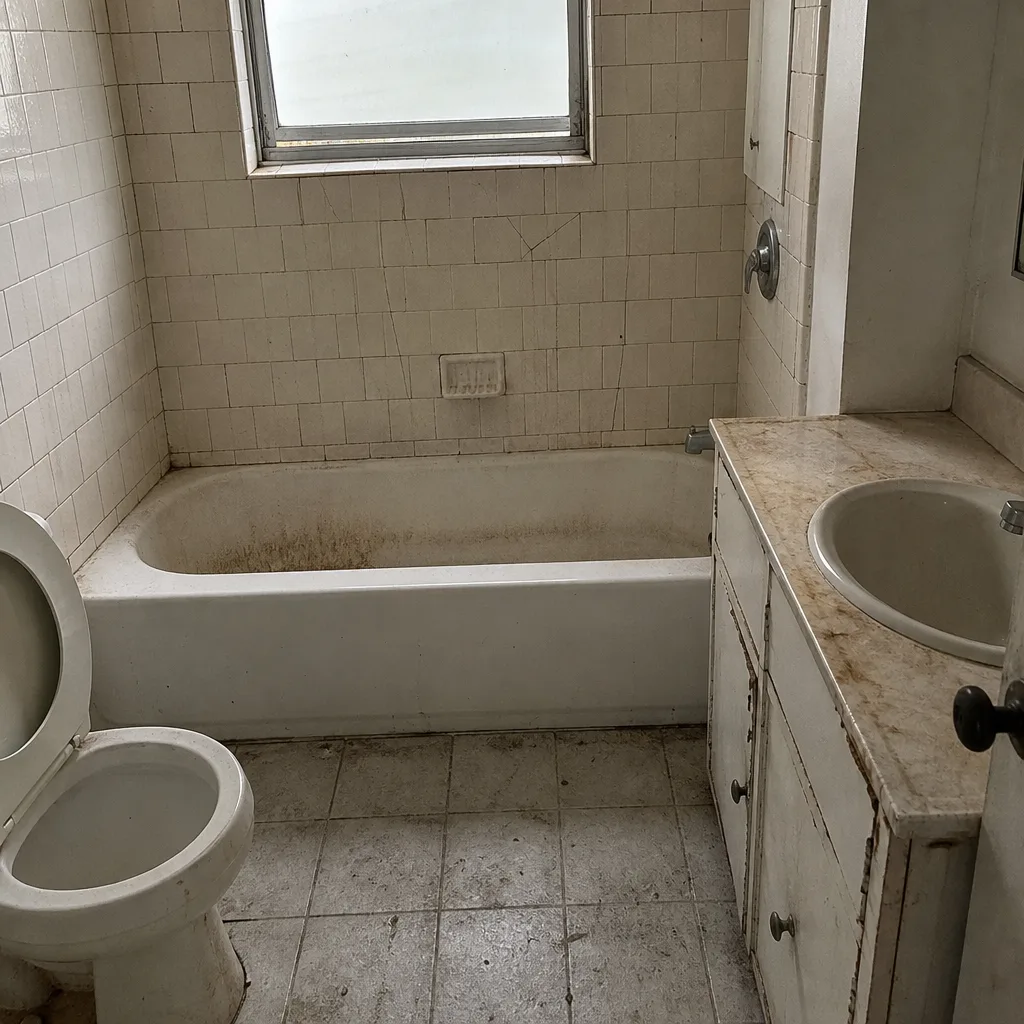 Before
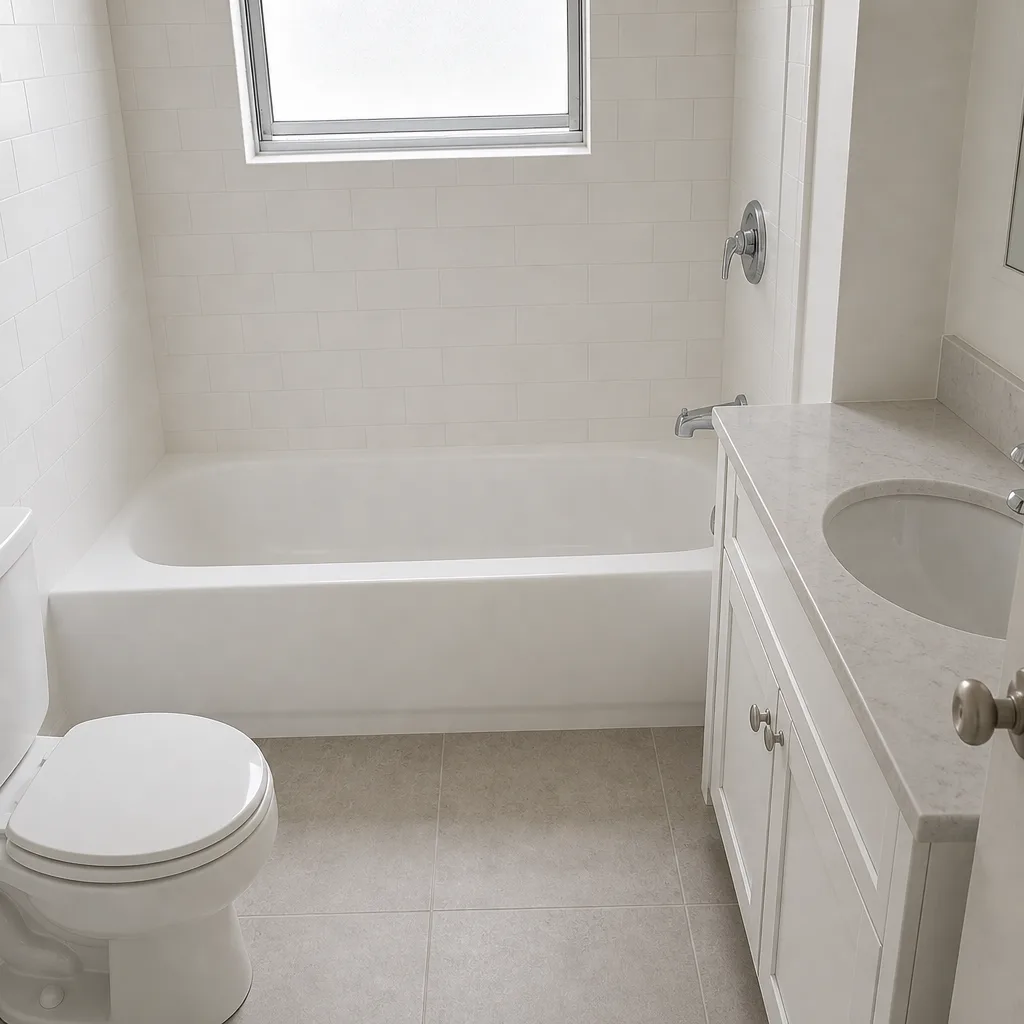 After
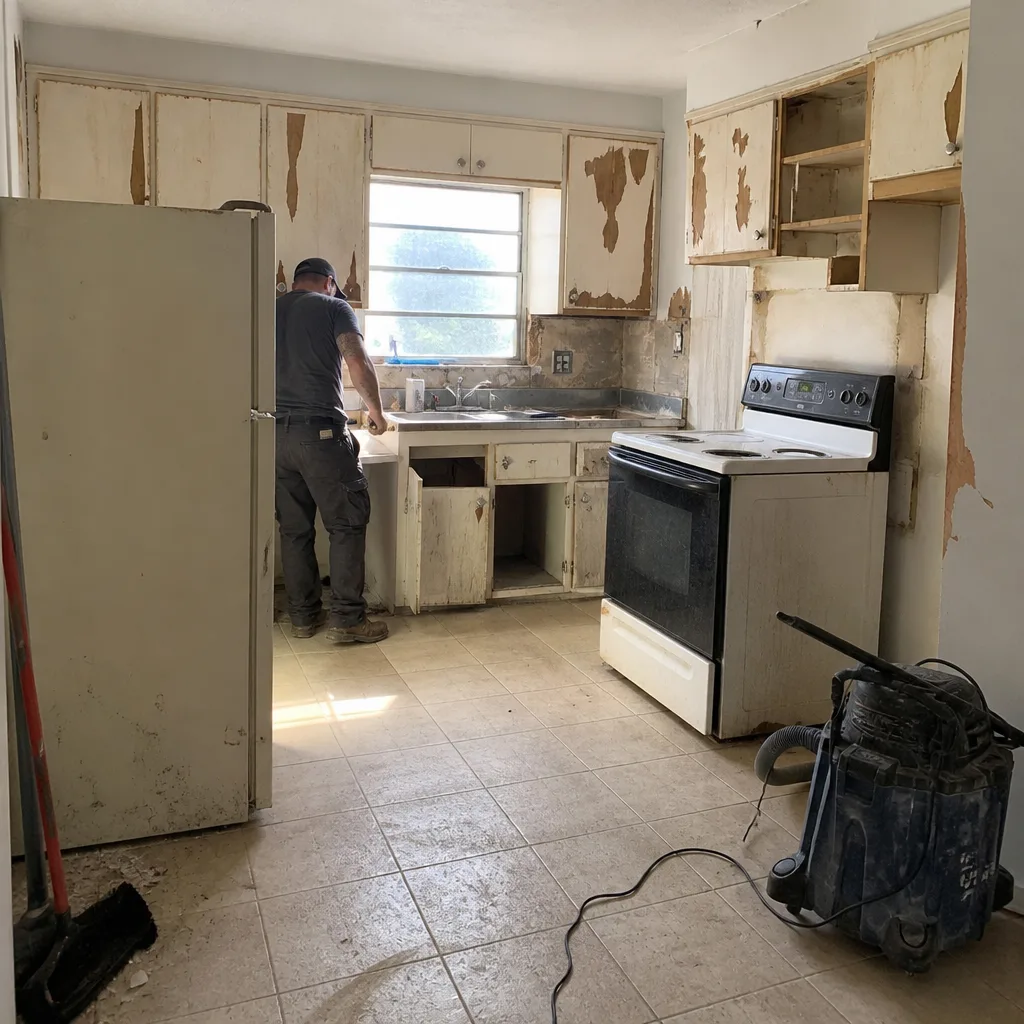 Before
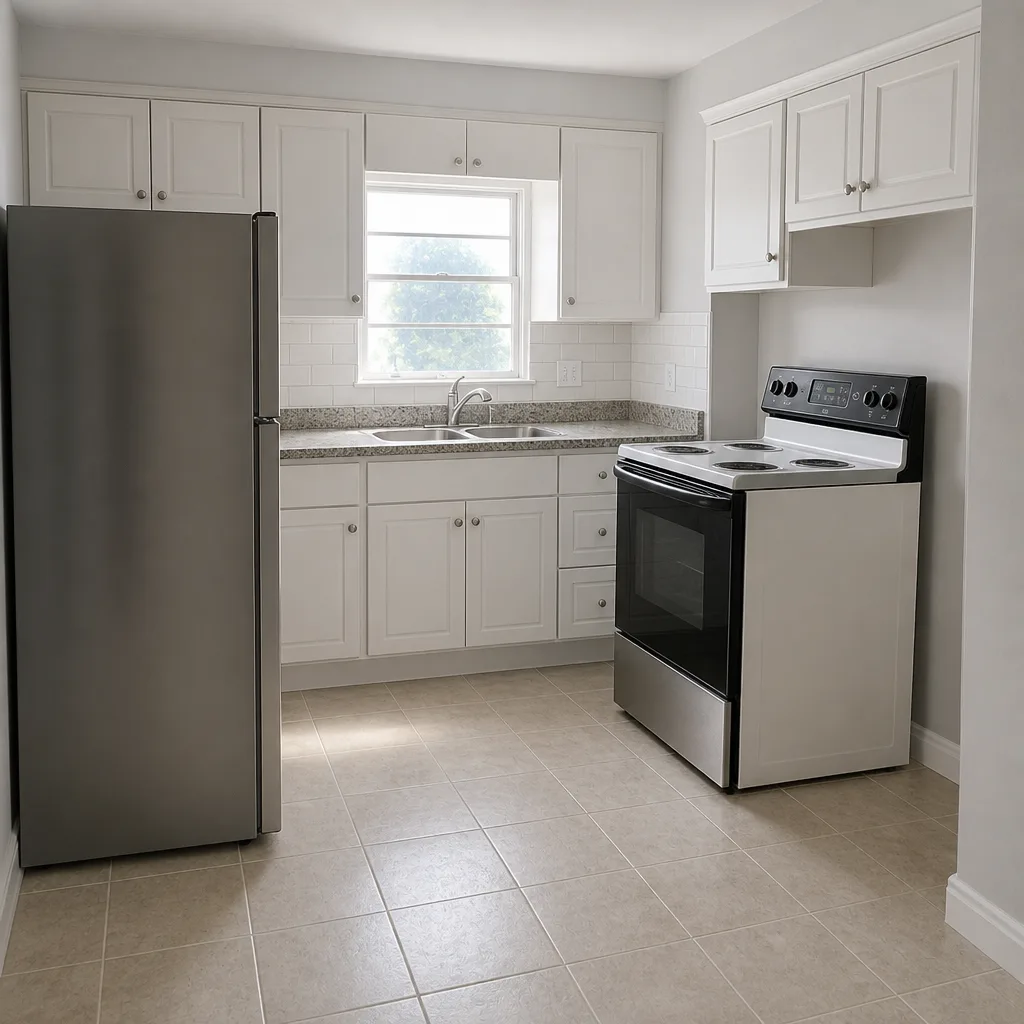 After
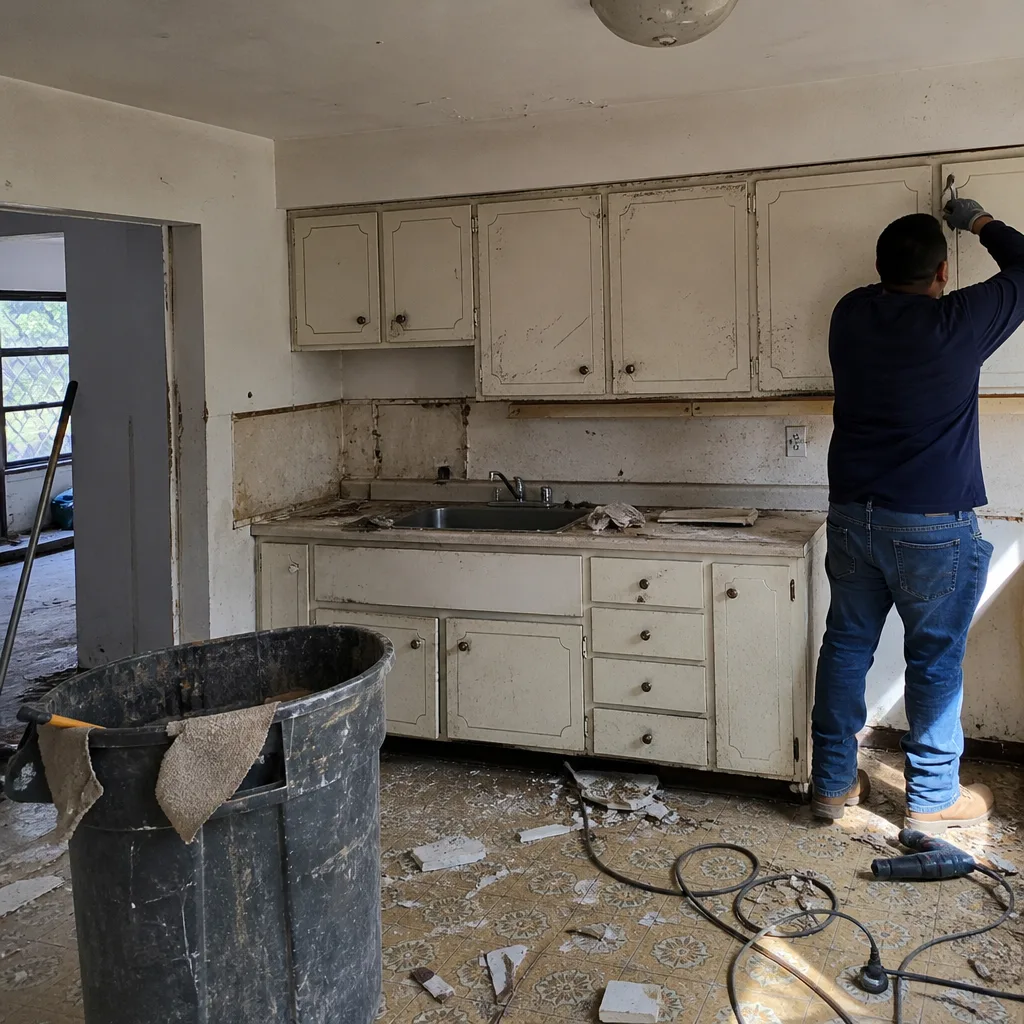 Before
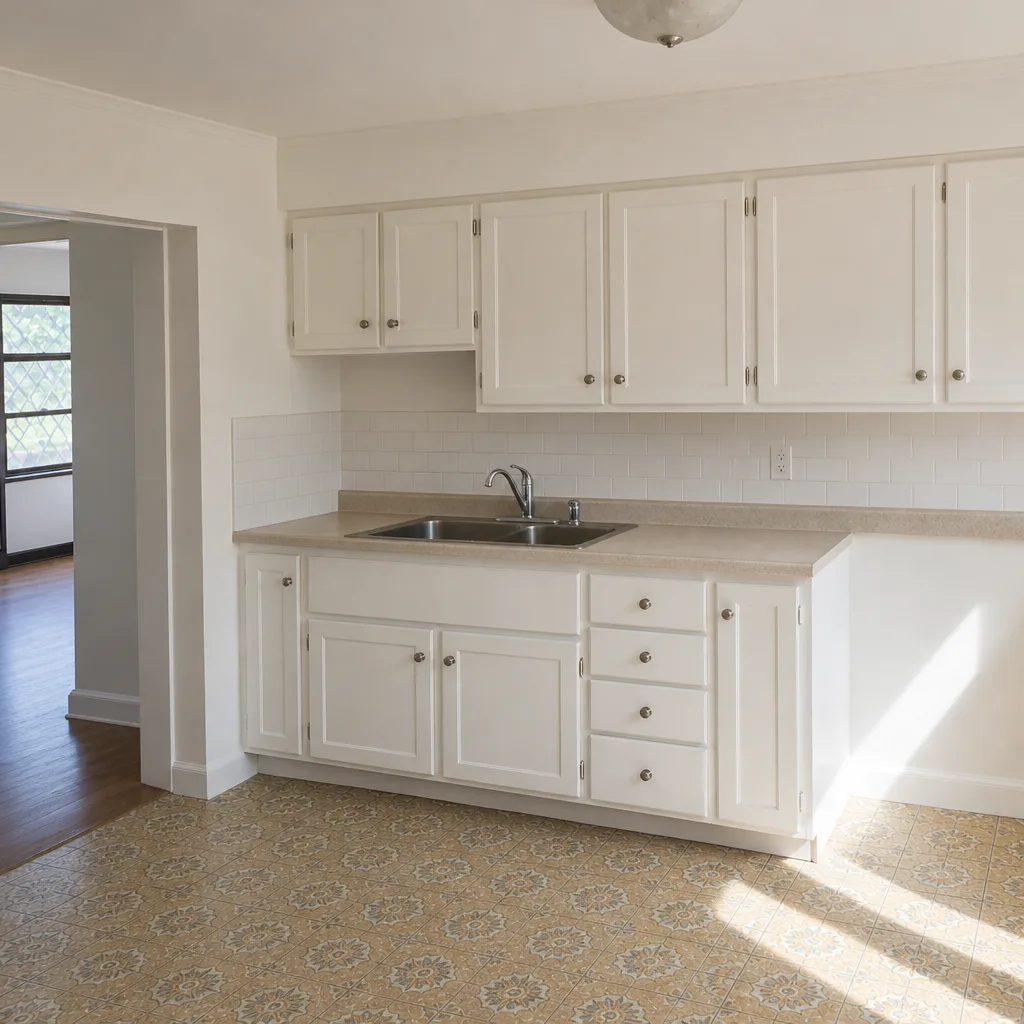 After
When to Call a Professional
Call a licensed professional the moment your project touches the plumbing rough-in, the waterproofing envelope, the electrical panel or any wet-zone circuit, any load-bearing wall, or any exterior opening. In Hialeah that also means any work requiring a Miami-Dade permit and any project in an older home where the wall behind the tile is an unknown. If you’re on the fence, call for a professional assessment before you swing the sledgehammer, not after. A pre-demo walkthrough costs nothing and often saves thousands. Groundwork Construction Co. of Hialeah offers free estimates in Hialeah and serves homeowners across our market. Call (888) 418-7102 to schedule yours. Every quote is written line by line, backed by our 730-Day Done Right Promise, and priced with no surprises.
Frequently Asked Questions
It depends on what “remodel” means for your project. Cosmetic work like paint, hardware, and accessory installs generally does not require a permit. Any change to plumbing, electrical, structure, or the waterproofing envelope does, and those tasks require a licensed contractor to pull the permit. If you’re unsure, call the city’s building department with a one-line description of your project before you start.
Not recommended, and in most of Miami-Dade it’s a permit and inspection item that requires a licensed contractor. The waterproofing membrane is the single most failure-prone part of a bathroom remodel, and a missed corner or gap creates water damage that stays hidden for months. Call (888) 418-7102 to schedule a free estimate and get the waterproofing done right the first time.
Skipping or shortcutting the waterproofing membrane. It’s invisible work behind the tile, so it feels optional, but it’s the layer that protects your subfloor and framing. The second-biggest is failing to pull the permit on plumbing or electrical work, which turns into a problem at sale or refinance. Our technicians have up to 12 years of experience and see this pattern repeatedly in Hialeah.
It ranges from a few hundred for a bad caulk job to $7,500 and up for a failed shower pan that has to be rebuilt. Late-discovered water damage that reaches the subfloor or wall cavity is usually the most expensive scenario, and Hialeah’s humidity speeds up the damage timeline. Call (888) 418-7102 for a free estimate on repairing or rebuilding the work, and we’ll quote the whole scope before we start.
A cosmetic refresh (paint, fixtures, hardware) can finish in a few days. A full bathroom remodel with plumbing and waterproofing work typically runs a few weeks, longer if the project has to wait on permits or material lead times. We build the timeline into the written scope before you sign anything.
Three: an active Florida contractor’s license (verified through DBPR), a current certificate of insurance showing both general liability and workers’ comp (verified by calling the carrier), and a written scope of work with a workmanship warranty attached. If a contractor won’t provide any of the three, don’t let them past the front door.
The Bottom Line
DIY is the right call for painting, caulking, hardware swaps, mirror and accessory installs, and moving a vanity top on existing plumbing. It’s the wrong call for plumbing rough-in, waterproofing, wet-zone electrical, structural work, and anything touching an exterior opening in a Miami-Dade High Velocity Hurricane Zone. Hialeah’s humidity shortens the window between “small mistake” and “expensive damage,” so the line is tighter here than in a lot of the country. If your project crosses into the second list, get a licensed contractor and require the three documents before demo. Groundwork Construction Co. of Hialeah backs its work with the 730-Day Done Right Promise, live-person answer 24/7, upfront pricing, and background-checked, uniformed technicians on every job.
Property owners across Hialeah planning a bathroom remodel and want to know what’s actually required, priced, and permitted before they commit: call Groundwork Construction Co. of Hialeah at (888) 418-7102 for a free project estimate and design consult. We’ll walk through the scope, confirm the permits, and put the price in writing, no surprises. When it’s done right the first time, there’s no cleanup call to make.
Written by the team at Groundwork Construction Co. of Hialeah.