Last updated November 18, 2026
Free written scope consultation - allowances, timeline, and change-order rules on paper before a single trade is scheduled
DIY vs Professional Construction: The Hialeah Homeowner’s Decision Guide
Florida law makes it illegal for a homeowner to pull certain permits and self-perform whole categories of construction work, and the reason isn’t bureaucracy. It’s a legislative record written after Hurricane Andrew tore through South Florida in 1992 and investigators found that failed construction, not just wind, had turned homes into debris. That history matters in Hialeah more than in most cities, because Hialeah’s housing stock is a mix of older masonry homes, dense multifamily blocks, and mid-century additions that code enforcement knows intimately. This guide lays out where DIY actually saves money, where it creates personal legal and insurance exposure, and how to tell the difference before you pick up a hammer.
Quick Answer
In Hialeah, a homeowner can legally handle cosmetic and non-structural work like painting, flooring, cabinet swaps, landscaping, and fence repair on their own property. But structural changes, electrical, plumbing, roofing, gas, and anything requiring a permit must go through a licensed contractor, and skipping that step can void insurance coverage and complicate a future sale. The real decision isn’t skill versus no skill; it’s whether you’re willing to absorb the full risk when something goes wrong.
Styles & brands we work with
- Kitchen remodeling
- Bathroom remodeling
- Home additions & ADU
- Roofing
- Windows & doors
- Driveway & pavers
- Fence
Table of Contents
- What Florida Law Actually Prohibits You From Doing Yourself
- The Real Cost Comparison: DIY “Savings” vs. Loaded Cost
- What Happens to Your Insurance Claim After a Storm
- Where DIY Legitimately Makes Sense in Hialeah
- The Middle Ground Almost Nobody Considers
- How Unpermitted Work Affects Resale in Hialeah
- What the Hialeah Permit Process Looks Like
- Common Mistakes to Avoid
What Florida Law Actually Prohibits You From Doing Yourself
Florida Statute 489.103 sets out the homeowner exemption, and it’s narrower than most people assume. You can perform work on your own single-family residence if you live in it, you secure the permit in your own name, and the work is not for sale or lease. But that exemption doesn’t cover everything. Certain categories are carved out entirely, and the Hialeah Building Department enforces those carve-outs with real inspections, not paperwork theatre.
The categories where you need a licensed contractor regardless of skill level:
- Electrical work beyond swapping a fixture or outlet cover. Panel changes, new circuits, GFCI installations in kitchens and baths, and any wiring tied into the service entrance require a licensed electrical contractor.
- Plumbing beyond a faucet or toilet replacement. Water heater installs, re-piping, sewer line work, and gas line connections are licensed-trade territory. In Hialeah, gas work is regulated at the state level and violation is a criminal matter.
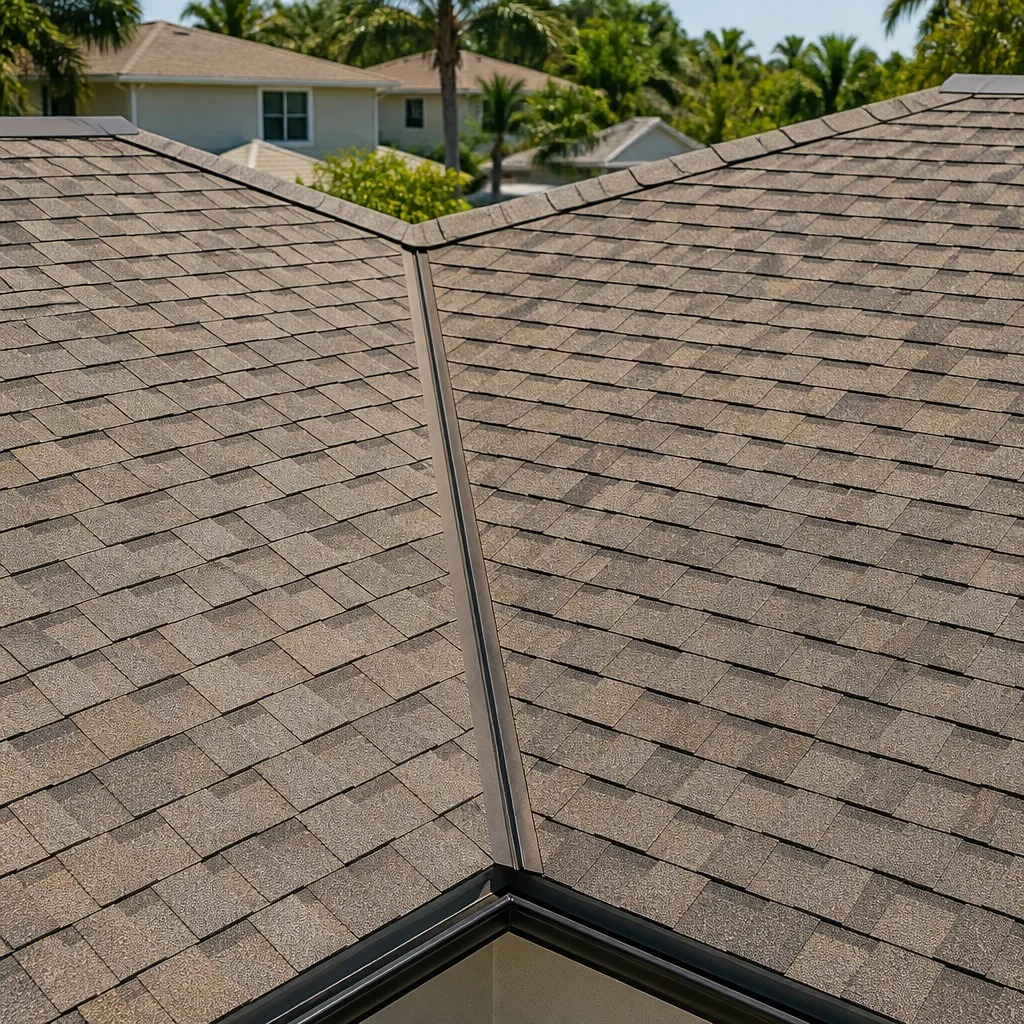
- Roofing. Full roof replacements and structural roof repairs require a licensed roofing contractor in Florida. This is the single largest compliance flashpoint in South Florida.
- Structural modifications. Removing load-bearing walls, adding openings, or altering a foundation footprint requires a licensed general contractor and engineered drawings.
- Anything on a multifamily or rental property. The homeowner exemption applies only to your own primary residence. If you rent out a Hialeah duplex, the exemption doesn’t apply.
Our technicians have up to 12 years of experience navigating these rules, and the pattern is consistent: homeowners who try to work around them end up paying twice. When the Hialeah building inspector red-tags a job mid-project, the fix is almost always to bring in a licensed contractor to correct and close out the permit, usually at a cost higher than the original bid. That said, this is exactly why Groundwork Construction Co. of Hialeah home leads every project with a permit plan, because we’ve seen what happens when a project is designed around shortcuts.
The Real Cost Comparison: DIY “Savings” vs. Loaded Cost
The honest way to compare DIY and professional construction is to build a loaded cost model rather than a sticker-price model. A homeowner looking at a $9,000 professional kitchen cabinet install might see a $4,000 DIY material cost and pocket the difference. But that $5,000 of “savings” almost always shrinks once you load the true cost in. Here’s the framework we walk through with Hialeah homeowners:
- Material cost. DIY buyers pay retail or big-box pricing. Contractors work through trade accounts, which is why projects specified through partners like KraftMaid or Cambria frequently come in closer to your DIY material budget than you’d expect.
- Tool cost or rental. A tile saw, wet vac, air compressor, and nail gun rental for a full bathroom tile job runs $400 to $700 in South Florida. Specialized tools (a plate compactor for pavers, a roofing nailer) add more.
- Permit fees and plan review. In Hialeah, a residential permit for a moderate interior project typically lands in the $300 to $1,200 range depending on scope and valuation, plus plan review. If you self-perform under the homeowner exemption, you still pay these.
- Waste and do-overs. Roughly 15 to 25 percent of DIY materials get destroyed on a first attempt at projects like tile work, drywall finishing, or cabinet layout. Add that to the material cost.
- Time at your own hourly rate. A weekend kitchen paint and cabinet refresh is 20 hours. A bathroom rebuild is 150 to 300 hours for a first-timer. Multiply honestly.
- Insurance and resale drag. Unpermitted work can complicate a claim or a sale, and that cost is real even if it’s deferred.
Add those up and the loaded DIY cost usually lands 60 to 80 percent of a professional bid on the easiest projects, not 40 percent. On anything structural, the loaded DIY cost runs higher than the professional bid once you account for do-overs and time. That’s not a reason to avoid DIY, but it’s the reason to run the math before you commit. Upfront pricing, no surprises, means you know going in what the number looks like on both sides of the ledger.
What Happens to Your Insurance Claim After a Storm
This is where the Hialeah regulatory environment hits hard. After a named storm, insurance adjusters in Miami-Dade County don’t just look at damage; they look at whether the damaged work was permitted. Adjusters pull permit records from the county and city databases as a matter of standard practice, and if the roof that failed in a wind event was self-installed without a permit, the claim can be denied or reduced with the reasoning that the work didn’t meet the applicable code.
What adjusters look for when identifying unpermitted work:
- Missing or mismatched permit records. A roof replacement on a 1985 Hialeah home with no corresponding permit record in the last 20 years is a red flag.
- Construction details inconsistent with the era. Modern hurricane straps on a roof that was supposedly installed in the 1990s stand out instantly on inspection.
- No final inspection sign-off. Permits pulled but never signed off by an inspector are treated differently than fully closed permits, but both complicate a claim.
- Material mismatches. Shingle brands and underlayment types that weren’t available when the homeowner says the job was done.
A denied claim after a storm isn’t an inconvenience. It’s a six-figure loss on a home that just took damage. That’s the risk transfer, and it’s what separates the DIY decision in Hialeah from the same decision in a lower-regulation market. When our team works a roofing project, we pull and close out permits as part of the scope, and that paper trail is one of the things a 730-Day Done Right Promise actually protects. Built to last, backed in writing, includes the inspection record.
Where DIY Legitimately Makes Sense in Hialeah
None of this is a pitch for hiring a contractor for every screw. There are real, substantial projects in Hialeah where a careful homeowner saves meaningful money with low risk and no permit complications. We tell homeowners to go ahead on these when they’re up for it.
- Interior painting. Walls, ceilings, trim, and doors. No permit, minimal structural risk, and the material cost is a fraction of professional pricing.
- Landscaping and sod. Sod installation, plant beds, and lawn lighting (low-voltage only) are all homeowner-friendly.
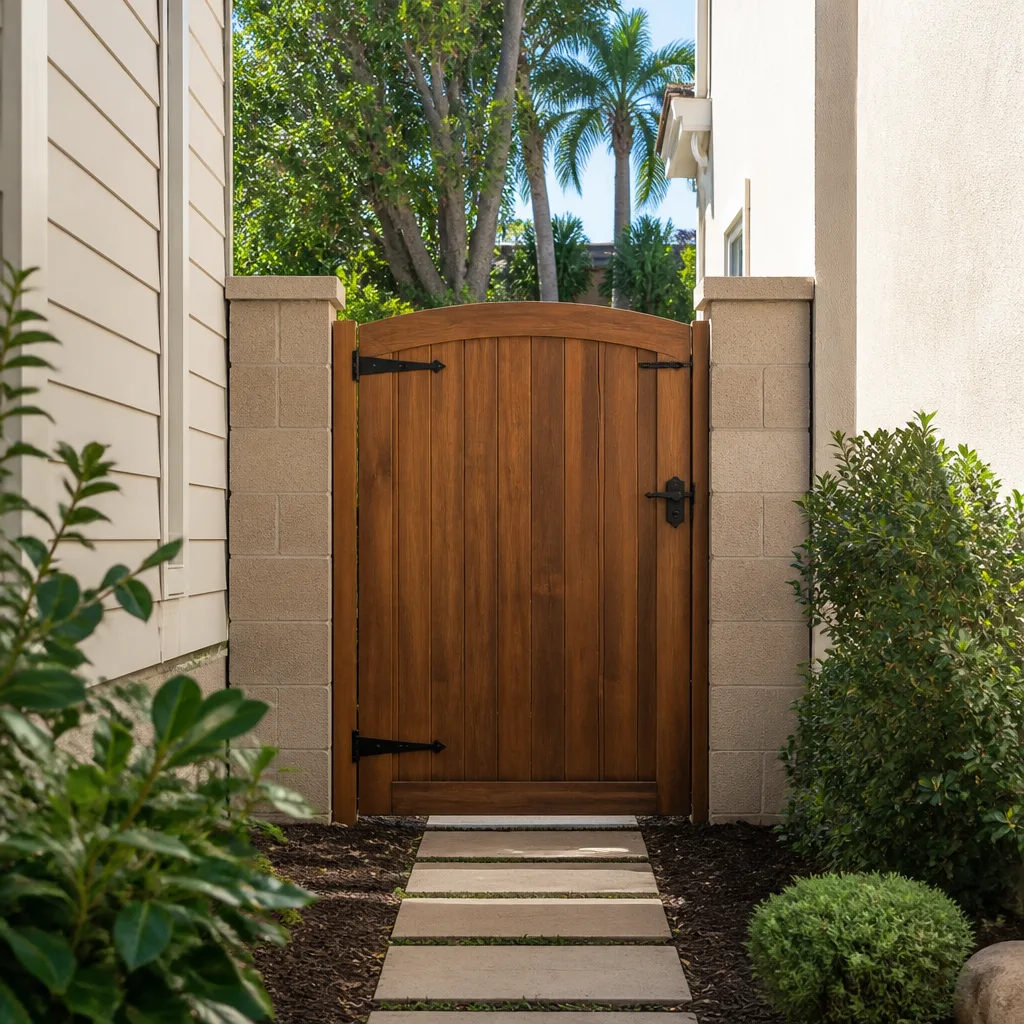
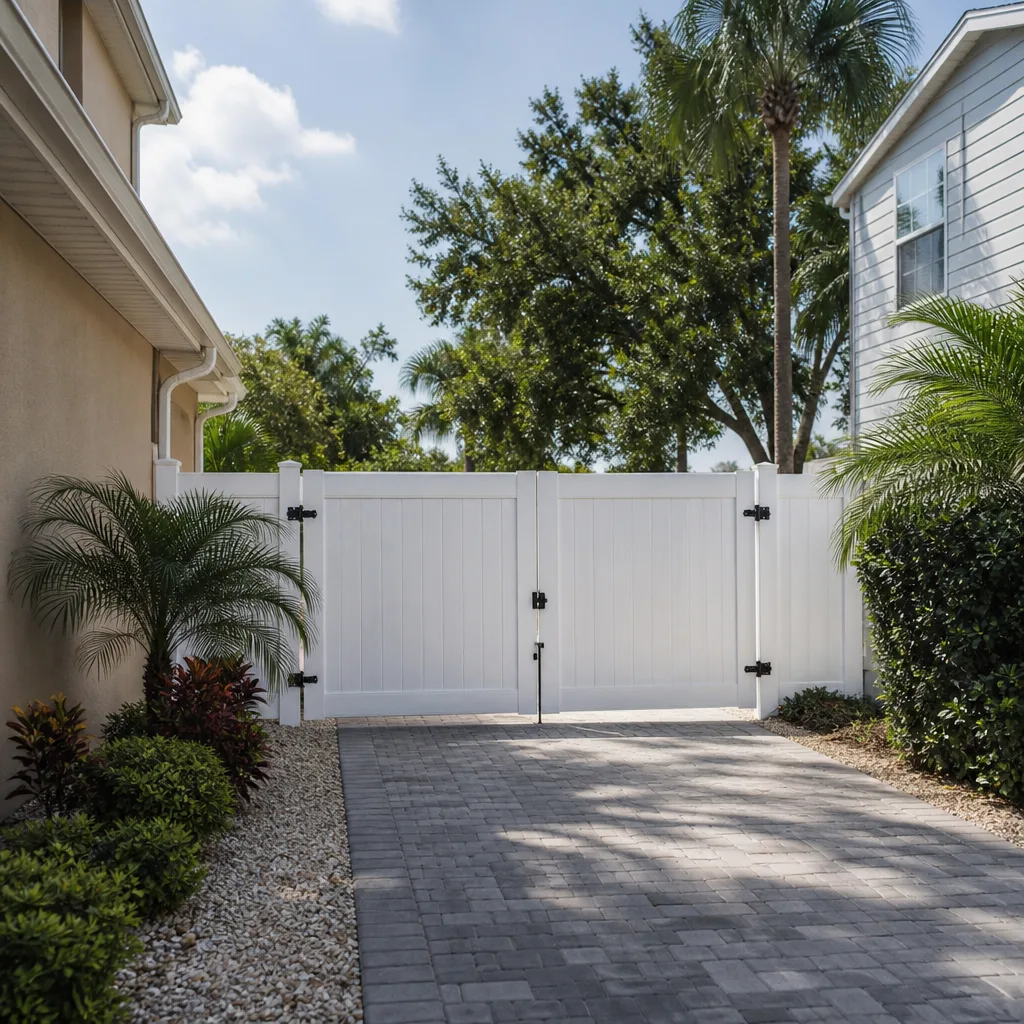
- Fence repair and repainting. Replacing pickets or repairing a gate on an existing permitted fence is minor work. A new fence installation with footings and a permit is a different category, and that’s a place where Fence Installation in Hialeah pays for itself in durability and code compliance.
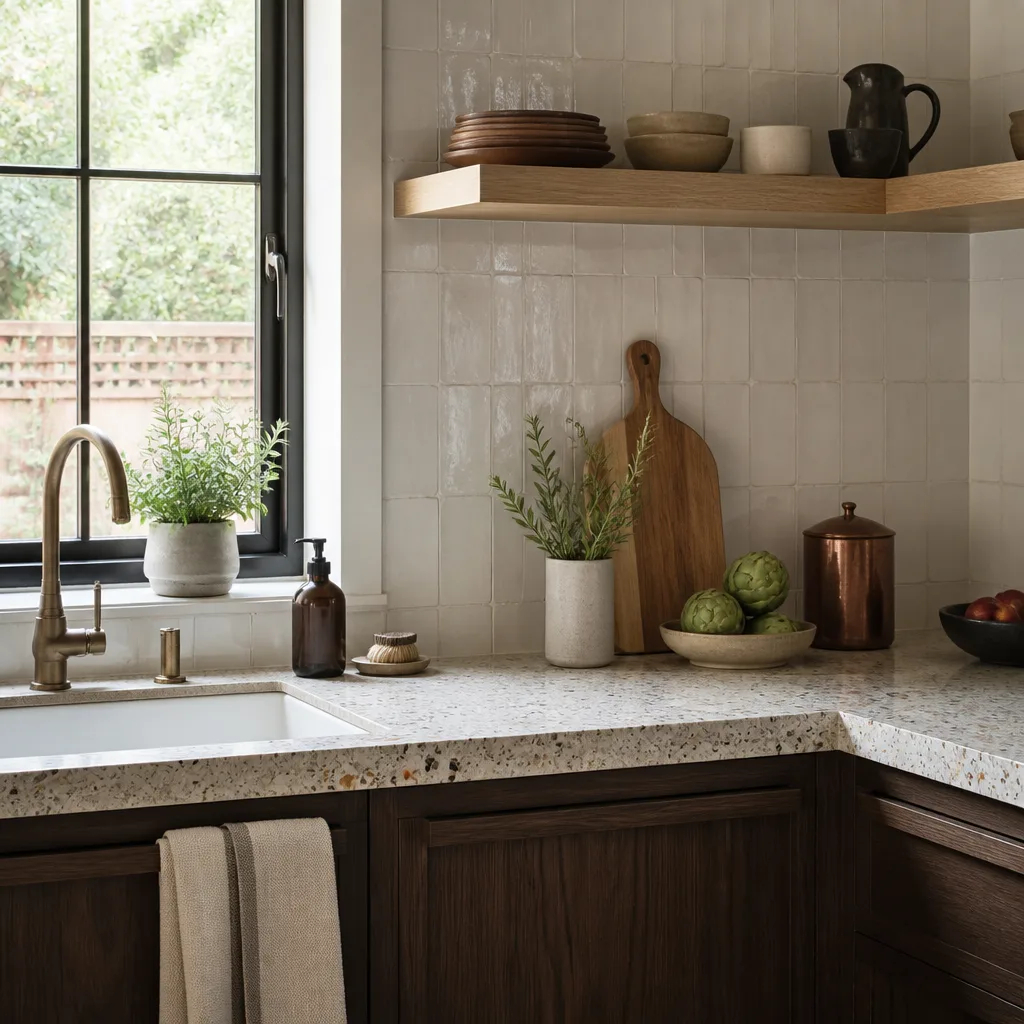
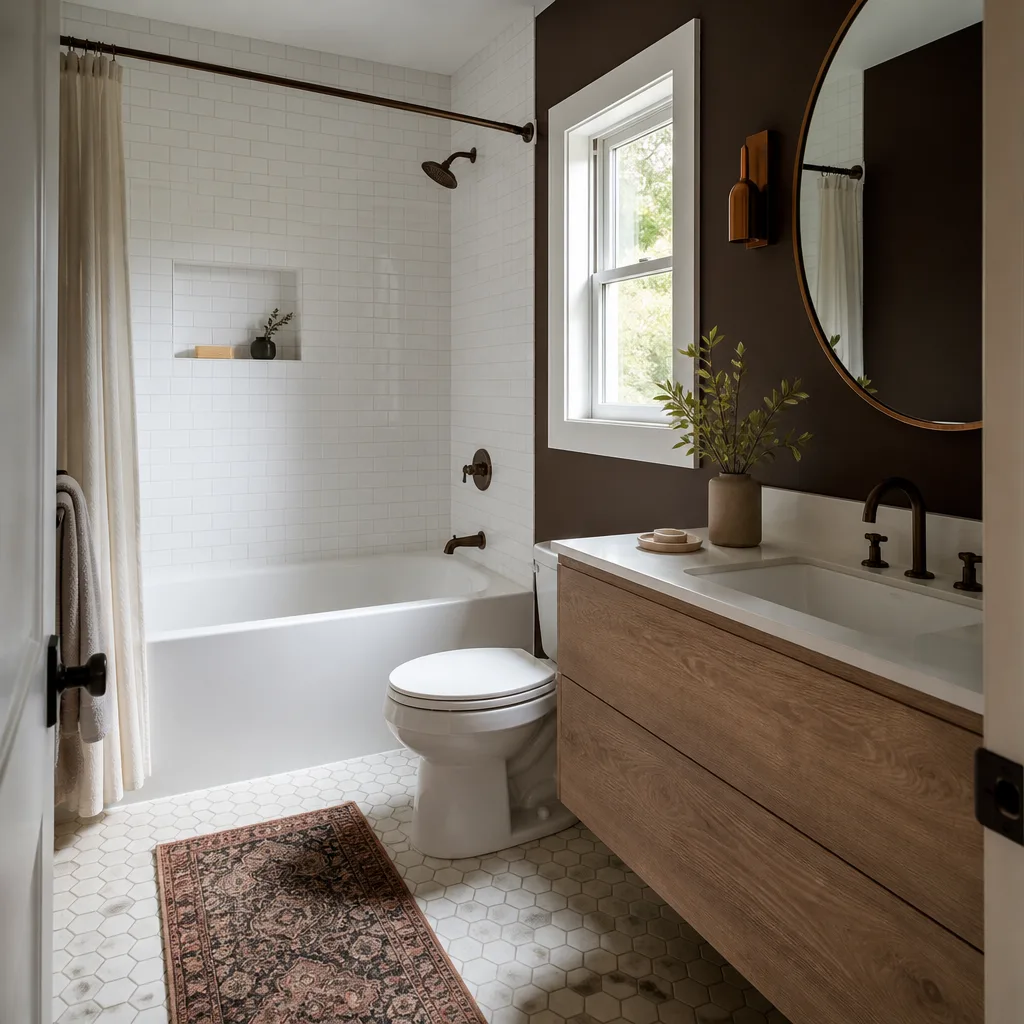
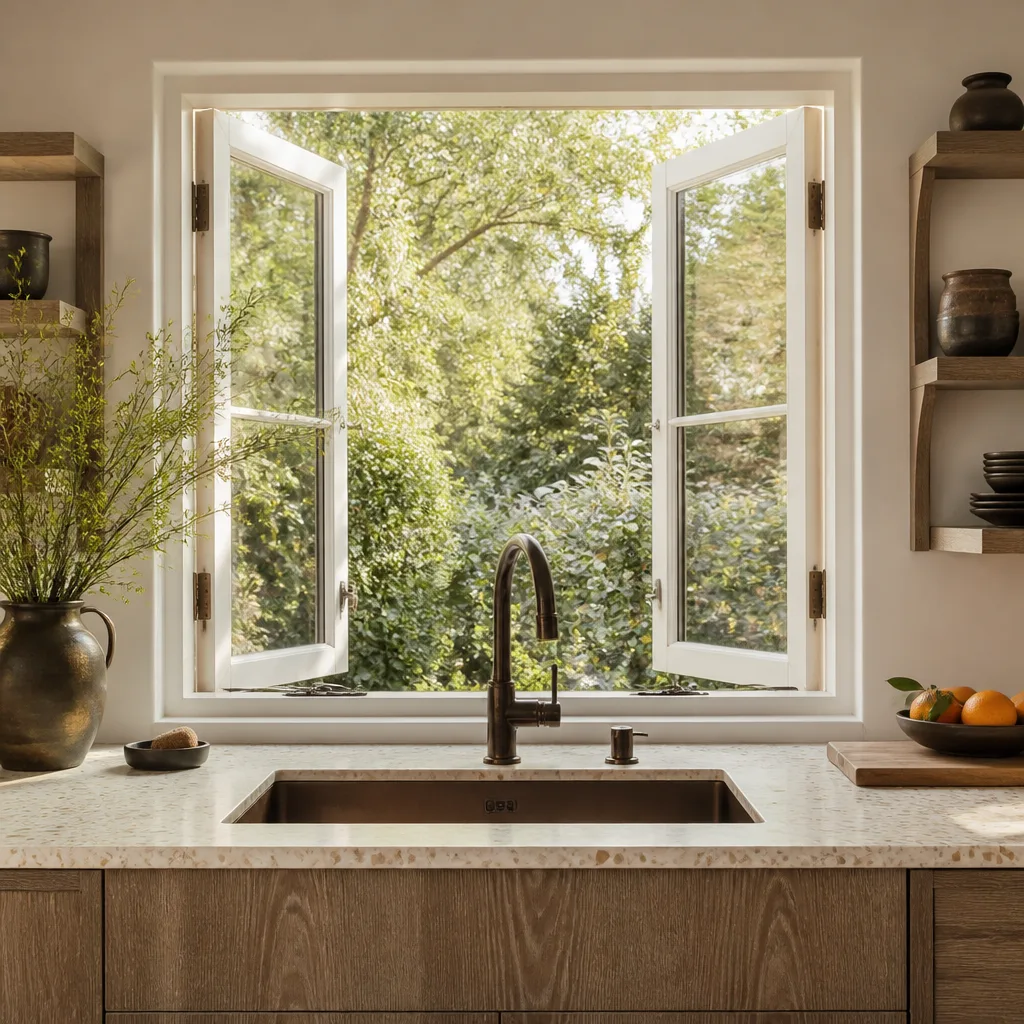
- Cabinet and fixture swaps. Replacing cabinet doors (not full cabinetry) and swapping a vanity is fine. Changing a vanity that involves moving a drain or supply line is not.
- Flooring installs on a slab. Laminate, LVP, and click-lock tile over an already-level Hialeah slab are DIY-friendly. Full porcelain tile over a bathroom subfloor with a mortar bed is not a first-timer’s project.
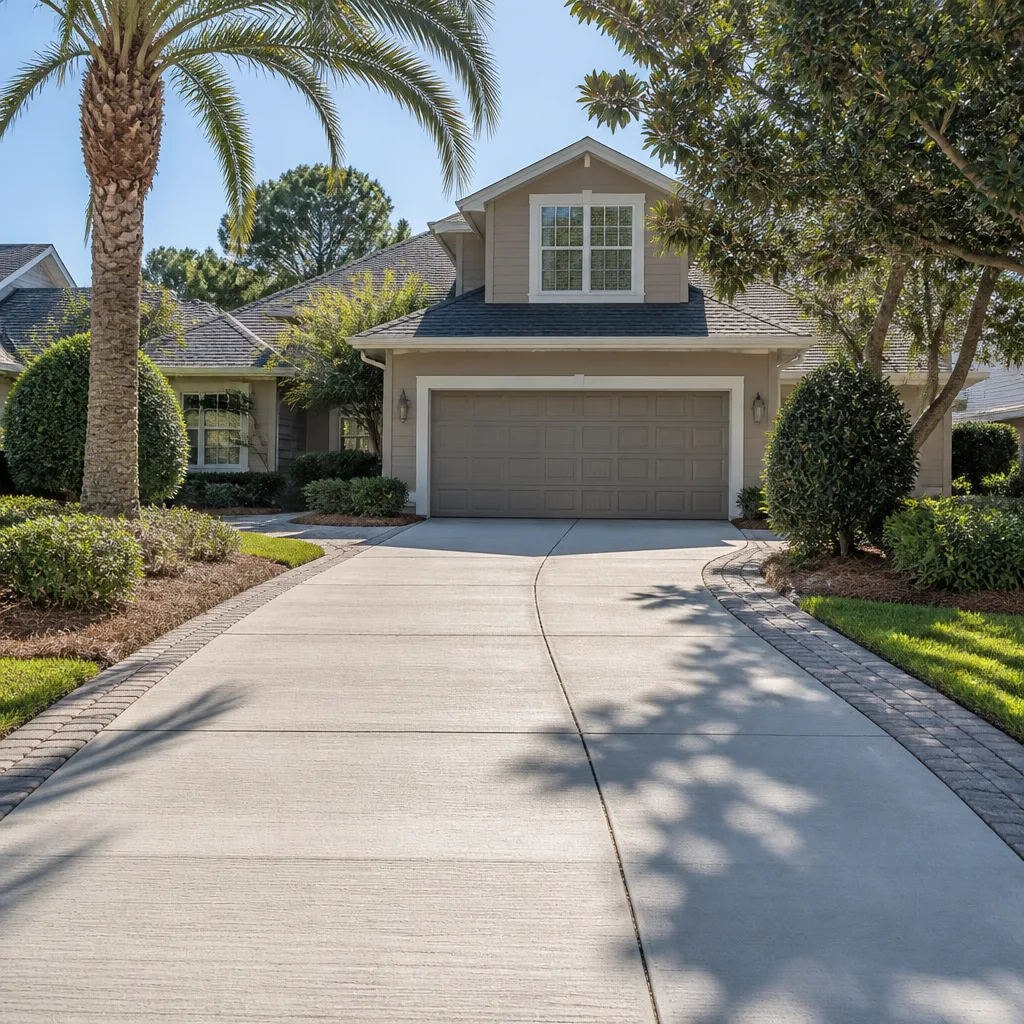
- Pressure washing and paver resealing. Cosmetic and reversible. If pavers are failing, though, that’s a different conversation, covered under Driveway & Pavers in Hialeah.
The unifying rule: if the work is cosmetic, reversible, non-permitted, and doesn’t touch water, gas, or the electrical service, DIY is a genuine option for a Hialeah homeowner who wants to take it on.
The Middle Ground Almost Nobody Considers
Here’s a path most homeowners never think to ask about: hiring a licensed contractor to pull the permits and then inspect owner-performed work for code compliance, with the homeowner doing the labor. On certain projects this is legal in Florida, saves real money, and keeps the paper trail intact. The homeowner exemption allows the homeowner to self-perform on their primary residence for certain trade categories, and a licensed contractor can act as the qualifier on the permit and provide third-party oversight on the labor.
Where this works well in Hialeah:
- Interior finish work. Drywall, interior paint, finish carpentry, and flooring. Homeowner performs labor, contractor inspects, permits pulled where required.
- Fence installation. Homeowner can often perform much of the labor under a licensed contractor’s permit and inspection plan, subject to the Hialeah building department’s specific requirements.
- Paver installation. Same framework, though the base prep is where most DIY paver failures happen. Contractor oversight catches the base failures before the pavers go down.
- ADU interior finish work. For larger projects covered under Home Additions & ADU in Hialeah, the structure and utility rough-ins go to licensed crews, but interior finish can be a hybrid arrangement on some projects.
This is not a workaround. It’s a legitimate arrangement, and it’s especially valuable in Florida where the permit and inspection trail is the thing you need most. Ask a contractor whether they offer owner-builder oversight before you assume your only choices are full DIY or full-service. Plenty of contractors won’t touch it. Some will, and it’s worth asking.
How Unpermitted Work Affects Resale in Hialeah
Hialeah homes stay in families for decades, and a home sale almost always follows a remodel done under a previous owner, or under the current owner years ago. Miami-Dade real estate attorneys and title companies routinely pull permit history during a close, and buyers today are more likely than they were ten years ago to walk away from a home with open permits or obvious unpermitted construction. A lot of the multifamily stock in Hialeah is especially vulnerable because the homeowner exemption doesn’t apply to rental properties, and it’s common to find conversions and additions that were built without permits under a previous owner.
What unpermitted work actually costs at sale:
- Negotiation leverage for the buyer. Buyers routinely discount 10 to 20 percent when a significant project lacks permits, because they anticipate complications.
- Financing issues. Some lenders won’t fund a purchase on a home with open permits, or will require them closed before close of escrow.
- Retroactive permit costs. The Hialeah process for legalizing unpermitted work involves plan review, inspections, and sometimes corrective construction. That bill lands on the seller.
- Insurance scrutiny. A new homeowner shopping for coverage on a home with an unpermitted roof or addition can face higher premiums or outright denial.
The way to avoid all of this is to close out permits properly in the first place, even if that means hiring a licensed contractor for a project you could otherwise handle. When James Hardie siding goes on a Hialeah home, for example, the fact that it went on under a permit is part of what makes the siding valuable to a future buyer. It’s not just the material.
What the Hialeah Permit Process Looks Like
Part of what makes the DIY decision different in Hialeah is the permit process itself. It’s not the fastest in Miami-Dade County, and a homeowner who plans a weekend project that requires a permit needs to build in real time for plan review, inspection scheduling, and any corrective work. Here’s the general sequence for a permitted residential project:
- Scope and drawings. For structural, additions, or complex electrical and plumbing, stamped drawings from a Florida-licensed engineer or architect are required.
- Application and plan review. Submit through the Hialeah Building Department. Review timelines vary with project complexity and the department’s current volume, but a straightforward residential scope generally clears review within a few weeks.
- Permit issuance and fees. Fees scale with project valuation. You’ll see the exact number on the permit application before you commit.
- Inspections at defined milestones. Rough-in inspections before walls close, framing inspections after structural work, and a final inspection before sign-off. Missed inspection points mean opening finished walls.
- Final inspection and certificate of completion. The signed-off permit is the document your future buyer, insurer, and appraiser will look for.
Read the timeline realistically and the DIY math changes. A homeowner taking on a permitted project has to be available for inspection visits during business hours, has to be able to correct failed inspections on a timeline the city controls, and has to keep the job site safe and code-compliant while they’re learning. That’s a different experience than painting a Hialeah living room over a weekend, and it’s the reason we recommend reserving DIY for the category of work that genuinely plays to a homeowner’s strengths.
Common Mistakes to Avoid
- Assuming the homeowner exemption covers the whole project. It covers some categories and not others, and it doesn’t apply to rental properties or anywhere you don’t live. Confirm the exemption covers your specific trade and project tip before you self-perform.
- Letting a contractor talk you out of a permit. If a contractor suggests skipping the permit, walk away. In Hialeah, that conversation is a clear signal about how the rest of the job will run, and your future insurance claim and home sale are the things that will pay for the shortcut.
- Buying materials before the permit is issued. Hialeah code enforcement has limited tolerance for materials dumped on the property before permit signage is up, and the neighbors have long memories. Sequence the permit before the delivery.
- Treating a loaded DIY cost as sticker-price savings. Run the full loaded math before you commit. Tools, waste, time, and permits change the number more than most homeowners expect.
- Assuming storm coverage will help. It won’t if the damaged work wasn’t permitted. Adjusters have permit databases and they use them.
- Using a roofer who won’t pull a permit. Full roof replacements in Florida require a licensed roofing contractor and permit. If your roofer offers to skip it, that’s the deal-breaker.
- Doing a “quick” panel or water heater swap on your own. These are the highest-consequence DIY temptations in Hialeah, and the consequences include injury, fire, and total claim denial. Leave them to a licensed trade.
See the difference
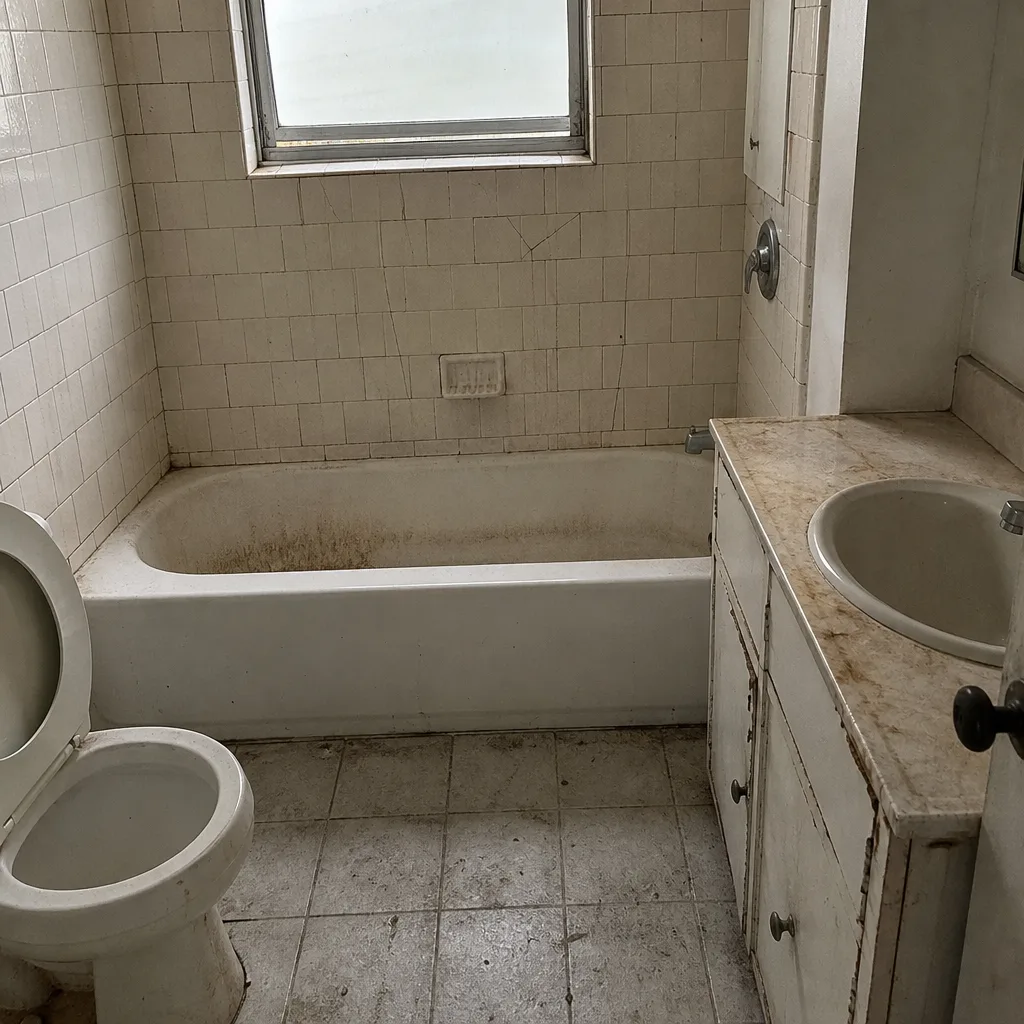 Before
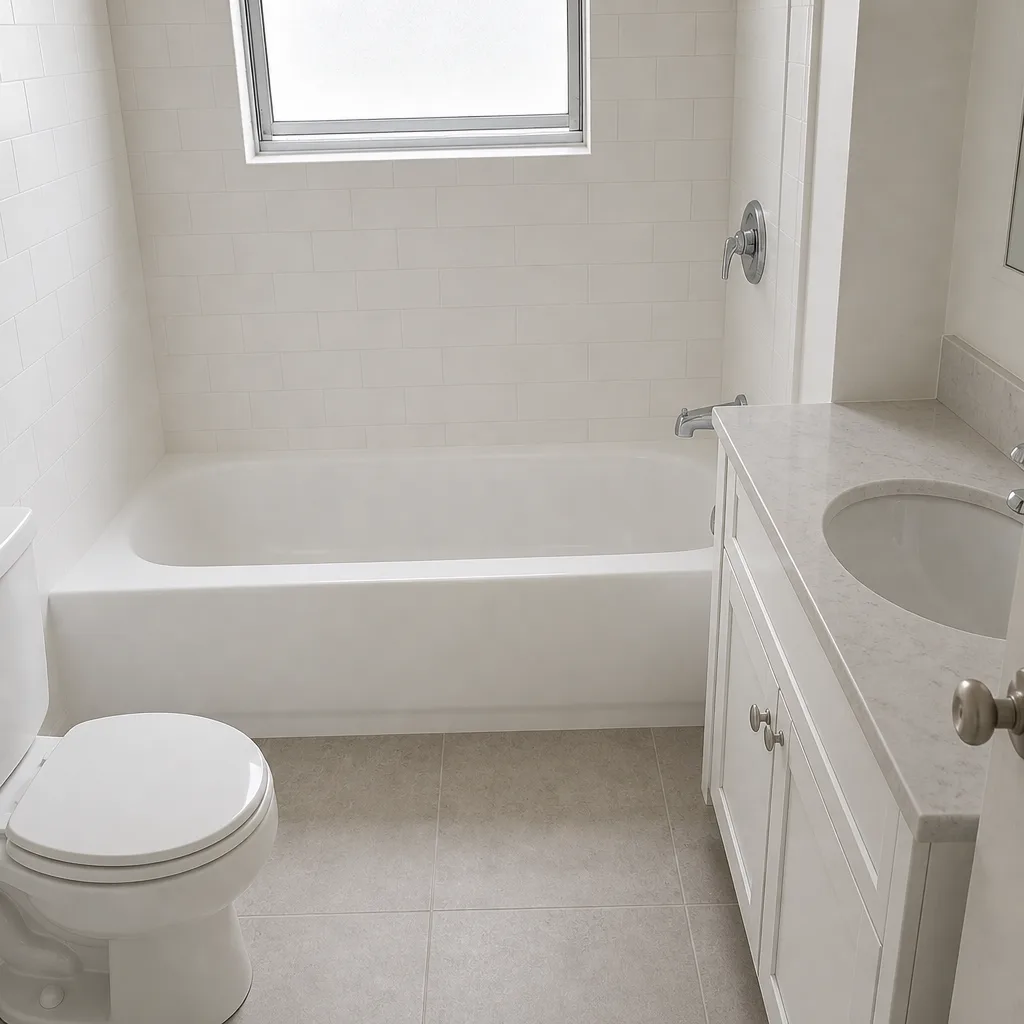 After
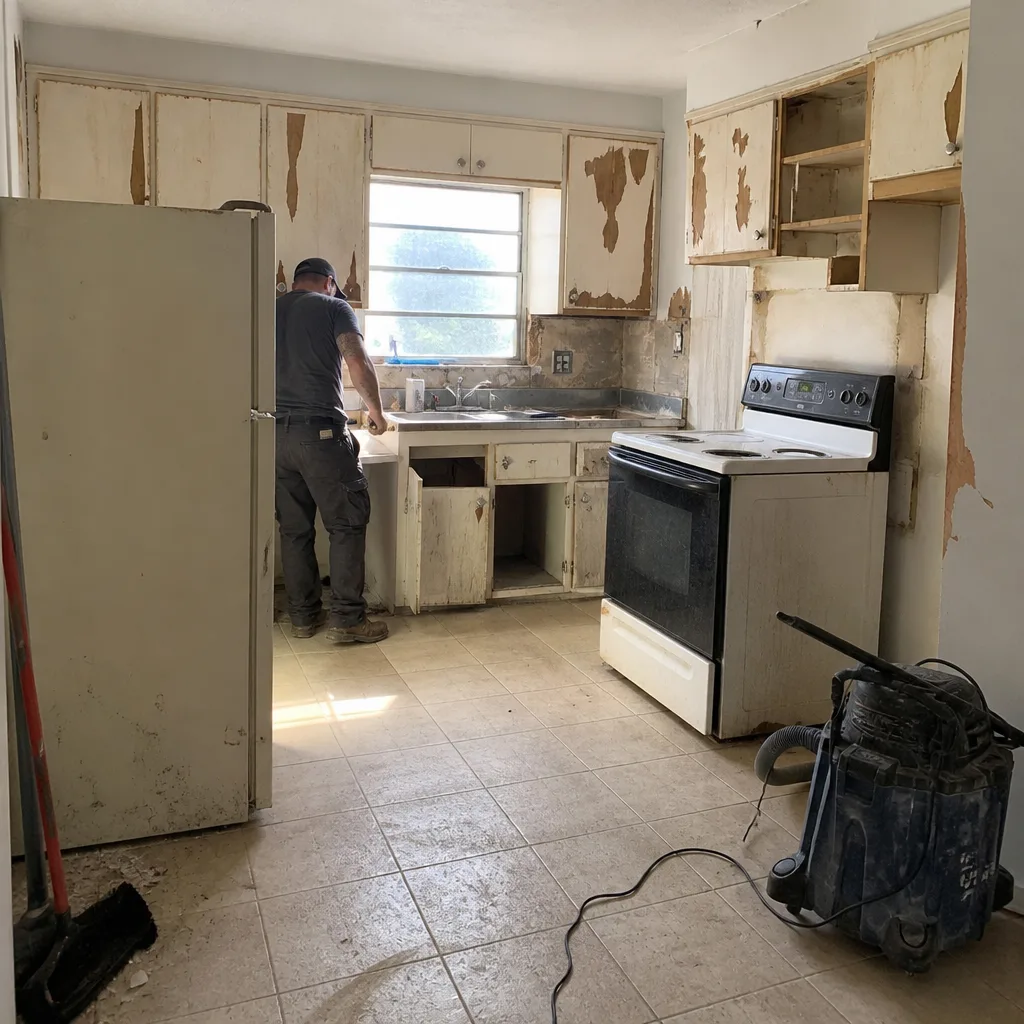 Before
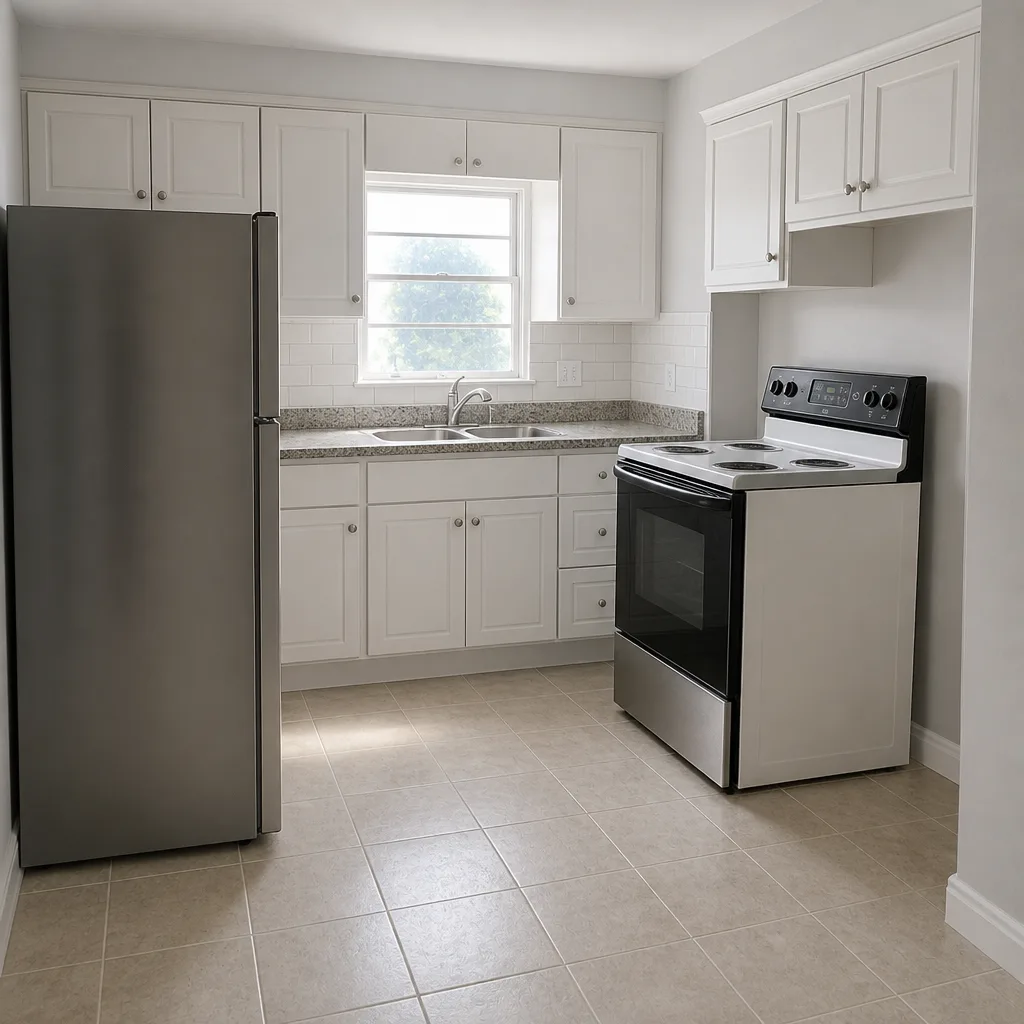 After
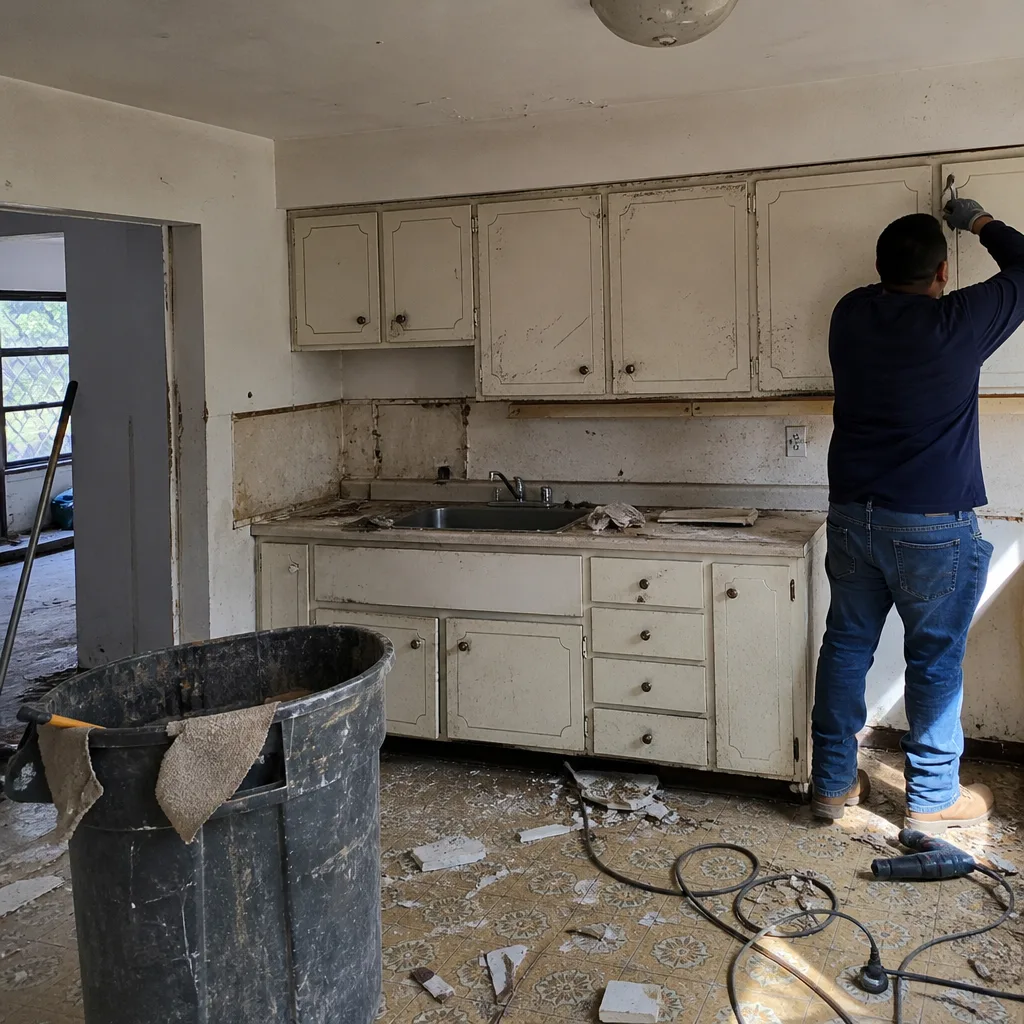 Before
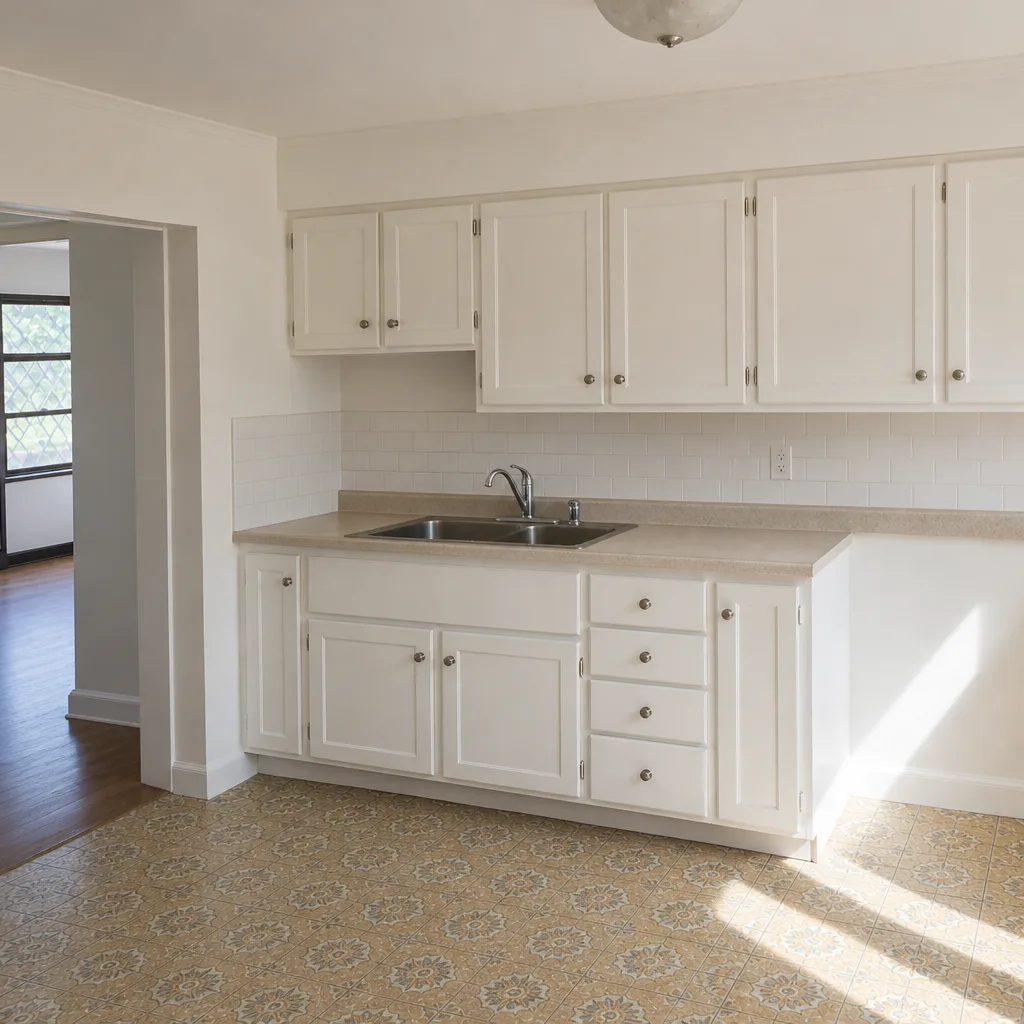 After
When to Call a Professional
Call a licensed contractor when the project touches structure, roofs, the electrical service, water and gas lines, or anything that requires a permit. Call one when the project is on a rental or multifamily property in Hialeah. Call one when you’re staring at a permit you can’t self-perform, when the project is bigger than a weekend, or when the loaded DIY time and material math no longer beats the professional bid. Groundwork Construction Co. of Hialeah offers free estimates in Hialeah and can walk you through the permit plan, the loaded cost model, and where a hybrid owner-builder arrangement makes sense. Call (888) 418-7102. Upfront pricing, no surprises, and a live person answers 24/7.
Frequently Asked Questions
In Hialeah, you can legally self-perform certain categories of work on your primary residence under Florida’s homeowner exemption, but not all. Electrical beyond fixture swaps, plumbing beyond a faucet, gas work, roofing, and structural modifications all require a licensed contractor regardless of your skill level.
Yes, any kitchen remodel that moves plumbing, electrical, or gas requires a permit in Hialeah. Cosmetic changes like painting, refacing cabinets, and swapping appliances generally don’t require one. The rule of thumb is: if a licensed trade is needed, a permit is needed.
It often won’t. Insurance adjusters routinely pull permit records after a claim, and unpermitted work can cause a claim to be denied or reduced. This is especially common after named storms in South Florida, and it’s the biggest financial risk homeowners take on when they self-perform permitted categories.
Interior painting, flooring installs on a level slab, landscaping, and fence repair are the safest non-permitted DIY projects for a Hialeah homeowner. They’re cosmetic, reversible, and don’t touch water, gas, or the electrical service.
On some projects, yes. A licensed contractor can pull the permit and provide code-compliance oversight on owner-performed finish work, and this is a legitimate owner-builder arrangement in Florida. Not every contractor offers it, but it’s worth asking about.
A straightforward residential permit in Hialeah typically clears plan review within a few weeks, and complex or structural projects take longer. Build the permit timeline into your project schedule before you commit to a start date, since missed inspection milestones can delay the finish substantially.
The Bottom Line

The DIY vs. professional question in Hialeah comes down to who absorbs the consequences. For cosmetic, non-permitted, reversible work, DIY is a genuine savings opportunity and worth doing. For anything that touches structure, roofs, electrical, plumbing, or gas, the loaded cost of doing it yourself – including permit complications, insurance exposure, resale drag, and do-overs – usually runs higher than a professional bid. Hialeah’s regulatory environment and storm history mean the penalty for getting this wrong is materially higher than it is in most Florida markets. Spend the time to figure out which side of that line you’re on, and pull a permit when the answer says so.
Groundwork Construction Co. of Hialeah has been serving South Florida homeowners since 2014. Our technicians are background-checked and arrive in uniform, calls are answered by a live person 24/7, and every project carries the 730-Day Done Right Promise. We work with trusted brand partners like James Hardie, GAF, and Cambria across every trade, and we back it with no-hassle upfront pricing and 0% financing for 18 months. Right now, get $1,000 off projects over $10,000 and a free project estimate and design consult. Call (888) 418-7102 for your free estimate.
Written by the team at Groundwork Construction Co. of Hialeah.