Last updated November 18, 2026
Free written scope consultation - allowances, timeline, and change-order rules on paper before a single trade is scheduled
DIY vs Professional Windows & Doors: What’s Safe to Do Yourself
Homeowners in Ohio or Texas swap their own windows all the time without a second thought. In Miami-Dade County, the same weekend project can leave a permanent mark on your property record, put your homeowner’s insurance in jeopardy, and force a removal at your expense the day you try to sell. That’s not scare talk. It’s how the local code system actually works, and it’s why this question deserves a real answer instead of a pep talk. We’re going to walk through the narrow list of window and door tasks you can genuinely handle yourself, the wide list that belongs to a licensed contractor, and why Hialeah sits in one of the strictest regulatory zones in the country. If you finish this guide and know exactly which side of that line each job falls on, we’ve done our job.
Quick Answer
In Hialeah, you can safely and legally do your own hardware swaps, weatherstripping, caulking, screen replacement, and decorative trim touch-ups. Anything that involves pulling a window or door frame out of the wall – including full replacement, new construction openings, and any glass change that affects the impact rating – requires a licensed contractor, a Miami-Dade product approval (NOA), and a passed inspection. The line isn’t about skill level. It’s about permits, insurance, and what happens to your property record if the work isn’t documented correctly.
Styles & brands we work with
- Kitchen remodeling
- Bathroom remodeling
- Home additions & ADU
- Roofing
- Windows & doors
- Driveway & pavers
- Fence
Table of Contents
- What’s legally DIY-able in Hialeah (and what isn’t)
- The permit trap: why Miami-Dade treats windows differently
- How impact window installation errors void your NOA and wind coverage
- The resale and insurance documentation problem
- Hialeah climate and why it punishes shortcuts
- What to look for when hiring a window and door contractor
- How a professional replacement actually unfolds, step by step
- DIY vs professional cost in Hialeah, honestly compared
What’s legally DIY-able in Hialeah (and what isn’t)
Here’s the cleanest way to think about it: if the fix stays on the surface of the window or door, you can usually do it yourself. If the fix changes the opening, the frame, or the glass itself, you can’t. That’s the working rule we give homeowners who call us asking whether they should tackle a project on a Saturday afternoon.
Safe to do yourself in Hialeah:
- Replacing handles, locks, latches, hinges, and sliding door rollers
- Swapping weatherstripping and door sweeps
- Re-caulking around interior and exterior frames where the old sealant has cracked
- Replacing window screens and spline
- Touch-up painting on visible trim
- Cleaning weep holes and drain channels on sliding glass doors
- Adjusting sliding door tracks and lubricating hardware
Not safe or legal to do yourself in Hialeah:
- Full window replacement (removing the existing frame from the wall)
- New window or door openings
- Any glass swap on an impact-rated product, which changes the assembly’s approval
- Replacing a non-impact window with an impact one, or the reverse
- Door frame replacement, including sliding glass patio doors
- Anything that changes the rough opening dimensions
- Any work that requires cutting into stucco, block, or structural framing
The legal distinction matters because Miami-Dade County, the State of Florida, and the City of Hialeah all treat window replacement as a permitted construction activity. The homeowner can technically pull a permit in some cases, but what happens after the inspection is where things go sideways. We’ll get into that next.
For a broader look at how we handle these decisions across all our trades, you can see the full scope at our Groundwork Construction Co. of Hialeah home page.
The permit trap: why Miami-Dade treats windows differently
Miami-Dade isn’t being difficult for the sake of it. The county sits in the High-Velocity Hurricane Zone, and that designation changes everything about how a window or door gets approved, installed, and inspected. A homeowner pulling their own permit is legal on paper, but it’s a trap for anyone who doesn’t do this work every week.
Here’s the sequence that trips people up. You buy a replacement window, pull a homeowner permit, install it, and call for inspection. The inspector arrives and checks several things at once: the product’s Notice of Acceptance (NOA) number, the impact rating, the anchoring method, the flashing detail, the sealant, and the installation instructions from the manufacturer. If any of that falls short, you fail. And failing isn’t a slap on the wrist. It usually means the window comes out and goes back in – at your cost – with a re-inspection fee on top.
Why licensed contractors absorb this risk and homeowners can’t:
- A licensed contractor knows which products carry a current Miami-Dade NOA and which products have an expired or limited-scope approval. That’s not information available at the home improvement store aisle.
- A licensed contractor installs to the manufacturer’s published instructions, which is exactly what the inspector checks against. The instructions for impact products are specific about screws, spacing, shims, and sealant type.
- A licensed contractor pulls the permit under their license, so the inspection record attaches to their business, not your property record. Failed inspections get resolved by the contractor before the job closes out.
- A licensed contractor carries general liability insurance that covers the work. If a window leaks a year later and damages drywall and flooring, there’s a policy to file against.
The bottom line on permits: pulling your own is allowed, but the inspection failure risk is real, the correction cost is yours, and the documentation trail follows the property, not the installer. In Hialeah, that trail matters more than most people realize.
How impact window installation errors void your NOA and wind coverage
This is the part most homeowners don’t hear until something goes wrong. A Miami-Dade NOA isn’t a blanket approval of a product. It’s an approval of a specific product installed in a specific way. The approval assumes the installer followed the published installation method exactly. Get the installation wrong, and the NOA no longer applies – to that window in that opening on your house.
Three installation errors we see most often on impact window and door work in Hialeah:
- Improper anchoring. Impact products specify an anchor type, diameter, length, embedment depth, and spacing. A substituted screw or a skipped anchor point weakens the assembly’s ability to resist wind load, and the inspector will catch it if they’re paying attention.
- Missed flashing. Water intrusion is the number one long-term failure on any window, and impact installations require specific flashing details at the sill and head. Skip it, and the leak shows up a year or two later, usually during the first big summer storm system.
- Inadequate or wrong sealant. The NOA calls out specific sealant types and joint dimensions. Using a generic caulk from the home center instead of the specified product breaks the approval.
Here’s why this matters at insurance renewal time. Most Florida wind policies require that impact openings on your home be permitted and inspected. When an adjuster investigates a claim after a storm, one of the first documents requested is the permit and inspection record. If the file shows a homeowner-pulled permit that was never finalized, or a product that doesn’t match the approved NOA, the claim can be reduced or denied. That’s not a hypothetical for us – we’ve walked into Hialeah homes where the previous owner installed impact windows themselves, and the current owner is now stuck between re-doing the work or living with a policy exclusion.
When a permitted, inspected installation is done by a licensed contractor, the documentation chain is complete: permit, product NOA, installation record, final inspection sign-off. That chain is what your insurer and your buyer’s title company will ask for. It’s also the reason we treat window replacement as an all-or-nothing job.
The resale and insurance documentation problem
Unpermitted window work follows the house, not the installer. That’s the simplest way to explain it. When you go to sell, a title search will often reveal that a permit was pulled and never closed, or that window openings changed with no permit on record at all. Buyers’ agents flag it. Lenders flag it. And the fix usually involves a retroactive permit process that can require opening up walls to verify installation details.
What typically happens at the closing table in Hialeah:
- A buyer’s inspector notes that the impact windows appear newer than the recorded permits, or finds no permit record at all.
- The buyer’s lender requests documentation that the impact openings are permitted and inspected, since the wind insurance policy depends on it.
- The seller is asked to either provide the missing documentation or reduce the price to cover the buyer’s cost of re-doing the work.
- If no documentation exists and the product’s NOA can’t be verified, the deal can stall entirely until a licensed contractor signs off on the installation or replaces it.
We’ve seen Hialeah sellers lose weeks and thousands of dollars over a window replacement that was done to save money. The math almost never works out. And it goes beyond the sale price – the buyer’s new insurer may exclude wind coverage on the unpermitted openings, which a lender can treat as a gap in the property’s coverage.
If you own a Hialeah home and aren’t sure whether your existing windows were properly permitted, a title search will usually tell you in an afternoon. Worth doing before you list, not after. If unpermitted work turns up, a licensed contractor can help you sort out whether it can be permitted retroactively or needs to be replaced.
Hialeah climate and why it punishes shortcuts
Hialeah has a specific climate profile that turns small installation errors into expensive ones. Between June and November, wind-driven rain from tropical systems pushes against west and south-facing walls for hours at a time. The sun beats on east and west exposures for most of the day, cooking and shrinking sealant joints that weren’t the right product to begin with. Afternoon thunderstorms in July and August drop more water in twenty minutes than most other U.S. cities see in a day.
What this means practically for window installation:
- Sealant choice matters more here than almost anywhere else. A sealant rated for the joint movement and the UV exposure of a Hialeah summer will hold. A generic tube from a big box store often won’t survive two seasons.
- Sill flashing is non-negotiable. Water that gets past the sealant on a wind-driven rain event needs a path out. Sill pan and end-dam detailing is what makes that possible.
- Stucco transitions need proper termination. Hialeah homes are overwhelmingly concrete block with stucco finish, and window openings sit inside a wall system that moves differently from a wood-frame wall. Installation details differ.
- Salt air accelerates hardware failure. Even a mile from the coast, exterior door hardware and window operators corrode faster here than inland. Powder-coated hardware lasts noticeably longer than painted.
These aren’t opinions. They’re the reasons the county writes the installation details the way it does, and they’re the reasons we don’t hand homeowners a caulk gun and tell them to take a swing at a full window swap. The surface repair you can do in ten minutes. The installation detail that decides whether water gets inside during the next named storm is a professional’s job.
For the exterior envelope work that goes alongside window and door replacement, we handle the full package from fence installation in Hialeah to driveway resets and paver replacement, so exterior water management stays coherent across the property.
What to look for when hiring a window and door contractor
Once you’ve decided the job belongs to a licensed professional, the next question is picking the right one. Hialeah has a healthy contractor market, and not every company operates the same way. Here’s the checklist we’d give a family member.
1. Verify the license type and status. Florida contractors hold either a Certified (statewide) or Registered (local jurisdiction) license. Look up the license number on the state’s database and confirm the license is active and the qualified individual is listed. A licensed contractor can pull permits under their own license, which is what you want on a window replacement.
2. Confirm the product carries a current NOA. Ask for the specific product approval number for the unit they plan to install, and verify it’s current on the Miami-Dade product control database. This is not a hassle – any honest contractor will have it on hand. If they can’t produce it, that’s your answer.
3. Understand the inspection process they follow. Ask how many inspections the job requires, who attends them, and what happens if the first one doesn’t pass. A contractor who says “the inspector never really looks” is telling you something important.
4. Request upfront pricing in writing. Line-item, no change-order surprises. If the number moves after the contract is signed, walk away.
5. Check the workmanship warranty in writing. Window manufacturers warranty the product. The contractor warranties the installation. Those are two different documents, and both should be in your hand before paperwork is signed.
6. Ask about insurance and workers’ compensation. Both should be active and verifiable. Liability coverage on the contractor is what stands between you and a water damage claim if something leaks.
The product brands matter too. In Hialeah, you’ll see a lot of ES Windows and ECO Window Systems on the residential side, both of which carry solid NOA coverage for impact replacement. You’ll also see Therma-Tru doors on entry replacements. Those are the names we lean on for Hialeah jobs because they’re built for the local code environment. For the broader set of partners we use across every trade, our team has curated brand relationships across categories so the material quality stays consistent whether the job is a single door or a whole-home replacement. Our technicians have up to 12 years of experience working in Miami-Dade code conditions, and they know what the inspector is going to look for before the inspector shows up.
How a professional replacement actually unfolds, step by step
Here’s what the process looks like from first call to final inspection, so you know what a properly-run job looks like. If a contractor skips any of these steps, that’s a warning sign.
- Free estimate and design consult. Measurement, existing conditions check, product options presentation with NOA numbers included.
- Written line-item quote. Product, permit fees, labor, disposal, and any required stucco or trim repair, all shown as separate line items with a fixed total.
- Permit application. Contractor pulls the permit under their license. You receive a copy. The permit number can be verified on the county’s portal.
- Product order and delivery. Windows and doors are built to the opening. Lead times on impact products in South Florida typically run several weeks depending on brand and production slot.
- Installation day. Removal of existing units, inspection of the rough opening, installation to the manufacturer’s published method, flashing, sealant, interior and exterior trim restoration.
- Inspection. Contractor schedules and attends the inspection. Corrections, if any, are made by the contractor and not billed to you.
- Close-out documentation. You receive the permit sign-off, product documentation with NOA references, and the workmanship warranty in writing.
A typical single-family window package on a Hialeah home usually runs two to four days of installation work once the products are on site, depending on the number of openings and whether any stucco repair is needed around the frame. Doors add a bit more time due to the threshold and jamb work. Small jobs – one or two openings – often finish in a single day.
For larger scope work that overlaps window replacement – say, an addition or an ADU that changes the exterior envelope – see how we sequence multi-trade jobs at our Home Additions & ADU in Hialeah page. Windows sit inside a bigger construction story when the footprint is changing.
DIY vs professional cost in Hialeah, honestly compared
The DIY math looks attractive until it doesn’t. Here’s the honest cost picture for a typical Hialeah home, assuming a straightforward impact window replacement in a standard opening.
Line-item ranges for professional replacement of a single impact window in Hialeah:
- Impact window unit (standard size, ES Windows or ECO Window Systems, NOA-covered): roughly $500 to $1,100 per opening depending on size and product line
- Installation labor: roughly $200 to $400 per opening
- Permit fees (Miami-Dade and City of Hialeah combined): roughly $150 to $400 per project
- Trim, stucco patch, and sealant materials: roughly $75 to $200 per opening
- Disposal of old units: roughly $40 to $100 per project
Total for a whole-home replacement of, say, 12 openings in Hialeah typically lands in the range a homeowner should plan for as a full-project investment. Individual quotes vary based on opening count, sizes, product line, and any stucco repairs required.
What DIY actually costs when it goes wrong:
- Failed inspection correction and re-inspection: added labor, sometimes a fully re-pulled window at your cost
- Product replacement if the unit is damaged during a botched install: the full unit cost again
- Water damage remediation if a leak develops over months before it’s noticed: drywall, insulation, and trim repair, often in the thousands
- Insurance coverage reduction or denial if the installation isn’t permitted and inspected
- Sale price reduction or repair credit if undocumented work turns up at resale
The products that carry a Miami-Dade NOA and the correct installation furniture aren’t sold in a typical retail aisle. Broadly, a homeowner doing it themselves ends up with an unpermitted window, no inspection record, an unverified product approval, and a fully-paid cost that matches the professional job – with none of the protection. That’s the part nobody warns you about.
When you add Groundwork’s standing offers – $1,000 off projects over $10,000, free project estimate and design consult, and 0% financing for 18 months on qualifying projects – the pricing gap between a professional and a risky DIY attempt narrows considerably on mid-size and larger replacements. Upfront pricing without surprises is the standard we hold every quote to. The number you see on the estimate is the number you pay, and the work is backed by the 730-Day Done Right Promise – if it’s not done right, we make it right.
If your project also touches the exterior hardscape, we can bundle the work with Driveway & Pavers in Hialeah to keep the site work coordinated and avoid the hassle of two separate contractors on the same property.
Common Mistakes to Avoid
- Pulling your own homeowner permit for a full replacement. The permit is legal. The correction cost when a licensed inspection fails is fully yours, and it usually dwarfs any permit-fee savings. In Hialeah, we’ve seen this turn a mid-size job into a re-do from zero.
- Using a window that isn’t NOA-approved for Miami-Dade. A unit that’s rated for impact elsewhere doesn’t automatically carry the county’s product approval. Buying on price alone almost always fails the inspection check.
- Caulking over a failing seal instead of diagnosing it. Hialeah gets enough wind-driven rain that a leak dressed over with new caulk will show back up within a season. Fix the cause, not the surface.
- Skipping the permit because the contractor says it’s “not needed for replacements.” It is needed, and the county will flag it. Any contractor who tells you otherwise is telling you what their work record looks like.
- Not asking for the finished permit sign-off at job close. The signed inspection record is what your insurer and your future buyer will want. Get it in your file the day the job wraps.
- Assuming the neighbor’s installation is a template. Opening sizes, wall construction, and elevation zone can all shift the installation method on the same block. Each job should be evaluated on its own.
- Ignoring the paint and stucco restoration on the to-do list. A Hialeah window with a fresh sealant joint and an unsealed stucco patch is a Hialeah window with a slow water problem in the wall.
See the difference
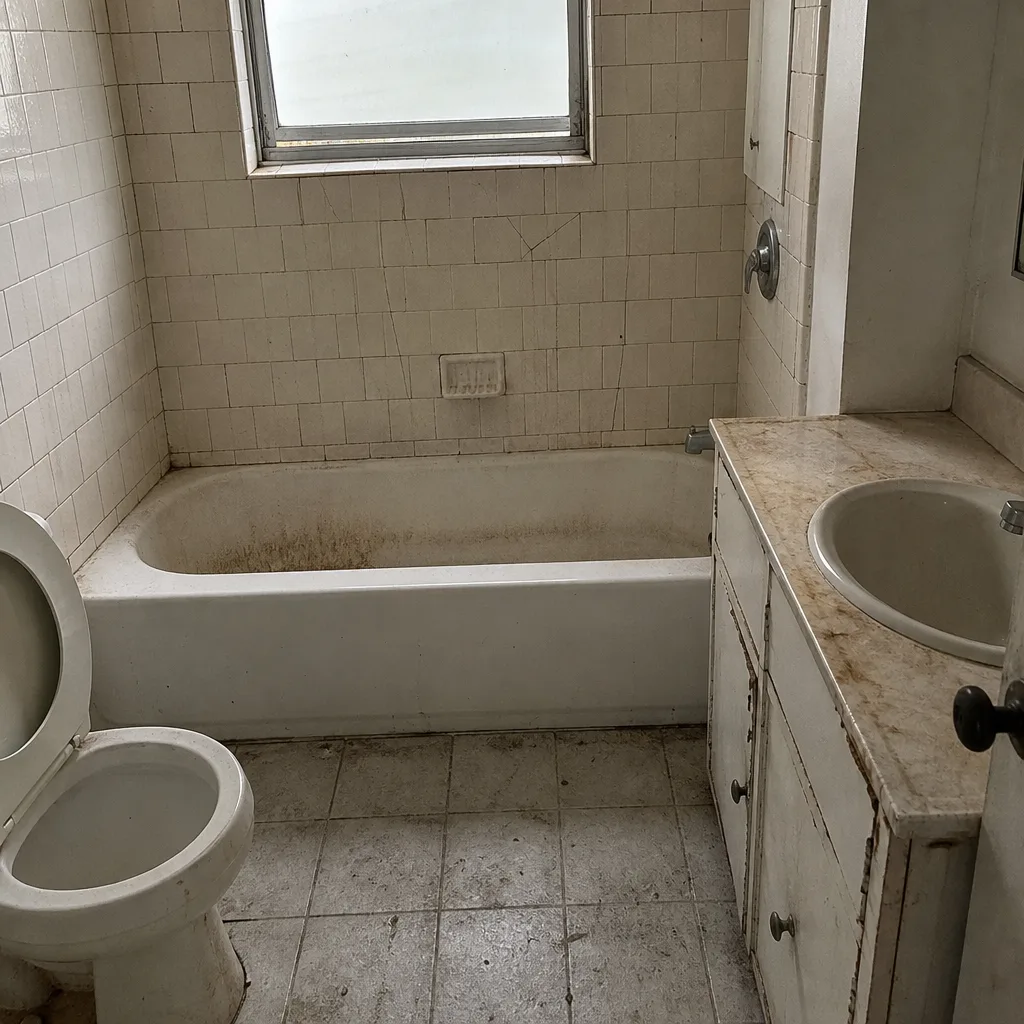 Before
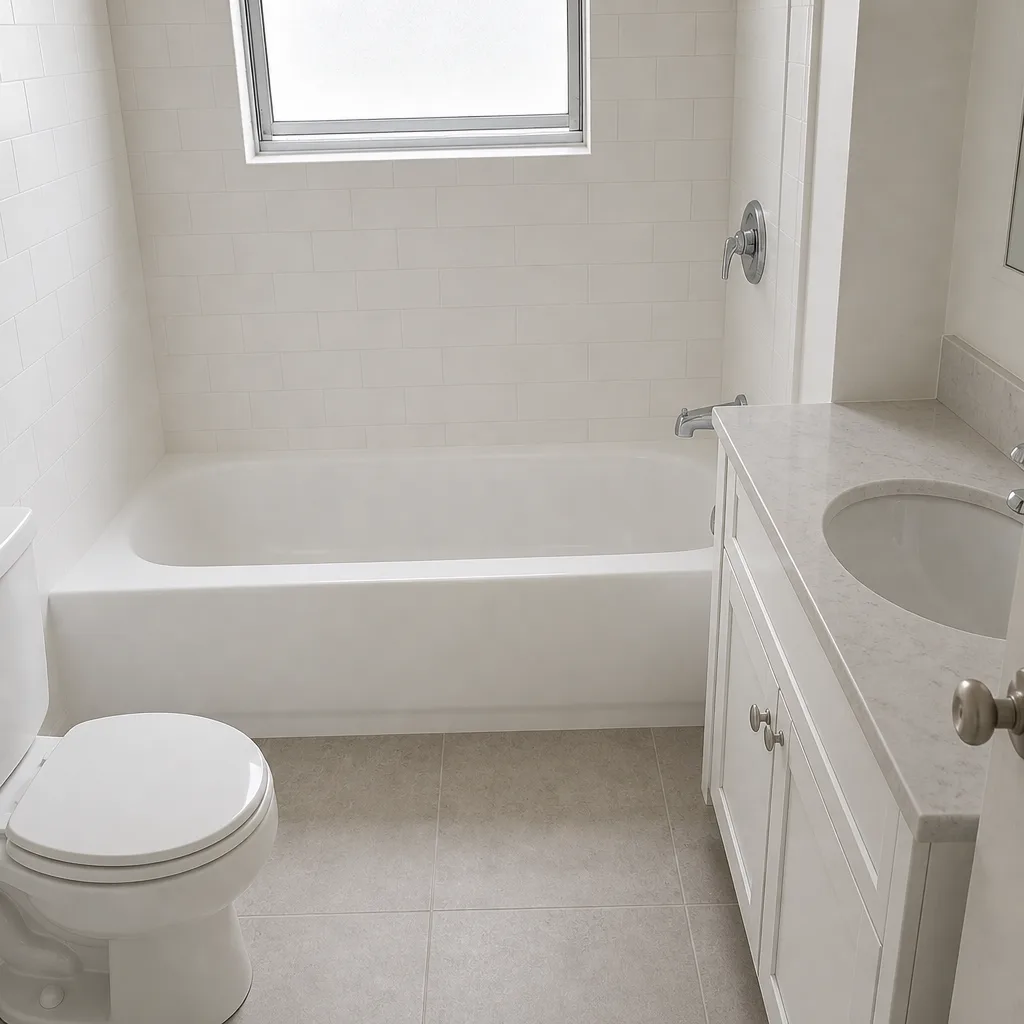 After
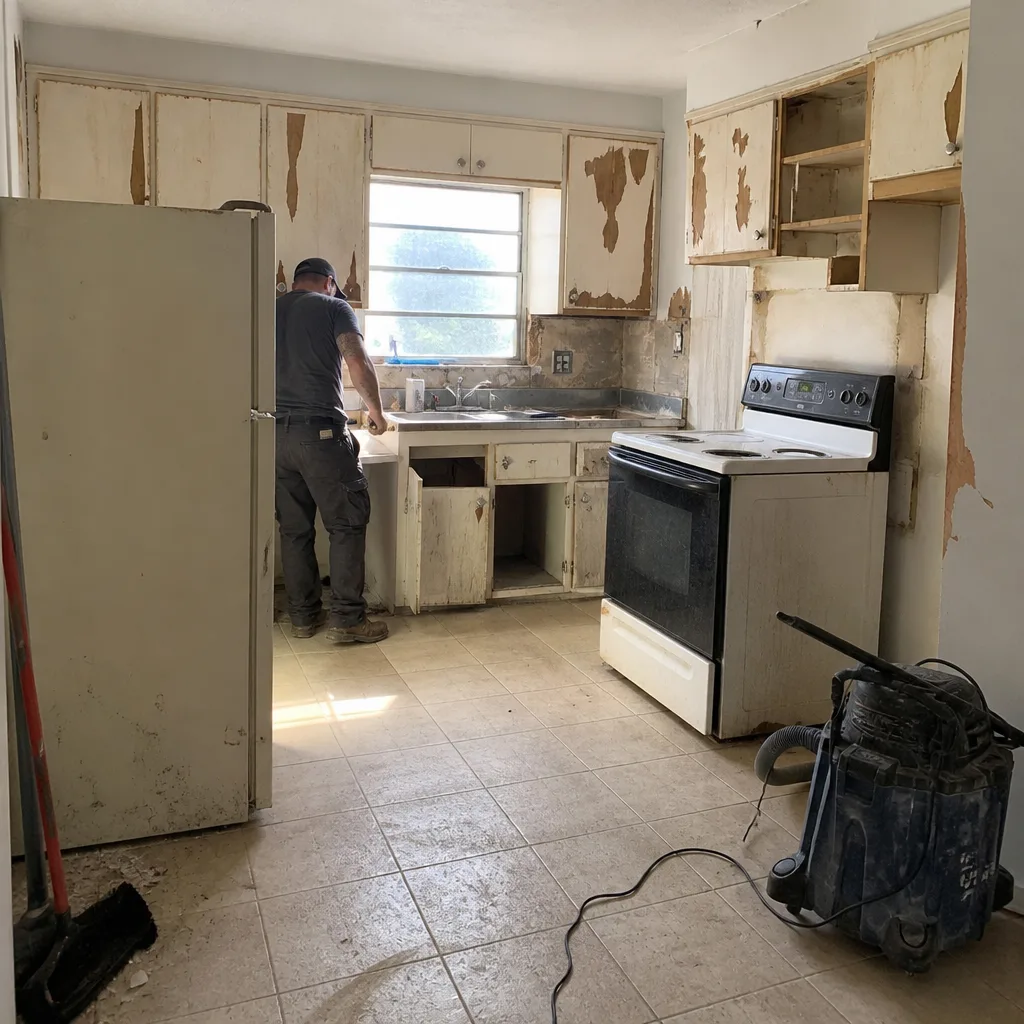 Before
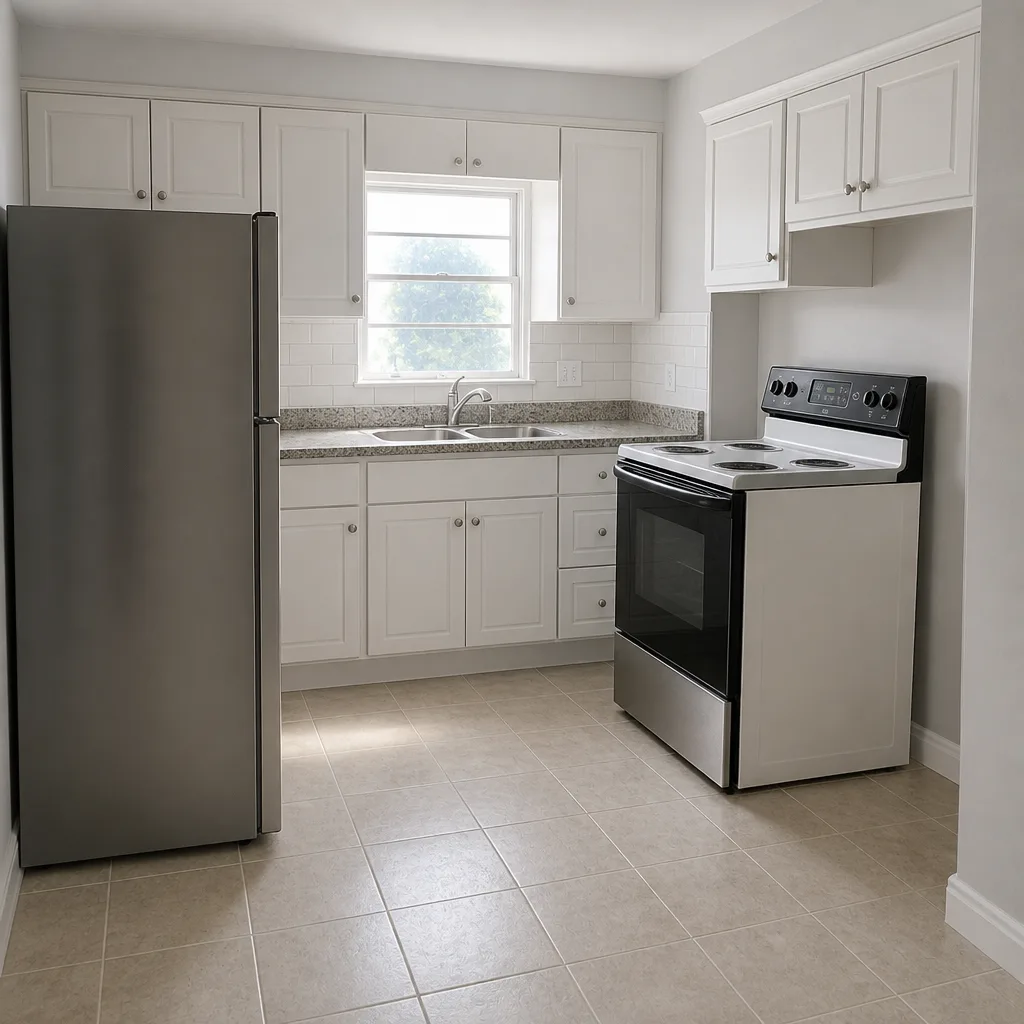 After
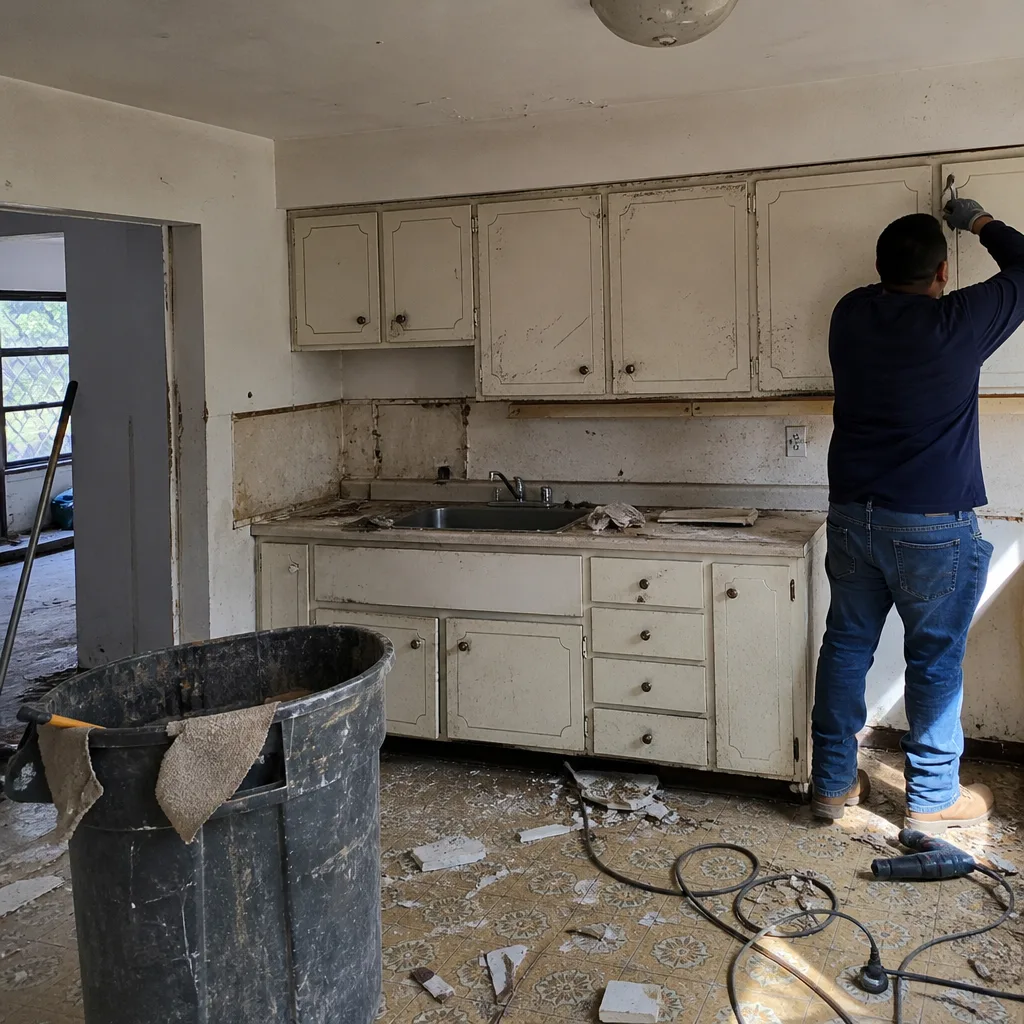 Before
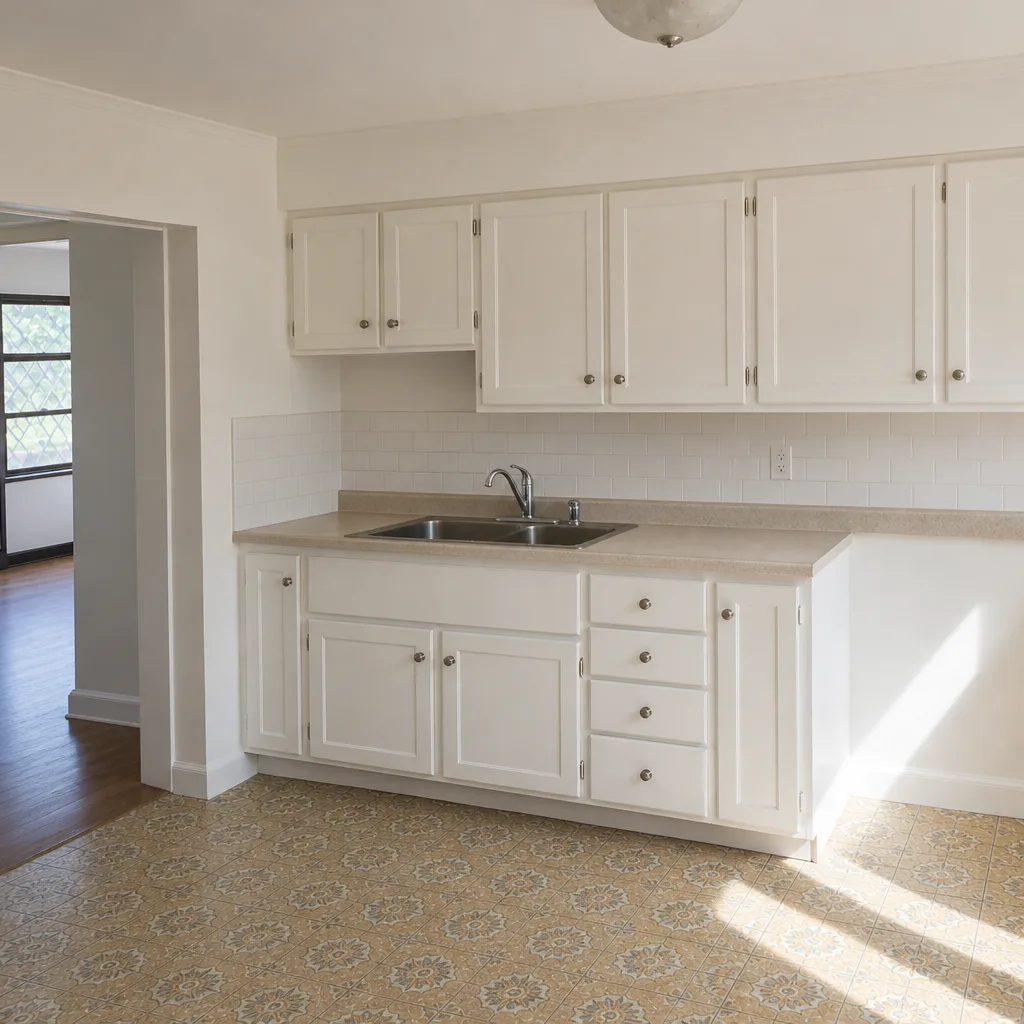 After
When to Call a Professional
Call a licensed contractor the moment any of these come up: full window or door replacement, new construction openings, any glass swap on an impact product, a failed inspection on a prior installation, a leak that’s worsened after two attempts to seal it yourself, a door frame that’s visibly out of alignment or rotted, or unpermitted work that turned up in a title search or at resale. The other reason to call is timing. If you’re selling or refinancing in the next six to twelve months and aren’t sure the existing window work is documented, a professional evaluation protects the transaction more than any savings on a DIY attempt ever will. Groundwork Construction Co. of Hialeah offers free estimates in Hialeah – call (888) 418-7102 to schedule one, and we’ll walk through whether your project belongs in the DIY column or the licensed column, no pressure either way.
Frequently Asked Questions

Legally, yes, in some cases a homeowner can pull a permit for their own primary residence. Practically, no – the permit only covers the paperwork, not the inspection outcome. Miami-Dade inspectors check the product NOA, the installation method, anchoring, flashing, and sealant against the manufacturer’s published instructions. If the work fails, the correction cost and re-inspection fees are fully yours, and any unpermitted or failed work can affect your wind insurance and resale. Call (888) 418-7102 for a free estimate if you’re weighing a replacement.
Surface-level work is genuinely safe: hardware replacement, weatherstripping, door sweeps, screen replacement, caulking where the joint is still sound, and cleaning weep holes on sliding doors. Anything that removes the frame from the wall, changes the glass, or alters the rough opening belongs to a licensed contractor. The dividing line is whether the work touches the wall assembly or the approved product – if it does, it needs a permit and an inspection.
Often not, and this is the biggest financial risk of a DIY replacement. Florida wind policies typically require that impact openings be permitted and inspected, and an adjuster will pull the permit record when a storm claim is filed. If the installation is undocumented or the product’s NOA doesn’t match what’s on the wall, the claim can be reduced or denied. Some insurers exclude wind coverage on unpermitted openings entirely. Call (888) 418-7102 if you’re not sure what’s on your property record.
A single impact window opening done professionally in Hialeah typically lands in the range of about $900 to $1,800 all-in for product, labor, permit allocation, trim, and disposal, with full-home packages scaling from there. Line-item quotes with upfront pricing are the standard. Groundwork’s standing promotions – $1,000 off projects over $10,000 and 0% financing for 18 months – apply to qualifying window and door work. Call (888) 418-7102 for an exact quote; estimates are free.
Yes, on every window and door replacement we perform in Hialeah, the permit is pulled under our license and the inspection is scheduled and attended by us. Corrections, if any inspection requires them, are made by our team and not billed as a change order. You receive the finished permit sign-off and product documentation at job close, which is what your insurer and your future buyer will ask for. It’s part of what the 730-Day Done Right Promise covers in writing.
Installation itself typically takes one to four days on a Hialeah home once products are on site, depending on the number of openings and whether stucco repairs are needed. Product lead times run longer – several weeks for built-to-order impact units from ES Windows or ECO Window Systems – so plan on a total timeline of four to eight weeks from contract to final inspection on a standard whole-home job. Call (888) 418-7102 to schedule your free estimate and we’ll build a realistic timeline for your specific job.
The Bottom Line
In Hialeah, the DIY question isn’t about how handy you are. It’s about permits, product approvals, and what your property record says about the work. Hardware, weatherstripping, caulking, and screens stay in the safe column. Full replacement, frame changes, and impact glass swaps belong in the professional column because they require a NOA-covered product, an inspected installation, and a documented permit chain that protects your wind coverage and your resale. The savings on a DIY replacement rarely survive the first inspection failure or the first insurance claim. If your project is on the professional side of the line, get a written, line-item quote from a licensed contractor before you make any other decision. It’s the cheapest insurance policy you can buy on a Hialeah window job.
Groundwork Construction Co. of Hialeah is a full-scope construction partner for homeowners who want a contractor they can trust from first call to final walkthrough. Every project is backed by our 730-Day Done Right Promise, upfront pricing, and background-checked technicians arriving in uniform. Calls are answered by a live person 24/7. Call (888) 418-7102 to schedule your free estimate and design consult, or to walk through whether your window or door job is one we can start documenting this week.
Written by the team at Groundwork Construction Co. of Hialeah.