Last updated November 18, 2026
Free written scope consultation - allowances, timeline, and change-order rules on paper before a single trade is scheduled
Construction Cost Breakdown: The Hialeah Homeowner’s Reference for 2026
The average construction bid in Miami-Dade County is missing 22 to 30% of the actual project cost. Not because every contractor is dishonest, but because exclusions, allowances, and permit fees sit buried in language most homeowners don’t read until the deposit is already cleared. A bid that says $48,000 can quietly become a $62,000 job, and the difference was in the fine print the whole time. This reference gives Hialeah homeowners real 2026 numbers for the projects we see most, broken into material and labor, so you can read a bid and know exactly what it’s hiding.
Quick Answer
In Hialeah, most residential projects in 2026 run $18,000 to $85,000 for a home addition, $65,000 to $140,000 for a kitchen remodel, $8,500 to $22,000 for a new driveway, and $14,000 to $28,000 for a roof replacement, with Miami-Dade permit fees and inspections adding another 3 to 6% on top. The single biggest reason projects go over budget is not labor or material prices – it’s undefined allowances and omitted line items in the original contract. A transparent bid names every cost, and that’s the standard you should hold every contractor to.
Styles & brands we work with
- Kitchen remodeling
- Bathroom remodeling
- Home additions & ADU
- Roofing
- Windows & doors
- Driveway & pavers
- Fence
Table of Contents
- Why Construction Bids Miss 22 to 30% of the Real Cost
- 2026 Cost Ranges for the Most Common Hialeah Projects
- What “Allowances” Actually Mean in a Contract
- Miami-Dade Permit, Impact, and Inspection Costs
- Minimum Code vs. Hurricane-Ready Construction: The Real Dollar Gap
- How to Compare Competing Bids Line by Line
- A Step-by-Step Budget Checklist Before You Sign
- Common Mistakes to Avoid
Why Construction Bids Miss 22 to 30% of the Real Cost
We’ve sat across the table from a lot of Hialeah homeowners holding a bid from another contractor, asking us to explain why our number came in higher. Mostly, it doesn’t. It comes in at the same place once you add back everything the other bid left out. That’s the pattern. A low bid isn’t usually a cheaper job, it’s an incomplete one.
The missing cost shows up in four recurring places:
- Allowances set below real cost. A kitchen bid with a $4,000 cabinet allowance looks cheap until you pick cabinets and they cost $9,500. Multiply that gap across cabinets, counters, tile, and fixtures and you’re staring at a $15,000 swing.
- Permit and inspection fees excluded. Many bids list these as “by owner” or leave them out entirely. On a home addition in Hialeah, Miami-Dade permit fees alone can run $2,500 to $6,000.
- Site conditions “not included.” Roof decking that’s rotted, a driveway base that needs excavation, a slab that fails inspection after demo. These are real costs, and a bid that doesn’t budget for them isn’t being conservative, it’s being quiet.
- Change orders framed as add-ons. When scope was never clearly written, every decision becomes an add-on. That’s how a fixed number turns into an open tab.
The fix is straightforward: demand a written, line-item scope that names quantities, brands, model numbers, and a defined allowance for every category the homeowner gets to choose. Upfront pricing with no surprises isn’t a slogan. It’s a document you should be able to hold in your hand before you sign anything.
2026 Cost Ranges for the Most Common Hialeah Projects
These are real 2026 ranges for Hialeah-area residential work, broken into material and labor where it matters. Prices shift with material lead times and permit volume, so treat these as planning numbers and let a contractor walk your actual property before anyone signs a contract. Here’s a working reference:
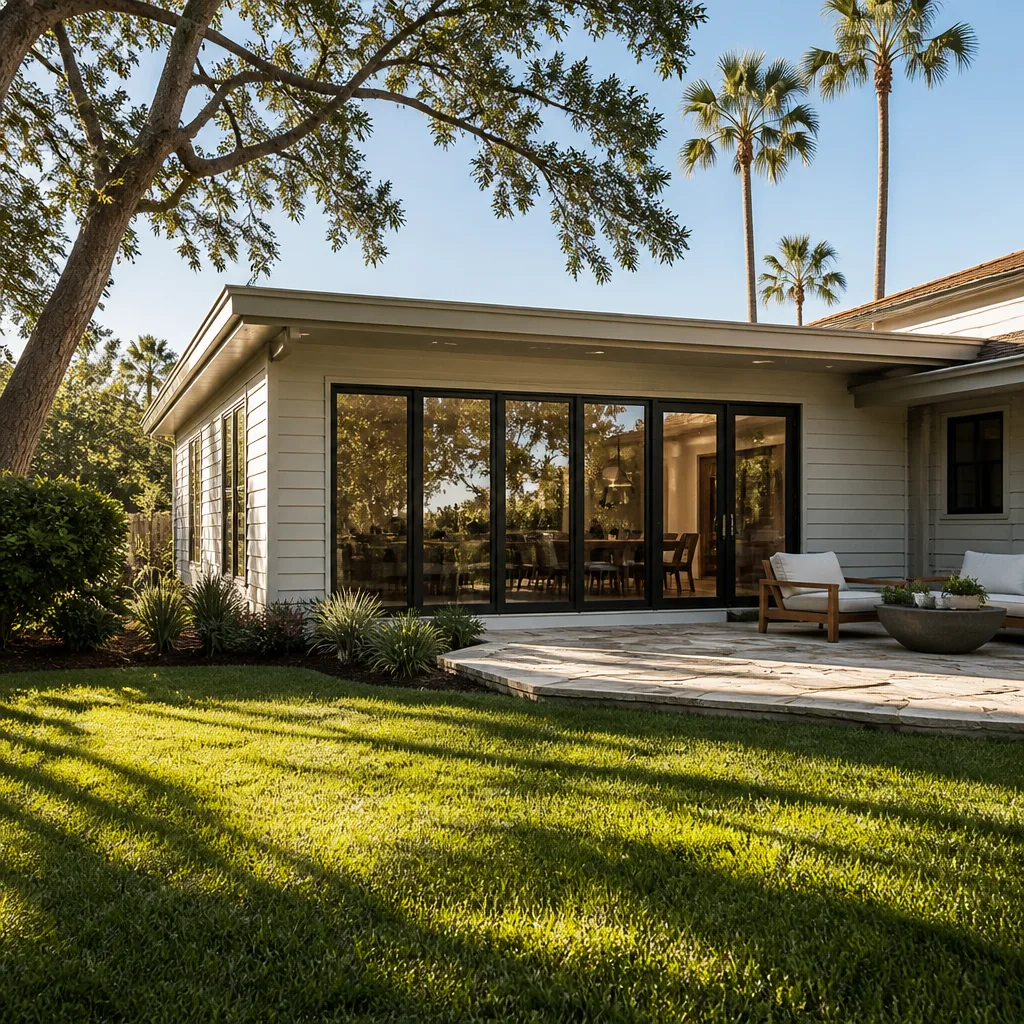
- Home addition (400 to 600 sq ft): $85,000 to $185,000 total. Material runs $45,000 to $100,000; labor $35,000 to $75,000; permits and inspection fees $3,500 to $7,500.
- Kitchen remodel (mid-range, 200 sq ft): $65,000 to $140,000. Cabinets $18,000 to $42,000 (KraftMaid and comparable lines), quartz countertops $4,500 to $9,000 (Cambria or Silestone), plumbing fixtures $2,000 to $6,000 (Kohler ranges), labor $20,000 to $40,000.
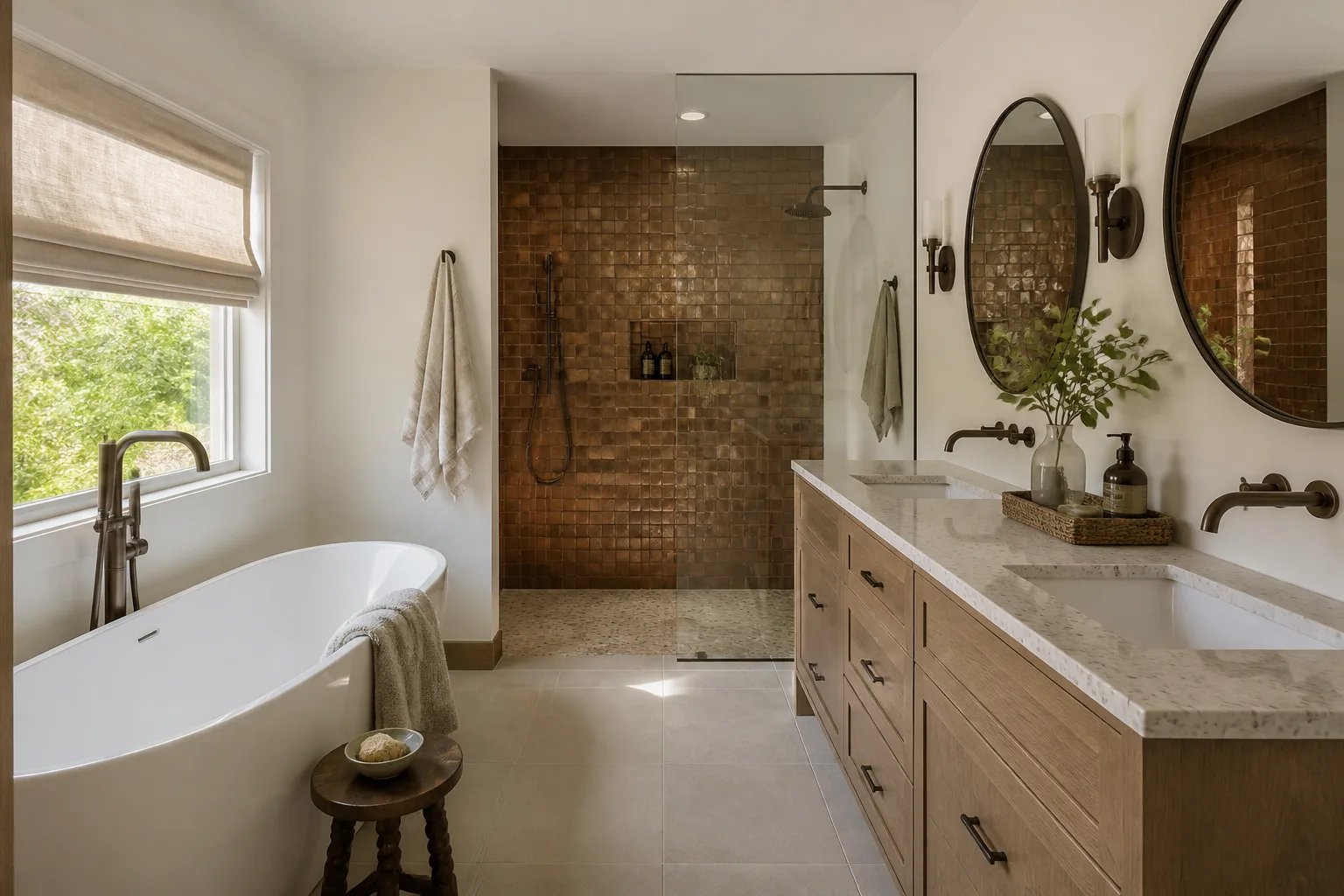
- Bathroom remodel (full, 50 to 70 sq ft): $22,000 to $48,000. Tile, fixtures, vanity, and waterproofing alone run $6,000 to $14,000; labor $10,000 to $22,000.
- Roof replacement (1,800 sq ft, asphalt shingle): $14,000 to $28,000. GAF or Owens Corning architectural shingles $4,500 to $8,000; labor $7,000 to $14,000; tear-off and disposal $1,500 to $3,500; permit $350 to $700.
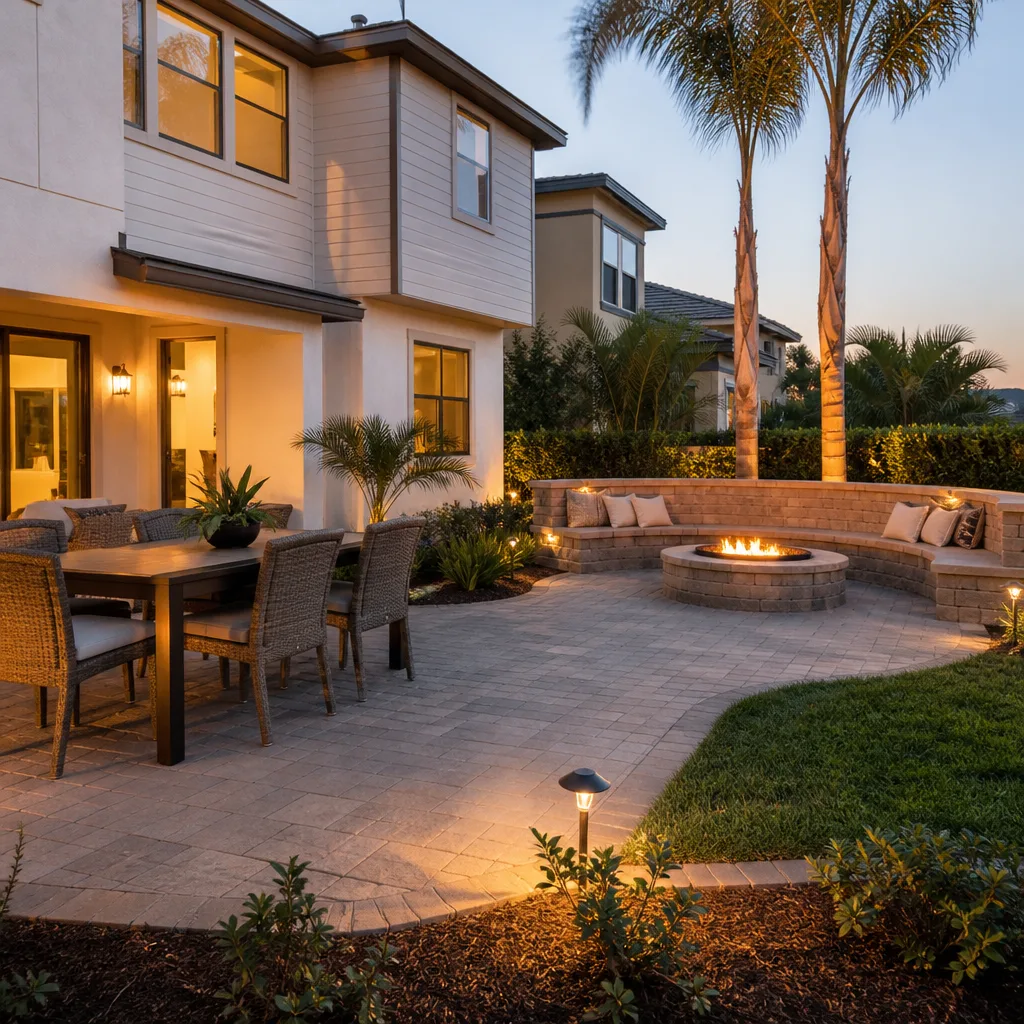
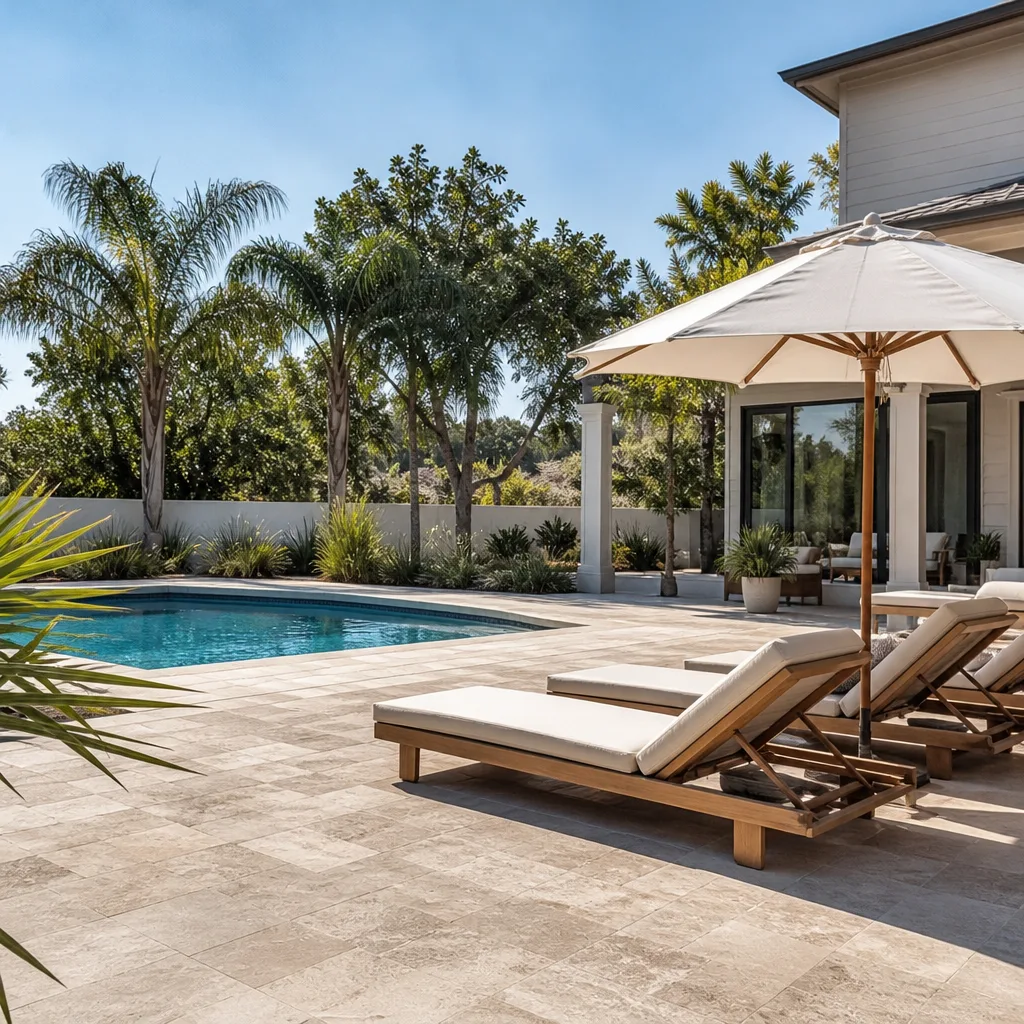
- Driveway installation (pavers, 500 sq ft): $8,500 to $22,000. Pavers $3,500 to $7,500 (Belgard or comparable), base prep and excavation $2,500 to $6,000, labor $2,500 to $6,500.
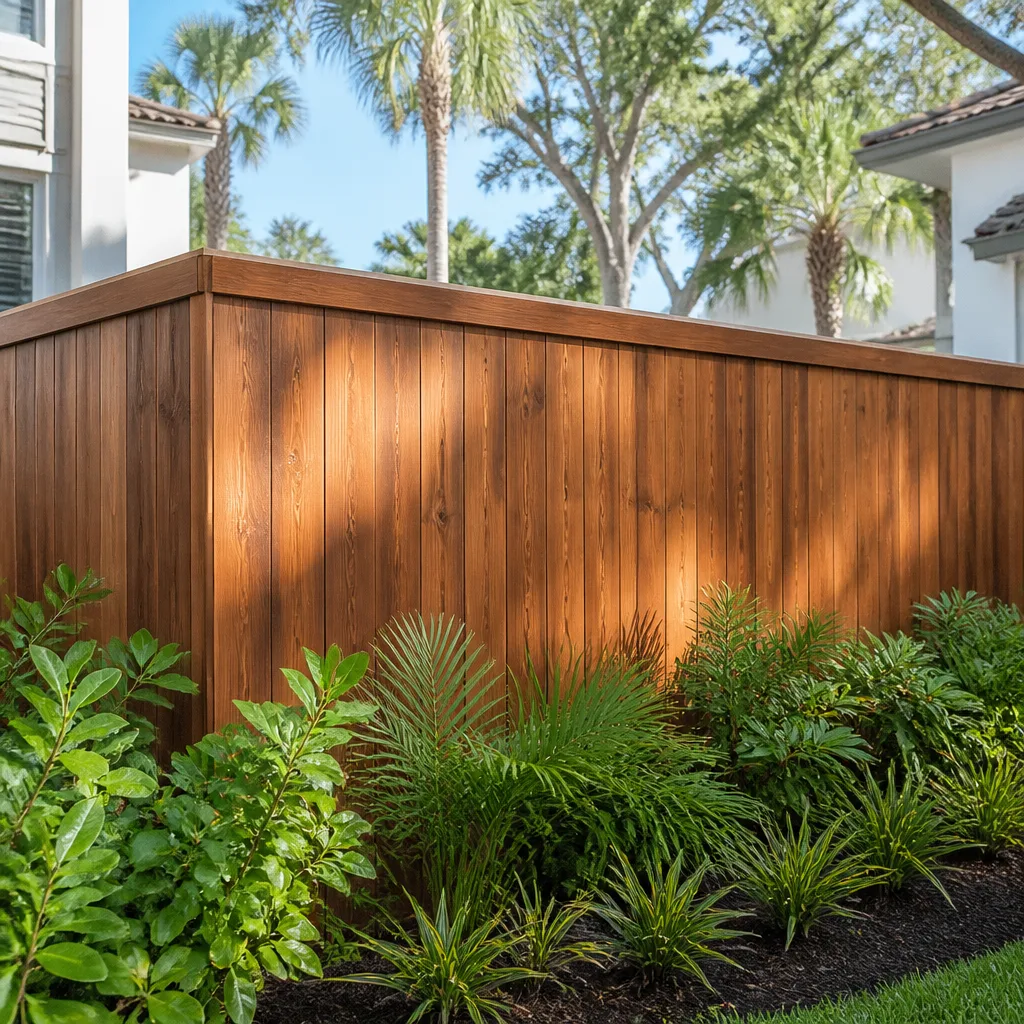
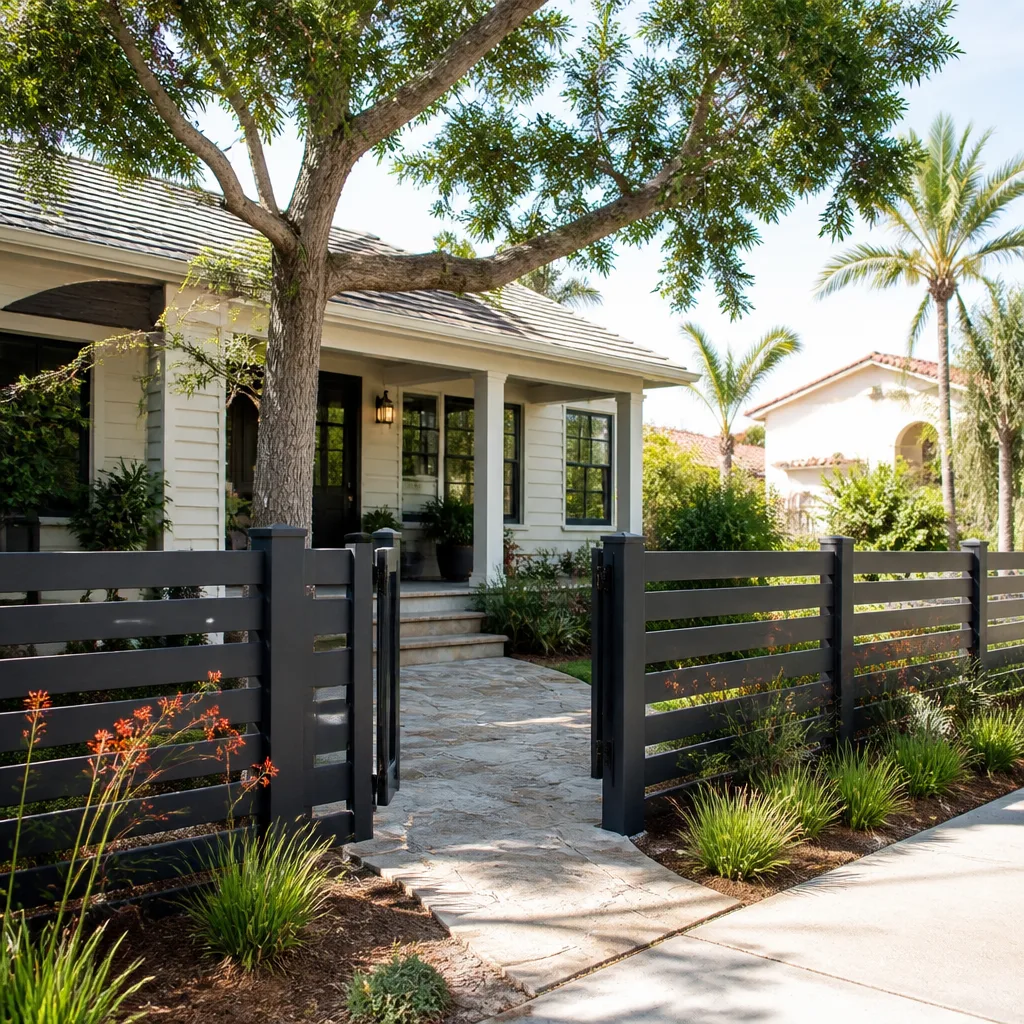
- Fence installation (150 linear ft, aluminum or vinyl): $6,500 to $14,000. Material $2,800 to $6,500; labor $2,800 to $6,000; permit varies by fence height and location.
If you’re building an addition or accessory dwelling unit, the Home Additions & ADU in Hialeah page covers zoning setbacks, lot coverage, and the design consult process in more depth. For driveways and outdoor hardscape, the Driveway & Pavers in Hialeah page breaks down base prep and paver selection. None of these ranges replace a walkthrough, but they give you a floor and a ceiling so you know when a number is genuinely low and when it’s a trap.
What “Allowances” Actually Mean in a Contract
An allowance is a placeholder dollar amount for a material the homeowner hasn’t chosen yet, and it’s the most common mechanism for a project to go over budget by design. The number looks real, but it isn’t a price, it’s a guess. When the homeowner then chooses something better than the placeholder, the difference becomes a change order, and the change order has a markup attached.
Here’s how the math works in practice. A bid lists a $5,000 cabinet allowance. In a Hialeah kitchen at 200 square feet, you’ll realistically need closer to $14,000 for a KraftMaid line that fits the space and the layout. That $9,000 gap, plus a 10 to 15% markup, is $10,000 to $10,400 the homeowner never saw coming. Run the same exercise across counters, tile, plumbing fixtures, and lighting and you can add $18,000 to $28,000 to a project without a single change in scope.
The remedy is simple and non-negotiable in a good contract: every allowance should match a real product line at a real price, ideally with a brand and model named. If you’re choosing between Cambria and Silestone for counters, the allowance should reflect what the entry-level option in that category actually costs. A contractor who refuses to name a brand or product in an allowance is telling you something about their bid.
Miami-Dade Permit, Impact, and Inspection Costs
Permit fees are the line item most often buried in a Florida construction bid, and Hialeah sits inside a county with a detailed fee schedule. For a typical Hialeah residential project in 2026, expect to budget:
- Building permit: $450 to $1,800 for a roof or fence; $1,800 to $4,500 for a kitchen or bathroom; $2,500 to $6,000 for a home addition.
- Plan review: $200 to $900, scaled to project valuation.
- Impact fees: Miami-Dade applies impact fees to new square footage. For an addition or ADU, this can run $3,000 to $12,000 depending on the square footage and utility district.
- Inspection scheduling fees: $75 to $250 per inspection cycle, typically 3 to 8 cycles per project.
- Re-inspections: $50 to $150 each, and they hit the homeowner when work doesn’t pass the first time.
All told, permits and inspections typically add 3 to 6% to total project cost. A bid that omits them isn’t saving you money, it’s moving the number to the invoice stage. We pull the permits, schedule the inspections, and pass them before we invoice the next phase, and that should be a written commitment in any contract you sign. If a contractor suggests skipping the permit to “save you money,” walk away. Unpermitted work in Hialeah can trigger a code violation at sale, and the cost to legalize it later is often three times the original permit fee.
Minimum Code vs. Hurricane-Ready Construction: The Real Dollar Gap
Miami-Dade has some of the strictest wind-load requirements in the country, and building to code is not the same as building to hold up in a Cat 3 hurricane. The gap between the two isn’t huge on a per-line basis, but it’s material, and it shows up in a handful of specific places.
Take a roof. Minimum code gets you a shingle that meets the product approval, but a hurricane-rated assembly adds a secondary water barrier, a specified nailing pattern, and rated underlayment. In Hialeah, that adds roughly $2,500 to $4,500 to a 1,800-square-foot roof. It also lowers insurance premiums, sometimes by 15 to 25%, which starts returning the cost in the first two years. On windows and doors, impact-rated units add $250 to $600 per opening over non-impact aluminum, but they eliminate shutters entirely and often cut insurance by more than the cost of the glass.
For additions and ADUs, hurricane-ready detailing shows up in anchor bolt spacing, strap hardware, continuous load path connections, and shear wall nailing. Budget an extra 4 to 7% on the structural portion of an addition to build that in. Over the life of a Hialeah home, that’s the cheapest insurance you can buy. We build hurricane-ready as a default because in a Hialeah neighborhood, the difference between a Cat 3 storm that does $8,000 of damage and one that does $80,000 is usually in $4,000 of upgraded hardware.
How to Compare Competing Bids Line by Line
Three bids on the same project should be easy to compare, but they rarely are, because contractors write scope differently. The way to force a fair comparison is to insist every bid be presented in the same line-item format. Here’s the specific template we recommend homeowners use:
- Demolition and disposal – named as a dollar figure, with dumpster and haul-away costs stated separately.
- Permits and inspections – broken out, with a note that the contractor handles them and that final inspection passes before final payment.
- Materials by brand and model – KraftMaid vs. generic cabinets, Cambria vs. Silestone vs. quartz, GAF vs. generic shingles. Naming brands is the proof that the allowance is real.
- Labor, broken by trade – framing, drywall, tile, finish carpentry, electrical, plumbing, HVAC. When labor is one lump sum, you can’t spot a lowball where one trade is underbudgeted.
- Contingency – a real line item of 8 to 12% for site conditions. A bid with zero contingency is telling you that the first surprise will be a change order.
- Warranty terms in writing – what’s covered, for how long, and what action the contractor takes if a defect appears. The 730-Day Done Right Promise we offer is the standard to hold any contractor to; if the warranty isn’t written down, it isn’t real.
The line items where legitimate contractors and low-ballers diverge most sharply are permits, site conditions, contingency, and material brands. A bid that’s silent on all four is not a deal, it’s a setup. When you line two bids up against each other, the contractor with the higher number often ends up being cheaper, because the number on paper is the number at closing.
A Step-by-Step Budget Checklist Before You Sign
Before you sign a contract in Hialeah, run this sequence. It takes about an hour, and it’s the cheapest hour of the entire project:
- Get three line-item bids. Not three lumps, three scopes. If one contractor won’t itemize, that’s information, and you already know what to do with it.
- Ask for the permit breakdown. Confirm the contractor pulls permits in their own name and that inspection fees are included.
- Match every allowance to a real product. Pick a specific cabinet line, a specific countertop brand, a specific shingle. Ask the contractor to price the bid against the actual product, not a placeholder.
- Confirm contingency is at 8% or higher. In an older Hialeah home, 12% is safer.
- Get the payment schedule in writing. Deposits above 20 to 25% before materials land are a red flag.
- Read the warranty language twice. Confirm what triggers it, how long it lasts, and how to make a claim.
- Ask who’s on site and when. Background-checked, uniformed technicians is a brand commitment we hold ourselves to. Every contractor should be able to tell you who’s showing up.
That checklist is why we publish our pricing and put our guarantee in writing. The Fence Installation in Hialeah page shows how even a smaller project gets the same line-item treatment. If you want to see how we frame our full-scope work, start at the Groundwork Construction Co. of Hialeah home page. Details matter at every price point.
Common Mistakes to Avoid
- Signing a bid with a single lump-sum number. A lump sum hides where the money goes, and you have no ground to stand on when the invoice arrives higher than the bid. Always insist on a line-item scope before any money changes hands.
- Choosing the cheapest bid without comparing scope. The lowest number is usually the smallest scope, not the best deal. Line the three bids up against the same line-item template and you’ll see the gap.
- Letting a contractor skip permits to “save you money.” In Hialeah, unpermitted work can trigger a code violation at sale, and legalizing it later costs more than the original permit several times over.
- Accepting an allowance without a brand named. A placeholder dollar amount for cabinets or counters is the single most common way a project goes over budget by design. Match every allowance to a real product before signing.
- Ignoring hurricane-rated upgrades on the roof or windows. The extra $2,500 to $4,500 on a Hialeah roof is often returned in insurance savings within two years, and it’s the difference between minor storm damage and a gut renovation.
- Paying a deposit above 20 to 25% before materials arrive. A huge upfront deposit removes your leverage on delivery dates and quality.
- Relying on verbal warranty promises. A warranty that isn’t in the contract has no legal standing. Whatever a contractor tells you about workmanship guarantees should appear in writing, with a defined claim process.
See the difference
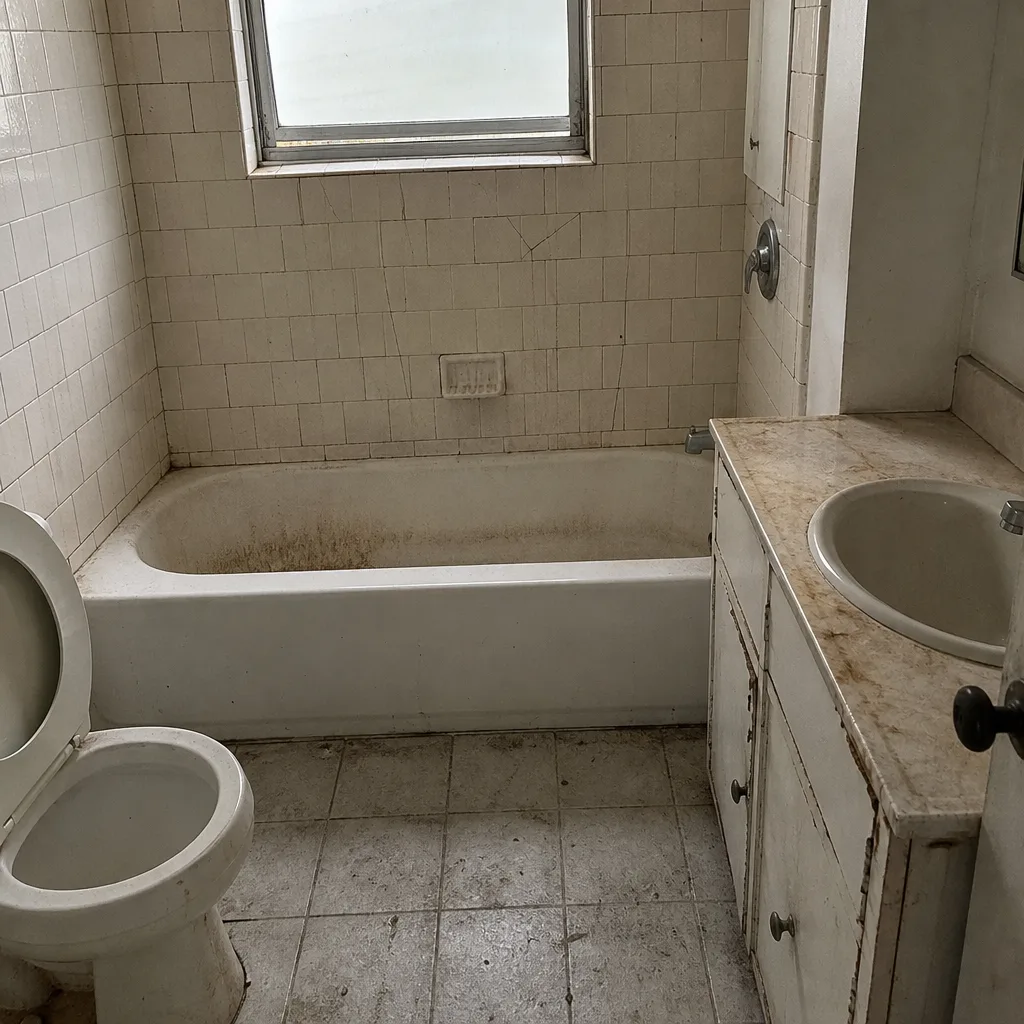 Before
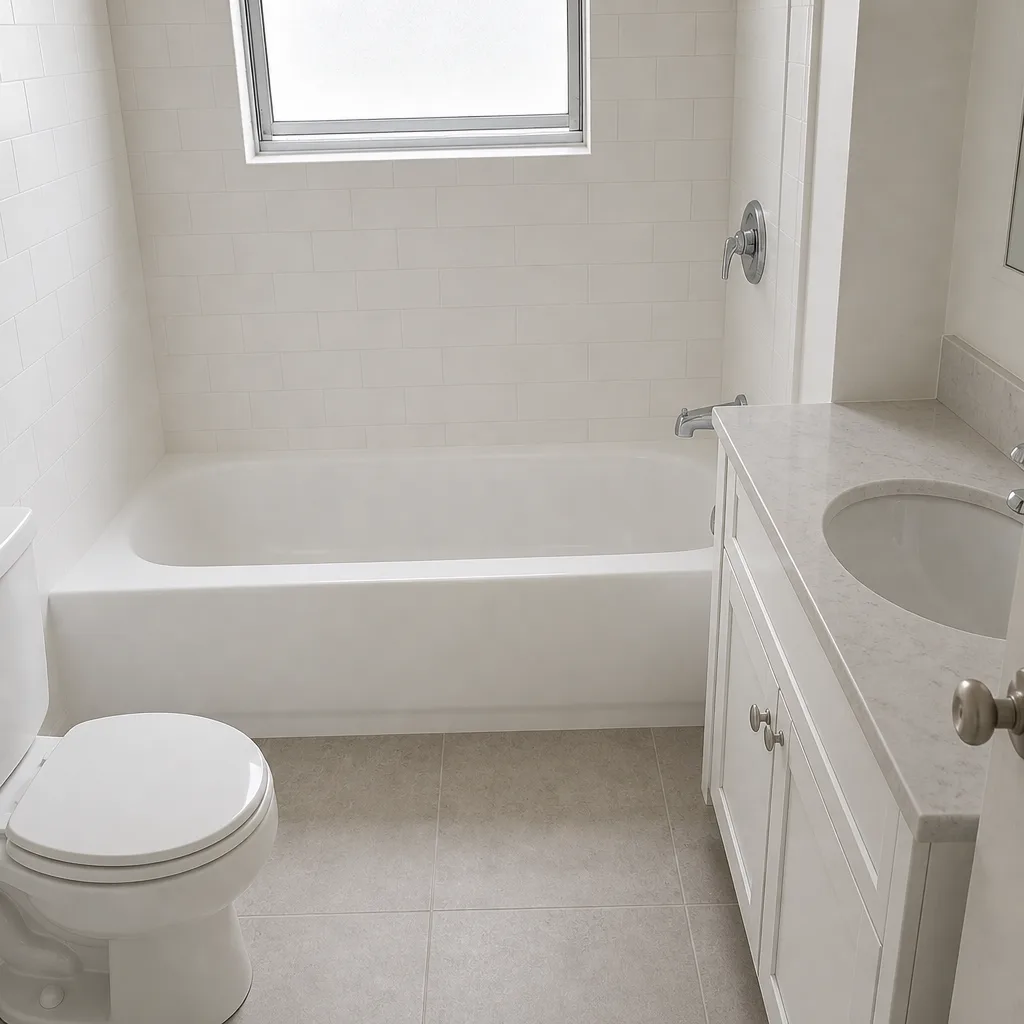 After
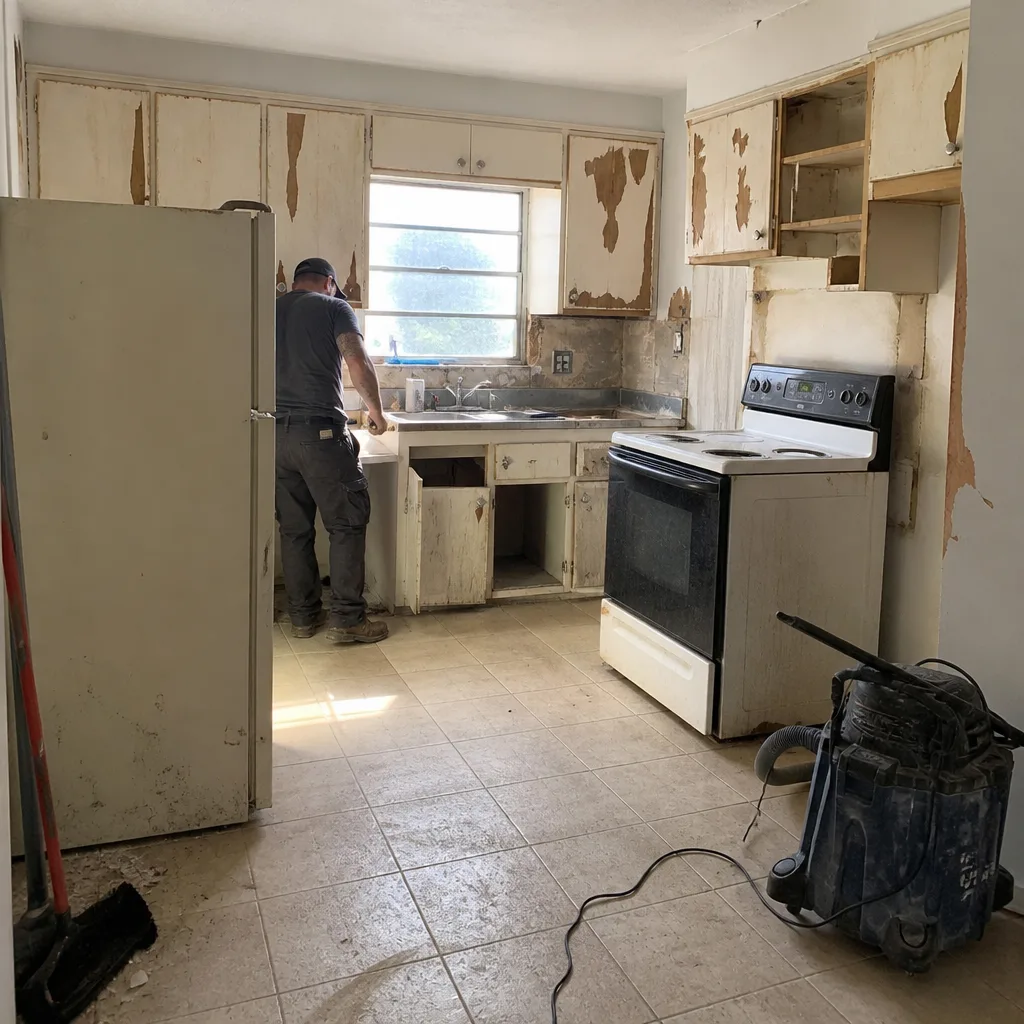 Before
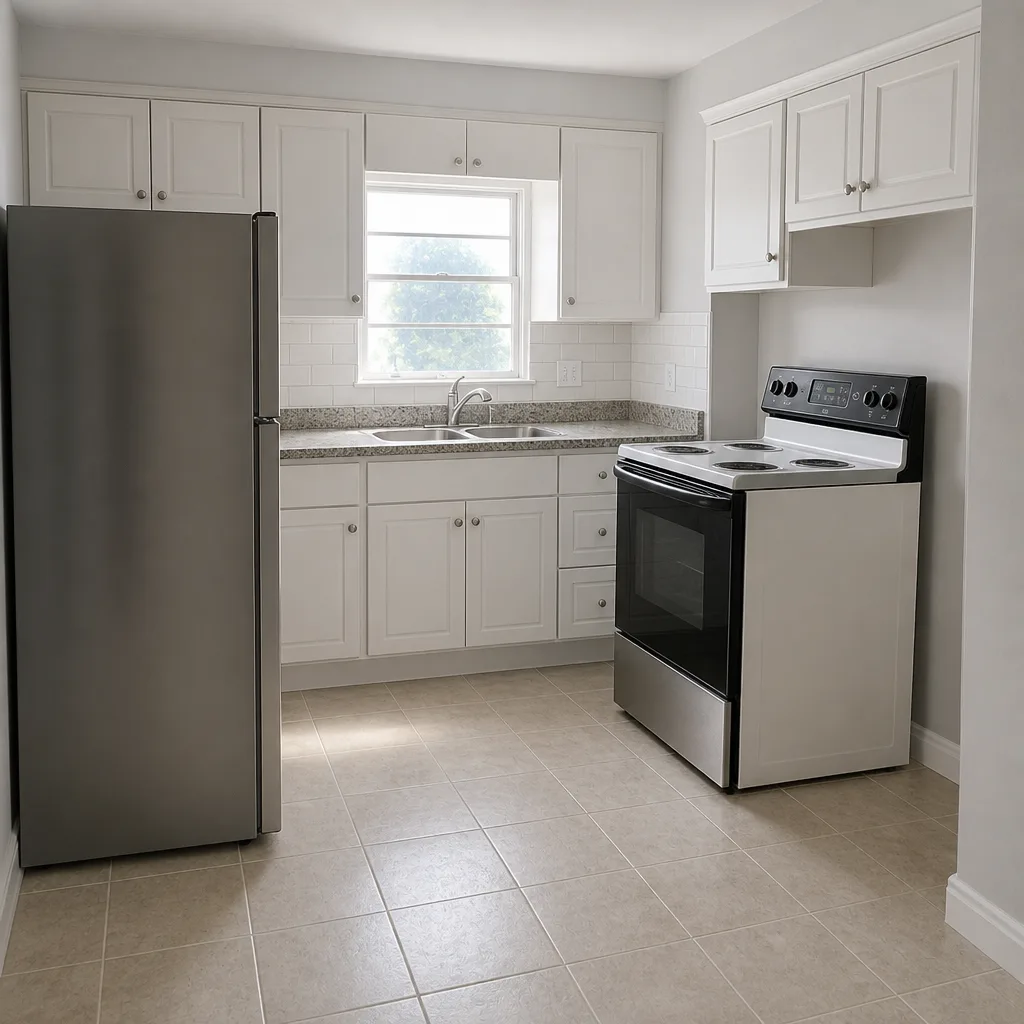 After
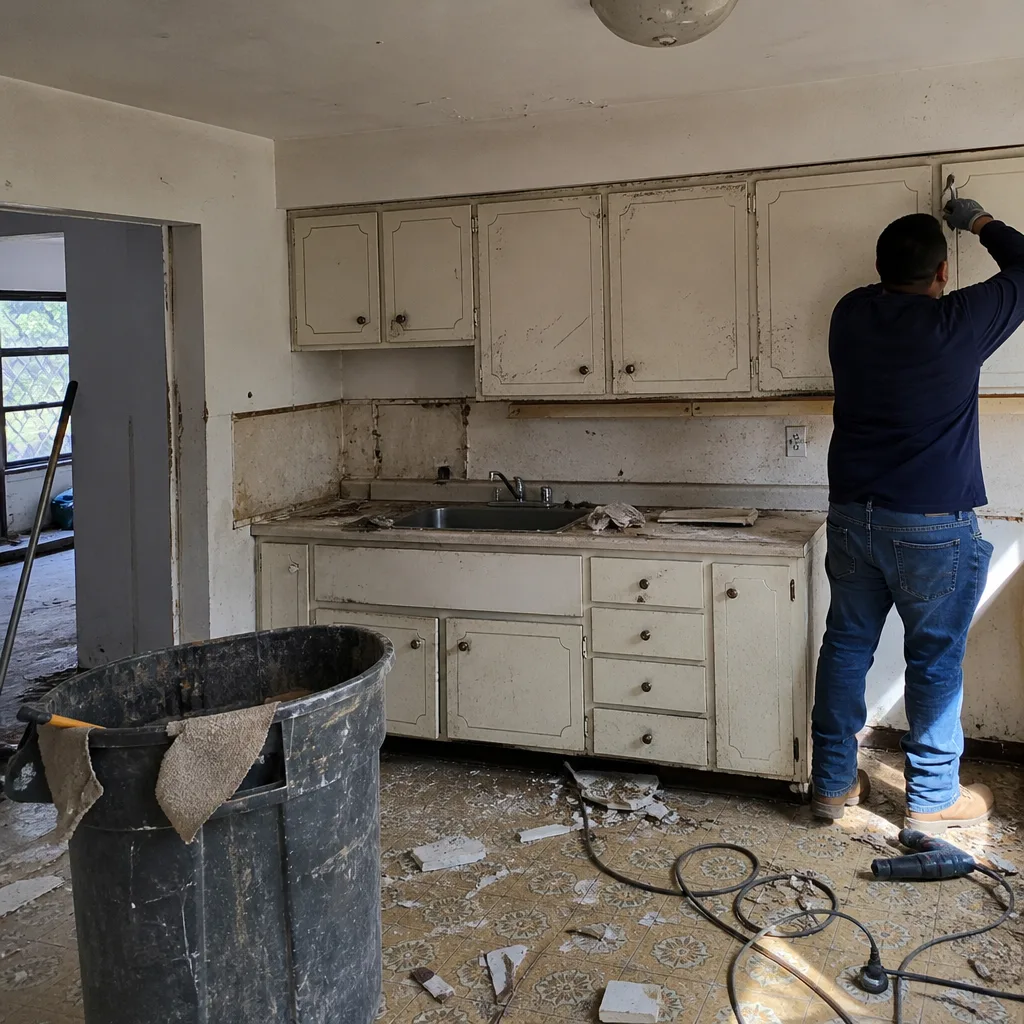 Before
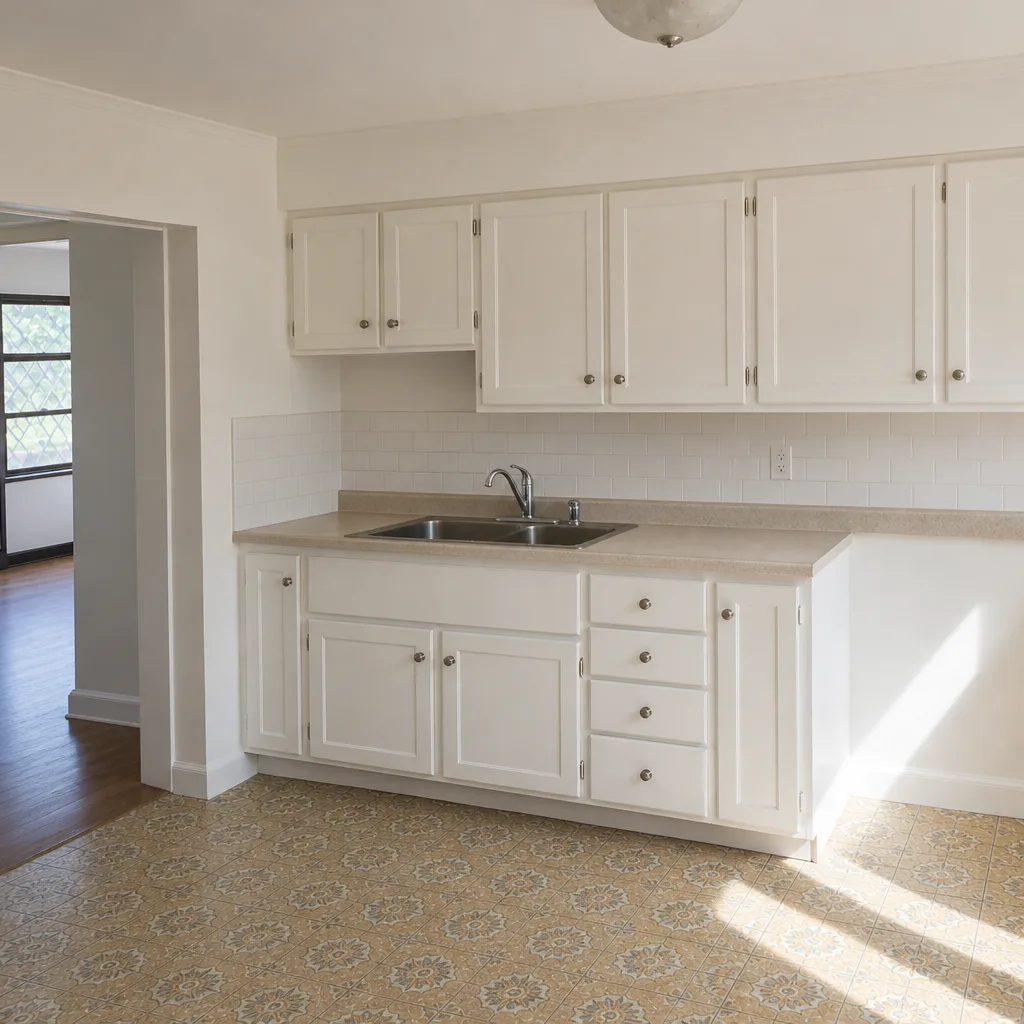 After
When to Call a Professional
Some of what’s in this guide you can handle on your own – comparing bids is a homeowner skill, not a trade skill. But a specific set of triggers should have you calling a licensed contractor the same week: any structural change to a Hialeah home, anything that touches the roof, electrical panel, gas line, or load-bearing wall, any project that needs a permit or plan review, and any job where the bid you’re holding is missing scope you now know should be there. Roof work, garage door spring replacement, and electrical panel upgrades aren’t homeowner tasks; they’re genuinely dangerous and need a trained professional with insurance on the line. Groundwork Construction Co. of Hialeah offers free estimates in Hialeah, and you can call (888) 418-7102 to schedule a walkthrough, see a line-item bid in writing, and get a real number for your project.
Frequently Asked Questions
A 400 to 600 square foot home addition in Hialeah typically runs $85,000 to $185,000 in 2026, with material at $45,000 to $100,000, labor at $35,000 to $75,000, and permit plus inspection fees at $3,500 to $7,500 on top. Impact fees on the new square footage can add another $3,000 to $12,000. Call (888) 418-7102 for a free estimate on your specific addition – the number depends heavily on lot coverage, setbacks, and site access.
Bids come in lower because the original scope leaves 22 to 30% of the real project cost out. Allowances set below real material costs, permit fees marked “by owner,” and site conditions not included are the three most common gaps. A contractor who itemizes scope and prices against real products closes that gap in the bid, not the invoice. Call (888) 418-7102 to see what a line-item bid looks like.
Yes. Roof replacements and driveway projects in Hialeah require Miami-Dade permits in almost every case, and the permit fee typically runs $450 to $1,800 for a roof or fence. Unpermitted work can trigger a code violation at sale, and legalizing it afterward often costs three times the original fee. Call (888) 418-7102 to have a permit-covered estimate prepared.
Hurricane-ready construction adds roughly 4 to 7% to the structural portion of an addition, $2,500 to $4,500 on a roof for secondary water barrier and rated underlayment, and $250 to $600 per opening on impact windows. Insurance discounts of 15 to 25% often return the cost of the roof upgrade within two years. Call (888) 418-7102 for a line-item breakdown of both options for your property.
Force both bids into the same line-item format: demolition, permits, materials by brand and model, labor by trade, contingency, and warranty terms in writing. The line items where legitimate contractors and low-ballers diverge most are permits, site conditions, contingency, and material brands. Call (888) 418-7102 for a straightforward bid you can line up against the others.
Not if the scope is genuinely defined. Change orders should only cover things discovered underground or behind walls that no contractor could have seen, plus homeowner-requested upgrades. Upfront pricing with no surprises is a document, not a promise – it lives in the line items. Call (888) 418-7102 for a free estimate with written scope, fixed line items, and a stated contingency.
The Bottom Line
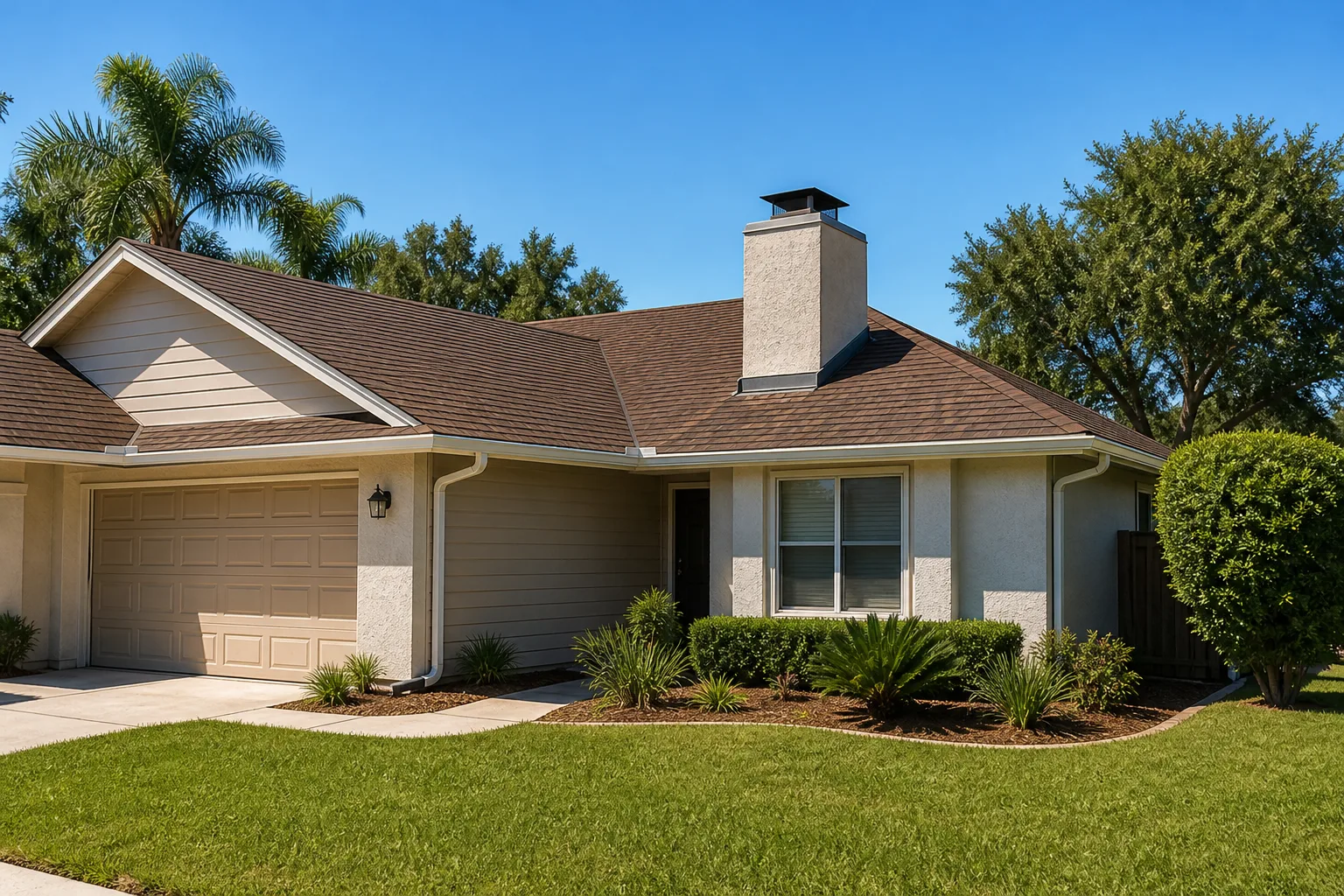
The Hialeah homeowner who can read a bid has more power than the one who can’t. Know the 2026 cost ranges for the work you’re planning, demand a line-item scope with named brands and real allowances, confirm permits and inspections are in the bid, and hold every contractor to the standard of hurricane-ready detail. The number you see should be the number you pay, backed by a written workmanship guarantee, background-checked uniformed technicians, and pricing that stays fixed. When the bid is transparent, the closest estimate is usually the best one.
Groundwork Construction Co. of Hialeah offers a free project estimate and design consult, upfront line-item pricing, a 730-Day Done Right Promise on every project, 0% financing for 18 months, and $1,000 off projects over $10,000. Calls are answered by a live person, 24/7. Call (888) 418-7102 to schedule your free estimate and get a real number for your Hialeah project.
Written by the team at Groundwork Construction Co. of Hialeah.