Last updated November 18, 2026



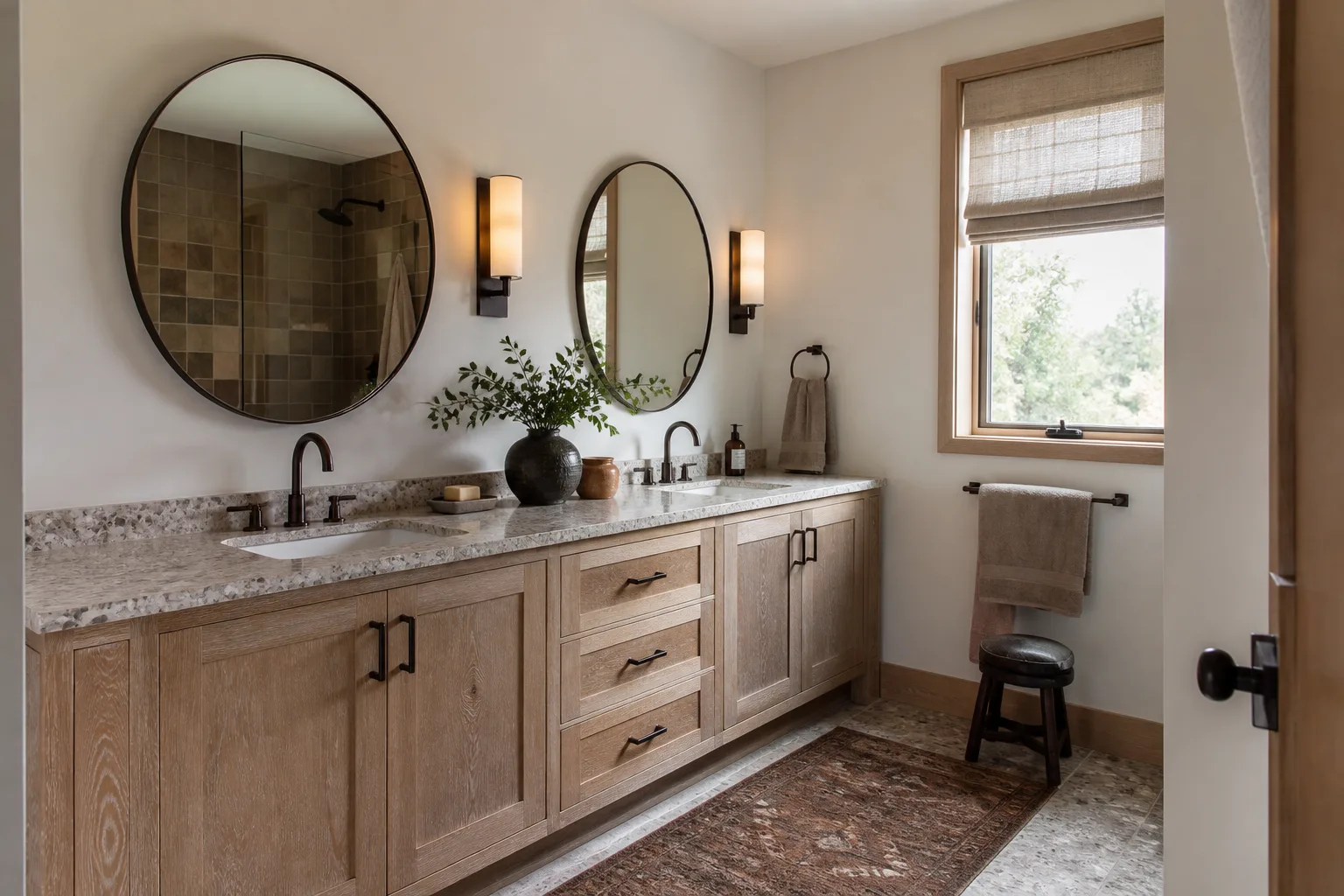
Free written scope consultation - allowances, timeline, and change-order rules on paper before a single trade is scheduled
Construction Emergency Preparedness Guide for Hialeah Homes
After Hurricane Irma, the average wait for a licensed contractor in Miami-Dade County stretched past 90 days. Homeowners who already had a contractor relationship had crews on their property within a week. That gap is the whole story. Construction emergencies in Hialeah aren’t a matter of if; they’re a matter of when, and the homeowners who come through them cleanly are the ones who made decisions before the crisis, not during it. This guide is a pre-event playbook: the documents to gather now, the triage sequence to run after a storm, the tarping standards that hold up to an adjuster, and the local resources most Hialeah homeowners don’t know exist until they need them.
Quick Answer
Construction emergency preparedness for a Hialeah home means assembling three things before storm season: a documentation file (photos, policy details, contractor contacts) that speeds up insurance claims, a damage-triage plan that separates immediate mitigation from what can safely wait for a licensed inspection, and a short list of trusted local contractors you’ve already talked to. The goal is to make fast, correct decisions in the first 72 hours after a storm, when panicked homeowners sign bad contracts and well-prepared ones don’t.
Styles & brands we work with
- Kitchen remodeling
- Bathroom remodeling
- Home additions & ADU
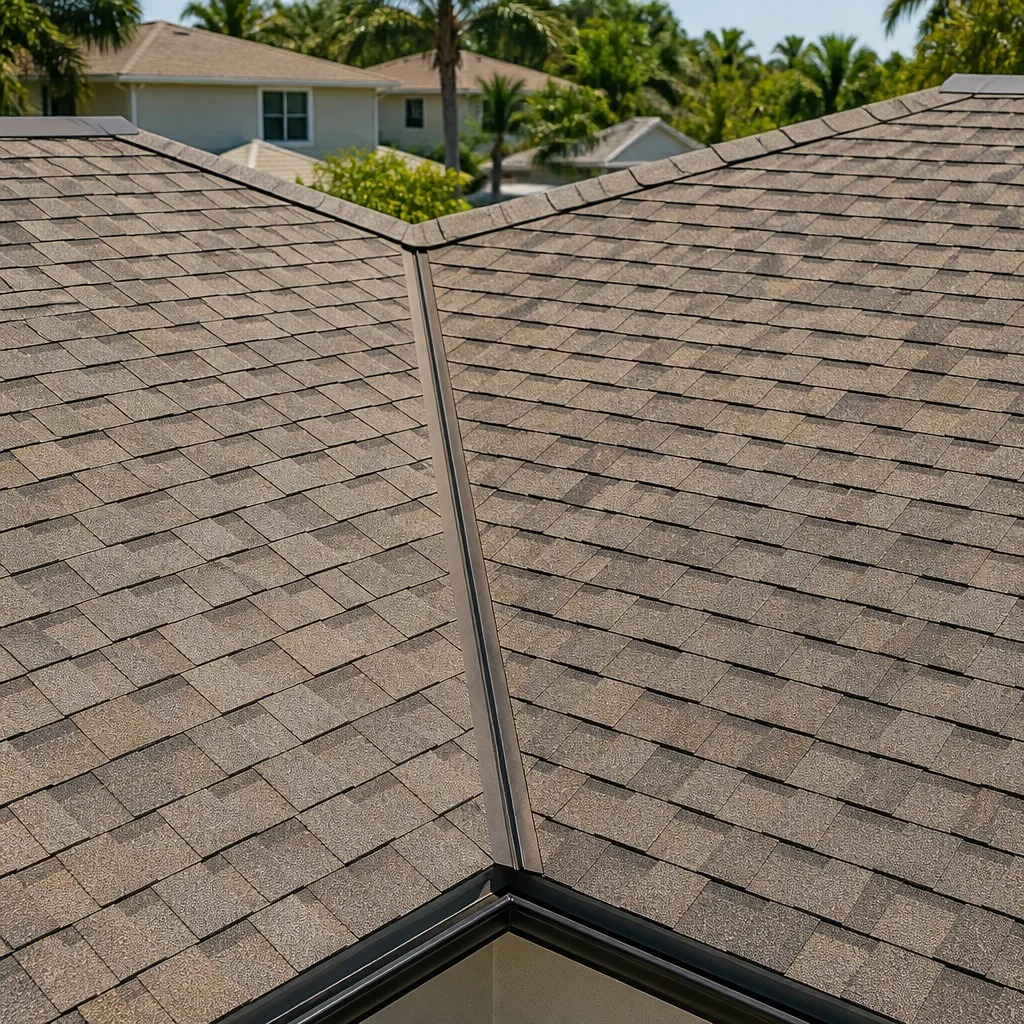
- Roofing
- Windows & doors
- Driveway & pavers
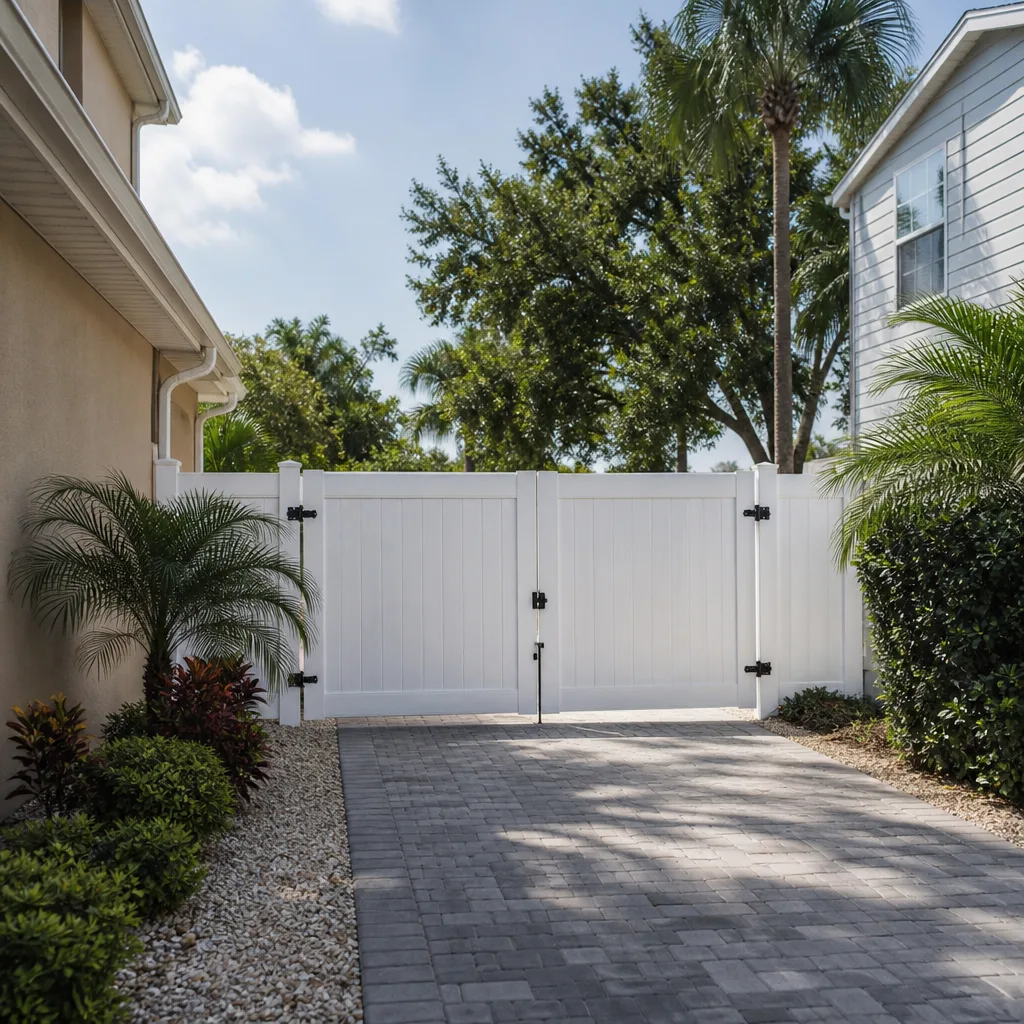
- Fence
Table of Contents
- Building Your Home Construction Emergency File
- The Post-Storm Triage Sequence
- How the Post-Hurricane Contractor Market Works
- Emergency Tarping and Weatherproofing Standards
- Hialeah and Miami-Dade Emergency Resources
- Why Hialeah’s Housing Stock Fails Differently
- Proactive Upgrades That Prevent Emergencies
Building Your Home Construction Emergency File
Most Hialeah homeowners discover what their insurance policy actually covers while standing in a flooded hallway. That’s the worst possible time to read fine print. A construction emergency file solves this by front-loading the boring work, so the decisions you make under stress are already made.
Here’s what goes in the file, and why each piece matters:
- Full exterior photo set, dated. Walk the perimeter of your home every six months and photograph the roof from ground level (or from a neighbor’s second-story window), all four elevations, the fence line, the driveway, and every window and door. Adjusters compare pre-storm and post-storm conditions. A dated photo set is the difference between “prove it was like that before” and a clean claim.
- Your policy declarations page and flood policy. Standard homeowners policies in Florida exclude flood damage; you need a separate flood policy through the NFIP or a private carrier. Keep both declarations pages in the file. Note your deductible, which for hurricane claims in Florida is often a percentage of dwelling coverage rather than a flat dollar amount.
- A written home inventory. Room by room, with photos of anything valuable. This is the document that gets claims paid for contents, not just structure.
- Contractor contacts you’ve actually spoken to. Not names pulled off a search result at 2 a.m. The names of licensed local contractors who have walked your property and given you a baseline assessment.
- Utility shutoff locations. Photograph your main water shutoff, electrical panel, and gas meter, and note in the file how each is shut off, in case you’re not home when something fails.
Keep a physical copy in a waterproof bag and a digital copy in cloud storage. When power is out across Hialeah for a week, the cloud copy is the one that works. Building this file takes an afternoon. It’s the highest-return afternoon you’ll spend on your home this year.
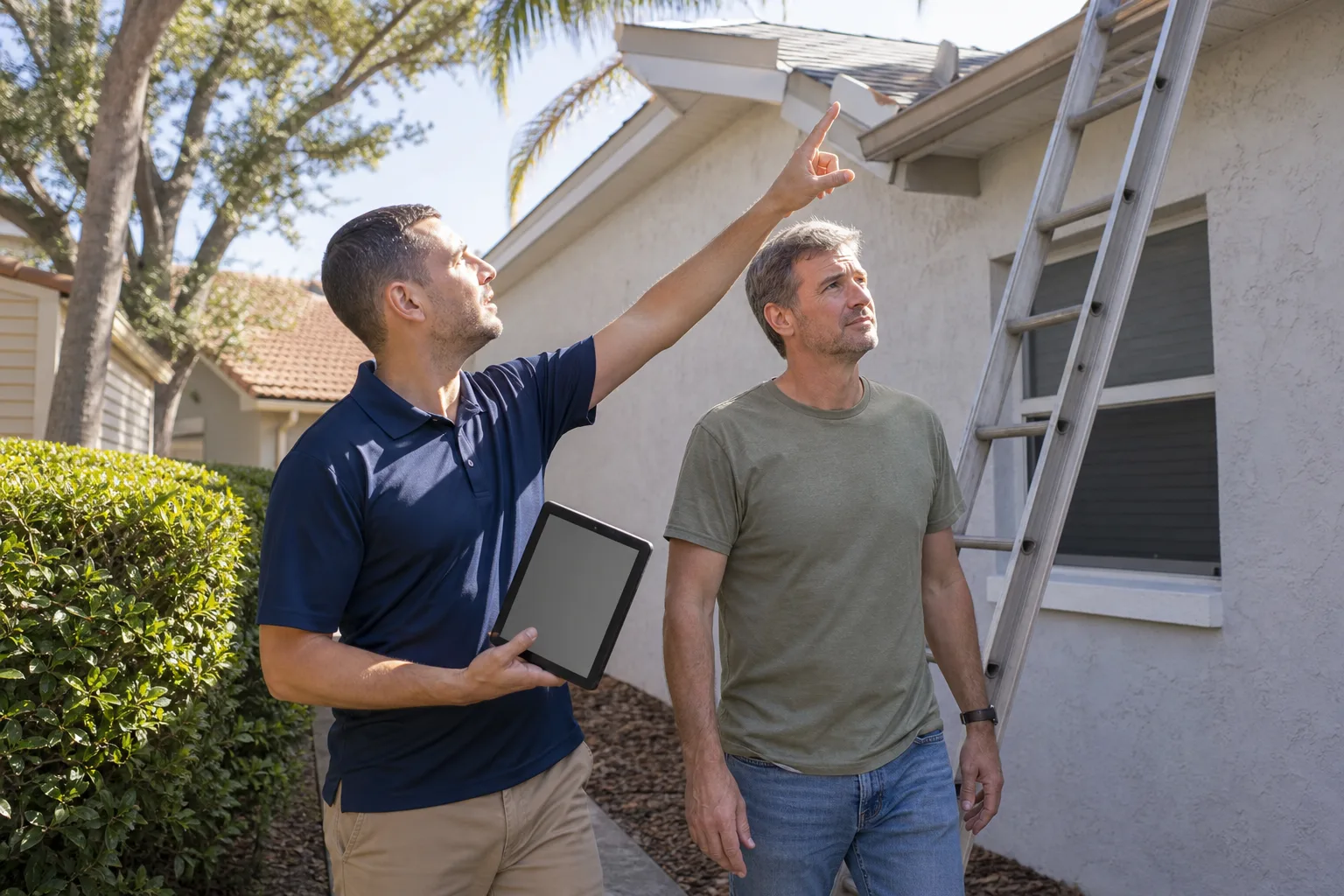
If you want a professional baseline assessment to anchor the file, a free project estimate and design consult gives you a documented starting point for your roof, exterior, and structural condition. That’s a reasonable thing to schedule before storm season rather than after.
The Post-Storm Triage Sequence
After a storm passes, the instinct is to fix everything at once. Don’t. The correct approach is a triage sequence that stops active damage first, then documents, then waits for inspection on everything else. Getting this order wrong is how small problems become large claims.
Run the sequence in this order:
- Safety scan before you touch anything. Look for downed power lines, smell for gas, check for sagging ceilings or cracks that weren’t there before. If you see structural movement or smell gas, leave the house and call from outside. This step is not optional.
- Stop water intrusion. Active leaks get mitigated immediately: tarp the roof breach, close the shutters, move furniture and electronics off wet floors. Water damage compounds by the hour in South Florida heat.
- Photograph everything before cleanup. Every damaged item, every water stain, every cracked tile. The adjuster needs the “before cleanup” state. Once you’ve hauled debris to the curb, that evidence is gone.
- Separate urgent from non-urgent. Urgent means active water intrusion, exposed structure, broken windows, or a compromised roof. Non-urgent means cosmetic damage, fence sections down, driveway cracking, pool cage screens torn.
- Schedule the licensed inspection for the non-urgent list. Roofs, structural walls, and anything electrical need a licensed eye. Don’t let a handyman diagnose what a licensed inspector should assess.
In our experience working Hialeah neighborhoods, the most common triage mistake is homeowners climbing onto their own roofs after a storm to “check the damage.” Roofs are slick, hot, and structurally uncertain after wind uplift. Let a trained professional get up there. The inspection is worth more than the risk.
How the Post-Hurricane Contractor Market Works
The 72 hours after a named storm hits Miami-Dade is the single worst window to sign a construction contract. Here’s why. Out-of-state crews flood in, many unlicensed, many operating under a storm-chasing model where the company name on the contract is a shell entity that won’t exist by the time you need warranty work. They knock on doors, quote low, ask for a large deposit, and vanish. The homeowners who get burned are almost always the ones who signed first and asked questions later.
What the market actually looks like after a storm:
- Legitimate local contractors get booked fast. A licensed Hialeah contractor with a real reputation has a backlog within days. That’s the market signal that matters.
- Deposits are the tell. A reputable contractor asks for a reasonable mobilization deposit tied to a signed scope of work. A storm-chaser asks for 50% up front in cash and offers a discount for signing “today.”
- License and insurance verification is fast and free. Miami-Dade County and the State of Florida both maintain online license lookup. Do it before you sign anything. It takes five minutes.
- Written scope protects you. Every line item, every material, every finish, in writing. If a contractor won’t put it in writing, that’s your answer.
This is why the pre-storm relationship matters so much. A contractor you’ve already vetted, who has already walked your property, doesn’t need to re-earn your trust during a crisis. They already have your file. The single best move a Hialeah homeowner can make is to establish that relationship before June, not after a storm makes the phone lines unreachable. Upfront pricing you’ve already seen beats a desperate call to a stranger.
Emergency Tarping and Weatherproofing Standards
Improper tarping doesn’t just fail to protect your roof; it can give an adjuster grounds to reduce your claim. Insurance mitigation requirements expect a tarp to actually mitigate, and a tarp flapping loose or stapled through shingles doesn’t qualify. The standard matters.
What a proper emergency tarp job includes:
- Heavyweight tarp material rated for sustained wind, not a blue poly tarp from a hardware store.
- Wood batten anchorage along the eave line, secured to the structure, not through the roof deck or shingles. Staples and nails through shingles create new leaks and additional damage the adjuster will note.
- Overlap and slope that sheds water away from the breach, not toward it. Water pooling under a tarp does more damage than an open breach in dry weather.
- Documented installation with photos showing the tarp in place, the anchorage, and the date. This goes in your file and gets submitted with the claim.
A DIY tarp job done quickly and photographed is better than nothing, but a tarp that fails inspection can cost you on the claim. When the roof breach is significant, or when the tarp needs to hold for more than a few days, that’s a professional job. The mitigation standard is higher than most homeowners expect, and a properly installed tarp protects both the home and the claim.
One note on the roof itself: if you’re seeing lifted shingles, cracked underlayment, or exposed decking, that’s a licensed roofing evaluation, not a DIY repair. We don’t recommend homeowners do structural roof work, period. Get it inspected. If it turns into a replacement, a full Groundwork Construction Co. of Hialeah home assessment gives you a documented condition report and a written replacement estimate before you’re pressured into anything by a storm-chaser.
Hialeah and Miami-Dade Emergency Resources
Most Hialeah homeowners don’t know about the emergency fast-tracks that activate during a declared local emergency until they need one. Here’s the practical map.
- Miami-Dade County emergency permitting. During a declared state of emergency, the county activates accelerated permit review for storm-related repairs. Roofing, structural mitigation, and certain repairs can move through a fast-track process. Your contractor should know this and pull the permit through the fast-track, not the standard queue.
- Building inspection priority. Post-emergency inspection systems prioritize life-safety and structural issues. If your repair is mitigation to prevent further damage, it moves ahead of cosmetic work. Ask your contractor to request priority inspection status during a declared emergency.
- Hialeah city building department. The City of Hialeah maintains its own building department with local permit requirements on top of the county’s. A contractor who operates in Hialeah regularly knows the local permit desk and the local inspectors. That fluency is worth a lot during a backlog.
- FEMA and Florida Division of Emergency Management. Register for disaster assistance early, document everything, and keep your claim numbers in the emergency file. FEMA assistance is not a substitute for insurance, but it bridges gaps.
- The Florida Department of Business and Professional Regulation (DBPR). This is where you verify a contractor’s license and file a complaint. Both functions are free and online.
The common thread: all of this requires you to know it before the emergency, not after. A Hialeah contractor with established local relationships moves through the permit and inspection system faster than a crew that just landed from out of state. That’s not favoritism; it’s fluency with the local process.
Why Hialeah’s Housing Stock Fails Differently
Hialeah’s housing stock is a specific animal. Much of it was built in the decades after World War II through the 1980s, which means a large share of homes in Hialeah are now 40 to 70 years old and carrying the original infrastructure: cast-iron or galvanized plumbing, early-generation electrical panels, roofs that have been patched more than replaced, and concrete block construction with stucco that has been repainted but not repaired.
Those systems fail in ways that newer construction doesn’t:
- Roofs fail at the fasteners, not the shingles. On older Hialeah roofs, the deck and the nail pattern are often the weak point. Wind uplift starts at the attachment, and a roof that looks fine from the ground can lose sheathing on the first strong gust.
- Electrical panels from the 1960s and 1970s are a specific hazard. Federal Pacific and Zinsco panels, common in homes of that era, have known failure modes. If a home in Hialeah still has one, that’s an electrical evaluation, not a DIY project. Panel work is dangerous and needs a licensed electrician, full stop.
- Stucco hides water intrusion. South Florida’s moisture environment is relentless, and stucco over concrete block can trap water against the structure. By the time it shows as a stain inside, the wall cavity has been wet for a while.
- Drainage and grading issues compound. Older lots in Hialeah occasionally have grading that directs water toward the foundation. That’s a chronic slow-motion problem that becomes an acute one during a heavy rain event.
This is where proactive work pays off. A driveway regrade or paver replacement can correct drainage. A Driveway & Pavers in Hialeah project that’s engineered to slope away from the foundation is a mitigation measure, not a cosmetic one. Likewise, a Fence Installation in Hialeah using properly set posts (Quikrete or Sakrete fast-setting concrete, set below the local frost line equivalent for the region) holds up to wind far better than a post dug and backfilled with native soil. These aren’t luxury upgrades; they’re the difference between a non-event and a claim.
Proactive Upgrades That Prevent Emergencies
The cheapest construction emergency is the one you design out of existence. Here are the highest-value proactive projects for a Hialeah home, ranked by the emergency they prevent.
- Roof replacement with a wind-rated system. A roofing system installed with a proper underlayment, a wind-rated shingle, and a documented nail pattern dramatically reduces storm damage. GAF and CertainTeed both offer wind-rated systems with manufacturer warranties. This is the single biggest lever.
- Impact-rated windows and doors. A broken window during a storm pressurizes the house from inside, which is how roofs get lifted off. Impact-rated windows from Andersen or Pella eliminate that failure mode and reduce insurance premiums in Florida.
- Drainage correction. Regrading and proper paver or concrete work that moves water away from the foundation.
- Wind-rated fence and gate systems. A fence that stays up during a storm is a fence that doesn’t become debris that damages your home or your neighbor’s.
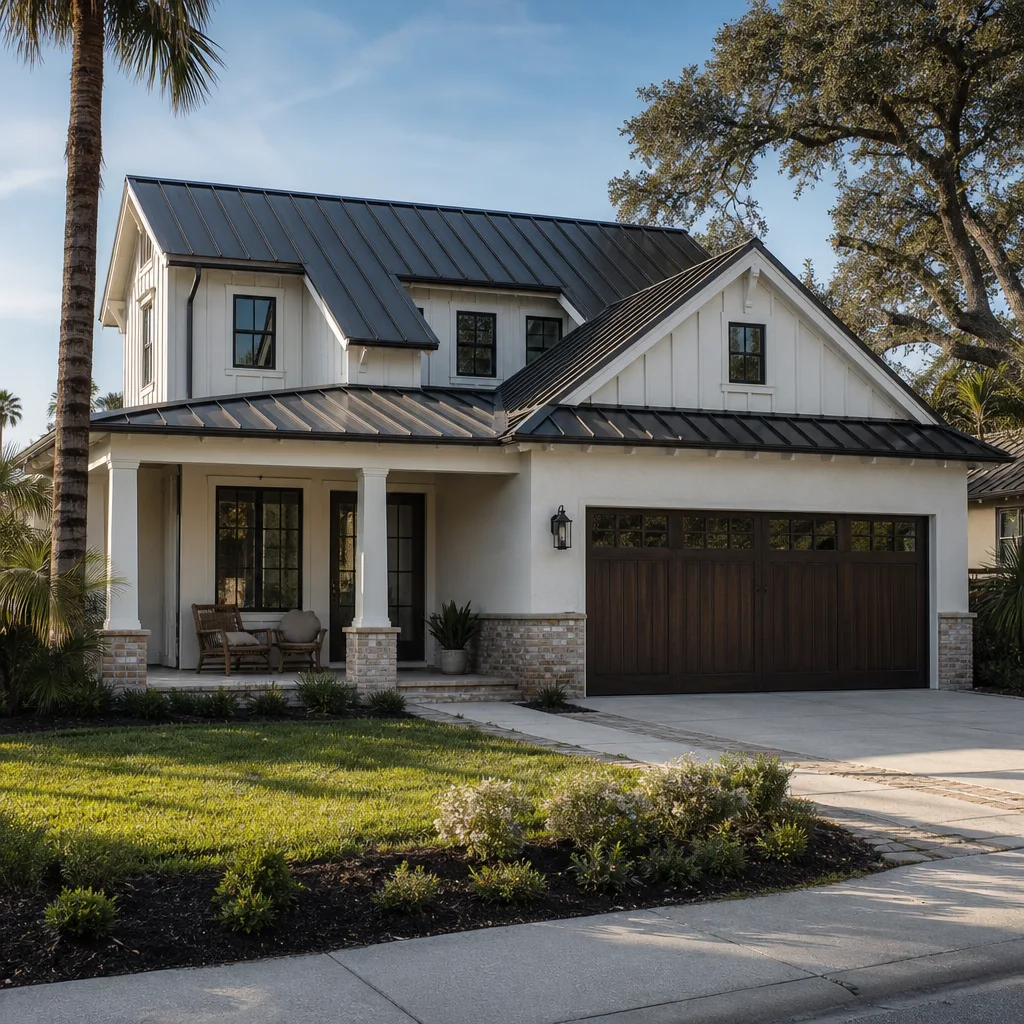
- A home addition built to current code. If you’re adding square footage, building to current wind and moisture standards raises the whole property’s resilience. A Home Additions & ADU in Hialeah project is the moment to bring the rest of the envelope up to standard.
Two of these stand out for Hialeah specifically: roof systems and impact windows. Between hurricane season and the aggressive moisture environment, those are the two upgrades that most directly prevent emergencies. They’re also the two where material choice matters most. We work with a curated portfolio of top-tier brands across every trade (GAF and Owens Corning on roofing, Andersen and Marvin on windows) so the homeowner is choosing quality, not just availability. That’s the difference between a system that holds and one that gets patched.
Common Mistakes to Avoid
- Signing a contract in the first 72 hours after a storm. Storm-chasers count on urgency and confusion. Wait the 72 hours, verify the license, and sign a written scope. Almost every bad post-storm story starts with a signature on day one.
- Climbing onto your own roof. Post-storm roofs are slick, structurally uncertain, and hot. A fall is a medical emergency on top of a construction one. Let the licensed inspector get up there.
- Hauling debris before documenting it. Once the curb is full, the evidence is gone. Photo and video everything before cleanup. Adjusters pay for documentation, not damage you can no longer show.
- Skipping the flood policy because “we’re not in a flood zone.” In South Florida, storm surge and heavy-rain flooding don’t respect zone maps. Standard homeowners policies exclude flood. Get the separate policy.
- Tarping with a light poly tarp stapled through shingles. It fails, it creates new leaks, and it gives the adjuster a reason to reduce the claim. Use a proper tarp with wood batten anchorage, documented with photos.
- Hiring a crew from out of state with a shell company name. If the company name on the contract doesn’t match a license you can verify online, walk away. It’s that simple.
- Letting a handyman touch electrical or structural work. A Hialeah home with an old panel or a suspect wall is a licensed-trade job. Handymen are not licensed for this, and the liability lands on you.
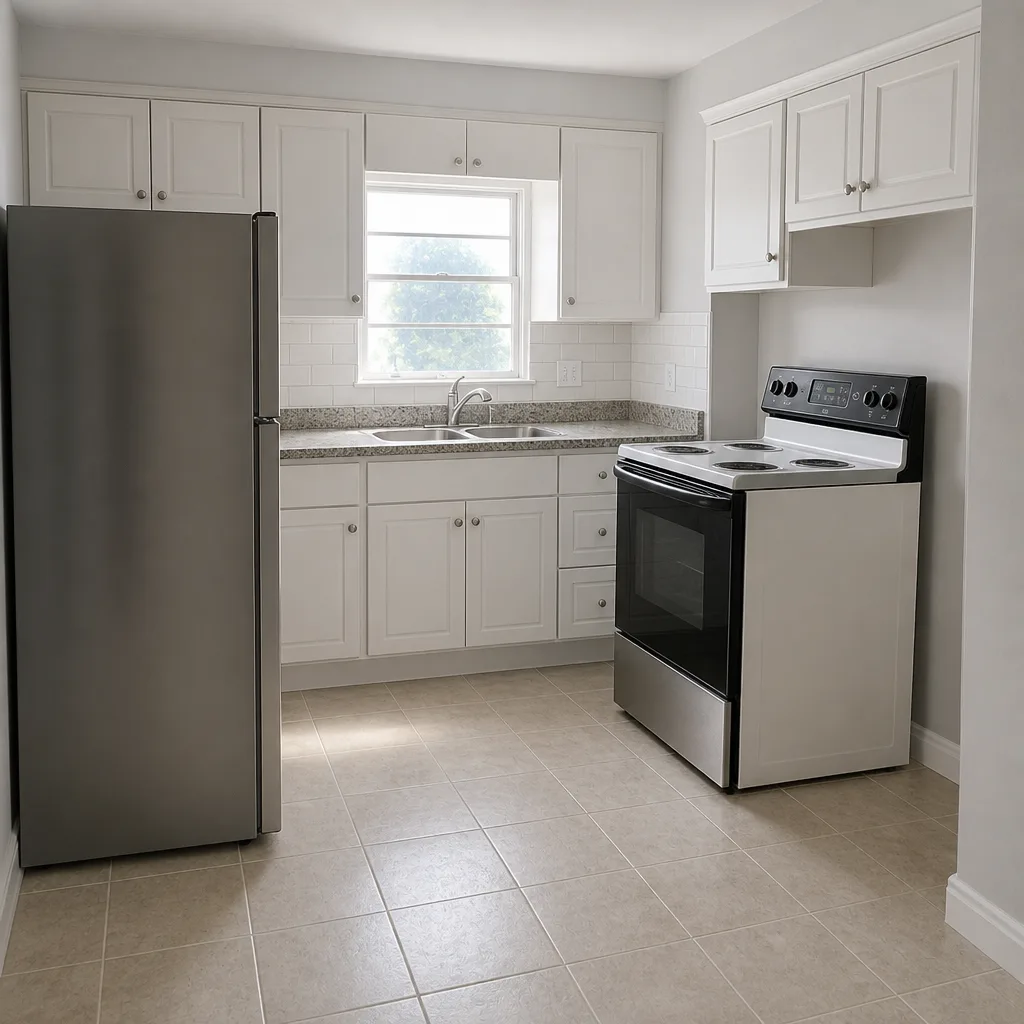
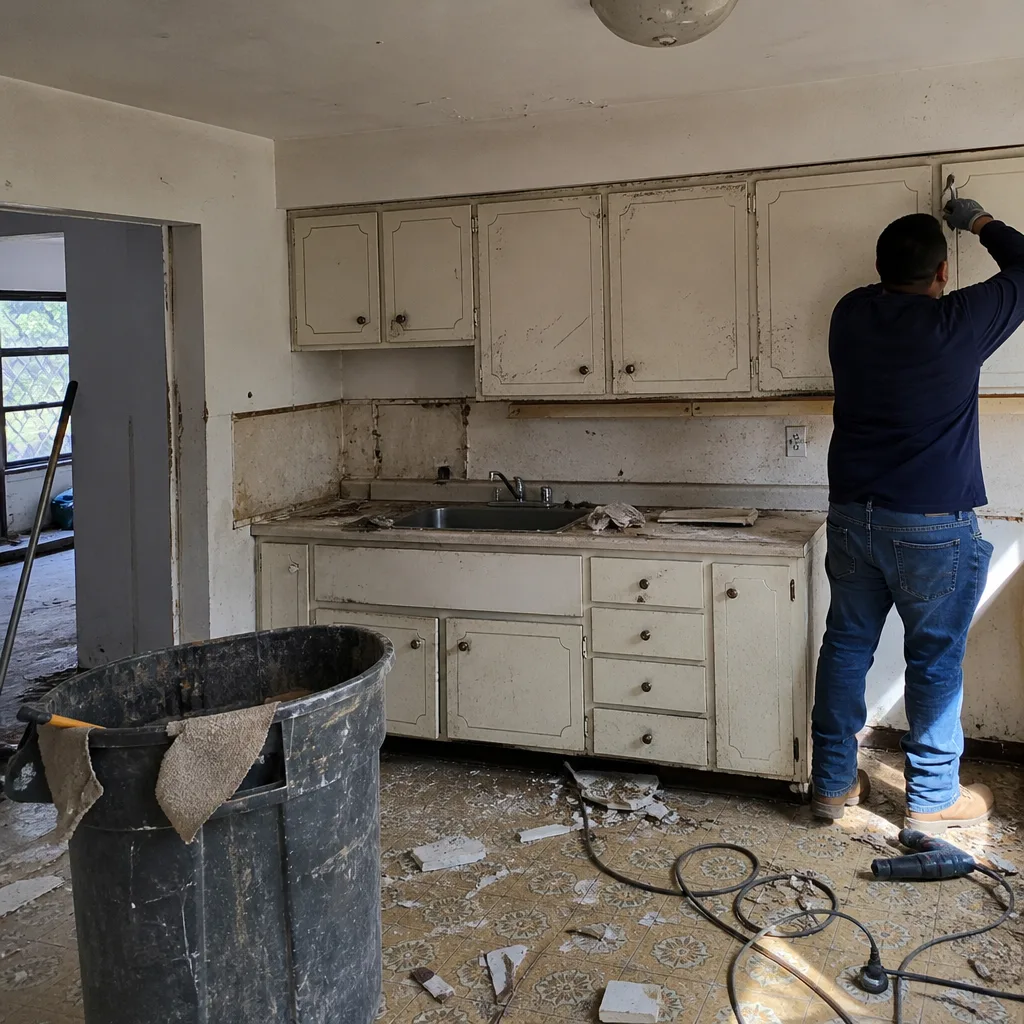
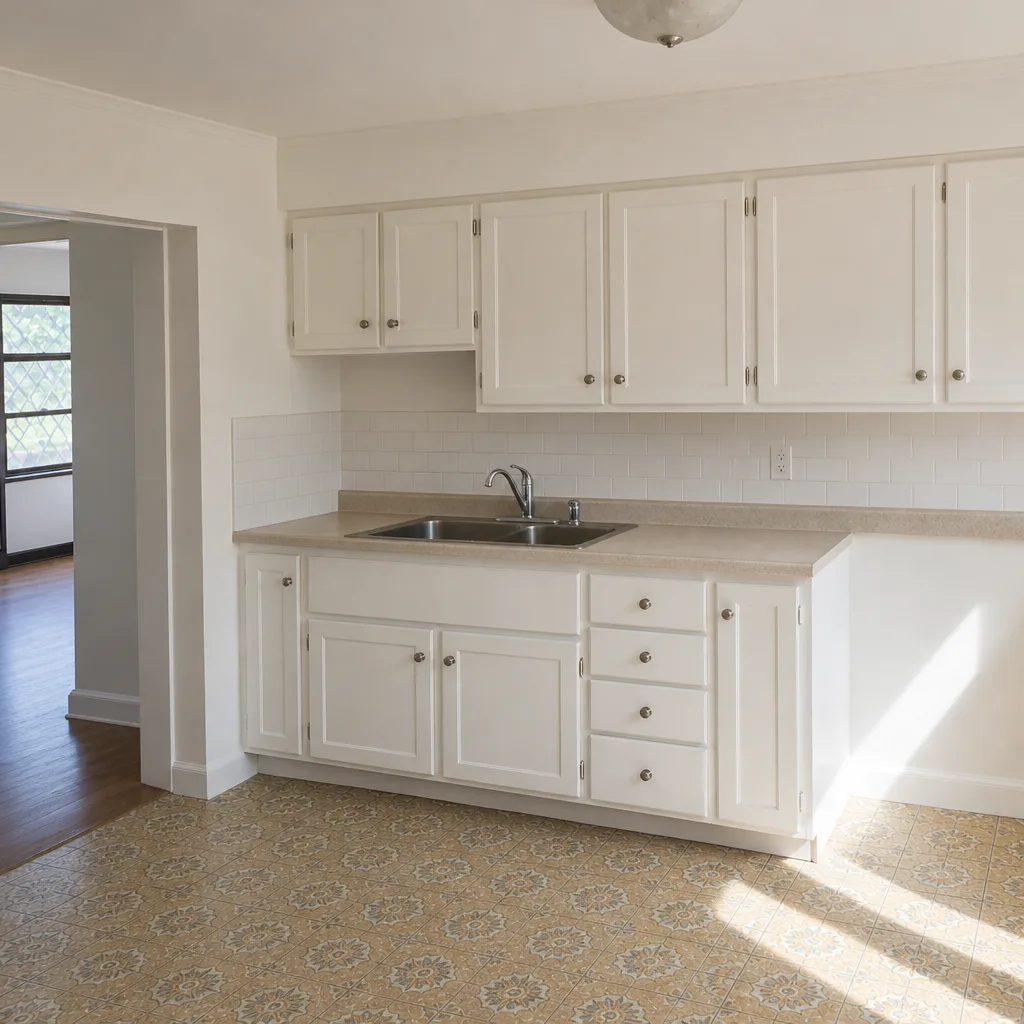
See the difference
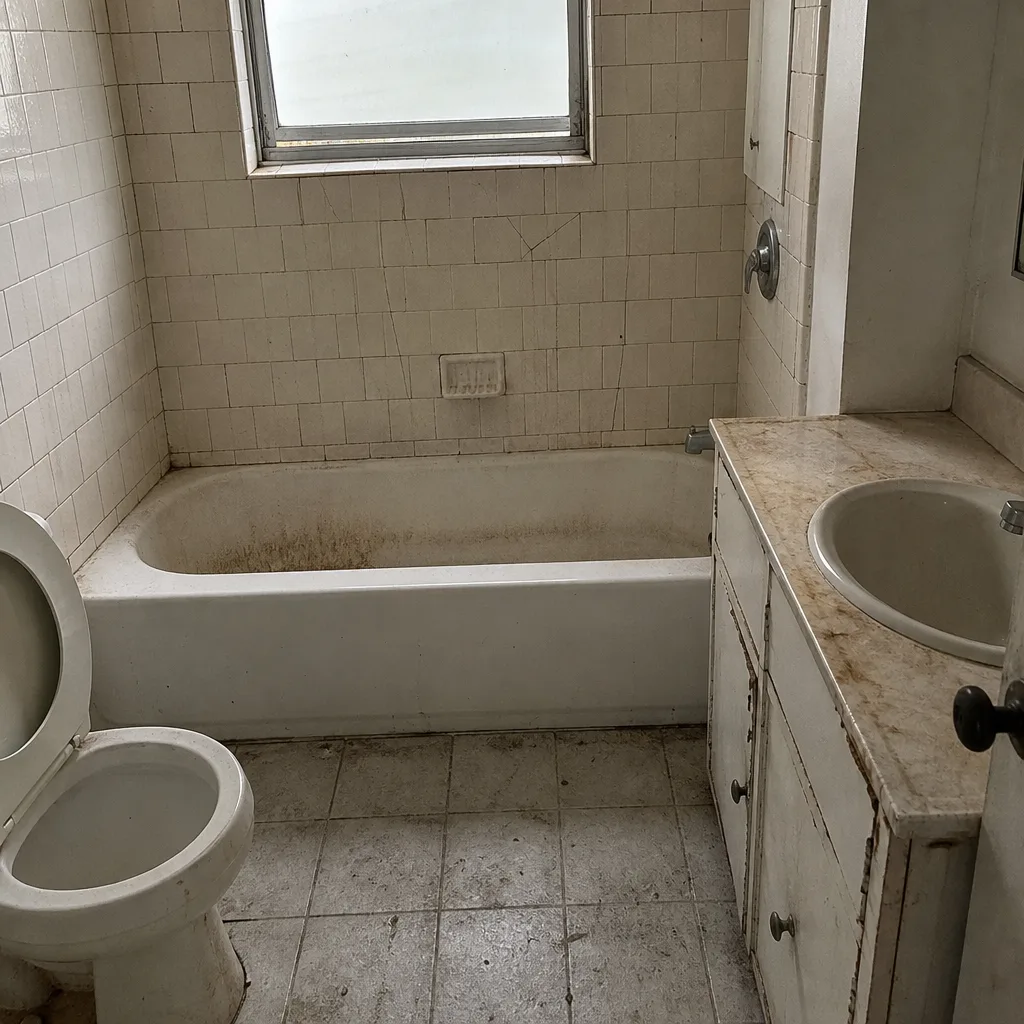 Before
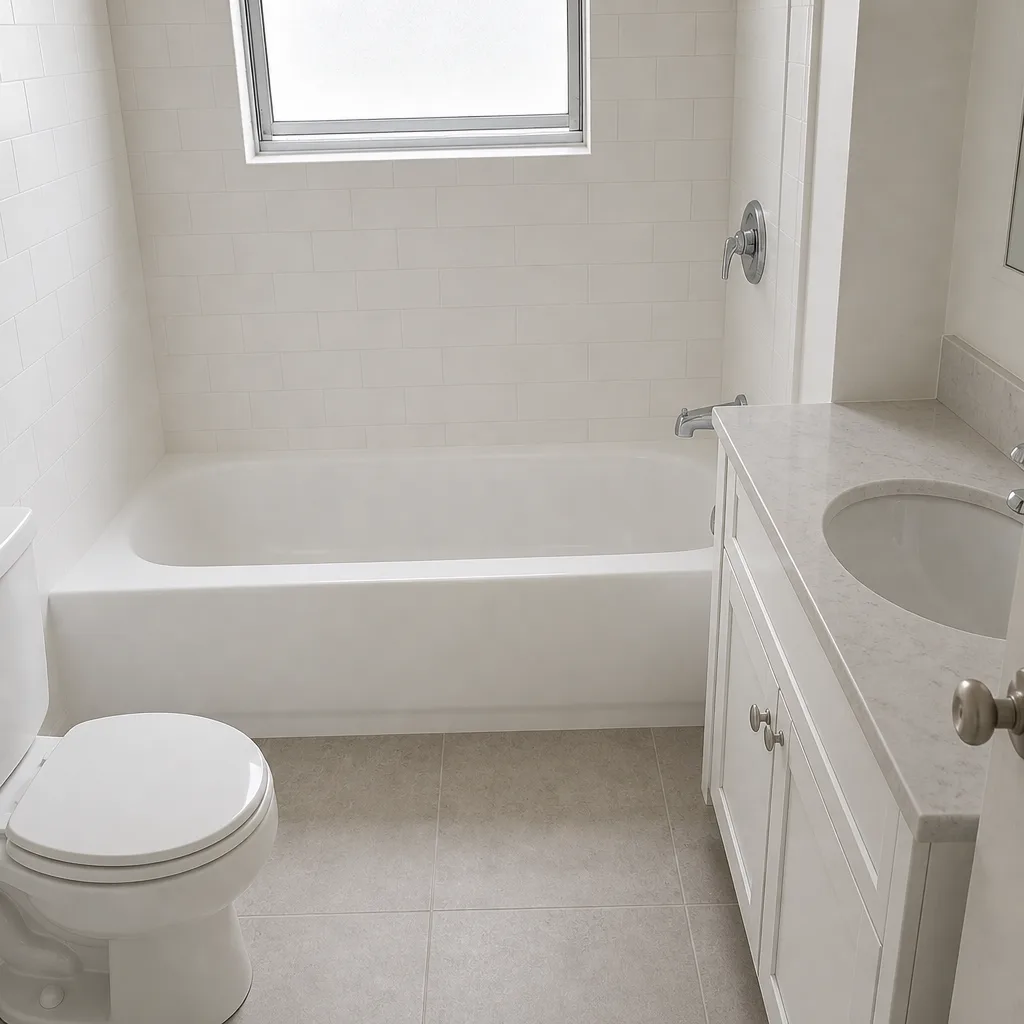 After
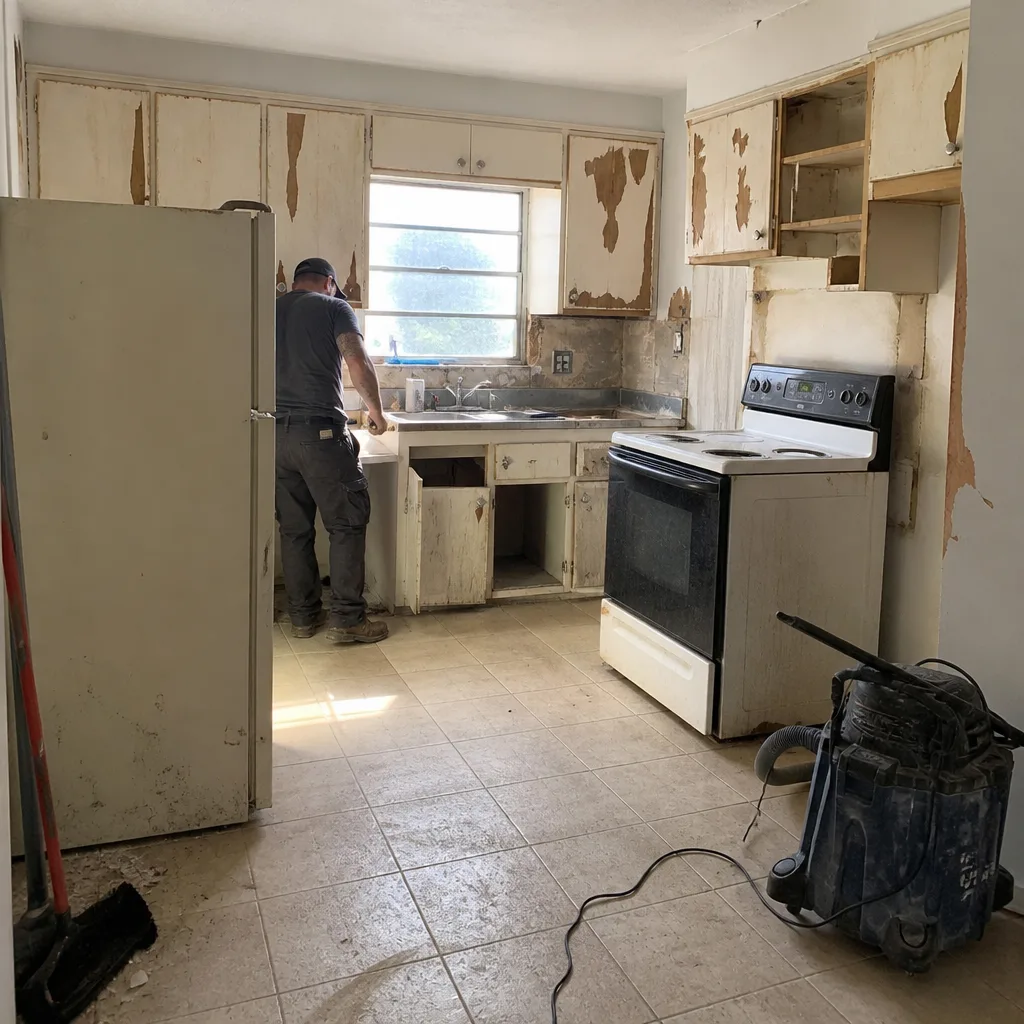 Before
 After
 Before
 After
When to Call a Professional
Call a licensed professional immediately when you see active water intrusion, exposed roof structure, downed power lines, a cracked or sagging ceiling, or any damage to a load-bearing wall. These are not wait-and-see items. They also include anything electrical on an older Hialeah panel, any roof work above ground level, and any gas smell. For the non-urgent list, schedule a licensed inspection once the immediate storm response has settled, usually within a week to ten days. Groundwork Construction Co. of Hialeah offers free estimates in Hialeah: call (888) 418-7102 to schedule one, and we’ll document your home’s current condition so it’s ready for whichever season comes next. Calls are answered by a live person 24/7, so you’re never waiting until Monday morning to get a question answered.
Frequently Asked Questions
At minimum: dated photos of every exterior surface, your insurance declarations page and separate flood policy, a written home inventory, utility shutoff photos, and the names of licensed local contractors you’ve actually spoken with. The file should exist in both physical and cloud form. The point is to have the answers before an emergency forces the questions.
Because that’s exactly when unlicensed storm-chasers flood the market and the buyers of those contracts are the ones who end up with unfinished work and no warranty. A reputable Hialeah contractor with a real reputation gets booked fast regardless, so waiting 72 hours to verify a license and get a written scope costs you nothing but protects you from everything. Call (888) 418-7102 for a no-pressure evaluation instead of a door-knock quote.
An insurance-compliant tarp uses heavyweight material, wood batten anchorage along the eave line (not staples or nails through shingles), proper overlap and slope, and is documented with photos. A light poly tarp stapled through the roof deck creates new leaks and gives the adjuster grounds to reduce the claim. Get the standard right the first time; it protects both the home and the claim.
Yes. Miami-Dade County activates accelerated permit review for storm-related repairs during a declared local emergency, and building inspection systems prioritize life-safety and structural work over cosmetic work. The City of Hialeah building department maintains its own local permit requirements on top of the county’s, so a contractor with established local fluency moves through the process faster. Ask any contractor you hire to confirm they know the fast-track and the local permit desk.
You don’t, and that’s the point of scheduling a licensed inspection instead of guessing. Older Hialeah homes often have original panels (Federal Pacific and Zinsco are the common problem panels) and roofs that fail at the fasteners rather than the shingles. Both are hazards a trained eye catches and a homeowner’s glance does not. This is why a free estimate and condition walk-through is worth scheduling before storm season – it gives you a documented baseline. Call (888) 418-7102 to set one up.
The two highest-value ones are a wind-rated roofing system with documented nail pattern and impact-rated windows and doors. After those, proper drainage around the foundation and a wind-rated fence. Roof systems from GAF or CertainTeed and windows from Andersen or Pella, installed correctly, significantly reduce the damage a storm does. Those are the projects where material choice matters most, and where the wrong choice shows up on the first strong gust.
The Bottom Line
Construction emergencies in Hialeah aren’t a question of if. The homeowners who handle them well spent a few afternoons getting ready before storm season: a documented emergency file, a triage sequence they’ve already thought through, a properly standardized tarp job, and a licensed local contractor relationship established in advance. The homeowners who don’t end up signing a bad contract or climbing a wet roof. The difference isn’t luck; it’s preparation. Build the file, have the inspection, know your permit fast-tracks, and establish the contractor relationship before you need it. That’s the whole playbook.
When you’re ready to schedule that pre-season assessment, or when you’re facing a repair now, call Groundwork Construction Co. of Hialeah at (888) 418-7102 for a free estimate. We answer with a live person 24/7, we put our pricing in writing before work starts, and every project is backed by our 730-Day Done Right Promise. From foundation to finish line, we build it to last and back it in writing. Calls are free; the estimate is free; the peace of mind is the whole point.
Written by the team at Groundwork Construction Co. of Hialeah.