Last updated November 18, 2026





Free written scope consultation - allowances, timeline, and change-order rules on paper before a single trade is scheduled
Construction Permits, Codes & Inspections in FL: What You Need to Know
Here’s the part most homeowners don’t hear until it’s too late: unpermitted work in Florida doesn’t just risk a fine. It can void your homeowner’s insurance the moment you file a claim, trigger a stop-work order in the middle of a renovation you’ve already paid for, and become a legally required disclosure that sinks a future home sale. Florida’s building code is one of the strongest in the country, but it only protects you if the work on your home actually goes through the permit process. Down here in Hialeah, the local amendments to that code are where even out-of-county contractors get caught off guard. This guide walks through the permit system as a tool that works for you, not bureaucratic friction to route around.
Quick Answer
In Florida, most structural, electrical, plumbing, roofing, and mechanical work on a home requires a permit pulled through your local building department, and Miami-Dade County layers stricter local amendments on top of the Florida Building Code – especially for wind resistance, roof-to-wall connections, and product approvals. The work then has to pass a series of inspections before it’s considered legal and insurable. Skipping the permit doesn’t make the work disappear; it makes it your liability, and it tends to surface at the worst possible moment: claim time, refinance, or sale.
Styles & brands we work with
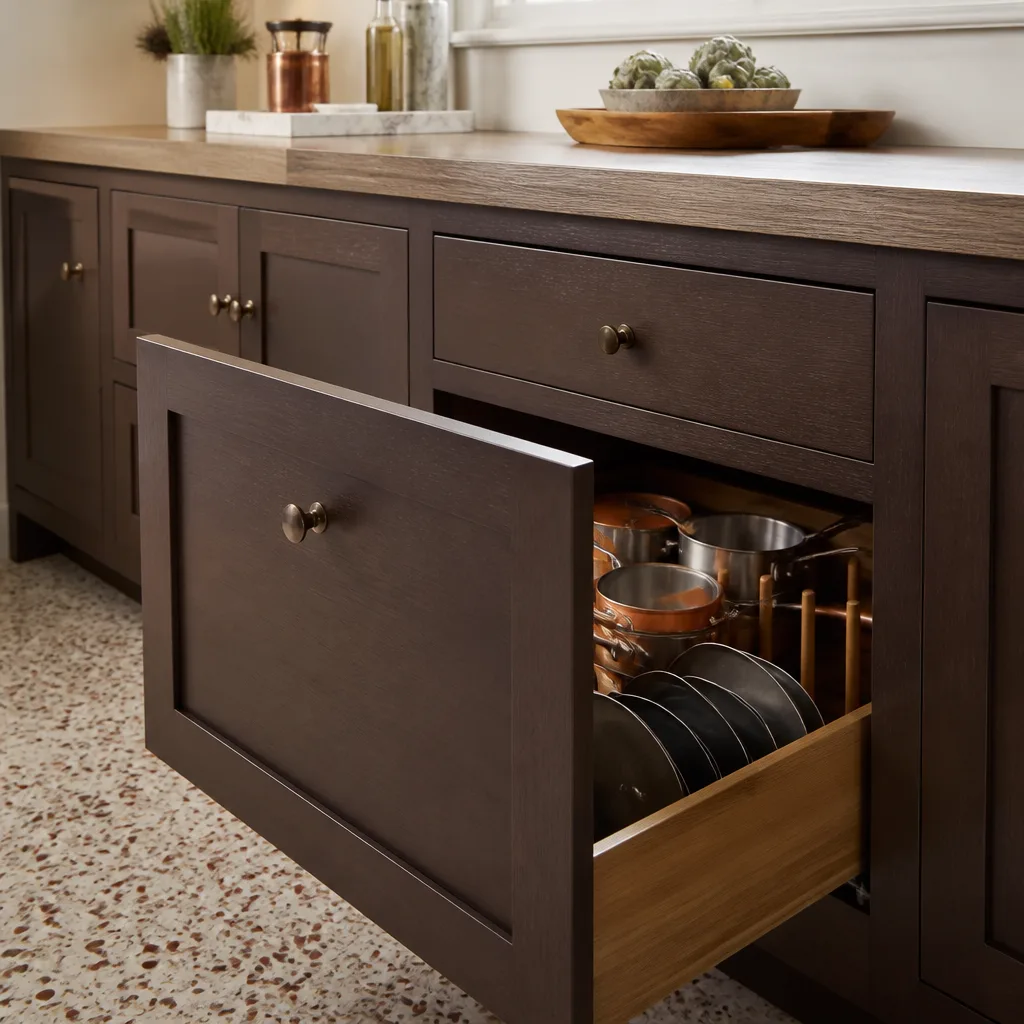
- Kitchen remodeling
- Bathroom remodeling
- Home additions & ADU
- Roofing
- Windows & doors
- Driveway & pavers
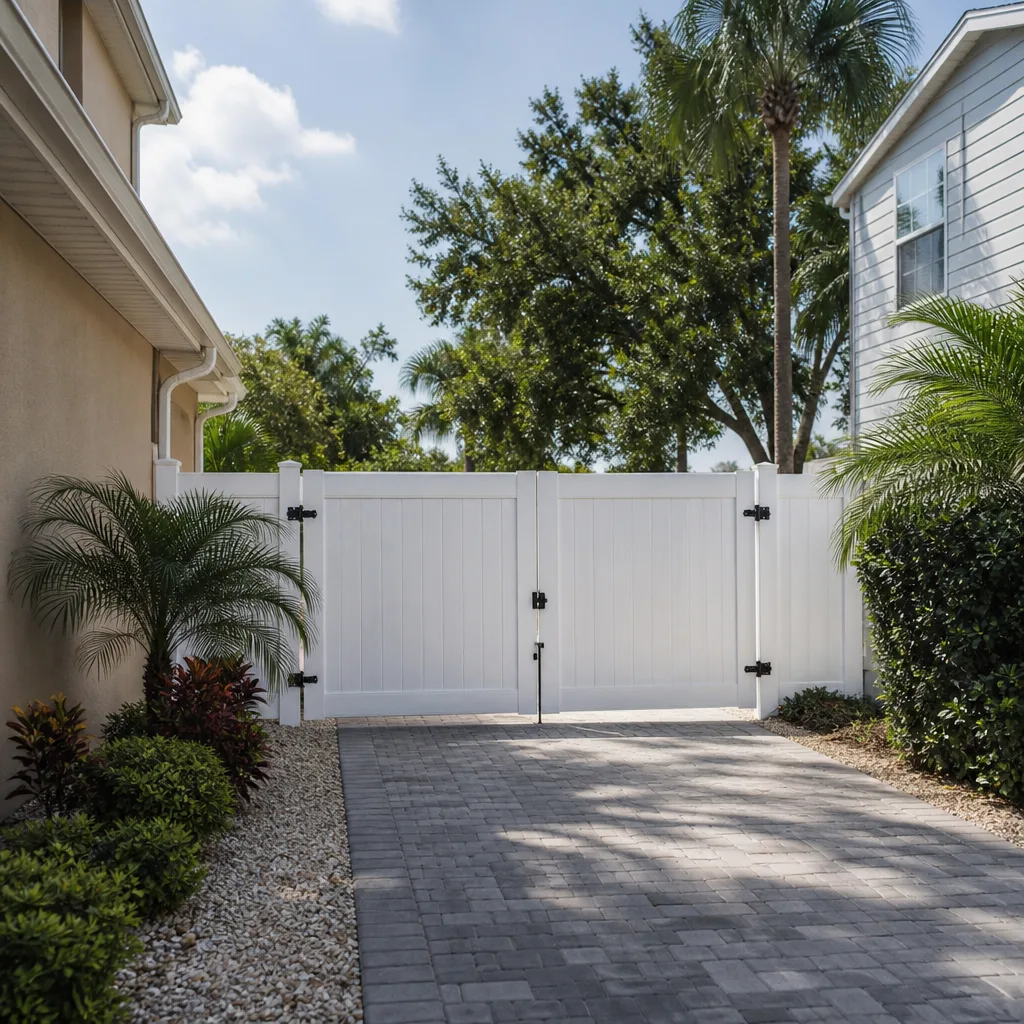
- Fence
Table of Contents
- Why Florida Treats Permits So Seriously
- Miami-Dade County’s Local Amendments: Where They Bite
- Which Hialeah Home Projects Need a Permit?
- What a Florida Inspection Actually Checks at Each Stage
- How to Pull Your Home’s Permit History
- When a Contractor Suggests Skipping Permits
- Timeline and Cost: What the Process Really Takes
- Choosing a Contractor Who Handles Permits Right
Why Florida Treats Permits So Seriously
Florida doesn’t have a generic building code. It has the Florida Building Code, a single statewide standard that was created partly so the entire state could learn from the same hard lessons: Hurricane Andrew in 1992 flattened entire subdivisions and exposed a patchwork of weak local enforcement, and the code has been tightened repeatedly in the decades since. Every roof replacement, structural change, and wind-load-sensitive element on your house has to meet standards designed to keep a building standing when a real storm hits. Permit and inspection is how those standards get verified instead of assumed.
For Hialeah specifically, this matters on a daily basis. Homes in neighborhoods across Hialeah – from the older blocks near downtown to the newer construction out toward the west – sit in a high-velocity hurricane zone. That designation isn’t a slogan. It changes which roofing systems, fasteners, shutters, and window products are even legal to install. A roofing material that’s perfectly acceptable in Central Florida may not carry the approvals required in Miami-Dade, and a contractor who doesn’t pull the permit won’t have the building department telling them that.
The permit system also creates a paper trail that protects you. When you sell, the buyer’s inspector and lender will look for it. When you file an insurance claim after a storm, your insurer will ask what was permitted and inspected. A missing permit turns a construction question into a claims dispute.
What the statewide code actually governs
- Structural: Additions, load-bearing wall removals, and foundations
- Roofing: Full replacement, re-roofs, and certain repairs that affect the roof envelope
- Mechanical and electrical: New circuits, panel work, HVAC replacement, duct changes
- Plumbing and gas: New lines, relocations, and gas appliance connections
- Wind-load products: Windows, doors, shutters, and impact-rated glazing
Miami-Dade County’s Local Amendments: Where They Bite
Here’s the part that genuinely trips people up. Miami-Dade County has a long history of local amendments that sit on top of the Florida Building Code, and those amendments are often stricter than the state baseline. High-velocity hurricane zone rules, product approval requirements, and inspection protocols are more demanding here than in most of the rest of the state. A contractor licensed and comfortable in Broward or Palm Beach can walk into a Hialeah job and discover their usual product line doesn’t carry the required Miami-Dade approvals.
We’ve watched this play out on window and door replacements in Hialeah more than once. Impact-rated products have to be tested and approved under the county’s product control system – brands like CWS, ES Windows, and ECO Window Systems are familiar names in that world because their lines are regularly specified and approved for Miami-Dade. A homeowner who chose a “nice window” from an unapproved line without checking discovers at the inspection that it can’t legally be installed. The window gets rejected and the job stalls.
Where the amendments hit residential projects hardest
- Roofing: The county’s product approval requirements and inspection protocols for roofs on high-wind areas are strict, and roof-to-wall connections are scrutinized closely during inspection.
- Impact glazing and openings: Windows, sliding glass doors, and shutters must be tested and approved for the wind zone – and listed in that product control system.
- Fences and exterior structures in wind zones: Fence posts, concrete footings, and attachment details get reviewed for wind load in the county, which is why fence installs almost never go in unpermitted in Hialeah.
- Additions and ADUs: Any new square footage triggers structural review, and additions affecting the building envelope trigger wind-load and energy code review too.
Which Hialeah Home Projects Need a Permit?
This is the question we get more than any other, and the honest answer is “most of what actually changes the building envelope or its systems.” Florida’s statewide code and the county’s local rules together mean that a homeowner who assumes a project is exempt is usually wrong. Here’s the practical map for the most common Hialeah projects.
- Room additions and ADUs: Permit required, plus structural, energy, and sometimes zoning review. No exceptions, no “small enough” carve-out.
- Roof replacement: Permit required. Even if a contractor says the re-roof is “the same material,” the roof envelope and connections have to be inspected.
- Driveway and pavers: In Hialeah and most of Miami-Dade, a new or expanded driveway that connects to the public right-of-way typically requires a permit from the county, and right-of-way use and stormwater-related rules come into play. Homeowners routinely assume a driveway “doesn’t count.”
- Fence installation: Permit required for most fences in Miami-Dade, with height limits and setbacks that vary by lot. That little “front yard only” exclusion matters less than people think.
- Kitchen and bathroom remodels: Any change to plumbing, electrical, or gas – and there’s usually some – requires a permit. A cosmetic refresh with no system changes generally does not, but any wall or line work does.
- Window and door replacement: Permit required when the replacement affects the building envelope or the wind-load-rated openings, which is most of the time.
- HVAC replacement and electrical panel work: Permit required, every time.
If you’re planning a bigger footprint change – an addition, an ADU over a garage – the permitting path is the longest part of the project, so it’s worth reading more about Home Additions & ADU in Hialeah before you set a schedule.
What a Florida Inspection Actually Checks at Each Stage
An inspection is not a contractor’s report card. It’s a legal verification that a specific stage of work meets the code before the next stage can begin. The inspector has to sign off before work proceeds, and skipping a stage can mean the work has to be opened up later – which is exactly what nobody wants on a finished kitchen or a completed roof.
What does a Florida inspection actually consist of? The short version: a physical check against the code’s requirements, documented by the inspector, at each required phase of the job. Here’s what typically gets checked in the common residential stages:
- Pre-construction and site review: Line and grade, setbacks, and approved plans matched to the site before any framing or foundation work.
- Foundation and structural: Footings, slab prep, reinforcement, and connection details verified against plans.
- Rough-in (framing, electrical, plumbing, mechanical): The “in the walls” phase – conduit, pipe runs, framing, and any window or door openings – is inspected before insulation or drywall goes on.
- Insulation and energy code: Verified against the energy code requirements for the climate zone and building type.
- Final: A walkthrough of the completed work, plus documentation of product approvals, wind-load ratings, and any required manufacturer certificates.
- Roofing inspections (specific to wind zones): Structural nailing, underlayment, and product approvals are checked in multiple stages on a roof.
What an inspector is legally required to flag is any condition that doesn’t meet the code. What they may overlook is documentation – product approval paperwork, manufacturer certificates, and specialty product listings. That’s why the contractor has to be tracking approvals as the job goes, not after. In Miami-Dade, an inspection failure on an unapproved impact window or an undocumented roof product usually means a do-over, not a correction.
How to Pull Your Home’s Permit History
Miami-Dade County publishes permit records through its online permitting portal, and homeowners can search their own property by address. This is a genuinely useful tool when you’re buying a home, refinancing, or trying to understand what’s already been done to your house. Here’s the practical process we walk clients through:
- Pull the county’s permitting portal. Search by property address in the county’s online system. The records usually show what permits were issued, when, and whether they were inspected and closed.
- Check the status of each permit. “Closed” or “finaled” means inspected and signed off. “Open” or “expired” means the work may not have been completed to code.
- Cross-check the dates against anything you know about the house. A big kitchen or roof visible to the naked eye with no permit on record is a red flag.
- Call the building department for anything unclear. The portal is a starting point; the department can tell you what an open permit actually means and how to close it.
- Document your findings. For a purchase, put it in writing to your agent and your inspector so it becomes part of the due diligence.
What to look for in the record: unpermitted additions and enclosed garages, roofs with no permit, electrical panel changes with no paper trail, and open permits on a property where work has obviously been done. This matters as much for a Driveway & Pavers in Hialeah project as for a full addition, because the county cares about impervious surfaces and right-of-way, and the permit trail is how the work gets validated.
A home in Hialeah with an open roof permit, for example, is a real closing risk. Lenders often won’t finance a property with open permits, and if they will, they’ll want the buyer to close them out before the sale.
When a Contractor Suggests Skipping Permits
It happens more often than it should, and it’s almost always phrased the same way: “The permit will slow us down,” “We’ve done this a hundred times, you don’t need one,” or “It’ll cost more with the county involved.” The reason it’s a problem is not that the government is being annoying. It’s that if the work goes wrong later, the legal liability for the unpermitted work lands on the homeowner, not the contractor who skipped it.
The liability shows up in three places. First, insurance: a homeowner’s policy typically won’t cover a loss tied to unpermitted work, and some carriers will drop the policy when they learn about it. Second, the sale: Florida requires disclosure of known defects, and unpermitted work often becomes exactly that – a legally required disclosure that can kill a sale or force a price cut. Third, code enforcement: a stop-work order or a fine from the county turns the renovation into a paperwork project in a hurry.
The contractor who skips permits usually leaves nothing to lose. Your name is on the property. That’s the difference. When we contract a project in Hialeah, the permit is not optional, and the county’s records get tied to the address – which is precisely what protects the homeowner. We don’t want a client whose insurance company has a question after a storm to be missing a single piece of paper.
Timeline and Cost: What the Process Really Takes
Permitting timelines vary widely by project type and how quickly the county responds. What we can tell you honestly: a full roof replacement typically takes the longest of the common residential permits because the review touches product approvals and wind-zone requirements, while a straightforward window replacement with approved products generally moves faster. Additions go through structural and often zoning review, which is where the schedule really stretches.
The permit fee itself is a cost you pay the county, not the contractor. That fee depends on the scope and value of the project, and it’s almost never a flat number. On top of the permit fee, expect to pay for plan review if your project requires stamped plans. The good news: this is all upfront pricing, and we put it in writing before the job starts.
- Permit fee: paid to the county, tied to project value and scope.
- Plan review and any engineering: required on additions and structure changes.
- Inspection scheduling: built into the construction schedule.
- Correction cycle: if an inspection fails, the re-inspection is the contractor’s problem to solve, and we build the time into the contract.
What you don’t want is a contractor who quotes a “cheaper” number by leaving the permit out. That number is cheaper because the work is unpermitted and the county is not involved. At Groundwork Construction Co. of Hialeah, the quote covers the permit, the inspections, and the paperwork. Upfront pricing, no surprises. If a line item shows up later that wasn’t in the original agreement, the 730-Day Done Right Promise covers workmanship, and the written quote protects you from scope creep.
Choosing a Contractor Who Handles Permits Right
The contractor’s behavior around permits is the single best tell of how the rest of the project will go. A licensed contractor knows the county codes, orders approved products for the wind zone, schedules inspections early, and tracks the paperwork. A contractor who doesn’t want to pull the permit is telling you, in advance, how they’ll handle a warranty claim.
In our experience across Hialeah, the contractors who handle permits well are the ones who also handle the finished product well. The permit discipline carries straight through: approved products, documented connections, and inspections that clear the first time because the work was done correctly. Our technicians have up to 12 years of experience, and every job is backed by the 730-Day Done Right Promise – if it’s not done right, we make it right. For a fence project, that means the posts are set correctly the first time and the county sign-off happens on the first inspection. You can read more about how we handle Fence Installation in Hialeah if you want a sense of our process on a smaller-scale project.
Some other things to look for in any contractor you hire:
- Licensed and insured, with documentation you’ve actually seen.
- Familiar with Miami-Dade’s product approval requirements, especially for roofing and windows.
- Willing to list permits and inspections as a line item on the written quote.
- Can show you past Hialeah work that was permitted and inspected, not just finished.
- Answers the phone when a storm is coming – calls answered by a live person, 24/7.
Common Mistakes to Avoid
- Assuming a driveway is exempt. In Hialeah, a driveway connecting to the public right-of-way typically requires a county permit, and homeowners find out the hard way when they try to close the work out later. Ask before the pavers go down, not after.
- Trusting a contractor’s word that a window is “impact-rated.” A window has to be approved in the county’s product control system, not just described as impact-rated by a salesperson. Verify the approval before it’s installed.
- Waiting until a storm to check the roof permit. After a hurricane, the county prioritizes safety inspections and the volume of paperwork goes up. A missing roof permit from a prior owner can’t be fixed in a weekend.
- Letting the contractor “handle the permit later.” A permit pulled after the work starts is a much harder conversation with the county, and it can trigger a stop-work order.
- Ignoring open permits on a home you’re buying. Pull the permit history during due diligence. An open roof or addition permit is a real deal risk, not a small paperwork issue.
- Accepting a quote that’s dramatically cheaper than everyone else’s. Nine times out of ten, the gap is the permit, the inspections, or the approved product line – and the homeowner absorbs the risk later.
- Not asking which products are on the approved list. In Miami-Dade, the brand and the line matter. A great brand name on an unapproved line still fails inspection.
See the difference
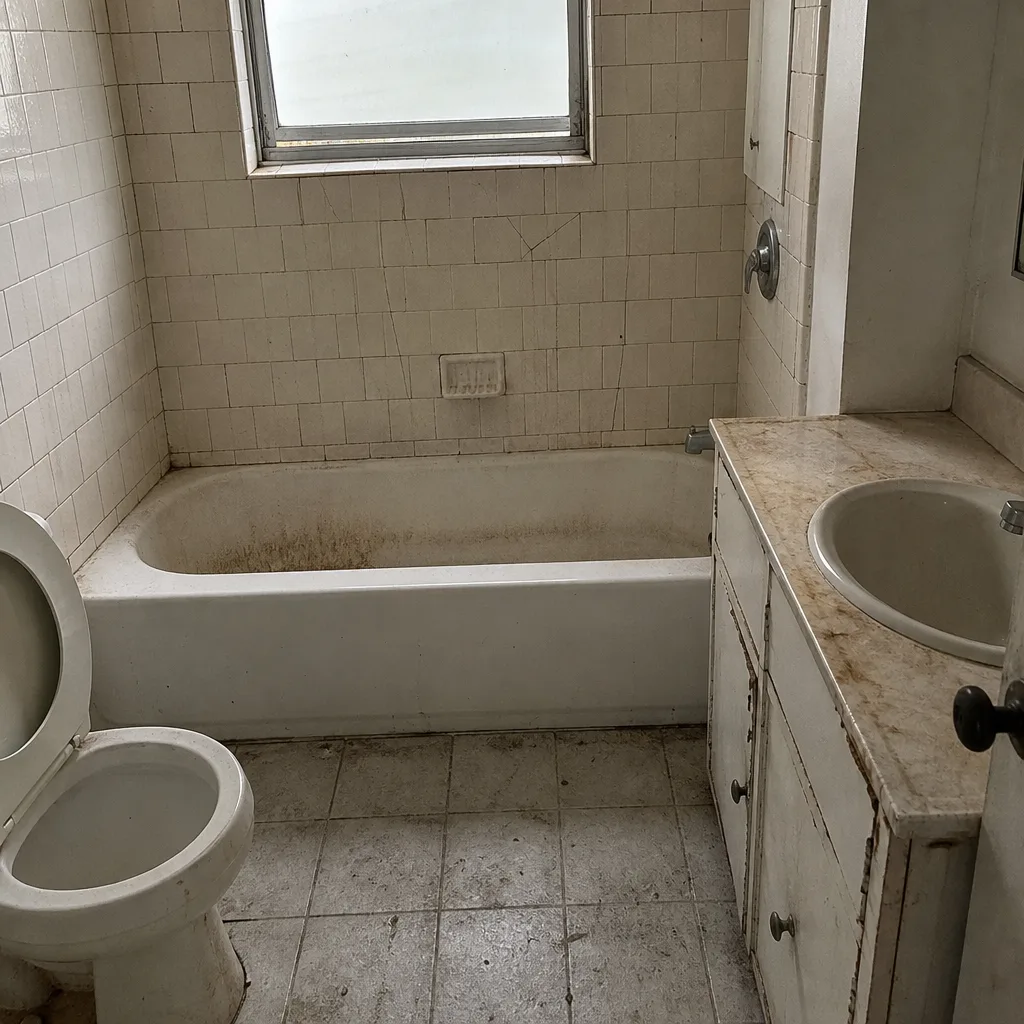 Before
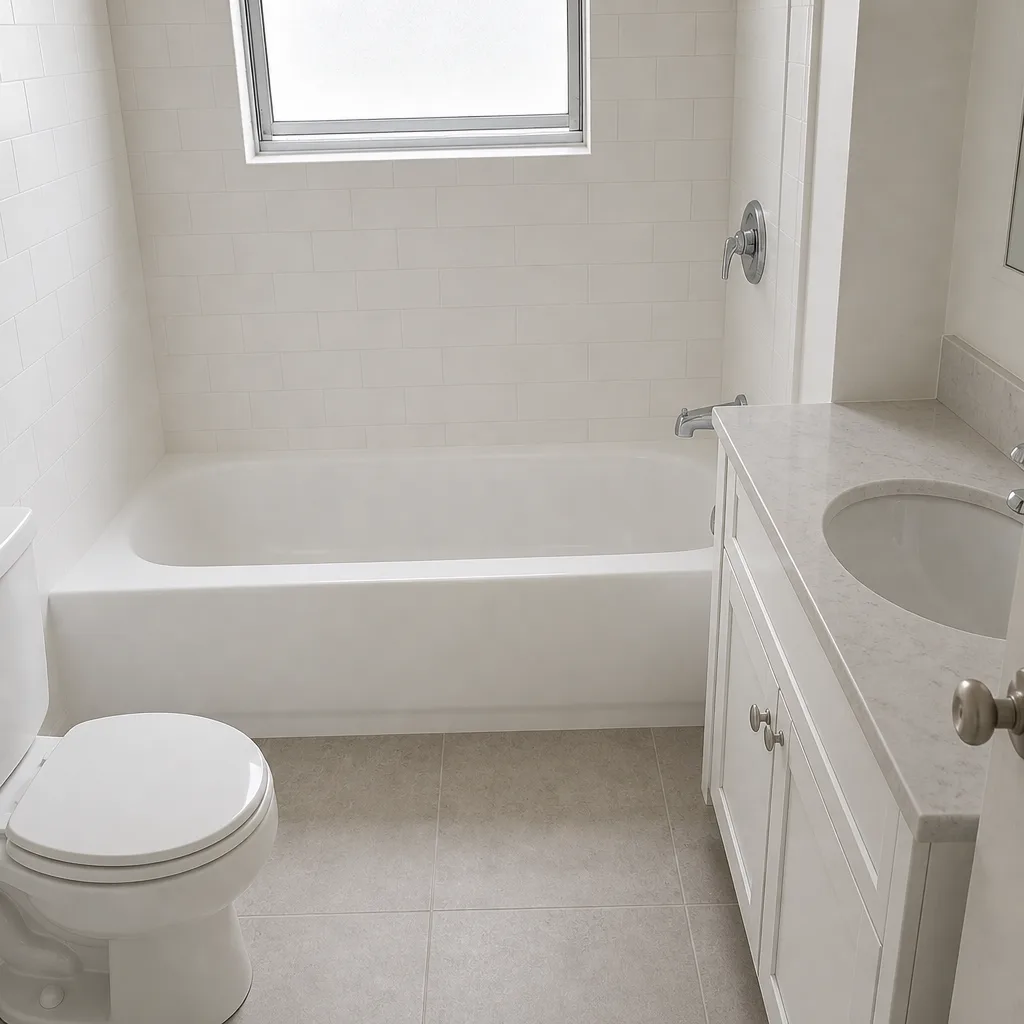 After
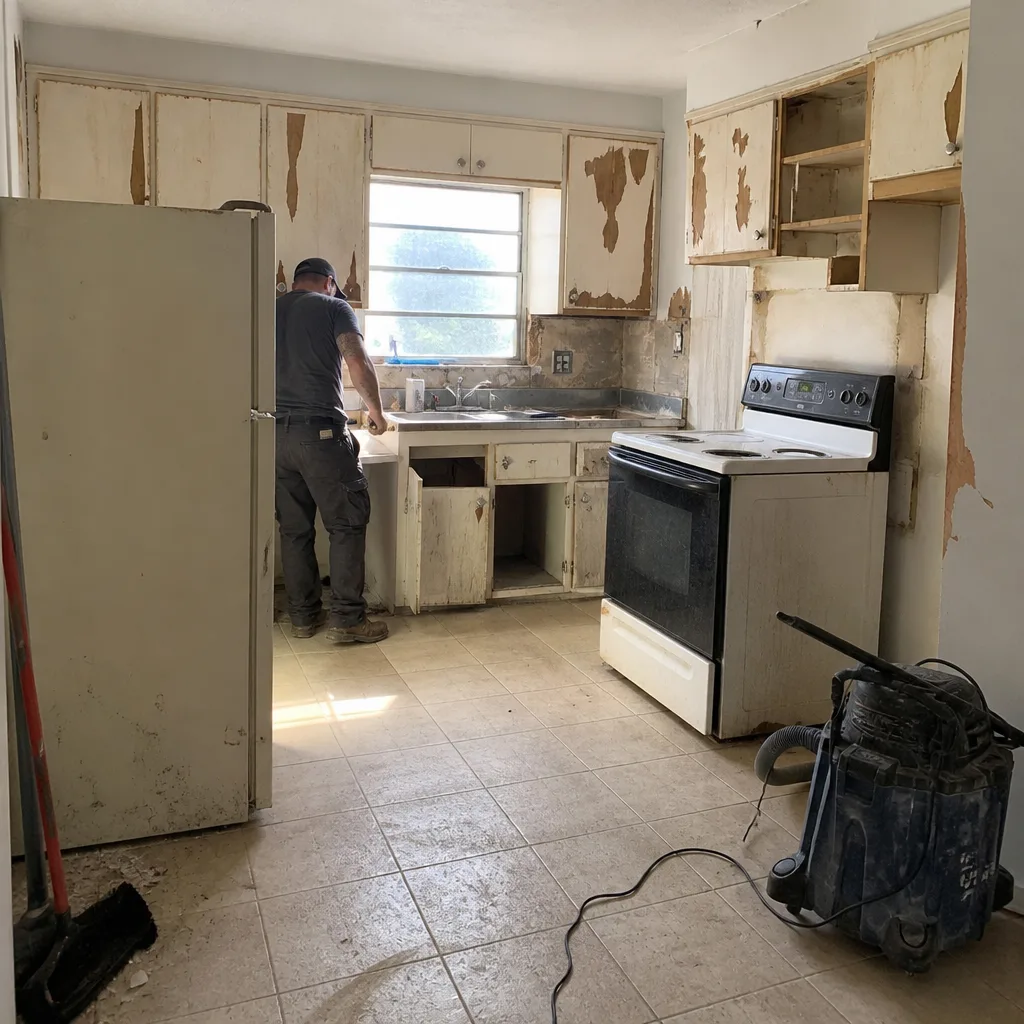 Before
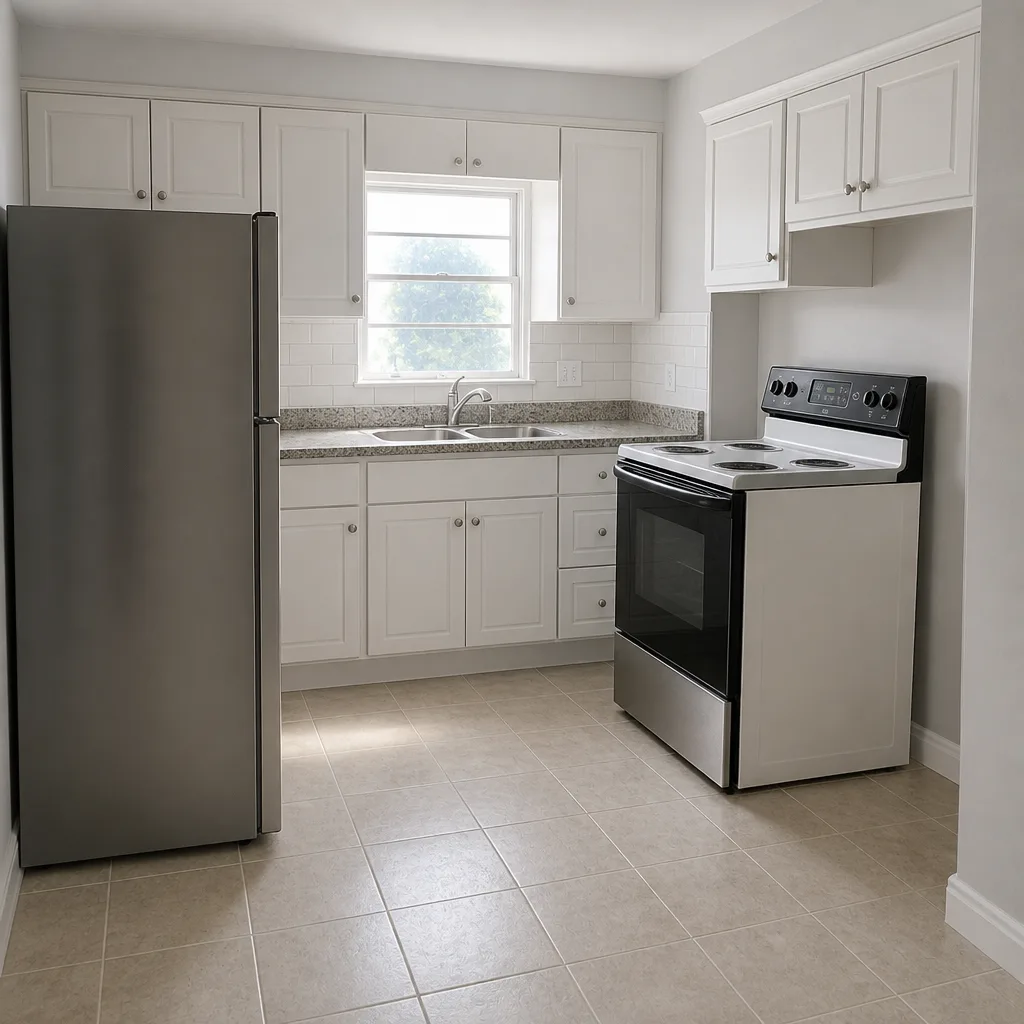 After
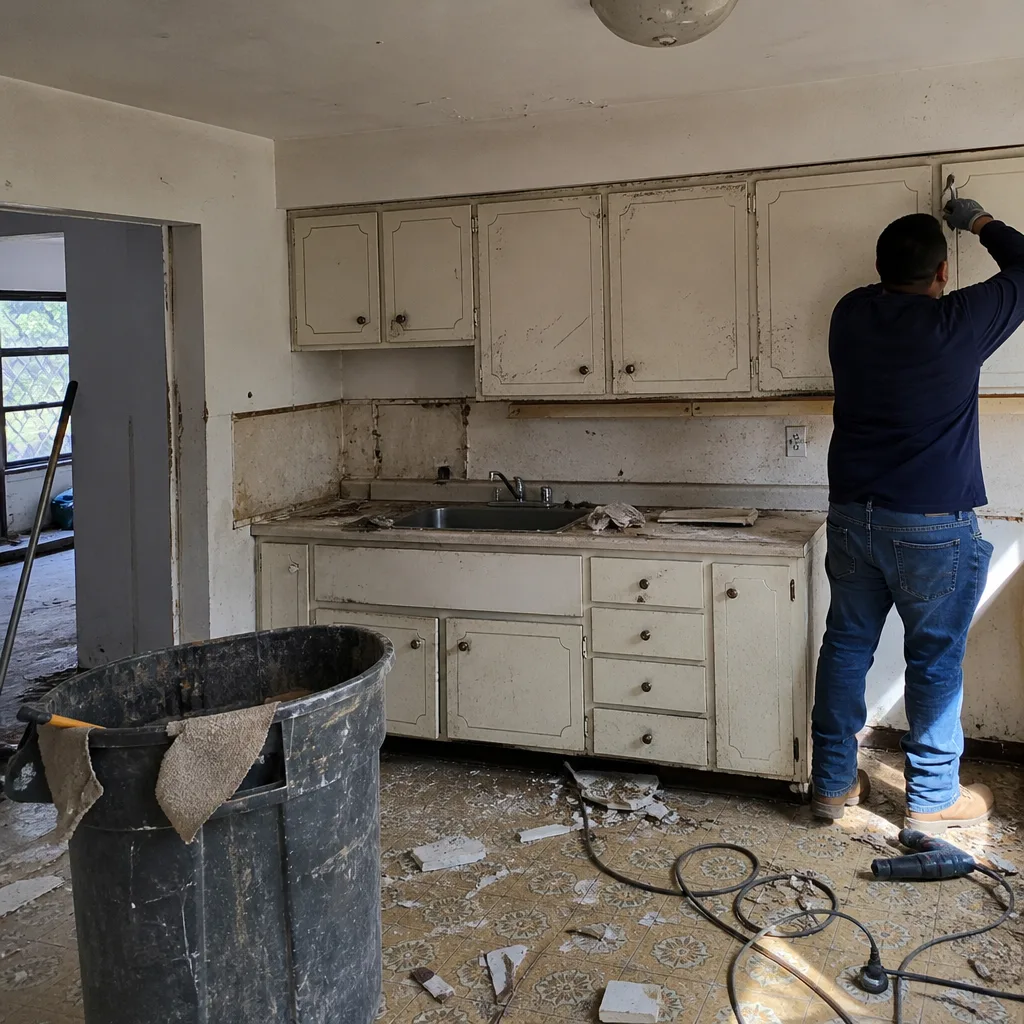 Before
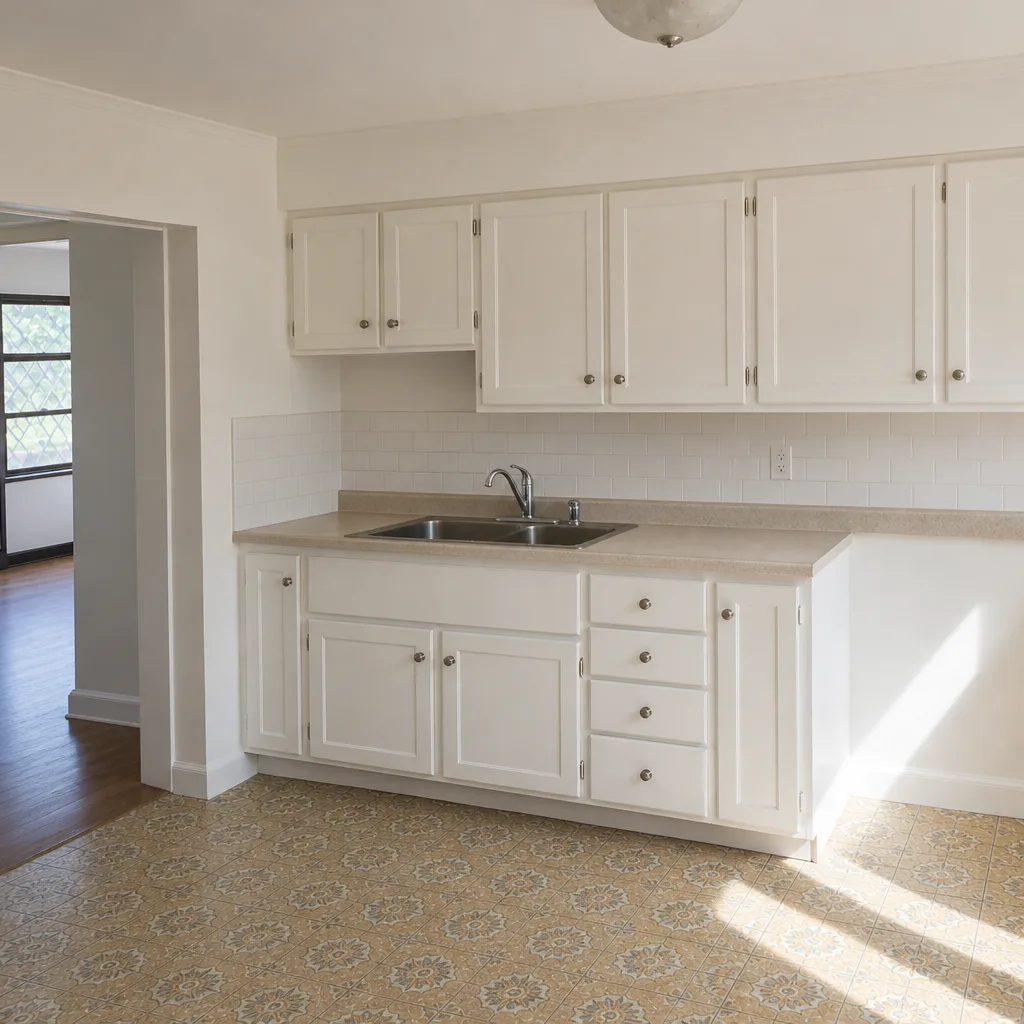 After
When to Call a Professional
Some permit and code questions are simple, and some need a licensed contractor’s eyes on the actual job. Call a professional if the work changes your building envelope or systems – roofs, windows, additions, electrical, plumbing, or gas. Call if you’re being told a permit is unnecessary on a project that obviously touches the house. Call if you’ve inherited unpermitted work from a prior owner and you need to understand what the county will require to fix it. And call if you’re planning a project and want to know what the county will really check before you commit.
Groundwork Construction Co. of Hialeah offers free estimates in Hialeah – call (888) 418-7102. We’ll walk the scope, tell you what permits apply, and put the demolition, construction, permit, and inspection plan in writing before you sign anything. Calls are answered by a live person, 24/7, so there’s no voicemail black hole. And you can start from the beginning at Groundwork Construction Co. of Hialeah home if you’d like to see the full range of what we do.
Frequently Asked Questions
Yes. Roof replacement in Hialeah requires a permit from Miami-Dade County, and the inspection process is stricter than in most of Florida because of the high-velocity hurricane zone. The county checks product approvals and roof-to-wall connections, and an unapproved product line will fail inspection even if it was installed well. If a contractor tells you the roof doesn’t need a permit, that’s your cue to call a licensed contractor instead. Call (888) 418-7102 for a free estimate and a clear answer on what your roof will need.
Permit fees in Miami-Dade depend on the scope and value of the project, so there’s no single flat number, and any contractor who quotes one without seeing the job is guessing. The permit is a cost paid to the county, and it’s a line item on your written quote. What we can promise: your quote will list it, and the price you see is the price you pay. Call (888) 418-7102 and we’ll walk you through what your specific project will need to pull.
No. Florida law requires a permit for most work that changes the structure, systems, or envelope of a home, and a contractor who skips the permit creates a legal exposure that transfers to you as the homeowner. Unpermitted work can void insurance coverage, create a required disclosure at sale, and trigger a stop-work order from the county. The contractor usually walks away; you own the property. That’s why we pull permits on every applicable project, and it’s why our jobs are backed by the 730-Day Done Right Promise.
The work is still unpermitted, and that problem becomes yours the moment you own the property. The county can require you to either legalize it through a retroactive permit process or remove it, and an insurer can decline to cover the affected area. Pull your permit history through Miami-Dade’s online portal as a starting point, then get a licensed contractor to review what’s actually there. We walk clients through this regularly in Hialeah; call (888) 418-7102 to schedule a free estimate and we’ll tell you what the county will require.
Most do. In Miami-Dade County, driveway work that connects to the public right-of-way usually requires a county permit, and fence installation generally requires a permit with height and setback rules. These are the two projects homeowners most often assume are exempt, and they’re the two that most often trigger a code enforcement visit. If you’re planning either, the safest move is to ask before any material is delivered. Read more on Driveway & Pavers in Hialeah, or call (888) 418-7102.
Timeline depends on the project type. Window replacement with approved products generally moves fastest; roof replacements and additions take longer because of product approval and structural review, plus the inspection stage during and after the work. We build the permitting schedule into your written contract so you know what to expect, and we set inspection dates early rather than scrambling at the end. Call (888) 418-7102 for a free estimate and a realistic timeline for your specific project.
The Bottom Line
Florida’s building code and Miami-Dade’s local amendments are there to protect you, and the permit process is how that protection actually works on your home. A permitted job has approved products, inspected connections, and a paper trail that survives insurance claims, refinancing, and a future sale. An unpermitted job has none of that, and the risk belongs to the homeowner. If you take one thing from this guide: treat the permit as a condition of doing business with any contractor in Hialeah, not as a cost to negotiate away. From foundation to finish line, we pull the permits, we pass the inspections, and we back the work in writing with the 730-Day Done Right Promise. That’s what built-to-last actually means.
Call (888) 418-7102 to schedule your free estimate with Groundwork Construction Co. of Hialeah. We’ll walk your project, tell you exactly what permits apply, and give you an upfront price with no surprises. Calls are answered by a live person 24/7, and every technician on your job is background-checked and in uniform. And when the scope grows – a kitchen that becomes a kitchen plus an addition – we handle it all as one project: Home Additions & ADU in Hialeah and every other trade under one written agreement.
Written by the team at Groundwork Construction Co. of Hialeah.